

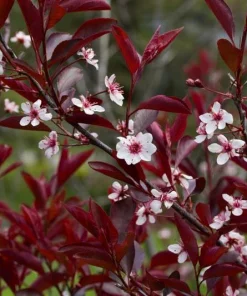
Purpleleaf Sand Cherry Shrub Live Plant – Prunus cistena – 12-24″ Tall
Original price was: $101.99.$76.99Current price is: $76.99.
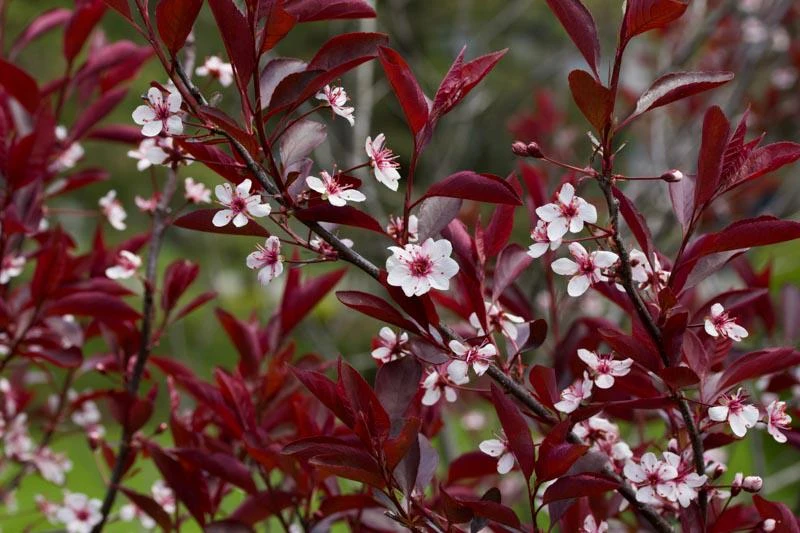
Add dramatic color to your garden with the purpleleaf sand cherry live plant. This deciduous shrub features striking reddish-purple foliage and delicate pink flowers, offering year-round visual interest. Ideal for USDA zones 2-8, it thrives in full sun.
Estimated arrival
Sep 29
Oct 04 - Oct 06
Oct 09 - Oct 13
Shop With Confidence
30-Day Plant Health Guarantee
Arrives damaged? We’ll replace it free — see our return policy.
Responsive Support
Email us anytime, we reply within 1 business day.
Expert Packaging
Temperature-controlled shipping to protect your plants in transit.
Secure Checkout
Pay safely with Visa, Mastercard, PayPal.
Plant Specifications
-
USDA Hardiness Zone
USDA zones 2-8 -
Soil Type
Well-draining soil -
Sunlight Exposure
Full sun -
Expected Planting Period
Early spring or fall
Overview
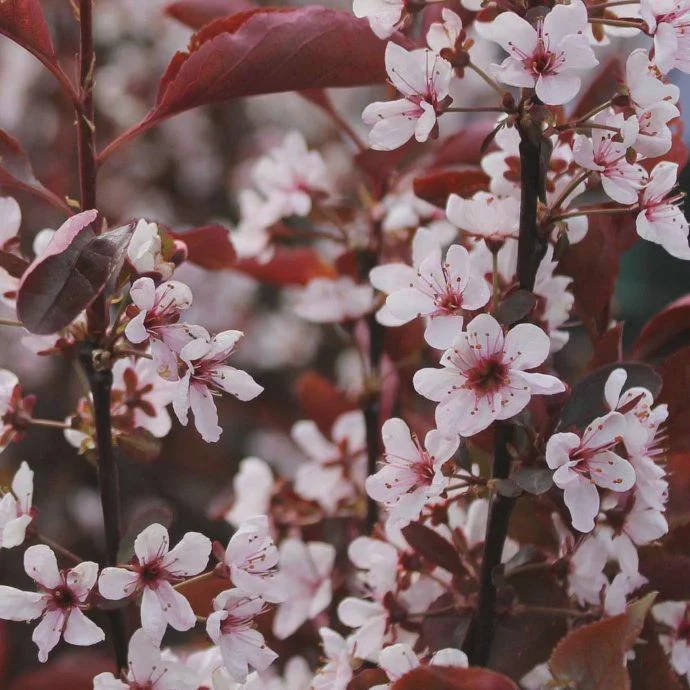
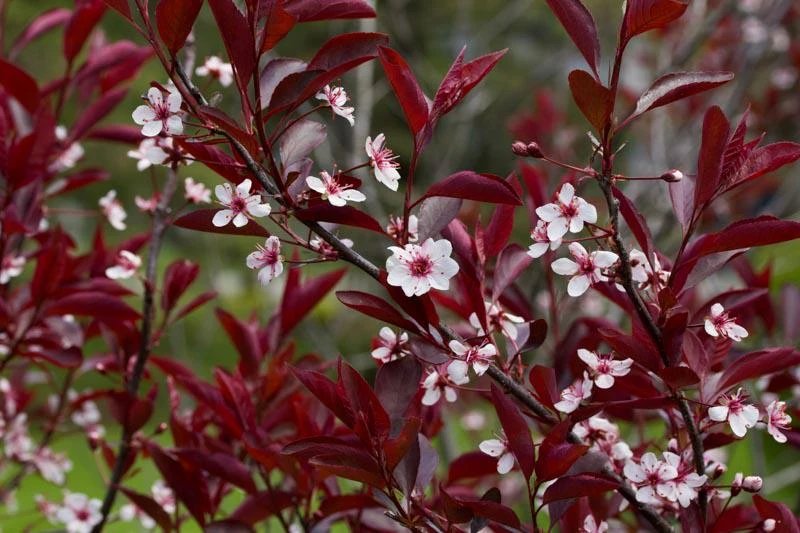
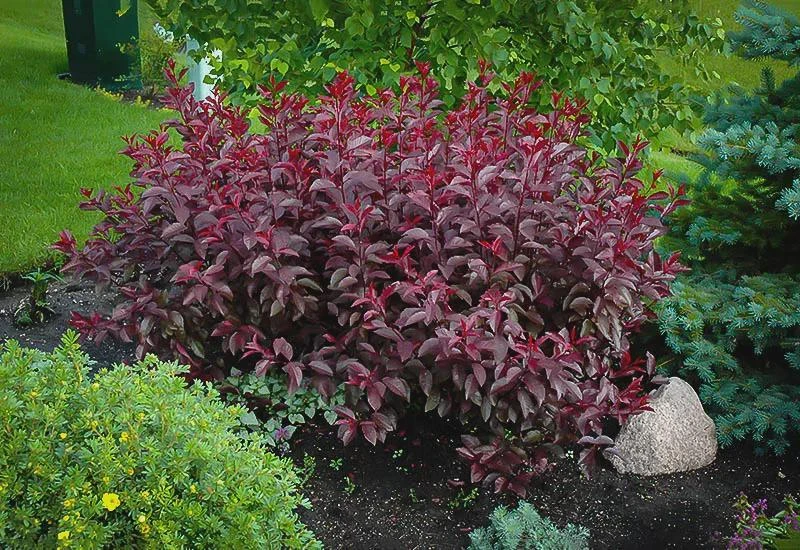
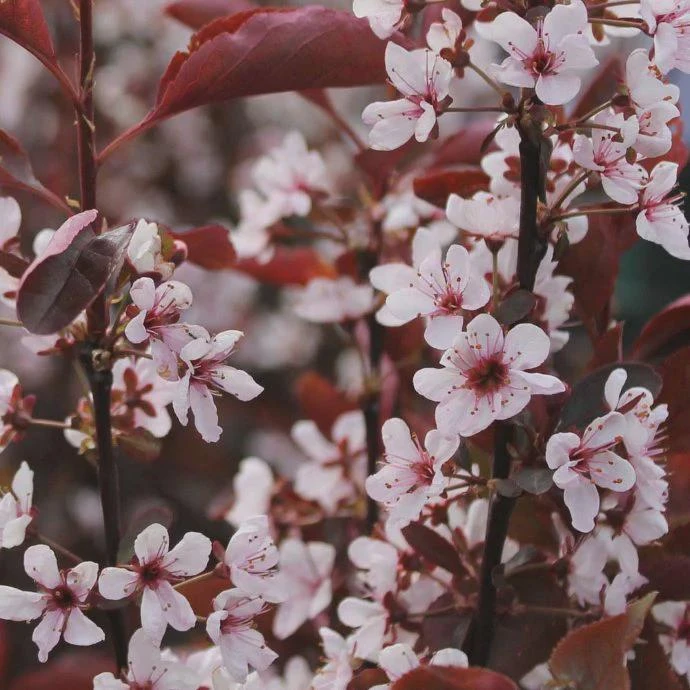
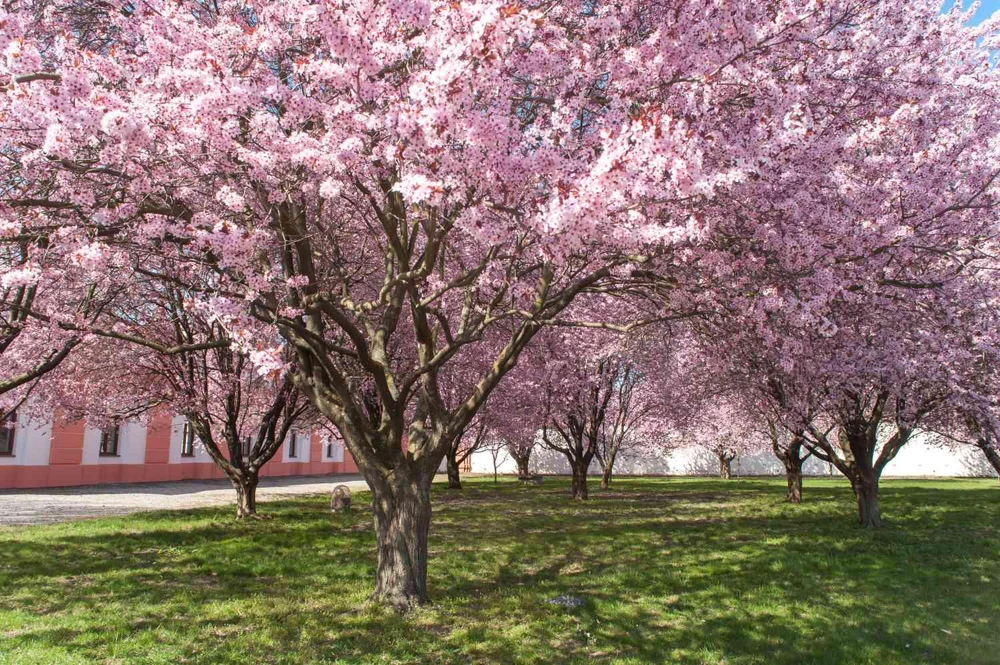
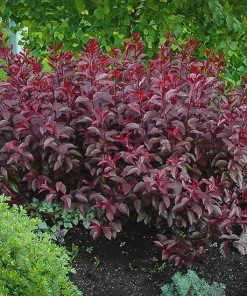
Introduce a splash of vibrant color and elegant form to your garden with the purpleleaf sand cherry live plant. This captivating ornamental shrub, scientifically known as Prunus cistena shrub, is celebrated for its distinctive reddish-purple foliage that maintains its rich hue throughout the growing season. A hybrid plant, it offers a unique visual contrast in any landscape design, whether used as a standalone specimen or integrated into a mixed border. While botanically a shrub, the purpleleaf sand cherry can also be skillfully trained into a charming small tree form, adding versatility to its appeal. Its deciduous nature ensures seasonal variation, providing delicate pale pink to white flowers in early spring before the leaves fully emerge, followed by small, dark purple fruits that are a delight for local birds.
The purpleleaf sand cherry live plant is a testament to nature’s artistry, offering both aesthetic beauty and ecological benefits. It’s a fast-growing option, making it an excellent choice for gardeners looking to establish a significant visual impact relatively quickly. This hardy plant is well-suited for a broad range of climates, thriving in USDA zones 2 through 8. To achieve and maintain its most intense purple leaf color, full sun exposure is absolutely essential. This easy-to-care-for plant is a fantastic addition for both experienced gardeners and those new to cultivating ornamental shrubs, promising a stunning display year after year.
Key Benefits
The purpleleaf sand cherry live plant offers a multitude of benefits that make it a highly desirable addition to any garden or landscape. Its striking appearance and resilient nature contribute to its widespread popularity.
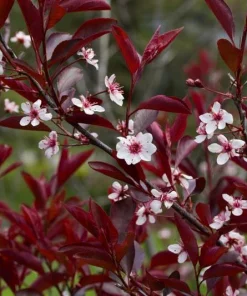
- Dramatic Foliage Color: Enjoy eye-catching reddish-purple leaves that persist throughout the summer, providing continuous visual interest and a beautiful contrast against green plantings. This vibrant color is a hallmark of the purpleleaf sand cherry live plant.
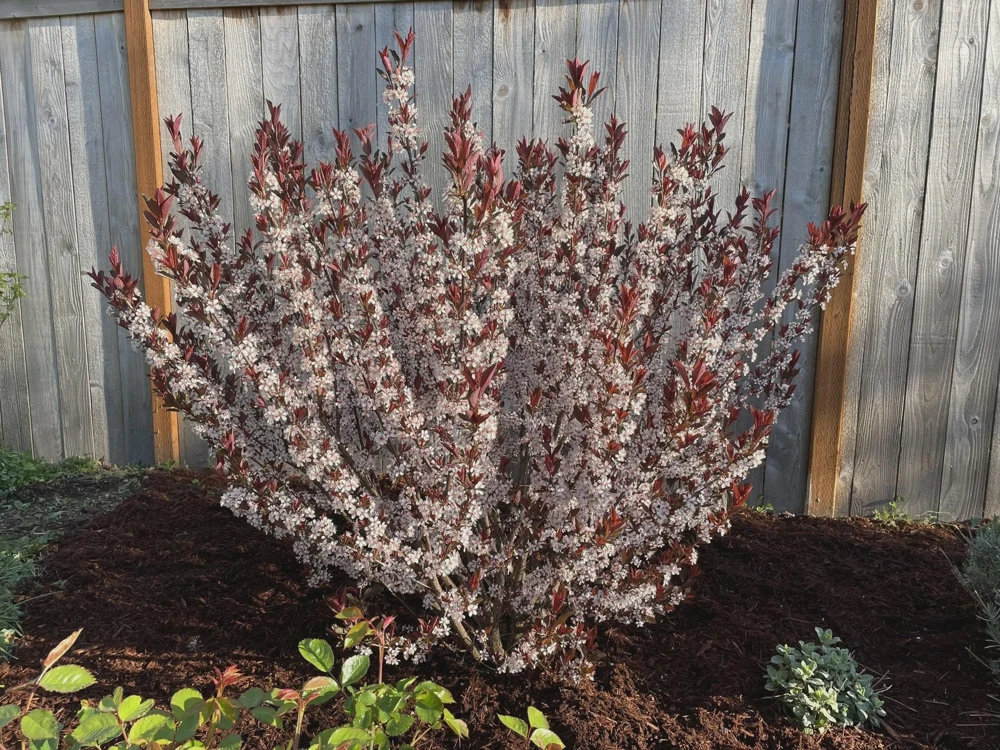
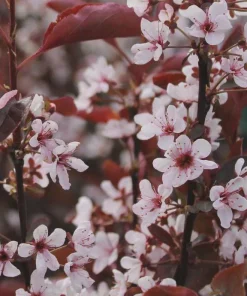
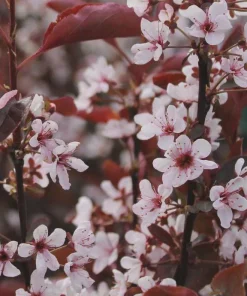
- Early Spring Blooms: Before the rich foliage fully develops, delicate pale pink to white flowers emerge in early spring, adding a touch of elegance and fragrance to your garden as it awakens from winter.
- Attracts Wildlife: The small, dark purple fruits that follow the blooms are a natural food source for various bird species, bringing life and activity to your outdoor space.
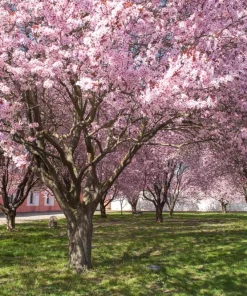
- Versatile Landscape Use: This plant can be grown as a multi-stemmed shrub or trained into a single-trunk small tree, offering flexibility for different garden designs and spaces.
- Hardy and Adaptable: Thriving in a wide range of climates from USDA zones 2 to 8, the Prunus cistena shrub is a robust and resilient plant, capable of withstanding diverse environmental conditions.
- Fast Growth Rate: Achieve significant landscape impact in a shorter time frame compared to many other ornamental plants, thanks to its relatively fast growth habit.
- Low Maintenance: Once established, the purpleleaf sand cherry requires minimal care, making it an excellent choice for busy gardeners seeking beauty without extensive effort.
Plant Care & Growing Tips
Caring for your purpleleaf sand cherry live plant is straightforward, especially when its basic needs are met, ensuring its vibrant color and healthy growth. The most crucial factor for maintaining the striking reddish-purple foliage is ample sunlight. This plant absolutely thrives in full sun, meaning it needs at least 6-8 hours of direct sunlight per day. Insufficient light will result in green foliage, diminishing its signature appeal. When choosing a location, consider its mature size of 6-10 feet tall and 5-8 feet wide, allowing enough space for it to flourish without overcrowding.
The purpleleaf sand cherry tree prefers well-draining soil. While it can tolerate a range of soil types, including clay, loam, and sand, good drainage is key to preventing root rot. Amend heavy clay soils with organic matter to improve aeration and drainage. Water regularly during its first growing season to establish a strong root system. Once established, it is moderately drought-tolerant but will benefit from consistent watering during prolonged dry spells. Fertilize in early spring with a balanced, slow-release granular fertilizer formulated for trees and shrubs. Pruning is best done after flowering to maintain shape and remove any dead or diseased branches. This also helps to encourage new growth and maintain the plant’s vigor.
For optimal health and to prevent issues, monitor your fast growing purpleleaf sand cherry for common pests and diseases. While generally robust, it can occasionally be susceptible to issues like aphids or fungal spots, especially in humid conditions. Ensure good air circulation around the plant. Winter protection is typically not required within its hardiness zones, but a layer of mulch around the base can help regulate soil temperature and moisture. Remember that the deep purple leaf color is directly linked to sufficient sunlight, making proper placement crucial for the ornamental purple foliage.
Size & Details
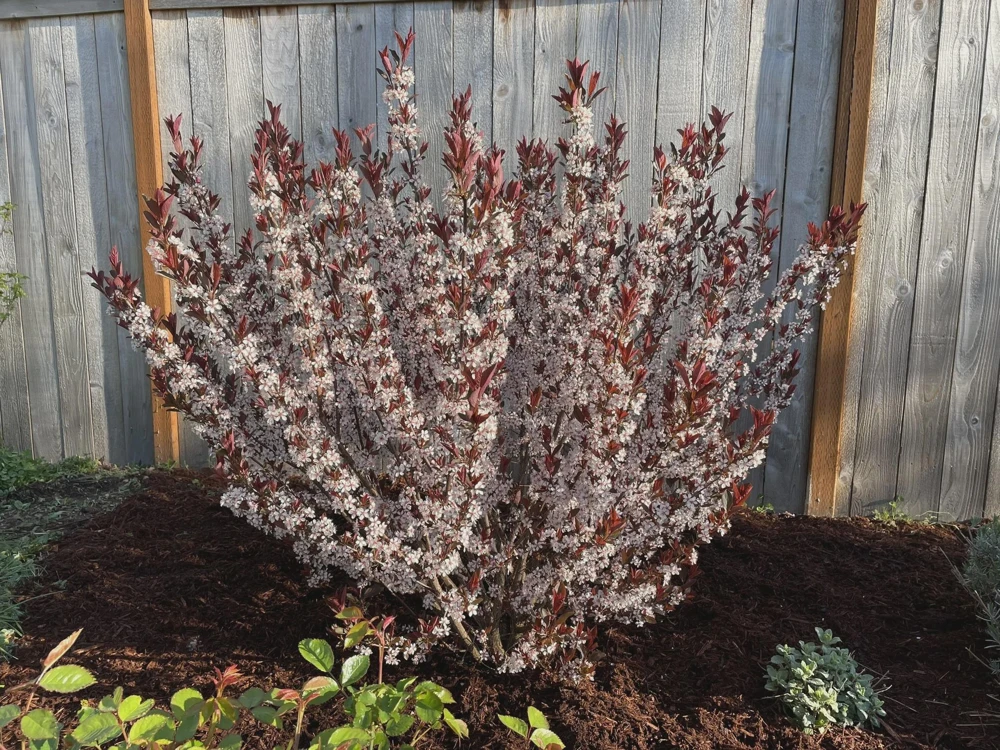
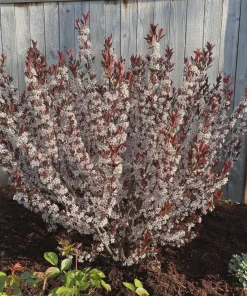
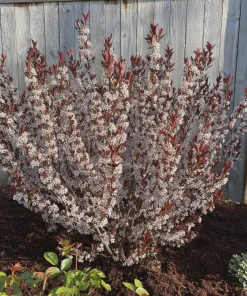
The purpleleaf sand cherry live plant typically reaches a mature height of 6-10 feet and spreads 5-8 feet wide, forming an attractive, dense shrub or a small, elegant tree when trained. The plants you receive will be starter plants, measuring approximately 12-24 inches tall, with a minimum height of 12-18 inches. These plants are shipped bare root, meaning they will arrive without soil around their roots, which is a common and effective method for shipping dormant or semi-dormant plants. This method minimizes transplant shock and allows for easier planting upon arrival.
This Prunus cistena shrub is known for its fast growth rate, allowing it to establish quickly in your garden. It is suitable for USDA hardiness zones 2-8, demonstrating excellent cold tolerance. The plant’s deciduous nature means it will shed its leaves in the fall, providing a seasonal change, and then burst forth with new reddish-purple foliage and flowers in the spring. Expect the first delicate pinkish-white blooms in early spring, usually before the leaves fully emerge. The small, dark purple fruits will develop later in the season. Proper planting and care will ensure this ornamental purple foliage plant thrives and grows to its full potential.
Frequently Asked Questions
- Q: How big does this plant get? A: The purpleleaf sand cherry live plant typically grows to a mature height of 6-10 feet and spreads 5-8 feet wide, making it a medium-sized shrub or small ornamental tree.
- Q: What size pot does it come in? A: These are starter plants, typically grown in quart-sized pots before being shipped bare root. They will arrive without soil around their roots, ready for planting.
- Q: Is this an indoor or outdoor plant? A: The purpleleaf sand cherry live plant is an outdoor plant, best suited for garden landscapes where it can receive adequate sunlight and space to grow.
- Q: How much sunlight does it need? A: For the best reddish-purple foliage color, this Prunus cistena shrub requires full sun exposure, meaning at least 6-8 hours of direct sunlight daily.
- Q: Is this plant easy to care for? A: Yes, once established, the purpleleaf sand cherry tree is relatively low-maintenance. It requires well-draining soil and consistent watering during its first year.
- Q: What condition will it arrive in? A: Your plants will arrive bare root, which is a standard and healthy shipping method for many trees and shrubs. The roots will be carefully packaged for protection.
- Q: Is it shipped in soil? A: No, these plants are shipped bare root. You will need to plant them in your garden or a suitable container with well-draining soil upon arrival.
- Q: How long until it blooms? A: The fast growing purpleleaf sand cherry typically produces its delicate pink to white flowers in early spring, often before the leaves fully emerge.
- Q: When is the best time to plant? A: The best time to plant bare root purpleleaf sand cherries is in early spring or fall, allowing the roots to establish before extreme summer heat or winter cold.
- Q: Will it survive winter in my zone? A: This plant is very hardy and suitable for USDA zones 2-8, meaning it can tolerate cold winter temperatures within this range.
Be the first to review “Purpleleaf Sand Cherry Shrub Live Plant – Prunus cistena – 12-24″ Tall”
People Also Viewed

Vegetable Seeds
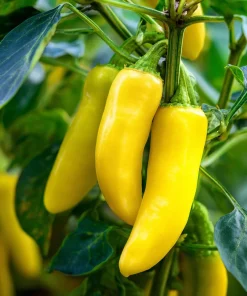
Sweet Banana Pepper Seeds – 25 Seeds for Mild Yellow Peppers
Reviews
There are no reviews yet.