
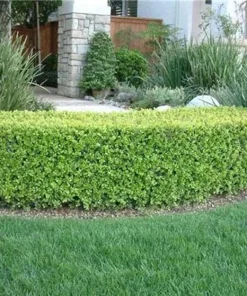
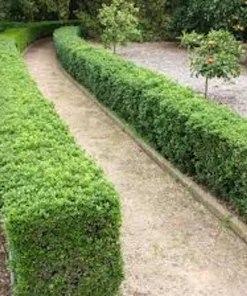
Japanese Boxwood Hedge Starter Plug – Buxus microphylla japonica Live Shrub Plant, 2-4″ Tall
Original price was: $69.99.$44.99Current price is: $44.99.
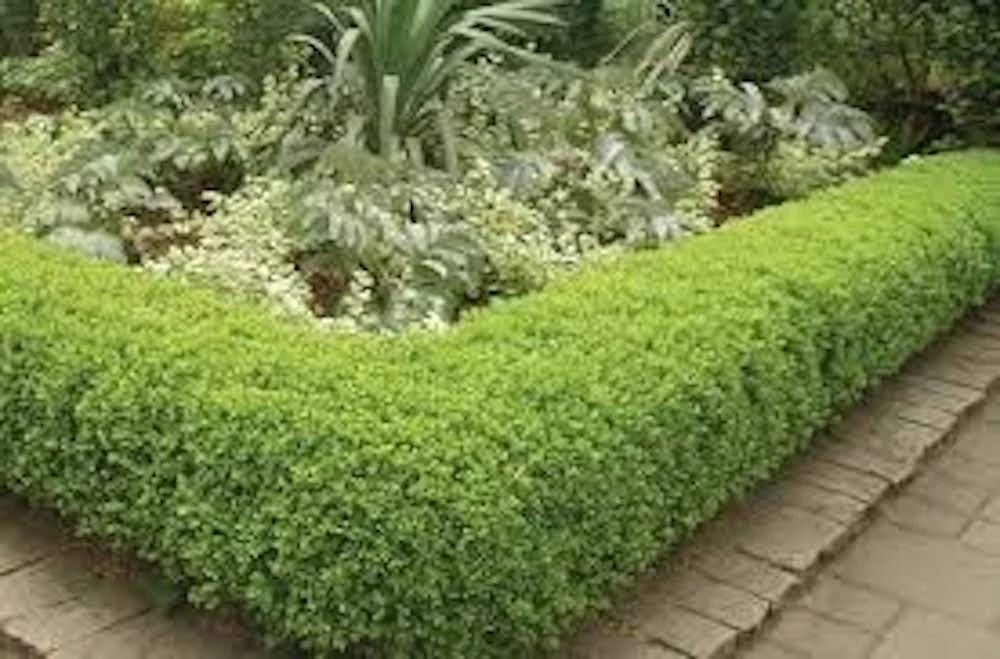
Cultivate elegant hedges with this Japanese Boxwood live plant starter plug. A robust evergreen shrub, Buxus microphylla japonica offers dense, glossy green foliage perfect for pruning into formal shapes. Ideal for landscaping, it adapts well to full sun or partial shade and is hardy in USDA zones 6-9.
Estimated arrival
Sep 29
Oct 04 - Oct 06
Oct 09 - Oct 13
Shop With Confidence
30-Day Plant Health Guarantee
Arrives damaged? We’ll replace it free — see our return policy.
Responsive Support
Email us anytime, we reply within 1 business day.
Expert Packaging
Temperature-controlled shipping to protect your plants in transit.
Secure Checkout
Pay safely with Visa, Mastercard, PayPal.
Plant Specifications
-
USDA Hardiness Zone
6-9 -
Soil Type
Well-draining soil -
Sunlight Exposure
Full sun to partial shade -
Expected Planting Period
Spring to early fall
Overview
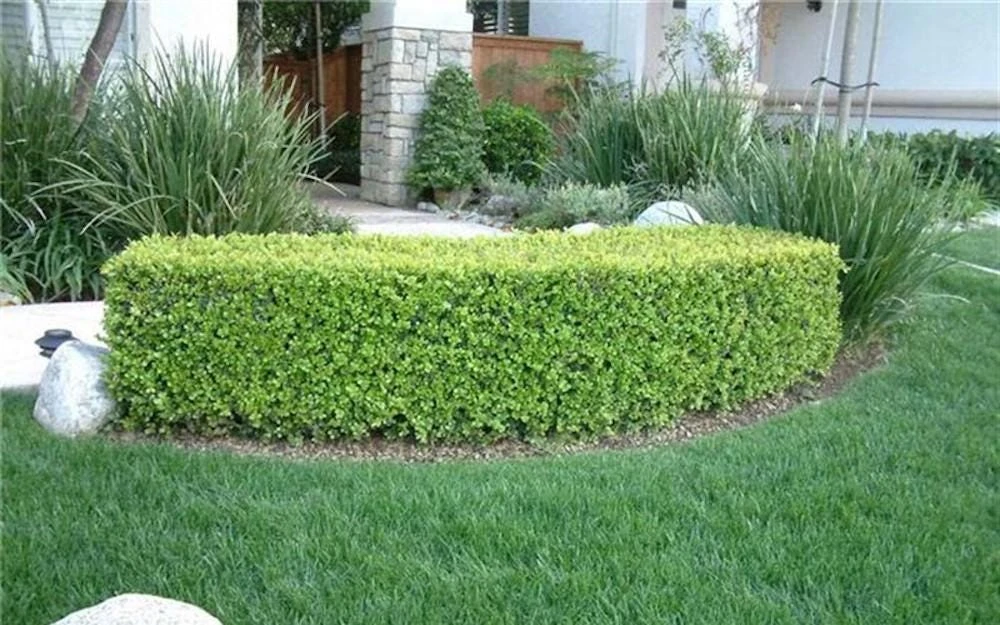
Transform your garden into a refined landscape with the addition of a Japanese Boxwood live plant starter plug. This exquisite evergreen shrub, scientifically known as Buxus microphylla var. japonica, is a cornerstone for classic garden designs. Renowned for its dense, small, and remarkably glossy green leaves, the Japanese Boxwood is exceptionally versatile, making it an ideal choice for creating elegant hedges, intricate topiaries, or structured border plantings. Our starter plugs provide a healthy foundation for establishing these beautiful, long-lived plants in your outdoor space, allowing you to enjoy their understated beauty and formal appeal for years to come.
The Japanese Boxwood live plant is a staple in both traditional and contemporary gardens across the United States. Its inherent adaptability and aesthetic charm make it a favorite among landscapers and home gardeners alike. This particular variety, Buxus microphylla japonica, is celebrated for its compact growth habit and resilience, ensuring a robust and visually pleasing addition to any garden setting. Whether you’re aiming for a manicured look or a natural, yet defined, boundary, this plant offers the perfect solution.
Key Benefits
Investing in a Japanese Boxwood live plant brings numerous advantages to your garden, enhancing both its beauty and functionality. These plants are not just visually appealing; they are also incredibly practical for various landscaping needs.
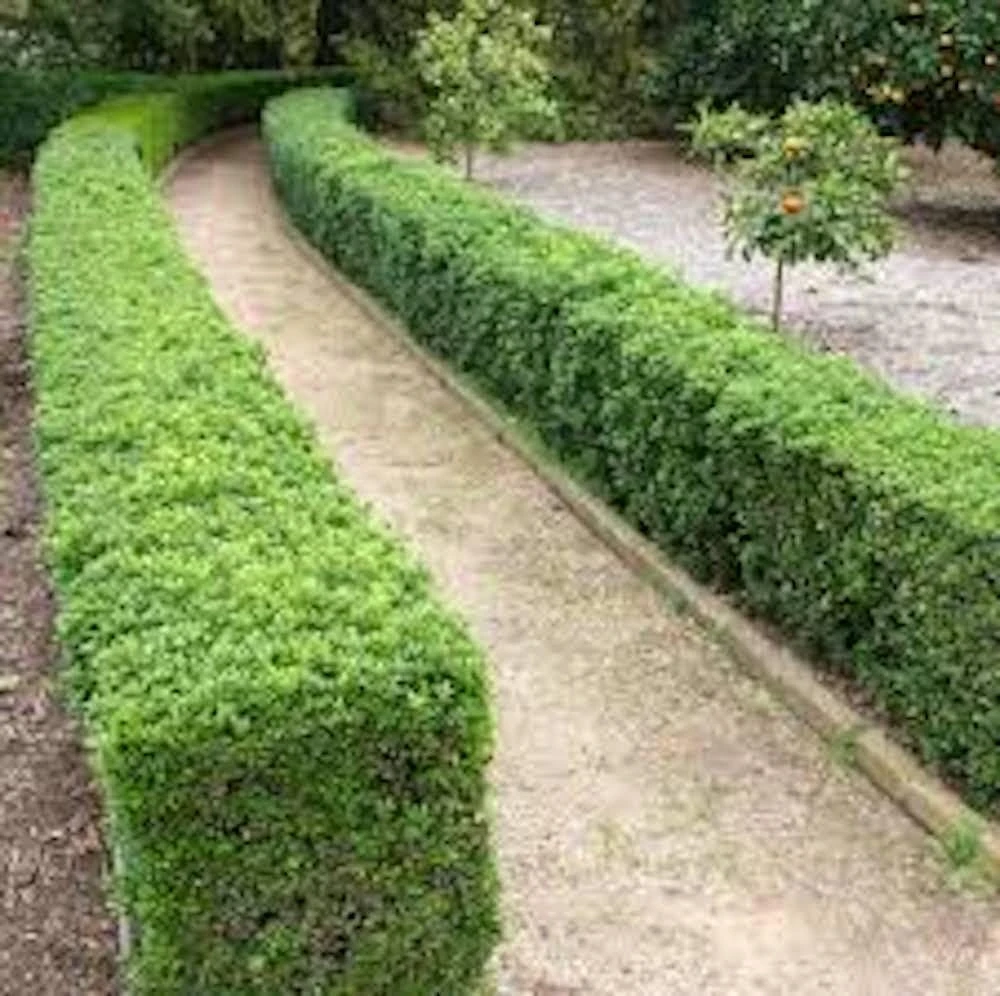
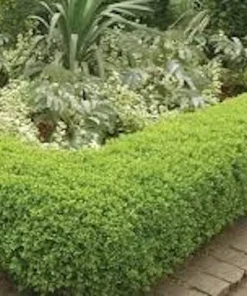
- Exceptional Versatility: The Japanese Boxwood live plant is highly adaptable, serving beautifully as formal hedges, foundation plantings, accent shrubs, or even in containers. Its ability to be pruned into diverse shapes makes it a top choice for creative gardeners.
- Dense, Evergreen Foliage: Enjoy year-round greenery with its tightly packed, small, and glossy leaves. This evergreen nature ensures your garden retains structure and color, even in colder months, providing continuous visual interest.
- Low Maintenance & Drought Tolerant: Once established, this shrub is surprisingly easy to care for, requiring minimal attention. It exhibits good drought tolerance, reducing the need for frequent watering, which is a significant benefit for busy gardeners or those in drier climates.
- Hardy & Resilient: Thriving in USDA zones 6-9, the Buxus microphylla japonica is known for its hardiness against various environmental stressors, including moderate cold and heat. This resilience ensures a healthy, long-lasting plant in appropriate climates.
- Excellent for Formal Designs: Its naturally compact growth and responsiveness to pruning make it the perfect candidate for formal garden styles, including knot gardens, parterres, and precise borders, offering a sophisticated aesthetic.
- Slow to Moderate Growth Rate: With a growth rate of approximately 3-6 inches per year, this plant is manageable. This allows for controlled shaping and less frequent pruning than faster-growing alternatives, making boxwood care tips easier to follow.
- Enhances Curb Appeal: A well-maintained Japanese Boxwood hedge or specimen plant significantly boosts the aesthetic appeal of any property, adding value and a touch of timeless elegance.
Plant Care & Growing Tips
Caring for your Japanese Boxwood live plant is straightforward, making it an excellent choice for gardeners of all experience levels. To ensure optimal growth and health, understanding its specific needs is crucial. This durable shrub prefers a location with full sun to partial shade. Full sun (at least 6 hours of direct sunlight daily) will promote denser foliage, while partial shade (2-4 hours of direct sun, especially in the afternoon) can help protect it from scorching in hotter climates. Ensuring adequate light is a key aspect of effective boxwood care tips.
When it comes to soil, the Japanese Boxwood thrives in well-draining soil. It is intolerant of soggy conditions, which can lead to root rot. If your soil is heavy clay, amend it with organic matter like compost or pine bark to improve drainage. A slightly acidic to neutral pH (6.0-7.0) is generally preferred. Water newly planted starter plugs regularly to establish a strong root system, keeping the soil consistently moist but not waterlogged. Once established, it becomes more drought-tolerant, but deep watering during prolonged dry spells is beneficial. Fertilize in early spring with a balanced, slow-release granular fertilizer formulated for evergreen shrubs, following package instructions. Pruning is best done in late winter or early spring before new growth emerges, or lightly throughout the growing season to maintain desired shape. This helps maintain the classic form of your evergreen hedge plant.
This starter plug shrubs plant is hardy in USDA zones 6-9. In colder zones, provide winter protection, such as mulching around the base to insulate roots. Watch for common pests like boxwood leafminer or psyllids, and diseases like boxwood blight; prompt action with appropriate treatments can prevent serious damage. Good air circulation and proper watering practices are your best defense. Regular inspection will help you catch any issues early, ensuring your Japanese Boxwood live plant remains vibrant and healthy.
Size & Details
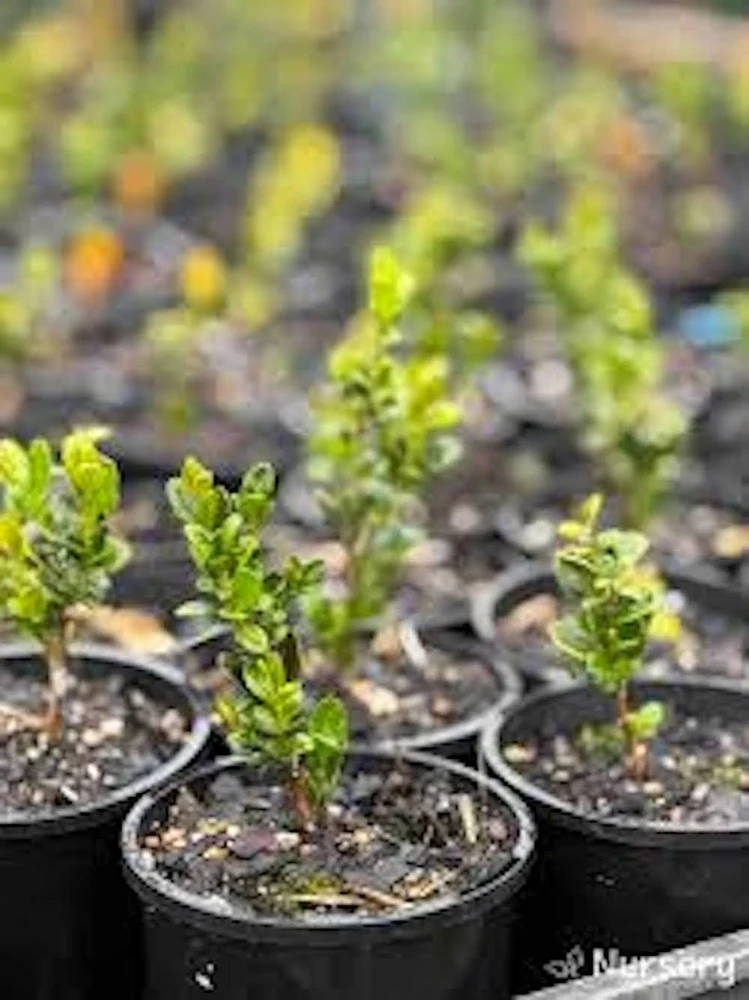
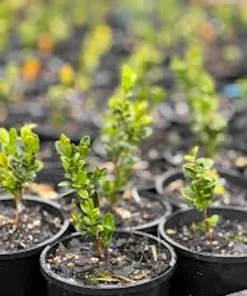
Each Japanese Boxwood live plant offered here is a healthy starter plug, typically measuring a minimum of 2-4 inches tall at the time of shipment. These young plants are carefully nurtured to ensure they are robust and ready for transplanting into your garden or larger containers. The Japanese Boxwood exhibits a slow to moderate growth rate, generally adding about 3-6 inches of height per year. This controlled growth makes it ideal for maintaining specific sizes and shapes, especially when used as an evergreen hedge plant.
At maturity, a Japanese Boxwood can reach a size of approximately 3-6 feet tall and 3-6 feet wide if left unpruned. However, its excellent response to trimming allows it to be kept significantly smaller, making it highly adaptable for various landscaping applications. Our starter plugs ship bare root with no pot, carefully packaged to ensure their health upon arrival. This method reduces transplant shock and allows for easy integration into your existing garden soil. Expect these starter plug shrubs to establish quickly with proper care, providing the foundation for a beautiful and long-lasting landscape feature.
Frequently Asked Questions
- Q: How big does this Japanese Boxwood get? A: A: If left unpruned, the Japanese Boxwood live plant typically reaches a mature size of 3-6 feet tall and wide. With regular trimming, it can be maintained at a much smaller, desired height and width, making it versatile for various garden designs.
- Q: Is this an indoor or outdoor plant? A: The Japanese Boxwood is primarily an outdoor plant, ideal for landscaping. It thrives in outdoor garden settings and is hardy in USDA zones 6-9. While it can be grown in containers, it is not typically suited for long-term indoor cultivation.
- Q: How much sunlight does it need? A: For best results, your Japanese Boxwood live plant should receive full sun to partial shade. Full sun encourages denser growth, but partial shade, especially protection from intense afternoon sun, is beneficial in hotter climates.
- Q: Is this plant easy to care for? A: Yes, the Japanese Boxwood is considered a low-maintenance plant once established. It requires well-draining soil, consistent watering during establishment, and occasional pruning to maintain shape. These simple boxwood care tips make it suitable for beginners.
- Q: What condition will it arrive in? A: Your starter plug shrubs will arrive as bare root plants, meaning they are shipped without soil or a pot. They are carefully packaged to ensure they remain healthy during transit and are ready for immediate planting upon arrival.
- Q: When is the best time to plant a Japanese Boxwood? A: The best time to plant a Japanese Boxwood is in the spring or early fall. This allows the plant sufficient time to establish its root system before the extreme temperatures of summer or winter.
- Q: Will it survive winter in my zone? A: The Japanese Boxwood is hardy in USDA zones 6-9. If you are within these zones, it should tolerate winter conditions well. In zone 6, providing a layer of mulch for root insulation can offer extra protection during harsh winters.
- Q: What are the best uses for this evergreen hedge plant? A: This evergreen hedge plant is excellent for creating formal hedges, low borders, foundation plantings, and topiary shapes. Its dense foliage and adaptability to pruning make it perfect for structured garden designs and defining garden spaces.
- Q: What kind of soil does it prefer? A: The Japanese Boxwood prefers well-draining soil with a slightly acidic to neutral pH. Avoid heavy, waterlogged soils, as this can lead to root problems. Amending with organic matter can improve drainage in clay soils.
- Q: Are there any common issues to watch out for with Buxus microphylla japonica? A: While generally robust, watch for common boxwood pests like leafminers and psyllids, and diseases such as boxwood blight. Good cultural practices, including proper watering and air circulation, can help prevent most issues. Prompt treatment is key if problems arise, especially for Buxus microphylla japonica.
Be the first to review “Japanese Boxwood Hedge Starter Plug – Buxus microphylla japonica Live Shrub Plant, 2-4″ Tall”
People Also Viewed
Vegetable Seeds
Aquatic Plant Seeds
Cyperus Papyrus Seeds – 20 Count Paper Reed Water Plant Nile Grass
Reviews
There are no reviews yet.