
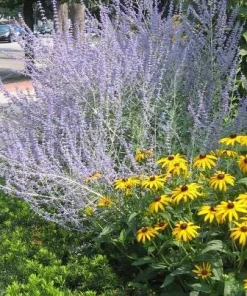
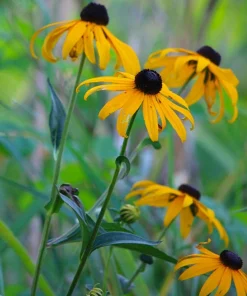
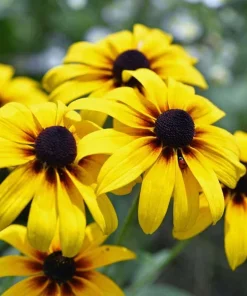
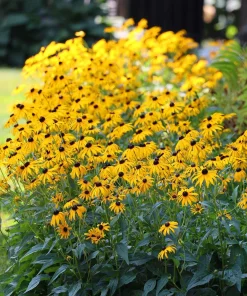
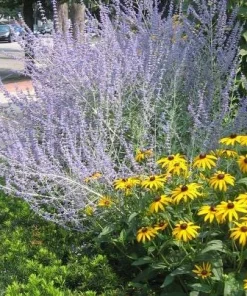
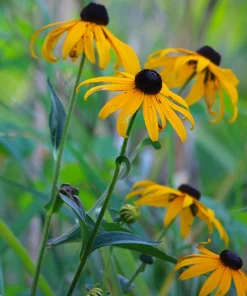
3 Black Eyed Susan Rudbeckia Wildflower Bare Root Plants – Hardy Perennial
Original price was: $67.99.$42.99Current price is: $42.99.
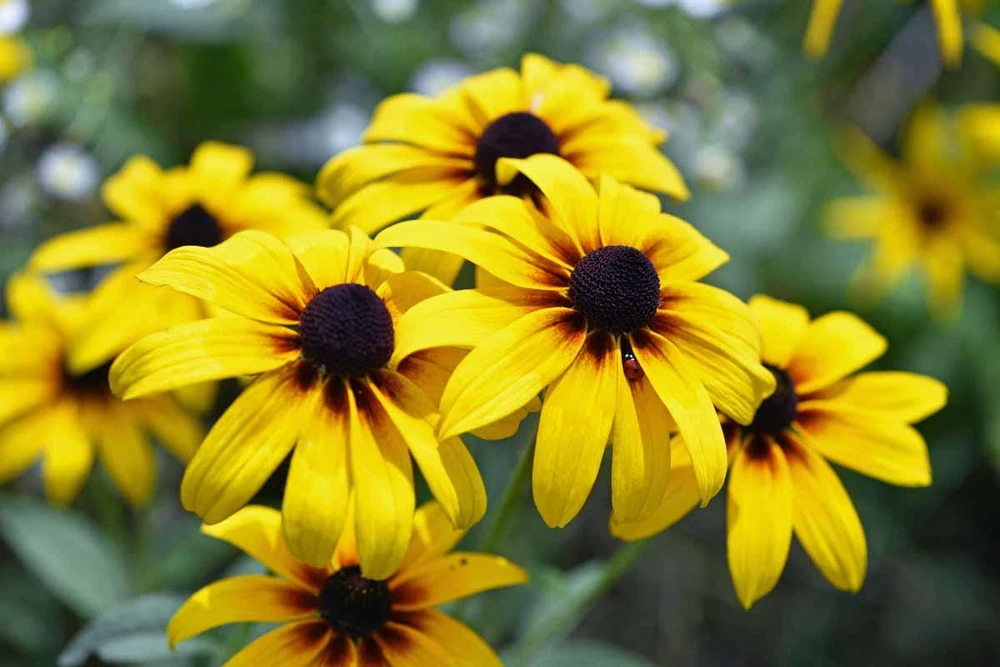
Bring vibrant color to your garden with this pack of 3 Black Eyed Susan Rudbeckia wildflower bare roots. These sun-loving plants are known for their striking golden-yellow petals and dark centers, offering a beautiful display from summer to fall. Perfect for creating a dynamic, low-maintenance landscape.
Estimated arrival
Sep 29
Oct 04 - Oct 06
Oct 09 - Oct 13
Shop With Confidence
30-Day Plant Health Guarantee
Arrives damaged? We’ll replace it free — see our return policy.
Responsive Support
Email us anytime, we reply within 1 business day.
Expert Packaging
Temperature-controlled shipping to protect your plants in transit.
Secure Checkout
Pay safely with Visa, Mastercard, PayPal.
Plant Specifications
-
USDA Hardiness Zone
3-9 -
Soil Type
Well-draining soil -
Sunlight Exposure
Full sun -
Expected Planting Period
Spring to early summer
Overview
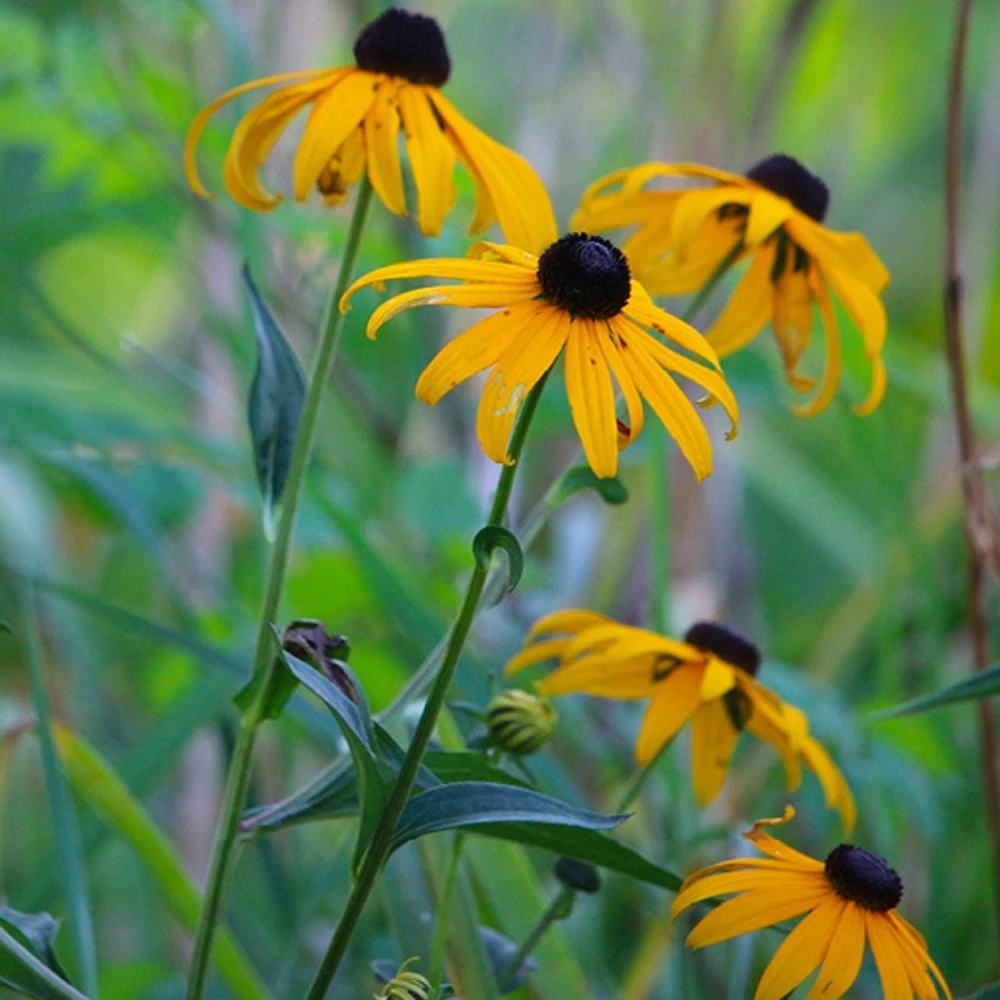
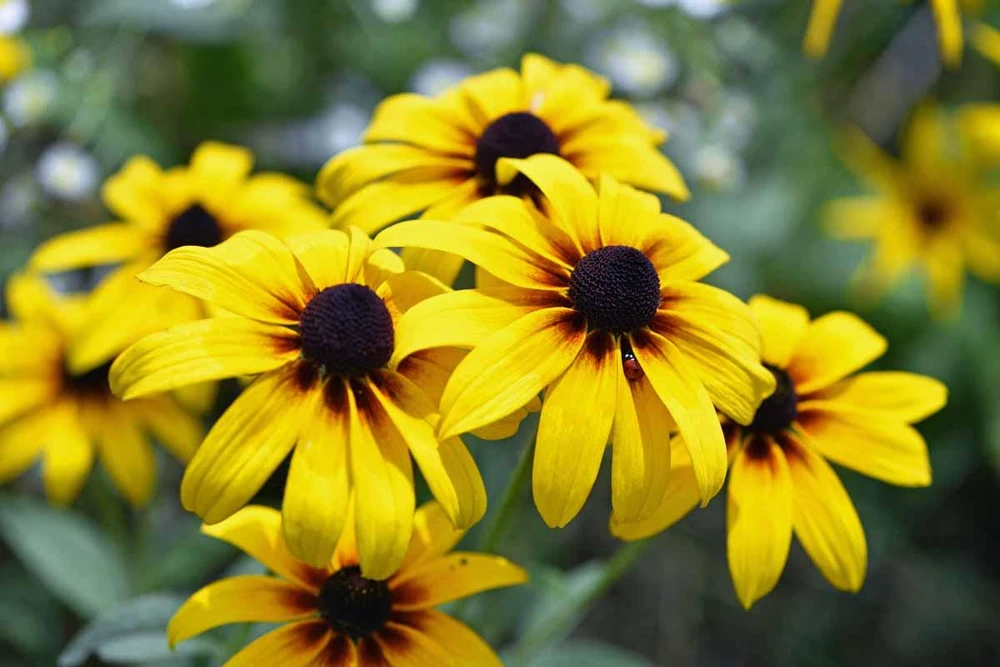
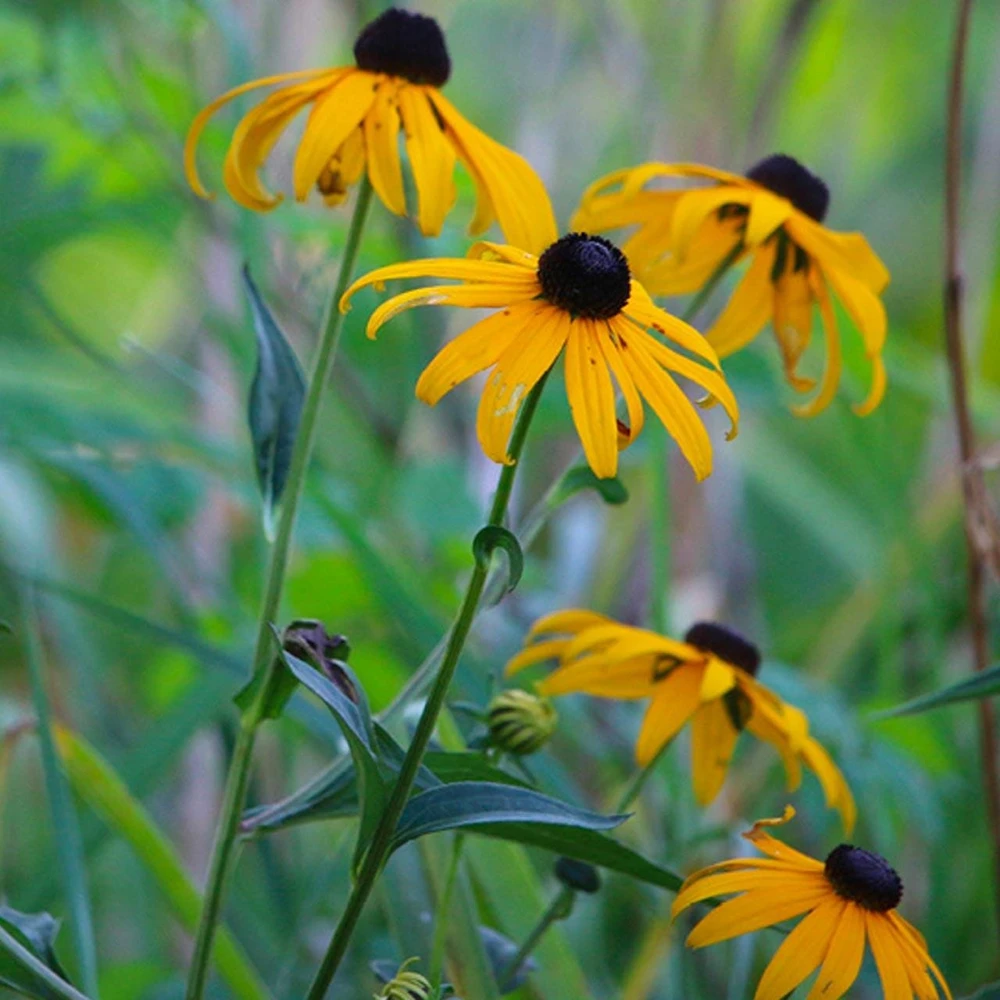
Introduce a splash of cheerful color and robust natural beauty to your garden with our 3 Black Eyed Susan Rudbeckia wildflower bare roots. Rudbeckia hirta, commonly known as Black-eyed Susan, is a beloved North American native wildflower cherished for its iconic golden-yellow petals and distinctive dark, chocolate-brown centers. These resilient perennials are an excellent choice for gardeners seeking both visual appeal and ease of care. Shipping as perennial bare root plants, they are ready to establish quickly in your landscape. Their vibrant blooms attract pollinators like bees and butterflies, adding life and movement to your outdoor space. Whether you’re aiming for a naturalized meadow look, a vibrant border, or simply enhancing your existing flower beds, these Black-eyed Susans provide reliable, long-lasting beauty.
Each bare root is carefully prepared to ensure successful growth and a spectacular flowering season. These wildflowers are incredibly adaptable and thrive in a variety of conditions, making them ideal for both seasoned gardeners and beginners. Experience the joy of watching these classic wildflowers unfurl their sunny petals, transforming your garden into a haven for both beauty and biodiversity. Their vigorous growth and prolific flowering habit make them a standout addition, promising a stunning display year after year.
Key Benefits
Opting for Black Eyed Susan bare root plants offers numerous advantages for your garden, combining aesthetic appeal with practical benefits:
- Vibrant Seasonal Color: Enjoy a prolonged display of bright golden-yellow flowers with dark centers, bringing a cheerful and lively atmosphere to your garden from summer through fall. These blooms are a true highlight of the late-season landscape.
- Attracts Pollinators: The nectar-rich flowers are a magnet for essential pollinators such as bees, butterflies, and other beneficial insects, contributing to a healthier and more productive garden ecosystem. This supports local wildlife and biodiversity.
- Low Maintenance & Drought Tolerant: Once established, Rudbeckia wildflower plants are incredibly hardy and require minimal care. They are notably drought-tolerant, making them an excellent choice for water-wise gardening and busy individuals.
- Native & Resilient: As a native North American wildflower, Black-eyed Susans are naturally adapted to local climates and soils, ensuring robust growth and resistance to common pests and diseases. This resilience makes them a reliable choice for any garden.
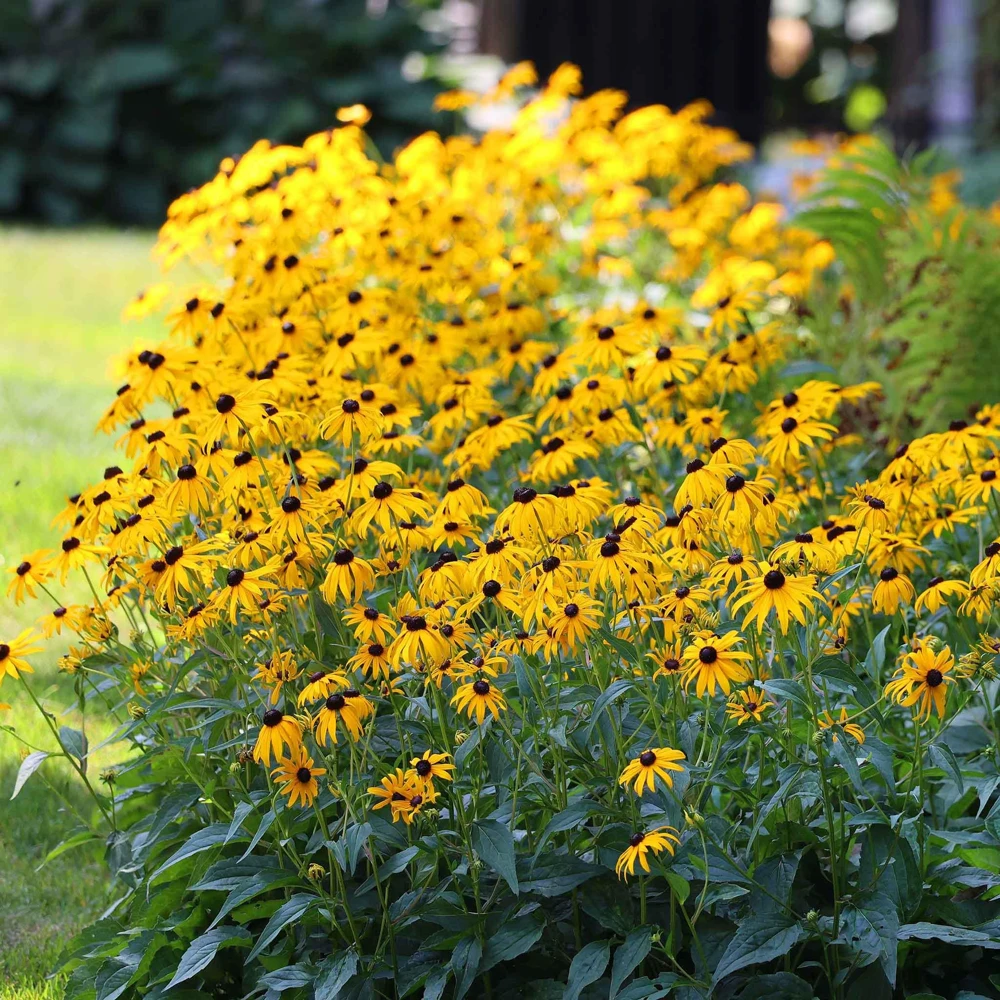
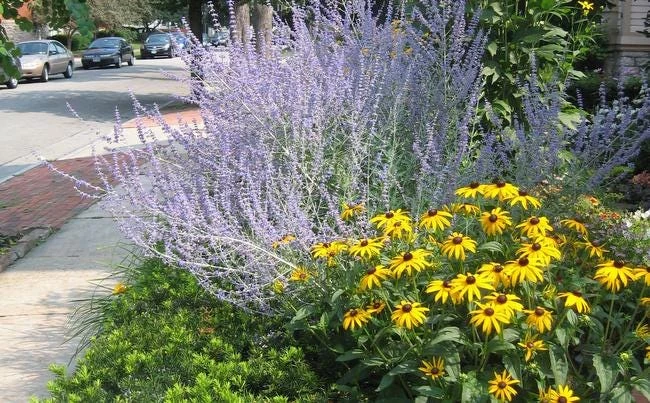
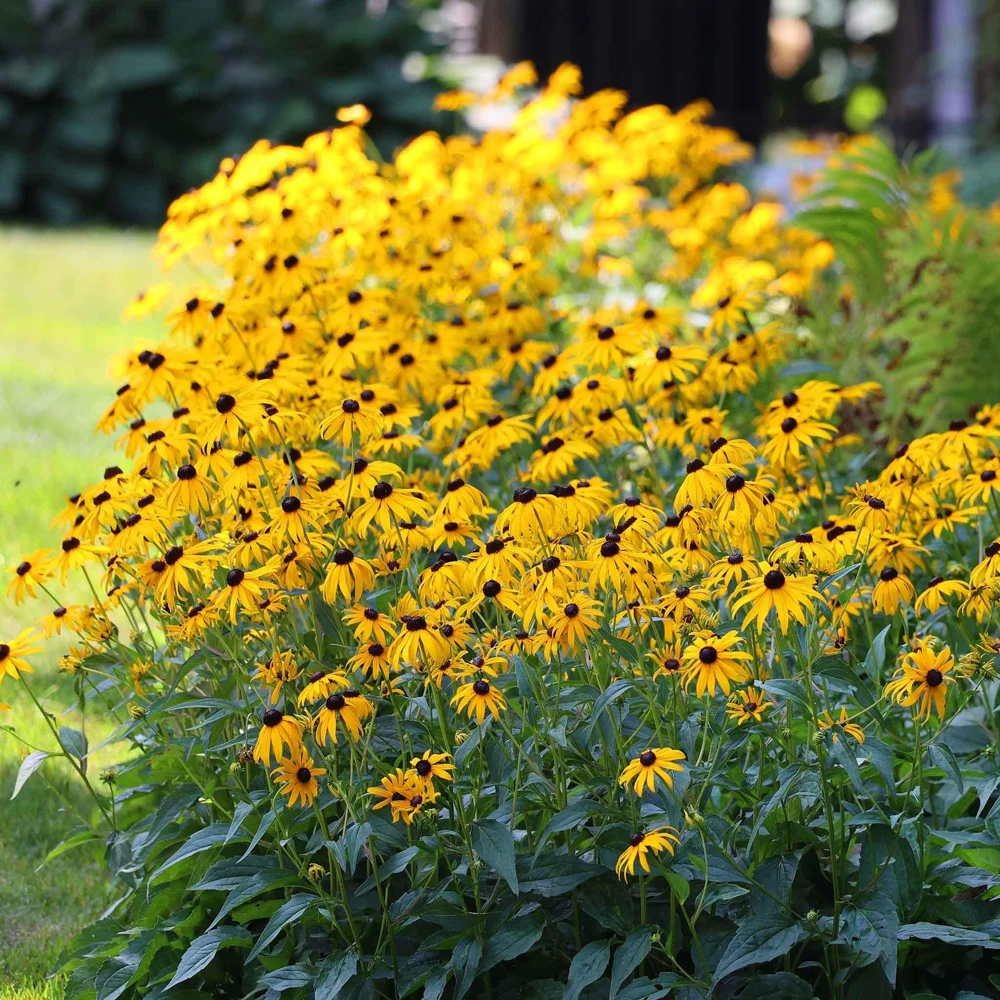
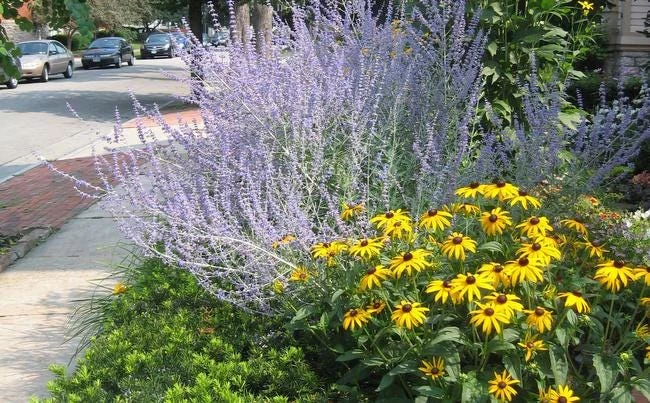
- Versatile Landscape Use: Perfect for mass plantings, borders, naturalized areas, meadows, and cutting gardens. Their upright growth habit and vibrant color make them suitable for a wide range of garden designs, enhancing any outdoor setting.
- Deer Resistant: These plants are generally considered deer resistant, providing peace of mind that your beautiful blooms won’t become a snack for local wildlife. This makes them a practical choice for areas with deer populations.
- Excellent Cut Flowers: The cheerful blooms make long-lasting and charming additions to indoor floral arrangements, allowing you to bring the beauty of your garden indoors. Enjoy fresh bouquets throughout their blooming season.
Plant Care & Growing Tips
Caring for your Rudbeckia wildflower plants is straightforward, as they are renowned for their hardiness and adaptability. To ensure the best results, plant your perennial bare root in a location that receives full sun, meaning at least 6-8 hours of direct sunlight daily. While they can tolerate partial shade, abundant sunshine promotes the most prolific flowering. Black-eyed Susans prefer well-draining soil, thriving in average to poor soil conditions, making them quite forgiving. Avoid heavy, waterlogged soils, as this can lead to root rot. If your soil is particularly clay-heavy, amending it with compost or grit can improve drainage significantly.
Once established, Black-eyed Susans are remarkably drought-tolerant and require infrequent watering. During prolonged dry spells, a deep watering once a week should suffice. Overwatering is more detrimental than underwatering for these resilient plants. Fertilization is generally not necessary, especially in fertile soils. If your soil is very poor, a light application of a balanced, slow-release granular fertilizer in early spring can be beneficial. Deadheading spent flowers will encourage more blooms and prevent excessive self-seeding, though allowing some seeds to mature can help naturalize your garden. These sun-loving plants are hardy in USDA Zones 3-9, making them suitable for a wide range of climates. In colder zones, apply a layer of mulch in late fall to provide extra winter protection for the bare roots.
Size & Details
This offering includes 3 Black Eyed Susan Rudbeckia wildflower bare roots, providing a solid foundation for a vibrant display in your garden. Each bare root is a dormant, living plant ready for immediate planting and establishment. Once mature, these resilient wildflowers typically grow to a height of 1–3 feet tall and spread 1–2 feet wide, forming attractive clumps. They exhibit a moderate to fast growth rate, quickly establishing themselves and producing their characteristic golden-yellow blooms. The plants are shipped in a bare root form, which means they are dormant and free of soil, making them easy to handle and plant upon arrival. Expect vigorous growth and abundant flowering from mid-summer through fall, providing continuous color. These plants are ideal for creating a naturalized look or adding a cheerful element to borders and mixed perennial beds. The coarse, hairy stems and leaves add to their rustic charm and contribute to their overall hardiness, making them a robust addition to any garden.
Frequently Asked Questions
- Q: How big do these Black Eyed Susan plants get? A: Once mature, these Black Eyed Susan bare root plants typically grow to a height of 1–3 feet tall and spread 1–2 feet wide, forming attractive, bushy clumps in your garden.
- Q: Is this an indoor or outdoor plant? A: Black-eyed Susans are primarily outdoor plants, thriving in garden beds, borders, and naturalized areas. They require full sun exposure to flourish and produce abundant blooms.
- Q: How much sunlight do these sun-loving plants need? A: For optimal growth and flowering, Black-eyed Susans require at least 6-8 hours of direct sunlight per day. They are true sun-loving plants and will perform best in a sunny location.
- Q: Are these plants easy to care for? Are they good for beginners? A: Yes, Black-eyed Susans are known for their ease of care and are an excellent choice for beginners. They are very hardy, drought-tolerant, and require minimal maintenance once established.
- Q: What condition will the bare roots arrive in? A: The 3 Black Eyed Susan Rudbeckia wildflower bare roots will arrive in a dormant state, free of soil. This is a natural and healthy state for bare roots, ready for planting upon arrival.
- Q: When is the best time to plant these bare roots? A: The best time to plant Black-eyed Susan bare roots is in spring after the danger of the last frost has passed, or in early fall. This allows them sufficient time to establish before extreme temperatures.
- Q: Will these hardy garden plants survive winter in my zone? A: Black-eyed Susans are very hardy and are suitable for USDA Zones 3–9. In these zones, they are reliable perennials that will return year after year, even after winter.
- Q: What type of soil do Rudbeckia wildflower plants prefer? A: These plants prefer well-draining soil and can tolerate average to poor soil conditions. Good drainage is crucial to prevent root rot.
- Q: How long until these perennial bare root plants bloom? A: With proper care and planting in spring, you can often expect your Black-eyed Susan plants to produce blooms in their first growing season, typically from mid-summer to fall.
- Q: Do these plants attract wildlife? A: Yes, Black-eyed Susans are excellent for attracting beneficial wildlife, including bees, butterflies, and other pollinators, contributing to a vibrant garden ecosystem.
Be the first to review “3 Black Eyed Susan Rudbeckia Wildflower Bare Root Plants – Hardy Perennial”
People Also Viewed
Vegetable Seeds
Purple Cayenne Pepper Seeds – Hot Capsicum Annuum – 50 Seeds
Uncategorized
Vegetable Seeds
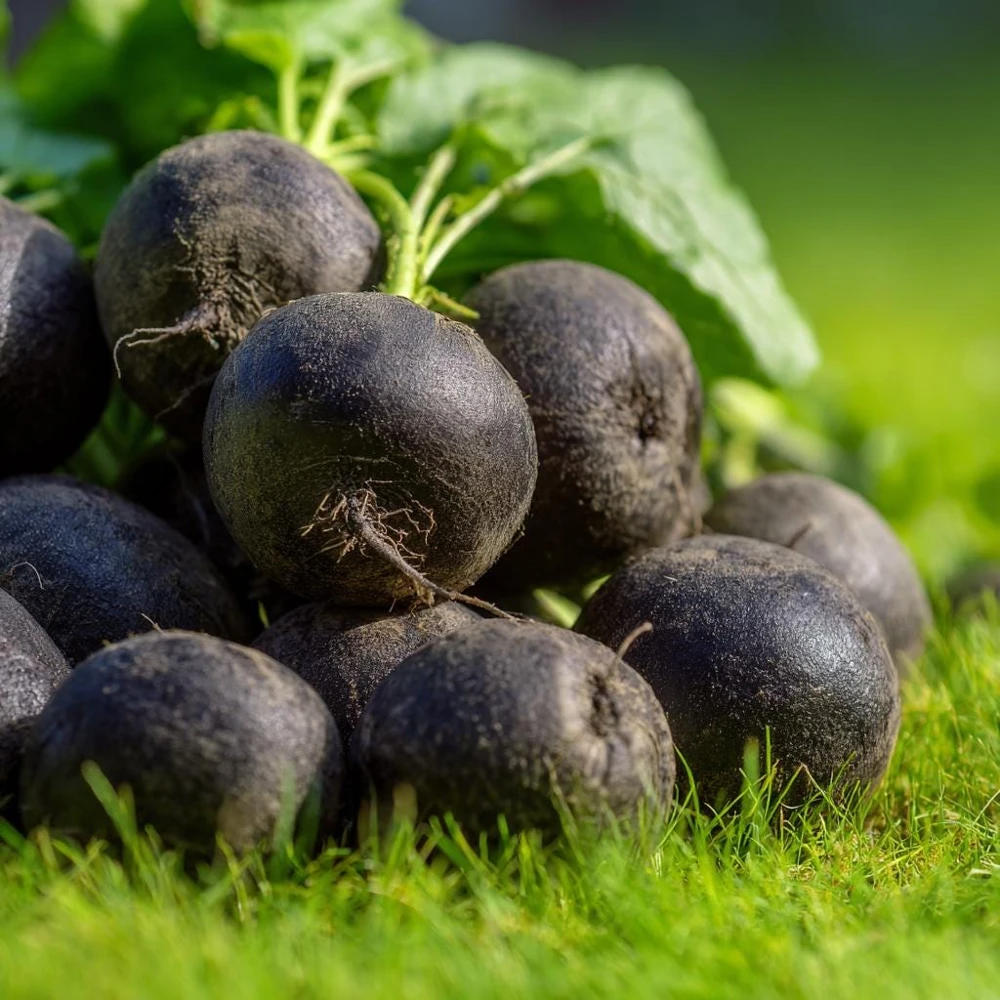
Black Spanish Round Radish Seeds – 250 Heirloom Winter Radishes for Crisp, Spicy Flavor
Reviews
There are no reviews yet.