

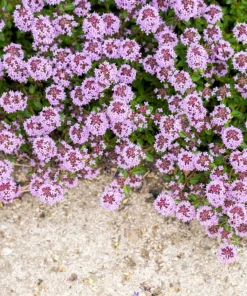
Mother of Thyme Seeds (100 Seeds) – Pink Flowers, Broadleaved Herb, Ground Cover
Original price was: $36.99.$16.99Current price is: $16.99.
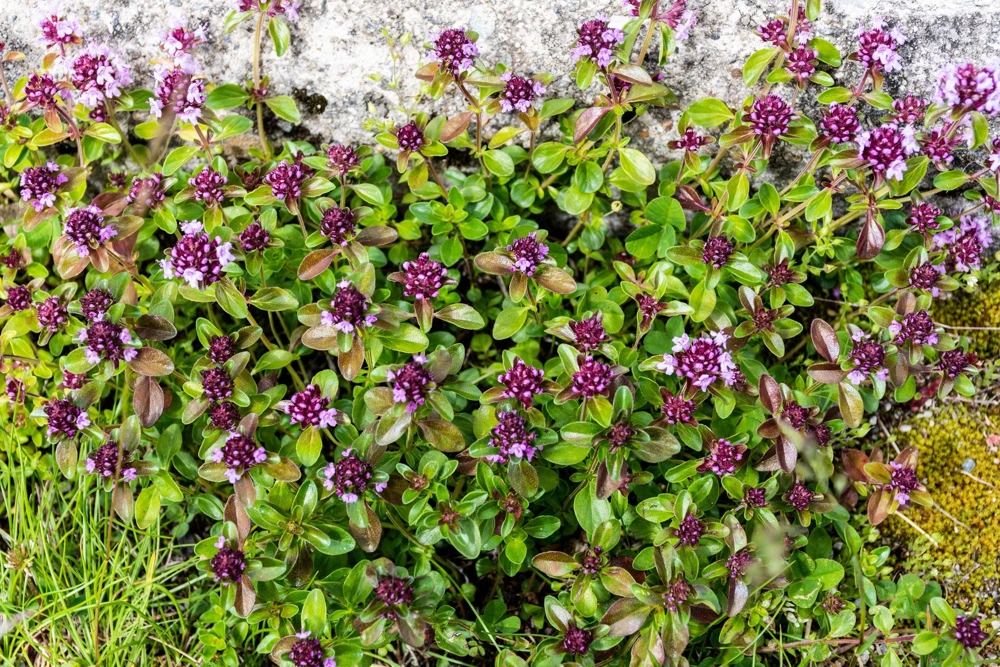
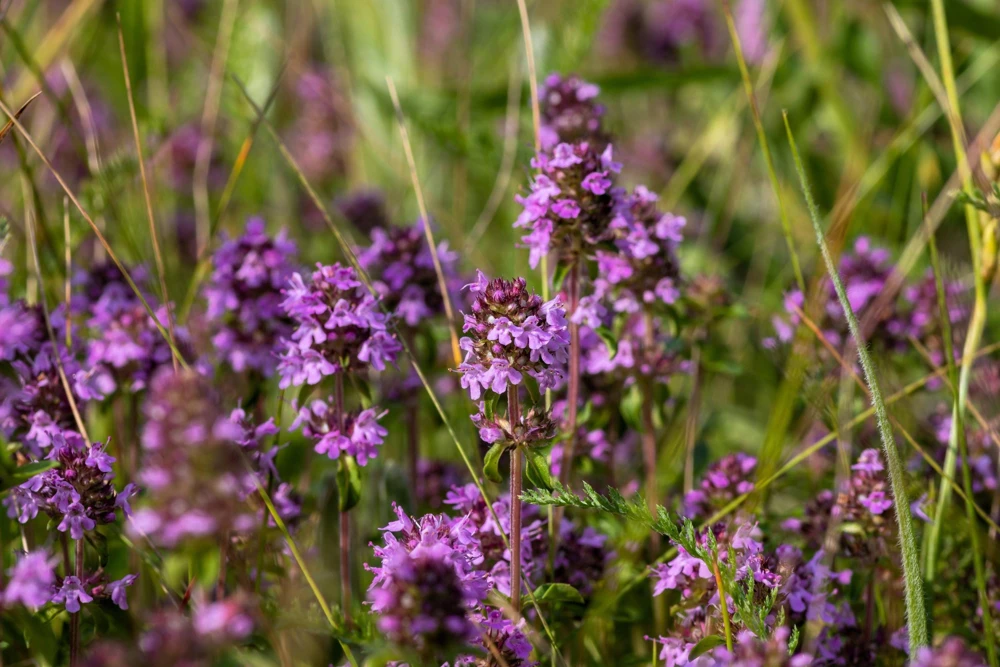
Discover the versatility of Mother of Thyme seeds, perfect for creating a fragrant, low-maintenance ground cover. These 100 seeds will grow into resilient plants with charming pink-purple flowers, ideal for rock gardens, pathways, or culinary use. Attractive to pollinators and deer-resistant.
Estimated arrival
Sep 14
Sep 19 - Sep 21
Sep 24 - Sep 28
Shop With Confidence
30-Day Plant Health Guarantee
Arrives damaged? We’ll replace it free — see our return policy.
Responsive Support
Email us anytime, we reply within 1 business day.
Expert Packaging
Temperature-controlled shipping to protect your plants in transit.
Secure Checkout
Pay safely with Visa, Mastercard, PayPal.
Plant Specifications
-
USDA Hardiness Zone
4 - 8 -
Soil Type
Average to dry, well-draining soil -
Sunlight Exposure
Full sun - Part shade -
Expected Planting Period
Outdoors after frost / Indoors weeks before last frost
Overview
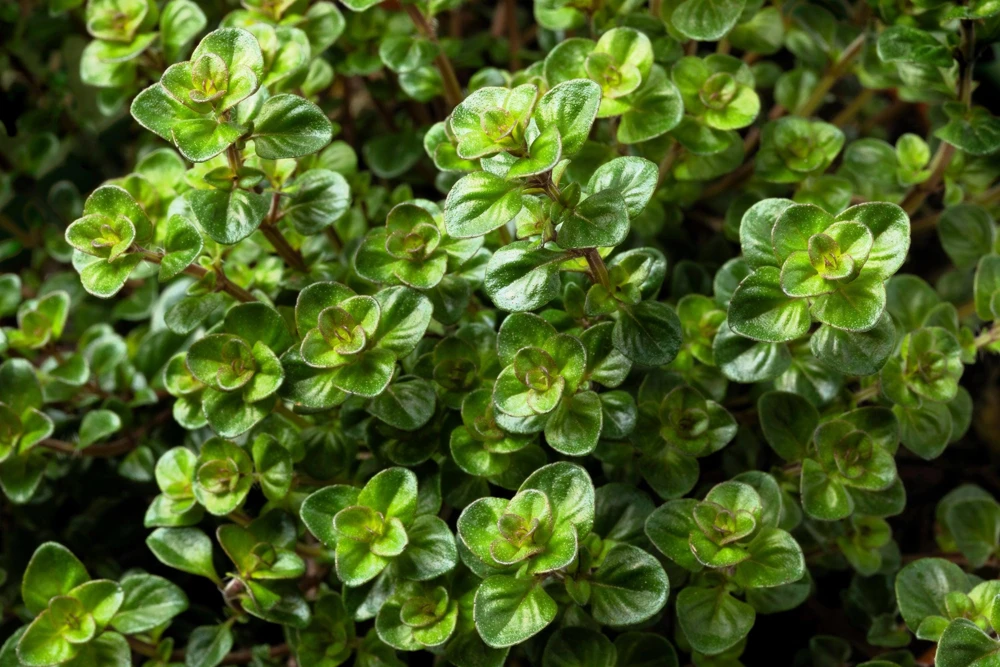
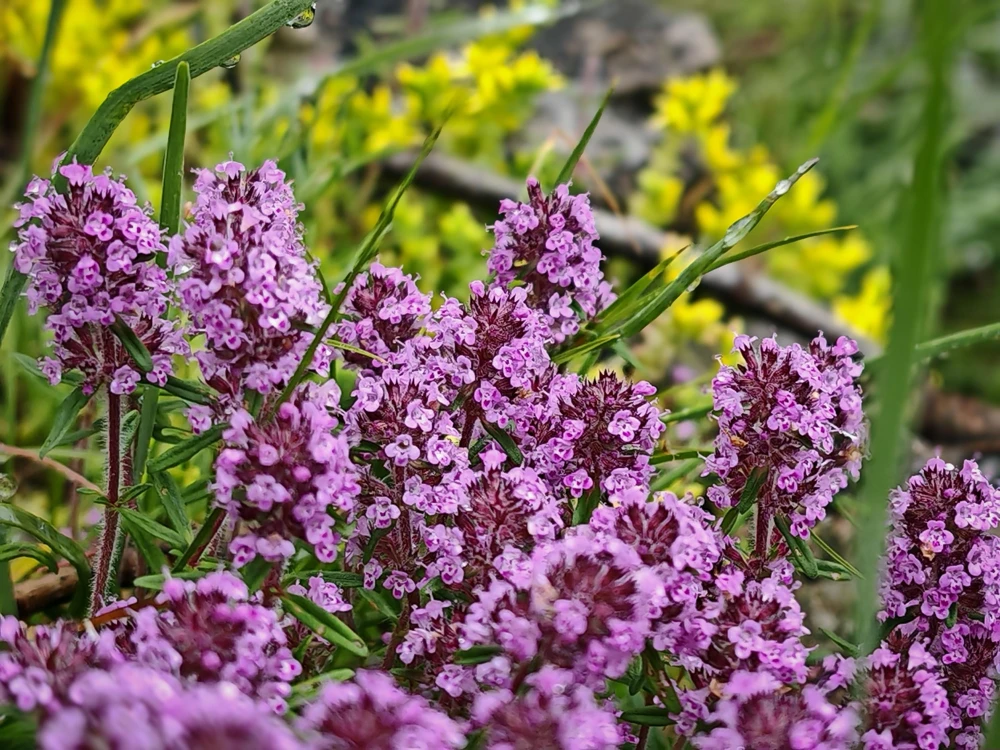
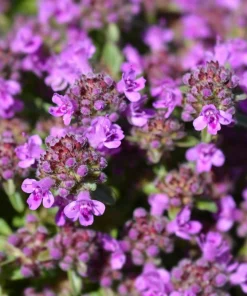
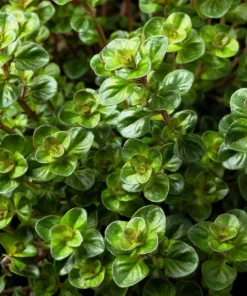
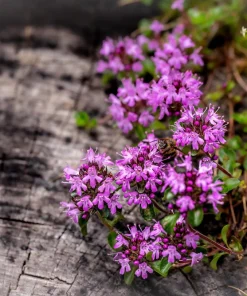
Cultivate a charming and aromatic landscape with our premium Mother of Thyme seeds. This offering includes 100 high-quality seeds of Thymus Pulegioides, also known as Lemon Thyme, Broadleaved Thyme, or Large Thyme. Mother of Thyme seeds are an excellent choice for gardeners seeking an evergreen, flowering herb that serves both ornamental and practical purposes. Native to Europe, this delightful plant produces abundant pink-purple flowers that add a splash of color to any garden space. Beyond its visual appeal, Mother of Thyme is celebrated for its fragrant leaves, rich in essential oils, making it a valuable addition to culinary creations and even medicinal applications. Its robust nature and attractive appearance make it a garden favorite.
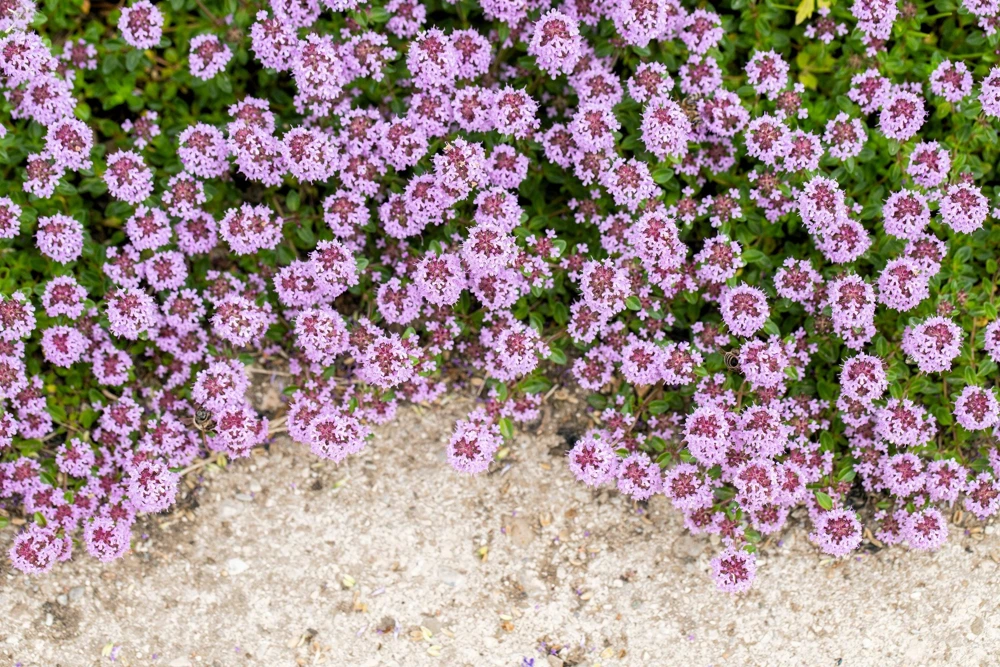
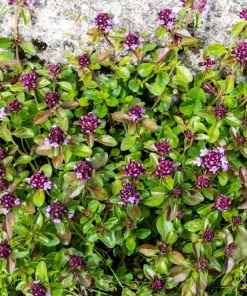
Unlike its close relative, Creeping Thyme (Thymus serpyllum), Thymus Pulegioides seeds grow into larger plants with wider leaves and more prolific flowering stems. This makes it a more substantial ground cover option, capable of tolerating light foot traffic. Whether you’re looking to fill in spaces between stepping stones, create a border, or enhance a rock or fairy garden, these ground cover herb seeds are an ideal solution. They are also suitable for container gardening, offering flexibility for various garden designs. Enjoy the beauty and utility of this wonderful herb as it thrives in your outdoor space.
Key Benefits
Growing Mother of Thyme seeds offers a multitude of benefits for both the gardener and the environment. These highly adaptable plants provide continuous enjoyment throughout the season.
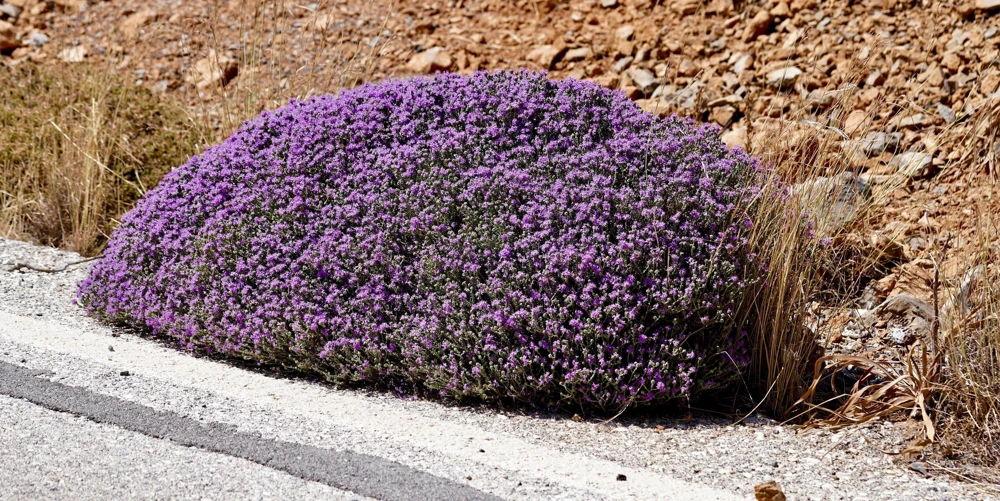
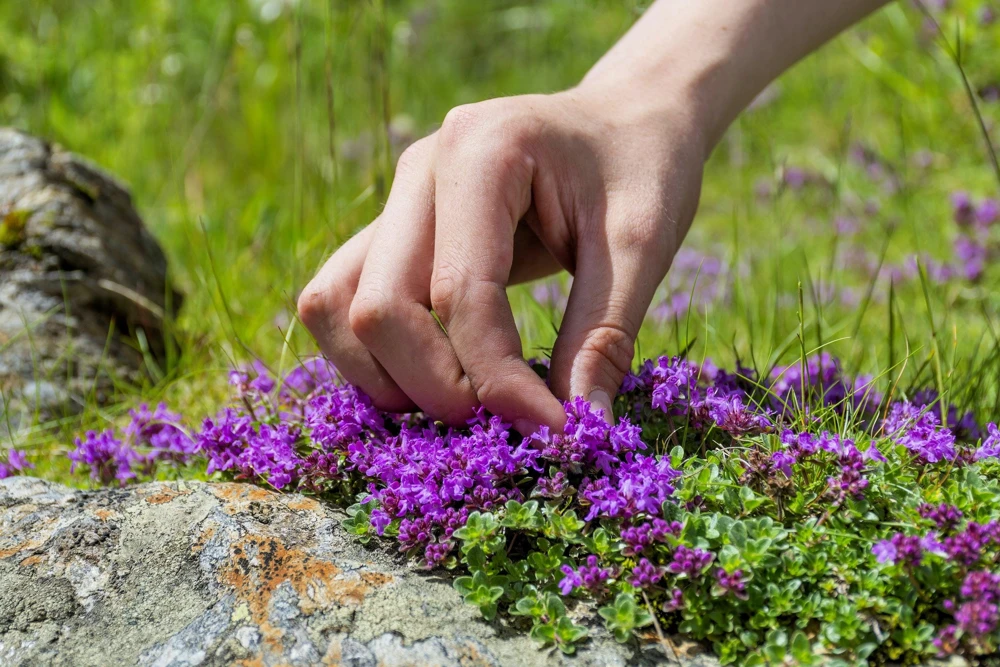
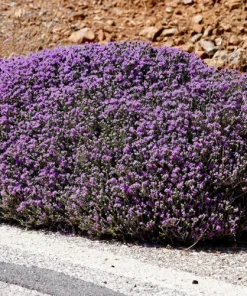
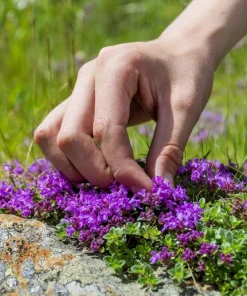
- Versatile Ground Cover: With its somewhat creeping and mat-forming habit, Mother of Thyme seeds are perfect for creating an attractive, low-growing ground cover. Plant them along walkways, between stepping stones, or as a bed border to suppress weeds and add visual interest.
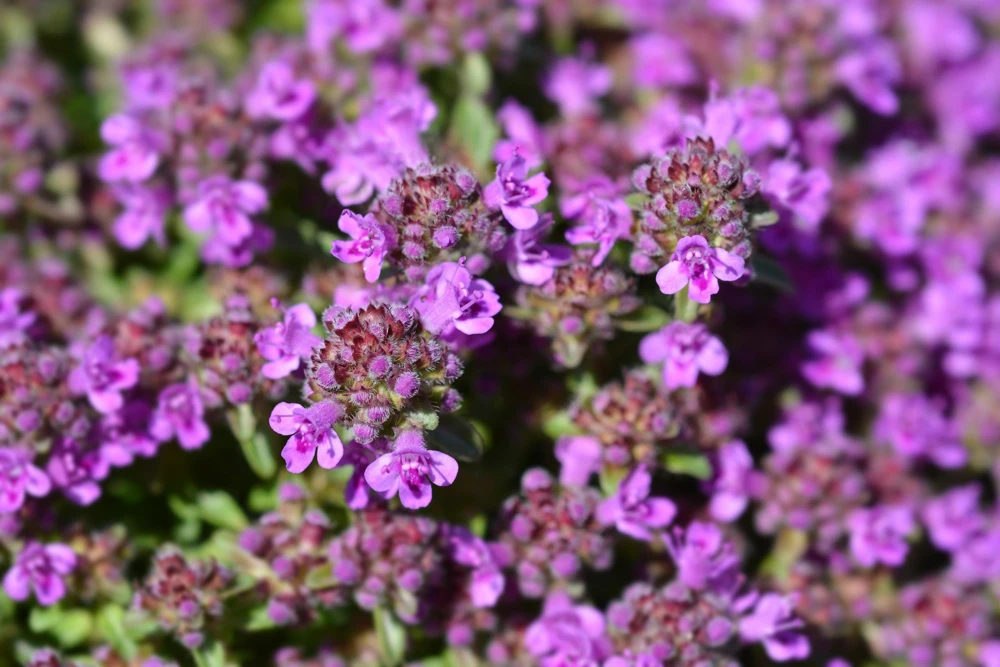
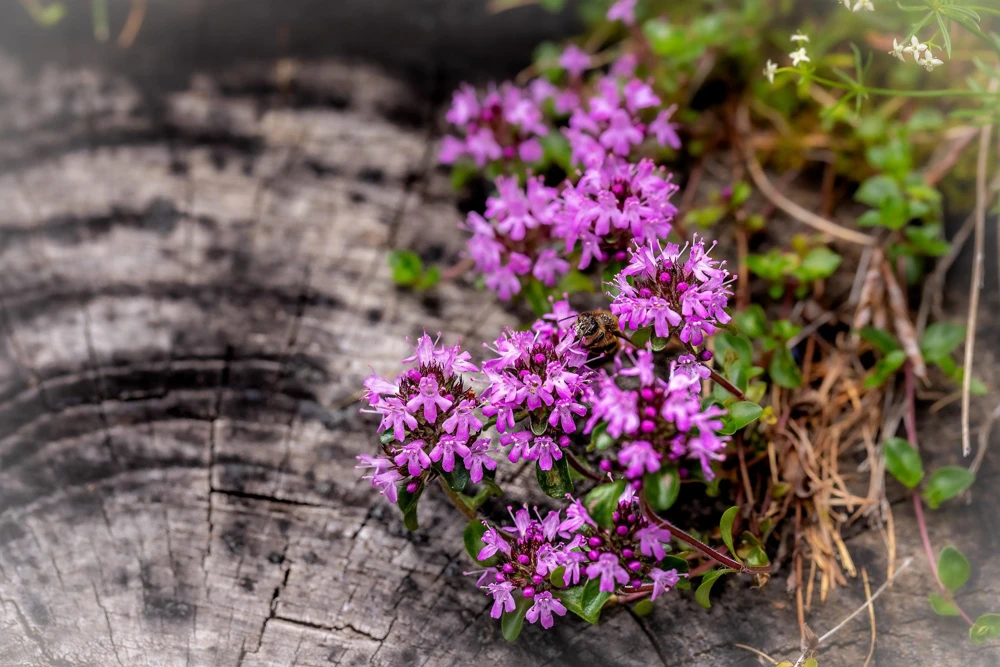
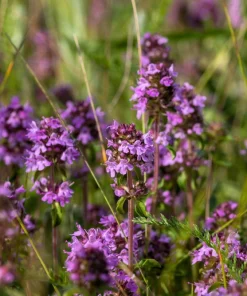
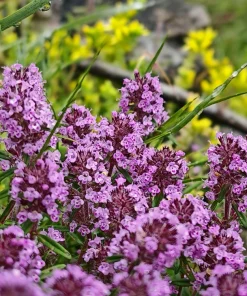
- Fragrant & Ornamental: The plants are delightfully fragrant, releasing a pleasant aroma when brushed against. Their charming pink-purple flowers bloom from spring to early summer, enhancing the aesthetic appeal of your garden.
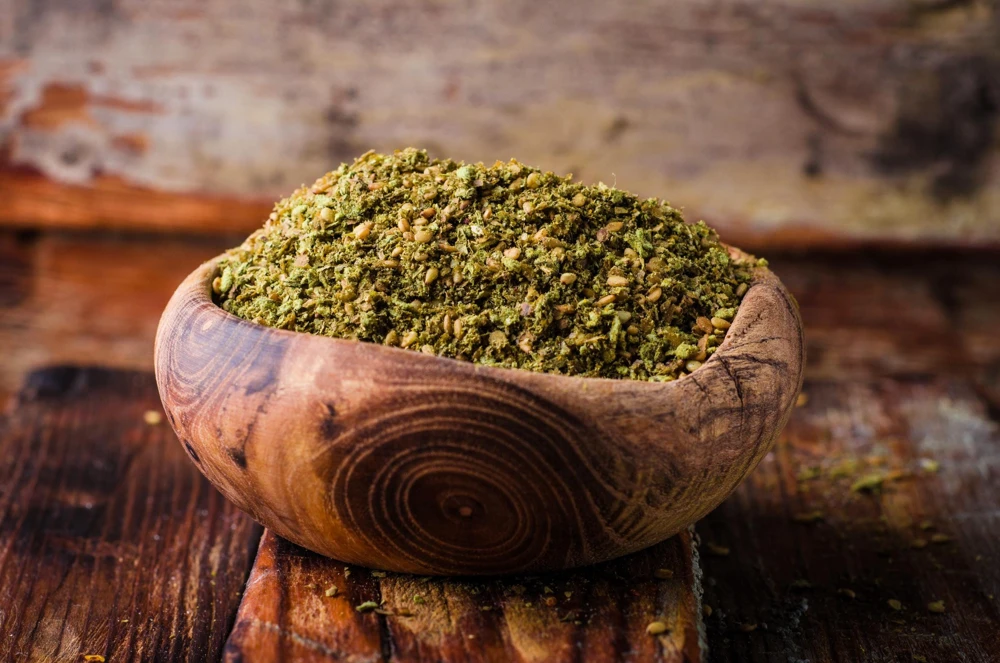
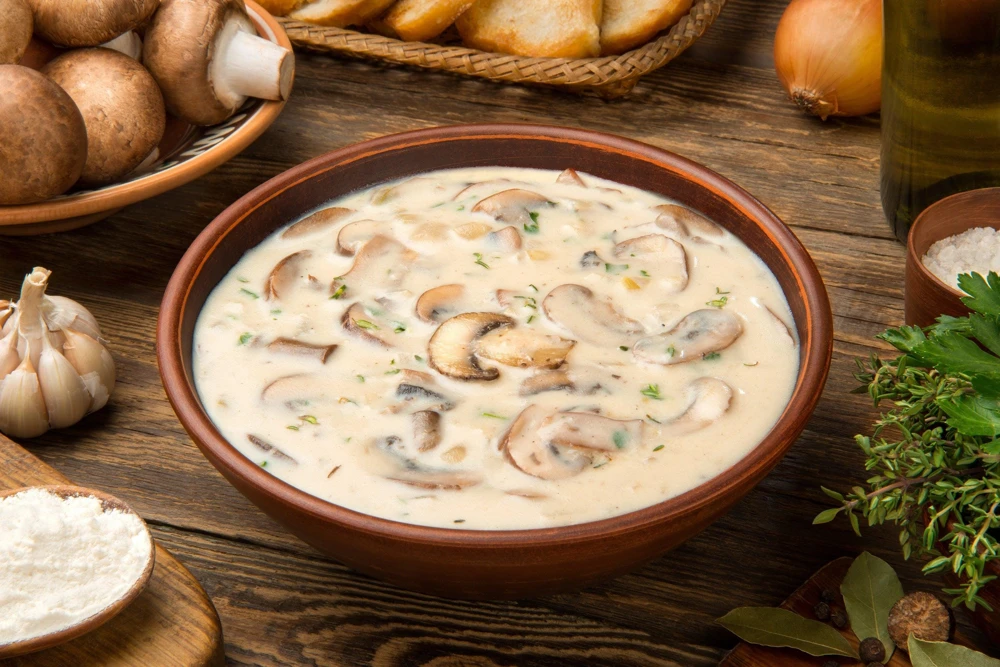
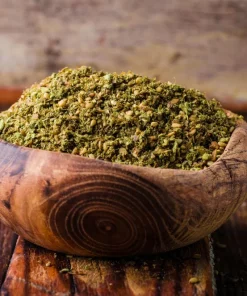
- Culinary & Medicinal Uses: Harvest the leaves of your thyme to use fresh or dried in a wide array of recipes. It’s a fantastic seasoning for meats, fish, vegetables, and soups. The leaves also contain essential oils used in fragrances and traditional remedies.
- Pollinator Attraction: The early blooming flowers are a magnet for bees and butterflies, providing a vital nectar source and supporting local pollinator populations, which is crucial for a healthy ecosystem.
- Drought & Pest Resistant: Once established, Mother of Thyme is highly drought-resistant, requiring minimal watering. It’s also naturally deer and rabbit resistant, protecting your garden from common pests without the need for harsh chemicals.
- Low Maintenance: This herb thrives in average to dry soil conditions and can even tolerate sandy or rocky soil without stress. Its hardy nature makes it an excellent choice for gardeners seeking a beautiful plant that requires little fuss.
- Hardy & Resilient: Suitable for USDA Hardiness Zones 4-8, these plants are robust and can withstand a range of environmental conditions, ensuring long-term enjoyment.
Plant Care & Growing Tips
Successfully growing Mother of Thyme seeds is straightforward, making it an excellent choice for both novice and experienced gardeners. For optimal germination, plant seeds outdoors after the last frost has passed, or start them indoors 6-8 weeks before the anticipated last frost date. Ensure the soil temperature is consistently warm for best results. Once established, these plants are remarkably resilient. They prefer full sun to partial shade, meaning they need at least 6 hours of direct sunlight daily, though they can tolerate some afternoon shade, especially in hotter climates. Adequate sunlight promotes denser growth and more abundant flowering. To encourage a lush, mat-forming habit, consider light pruning after the main bloom period.
When it comes to soil, Mother of Thyme is not particular, thriving in average to dry conditions. The most crucial factor is excellent drainage; soggy soil can lead to root rot. Sandy or rocky soil types are perfectly suitable, and amending heavy clay soils with organic matter and grit can improve drainage significantly. Water sparingly once the plants are established, as they are highly drought-resistant. Overwatering is a common mistake to avoid. For feeding, thyme is a light feeder and generally doesn’t require much fertilizer. A light application of a balanced, slow-release granular fertilizer in early spring can be beneficial, particularly if the soil is poor. Keep an eye out for any signs of fungal diseases, which are rare but can occur in overly wet conditions. Proper spacing of 9-12 inches between plants will ensure good air circulation and prevent overcrowding. Your broadleaved thyme will flourish with these simple care steps.
Size & Details
This product includes 100 Mother of Thyme seeds, providing ample opportunity to establish a robust patch of this versatile herb. Once germinated and grown, Mother of Thyme plants typically reach a height of 2 to 10 inches, forming a dense, mat-like ground cover. The plant spacing should be approximately 9 to 12 inches to allow for proper growth and spread. These plants are categorized as hardy in USDA Zones 4 through 8, making them suitable for a wide range of climates across the US. The bloom time for the attractive pink-purple flowers is from spring to early summer, offering an early season burst of color and a valuable nectar source for pollinators. Harvest of the fragrant leaves can occur all throughout the season, allowing for continuous culinary and aromatic use. Expect a moderate growth rate, with plants establishing well within their first growing season. Each seed holds the potential for a thriving, drought-resistant, and deer-resistant addition to your garden.
Frequently Asked Questions
- Q: How big does this Mother of Thyme plant get? A: Mother of Thyme plants typically grow to a height of 2 to 10 inches, creating a low-growing, mat-forming ground cover. They will spread outwards, so allow for 9 to 12 inches of spacing between plants.
- Q: Is this an indoor or outdoor plant? A: While it can be started indoors, Mother of Thyme is primarily an outdoor plant, thriving in garden beds, rock gardens, and along pathways. It prefers full sun to partial shade conditions outdoors.
- Q: How much sunlight does it need? A: For best growth and flowering, Mother of Thyme requires at least 6 hours of direct sunlight per day (full sun). It can tolerate some partial shade, especially in very hot climates, but will be less dense.
- Q: Is this plant easy to care for? A: Yes, Mother of Thyme is considered a very easy-to-care-for plant. It’s drought-resistant, deer and rabbit resistant, and tolerates a variety of soil conditions as long as drainage is good. It’s an excellent choice for beginners.
- Q: What condition will the seeds arrive in? A: You will receive 100 high-quality Mother of Thyme seeds in a protective packet, ready for planting. They are carefully handled to ensure viability upon arrival.
- Q: Can I use Mother of Thyme in cooking? A: Absolutely! Mother of Thyme is a wonderful culinary herb. Its fragrant leaves can be used fresh or dried to season meats, fish, vegetables, soups, and many other dishes, adding a distinctive flavor.
- Q: When is the best time to plant these seeds? A: For best results, plant Mother of Thyme seeds outdoors after the last frost in your area, typically in spring. If you want an earlier start, you can sow them indoors 6-8 weeks before the last expected frost.
- Q: Will it survive winter in my zone? A: Mother of Thyme is hardy in USDA Zones 4-8. If you are within these zones, your plants should successfully overwinter and return in spring. In colder zones, it may be grown as an annual.
- Q: What type of soil does broadleaved thyme prefer? A: Broadleaved thyme prefers average to dry soil conditions with excellent drainage. It can thrive in sandy or rocky soils and does not do well in heavy, waterlogged soil.
- Q: How long until Mother of Thyme blooms? A: Mother of Thyme typically begins to bloom in its first year, usually from spring to early summer, depending on when it was planted and growing conditions. The blooms are abundant and attract pollinators.
Be the first to review “Mother of Thyme Seeds (100 Seeds) – Pink Flowers, Broadleaved Herb, Ground Cover”
People Also Viewed



Reviews
There are no reviews yet.