
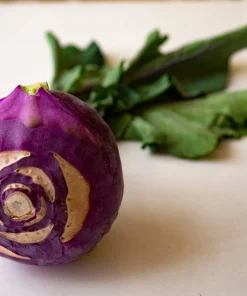
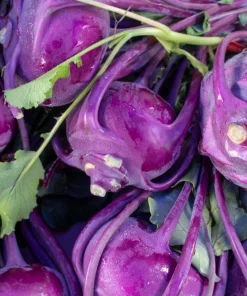
2000 Purple Vienna Kohlrabi Vegetable Seeds – Brassica Oleracea
Original price was: $37.99.$17.99Current price is: $17.99.
Cultivate a distinctive and flavorful crop with these purple vienna kohlrabi seeds. Each packet contains 2000 kohlrabi vegetable seeds, providing an abundant harvest of this unique Brassica oleracea variety. Ideal for home gardeners looking to add an interesting and nutritious vegetable to their plot.
Estimated arrival
Sep 17
Sep 22 - Sep 24
Sep 27 - Oct 01
Shop With Confidence
30-Day Plant Health Guarantee
Arrives damaged? We’ll replace it free — see our return policy.
Responsive Support
Email us anytime, we reply within 1 business day.
Expert Packaging
Temperature-controlled shipping to protect your plants in transit.
Secure Checkout
Pay safely with Visa, Mastercard, PayPal.
Plant Specifications
-
USDA Hardiness Zone
USDA zones 3-10 (as an annual) -
Soil Type
Well-draining, fertile soil -
Sunlight Exposure
Full sun to partial shade -
Expected Planting Period
Spring to early summer, or mid-to-late summer for fall harvest
Overview
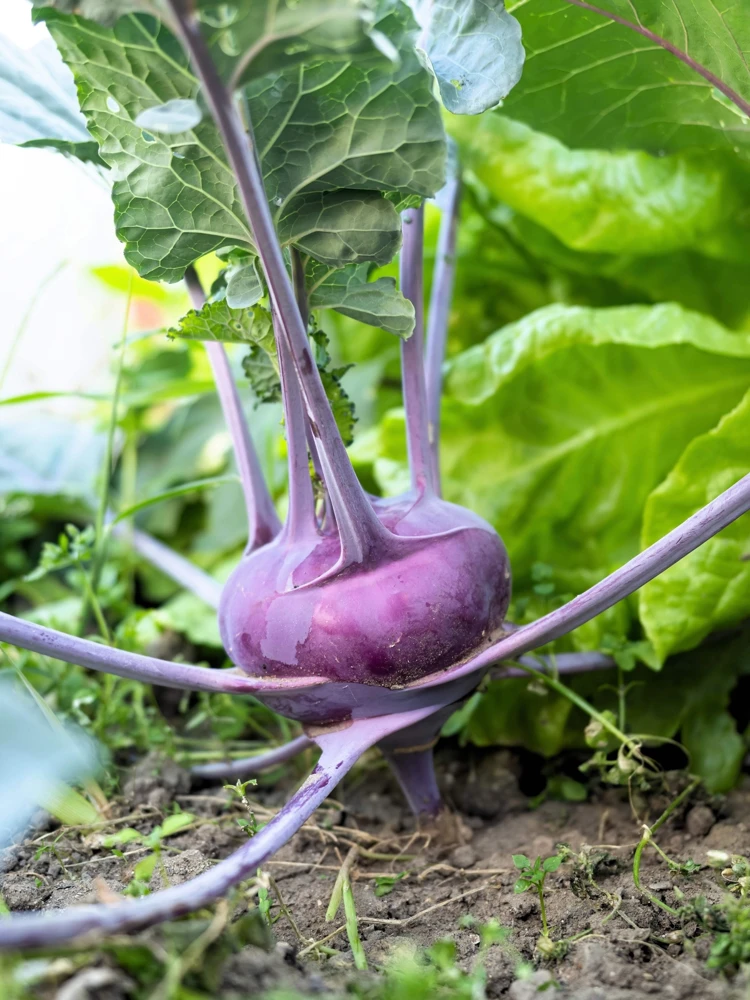
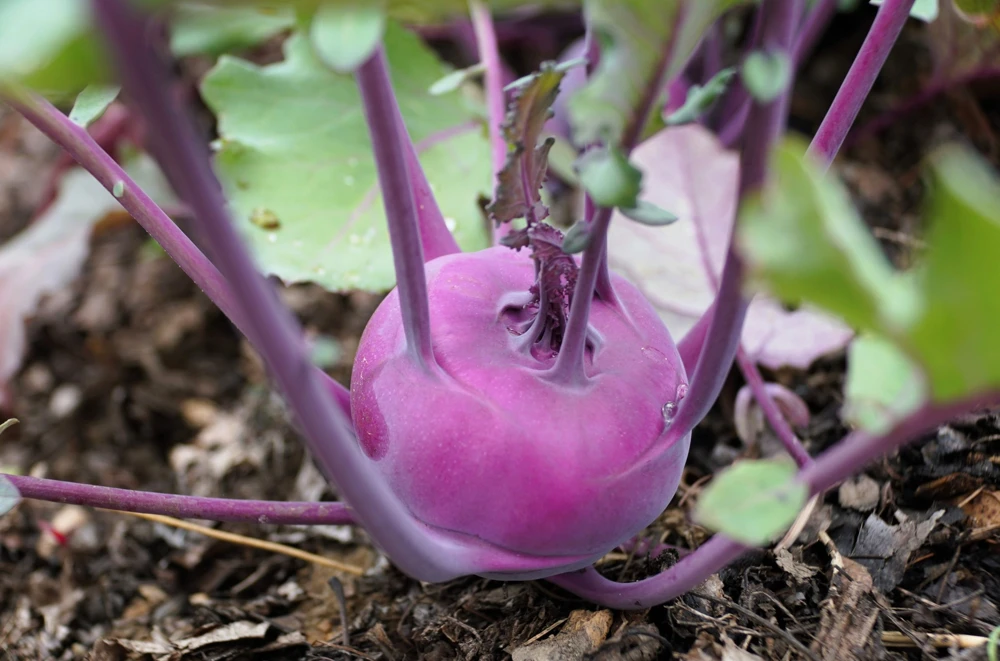
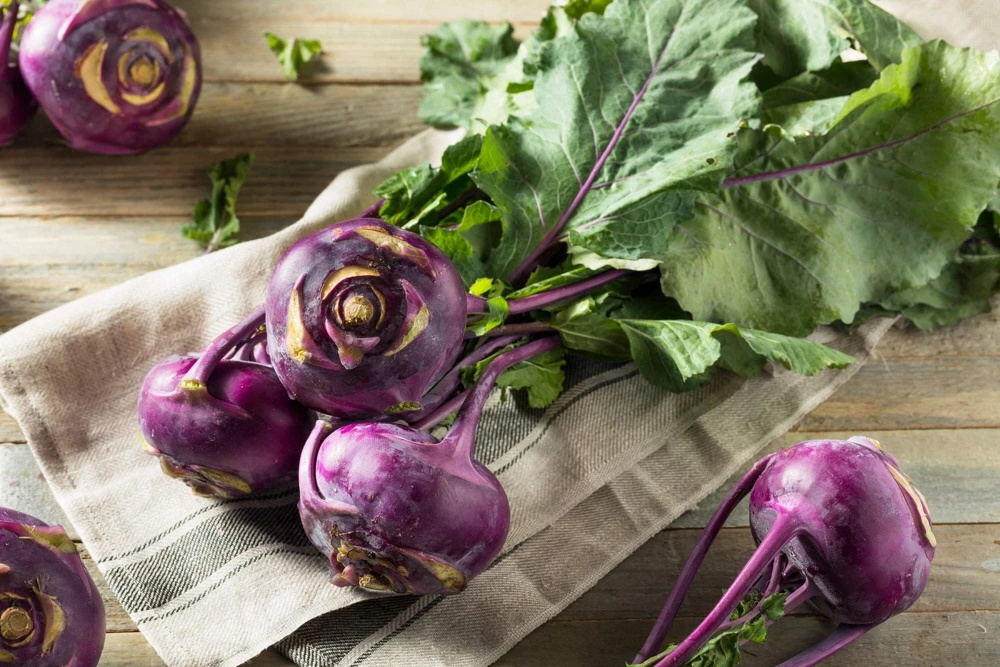
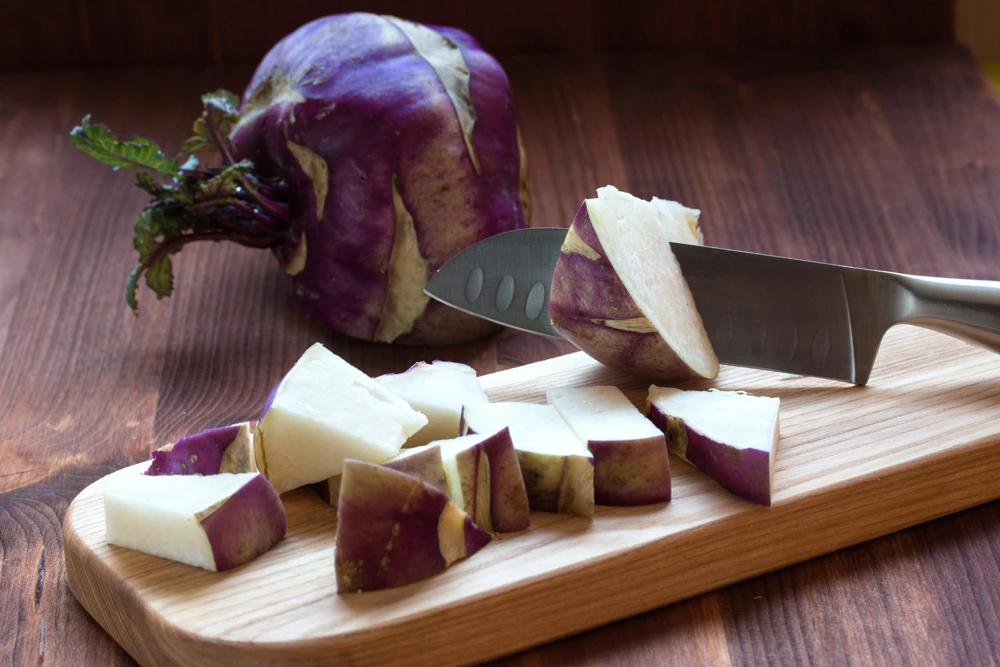
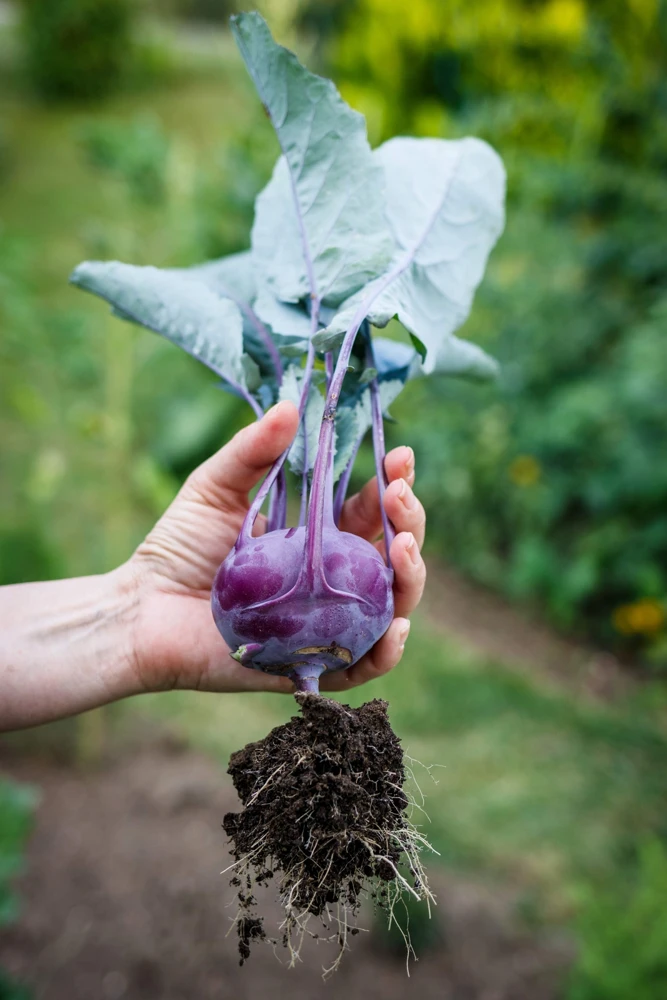
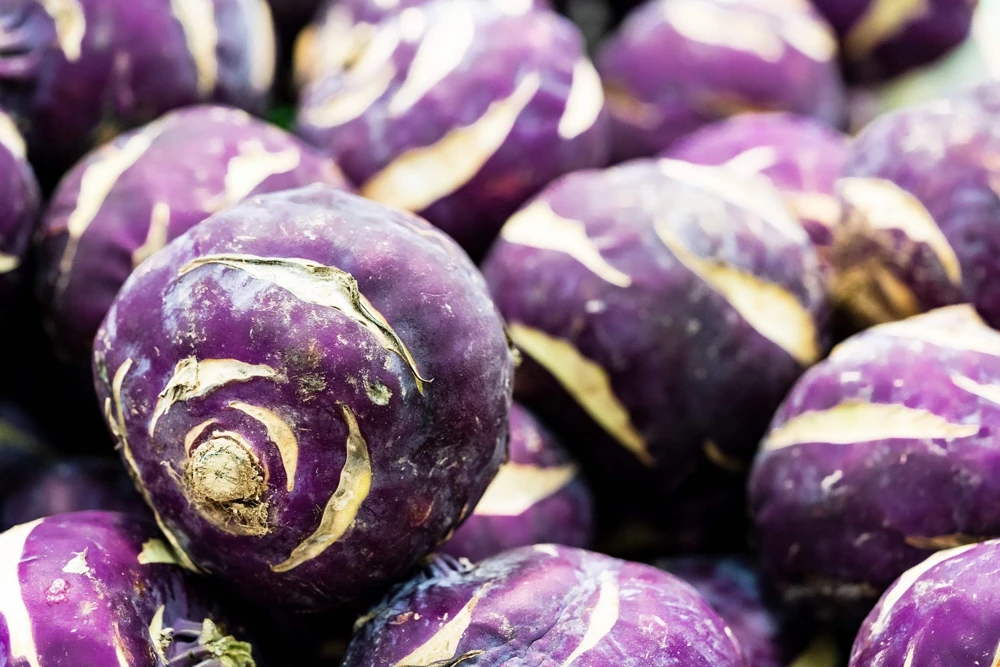
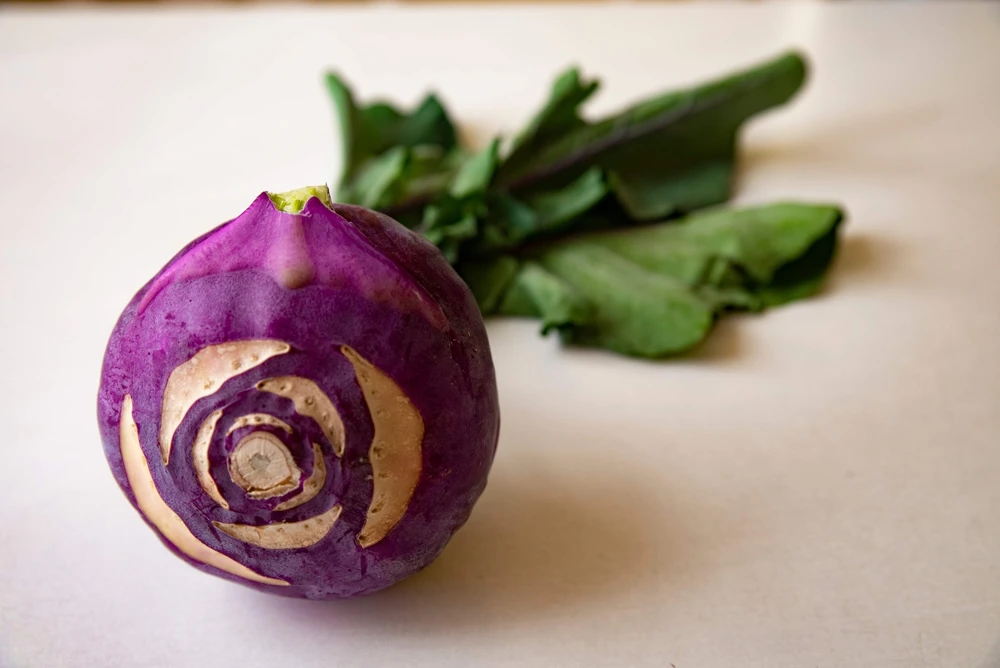
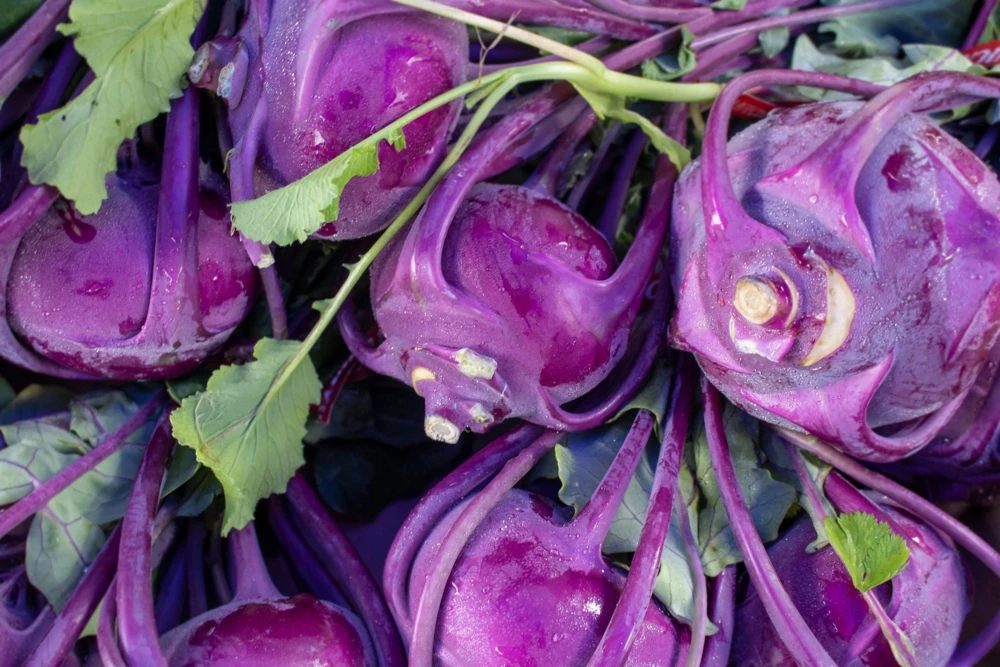
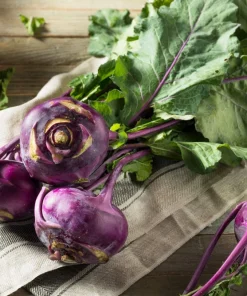
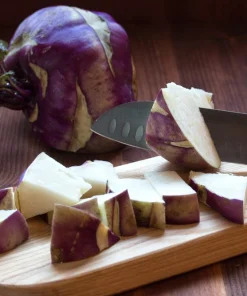
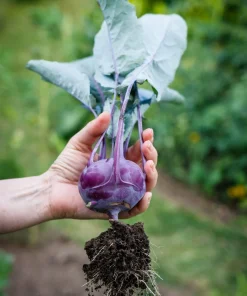
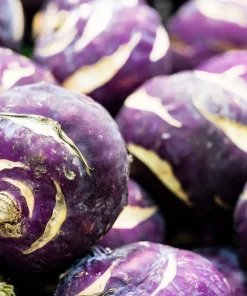
Embark on a rewarding gardening journey with our premium purple vienna kohlrabi seeds. This offering provides a generous quantity of 2000 seeds, ensuring a bountiful harvest of this intriguing vegetable. Kohlrabi, scientifically known as Brassica oleracea Gongylodes, is a fascinating member of the cabbage family, celebrated for its distinctive swollen stem that grows above ground. The ‘Purple Vienna’ variety is particularly striking, boasting vibrant purple skin and a crisp, pale green interior. It’s an excellent choice for gardeners seeking to cultivate something out of the ordinary, offering both visual appeal and a delightful, mild flavor. These kohlrabi vegetable seeds are perfect for those who appreciate fresh, homegrown produce and wish to explore diverse culinary options.
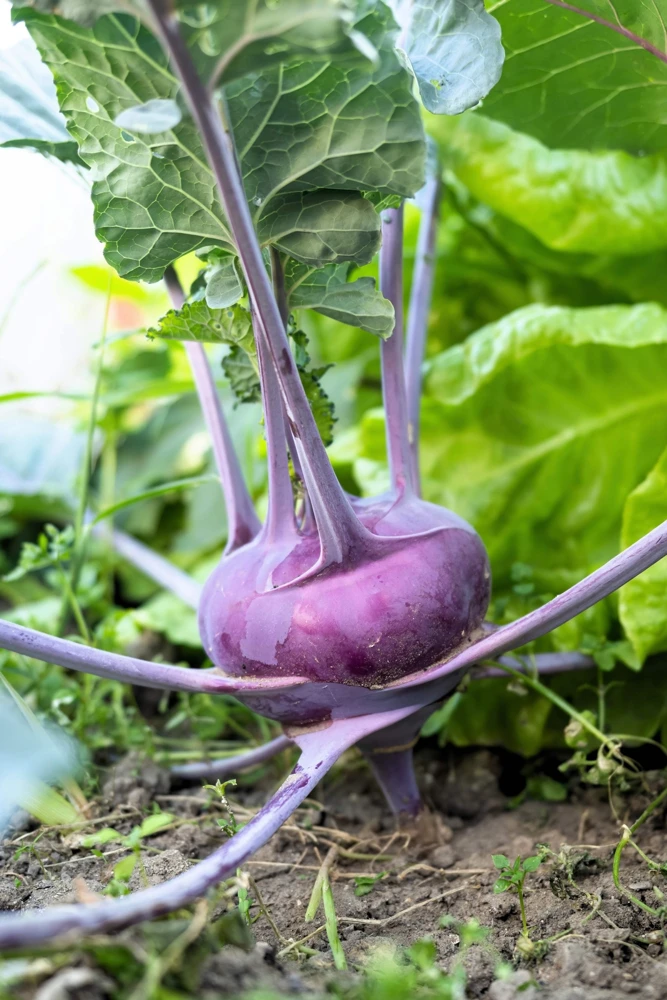
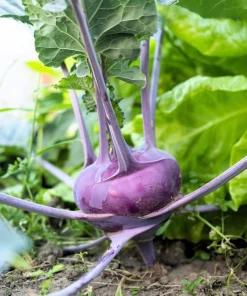
Growing purple vienna kohlrabi seeds is a straightforward process, making them suitable for gardeners of all experience levels. The plant’s unique appearance, resembling a turnip growing on a stem, adds an interesting dimension to any garden bed. Beyond its novelty, kohlrabi is a highly nutritious vegetable, packed with vitamins and minerals. With these seeds, you can easily grow kohlrabi in your backyard, enjoying the satisfaction of nurturing a plant from seed to table. This particular variety, ‘Purple Vienna’, is known for its reliability and good yields, promising a successful and delicious harvest.
Key Benefits
Growing purple vienna kohlrabi seeds offers a multitude of benefits, from enhancing your garden’s aesthetics to enriching your diet. Here are some compelling reasons to plant these unique vegetable seeds:
- Unique Garden Appeal: The vibrant purple bulbs of the ‘Purple Vienna’ kohlrabi add an exotic and colorful touch to your vegetable patch, making it a conversation starter among gardening enthusiasts. Its unusual growth habit is truly a sight to behold.
- Exceptional Flavor Profile: Kohlrabi offers a mild, slightly sweet, and peppery taste, often described as a cross between a radish and a cabbage. This makes it incredibly versatile for various culinary applications, both raw and cooked.
- Nutrient-Rich Vegetable: This kohlrabi vegetable seeds plant is a powerhouse of nutrition, rich in Vitamin C, fiber, and antioxidants. Incorporating it into your diet can contribute significantly to your overall health and well-being.
- Easy to Grow: Kohlrabi is a relatively low-maintenance crop, thriving in cool weather and adaptable to various soil types. Even beginner gardeners will find it simple to grow kohlrabi successfully from these seeds.
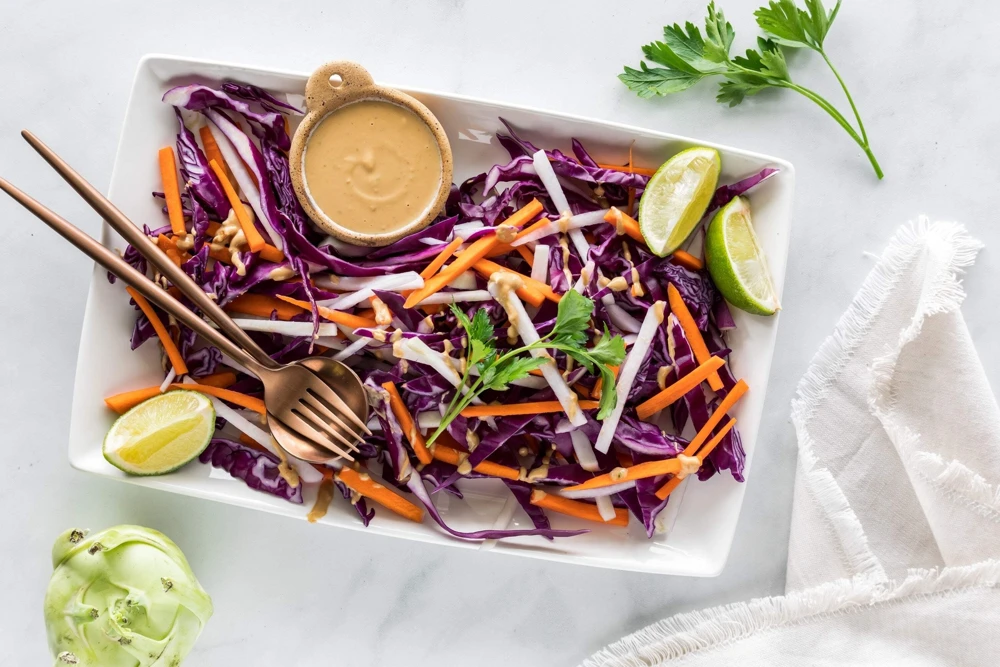
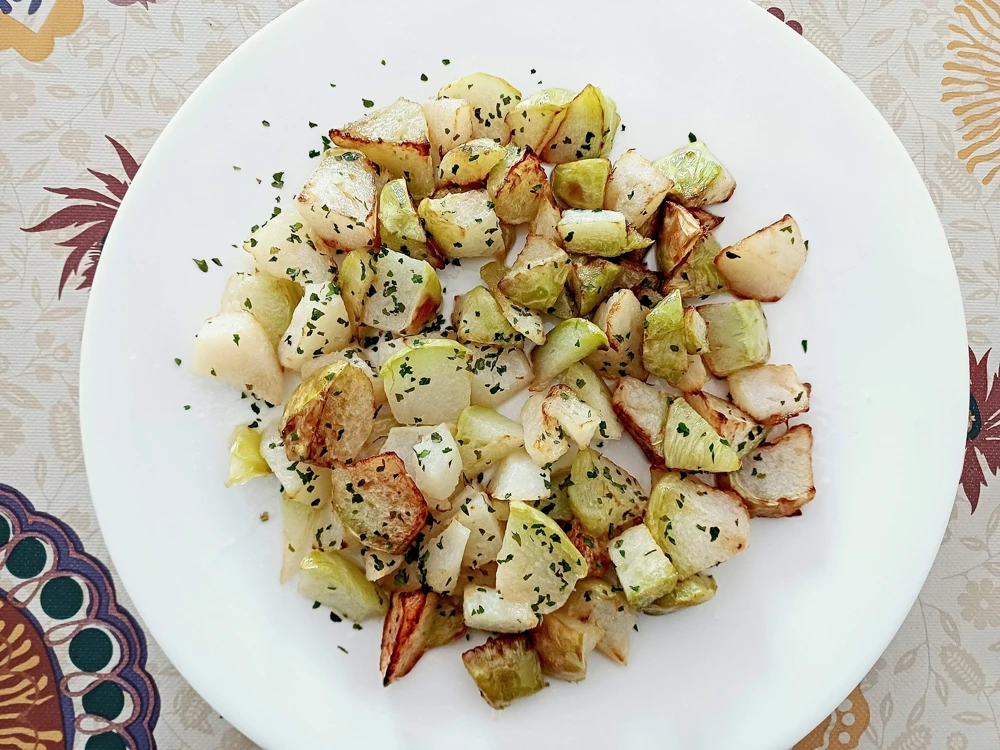
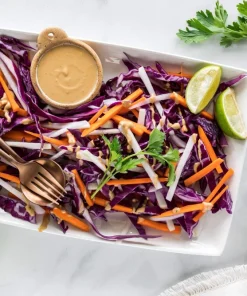
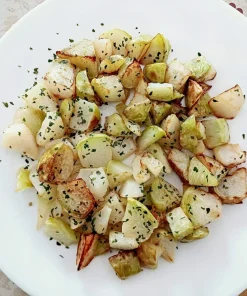
- Versatile Culinary Uses: Enjoy kohlrabi raw in salads, slaws, or as a crunchy snack. It can also be steamed, roasted, stir-fried, or added to soups and stews, offering endless possibilities in the kitchen.
- Good for Succession Planting: With a relatively short growing season, kohlrabi can be planted in succession, allowing for multiple harvests throughout the spring and fall, maximizing your garden’s productivity.
- Drought Tolerance: Once established, kohlrabi shows a good degree of drought tolerance, making it a resilient choice for home gardens, especially in regions with fluctuating rainfall.
Plant Care & Growing Tips
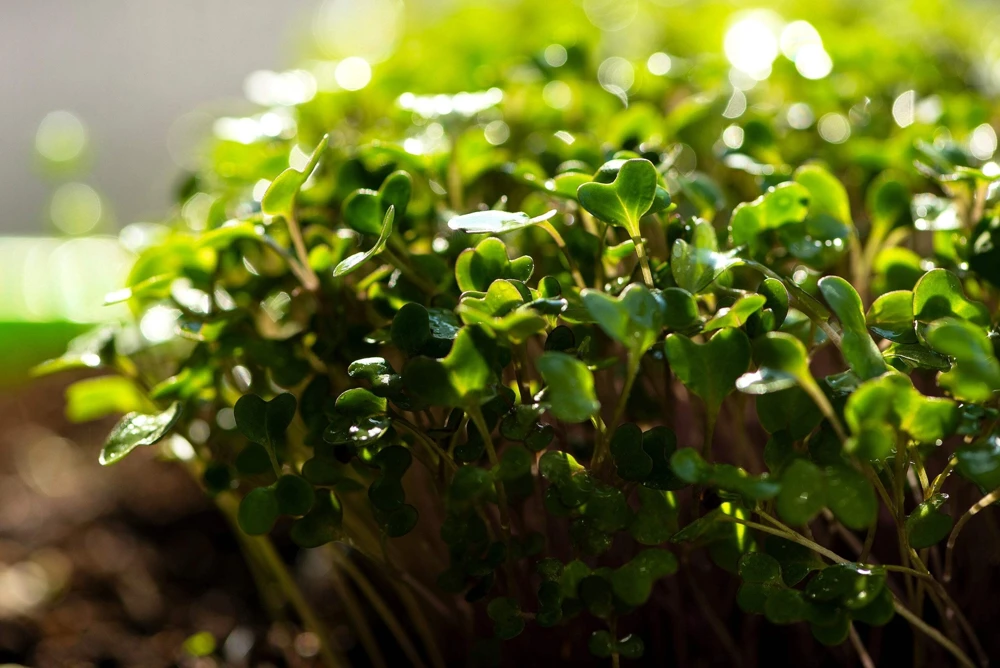
To successfully grow kohlrabi from your purple vienna kohlrabi seeds, understanding its specific care requirements is crucial. Kohlrabi thrives in cool weather, making spring and fall the ideal planting seasons. For a spring crop, sow seeds directly outdoors 2-3 weeks before the last expected frost. For a fall harvest, plant in mid-to-late summer. Choose a site with full sun, meaning at least 6 hours of direct sunlight per day, though it can tolerate partial shade in warmer climates to prevent bolting.
The soil is paramount for healthy kohlrabi development. It prefers well-draining, fertile soil with a pH between 6.0 and 7.0. Amend heavy clay soils with compost to improve drainage and add nutrients. Sow the unique vegetable seeds about 1/4 to 1/2 inch deep and 1 inch apart in rows 12-18 inches apart. Once seedlings emerge and are a few inches tall, thin them to 4-6 inches apart. Proper spacing is essential for the bulbs to develop fully. Consistent moisture is key for tender kohlrabi; irregular watering can lead to tough, woody bulbs. Aim for about 1 inch of water per week, either from rainfall or irrigation. Fertilize with a balanced organic fertilizer if your soil is not rich, following package instructions.
Protecting your brassica oleracea gongylodes from pests like cabbage worms and flea beetles is important. Row covers can be an effective organic solution. Harvest kohlrabi when the bulbs are 2-3 inches in diameter for the best flavor and texture. Larger bulbs can become woody. Simply cut the stem just below the bulb. With proper care, your kohlrabi vegetable seeds will yield a delicious and abundant harvest.
Size & Details
These purple vienna kohlrabi seeds are supplied in a packet containing approximately 2000 individual seeds, providing a generous quantity for multiple plantings or a large garden. Each seed is carefully selected for viability, ensuring a high germination rate under optimal conditions. The ‘Purple Vienna’ kohlrabi typically matures in about 55-60 days from planting. When ready for harvest, the swollen stem, or bulb, usually measures between 2 to 3 inches in diameter, though it can grow larger if left longer, albeit with a potential loss of tenderness. The plant itself reaches a height of approximately 12-18 inches. This variety is known for its robust growth and consistent yields, making it a reliable choice for home gardeners. The seeds are intended for direct sowing outdoors, and with proper spacing, each plant will develop a single, delicious kohlrabi bulb.
The compact nature of the kohlrabi plant makes it suitable for various garden sizes, including raised beds and even large containers. The leaves, while often overlooked, are also edible and can be cooked like collard greens or kale. These unique vegetable seeds offer a full-season harvest when succession planted, allowing you to enjoy fresh kohlrabi over an extended period. With a good sowing strategy, you can expect a continuous supply of this nutritious and flavorful vegetable from your garden.
Frequently Asked Questions
- Q: How many seeds are included in this packet? A: This packet contains approximately 2000 purple vienna kohlrabi seeds, offering an ample supply for extensive gardening or multiple planting cycles throughout the season.
- Q: Is this an indoor or outdoor plant? A: Kohlrabi is primarily an outdoor plant. While it can be started indoors to get a head start on the growing season, it needs to be transplanted outdoors to fully develop its distinctive bulbs.
- Q: How much sunlight does kohlrabi need? A: To grow kohlrabi successfully, it requires full sun, meaning at least 6 hours of direct sunlight per day. In very hot climates, some afternoon shade can be beneficial to prevent bolting.
- Q: Is this plant easy to care for? A: Yes, kohlrabi is considered an easy-to-grow vegetable, making it suitable for beginners. It requires consistent watering and good soil, but is generally low-maintenance.
- Q: When is the best time to plant these kohlrabi vegetable seeds? A: For spring harvest, plant 2-3 weeks before the last frost. For fall harvest, sow in mid to late summer. Kohlrabi thrives in cool weather.
- Q: What condition will the seeds arrive in? A: The seeds will arrive in a sealed packet, ensuring their freshness and viability. They are ready for immediate planting upon receipt.
- Q: What is the ideal soil for growing kohlrabi? A: Kohlrabi prefers well-draining, fertile soil with a neutral pH. Amending the soil with compost before planting will greatly benefit growth.
- Q: Can I eat the leaves of the kohlrabi plant? A: Absolutely! The leaves of the brassica oleracea gongylodes are edible and very nutritious. They can be cooked and prepared much like kale or collard greens.
- Q: How large do the kohlrabi bulbs typically get before harvesting? A: For the best flavor and tenderness, harvest the kohlrabi bulbs when they are about 2 to 3 inches in diameter. Larger bulbs can become woody.
- Q: What are some good uses for unique vegetable seeds like kohlrabi in the kitchen? A: Kohlrabi is incredibly versatile. It’s delicious raw in salads and slaws, can be roasted, steamed, stir-fried, or added to soups for a unique crunch and flavor.
Be the first to review “2000 Purple Vienna Kohlrabi Vegetable Seeds – Brassica Oleracea”
People Also Viewed

Uncategorized
Reviews
There are no reviews yet.