
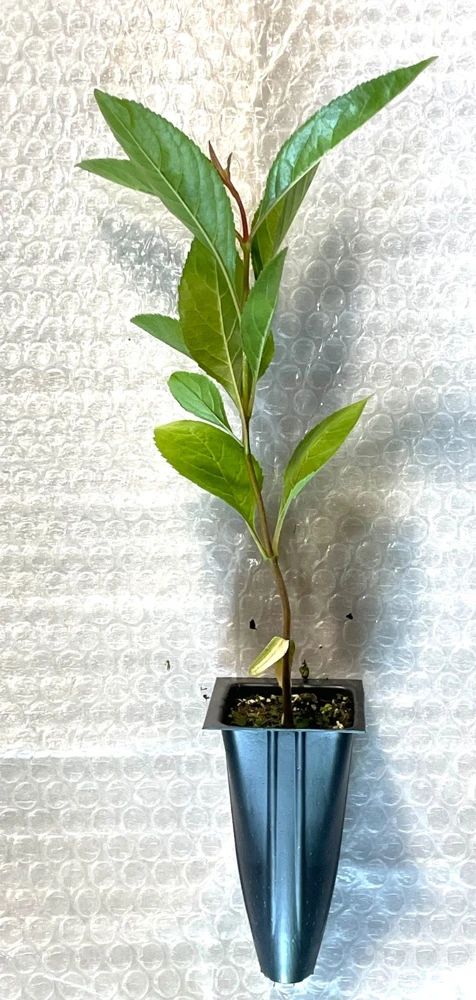
Blackhaw Native Shrub Live Plants – Plug-Grown Seedlings (4-Pack)
Original price was: $71.99.$46.99Current price is: $46.99.
Introduce the beauty of native flora to your garden with this blackhaw live plant 4-pack. These plug-grown seedlings are ready for planting, offering seasonal interest with white flowers, dark berries, and vibrant fall foliage. Perfect for attracting birds and pollinators.
Estimated arrival
Sep 17
Sep 22 - Sep 24
Sep 27 - Oct 01
Shop With Confidence
30-Day Plant Health Guarantee
Arrives damaged? We’ll replace it free — see our return policy.
Responsive Support
Email us anytime, we reply within 1 business day.
Expert Packaging
Temperature-controlled shipping to protect your plants in transit.
Secure Checkout
Pay safely with Visa, Mastercard, PayPal.
Plant Specifications
-
USDA Hardiness Zone
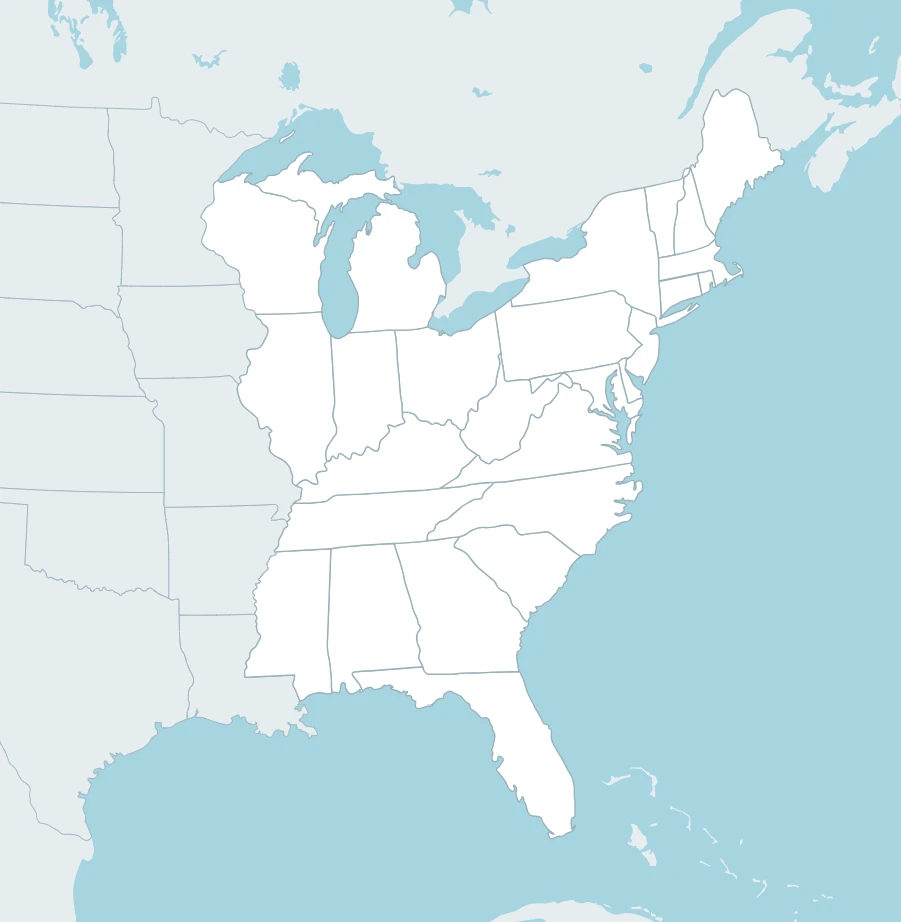
USDA Zones 3-9 -
Soil Type
Well-draining soil -
Sunlight Exposure
Full sun to partial shade -
Expected Planting Period
Spring or Fall
Overview
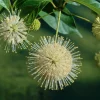
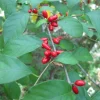
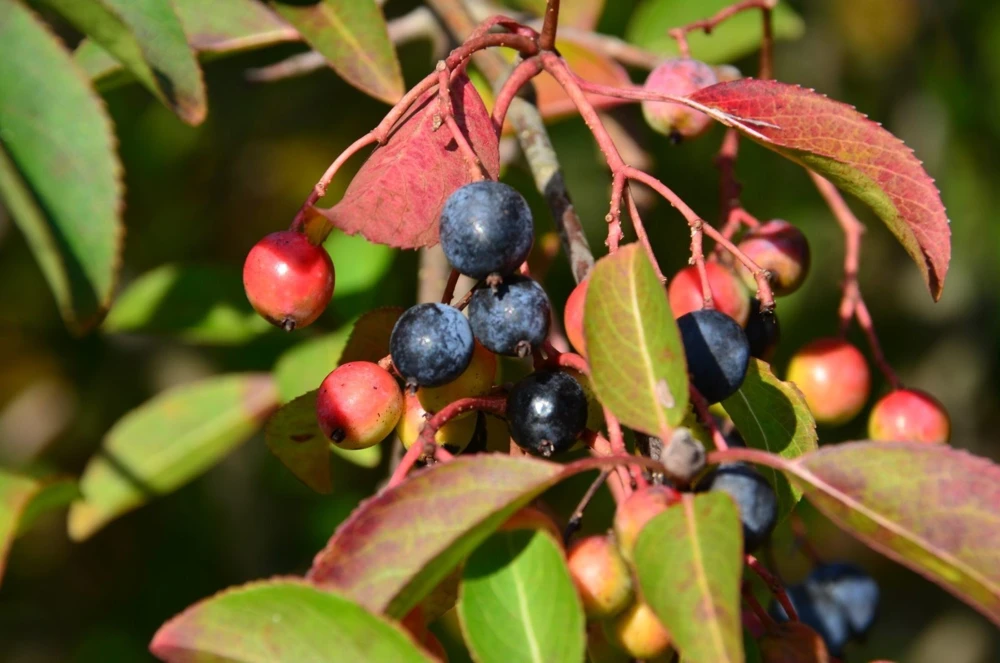
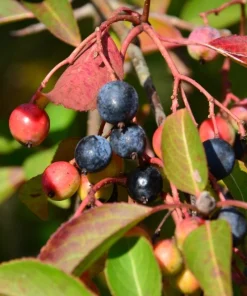
Discover the charm of the blackhaw live plant, a versatile and attractive native shrub perfect for any landscape. This offering includes a 4-pack of robust, plug-grown seedlings, carefully cultivated to ensure a strong start in your garden. Blackhaw, scientifically known as Viburnum prunifolium, is a deciduous shrub or small tree renowned for its multi-season appeal. From delicate white flower clusters in spring to edible dark blue-black berries in late summer, and finally, stunning purplish-red fall foliage, the blackhaw provides continuous visual interest. Ideal for creating naturalized areas, hedges, or as an understory plant, these seedlings will establish well and contribute to local biodiversity by providing food and shelter for wildlife, especially birds.
Bringing a blackhaw live plant into your garden means investing in a resilient and ecologically beneficial species. These seedlings are an excellent choice for gardeners looking to support native ecosystems and enjoy a low-maintenance, high-impact plant. The plug-grown format ensures minimal transplant shock, allowing for quicker establishment and growth. Whether you’re a seasoned gardener or just starting, these native blackhaw viburnum seedlings are a fantastic addition to create a vibrant and thriving outdoor space.
Key Benefits
Adding the blackhaw live plant to your garden offers a multitude of advantages, enhancing both the aesthetic and ecological value of your property. These benefits make it a standout choice for sustainable landscaping:
- Seasonal Beauty: Enjoy a dynamic display throughout the year. The blackhaw boasts delicate white flowers in spring, followed by attractive dark berries in summer, and culminating in spectacular purplish-red fall foliage. This continuous interest ensures your garden remains vibrant.
- Wildlife Attraction: The berries are a favorite food source for various bird species, while the flowers attract pollinators like bees and butterflies. Planting blackhaw live plant helps create a thriving habitat and supports local wildlife populations.
- Low Maintenance: Once established, Blackhaw is remarkably drought-tolerant and adaptable to a range of soil conditions. It requires minimal care, making it an excellent choice for busy gardeners seeking a beautiful yet undemanding plant.
- Native Resilience: As a native species, Viburnum prunifolium is naturally resistant to many common pests and diseases, requiring less intervention and chemical treatment. This inherent hardiness contributes to a healthier garden ecosystem.
- Versatile Landscaping: Whether you desire a natural hedge, a specimen plant, or an understory shrub in a woodland garden, the blackhaw live plant fits seamlessly into various landscape designs. Its adaptable growth habit allows for creative placement.
- Edible Berries: The dark berries produced by the blackhaw are not only attractive to birds but are also edible for humans, offering a sweet, raisin-like flavor when fully ripe. They can be enjoyed fresh or used in jellies and preserves.
Plant Care & Growing Tips
Caring for your blackhaw live plant seedlings is straightforward, as this native shrub is known for its resilience and adaptability. For optimal growth, choose a location that receives full sun to partial shade. While it tolerates a range of light conditions, more sun generally leads to better flowering and fruiting. Aim for at least 4-6 hours of direct sunlight daily for the best results. The blackhaw is adaptable to various soil types, but it thrives best in well-draining soil with a moderate to rich organic content. It can tolerate both sandy and clay soils, but avoid consistently waterlogged conditions.
Water your newly planted blackhaw shrub care seedlings regularly during their first growing season to help establish a strong root system. Once established, the blackhaw becomes quite drought-tolerant and will only require supplemental watering during extended dry periods. A layer of mulch around the base of the plant can help retain soil moisture and suppress weeds. Pruning is generally not necessary beyond removing dead, damaged, or crossing branches. If you need to shape the plant or control its size, do so in late winter or early spring before new growth begins. The native blackhaw viburnum is hardy in USDA zones 3-9, making it suitable for a wide range of climates. It tolerates cold winters and hot summers well.
Fertilization is typically not required for established blackhaw plants, especially if planted in fertile soil. If your soil is poor, a balanced, slow-release fertilizer can be applied in spring. Watch for common garden pests, though blackhaw is generally quite pest-resistant. Any issues can usually be managed with organic pest control methods. By following these simple tips, your blackhaw live plant will flourish, providing years of beauty and ecological benefit to your garden. Understanding how to buy blackhaw seedlings and care for them properly ensures their success.
Size & Details
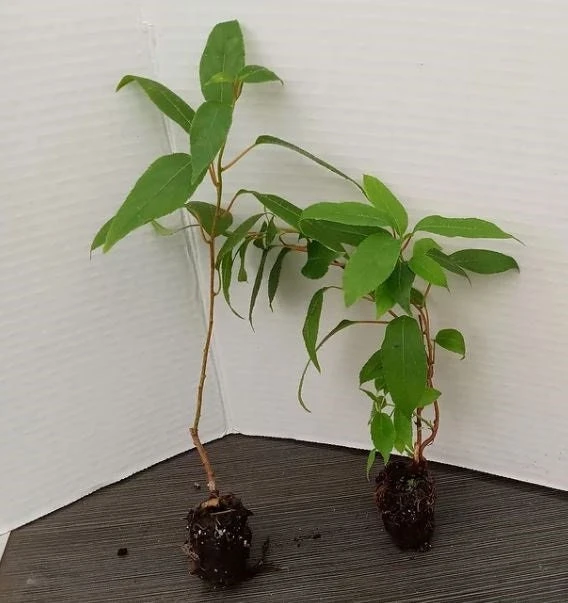
This offering includes a 4-pack of blackhaw live plant seedlings, provided as plug-grown plants. Plug-grown seedlings are a superior choice for planting as they have a well-developed root system contained within a small soil plug, which minimizes transplant shock and promotes rapid establishment. While specific dimensions can vary, these seedlings are typically 6-12 inches tall upon arrival, ready to be planted directly into your garden. The Blackhaw shrub can eventually reach a mature height of 10-15 feet with a similar spread, though it can be kept smaller with pruning. It has a moderate growth rate, typically adding 1-2 feet per year once established. Expect the first flowers and berries to appear within 2-3 years after planting, with full maturity and abundant fruiting reached in 5-7 years.
The compact size of these plug-grown seedlings makes them easy to handle and plant, whether you’re creating a new garden bed, filling in gaps, or starting a native hedge. These plants are shipped in a dormant or semi-dormant state depending on the season, ensuring they travel well and are ready to burst into growth once planted in their new home. The viburnum prunifolium is a long-lived plant, offering decades of beauty and ecological value to your property.
Frequently Asked Questions
- Q: How big does this blackhaw live plant get? A: The blackhaw live plant can reach a mature height and spread of 10-15 feet. Its ultimate size can be influenced by growing conditions and whether it is pruned.
- Q: Is this an indoor or outdoor plant? A: The Blackhaw (Viburnum prunifolium) is a native deciduous shrub and is intended for outdoor planting. It requires outdoor conditions to thrive and complete its natural growth cycle.
- Q: How much sunlight does the blackhaw live plant need? A: This plant prefers full sun to partial shade, meaning it thrives with at least 4-6 hours of direct sunlight daily for the best flowering and fruiting. It can tolerate more shade but may have fewer flowers and berries.
- Q: Is this plant easy to care for? A: Yes, the blackhaw live plant is considered low-maintenance once established. It is drought-tolerant and adaptable to various soil types, making it an excellent choice for beginner and experienced gardeners alike.
- Q: What condition will the blackhaw seedlings arrive in? A: The seedlings are shipped as plug-grown plants, meaning they have a healthy, intact root system within a soil plug. They are carefully packaged to ensure they arrive in good condition, ready for planting.
- Q: When is the best time to plant blackhaw seedlings? A: The best time to plant blackhaw seedlings is in spring or fall when temperatures are moderate. This allows the plants to establish their root systems before the stress of extreme heat or cold.
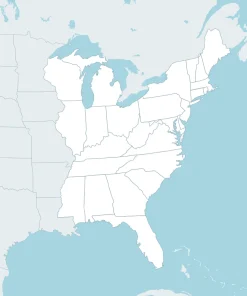
- Q: Will the blackhaw live plant survive winter in my zone? A: Yes, the native blackhaw viburnum is hardy in USDA Zones 3-9, indicating it can withstand a wide range of winter temperatures and is well-suited for most parts of the United States.
Be the first to review “Blackhaw Native Shrub Live Plants – Plug-Grown Seedlings (4-Pack)”
People Also Viewed
Reviews
There are no reviews yet.