
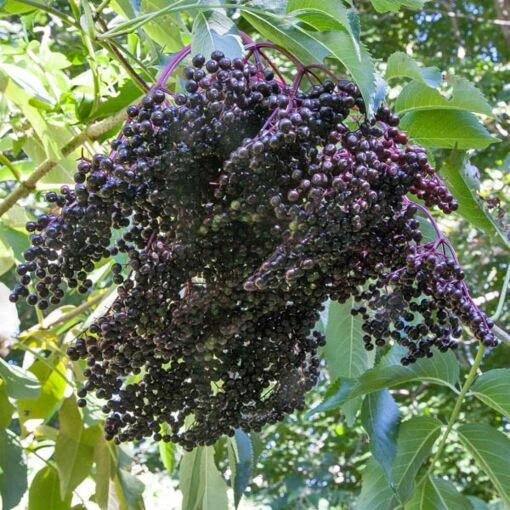
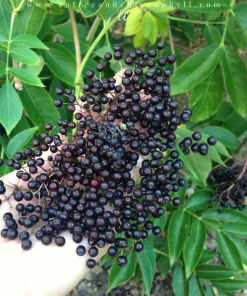
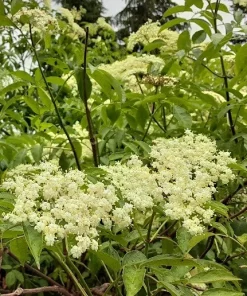
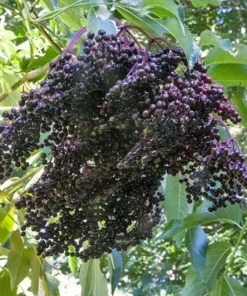
Wyldewood Elderberry Live Plant – Edible Shrub – 1 Count – Zones 3-8
Original price was: $85.99.$65.99Current price is: $65.99.
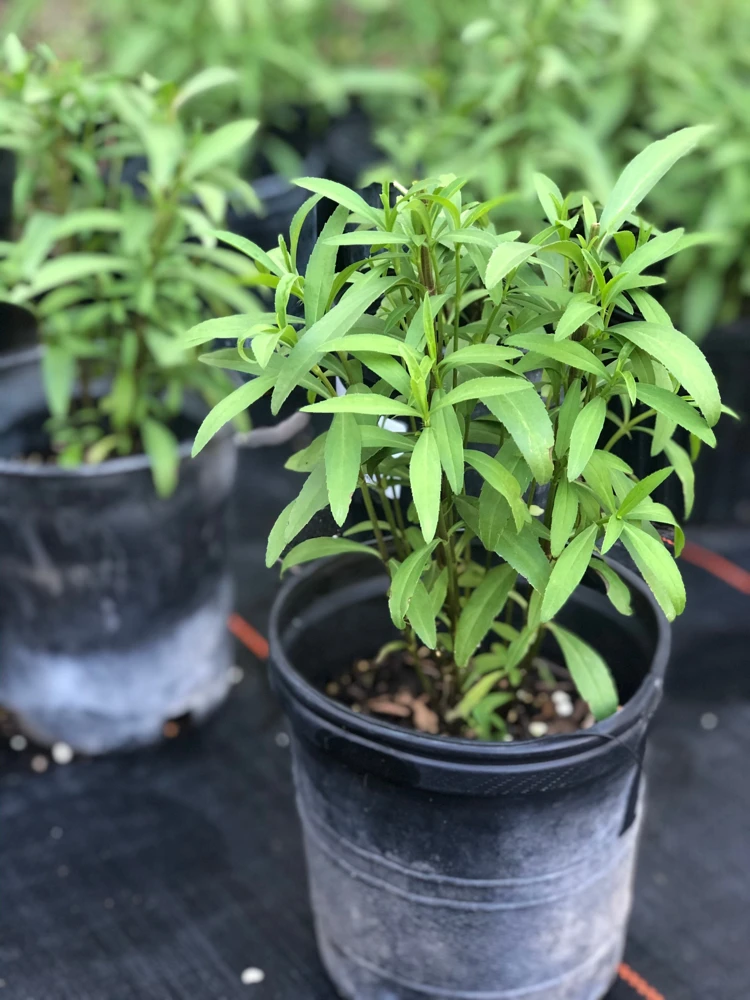
Cultivate your own Wyldewood Elderberry live plant, a robust and healthy edible shrub. Ideal for home gardens in USDA Zones 3-8, this plant yields delicious black elderberries. Enjoy fresh fruit or use them for preserves, pies, and beverages.
Out of stock
Estimated arrival
Oct 25
Oct 30 - Nov 01
Nov 04 - Nov 08
Shop With Confidence
30-Day Plant Health Guarantee
Arrives damaged? We’ll replace it free — see our return policy.
Responsive Support
Email us anytime, we reply within 1 business day.
Expert Packaging
Temperature-controlled shipping to protect your plants in transit.
Secure Checkout
Pay safely with Visa, Mastercard, PayPal.
Plant Specifications
-
USDA Hardiness Zone
3-8 -
Soil Type
Well-draining, loamy soil -
Sunlight Exposure
Full Sun, Medium Sun -
Expected Planting Period
Spring, Fall
Overview
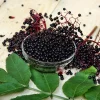
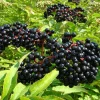
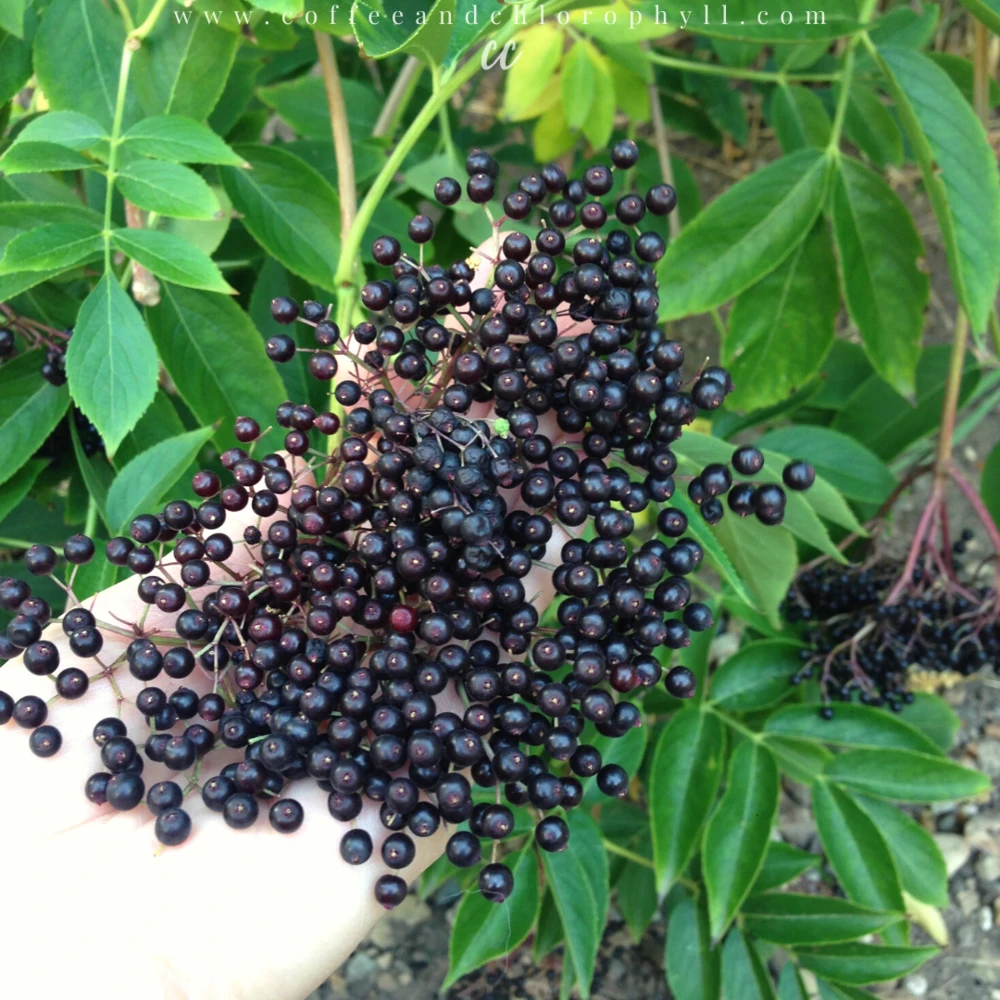
Bring the joy of home-grown fruit to your garden with a Wyldewood Elderberry live plant. This vigorous and healthy edible shrub is a fantastic addition for gardeners seeking both ornamental beauty and delicious, abundant harvests. The Wyldewood Elderberry is renowned for its large clusters of dark, flavorful berries, perfect for making jams, jellies, pies, and elderberry syrup. As a native North American plant, it’s well-adapted and thrives across a wide range of climates, particularly in USDA Zones 3-8, making it a reliable choice for many home landscapes. This particular offering provides a robust live plant, ready to establish quickly and begin its journey towards fruit production. Growing elderberries like the Wyldewood Elderberry live plant is a rewarding experience, providing both aesthetic appeal with its showy white flower clusters and the practical benefit of a continuous fruit supply.
The Wyldewood variety is a popular choice among gardeners for its consistent yield and disease resistance. Its beautiful foliage and attractive flowers make it a great landscape plant even before the berries appear. Whether you’re an experienced horticulturist or just starting your edible garden, this Wyldewood Elderberry live plant offers a straightforward path to enjoying fresh, organic elderberries right from your backyard. Prepare to be delighted by the ease of growing elderberry plants and the bounty they provide.
Key Benefits
Discover the numerous advantages of adding a Wyldewood Elderberry live plant to your garden:
- Abundant Edible Fruit: This elderberry variety produces copious amounts of large, juicy black berries, perfect for culinary uses such as jams, pies, wines, and health-boosting syrups. Enjoy fresh, organic fruit directly from your garden.
- Hardy and Adaptable: Thriving in USDA Zones 3-8, the Wyldewood Elderberry live plant is incredibly resilient to cold temperatures and a variety of soil conditions, making it a low-maintenance option for many regions.
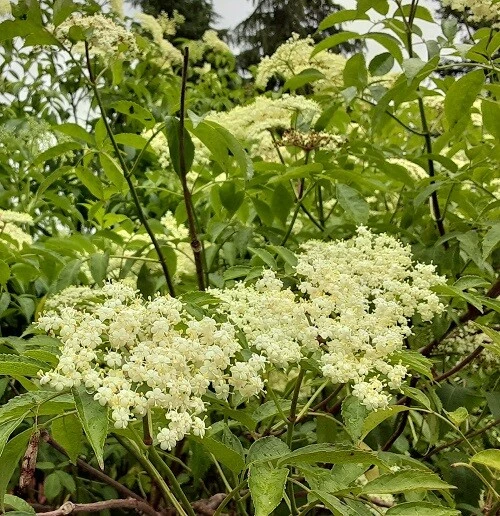
- Attractive Landscape Plant: Beyond its fruit, the elderberry offers ornamental value with its broad clusters of creamy white flowers in late spring to early summer, followed by striking dark berries against lush green foliage.
- Pollinator Friendly: The fragrant flowers attract a host of beneficial pollinators, including bees and butterflies, contributing to a healthier garden ecosystem and supporting local wildlife.
- Medicinal Properties: Elderberries are well-known for their high antioxidant content and traditional use in supporting immune health, providing a natural remedy right at your fingertips.
- Easy to Grow: This robust shrub is relatively easy to care for, requiring minimal attention once established. It’s a great choice for both novice and experienced gardeners interested in an edible elderberry shrub.
- Versatile Use: The berries can be harvested and used fresh, frozen, or dried, offering flexibility for year-round enjoyment and culinary experimentation. Consider this plant for sustainable living and self-sufficiency.
Plant Care & Growing Tips
Caring for your Wyldewood Elderberry live plant is straightforward, ensuring a healthy shrub and bountiful harvests. Elderberries prefer a location with full sun to medium sun, meaning at least 6 hours of direct sunlight daily for optimal fruit production. While they can tolerate some partial shade, berry yields may be reduced. Ensure the planting site has good air circulation to prevent fungal issues. When planting, dig a hole twice as wide as the root ball and just as deep, backfilling with a mix of garden soil and compost to enrich the area. The soil type should be well-draining, as elderberries do not like wet feet; loamy to sandy loam soils are ideal, with a slightly acidic to neutral pH (6.0-7.0).
Watering is crucial, especially during the first year of establishment and during dry spells. Provide consistent moisture, aiming for about 1 inch of water per week, either from rainfall or irrigation. Once established, elderberries are reasonably drought-tolerant but will produce better with regular watering. Fertilize in early spring with a balanced, slow-release fertilizer or a good layer of compost around the base of the plant. Pruning is best done in late winter or early spring while the plant is dormant. Remove any dead, damaged, or weak canes. For mature plants, consider removing some of the oldest canes (3+ years old) to encourage new growth and maintain productivity, as elderberries produce most fruit on 1-2 year old wood. Keep an eye out for common pests like aphids and elderberry borers; address issues promptly with organic pest control methods if possible. Understanding elderberry plant care will lead to a thriving shrub and successful harvests.
Size & Details
This offering is for 1 Wyldewood Elderberry live plant, typically a 1-2 year old growth stage, ensuring a robust start in your garden. Upon arrival, the plant will be carefully packaged to minimize stress during transit, ready for immediate planting. Elderberries are known for their vigorous growth, and a mature Wyldewood plant can reach heights of 6 to 10 feet with a similar spread, forming a dense, multi-stemmed shrub. Its growth rate is considered moderate to fast, allowing you to enjoy berries sooner. The plant is suitable for outdoor cultivation and is a deciduous shrub, meaning it will lose its leaves in the fall and regrow them in the spring. Expect the first significant berry production within 2-3 years after planting, with yields increasing as the plant matures. The berries are black when ripe and typically appear in late summer to early fall, following the spring bloom. This growing elderberry zones 3-8 variety is a reliable and productive choice for any edible landscape.
Frequently Asked Questions
- Q: How big does this plant get? A: A mature Wyldewood Elderberry live plant typically grows 6 to 10 feet tall and wide, forming a substantial shrub. Pruning can help manage its size and shape for your garden space.
- Q: What condition will it arrive in? A: Your Wyldewood Elderberry live plant will arrive as a healthy, rooted plant, carefully packaged to ensure its safety during shipping. It will be ready for planting upon arrival.
- Q: How much sunlight does it need? A: Elderberries thrive in full sun, requiring at least 6 hours of direct sunlight per day for the best fruit production. They can tolerate medium sun but may produce fewer berries.
- Q: Is this plant easy to care for? A: Yes, the edible elderberry shrub is considered relatively easy to care for. Once established, it requires consistent watering during dry periods and annual pruning to maintain health and productivity.
- Q: When is the best time to plant? A: The best time to plant your Wyldewood Elderberry live plant is in early spring or fall when temperatures are moderate. This allows the plant to establish its root system before extreme weather.
- Q: Can I use the berries for cooking? A: Absolutely! The black berries from the Wyldewood Elderberry are excellent for culinary uses, including making jams, jellies, pies, wines, and elderberry syrup. Ensure berries are cooked before consumption.
- Q: Will it survive winter in my zone? A: This growing elderberry zones 3-8 variety is very cold hardy and will survive winter in these zones. It is a deciduous plant and will lose its leaves in the fall, entering dormancy until spring.
- Q: What kind of soil does it prefer? A: Elderberries prefer well-draining, loamy to sandy loam soil with a slightly acidic to neutral pH (6.0-7.0). Good drainage is key to preventing root rot.
- Q: How long until it produces fruit? A: You can typically expect your Wyldewood Elderberry live plant to start producing a significant amount of fruit within 2-3 years after planting, with yields increasing each year as the plant matures.
- Q: Is this plant suitable for attracting wildlife? A: Yes, the flowers attract pollinators like bees and butterflies, and the berries are a food source for various bird species, making it a great addition for supporting local wildlife.
Be the first to review “Wyldewood Elderberry Live Plant – Edible Shrub – 1 Count – Zones 3-8”
People Also Viewed
Reviews
There are no reviews yet.