
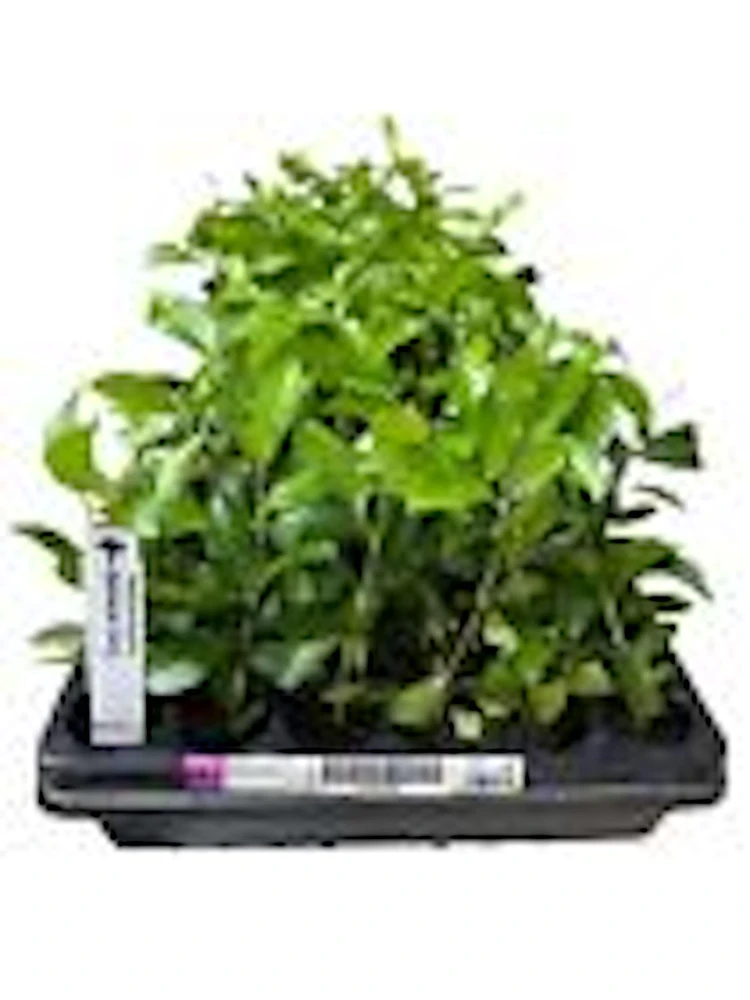
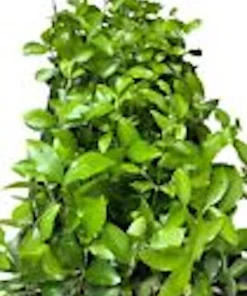
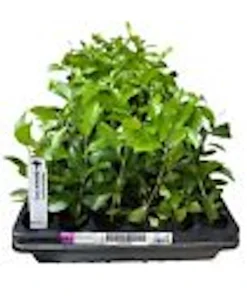
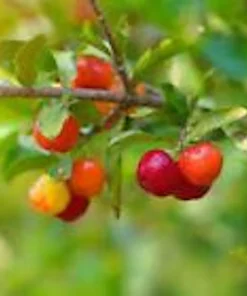
3 Barbados Cherry Tree Malpighia Emarginata Live Starter Plant – Fruit Tree
Original price was: $95.99.$70.99Current price is: $70.99.
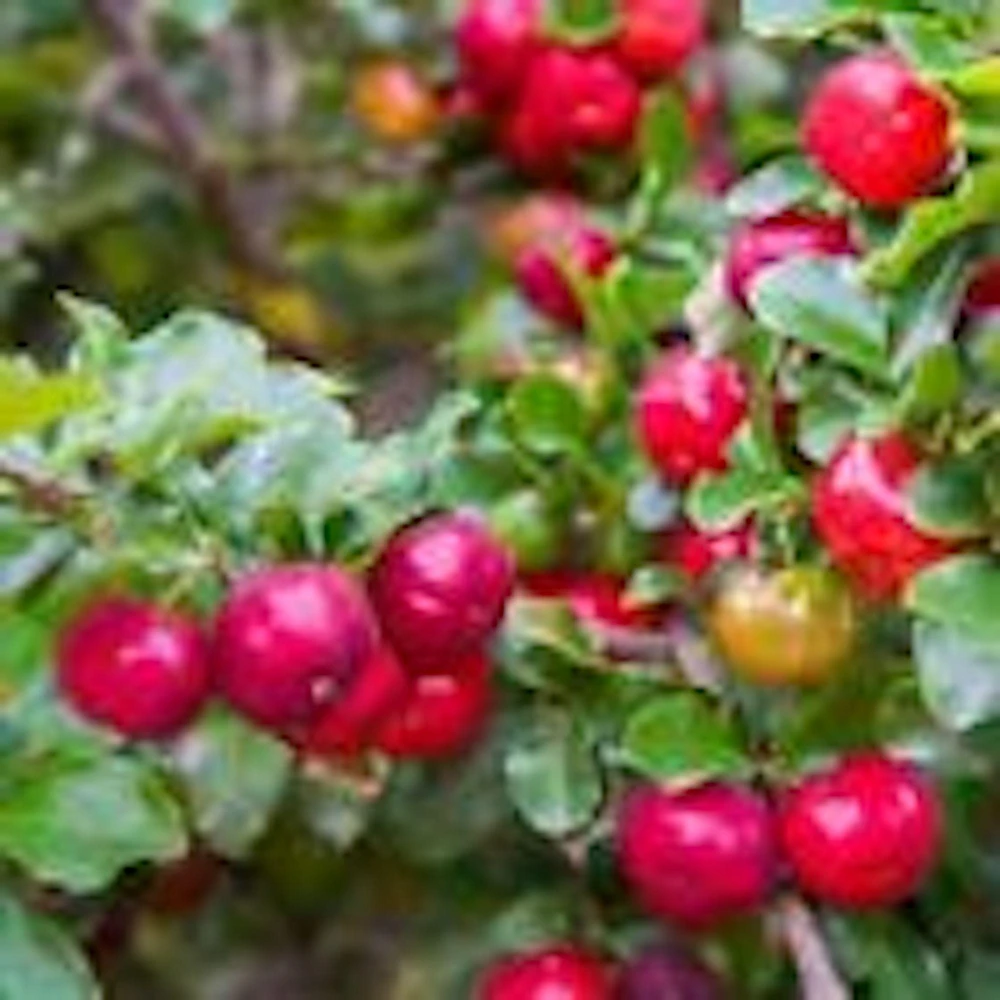
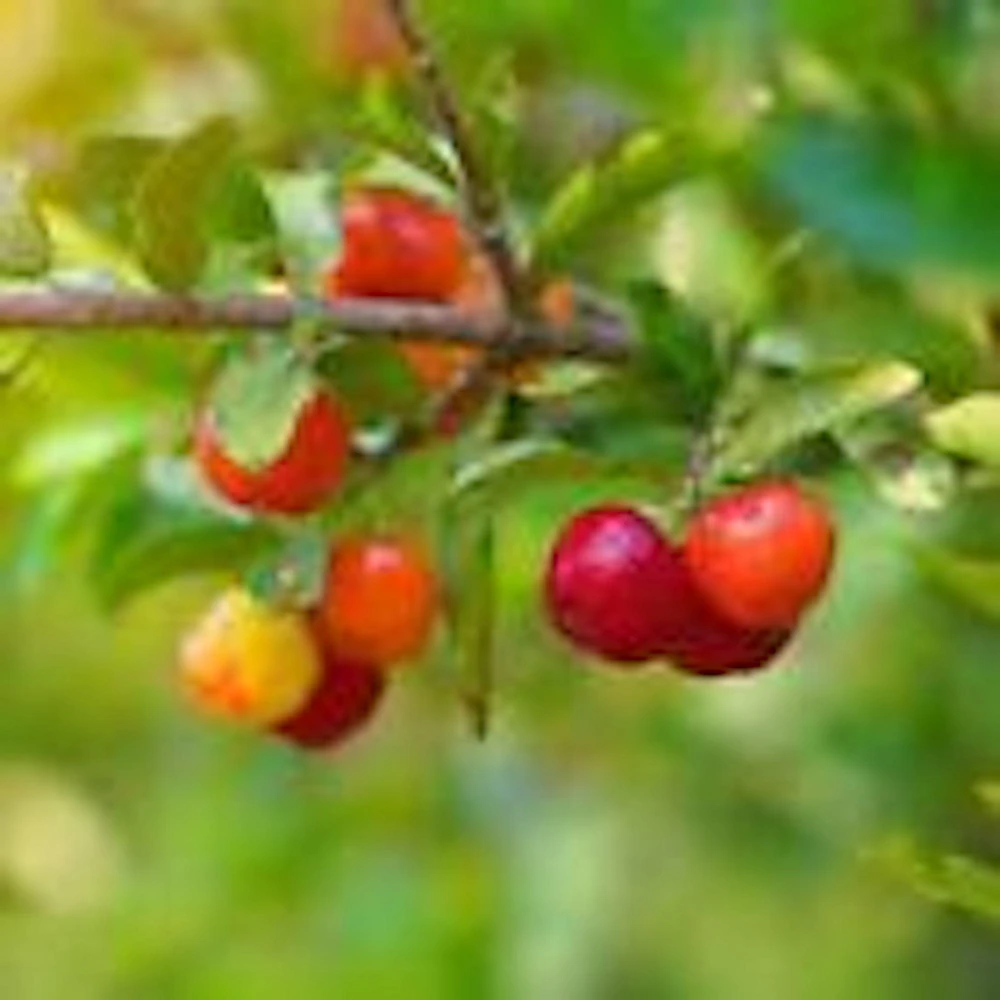
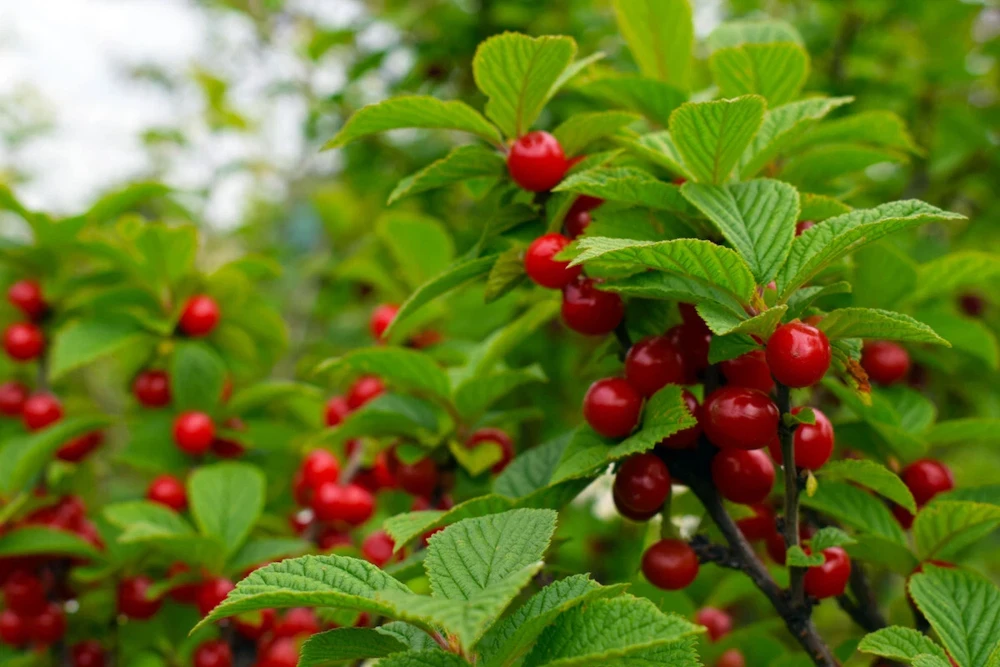
Cultivate your own tropical harvest with this pack of 3 Barbados Cherry Tree Malpighia Emarginata live starter plants. Known for its fast growth and vitamin C-rich fruit, the acerola fruit tree is a fantastic addition to any garden or homestead. Enjoy beautiful pink flowers and delicious cherries, even in warmer climates.
Estimated arrival
Sep 29
Oct 04 - Oct 06
Oct 09 - Oct 13
Shop With Confidence
30-Day Plant Health Guarantee
Arrives damaged? We’ll replace it free — see our return policy.
Responsive Support
Email us anytime, we reply within 1 business day.
Expert Packaging
Temperature-controlled shipping to protect your plants in transit.
Secure Checkout
Pay safely with Visa, Mastercard, PayPal.
Plant Specifications
-
USDA Hardiness Zone
USDA Zones 9-11 -
Soil Type
Well-draining, slightly acidic to neutral soil -
Sunlight Exposure
Full sun to partial shade -
Expected Planting Period
Year-round in tropical climates; spring to summer in other suitable zones
Overview
Embark on a rewarding gardening journey with these barbados cherry live plants. This offering includes three vibrant Malpighia Emarginata starter plants, ready to thrive in your home garden. Also widely known as Acerola, this tropical fruit tree is cherished for its bright pink flowers, evergreen foliage, and, most notably, its highly nutritious fruit. Originating from the West Indies, the Barbados Cherry is a small, attractive, and fast-growing tree that can reach up to 12 feet in height, though it can also be maintained as a shrub. It makes an excellent choice for a backyard fruit ‘orchard,’ especially in warmer regions, providing both ornamental beauty and a bountiful harvest. These live starter plants offer a head start to cultivating your very own source of fresh, homegrown cherries.
The Malpighia Emarginata, or acerola fruit tree, is a fantastic choice for gardeners looking for a productive and visually appealing plant. Its dense, small evergreen leaves and delicate, five-petaled pink flowers add a touch of tropical charm. The flowering season typically runs from April to October, with some blossoms appearing year-round, followed by fruiting from May to November, and occasional cherries even through winter. This resilience and continuous production make the barbados cherry live plant a truly special addition to any landscape, providing continuous interest and delicious fruit.
Key Benefits
Adding a Barbados Cherry Tree to your garden offers a multitude of advantages, from its aesthetic appeal to its functional benefits. These plants are not only beautiful but also produce a highly sought-after fruit. Discover the key benefits of cultivating your own barbados cherry live plant:
- Nutrient-Rich Fruit: The primary draw of the Barbados Cherry is its fruit, which is exceptionally high in Vitamin C, making it a powerful addition to a healthy diet. Enjoy fresh, tart, and sweet cherries right from your backyard.
- Attractive Ornamental Value: With its small, bright pink flowers and dense, evergreen foliage, the Malpighia Emarginata serves as a beautiful decorative plant, enhancing the visual appeal of your garden or patio.
- Fast Growing & Adaptable: These trees are known for their rapid growth rate and can be easily kept to a manageable size, whether you prefer a small tree or a clipped shrub, making them versatile for various garden designs.
- Extended Harvest Season: Unlike many fruit trees, the Barbados Cherry often produces fruit for several months, from May to November, and can even yield small harvests throughout the winter in warm climates, ensuring a prolonged supply of fresh fruit.
- Tropical Appeal: Bring a touch of the tropics to your home with this native of the West Indies. Its vibrant appearance and delicious fruit evoke a sense of exotic charm, perfect for creating a lush, productive oasis.
- Supports Local Ecosystem: The flowers attract pollinators, contributing to the biodiversity of your garden and supporting local insect populations. This makes the tropical fruit tree a valuable addition to an eco-conscious landscape.
- Homesteading & Self-Sufficiency: For those interested in homesteading, growing your own acerola fruit tree provides a sustainable source of healthy fruit, reducing reliance on store-bought produce.
Plant Care & Growing Tips
Caring for your barbados cherry live plant is relatively straightforward, especially when provided with the right conditions. This tropical tree thrives in warm environments, making it ideal for South Florida gardeners or similar climates. Ensure your plant receives ample sunlight; it prefers full sun to partial shade, ideally at least 6-8 hours of direct sunlight daily for optimal fruit production. While it can tolerate some shade, consistent sun exposure will lead to a healthier plant and a more abundant harvest. For indoor cultivation in cooler zones, place it near a south-facing window or use grow lights to mimic its preferred light conditions.
When it comes to watering, the Malpighia Emarginata appreciates consistent moisture but dislikes soggy roots. Water deeply when the top inch or two of soil feels dry to the touch, and reduce watering frequency during cooler months. Good drainage is crucial, so plant in well-draining soil, either in the ground or in a container with drainage holes. A slightly acidic to neutral pH (6.0-7.0) is ideal. Fertilize during the growing season (spring through fall) with a balanced, slow-release fertilizer or an organic fruit tree fertilizer to support vigorous growth and fruit development. Pruning can be done to maintain shape, size, and encourage bushier growth or to remove dead or diseased branches. Pay attention to pest and disease control, though the barbados cherry live plant is generally robust.
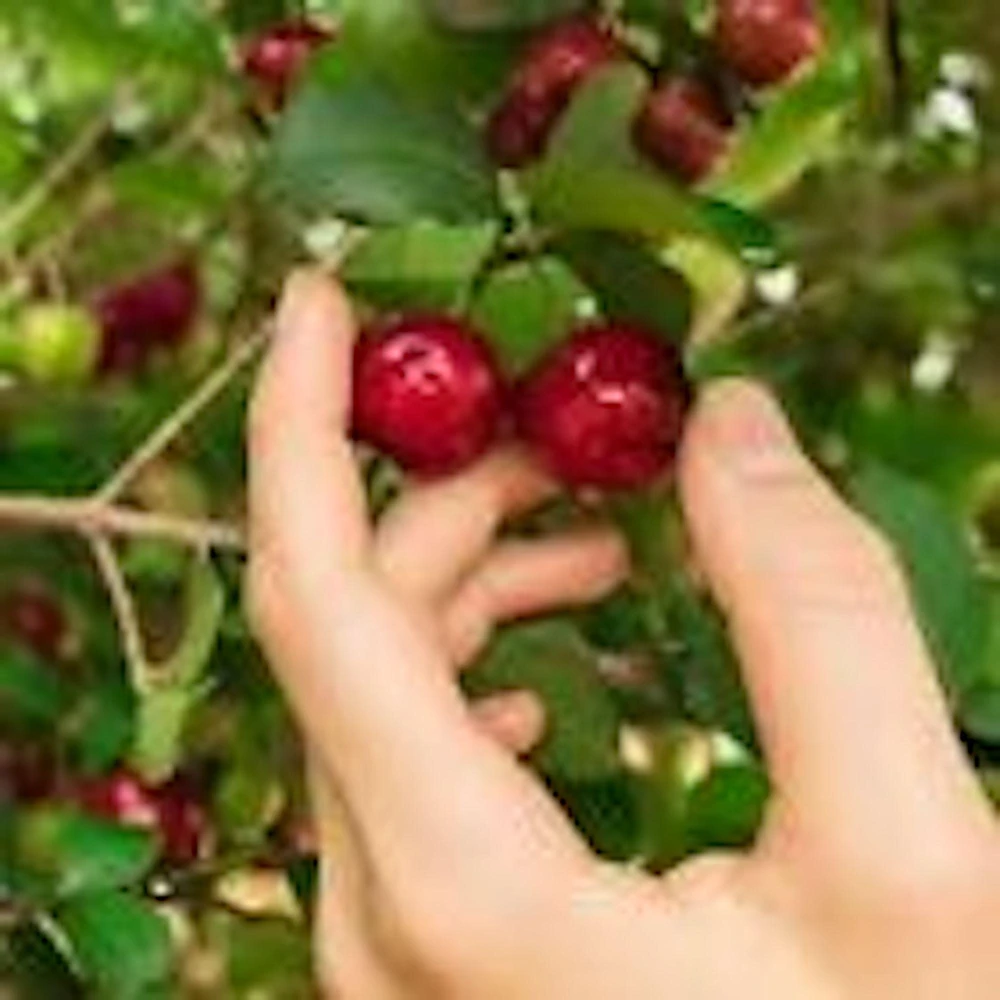
The malpighia emarginata care routine also includes awareness of its delicate nature, particularly the fuzz on stems and leaves of young plants, which can cause skin irritation. It’s advisable to wear gloves when handling, especially during harvest. While relatively hardy, protecting young plants from strong winds or extreme cold snaps is beneficial. The tree can reach up to 12 feet but can be kept smaller through regular pruning, making it adaptable to various garden sizes. Understanding how to grow barbados cherry successfully involves mimicking its natural tropical habitat as much as possible, providing warmth, light, and consistent moisture.
Size & Details
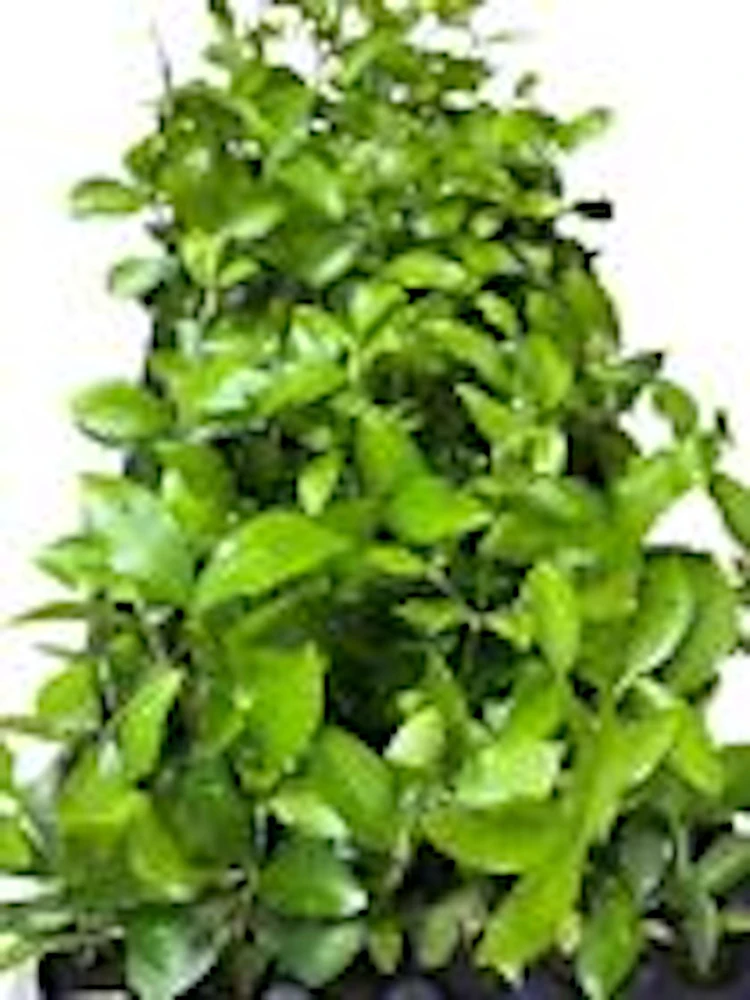
This offering includes three vibrant barbados cherry live plants, each a healthy starter plant ready for transplanting into your garden or a larger container. These young plants are typically shipped in nursery pots, ensuring they arrive with established root systems and minimal transplant shock. While exact dimensions can vary, starter plants are generally several inches tall, providing a solid foundation for future growth. The Barbados Cherry (Malpighia Emarginata) is known for its relatively fast growth rate, and with proper care, these plants will quickly mature into fruit-bearing trees or shrubs.
Expect your acerola fruit tree to begin producing fruit within 1-2 years under optimal conditions. Mature plants typically reach heights of about 12 feet (3.5 meters) but can be maintained at smaller sizes with regular pruning. They spread to a similar width, creating a bushy form. The attractive thick, bright green leaves provide a lush backdrop for the small, pinkish-lavender flowers that bloom from spring to fall and sometimes year-round in warmer climates, often triggered by irrigation or rainfall. Harvest the cherries when they are fully ripe for the best flavor and nutritional content.
Frequently Asked Questions
- Q: How big does this plant get? A: The barbados cherry live plant can reach mature heights of about 12 feet (3.5 meters) and spread to a similar width. However, it responds well to pruning and can be kept clipped back to a smaller shrub size if desired for smaller gardens or container growing.
- Q: Is this an indoor or outdoor plant? A: The Barbados Cherry is a tropical plant best suited for outdoor cultivation in USDA Zones 9-11. In cooler climates, it can be grown in a container and brought indoors during winter, making it a versatile tropical fruit tree.
- Q: How much sunlight does it need? A: For optimal growth and fruit production, the malpighia emarginata care requires full sun to partial shade, ideally receiving at least 6-8 hours of direct sunlight per day. Adequate sunlight is key to a bountiful harvest.
- Q: Is this plant easy to care for? A: Yes, the Barbados Cherry is considered relatively easy to care for, especially in suitable climates. Providing consistent watering, good drainage, and ample sunlight are the main requirements for how to grow barbados cherry successfully.
- Q: What condition will it arrive in? A: Your barbados cherry live plant starter plants will arrive carefully packaged, typically in nursery pots, with healthy root systems, ready for planting. We take great care to ensure they reach you in excellent condition.
- Q: How long until it blooms and fruits? A: With proper care, these starter plants can begin to bloom and produce fruit within 1-2 years. Flowering occurs mainly from April through October, with fruiting from May to November, and sometimes year-round in warm areas.
- Q: Will it survive winter in my zone? A: The Barbados Cherry is a tropical plant and is sensitive to frost. It thrives in USDA Zones 9-11. If you are in a colder zone, you will need to provide winter protection or grow it in a container that can be moved indoors.
- Q: Can I keep the Barbados Cherry as a shrub? A: Absolutely! The Barbados Cherry is very adaptable and can be maintained as a small tree or a bushy shrub with regular pruning. This makes the acerola fruit tree suitable for various garden spaces and designs.
- Q: What are the benefits of growing my own Barbados Cherries? A: Growing your own Barbados Cherries provides access to fresh, highly nutritious fruit, rich in Vitamin C. It also adds a beautiful, fast-growing ornamental plant to your garden and supports a sense of homesteading.
- Q: Is the plant safe to handle? A: While the fruit is edible and healthy, young Barbados Cherry plants can have fine fuzz on their stems and leaves that may irritate sensitive skin. It is recommended to wear gloves when handling the plant, especially when it is young.
Be the first to review “3 Barbados Cherry Tree Malpighia Emarginata Live Starter Plant – Fruit Tree”
People Also Viewed

Vegetable Seeds
Reviews
There are no reviews yet.