

1000 Cinnamon Basil Herb Seeds – Ocimum Basilicum for Culinary Gardens
Original price was: $37.99.$17.99Current price is: $17.99.
Cultivate delicious and fragrant cinnamon basil seeds for your garden or containers. These Ocimum Basilicum seeds offer a unique spicy-sweet aroma, perfect for culinary adventures and attracting pollinators. Easy to grow and rewarding.
Estimated arrival
Sep 20
Sep 25 - Sep 27
Sep 30 - Oct 04
Shop With Confidence
30-Day Plant Health Guarantee
Arrives damaged? We’ll replace it free — see our return policy.
Responsive Support
Email us anytime, we reply within 1 business day.
Expert Packaging
Temperature-controlled shipping to protect your plants in transit.
Secure Checkout
Pay safely with Visa, Mastercard, PayPal.
Plant Specifications
Overview
Transform your garden and kitchen with these exceptional cinnamon basil seeds. Known scientifically as Ocimum basilicum ‘Cinnamon’, this unique variety of basil offers a delightful blend of sweet basil fragrance with a distinct hint of cinnamon spice. Unlike traditional sweet basil, cinnamon basil provides an exotic twist to your culinary creations, making it a favorite for adventurous cooks and gardeners alike. Each packet contains 1000 cinnamon basil seeds, providing an abundant supply to start a thriving herb patch. These seeds are perfect for both beginner and experienced gardeners looking to add an unusual yet rewarding herb to their collection. Grow your own fresh, aromatic basil and enjoy its vibrant flavor and delightful scent throughout the growing season.
This product is specifically for cinnamon basil seeds, not a live plant. Growing from seeds allows you to experience the full life cycle of this remarkable herb, from germination to harvest. The robust nature of these Ocimum Basilicum seeds ensures a good germination rate under proper conditions, leading to healthy and productive plants. Whether you’re planning a full herb garden, a container garden on your patio, or just a few pots on your windowsill, these seeds are an excellent choice for anyone who appreciates fresh, homegrown herbs with a unique flavor profile. Enjoy the satisfaction of nurturing these plants from tiny seeds into lush, fragrant bushes ready for harvest.
Key Benefits
Adding cinnamon basil seeds to your garden offers numerous advantages, from enhancing your culinary skills to beautifying your outdoor space. This versatile herb is a must-have for those seeking both flavor and ornamental value.
- Unique Flavor Profile: Enjoy the distinctive spicy-sweet aroma and taste that sets cinnamon basil apart from other basil varieties. It’s excellent in desserts, teas, and savory dishes, providing an unexpected depth of flavor that will impress your family and friends.
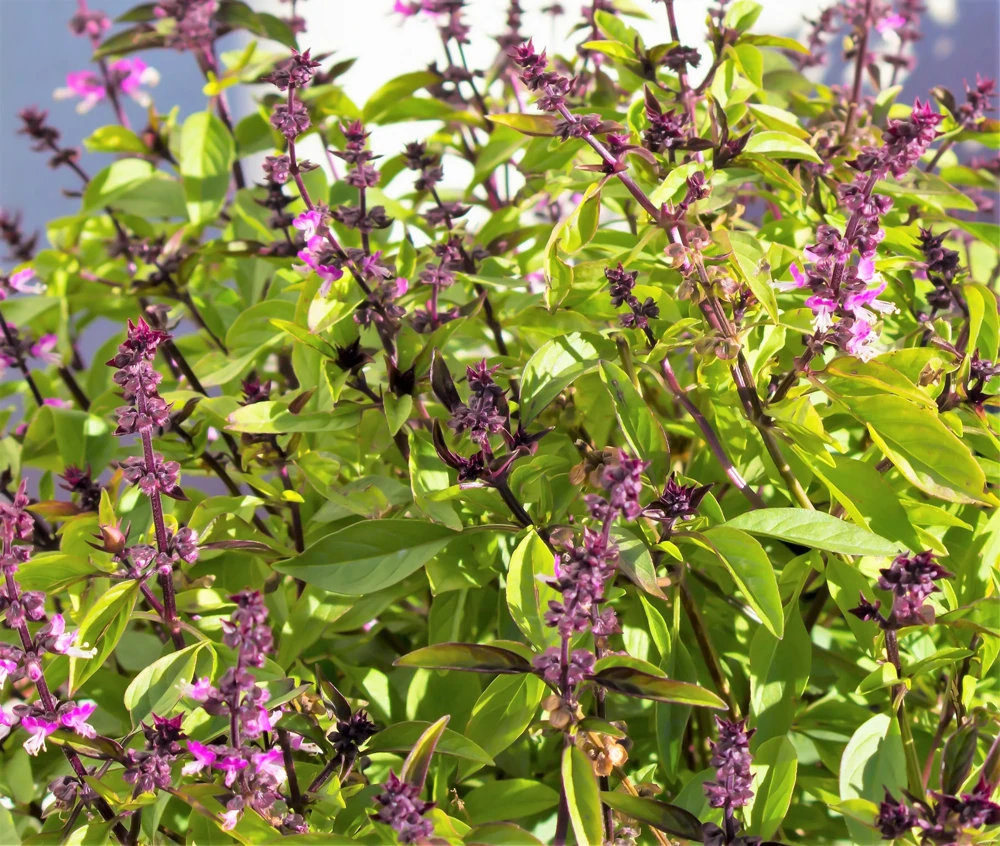
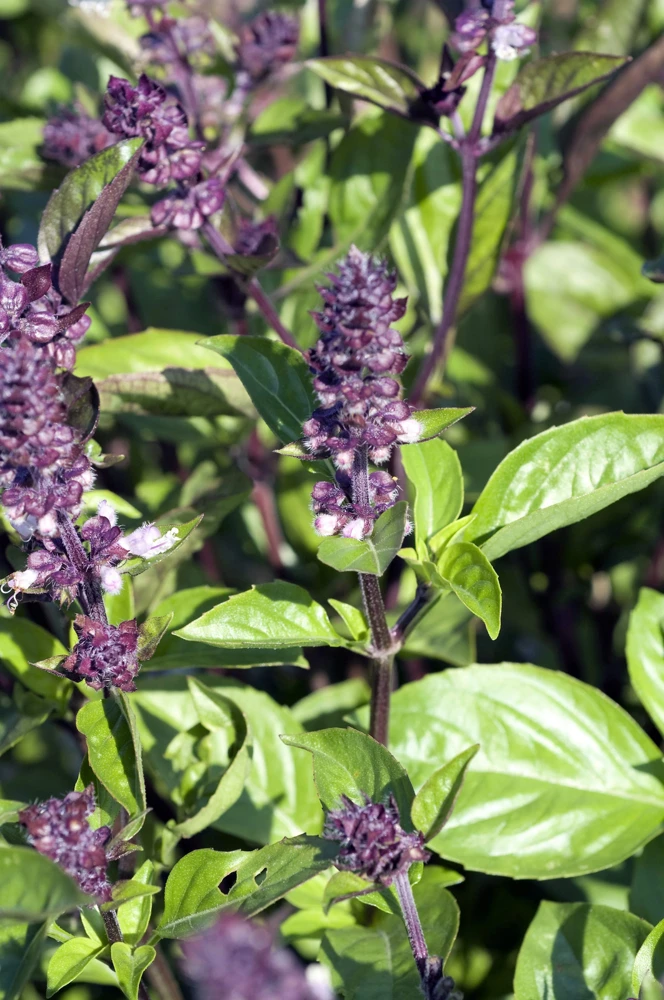
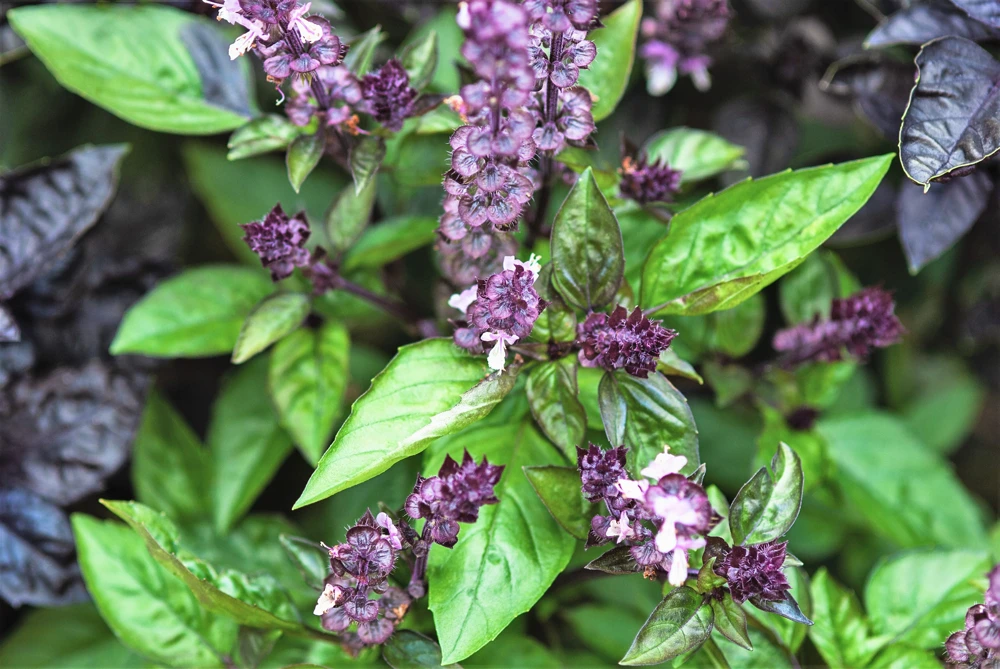
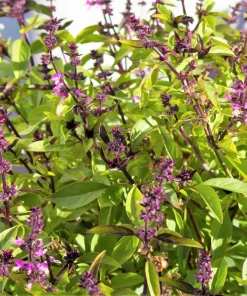
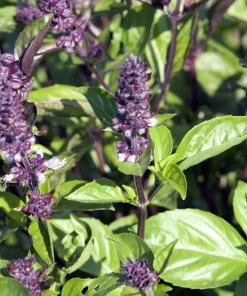
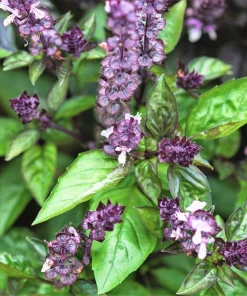
- Attracts Pollinators: The beautiful purple-tinged flowers of cinnamon basil are a magnet for bees, butterflies, and other beneficial pollinators, contributing to a healthier and more vibrant garden ecosystem. Planting these aromatic herb seeds helps support local biodiversity.
- Versatile Culinary Use: Beyond traditional pesto, cinnamon basil shines in fruit salads, iced tea, baked goods, and even certain curries. Its unique taste opens up a world of creative cooking possibilities, making it a valuable addition to any kitchen garden.
- Easy to Grow: These Ocimum Basilicum seeds are known for their relatively straightforward cultivation, making them suitable for gardeners of all experience levels. With proper care, you can expect a bountiful harvest from your cinnamon basil plants.
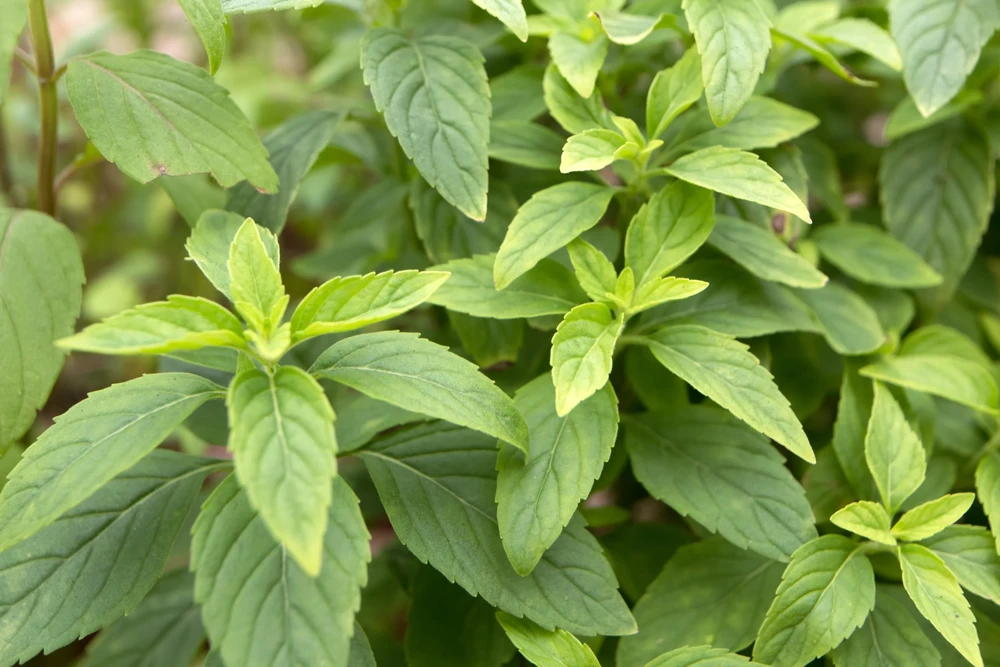
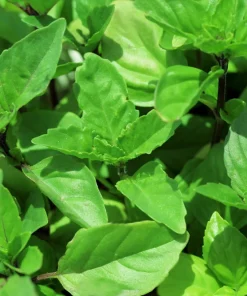
- Aromatic Garden Addition: The fragrant foliage of cinnamon basil not only appeals to the palate but also to the senses, releasing a pleasant scent when brushed. It’s a wonderful plant to place near pathways or seating areas in your garden.
- Abundant Yield: With 1000 cinnamon basil seeds, you can plant multiple batches throughout the season, ensuring a continuous supply of fresh herbs. This allows for successive plantings and extended harvesting periods.
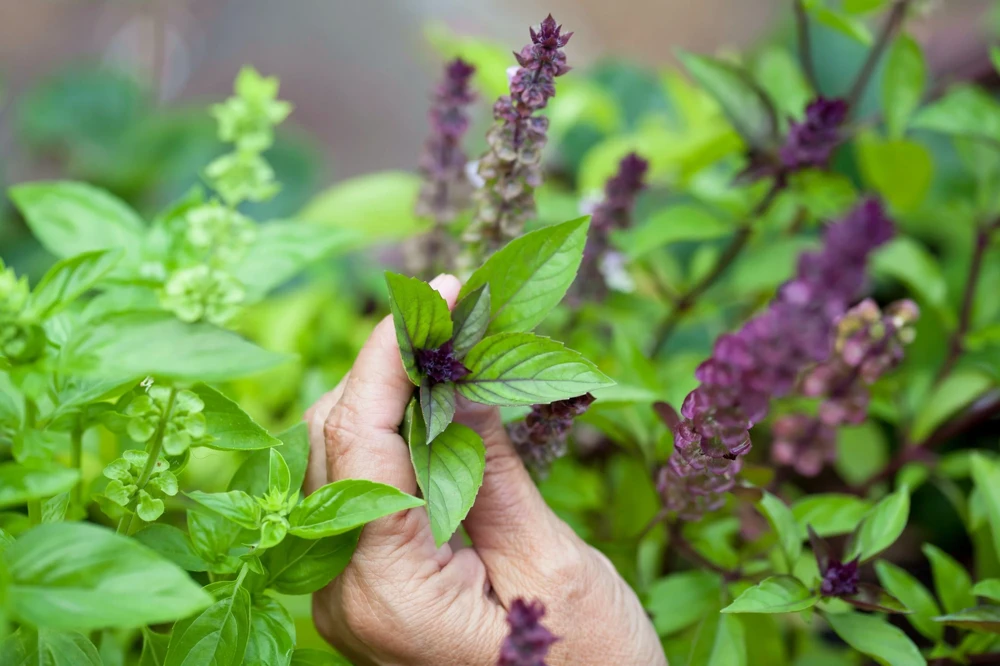
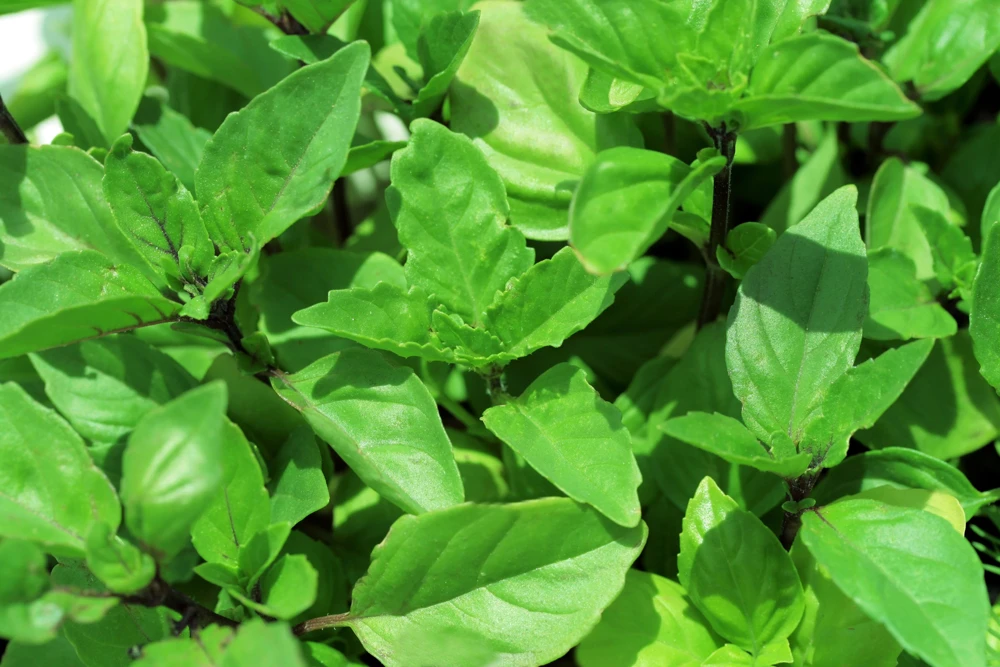
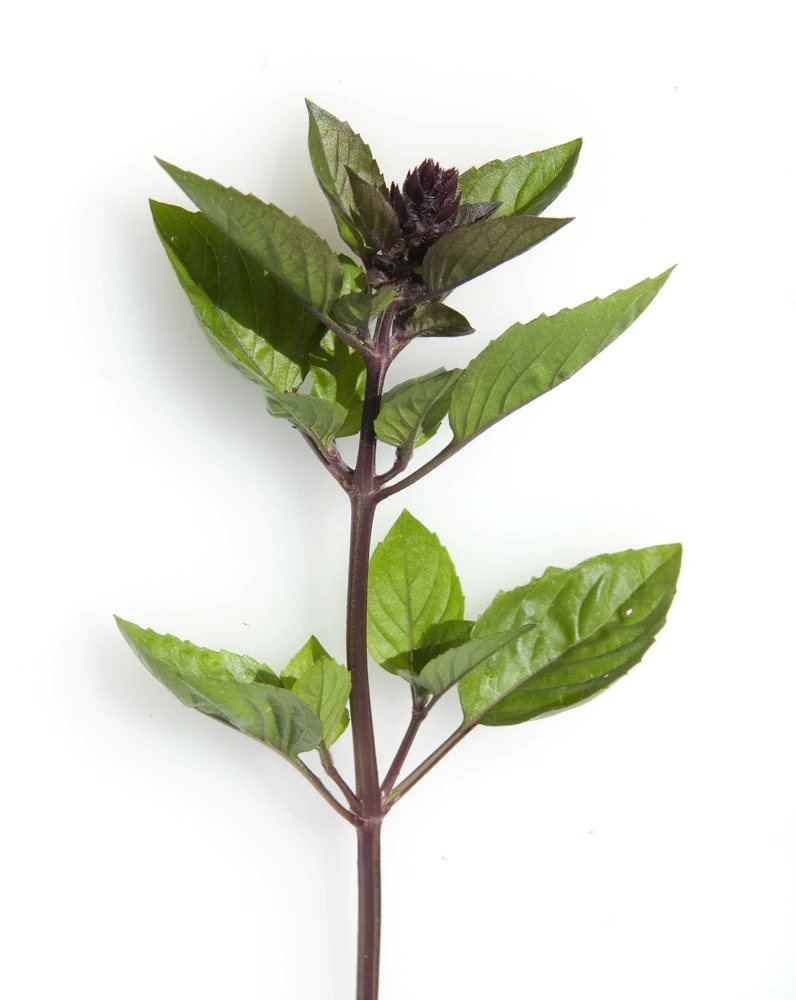
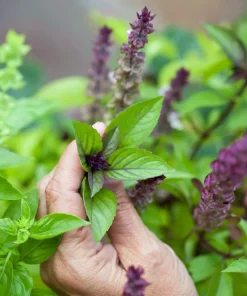
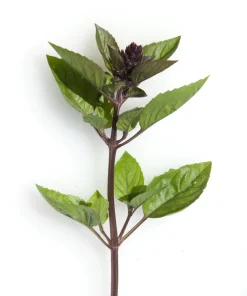
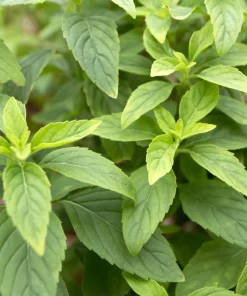
- Beautiful Appearance: The plant itself is quite attractive, featuring green leaves with purple stems and veins, topped with lovely lavender flowers. It adds an aesthetic appeal to herb gardens, raised beds, and containers.
Plant Care & Growing Tips
Growing cinnamon basil seeds into healthy, productive plants is a rewarding experience. Here’s a comprehensive guide to help you achieve the best results for your aromatic herb seeds.
Sunlight Requirements: Cinnamon basil thrives in full sun, meaning it needs at least 6-8 hours of direct sunlight per day. In very hot climates, a little afternoon shade can prevent scorching, but generally, the more sun it gets, the more flavorful and robust the plant will be. For indoor growing, place pots in a south-facing window or use supplemental grow lights to ensure adequate light exposure. Proper light is crucial for developing the characteristic aroma of cinnamon basil.
Watering Schedule and Soil Moisture: Basil prefers consistently moist, but not waterlogged, soil. Water deeply when the top inch of soil feels dry to the touch. Avoid overhead watering, which can encourage fungal diseases; instead, water at the base of the plant. Good drainage is essential, so ensure your pots or garden beds allow excess water to escape. Overwatering can lead to root rot, while underwatering can cause wilting and stunted growth. Maintaining consistent moisture is key for healthy Ocimum Basilicum seeds germination and plant development.
Soil Type and Drainage: Plant your cinnamon basil seeds in rich, well-draining soil. A good quality potting mix amended with compost works well for containers, while garden beds benefit from organic matter to improve fertility and drainage. The ideal soil pH for basil is slightly acidic to neutral, between 6.0 and 7.0. Avoid heavy clay soils that retain too much water, as this can be detrimental to the plant’s roots. Proper soil preparation sets the foundation for vigorous growth of your culinary herb seeds.
Temperature Range and USDA Hardiness Zone: Cinnamon basil is a tender annual and is sensitive to cold. It thrives in warm temperatures, ideally between 65-80°F (18-27°C). It is not frost-tolerant and will die back with the first freeze. Therefore, it is typically grown as an annual in most climates. For perennial growth, it would need to be in USDA zones 9-11 or grown indoors during colder months. Start seeds indoors 4-6 weeks before the last frost date in your area for an earlier harvest.
Fertilization Schedule and Type: Basil is not a heavy feeder, but it benefits from regular fertilization, especially if grown in containers. Use a balanced liquid fertilizer (e.g., 5-10-5 or 10-10-10) diluted to half strength every 2-4 weeks during the active growing season. For garden beds, incorporate compost or a slow-release granular fertilizer into the soil at planting time. Avoid over-fertilizing with nitrogen, which can lead to lush foliage but reduced flavor. The goal is healthy, flavorful foliage from your cinnamon basil plants.
Common Problems and Solutions: Watch out for common basil pests like aphids, spider mites, and Japanese beetles. These can often be dislodged with a strong spray of water or treated with insecticidal soap. Fungal diseases like downy mildew and fusarium wilt can occur, especially in humid conditions. Ensure good air circulation, avoid overhead watering, and consider disease-resistant varieties if these are recurring issues in your area. Prompt removal of affected leaves can help prevent spread. Proper care and observation will help you successfully grow cinnamon basil.
Size & Details
These 1000 cinnamon basil seeds are provided in a packet, ready for planting. Once germinated and established, cinnamon basil plants typically grow to a height of 18-24 inches (45-60 cm) with a similar spread, forming bushy, upright plants. The growth rate is relatively fast, with plants reaching maturity and being ready for harvest in approximately 60-75 days from seeding. The seeds should be sown about 1/4 inch deep and spaced 6-8 inches apart for optimal growth, or closer if you plan to thin the seedlings. For container growing, a pot at least 8-10 inches in diameter will allow sufficient space for a mature plant. The plants will produce fragrant leaves and eventually small, attractive lavender flowers if allowed to bolt. Regular harvesting of leaves and pinching off flower buds will encourage a bushier plant and prolong the leaf production of your cinnamon basil.
Frequently Asked Questions
- Q: How big does this plant get? A: Cinnamon basil plants typically grow to a height of 18-24 inches (45-60 cm) and can have a similar spread, forming a nice, bushy structure. The size can vary slightly depending on growing conditions and pruning.
- Q: How many seeds are included in this package? A: This package contains 1000 cinnamon basil seeds, providing a generous quantity for multiple plantings or a large herb garden. You’ll have plenty to grow cinnamon basil successfully.
- Q: Is this an indoor or outdoor plant? A: Cinnamon basil can be grown both indoors and outdoors. Outdoors, it thrives in warm weather and full sun. Indoors, it needs a bright, sunny window or supplemental grow lights to flourish.
- Q: How much sunlight does it need? A: For best results, cinnamon basil requires at least 6-8 hours of direct sunlight per day. If growing indoors, ensure it receives ample light to encourage strong growth and flavor development.
- Q: Is this plant easy to care for? A: Yes, cinnamon basil is considered relatively easy to care for, making it suitable for gardeners of all skill levels. It primarily needs consistent warmth, sunlight, and well-draining soil.
- Q: What condition will the seeds arrive in? A: The Ocimum Basilicum seeds will arrive in a sealed packet, ensuring their freshness and viability. They are ready to be planted upon arrival.
- Q: Can I use cinnamon basil in cooking? A: Absolutely! Cinnamon basil is a fantastic culinary herb. Its unique spicy-sweet flavor is excellent in desserts, fruit salads, teas, and can add an interesting twist to savory dishes. These culinary herb seeds are perfect for kitchen gardens.
- Q: How long until the seeds germinate? A: Under optimal conditions (warm soil, consistent moisture), cinnamon basil seeds typically germinate within 7-14 days. You’ll see small seedlings emerge relatively quickly.
- Q: When is the best time to plant these seeds? A: For outdoor planting, sow after all danger of frost has passed and soil temperatures have warmed, typically in late spring or early summer. For an earlier start, you can sow indoors 4-6 weeks before the last expected frost.
- Q: Is cinnamon basil pet-safe? A: While basil is generally considered non-toxic to cats and dogs, large quantities might cause mild stomach upset. It’s always best to consult with a veterinarian regarding pet consumption of any plant.
- Q: What is the ideal soil for growing cinnamon basil? A: Cinnamon basil prefers rich, well-draining soil with a slightly acidic to neutral pH (6.0-7.0). Amending with compost will provide essential nutrients and improve soil structure.
Be the first to review “1000 Cinnamon Basil Herb Seeds – Ocimum Basilicum for Culinary Gardens”
People Also Viewed
Reviews
There are no reviews yet.