
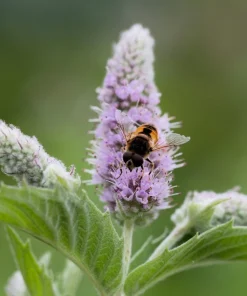
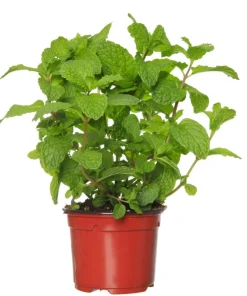
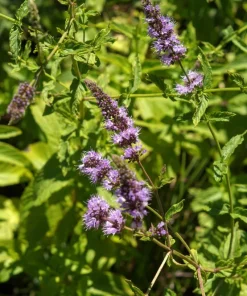
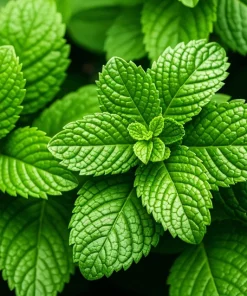
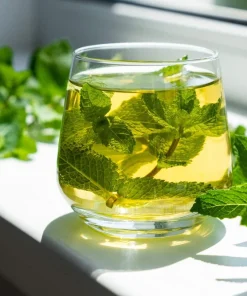
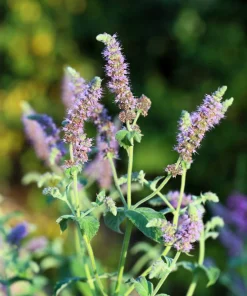
250 Peppermint Mint Herb Seeds – Mentha Piperita for Garden
Original price was: $37.99.$17.99Current price is: $17.99.
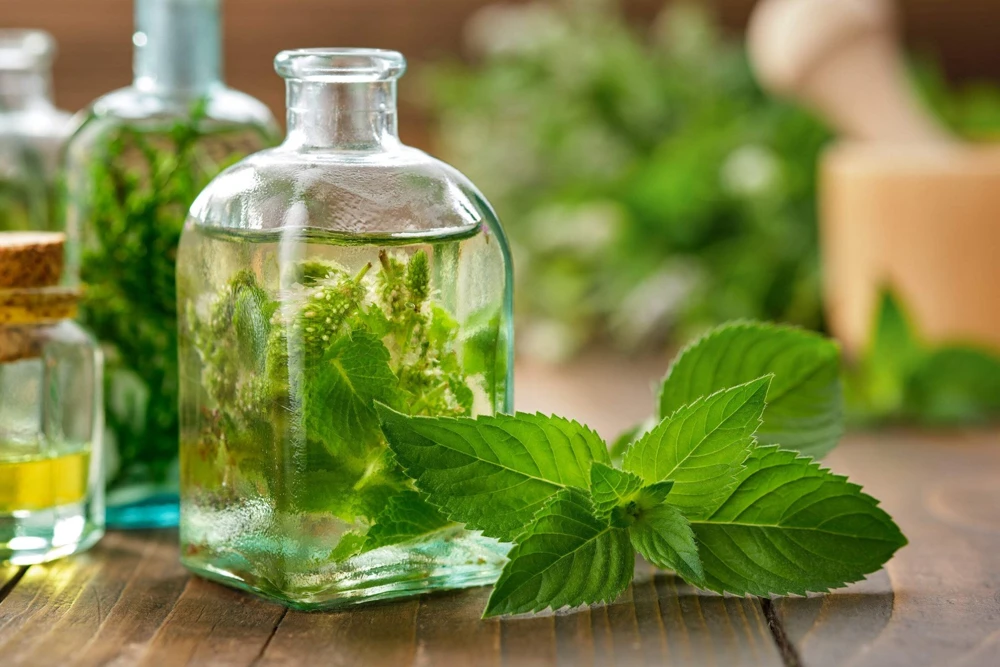
Cultivate your own aromatic garden with peppermint mint seeds. This packet contains 250 peppermint mint seeds (Mentha Piperita), perfect for growing fresh herbs for culinary uses, soothing teas, and fragrant potpourri. Enjoy the refreshing scent and flavor of homegrown peppermint.
Estimated arrival
Sep 17
Sep 22 - Sep 24
Sep 27 - Oct 01
Shop With Confidence
30-Day Plant Health Guarantee
Arrives damaged? We’ll replace it free — see our return policy.
Responsive Support
Email us anytime, we reply within 1 business day.
Expert Packaging
Temperature-controlled shipping to protect your plants in transit.
Secure Checkout
Pay safely with Visa, Mastercard, PayPal.
Plant Specifications
-
USDA Hardiness Zone
USDA zones 3-11 -
Soil Type
Rich, moist, well-draining soil -
Sunlight Exposure
Full sun to partial shade -
Expected Planting Period
Spring to early summer (indoors 8-10 weeks before last frost)
Overview
Embark on a rewarding gardening journey with our premium packet of peppermint mint seeds. Each pack contains 250 peppermint mint seeds (Mentha Piperita), offering an abundant supply to start your very own herb garden. Peppermint is a classic, beloved herb known for its distinctive, refreshing aroma and flavor, a hybrid cross between watermint (Mentha aquatica) and spearmint (Mentha spicata). These seeds allow you to cultivate fresh, vibrant peppermint right in your backyard or even in containers on your patio or balcony. Growing your own peppermint from seed is an economical and deeply satisfying way to ensure a fresh supply of this versatile herb, known for its rapid growth and invigorating presence. Whether you’re a seasoned gardener or just starting out, these high-quality seeds provide an excellent foundation for a thriving peppermint patch.
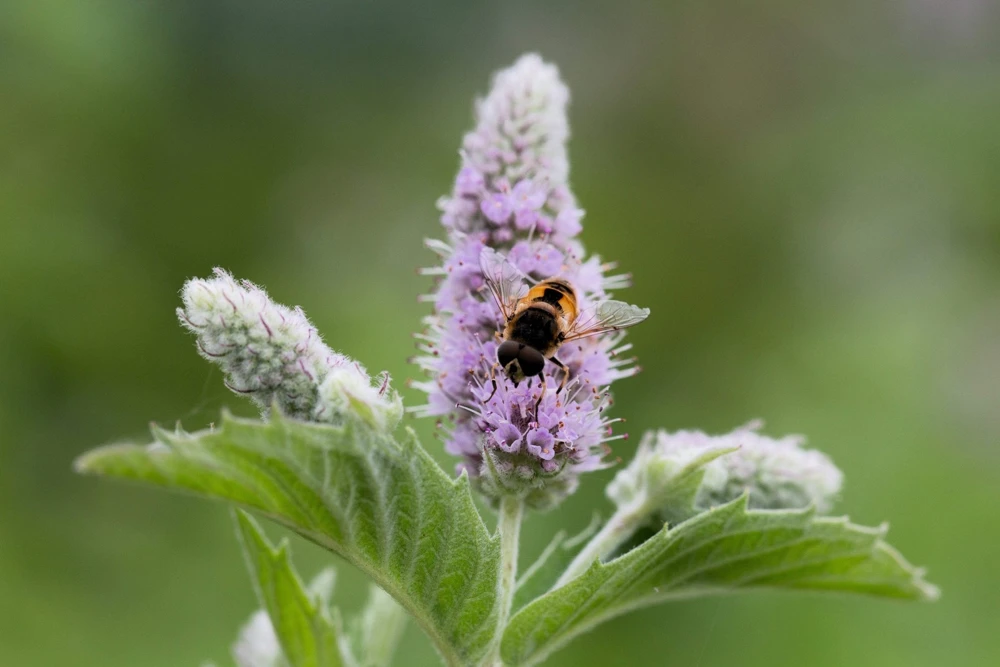
Mentha piperita seeds are an excellent choice for anyone looking to add a functional and beautiful plant to their collection. Peppermint is incredibly adaptable, making it suitable for a variety of growing conditions, though it truly thrives with consistent moisture and partial to full sun. The lush green foliage and potential for small, delicate flowers add an aesthetic appeal to any garden space. Beyond its beauty, the plant is a powerhouse of utility, providing leaves that can be used fresh, dried, or frozen for later use. This makes our peppermint mint seeds a must-have for culinary enthusiasts, herbal tea lovers, and those seeking natural aromatherapy.
Key Benefits
Growing peppermint from seed offers a multitude of advantages, enriching both your garden and your daily life. The ease of cultivation combined with the plant’s diverse applications makes it an indispensable addition to any home. From enhancing your cooking to providing natural remedies, peppermint delivers on many fronts.
- Culinary Versatility: Fresh peppermint leaves are perfect for flavoring a wide array of dishes, from refreshing beverages and desserts to savory sauces and marinades. The strong, crisp flavor adds a unique zest that elevates any recipe.
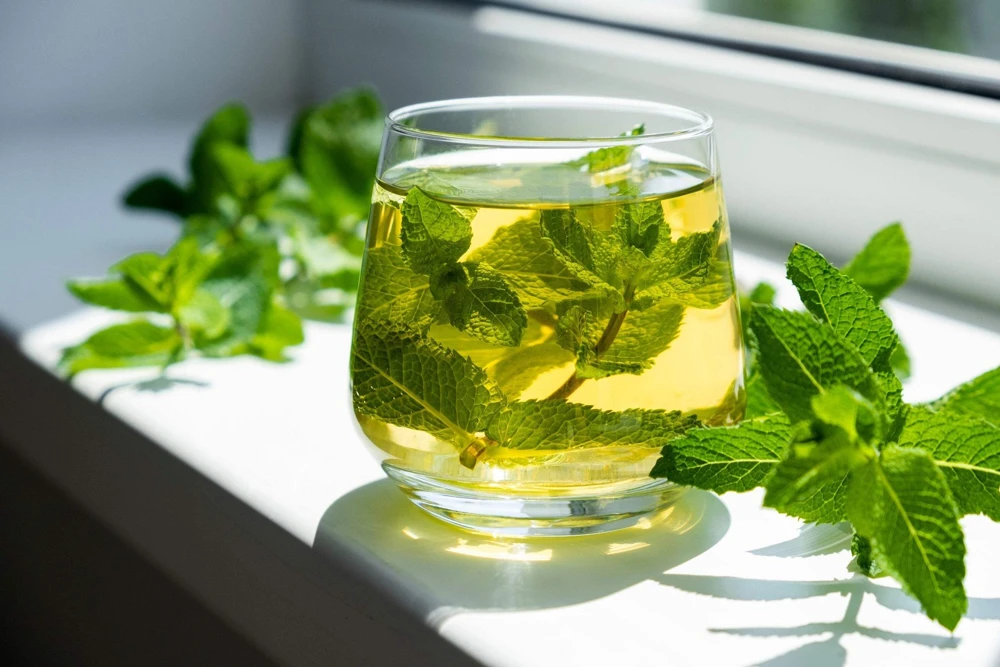
- Soothing Herbal Teas: Infuse fresh or dried peppermint leaves to create a calming and digestive herbal tea. This natural brew is often enjoyed for its ability to soothe an upset stomach and relax the mind after a long day.
- Aromatic & Fragrant: The distinctive, invigorating scent of peppermint can naturally freshen your home and garden. Its strong aroma is also known to deter certain garden pests, contributing to a healthier ecosystem.
- Natural Repellent: Planting peppermint can help keep common garden pests like aphids and certain types of flies away from other plants, acting as a natural, eco-friendly deterrent without harsh chemicals.
- Easy to Grow: Peppermint is a remarkably resilient and fast-growing herb, making it an ideal choice for gardeners of all experience levels. These peppermint mint seeds are designed for successful germination and robust growth.
- Medicinal Properties: Historically, peppermint has been used for its potential medicinal benefits, including aiding digestion, relieving headaches, and providing a cooling sensation. Growing your own ensures a fresh, organic supply.
- Garden Aesthetics: With its vibrant green foliage and spreading habit, peppermint can be an attractive groundcover or border plant, adding lushness and texture to your garden beds or containers. It is also an excellent option if you want to grow peppermint from seed.
Plant Care & Growing Tips
Successfully growing peppermint mint seeds is relatively straightforward, as peppermint is a forgiving and vigorous plant. To ensure the best results, start your seeds indoors 8-10 weeks before the last frost date. Sow the tiny seeds on the surface of a moist, well-draining seed starting mix and gently press them in; do not cover them, as they need light to germinate. Maintain a consistent temperature of 65-70°F (18-21°C) and keep the soil evenly moist. Germination typically occurs within 10-16 days. Once seedlings are large enough to handle, transplant them into individual pots.
When transplanting outdoors, choose a location with partial shade to full sun. While peppermint can tolerate full sun, it often thrives best with some afternoon shade, especially in hotter climates, which helps prevent scorching of the leaves and keeps the soil from drying out too quickly. The ideal soil type for mentha piperita seeds is rich, moist, and well-draining, with a pH between 6.0 and 7.0. Incorporate compost or other organic matter to improve soil fertility and moisture retention. Peppermint can be quite invasive, spreading rapidly via underground runners, so consider planting it in containers or using root barriers to control its spread if you prefer it contained.
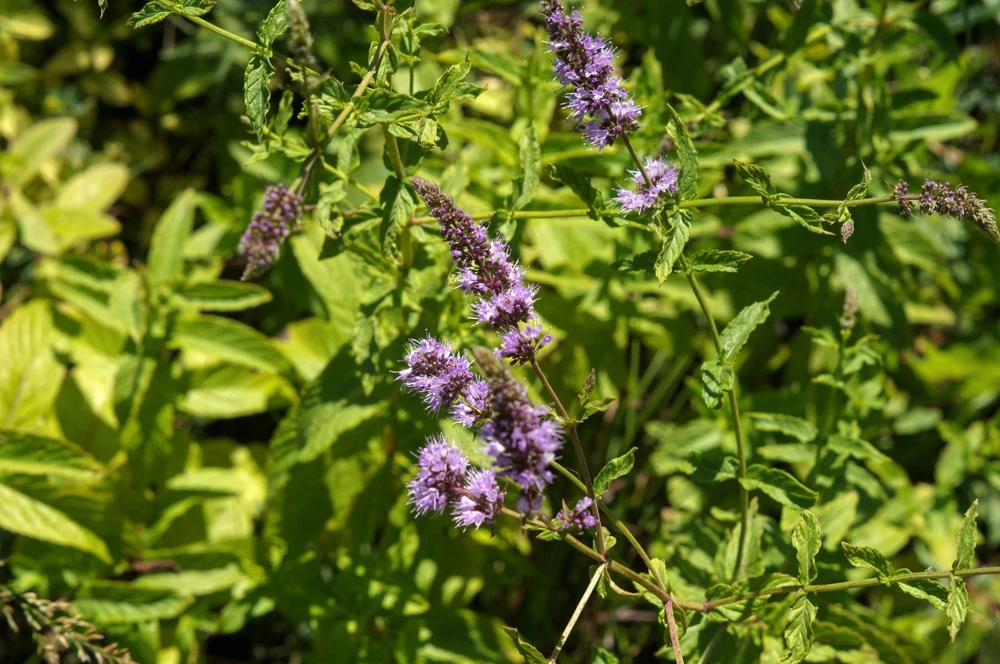
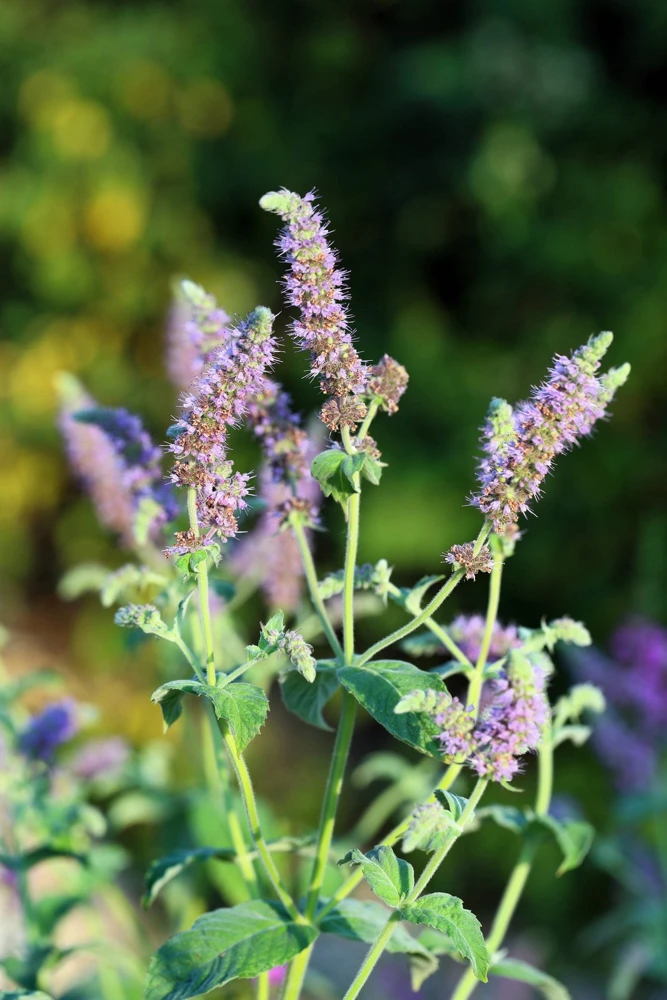
Water your peppermint plants regularly, ensuring the soil remains consistently moist but not waterlogged. Avoid overhead watering to reduce the risk of fungal diseases. Fertilize sparingly; a balanced liquid fertilizer every 4-6 weeks during the growing season is usually sufficient. Pruning is essential for maintaining plant health and encouraging bushier growth. Pinch back the growing tips regularly and harvest leaves frequently to promote new growth. If you want to encourage flowering, allow some stems to mature. However, many gardeners prefer to keep peppermint from flowering to concentrate its energy on leaf production, which enhances the flavor and aroma. For overwintering, peppermint is quite hardy in many zones, but in colder climates, mulching can provide extra protection. These tips will help you successfully grow peppermint from seed and enjoy a bountiful harvest.
Size & Details
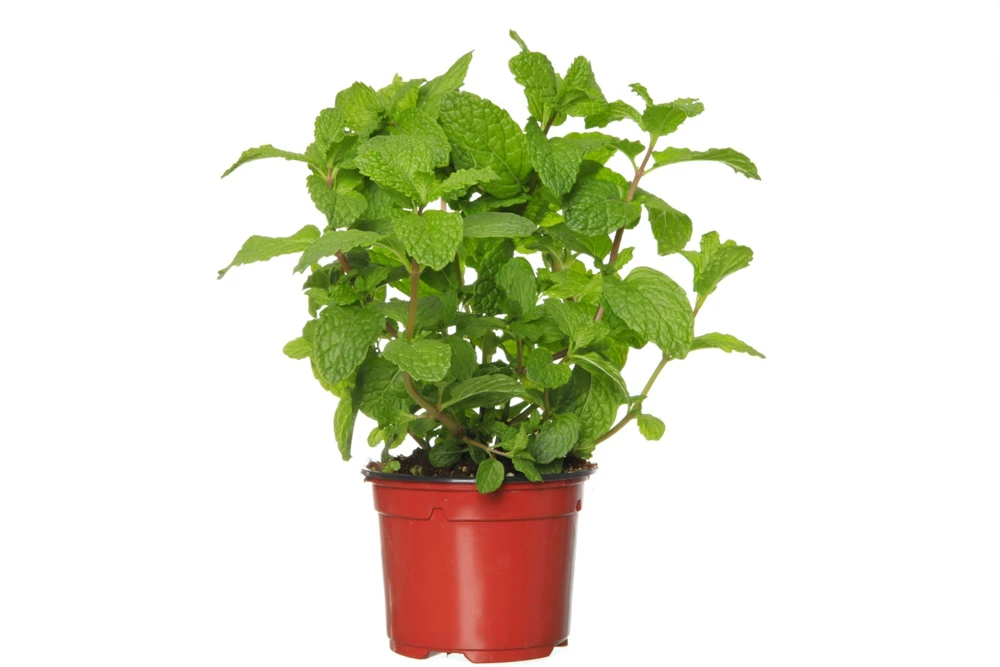
This product includes 250 peppermint mint seeds, providing ample opportunity to establish a robust peppermint patch. Peppermint plants typically grow to a height of 1-2 feet (30-60 cm) and can spread indefinitely if not contained, making them excellent for groundcover or in dedicated herb gardens. The growth rate is vigorous, and you can expect to begin harvesting leaves within 60-90 days after planting. These seeds are suitable for both indoor and outdoor cultivation, offering flexibility for various growing environments. When planting outdoors, space individual plants approximately 12-18 inches apart, or plant them closer in containers for a fuller look.
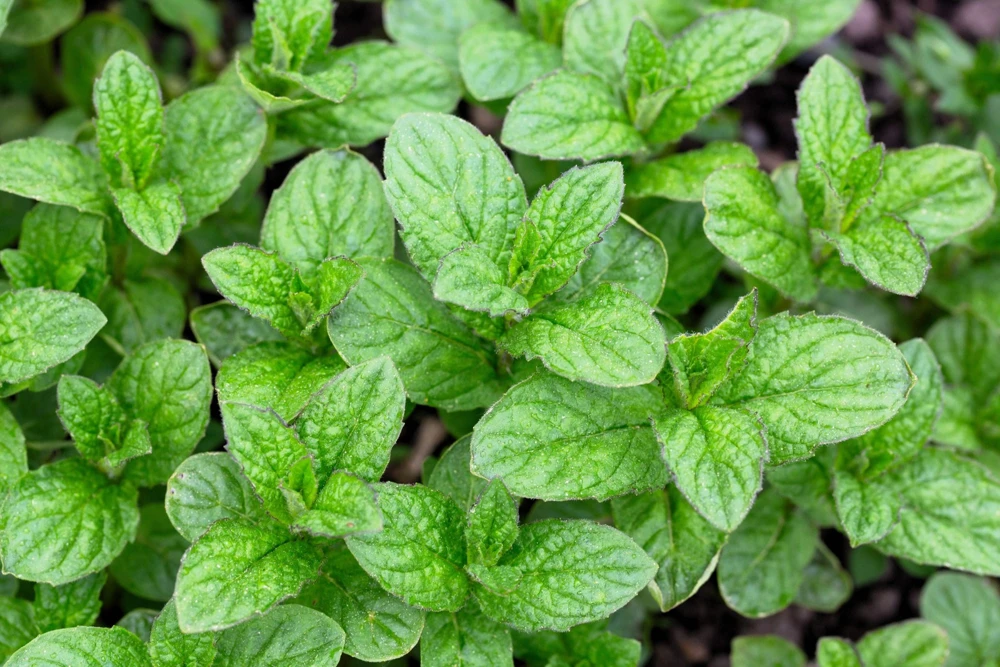
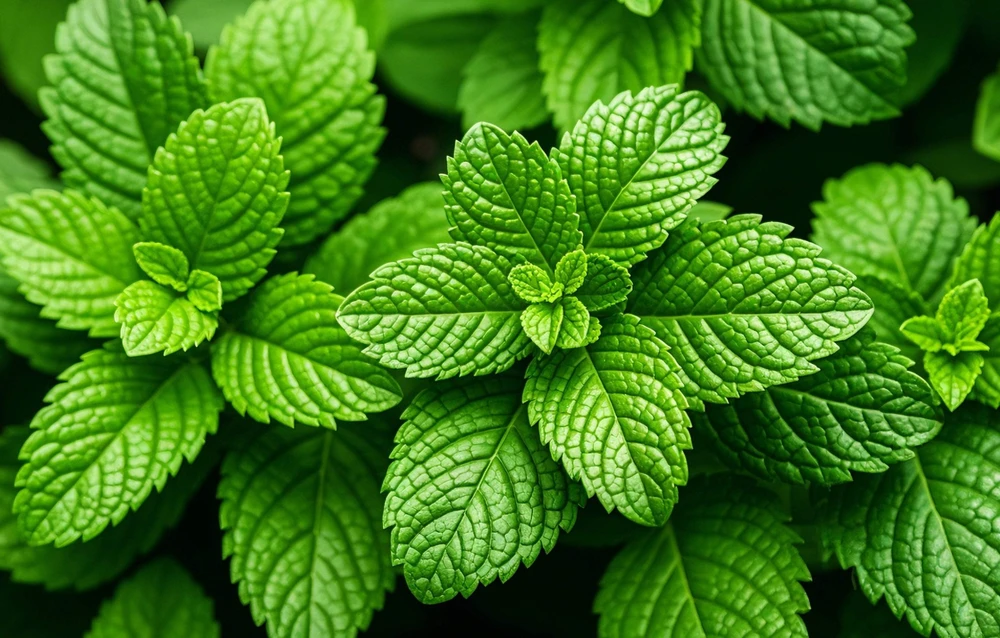
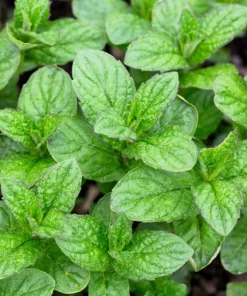
Each seed has the potential to develop into a mature plant that produces an abundance of fragrant leaves. The seeds are carefully packaged to ensure viability upon arrival, giving you the best chance for successful germination. Whether you’re planning a small herb pot on your windowsill or a large garden bed, these organic peppermint seeds are an excellent starting point. The plants will form dense clumps of square stems adorned with dark green, ovate leaves that have a serrated edge and a characteristic fuzzy texture on the underside. Expect a continuous harvest throughout the growing season from these reliable seeds.
Frequently Asked Questions
- Q: How big does a peppermint plant get from these seeds? A: Peppermint plants typically grow 1 to 2 feet tall and can spread quite vigorously. If not contained, they can cover a large area due to their runners.
- Q: Is this an indoor or outdoor plant? A: Peppermint can be grown both indoors and outdoors. Outdoors, it thrives in partial shade to full sun. Indoors, it needs a bright spot, ideally near a south-facing window, to flourish.
- Q: How much sunlight does peppermint need? A: Peppermint prefers full sun to partial shade. In hotter climates, some afternoon shade can prevent leaf scorching. Aim for at least 4-6 hours of direct sunlight daily for optimal growth.
- Q: Is growing peppermint from seed easy for beginners? A: Yes, peppermint is known for being an easy-to-grow herb, making it an excellent choice for beginner gardeners. The seeds germinate reliably, and the plants are quite resilient.
- Q: What condition will the seeds arrive in? A: The mentha piperita seeds will arrive in a sealed packet, ensuring their freshness and viability for successful planting. They are ready to be sown upon receipt.
- Q: Can I use peppermint for cooking and tea? A: Absolutely! The leaves from your homegrown peppermint are perfect for culinary uses, such as flavoring desserts, drinks, and savory dishes, as well as for brewing refreshing herbal teas.
- Q: When is the best time to plant peppermint mint seeds? A: For outdoor planting, sow after the last frost. For a head start, you can sow seeds indoors 8-10 weeks before the last expected frost date.
- Q: What kind of soil does peppermint prefer? A: Peppermint thrives in rich, moist, and well-draining soil with a slightly acidic to neutral pH (6.0-7.0). Amending the soil with compost will greatly benefit its growth.
- Q: Will my peppermint plants survive winter? A: Peppermint is a perennial in many USDA zones (typically 3-11). In colder zones, mulching can help protect the roots, or you can bring container-grown plants indoors for the winter.
- Q: Are these organic peppermint seeds? A: These are high-quality peppermint mint seeds, carefully selected for optimal growth and flavor, perfect for your herb garden needs.
Be the first to review “250 Peppermint Mint Herb Seeds – Mentha Piperita for Garden”
People Also Viewed
Succulents
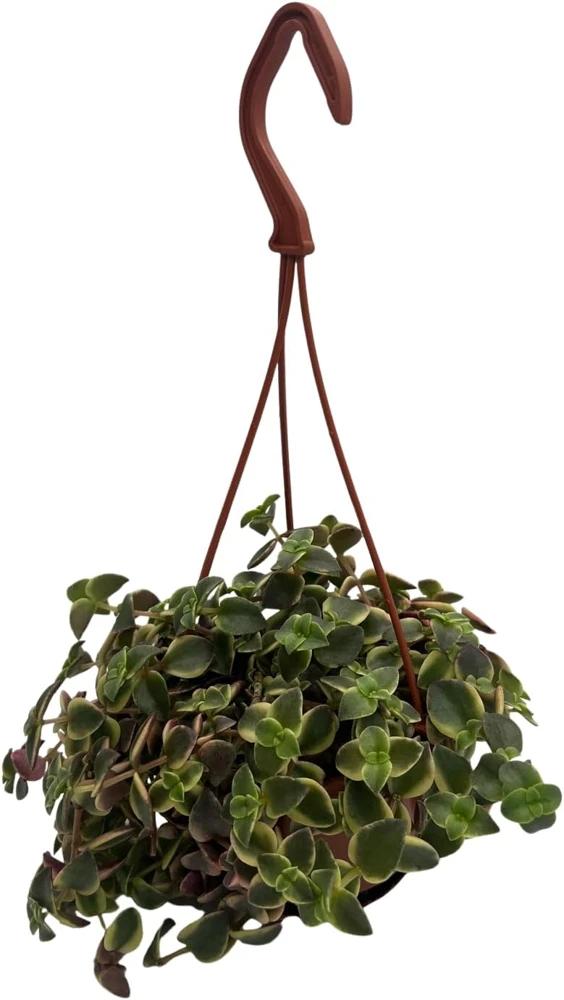
Calico Kitten Succulent Plant – Crassula pellucida variegata Live Plant – 4 inch Mini Hanging Basket
Reviews
There are no reviews yet.