


2500 Bouquet Dill Seeds – Anethum Graveolens Herb Flower – Culinary & Ornamental
Original price was: $37.99.$17.99Current price is: $17.99.
Cultivate your own aromatic and beautiful 2500 Bouquet Dill seeds. These Anethum Graveolens seeds are perfect for adding fresh flavor to your cooking and delicate blooms to your garden. Easy to grow and versatile, ideal for both culinary and ornamental purposes.
Estimated arrival
Sep 17
Sep 22 - Sep 24
Sep 27 - Oct 01
Shop With Confidence
30-Day Plant Health Guarantee
Arrives damaged? We’ll replace it free — see our return policy.
Responsive Support
Email us anytime, we reply within 1 business day.
Expert Packaging
Temperature-controlled shipping to protect your plants in transit.
Secure Checkout
Pay safely with Visa, Mastercard, PayPal.
Plant Specifications
-
USDA Hardiness Zone
USDA Zones 3-9 (typically grown as an annual) -
Soil Type
Well-draining, rich in organic matter -
Sunlight Exposure
Full sun (6-8 hours daily) -
Expected Planting Period
Spring to early summer
Overview
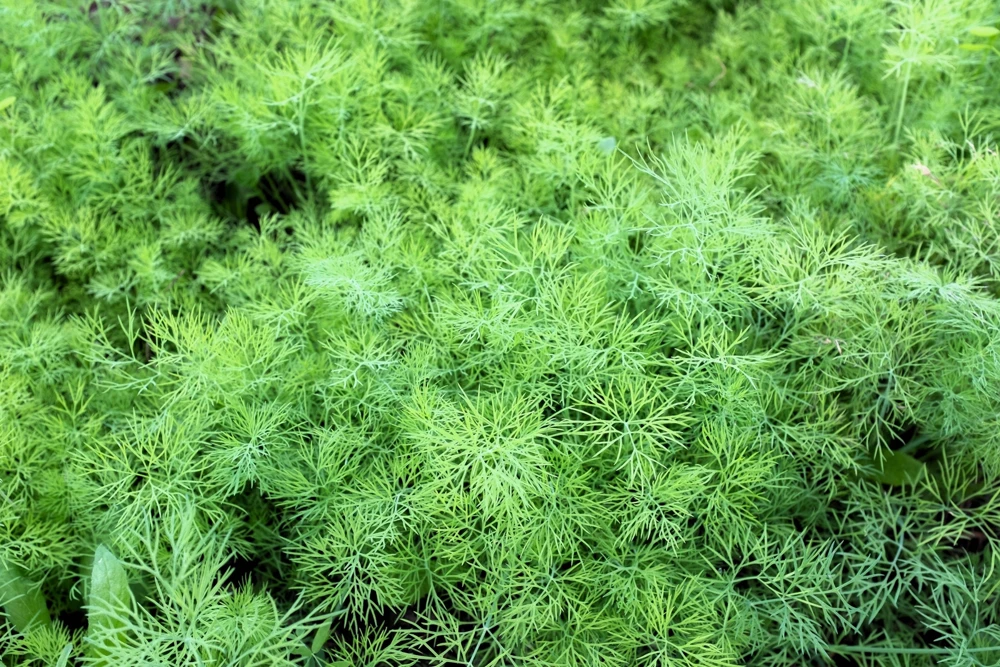
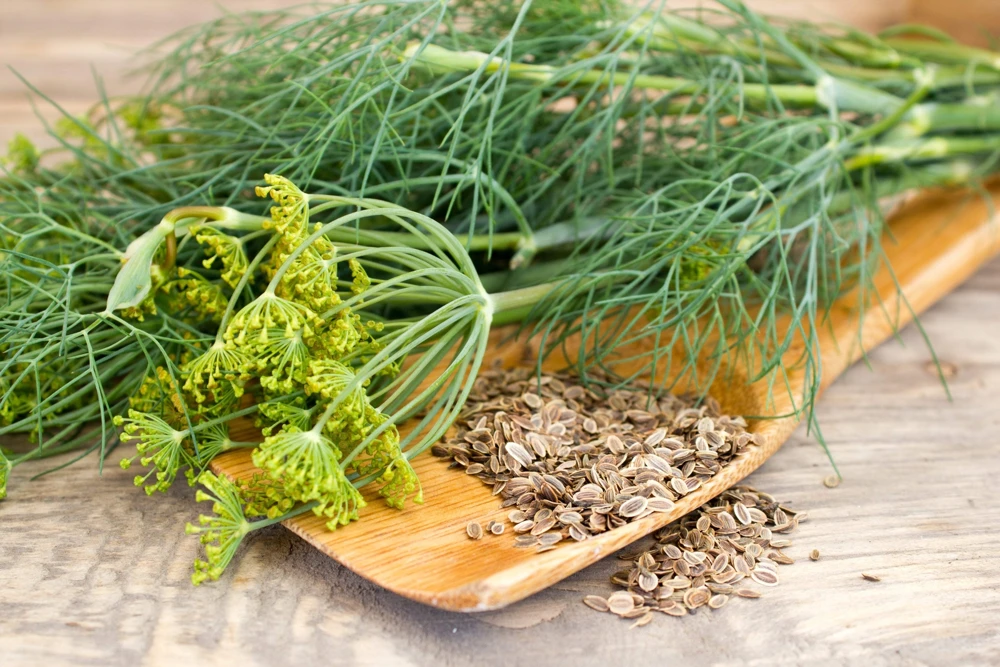
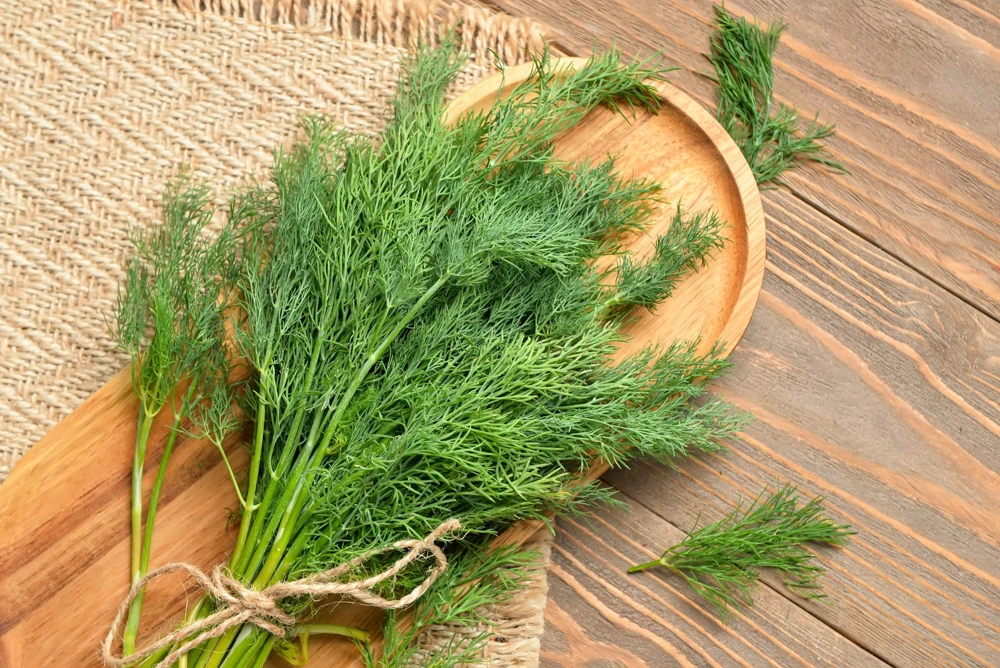
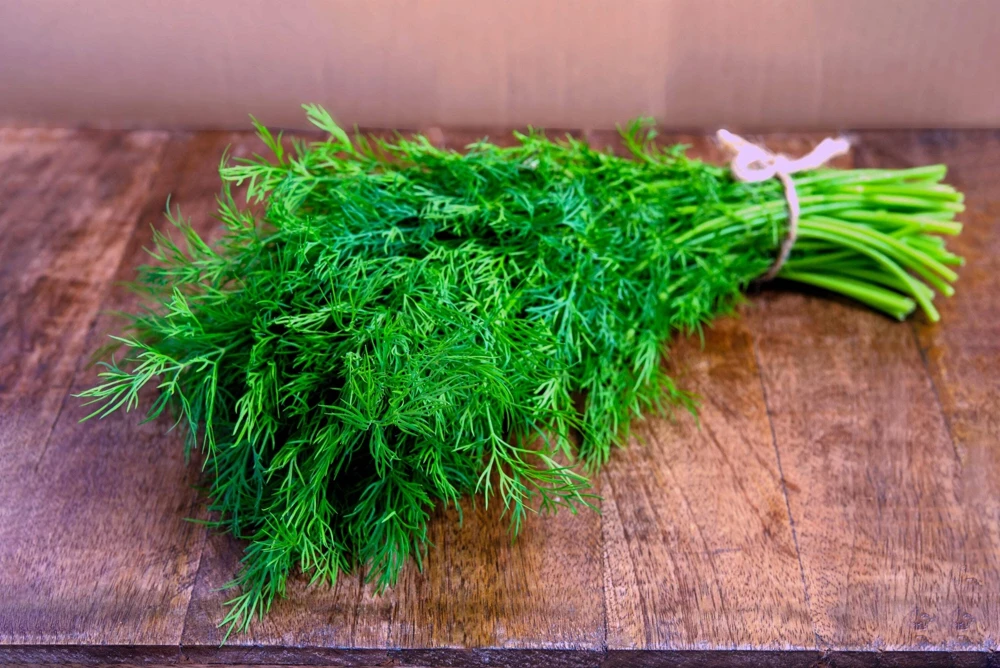
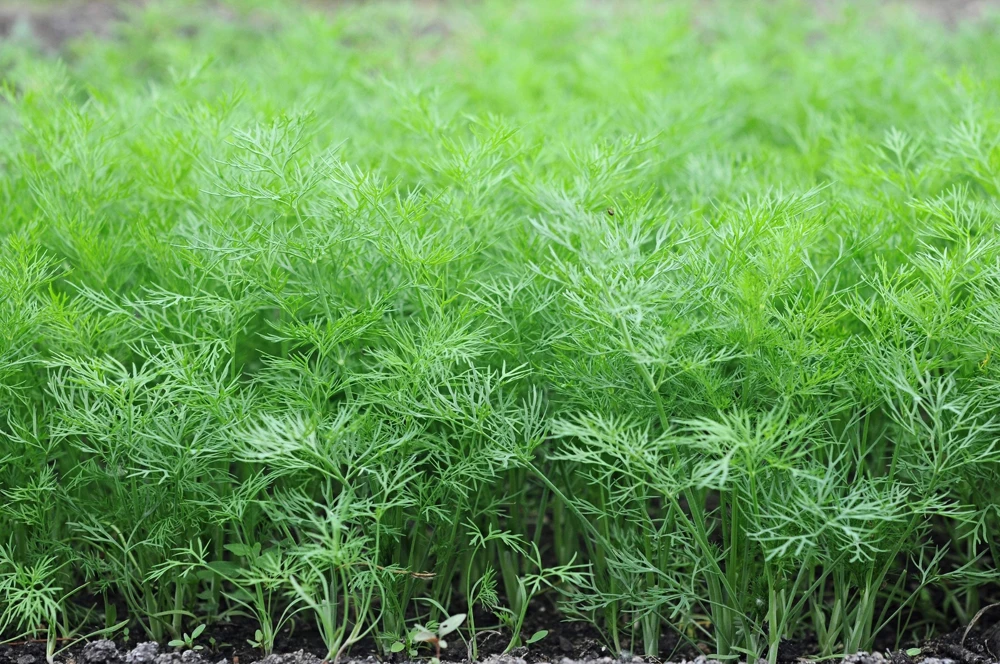
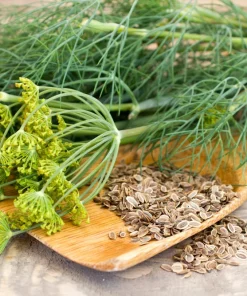
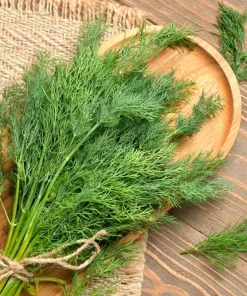
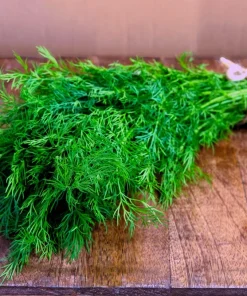
Embark on a delightful gardening journey with our premium packet of 2500 Bouquet Dill seeds. Known botanically as Anethum Graveolens seeds, this popular herb is cherished for its feathery foliage, aromatic scent, and attractive yellow flower heads. Whether you’re a seasoned gardener or just starting out, growing your own dill is a rewarding experience. These seeds promise a bountiful harvest, providing you with fresh dill for culinary adventures and beautiful blooms that enhance any garden space. Bouquet Dill is not only a kitchen staple but also an excellent addition to floral arrangements, living up to its name with its elegant appearance.
Dill is an annual herb that thrives in various climates, making it a versatile choice for many gardeners across the United States. Its distinctive flavor is indispensable in pickles, salads, seafood, and a myriad of other dishes. Beyond its culinary appeal, dill attracts beneficial insects like lacewings and parasitic wasps, contributing to a healthier garden ecosystem. Planting these 2500 Bouquet Dill seeds allows you to enjoy fresh, organic dill right from your backyard, ensuring the highest quality and flavor for your meals.
Key Benefits
Growing 2500 Bouquet Dill seeds offers a multitude of advantages for both your kitchen and garden. This versatile herb provides fresh flavor, attracts pollinators, and is relatively easy to maintain.
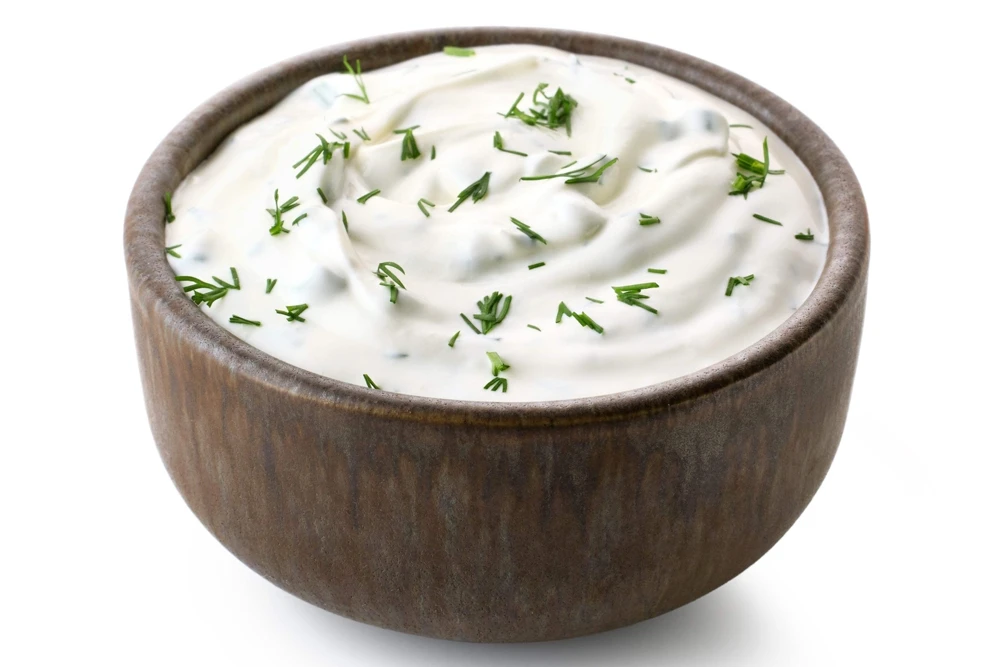
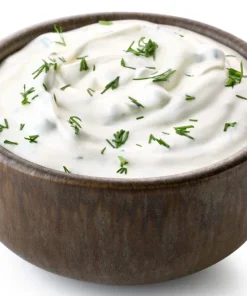
- Exceptional Culinary Flavor: Enjoy the fresh, distinctive, and slightly tangy flavor of homegrown dill. Perfect for pickling, seasoning fish, adding to potato salads, or garnishing soups, ensuring your dishes have an authentic, vibrant taste.
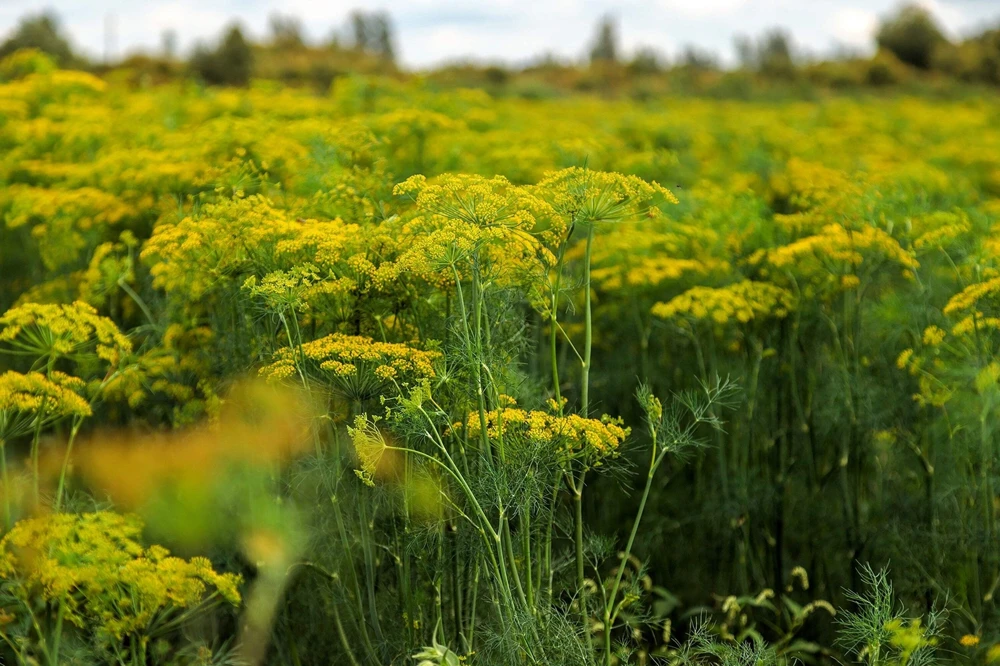
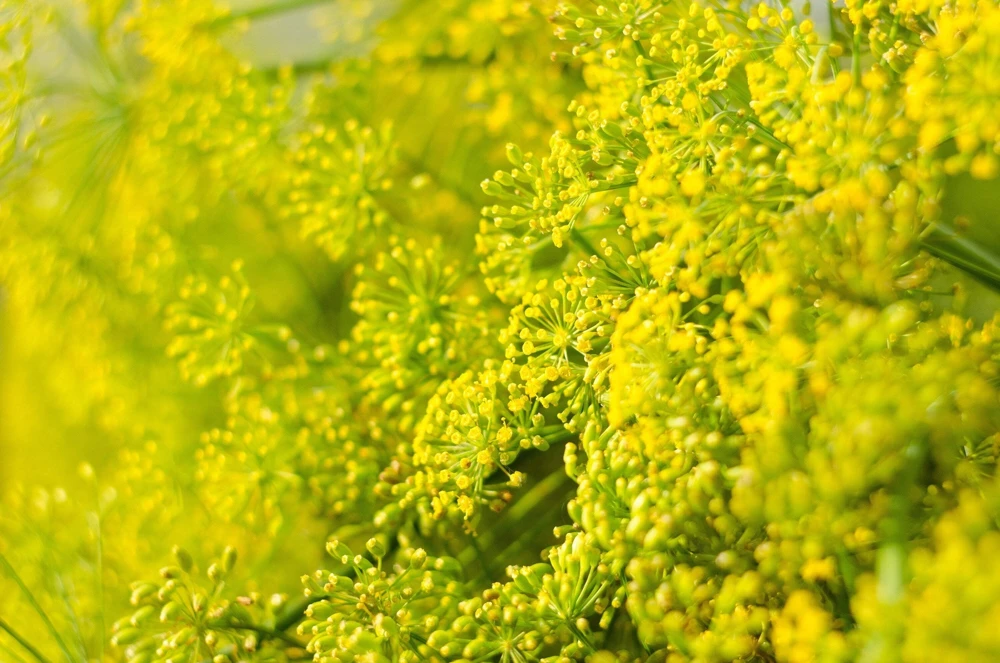
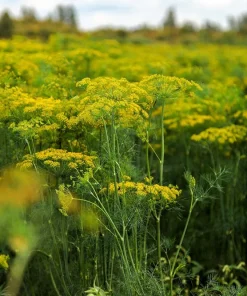
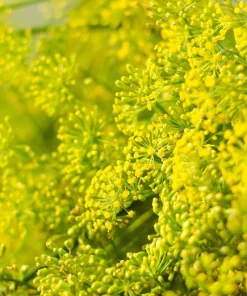
- Beautiful Ornamental Addition: The delicate, feathery foliage and umbrella-like yellow flower clusters make Bouquet Dill a stunning addition to any herb garden, flower bed, or container planting. It adds texture and visual interest.
- Attracts Beneficial Insects: Dill flowers are a magnet for pollinators like bees and butterflies, as well as beneficial predatory insects such as hoverflies and parasitic wasps, which help control garden pests naturally.
- Easy to Grow from Seed: These Anethum Graveolens seeds are known for their high germination rate and straightforward cultivation, making them an ideal choice for gardeners of all experience levels. Get started with minimal effort and see quick results.
- Abundant Harvest: With 2500 Bouquet Dill seeds, you can expect a plentiful supply of fresh dill throughout the growing season, providing enough for both fresh consumption and preservation methods like drying or freezing.
- Supports Healthy Eating: Incorporating fresh dill into your diet adds flavor without extra calories, and dill is known for its digestive and antioxidant properties, contributing to a healthy lifestyle.
- Aromatic Garden Experience: The delightful, fresh aroma of dill adds another sensory layer to your garden, creating a pleasant and inviting atmosphere. It’s a joy to brush past and release its fragrance.
Plant Care & Growing Tips
Successful cultivation of 2500 Bouquet Dill seeds begins with proper planting and ongoing care. Dill is a relatively low-maintenance herb, but providing the right conditions will ensure a robust and flavorful harvest. Start by selecting a site that receives plenty of sunlight. Dill thrives in full sun, meaning at least 6-8 hours of direct sunlight per day. If planting indoors, choose a south-facing window or supplement with grow lights to ensure adequate light exposure. Proper light is crucial for strong growth and good flavor development for your dill herb seeds.
Soil requirements for Anethum Graveolens seeds are fairly simple. Dill prefers well-draining soil that is rich in organic matter. A slightly acidic to neutral pH (6.0-7.0) is ideal. Avoid heavy, compacted soils that can lead to waterlogging and root rot. When watering, keep the soil consistently moist but not waterlogged, especially during germination and early growth. Once established, dill is somewhat drought-tolerant but will perform best with regular watering, particularly during dry spells. Mulching around the plants can help retain soil moisture and suppress weeds.
Dill generally does not require heavy fertilization. If your soil is poor, a balanced organic fertilizer can be incorporated at planting time. For continuous harvesting of Bouquet Dill, succession planting every few weeks is recommended. Pinch back flower heads if you wish to prolong foliage production, or allow them to flower and go to seed if you want to collect seeds or attract beneficial insects. Dill is generally hardy in USDA Zones 3-9, though it is often grown as an annual. Protect young plants from strong winds, and be mindful of pests like aphids, which can be managed with organic insecticidal soap if necessary.
Size & Details
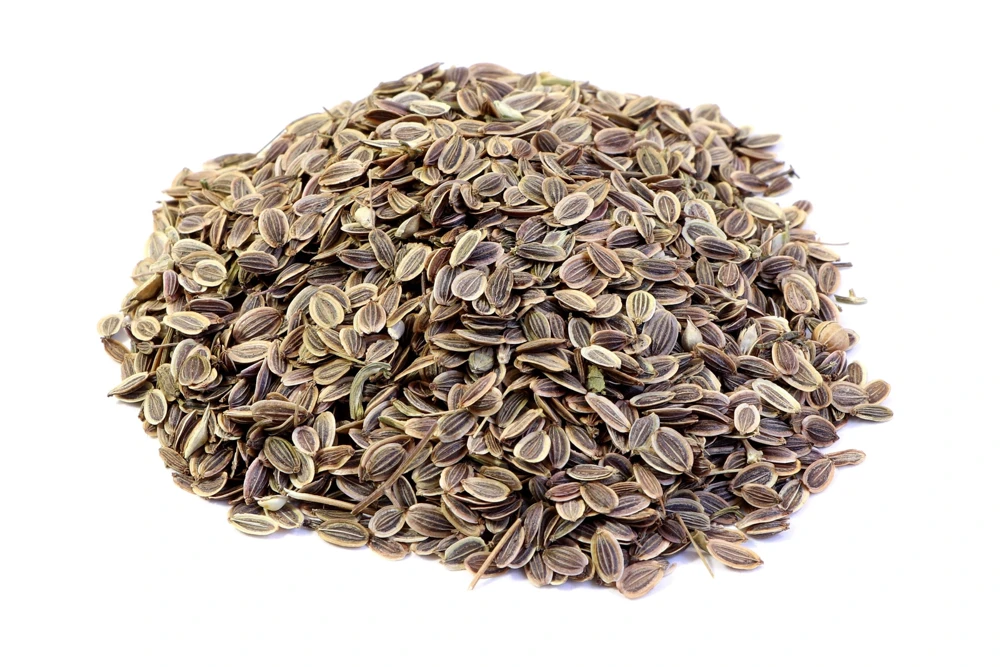
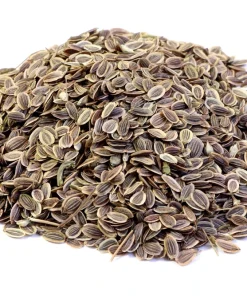
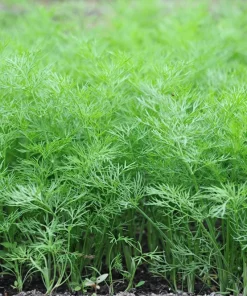
This packet contains approximately 2500 Bouquet Dill seeds, providing an ample supply for extensive planting or multiple successions throughout the growing season. Each seed is carefully selected to ensure high germination rates, giving you the best start for a thriving dill patch. When mature, Bouquet Dill plants typically reach a height of 24 to 36 inches (60-90 cm) with a spread of about 12 to 18 inches (30-45 cm). The feathery foliage forms a pleasing, upright mound, topped with broad, flat umbels of yellow flowers.
Dill has a relatively fast growth rate, with foliage ready for harvest approximately 40-60 days after planting. Flowers usually appear around 60-70 days, and seeds can be harvested after about 90 days. The seeds are shipped in a protective packet, ensuring their viability upon arrival. These dill herb seeds are suitable for direct sowing outdoors after the last frost, or they can be started indoors several weeks before transplanting. Expect robust plants that will provide both culinary delight and aesthetic beauty.
Frequently Asked Questions
- Q: How big does this dill plant get? A: Bouquet Dill typically grows to a height of 24 to 36 inches (60-90 cm) and spreads about 12 to 18 inches (30-45 cm). Its upright habit makes it suitable for various garden spaces.
- Q: Is this an indoor or outdoor plant? A: While dill thrives outdoors in full sun, it can also be grown indoors in a sunny window or under grow lights. For best results and a larger harvest, outdoor planting is generally recommended for these 2500 Bouquet Dill seeds.
- Q: How much sunlight does it need? A: Dill requires full sun, meaning at least 6-8 hours of direct sunlight per day, to grow strong and produce abundant foliage and flowers. Insufficient light can lead to leggy growth.
- Q: Is this plant easy to care for? A: Yes, dill is considered an easy-to-grow herb, making it excellent for beginners. Providing well-draining soil, adequate sunlight, and consistent moisture are the main requirements for successful growth of your Anethum Graveolens seeds.
- Q: What condition will the seeds arrive in? A: The dill herb seeds will arrive in a sealed, protective packet, ensuring their freshness and viability. They are ready for planting upon arrival.
- Q: Can I use this dill in cooking? A: Absolutely! Bouquet Dill is primarily grown for its culinary uses. Its leaves and seeds are perfect for flavoring a wide range of dishes, from pickles and salads to fish and soups.
- Q: When is the best time to plant these dill seeds? A: The best time to plant 2500 Bouquet Dill seeds outdoors is in the spring after the last frost, once the soil has warmed. For a continuous harvest, succession plant every 2-3 weeks until mid-summer.
- Q: What’s the minimum temperature dill can tolerate? A: Dill is an annual and prefers warm weather. It can tolerate light frosts, but prolonged freezing temperatures will kill the plant. It generally thrives in temperatures between 60-75°F (15-24°C).
- Q: How long until it blooms? A: Dill plants typically begin to flower around 60-70 days after planting from these Anethum Graveolens seeds. The flowers are attractive and also produce seeds for future planting.
- Q: Is this dill variety good for pickling? A: Yes, Bouquet Dill is an excellent choice for pickling due to its strong, aromatic flavor and the abundance of both foliage and seeds, which are both used in pickling recipes.
Be the first to review “2500 Bouquet Dill Seeds – Anethum Graveolens Herb Flower – Culinary & Ornamental”
People Also Viewed
Reviews
There are no reviews yet.