

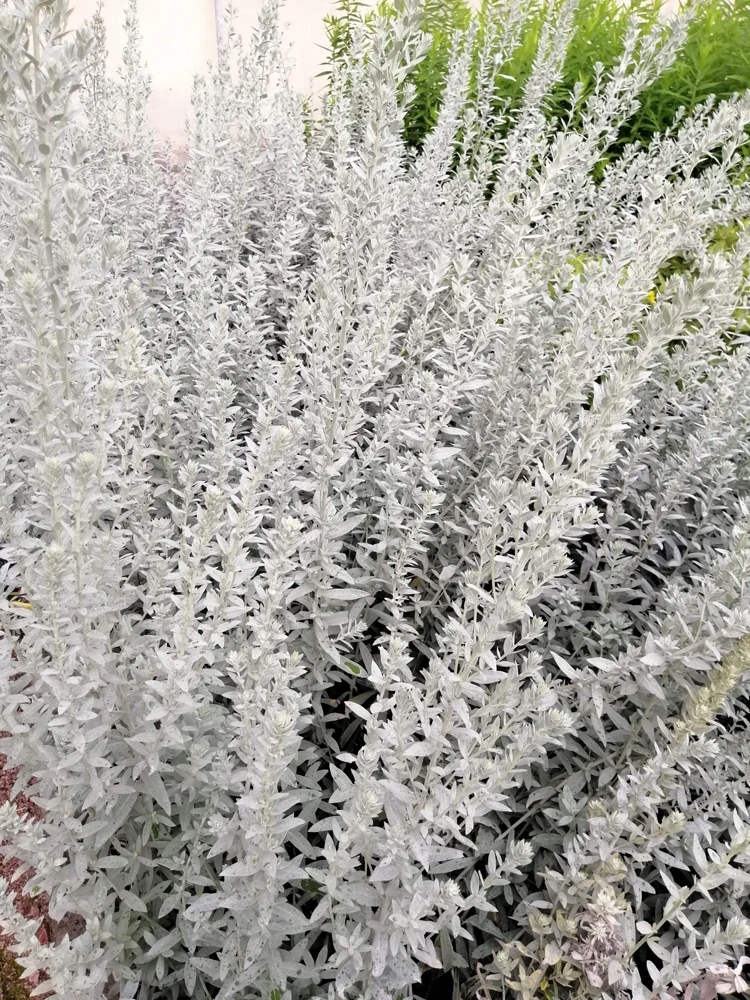
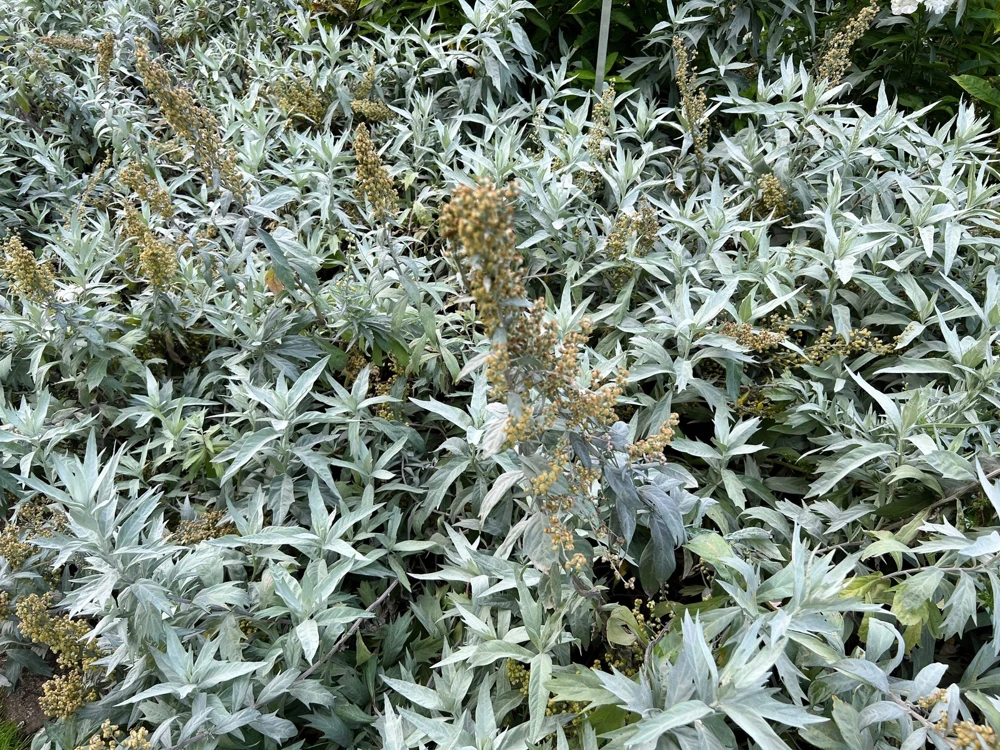
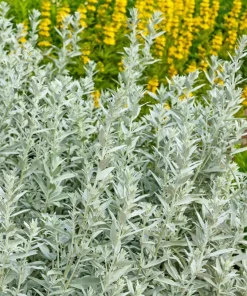
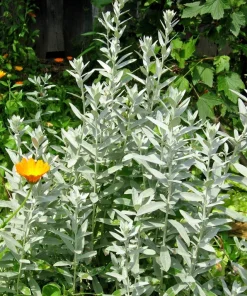
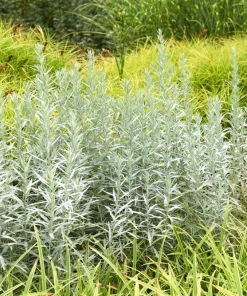
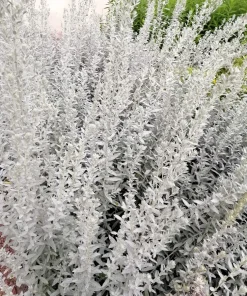
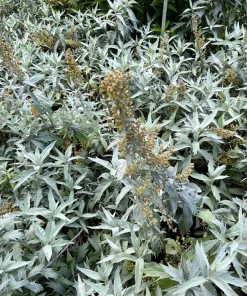
200 Prairie Sage Wormwood Seeds – Artemisia Ludoviciana – Fringed Sagebrush Sagewort
Original price was: $37.99.$17.99Current price is: $17.99.
Discover the unique beauty of Prairie Sage Wormwood seeds. This packet contains 200 Prairie Sage Wormwood seeds (Artemisia Ludoviciana), perfect for creating drought-tolerant landscapes and fragrant gardens. Known for its silvery foliage and aromatic qualities, this perennial is a fantastic choice for gardeners seeking low-maintenance, visually appealing plants.
Estimated arrival
Sep 17
Sep 22 - Sep 24
Sep 27 - Oct 01
Shop With Confidence
30-Day Plant Health Guarantee
Arrives damaged? We’ll replace it free — see our return policy.
Responsive Support
Email us anytime, we reply within 1 business day.
Expert Packaging
Temperature-controlled shipping to protect your plants in transit.
Secure Checkout
Pay safely with Visa, Mastercard, PayPal.
Plant Specifications
-
USDA Hardiness Zone
USDA Zones 3-9 -
Soil Type
Well-draining soil -
Sunlight Exposure
Full sun -
Expected Planting Period
Spring to early summer
Overview
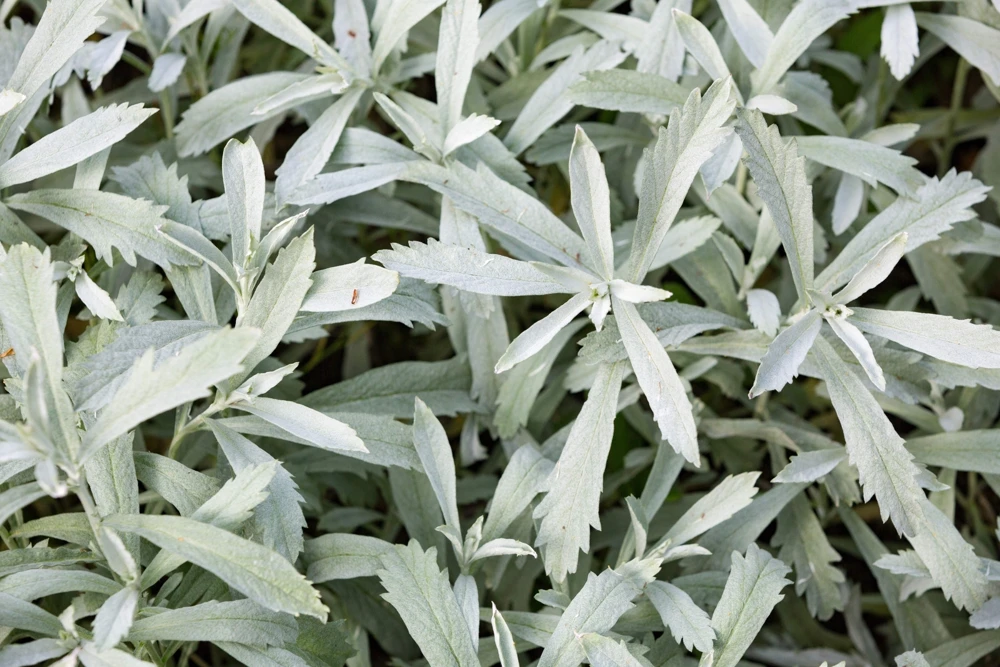
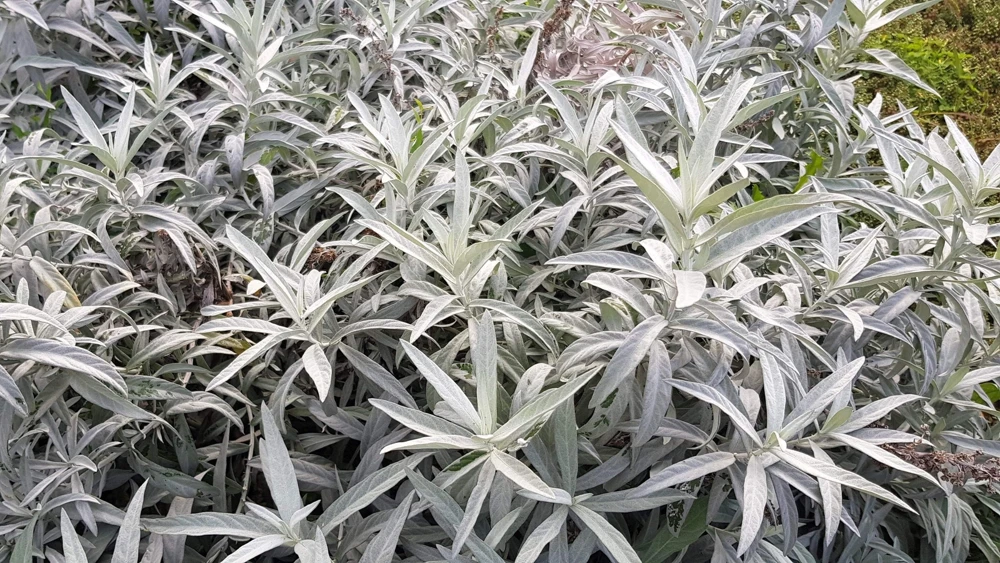
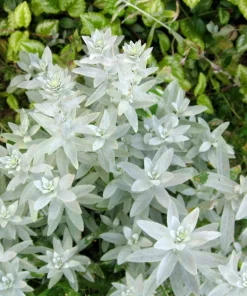
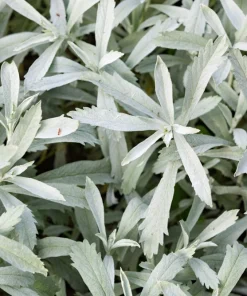
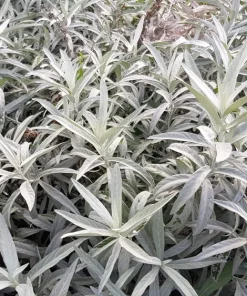
Introduce a touch of natural elegance to your garden with our premium Prairie Sage Wormwood seeds. Each packet contains 200 Prairie Sage Wormwood seeds (Artemisia Ludoviciana), offering a generous supply to establish a beautiful, aromatic patch. Also commonly known as Fringed Sagebrush or Sagewort, this hardy perennial is celebrated for its distinctive silvery-gray foliage and its ability to thrive in challenging conditions. Native to North America, Artemisia Ludoviciana is a versatile plant, perfect for xeriscaping, rock gardens, borders, or naturalized areas where its unique texture and fragrant leaves can be fully appreciated. Growing Prairie Sage Wormwood seeds allows you to cultivate a resilient and attractive plant that adds year-round interest to your outdoor space with minimal effort.
Key Benefits
Cultivating Prairie Sage Wormwood seeds offers a variety of advantages for your garden and local ecosystem. This plant is not only beautiful but also highly functional, providing numerous benefits that enhance your landscape and support biodiversity.
- Drought Tolerance: Once established, Artemisia Ludoviciana requires very little water, making it an excellent choice for xeriscaping and water-wise gardens. This resilience helps conserve water and reduces the need for frequent irrigation.
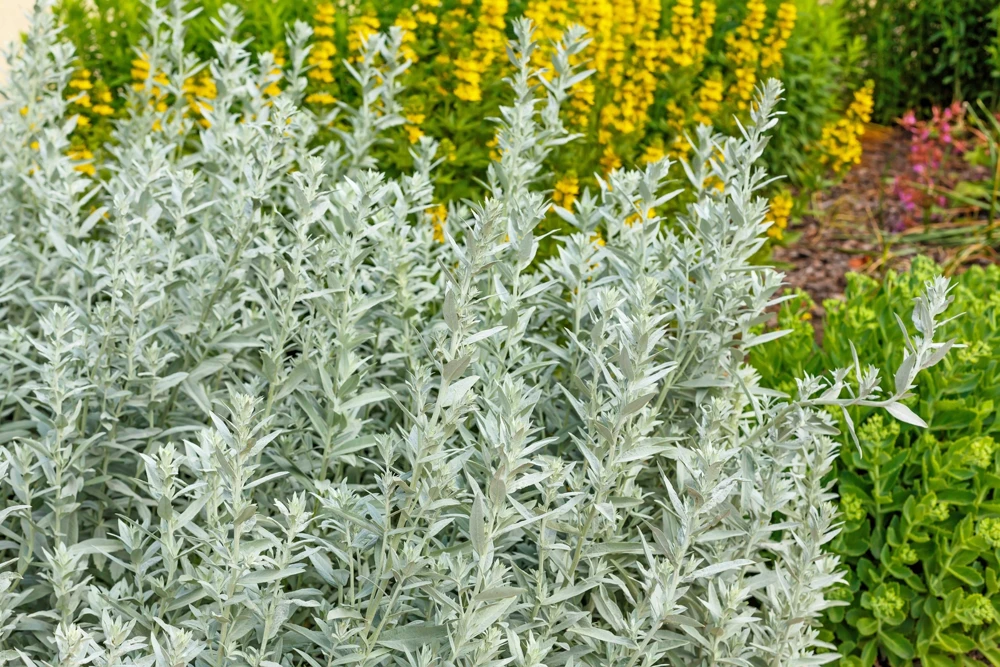
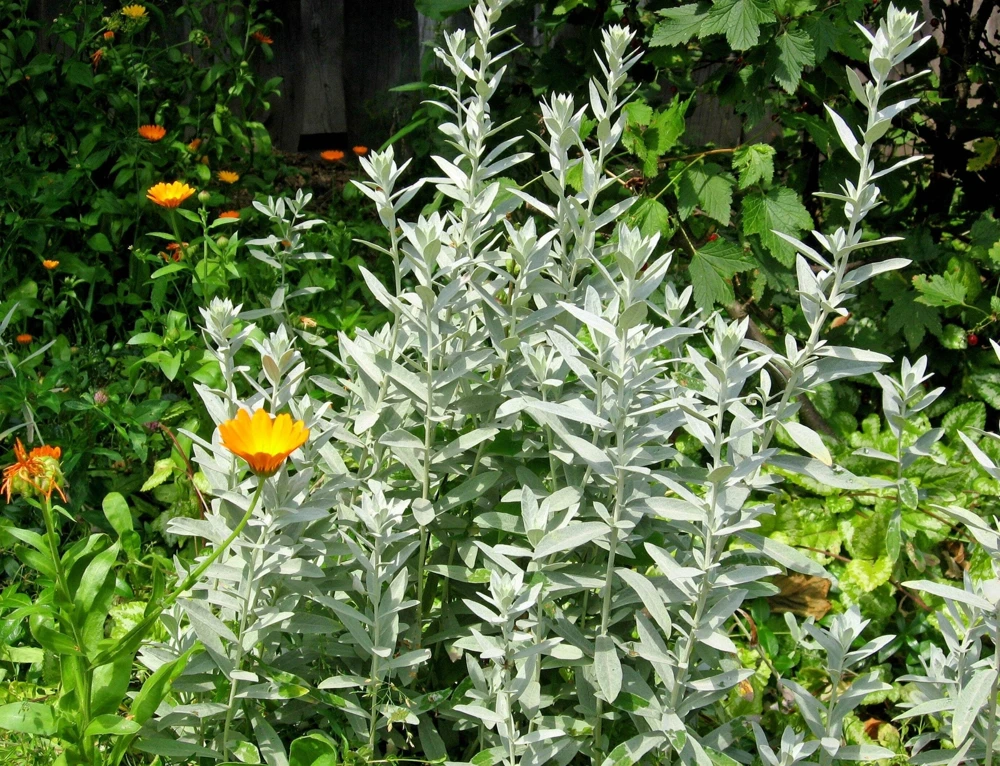
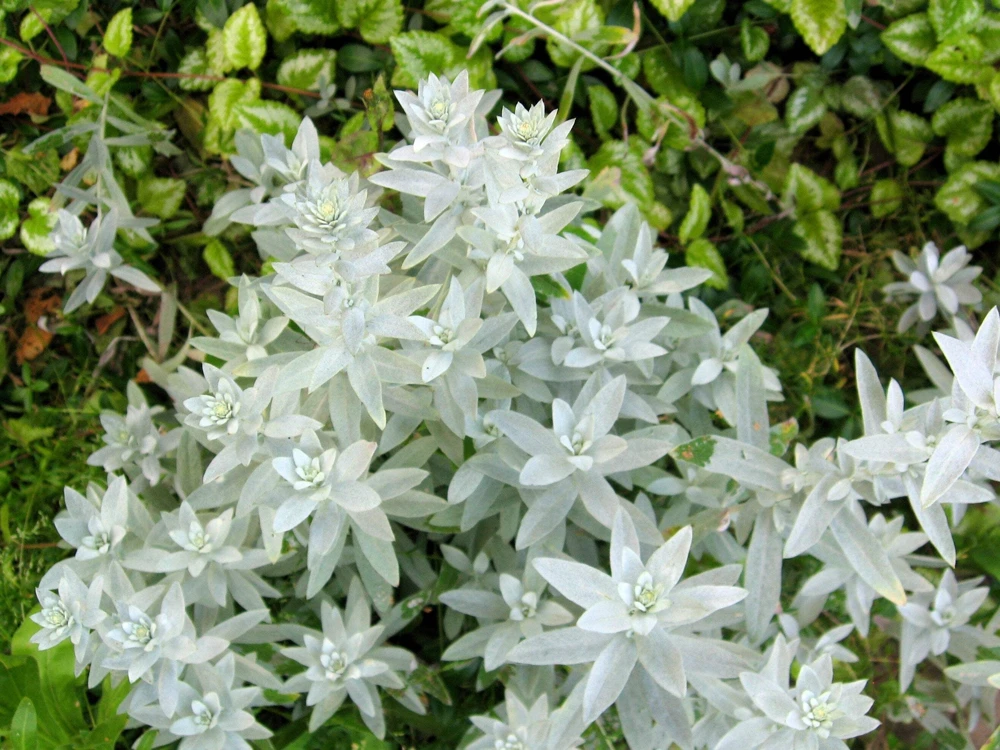
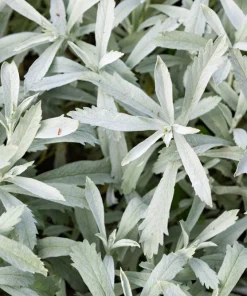
- Unique Silvery Foliage: The striking silvery-gray leaves provide a beautiful contrast to green plants, adding visual interest and texture to any garden design. The soft, feathery appearance of the foliage is particularly appealing.
- Aromatic Qualities: The leaves of Prairie Sage Wormwood seeds release a pleasant, herbaceous fragrance when brushed or crushed, contributing to a sensory garden experience. This natural aroma can also deter certain pests.
- Low Maintenance: This perennial is incredibly easy to care for, thriving in poor soils and requiring minimal attention once established. It’s an ideal plant for busy gardeners or those new to gardening.
- Erosion Control: Its spreading growth habit and fibrous root system make it effective for stabilizing soil on slopes and preventing erosion, especially in dry, sandy areas.
- Attracts Pollinators: While its flowers are not showy, they do attract beneficial insects and pollinators, contributing to a healthy garden ecosystem.
- Deer and Rabbit Resistant: The strong aroma and slightly bitter taste of the foliage generally deter deer and rabbits, protecting your garden from common browsing pests.
Plant Care & Growing Tips
Growing Artemisia Ludoviciana seeds is straightforward, as this plant is known for its hardiness and adaptability. To ensure successful germination and robust growth, follow these simple care guidelines. Start your Fringed Sagebrush seeds indoors 6-8 weeks before the last frost date, or sow them directly outdoors after the danger of frost has passed. Lightly cover the seeds with soil, as they require some light for germination. Keep the soil consistently moist until germination occurs, which typically takes 10-21 days.
Once seedlings are established, transplant them to a location with full sun exposure, meaning at least 6 hours of direct sunlight per day. Sagewort seeds prefer well-draining soil and can tolerate a variety of soil types, including sandy or rocky soils, as long as they are not waterlogged. Avoid rich, overly fertile soils, as this can lead to leggy growth. Water regularly during the first growing season to help establish a strong root system. After establishment, Prairie Sage Wormwood seeds are highly drought-tolerant and will only require occasional watering during prolonged dry spells. Pruning can be done in early spring to encourage bushier growth and maintain a tidy appearance. Deadhead spent flower stalks to prevent excessive self-seeding if desired.
Size & Details
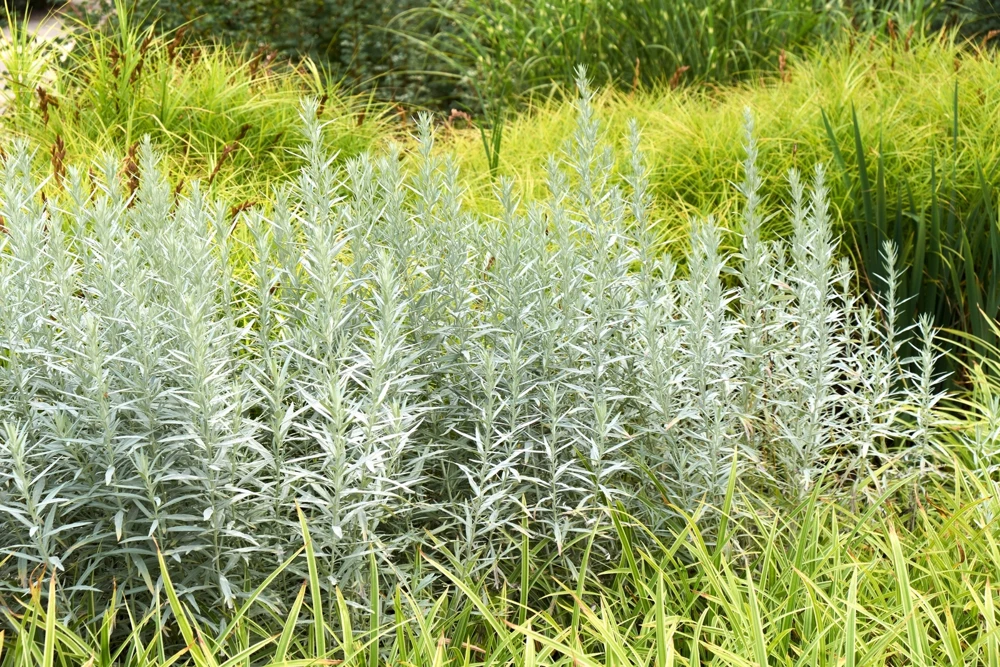
This offering includes a packet containing 200 Prairie Sage Wormwood seeds, providing ample opportunity to cultivate a beautiful and resilient plant. Once mature, Artemisia Ludoviciana typically grows to a height of 1 to 3 feet and spreads 2 to 4 feet wide, forming an attractive clump of silvery foliage. The growth rate is moderate, with plants reaching their mature size within one to two growing seasons. The seeds are ready for planting in spring or early summer, and the plants will provide visual interest from spring through fall, often retaining some foliage in milder winters. These perennial plants are shipped as high-quality seeds, ready for your gardening efforts. Expect to see the distinctive silvery leaves developing a few weeks after germination.
Frequently Asked Questions
- Q: How big does this plant get? A: Prairie Sage Wormwood typically grows 1 to 3 feet tall and spreads 2 to 4 feet wide, forming a beautiful, mounding habit. Its size makes it suitable for various garden applications.
- Q: Is this an indoor or outdoor plant? A: Artemisia Ludoviciana is primarily an outdoor plant, best suited for garden beds, borders, and naturalized areas. It thrives in full sun and open air.
- Q: How much sunlight does it need? A: This plant requires full sun, meaning at least 6 hours of direct sunlight per day, to achieve its best growth and maintain its vibrant silvery foliage.
- Q: Is this plant easy to care for? A: Yes, Fringed Sagebrush seeds grow into very low-maintenance plants. Once established, they are highly drought-tolerant and require minimal care, making them excellent for beginners or busy gardeners.
- Q: What condition will it arrive in? A: Your order will arrive as a packet of 200 Prairie Sage Wormwood seeds, carefully packaged to ensure their viability and readiness for planting.
- Q: When is the best time to plant? A: The best time to sow Sagewort seeds is in spring after the last frost, or they can be started indoors 6-8 weeks before the last frost for an earlier start.
- Q: Will it survive winter in my zone? A: Artemisia Ludoviciana seeds grow into plants that are hardy in USDA Zones 3-9, meaning they can withstand cold winters in a wide range of climates and return year after year.
- Q: What type of soil does it prefer? A: It prefers well-draining soil and can tolerate a variety of soil types, including sandy, rocky, or average garden soil. Good drainage is crucial to prevent root rot.
Be the first to review “200 Prairie Sage Wormwood Seeds – Artemisia Ludoviciana – Fringed Sagebrush Sagewort”
People Also Viewed

Vegetable Seeds
140 Russet Potato Seeds for Planting – Heirloom Vegetable Seeds
Vegetable Seeds
100 Organic Purple Cherokee Tomato Seeds – Heirloom Vegetable
Reviews
There are no reviews yet.