
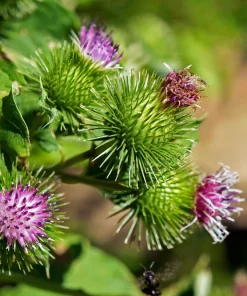
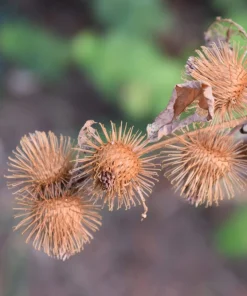
200 Burdock Arctium Lappa Herb Flower Seeds – Edible, Medicinal & Ornamental
Original price was: $37.99.$17.99Current price is: $17.99.
Cultivate your own versatile Burdock Arctium Lappa seeds, perfect for growing edible roots and leaves. These herb flower seeds offer both culinary and traditional medicinal benefits, thriving in various garden settings. Easy to grow and maintain for a rewarding harvest.
Estimated arrival
Sep 17
Sep 22 - Sep 24
Sep 27 - Oct 01
Shop With Confidence
30-Day Plant Health Guarantee
Arrives damaged? We’ll replace it free — see our return policy.
Responsive Support
Email us anytime, we reply within 1 business day.
Expert Packaging
Temperature-controlled shipping to protect your plants in transit.
Secure Checkout
Pay safely with Visa, Mastercard, PayPal.
Plant Specifications
-
USDA Hardiness Zone
USDA zones 3-9 -
Soil Type
Deep, loose, fertile, well-draining soil -
Sunlight Exposure
Full sun to partial shade -
Expected Planting Period
Early spring or late summer
Overview
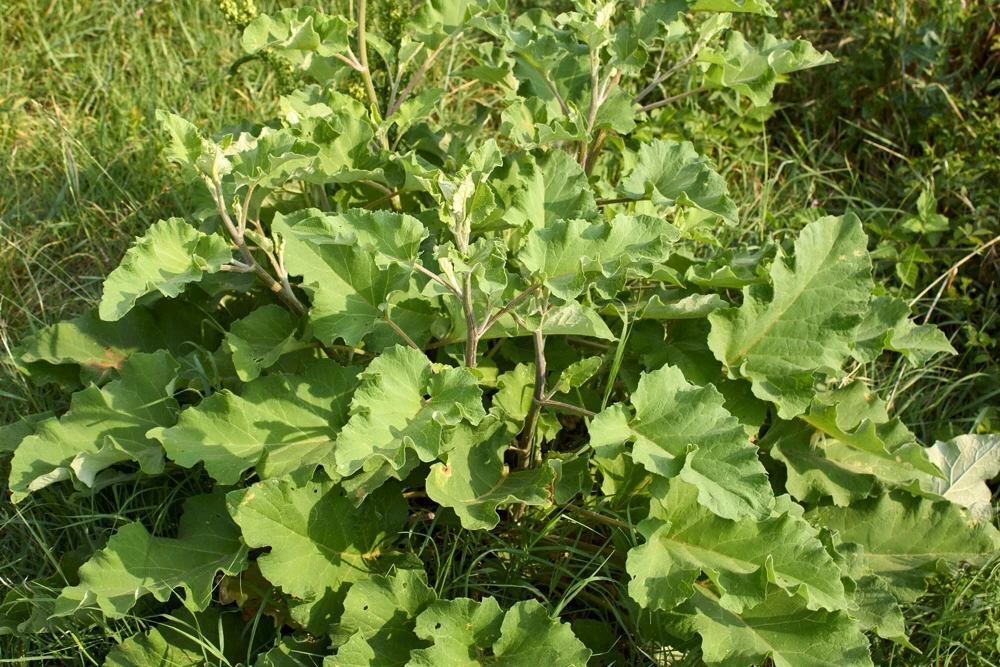
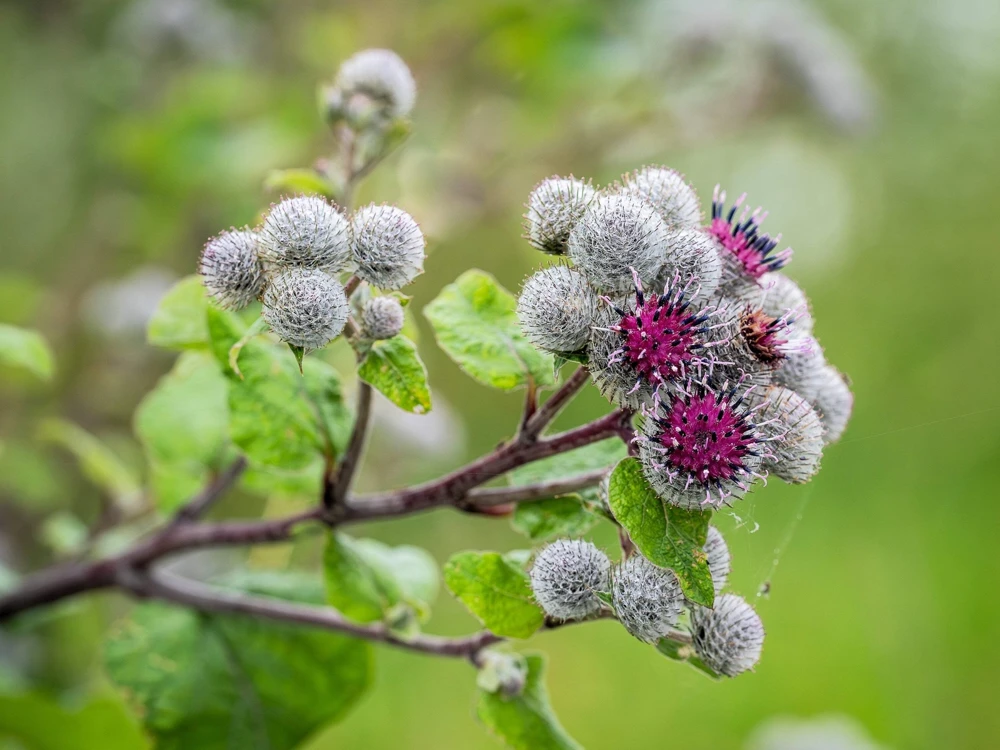
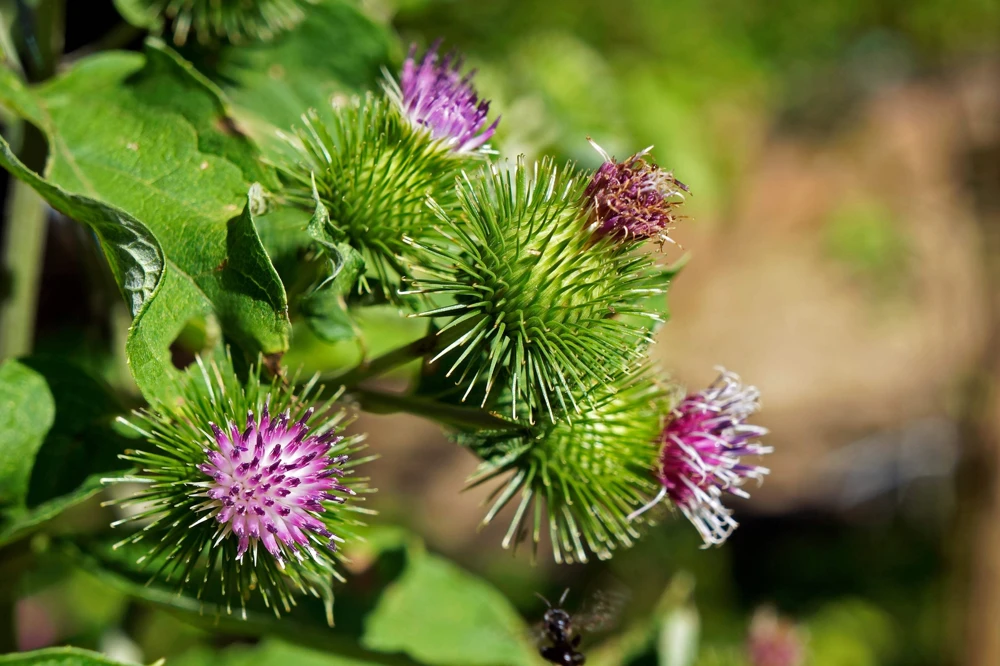
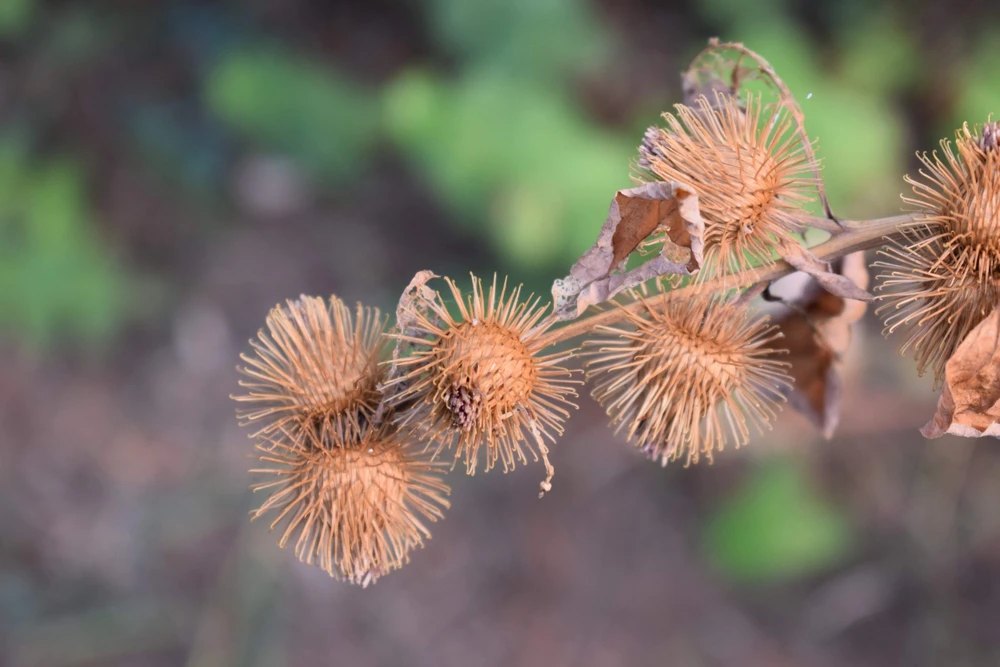
Embark on a rewarding gardening journey with our Burdock Arctium Lappa seeds, providing you with 200 high-quality seeds to cultivate this remarkable plant. Known scientifically as Arctium lappa, Burdock is a biennial herb celebrated for its deep taproots, broad leaves, and distinctive burr-like seed heads. Often referred to as Edible Burdock or Greater Burdock, this plant offers a wealth of uses, from culinary delights to traditional medicinal applications. Growing your own Burdock from seed allows you to enjoy fresh, organic produce and harness its natural benefits right from your garden. These robust seeds are ideal for gardeners looking to add a versatile and beneficial herb to their outdoor space, promising a strong germination rate and vigorous growth.
Our Burdock Arctium Lappa seeds are carefully selected to ensure you receive a product that will flourish in your garden. This hardy plant is relatively easy to grow, making it suitable for both experienced gardeners and those new to cultivating herbs. Beyond its practical uses, Burdock also adds an interesting textural element to the garden with its large leaves and sturdy structure. Discover the satisfaction of harvesting your own Burdock roots and leaves, knowing they are fresh and free from chemicals. With 200 seeds, you’ll have plenty to start a substantial patch or share with fellow gardening enthusiasts.
Key Benefits
Growing Burdock Arctium Lappa seeds in your garden offers a multitude of benefits, enhancing both your culinary adventures and your well-being. This versatile herb is a fantastic addition to any home garden, providing value in several ways:
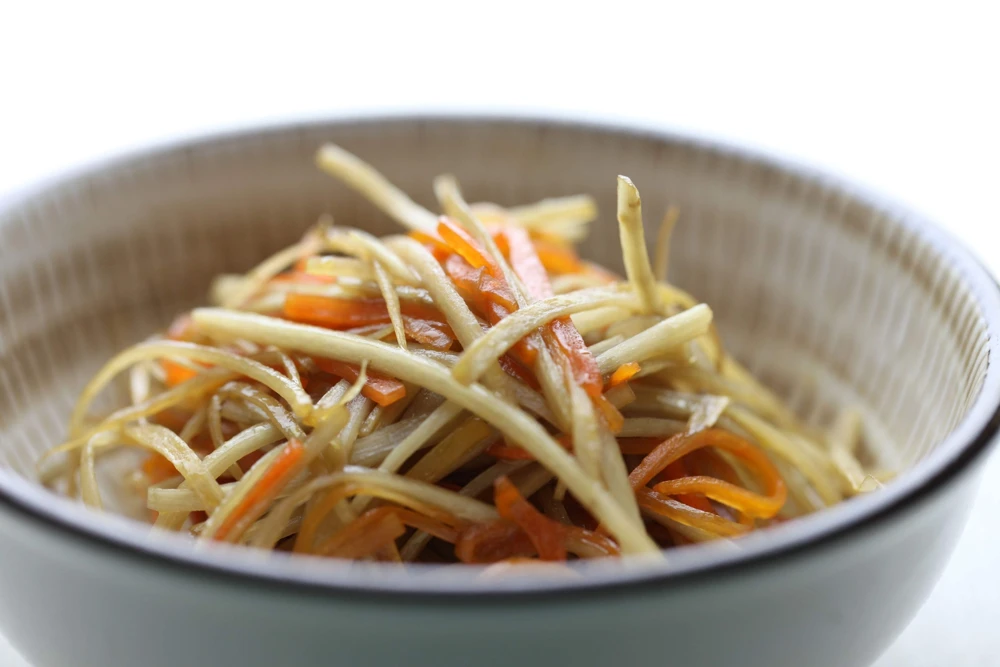
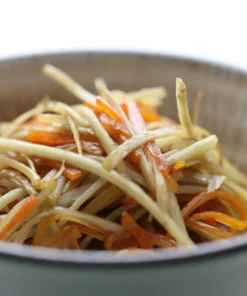
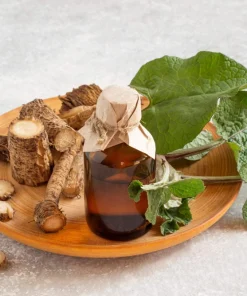
- Edible Roots & Leaves: The young roots of Burdock are a popular vegetable in many cultures, especially Japanese cuisine (known as ‘gobo’). They have a crisp texture and earthy flavor, perfect for stir-fries, soups, and stews. The young leaves can also be eaten raw in salads or cooked like spinach, offering a nutritious green.
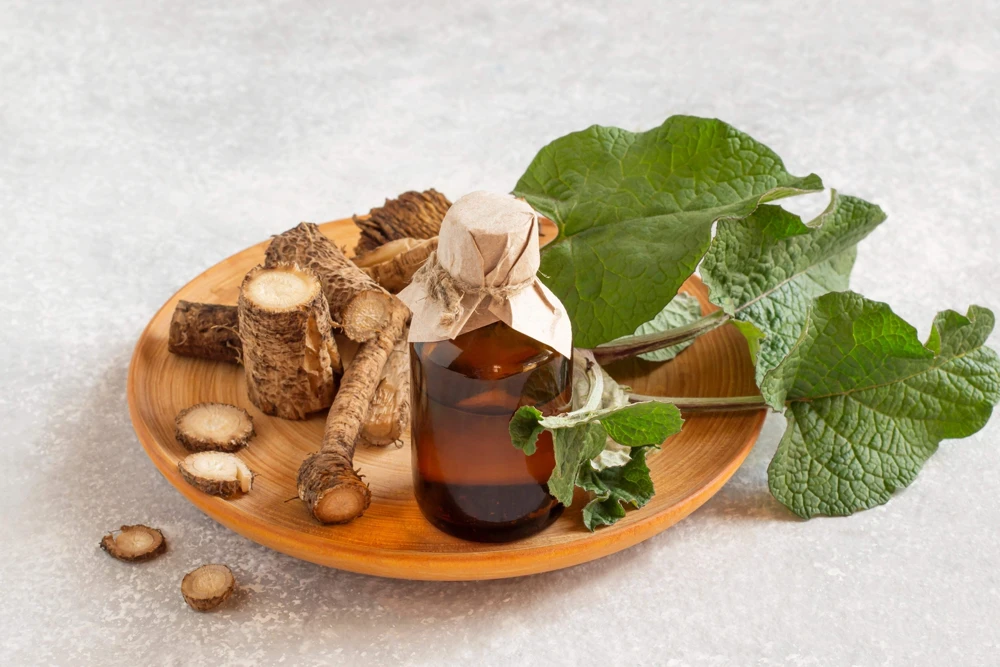
- Traditional Medicinal Uses: Burdock root has a long history of use in traditional herbal medicine. It is often used for its purported detoxifying properties, supporting liver function and skin health. Many value it for its natural anti-inflammatory and antioxidant compounds.
- Soil Improvement: The deep taproot of the Burdock Arctium Lappa plant helps break up compacted soil, improving aeration and drainage. As a biennial, it contributes organic matter to the soil when it decomposes, benefiting subsequent plantings.
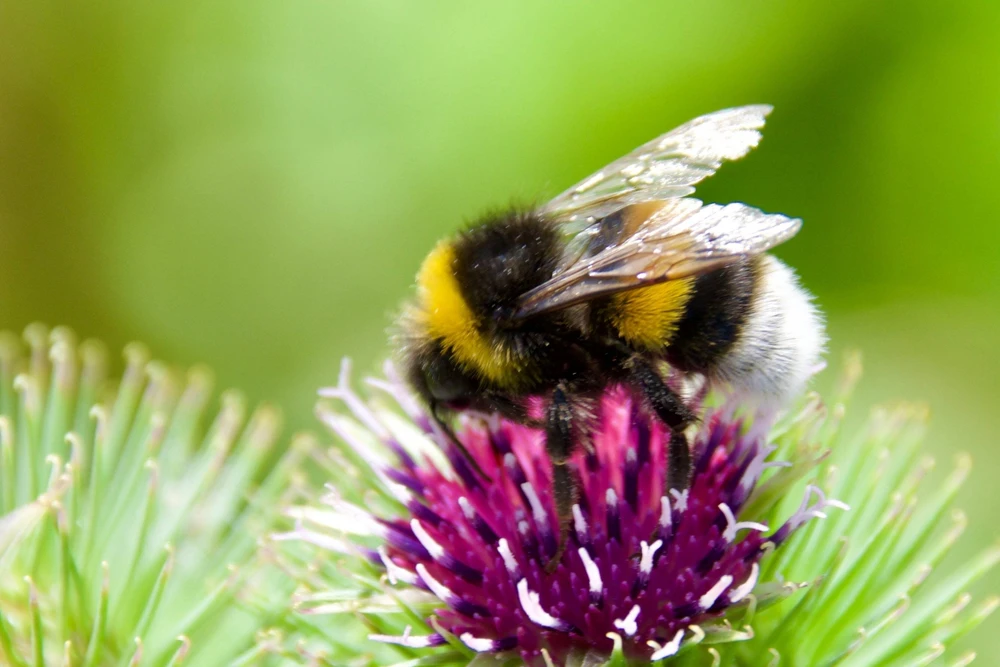
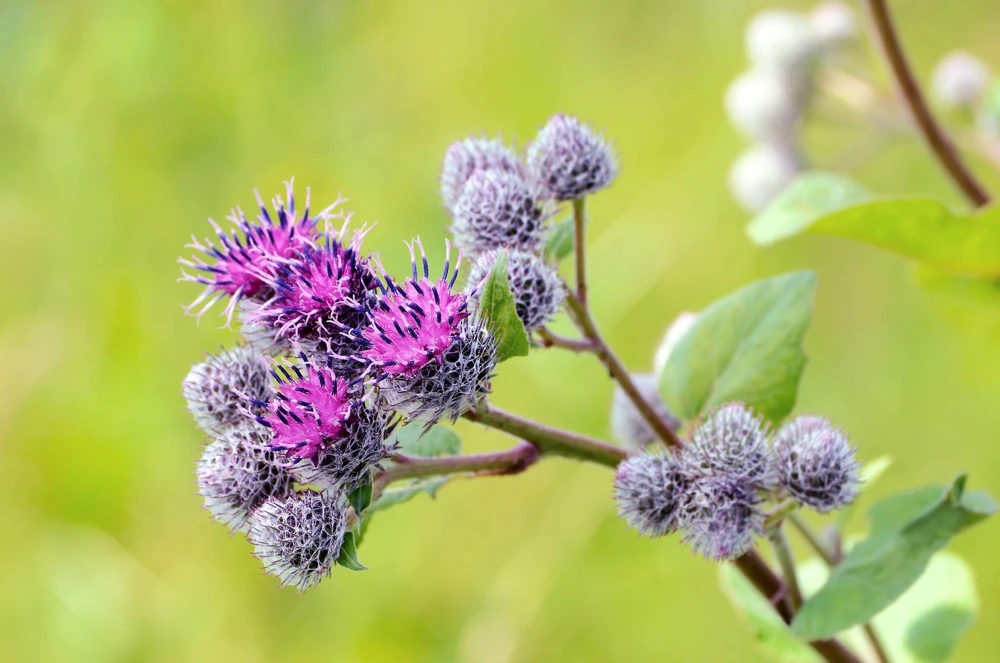
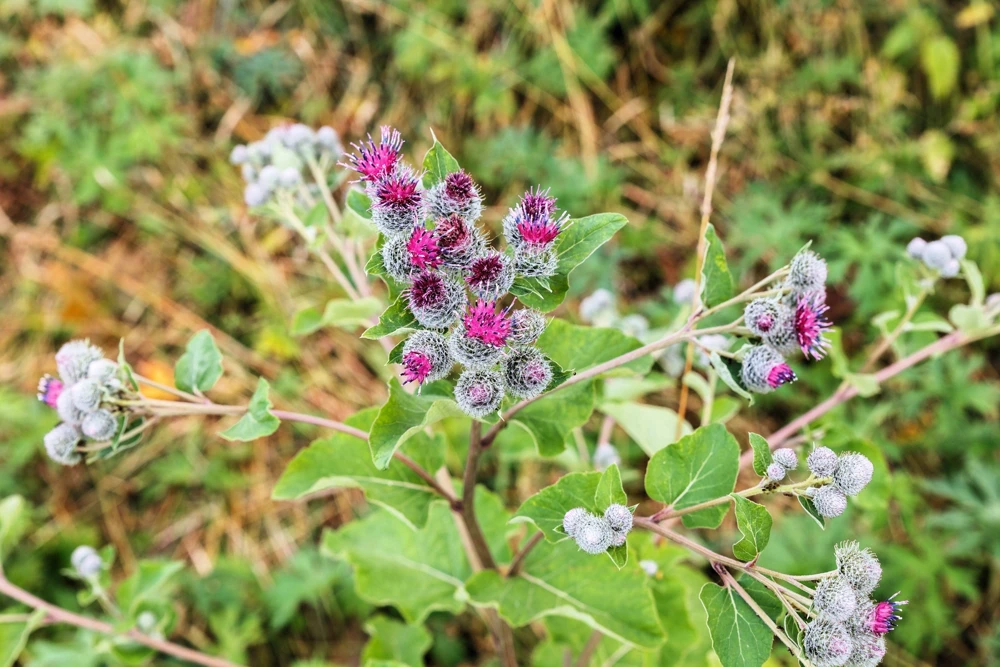
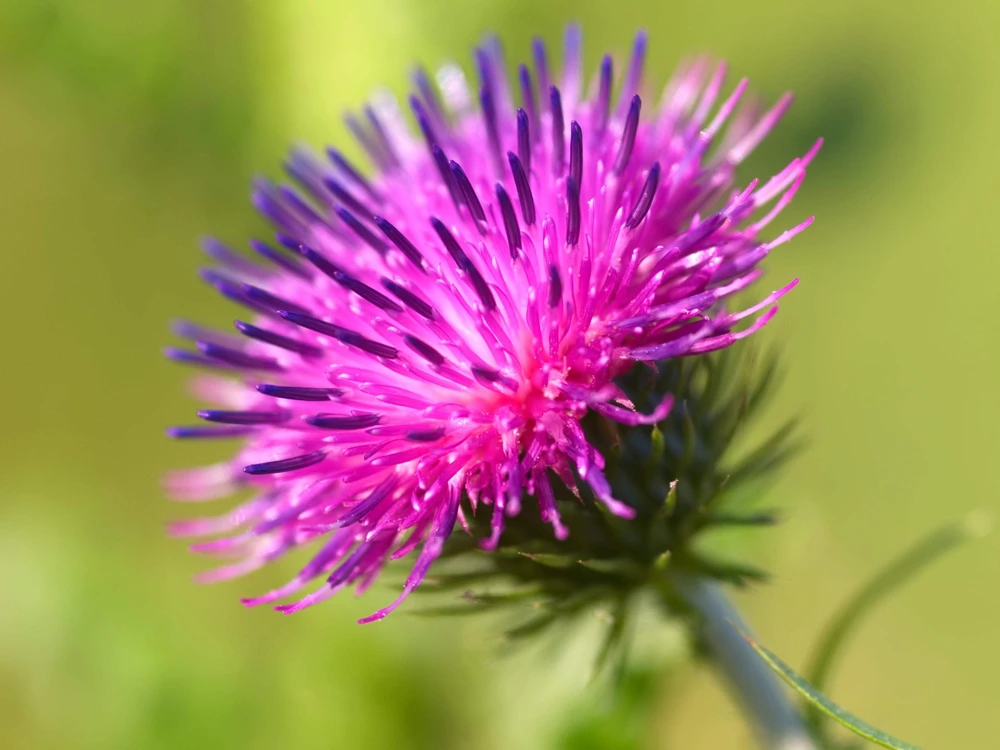
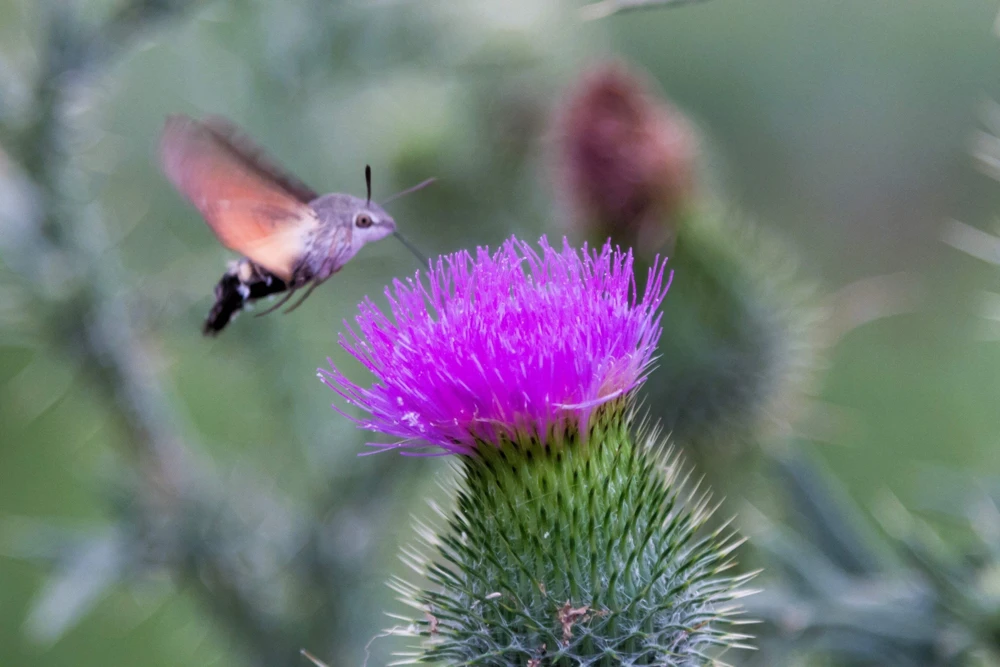
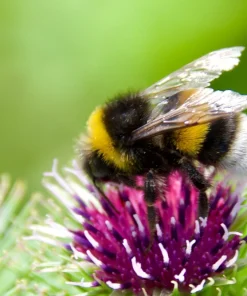
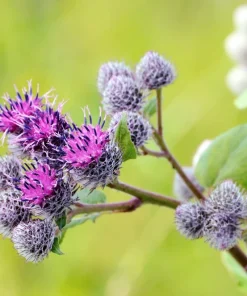
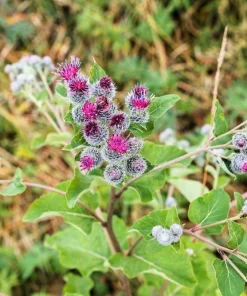
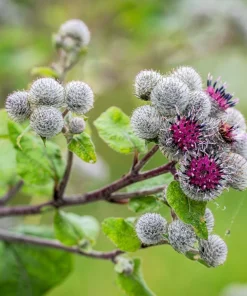
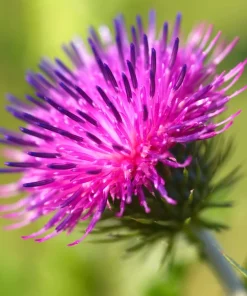
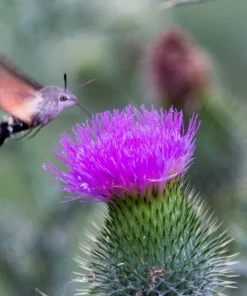
- Attracts Pollinators: While often grown for its roots, Burdock produces purple thistle-like flowers in its second year that attract bees and other beneficial pollinators to your garden, contributing to a healthy ecosystem.
- Low Maintenance & Hardy: Once established, Burdock is a resilient plant that requires minimal care. It tolerates a range of soil conditions and is generally pest and disease resistant, making it an easy-to-grow option for gardeners.
- Self-Seeding Potential: If allowed to go to seed, Burdock can self-sow, providing a continuous supply of plants for future seasons. This natural propagation ensures you can enjoy the benefits of Burdock Arctium Lappa seeds year after year.
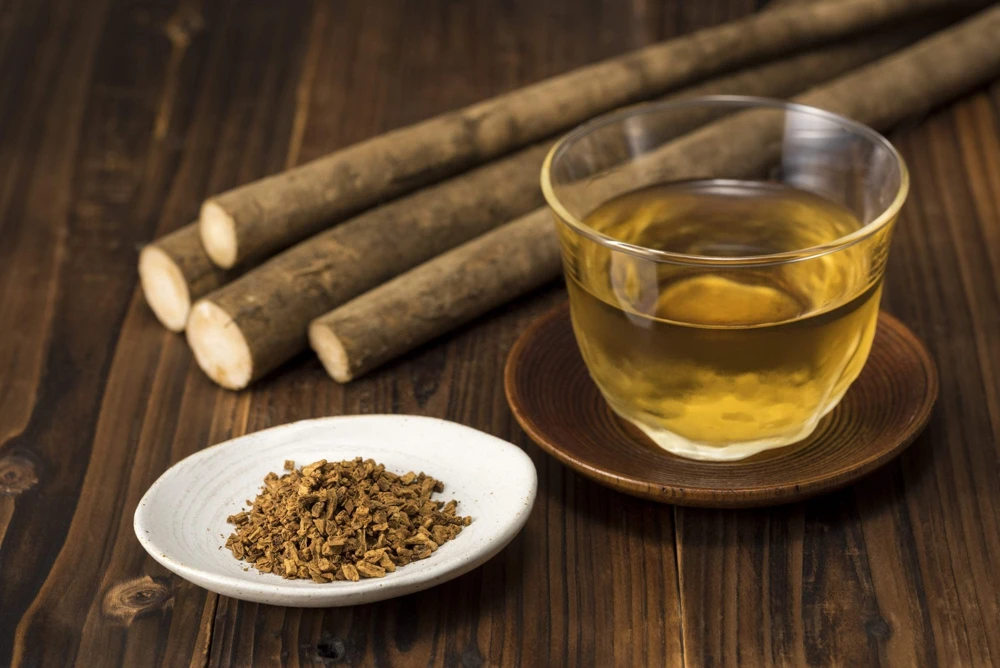
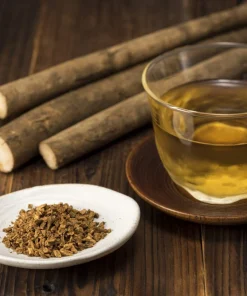
- Versatile Culinary Ingredient: Beyond basic cooking, edible Burdock root can be pickled, dried, or even made into a tea. Its unique flavor profile adds depth to various dishes, encouraging culinary experimentation.
Plant Care & Growing Tips
To successfully grow Burdock Arctium Lappa seeds, understanding its specific care requirements will ensure a thriving plant and a bountiful harvest. Burdock is a relatively undemanding plant, but providing optimal conditions will maximize its growth and the quality of its roots. It prefers a location with full sun to partial shade, meaning at least 4-6 hours of direct sunlight per day. If you live in a hotter climate, some afternoon shade can prevent scorching of the leaves. Adequate sunlight is crucial for the development of its large leaves and deep taproots.
The ideal soil for Burdock is deep, loose, fertile, and well-draining. Because the primary harvest is the root, avoid heavy, compacted, or rocky soils, which can hinder root development and lead to malformed roots. Amending the soil with compost or well-rotted manure before planting will provide essential nutrients and improve soil structure. Consistent moisture is important, especially during the germination and early growth stages. Water regularly, ensuring the soil remains evenly moist but not waterlogged. Once established, Burdock can tolerate some dry spells, but consistent watering will promote larger, more tender roots. A good rule of thumb is to water deeply when the top inch of soil feels dry to the touch.
Burdock is a biennial plant, meaning it completes its life cycle over two years. In the first year, it develops its large leaves and deep taproot. In the second year, it sends up a flower stalk, produces seeds, and then dies. You can harvest the roots at the end of the first growing season for the best flavor and tenderness. Fertilization is generally not heavily required if the soil is rich in organic matter. However, a balanced organic fertilizer can be applied once in mid-summer if growth appears slow. Keep an eye out for common garden pests, though Burdock is quite resilient. Proper spacing (about 6-12 inches between plants) will ensure good air circulation and help prevent fungal issues. Understanding how to grow Burdock seeds properly will lead to a successful and satisfying harvest.
Size & Details
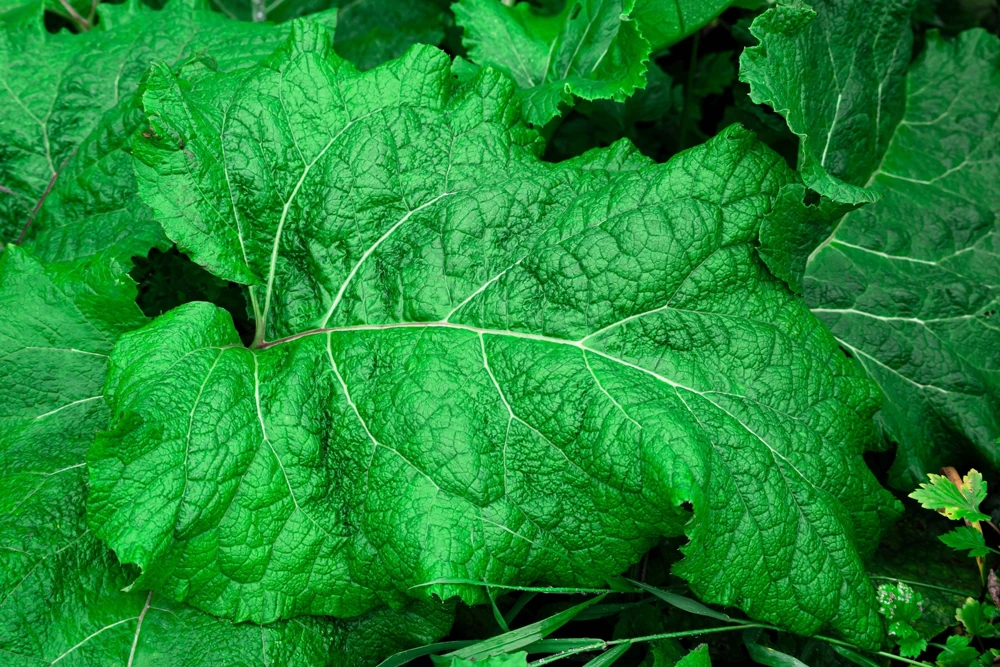
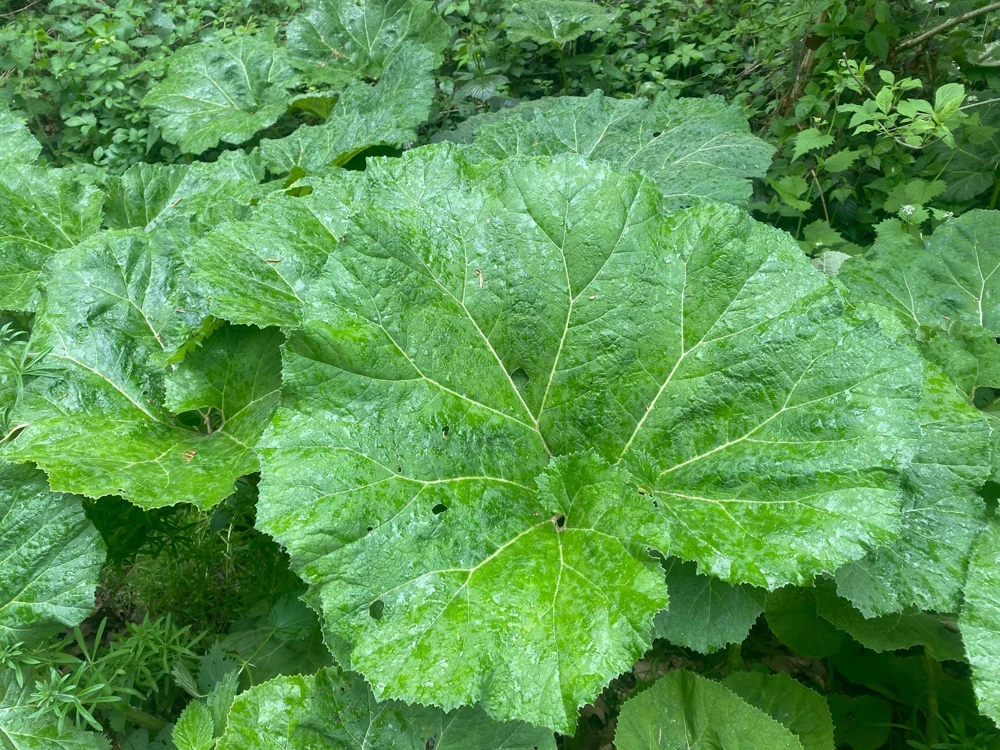
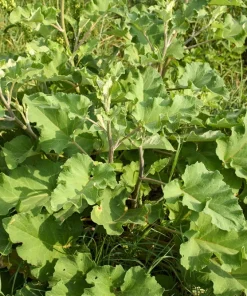
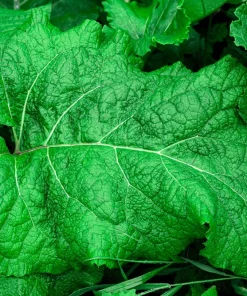
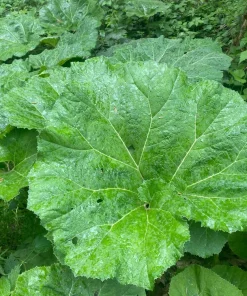
This offering includes 200 Burdock Arctium Lappa seeds, providing ample opportunity to establish a robust crop in your garden. When mature, the Burdock Arctium Lappa plant typically grows to a height of 3 to 6 feet in its second year when it flowers, with a spread of 2 to 3 feet. The first year’s growth focuses on developing a substantial taproot, which can reach depths of 1 to 2 feet, and large, heart-shaped basal leaves that can be up to 18 inches long. The seeds are small, dark, and ready for planting upon arrival. Burdock has a moderate growth rate, with roots ready for harvest towards the end of the first growing season, typically 90-120 days after planting. These seeds are packaged to ensure viability and are ready for immediate sowing to begin your journey of growing this beneficial herb.
Frequently Asked Questions
- Q: How big does this Burdock plant get? A: The Burdock Arctium Lappa plant can grow quite large, reaching 3 to 6 feet tall when it flowers in its second year. The basal leaves can be up to 18 inches long, and the taproot can extend 1 to 2 feet deep.
- Q: Is this an indoor or outdoor plant? A: Burdock is primarily an outdoor plant, thriving in garden beds where its deep taproot can grow freely. It requires ample space and sunlight to develop properly.
- Q: How much sunlight does Burdock need? A: Burdock prefers full sun to partial shade, ideally receiving at least 4-6 hours of direct sunlight per day. In very hot climates, some afternoon shade can be beneficial.
- Q: Is this plant easy to care for? A: Yes, Burdock is considered relatively easy to care for. Once established, it is quite hardy and drought-tolerant, making it suitable for gardeners of all experience levels. Learning how to grow Burdock seeds is a straightforward process.
- Q: What condition will the seeds arrive in? A: The Burdock Arctium Lappa seeds will arrive as a packet of 200 dried seeds, ready for planting. They are carefully packaged to maintain viability during transit.
- Q: Can I use edible Burdock root in cooking? A: Absolutely! The young roots are a popular culinary ingredient, especially in Asian cuisine. They can be peeled and added to stir-fries, soups, stews, or even pickled for a unique flavor.
- Q: When is the best time to plant Burdock seeds? A: The best time to plant Burdock Arctium Lappa seeds is in early spring after the last frost, or in late summer for an autumn harvest. This allows the plant to establish before extreme temperatures.
- Q: Will Burdock survive winter in my zone? A: Burdock is a biennial plant. In its first year, the root overwinters, and in its second year, it flowers and sets seed before dying. It is generally hardy in USDA zones 3-9.
- Q: What’s the minimum temperature Burdock can tolerate? A: The roots of Burdock are quite cold-hardy and can typically survive temperatures down to about -30°F (-34°C) if well-mulched, allowing it to overwinter in many temperate climates.
- Q: How long until I can harvest the roots? A: You can typically harvest the edible Burdock root at the end of the first growing season, usually around 90-120 days after planting, when the roots are most tender and flavorful.
Be the first to review “200 Burdock Arctium Lappa Herb Flower Seeds – Edible, Medicinal & Ornamental”
People Also Viewed
Reviews
There are no reviews yet.