

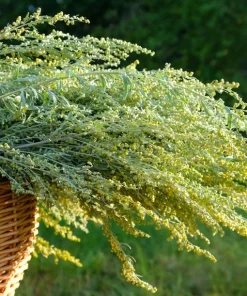
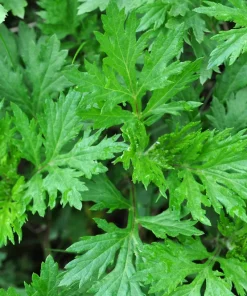
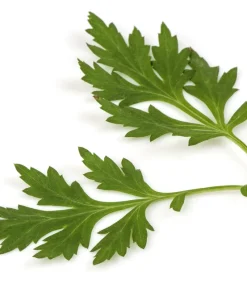
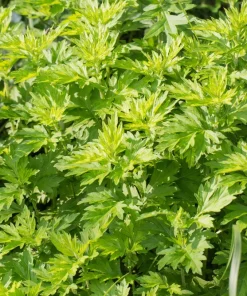
Mugwort Artemisia Vulgaris Seeds – Wild Wormwood Herb Yellow Red Flower
Original price was: $37.99.$17.99Current price is: $17.99.
Discover the versatility of mugwort Artemisia Vulgaris seeds, perfect for cultivating the esteemed wild wormwood herb in your garden. These easy-to-grow seeds yield resilient plants known for their aromatic foliage and traditional uses. Ideal for gardeners seeking unique herbal additions.
Estimated arrival
Sep 17
Sep 22 - Sep 24
Sep 27 - Oct 01
Shop With Confidence
30-Day Plant Health Guarantee
Arrives damaged? We’ll replace it free — see our return policy.
Responsive Support
Email us anytime, we reply within 1 business day.
Expert Packaging
Temperature-controlled shipping to protect your plants in transit.
Secure Checkout
Pay safely with Visa, Mastercard, PayPal.
Plant Specifications
-
USDA Hardiness Zone
USDA zones 3-9 -
Soil Type
Well-draining soil -
Sunlight Exposure
Full sun to partial shade -
Expected Planting Period
Spring to early summer
Overview
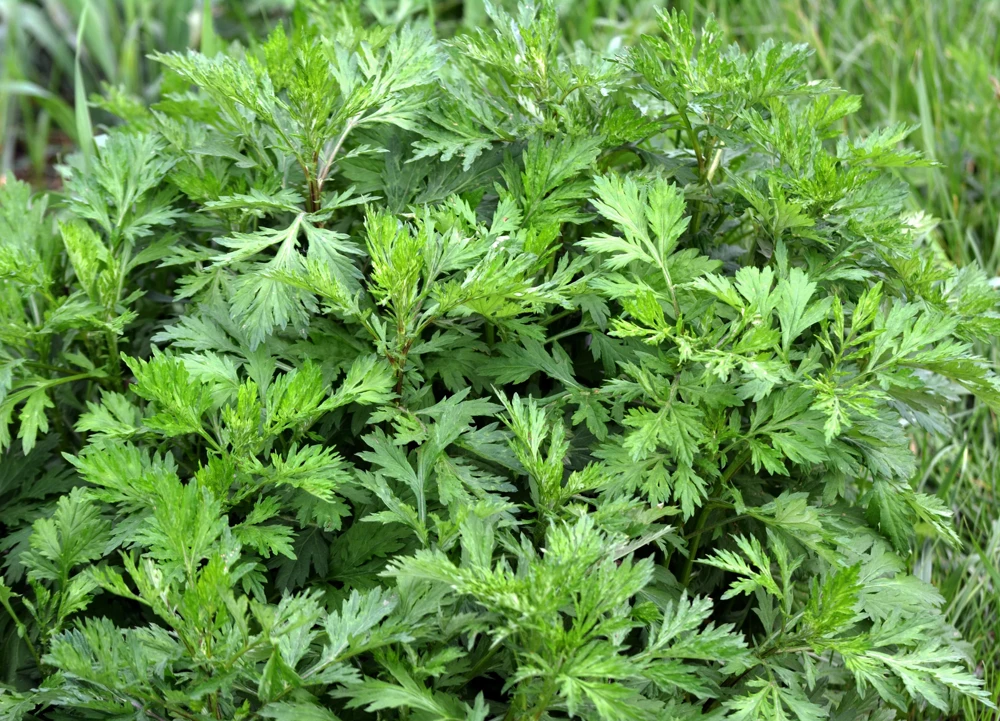
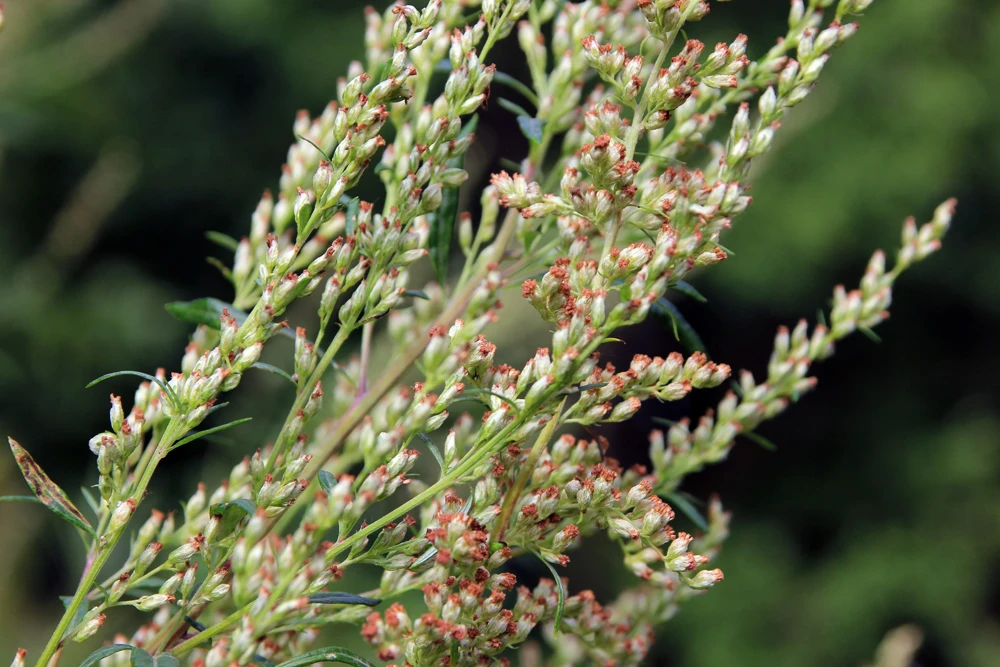
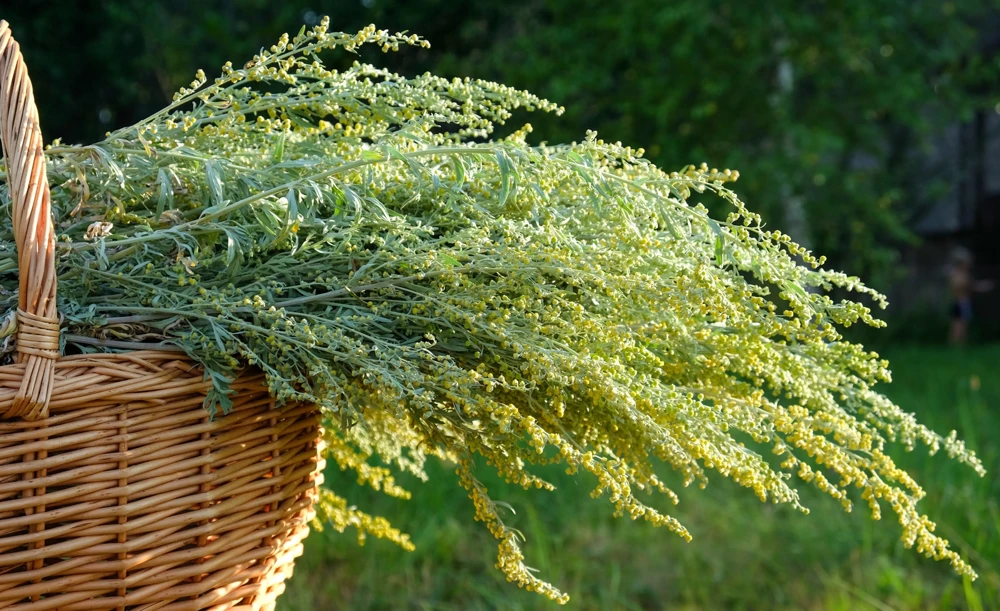
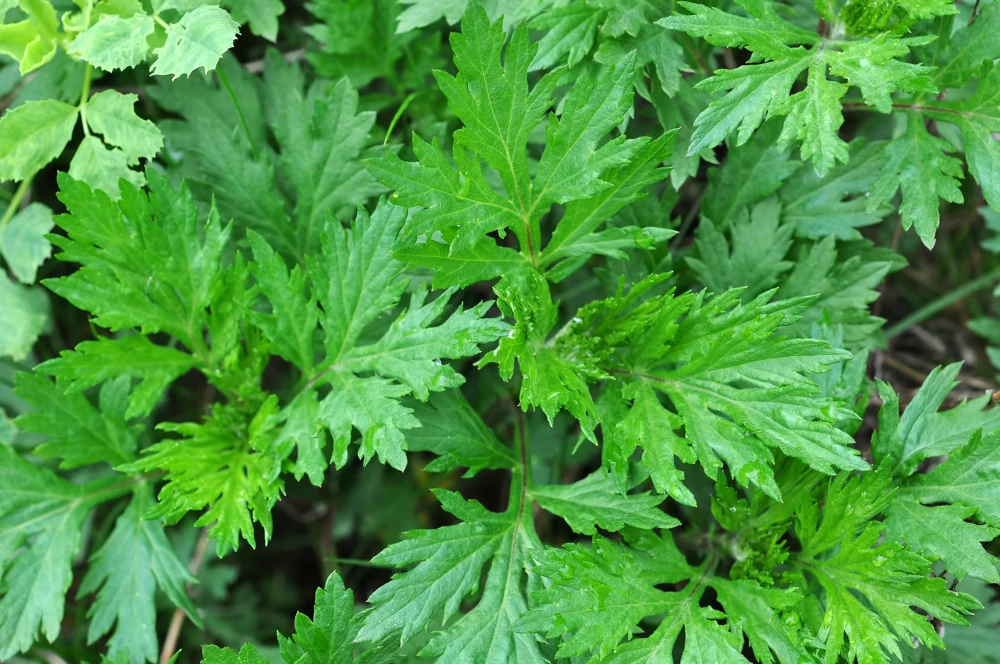
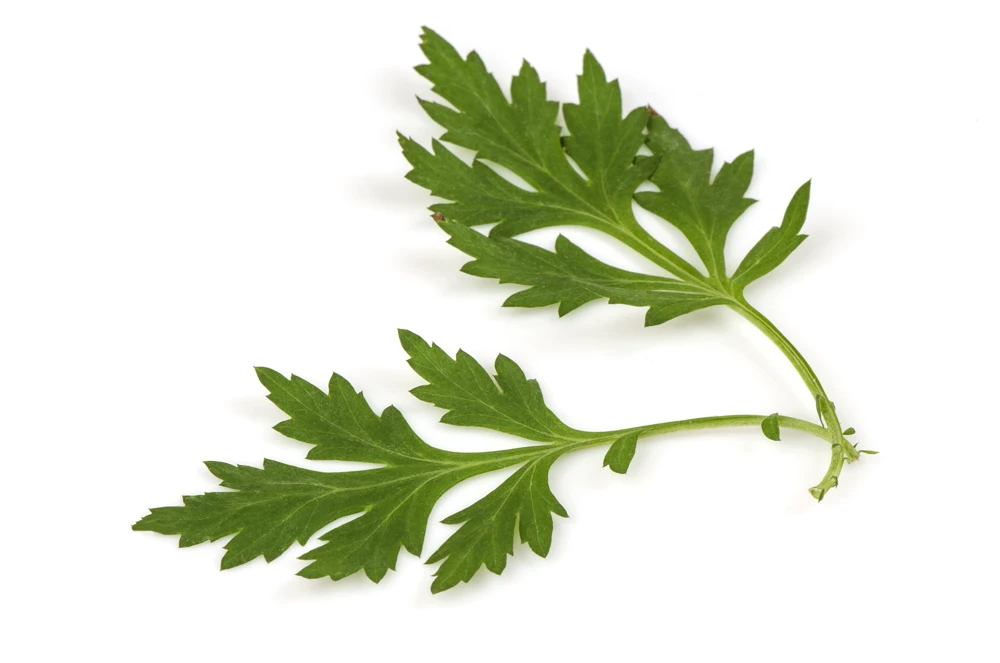
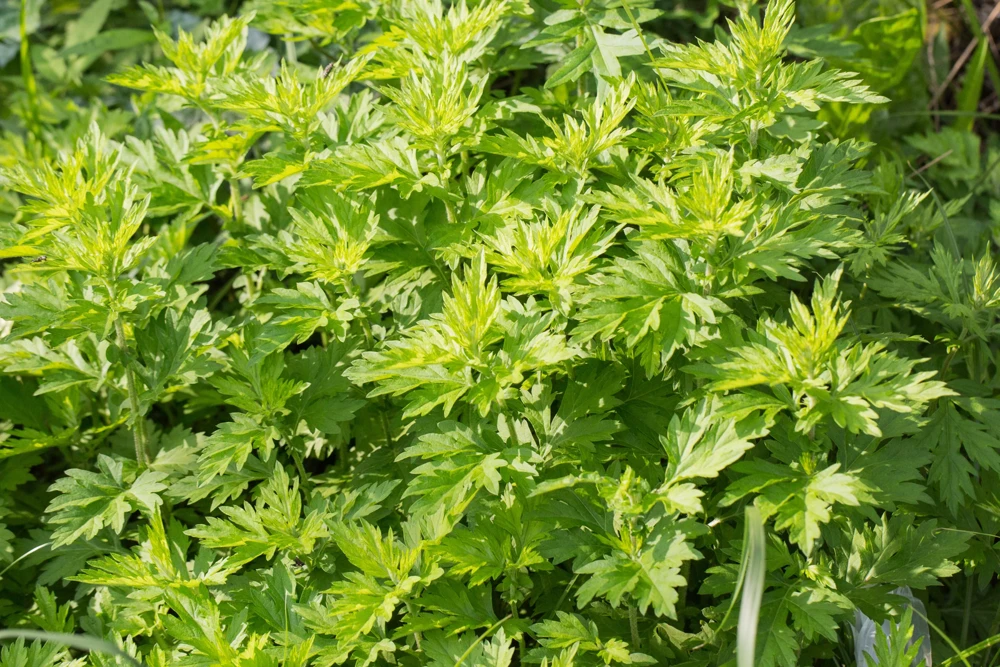
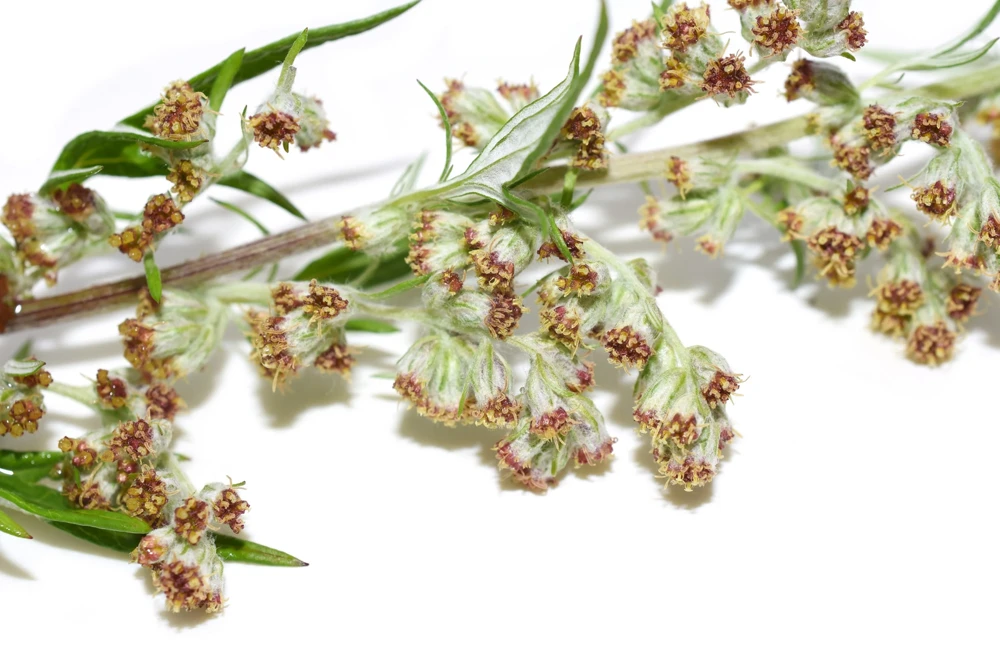
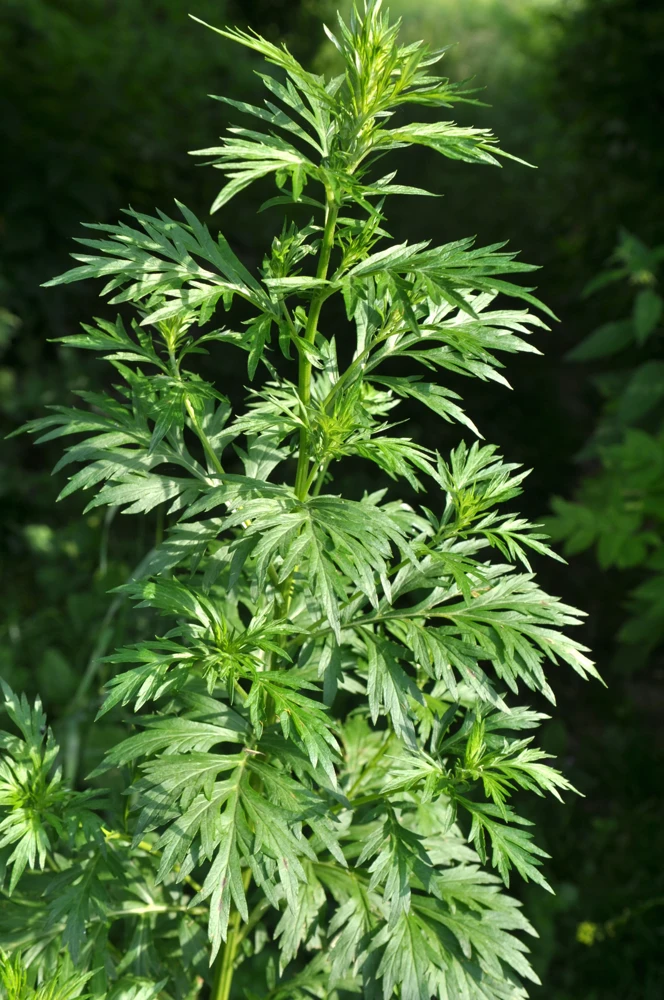
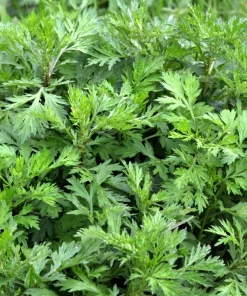
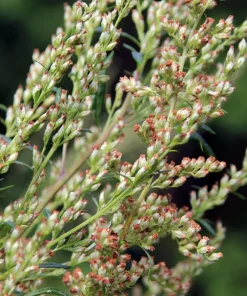
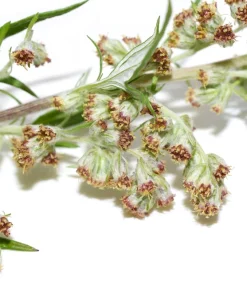
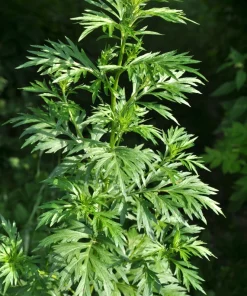
Embark on a rewarding gardening journey with mugwort Artemisia Vulgaris seeds. This offering provides high-quality seeds for cultivating wild wormwood herb, a plant celebrated for its distinctive aromatic foliage and historical significance. Known scientifically as Artemisia Vulgaris, mugwort is a hardy perennial herb that can thrive in various conditions, making it an excellent choice for both novice and experienced gardeners. These seeds will grow into robust plants featuring deeply lobed, silvery-green leaves and subtle, often yellow or reddish-tinged flowers. Whether you’re looking to enhance your herbal collection, explore traditional uses, or simply add a resilient and interesting plant to your landscape, growing Artemisia Vulgaris plant from seed offers a fulfilling experience. Its natural beauty and ease of care make it a delightful addition to any garden space.
The common name, mugwort, hints at its long history of use in various cultures, often associated with culinary and traditional practices. Our mugwort Artemisia Vulgaris seeds ensure you start with a strong foundation, promising vigorous growth and healthy plants. Prepare to enjoy the unique presence of this fascinating herb in your garden, a testament to nature’s enduring adaptability and charm.
Key Benefits
Cultivating mugwort Artemisia Vulgaris seeds offers a multitude of advantages for your garden and well-being. This resilient herb provides both aesthetic appeal and practical uses, making it a valuable addition to any green space. Experience the satisfaction of growing your own:
- Unique Aromatic Foliage: The deeply lobed, silvery-green leaves of mugwort release a distinct, earthy aroma, adding a sensory dimension to your garden. This characteristic scent makes the wild wormwood herb a pleasant plant to have around.
- Hardy and Resilient Growth: Mugwort is known for its ability to adapt to various soil types and environmental conditions, making it a low-maintenance plant once established. This hardiness ensures a successful growing experience for your Artemisia Vulgaris plant.
- Attracts Beneficial Insects: The subtle flowers of mugwort can attract pollinators and other beneficial insects to your garden, contributing to a healthy ecosystem. Growing mugwort Artemisia Vulgaris seeds supports local biodiversity.
- Traditional & Herbal Uses: Historically, mugwort has been valued for various traditional applications. While not making any medical claims, many gardeners enjoy having this herb for its historical context and potential for personal exploration.
- Erosion Control & Ground Cover: Due to its robust growth habit, mugwort can be an effective plant for stabilizing soil and acting as a natural ground cover in areas where other plants might struggle.
- Adds Texture to Garden Beds: The unique leaf shape and growth pattern of mugwort provide an interesting textural contrast when planted alongside other garden flora.
- Easy to Grow from Seed: These mugwort Artemisia Vulgaris seeds are straightforward to germinate and cultivate, offering a rewarding experience for gardeners of all skill levels who wish to grow mugwort from seed.
Plant Care & Growing Tips
Successfully growing mugwort Artemisia Vulgaris seeds requires understanding its basic needs, ensuring a thriving wild wormwood herb plant. Mugwort is a relatively undemanding herb, which contributes to its popularity among gardeners. To begin, sow the seeds directly into well-prepared soil after the last frost, or start them indoors 6-8 weeks before the expected last frost date. Lightly cover the seeds with soil, as they require some light for germination. Keep the soil consistently moist but not waterlogged during the germination period, which typically takes 10-14 days.
Once established, the Artemisia Vulgaris plant prefers full sun to partial shade, meaning at least 6 hours of direct sunlight per day for optimal growth, though it can tolerate some afternoon shade in hotter climates. It thrives in well-draining soil, ranging from sandy to loamy, and can even tolerate poor soil conditions. Avoid overly rich soil, as this can lead to excessive growth. Water regularly during dry spells, especially when the plant is young, but allow the soil to dry out between waterings once mature, as mugwort is quite drought-tolerant. Fertilization is generally not necessary, as this herb performs well in lean conditions. If desired, a light application of a balanced organic fertilizer in spring can be beneficial. Mugwort is hardy in USDA zones 3-9, tolerating a wide range of temperatures. Pruning can be done to manage its size and shape, especially if you wish to prevent it from spreading vigorously. Keep an eye out for common garden pests, though mugwort is generally resistant due to its strong aroma. Understanding these tips will help you grow mugwort from seed successfully.
Size & Details
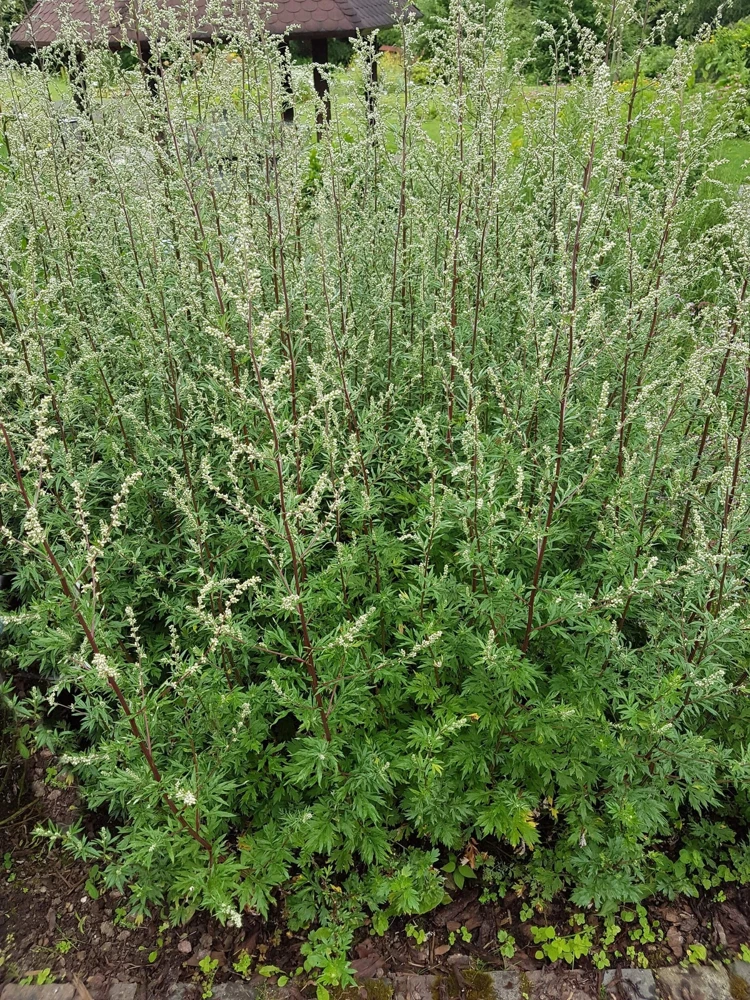
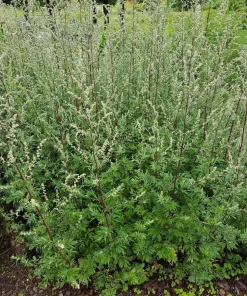
These mugwort Artemisia Vulgaris seeds will mature into robust plants that typically reach a height of 2 to 4 feet (60-120 cm) and spread equally wide, forming dense clumps if allowed. The plant’s growth rate is moderate to fast, especially in favorable conditions. When you grow mugwort from seed, you can expect germination within 1-2 weeks, with established plants showing significant growth by mid-summer. The subtle yellow or reddish flowers usually appear in late summer to early autumn. The seeds are provided in a packet suitable for home gardening, containing enough to start a generous patch of this versatile herb. Mugwort is often cultivated for its foliage, which provides a unique textural element to garden designs, and its ability to establish quickly, making it a good choice for naturalized areas or borders where a resilient plant is desired. The plants are shipped as seeds, ready for you to begin your cultivation journey.
Frequently Asked Questions
- Q: How big does this plant get? A: The Artemisia Vulgaris plant typically grows to a height of 2 to 4 feet (60-120 cm) with a similar spread, forming a bushy, upright habit. Its size can be managed with regular pruning.
- Q: Is this an indoor or outdoor plant? A: Mugwort is primarily an outdoor plant, thriving in garden beds, borders, or naturalized areas. While it can be grown in containers, it generally prefers the space of an outdoor environment to reach its full potential.
- Q: How much sunlight does it need? A: For optimal growth, the wild wormwood herb prefers full sun, meaning at least 6 hours of direct sunlight daily. It can tolerate partial shade, especially in hotter climates, but may produce less dense foliage.
- Q: Is this plant easy to care for? A: Yes, mugwort is considered a low-maintenance and easy-to-care-for plant, making it suitable for beginners. It is quite hardy and adaptable once established, requiring minimal intervention.
- Q: What condition will the mugwort Artemisia Vulgaris seeds arrive in? A: Your mugwort Artemisia Vulgaris seeds will arrive as a packet of high-quality, viable seeds, carefully packaged to ensure their integrity and readiness for planting.
- Q: When is the best time to plant these seeds? A: The best time to plant mugwort Artemisia Vulgaris seeds outdoors is after the last danger of frost in spring. For an earlier start, you can sow them indoors 6-8 weeks before the last expected frost.
- Q: Will it survive winter in my zone? A: Mugwort is very cold-hardy and typically survives winter in USDA Zones 3-9. It is a perennial plant that will return year after year in these zones, even after harsh winters.
- Q: What are the primary uses for mugwort? A: The mugwort Artemisia Vulgaris plant is often grown for its aromatic foliage, its historical use in traditional practices, and its ability to attract beneficial insects. Many gardeners appreciate its unique qualities for herbal and ornamental purposes.
- Q: How do I grow mugwort from seed? A: To grow mugwort from seed, sow them lightly on the soil surface, as they need light to germinate. Keep the soil consistently moist until seedlings emerge, then thin to appropriate spacing.
- Q: What kind of soil does mugwort prefer? A: Mugwort is adaptable but thrives best in well-draining soil, including sandy or loamy types. It can tolerate poorer soils and does not require rich, heavily fertilized conditions.
Be the first to review “Mugwort Artemisia Vulgaris Seeds – Wild Wormwood Herb Yellow Red Flower”
People Also Viewed
Vegetable Seeds
Mini Napa Cabbage Seeds – 50 Seeds – Compact Chinese Cabbage for Containers & Gardens
Reviews
There are no reviews yet.