
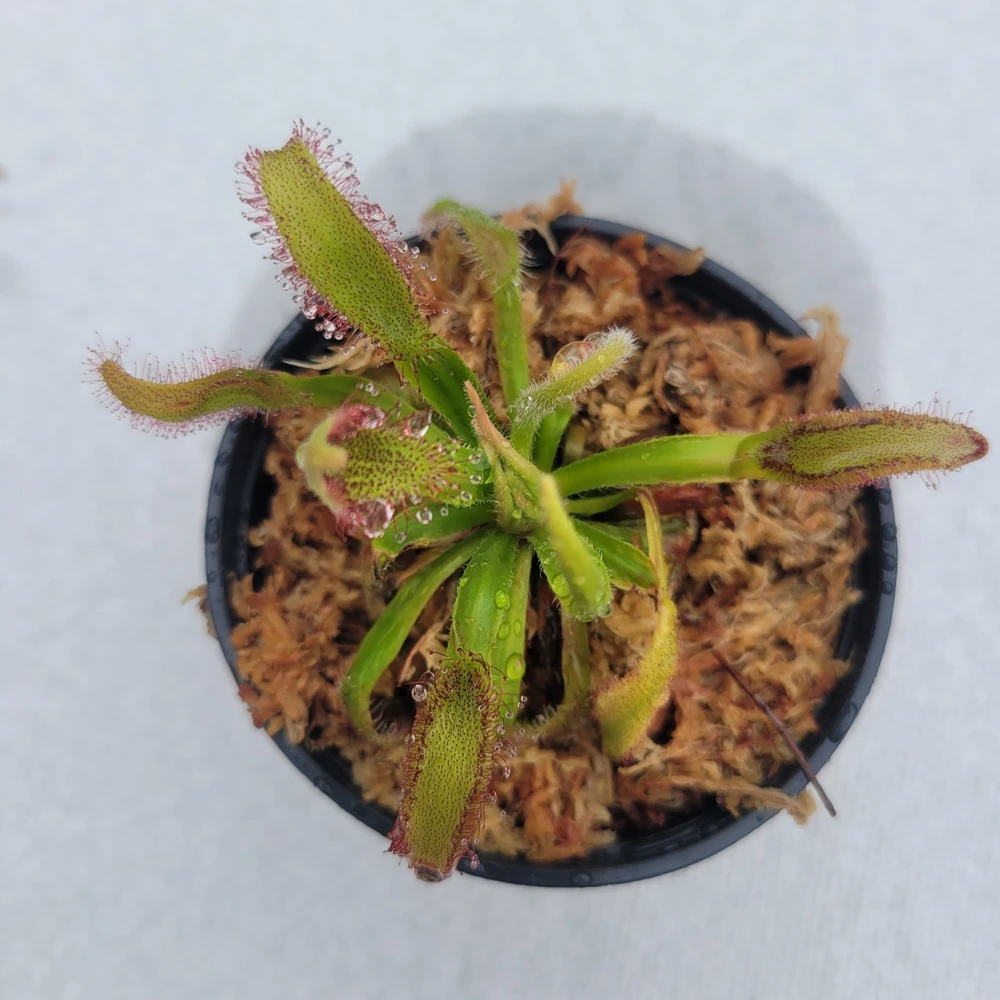
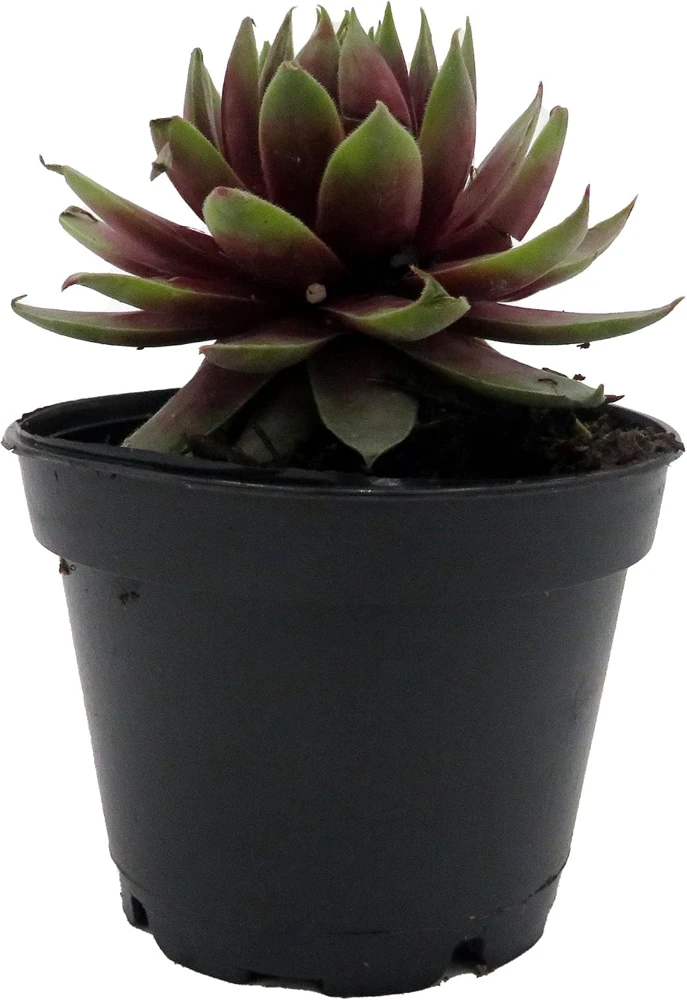
Carnivorous Sundew Drosera Hercules Live Plant – 3 inch Pot – Indoor/Outdoor
Original price was: $41.98.$29.99Current price is: $29.99.
Bring home a unique and captivating carnivorous sundew plant, the Drosera Hercules. This live plant, provided in a 3 inch pot, is perfect for both indoor and outdoor environments, offering natural insect control and an exotic touch to any collection. Known for its sticky, dew-covered tentacles, it’s a fascinating addition for enthusiasts and beginners alike.
Estimated arrival
Oct 25
Oct 30 - Nov 01
Nov 04 - Nov 08
Shop With Confidence
30-Day Plant Health Guarantee
Arrives damaged? We’ll replace it free — see our return policy.
Responsive Support
Email us anytime, we reply within 1 business day.
Expert Packaging
Temperature-controlled shipping to protect your plants in transit.
Secure Checkout
Pay safely with Visa, Mastercard, PayPal.
Plant Specifications
-
USDA Hardiness Zone
10 -
Soil Type
Peat moss & perlite mix -
Sunlight Exposure
Full sun -
Expected Planting Period
Year-round indoors
Overview
Introduce an extraordinary botanical specimen to your home or garden with the carnivorous sundew plant, specifically the captivating Drosera Hercules. This unique live plant, often sought after by plant collectors and those interested in natural pest control, is known for its beautiful, dew-tipped tentacles that glisten in the sunlight, attracting and trapping small insects. The Drosera Hercules is a hybrid of Drosera adelae and Drosera schizandra, resulting in a vigorous and visually striking plant. Its common name, Sundew, refers to the mucilage droplets on its leaves, which resemble morning dew. This particular offering is a healthy, established specimen, ready to thrive in its new environment. Whether you’re a seasoned carnivorous plant enthusiast or new to the world of insect-eating flora, the Drosera Hercules care is relatively straightforward, making it an accessible and rewarding choice.
The allure of the carnivorous sundew plant lies not only in its predatory nature but also in its delicate beauty. Each leaf is covered in glandular tentacles that produce a sticky, sweet-smelling mucilage, irresistible to gnats, fruit flies, and other small flying insects. As an insect lands on the leaf, it becomes ensnared, and the plant slowly curls its tentacles or even the entire leaf to maximize contact and digestion. This natural process provides essential nutrients to the plant, allowing it to flourish. This live plant arrives in a convenient 3-inch pot, making it easy to integrate into your existing plant collection or terrarium setup. It’s a fantastic educational tool for children and a mesmerizing display for adults, showcasing the wonders of the plant kingdom.
Key Benefits
The carnivorous sundew plant offers a range of unique benefits that extend beyond its striking appearance, making it a valuable addition to any plant enthusiast’s collection.
- Natural Insect Control: The primary benefit of the Drosera Hercules is its effectiveness in trapping and consuming small insects like gnats, fruit flies, and mosquitoes. This provides a natural, chemical-free method of pest management in your home or garden.
- Exotic Aesthetic Appeal: With its glistening, dew-covered leaves, the sundew plant adds a unique and exotic touch to any indoor space, terrarium, or bog garden. Its vibrant colors and intricate structure are a constant source of fascination.
- Educational Value: Observing the sundew’s carnivorous habits offers an incredible learning experience for all ages, demonstrating the fascinating adaptations found in the plant world. It’s a living science lesson.
- Low Maintenance for Carnivorous Plants: Compared to some other carnivorous species, the Drosera Hercules care requirements are relatively simple, making it a good choice for beginners interested in these unique plants.
- Versatile Growing Options: This sundew is suitable for both indoor cultivation, where it can act as a natural fly trap, and outdoor bog gardens in appropriate climates, offering flexibility in placement.
- Conversation Starter: Its unusual appearance and insect-eating habits are sure to spark curiosity and conversation among guests, making it a standout feature in your plant collection.
Plant Care & Growing Tips
Proper care is essential for your carnivorous sundew plant to thrive and display its captivating sticky traps. The Drosera Hercules, like many sundews, prefers specific conditions to mimic its natural boggy habitat. Understanding these needs will ensure a healthy and vibrant plant. For optimal growth, provide ample bright light, consistent moisture, and the right type of water. This sundew plant indoor or outdoor requires careful attention to its environment.
Sunlight Requirements
The Drosera Hercules thrives in bright light. For indoor cultivation, place your carnivorous sundew plant in a location where it receives full sun for at least 6 hours a day. An east-facing window is ideal, providing morning sun without excessive heat. If natural light is insufficient, consider using a grow light for 12-14 hours daily. When grown outdoors, ensure it gets full sun exposure. Good light intensity is crucial for the plant to develop its vibrant red coloration and produce abundant dew. Insufficient light will result in pale, leggy growth and minimal dew production.
Watering & Soil Moisture
Consistent moisture is paramount for the Drosera Hercules. These plants are native to boggy environments and should never be allowed to dry out. The best method for watering is the tray method: place the pot in a tray filled with 1-2 inches of distilled water, rainwater, or reverse osmosis water. Tap water is generally unsuitable due to its mineral content, which can harm carnivorous plants over time. Allow the tray to dry out briefly before refilling. The soil should always remain damp. Heavy watering is preferred to flush out any accumulated minerals. The soil pH should be acidic.
Soil Type & Drainage
The correct soil medium is critical for the health of your carnivorous sundew plant. A mix of peat moss and perlite or horticultural sand (in a 1:1 or 2:1 ratio) is ideal. Do not use standard potting soil, which contains fertilizers and minerals that are toxic to sundews. The soil should be well-draining yet retain moisture. Avoid any soil mixes that contain added nutrients or slow-release fertilizers. The bare-root plant form will require you to provide this specific soil type upon arrival.
Temperature & USDA Hardiness Zone
The Drosera Hercules is a tropical to sub-tropical plant, thriving in warm and humid conditions. It is best suited for USDA Hardiness Zones 10. Indoors, maintain temperatures between 65-85°F (18-29°C). While it can tolerate brief dips, consistently cold temperatures can be detrimental. Humidity is also beneficial; consider placing the plant on a pebble tray with water or using a humidifier, especially in dry indoor environments. Ensure good air circulation to prevent fungal issues.
Fertilization & Common Problems
Do not fertilize your carnivorous sundew plant through the soil. These plants obtain their nutrients from the insects they catch. Fertilizing can lead to root burn and death. If the plant is not catching enough insects, you can occasionally feed it small, flightless insects or a very diluted foliar spray specifically designed for carnivorous plants. Common problems include lack of dew due to insufficient light or improper water, and fungal issues if air circulation is poor or humidity is too high without adequate ventilation. If you are looking to buy carnivorous plant species, understanding these unique needs is key to success.
Size & Details
The carnivorous sundew plant, Drosera Hercules, is provided as a live plant in a 3 inch pot, offering a perfect starting size for enthusiasts. This species typically grows to a moderate size, with leaves reaching several inches in length, forming an attractive rosette. When mature, it can create a striking display of glistening, insect-trapping tentacles. The plant form is bare root, meaning it will arrive without soil in its pot, ready for you to plant it in your preferred carnivorous plant mix.
The Drosera Hercules exhibits vigorous growth under optimal conditions, quickly producing new leaves and expanding its footprint. While exact dimensions vary, expect a healthy plant that will fill its 3-inch pot and continue to grow. With proper Drosera Hercules care, you can expect this plant to thrive and potentially produce small, delicate flowers, though the primary appeal remains its carnivorous foliage. It’s a relatively fast grower for a sundew, offering quick gratification to its owner. This plant is a fantastic choice if you want to buy carnivorous plant that is both beautiful and functional.
Frequently Asked Questions
- Q: How big does this plant get? A: The carnivorous sundew plant, Drosera Hercules, typically grows to a moderate size, with rosettes of leaves often reaching several inches in diameter. It’s a vigorous grower and will fill its 3-inch pot quickly, continuing to expand with proper care.
- Q: What size pot does it come in? A: This Drosera Hercules is supplied as a live plant in a 3 inch pot, making it a convenient size for immediate placement or repotting into a larger carnivorous plant setup.
- Q: Is this an indoor or outdoor plant? A: The Drosera Hercules is versatile and can be grown both indoors and outdoors. It thrives as a sundew plant indoor in bright windows or under grow lights, and outdoors in bog gardens within its appropriate USDA hardiness zone.
- Q: How much sunlight does it need? A: This plant requires full sun, ideally 6+ hours daily. Indoors, an east-facing window or a strong grow light is recommended. Outdoors, choose a sunny spot to encourage vibrant coloration and dew production.
- Q: Is this plant easy to care for? A: Compared to some other carnivorous plants, the Drosera Hercules care is considered relatively easy, making it suitable for beginners. The main requirements are distilled water, proper soil, and ample sunlight.
- Q: What condition will it arrive in? A: Your Drosera Hercules will arrive as a live, healthy plant in bare root form within its 3-inch pot, ready for you to plant in the correct carnivorous plant soil mix.
- Q: Will it survive winter in my zone? A: This tropical/sub-tropical sundew is hardy in USDA Zone 10. In colder zones, it must be brought indoors during winter to protect it from freezing temperatures.
- Q: What type of water should I use? A: Always use distilled water, rainwater, or reverse osmosis water. Tap water contains minerals that can harm and eventually kill carnivorous plants.
- Q: Does this plant need to catch insects to survive? A: While the Drosera Hercules gets essential nutrients from insects, it can survive without them if light and water conditions are optimal. However, it will grow more vigorously and be healthier with a regular insect diet.
- Q: Should I fertilize my sundew? A: No, never fertilize the soil of a carnivorous sundew plant. They are highly sensitive to nutrients. They obtain all necessary nutrients from the insects they consume.
Be the first to review “Carnivorous Sundew Drosera Hercules Live Plant – 3 inch Pot – Indoor/Outdoor”
People Also Viewed
Flower Seeds
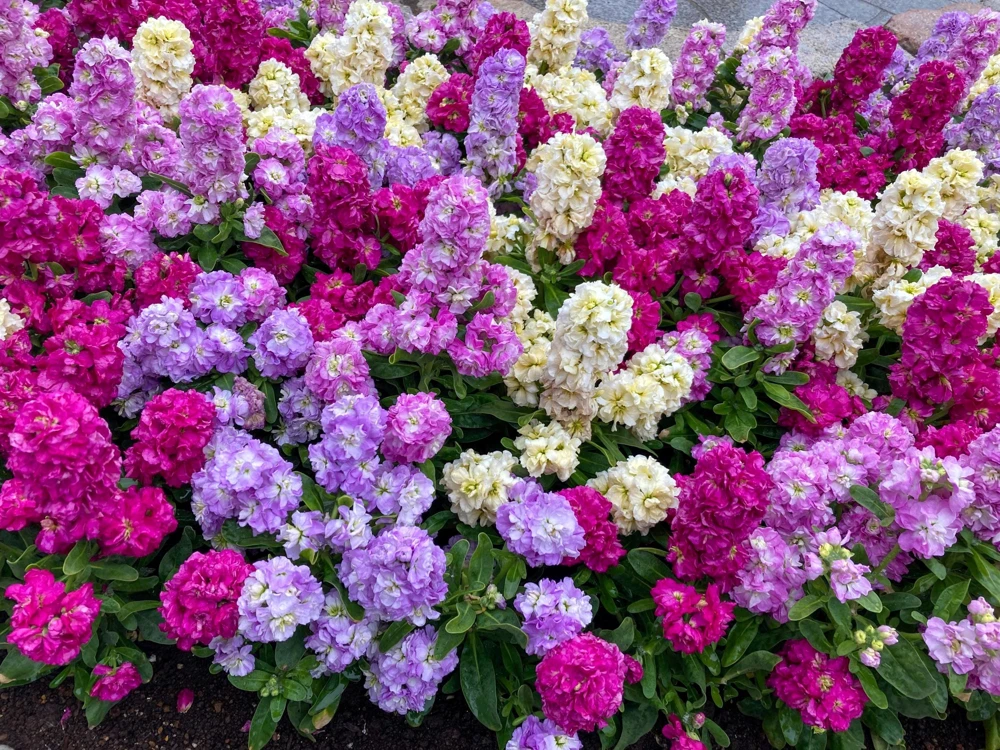
Mixed Colors Ten-Week Stock Seeds – 50 Gillyflower Matthiola Incana Seeds, Fragrant Cut Flowers

Shrubs
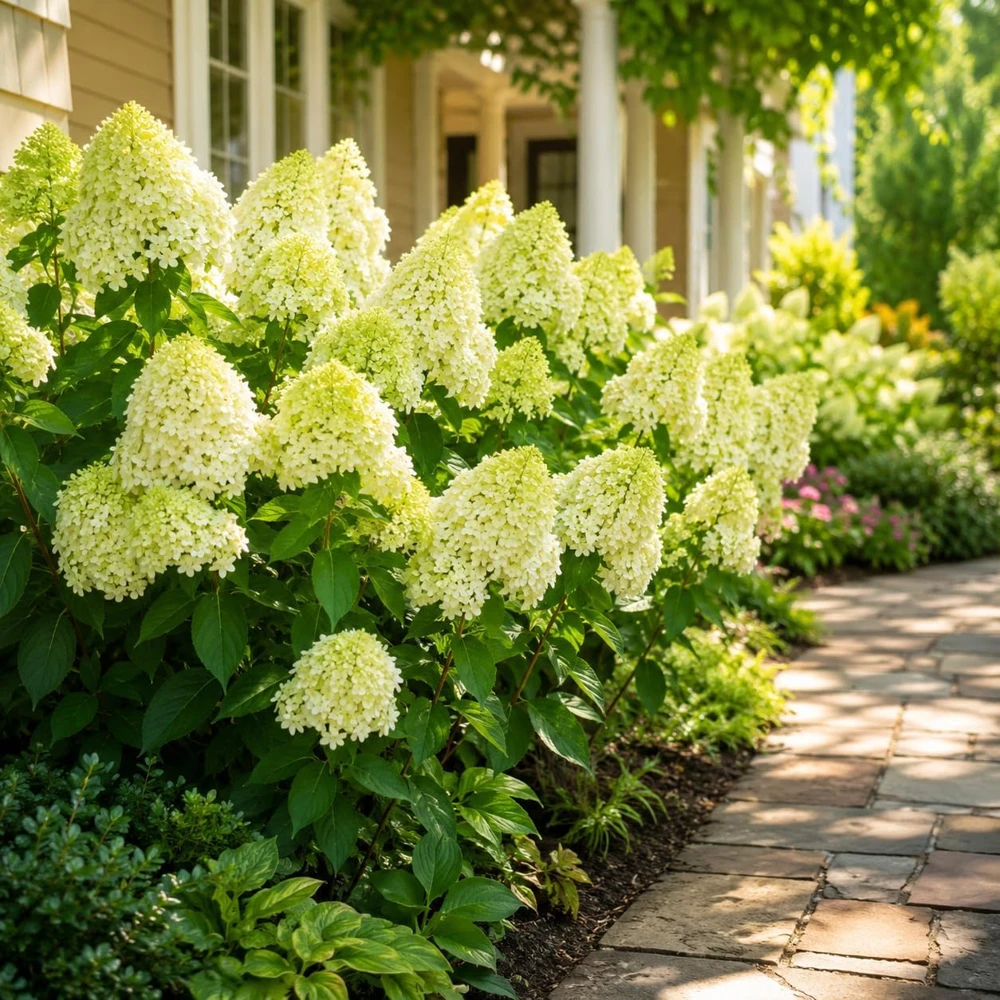
Set of 2 Limelight Hydrangea Live Plants, 5-10 Inch Tall, 2.5 Inch Pot, Outdoor Flowering Shrub
Succulents
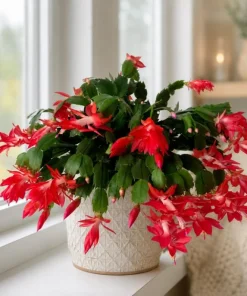
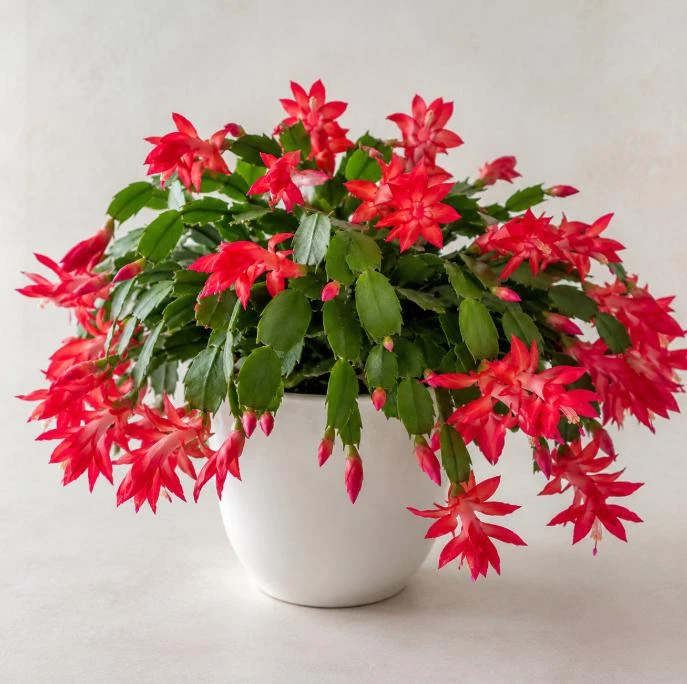
Red Christmas Cactus Live Plant 4-6 Inch Tall, Holiday Cactus Houseplant, 2 Plants Per Pot
Shrubs
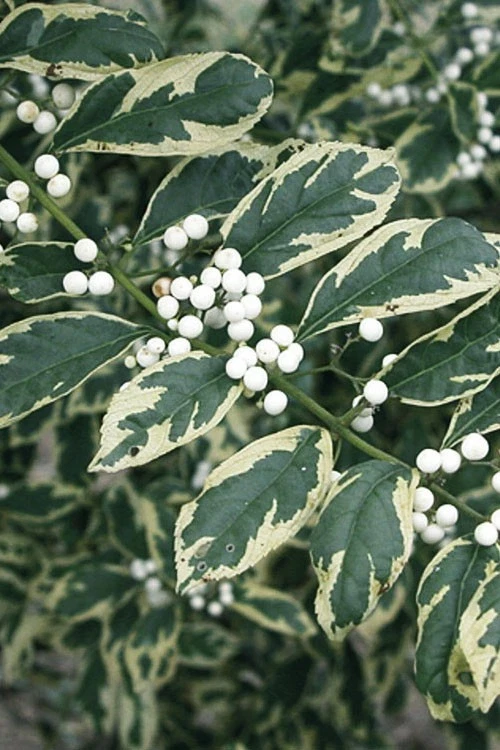
Duet Variegated Beautyberry Live Plant – Callicarpa dichotoma Duet – 12+ Inches Tall – Outdoor Shrub
Reviews
There are no reviews yet.