
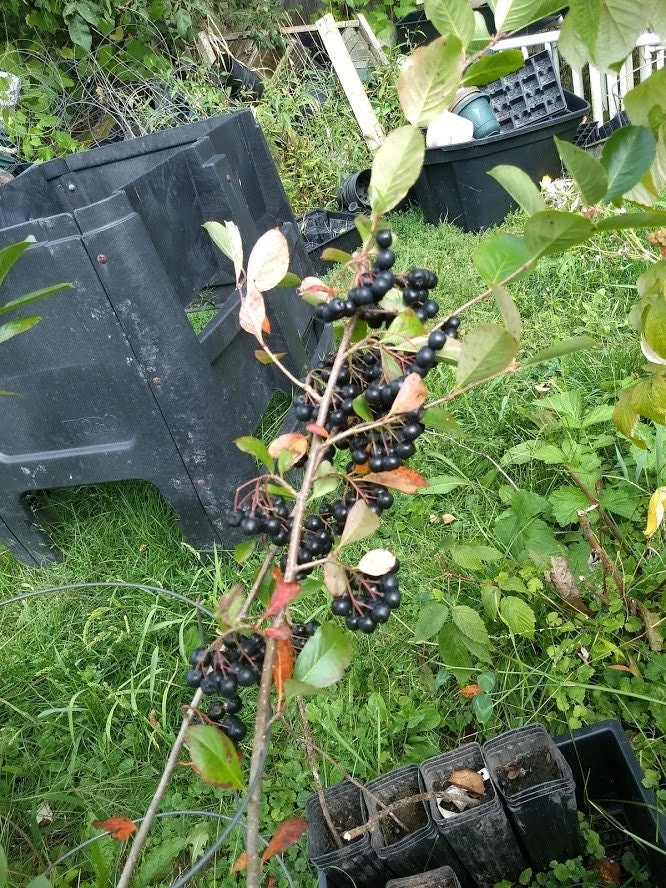
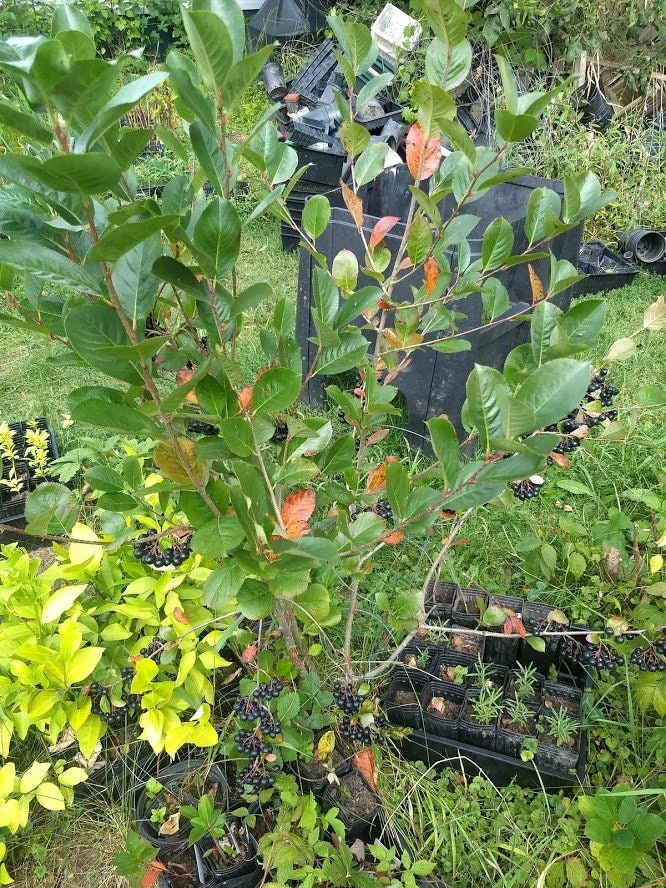
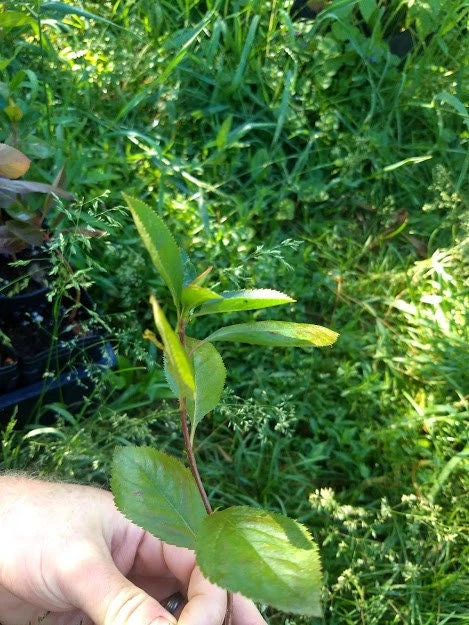
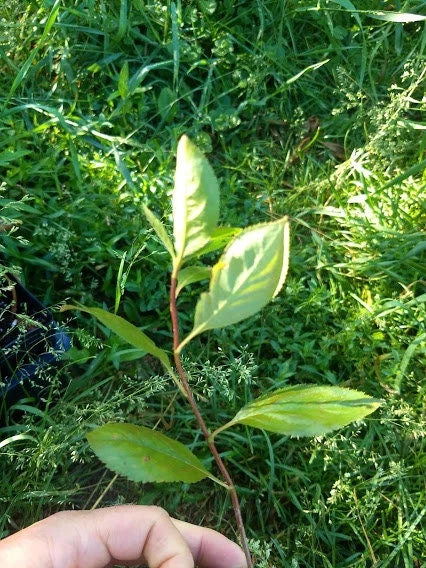
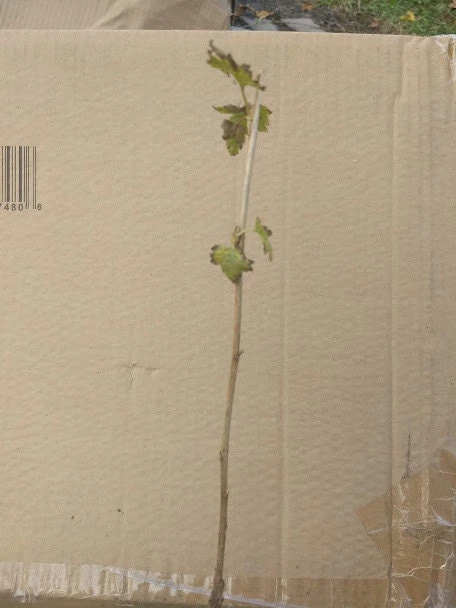
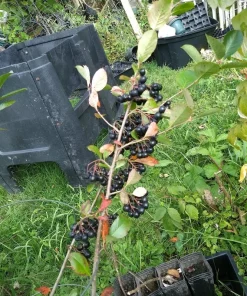
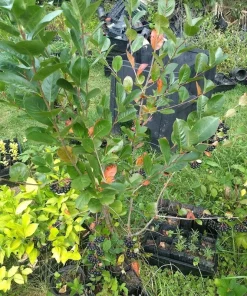
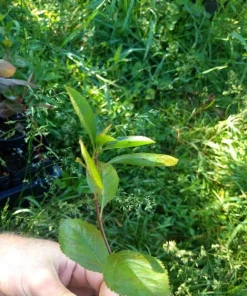
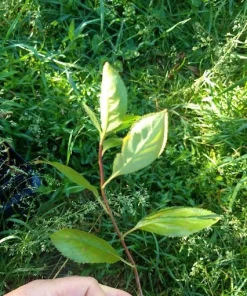
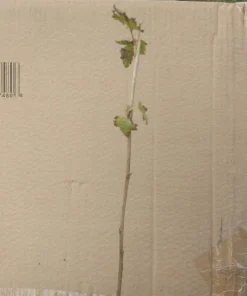

Viking Aronia Berry Live Plant – Rooted Starter – Zones 3-8 – Self-Pollinating Shrub
Original price was: $60.99.$45.99Current price is: $45.99.
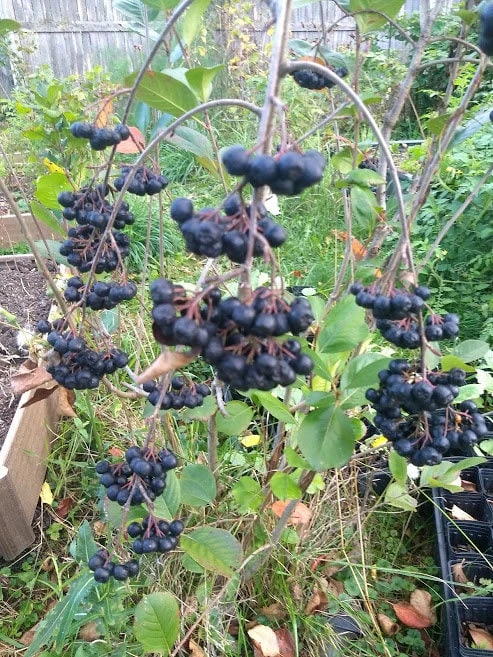
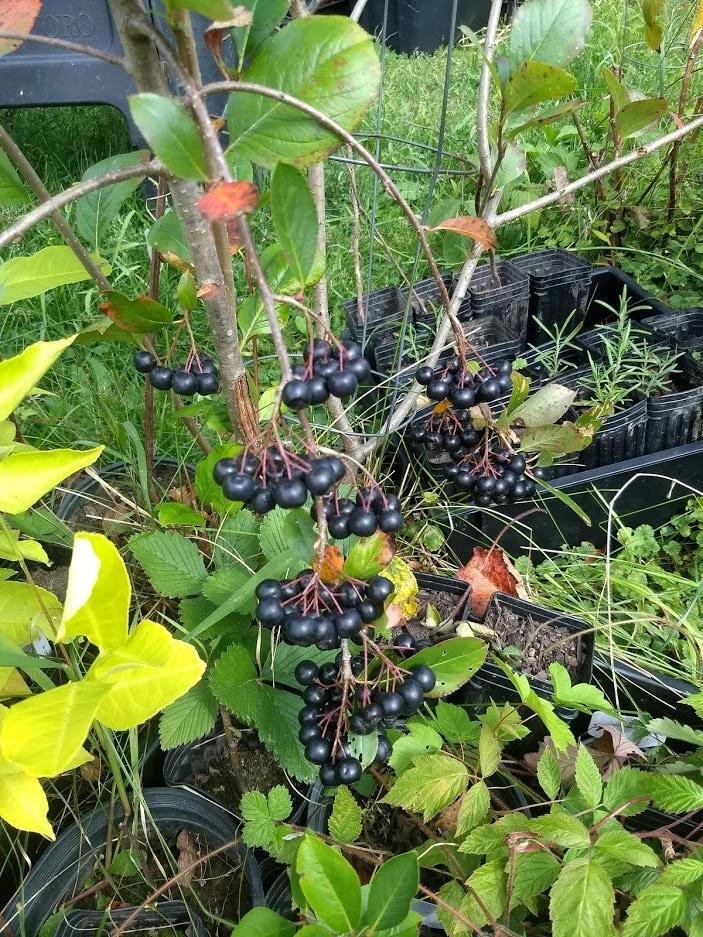
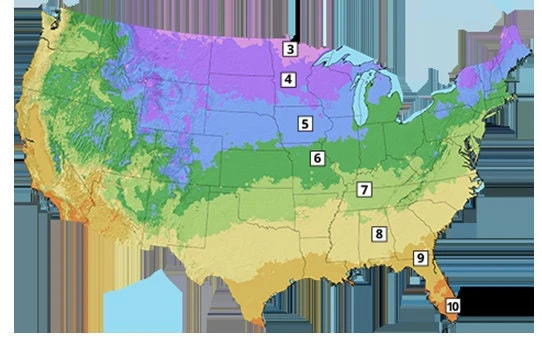
Cultivate your own Viking Aronia berry plant, a hardy and vigorous shrub perfect for edible landscapes. This Aronia melanocarpa plant is a live, rooted starter plant, ready to thrive in USDA Zones 3-8. Enjoy its self-pollinating nature and bountiful harvest of antioxidant-rich berries, ideal for eating, cooking, or juicing.
Estimated arrival
Sep 17
Sep 22 - Sep 24
Sep 27 - Oct 01
Shop With Confidence
30-Day Plant Health Guarantee
Arrives damaged? We’ll replace it free — see our return policy.
Responsive Support
Email us anytime, we reply within 1 business day.
Expert Packaging
Temperature-controlled shipping to protect your plants in transit.
Secure Checkout
Pay safely with Visa, Mastercard, PayPal.
Plant Specifications
-
USDA Hardiness Zone
USDA Zones 3-8 -
Soil Type
Well-draining, slightly acidic to neutral soil -
Sunlight Exposure
Full sun -
Expected Planting Period
Spring to Fall
Overview
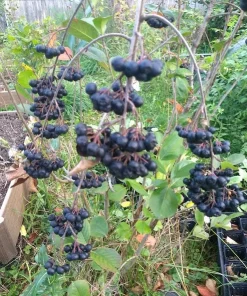
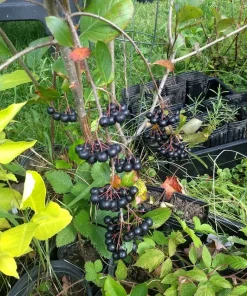
Bring the health benefits and beauty of a Viking Aronia berry plant to your garden. This remarkable shrub, scientifically known as Aronia melanocarpa plant, is a live, rooted starter plant, poised to flourish in a wide range of climates. Renowned for its exceptionally high antioxidant content, the Aronia berry, also known as Chokeberry, offers a versatile harvest that can be enjoyed fresh, cooked into preserves, or juiced. Our starter plant provides a head start on growing this robust and self-pollinating fruit-bearing shrub, making it an excellent choice for both novice and experienced gardeners seeking a low-maintenance, high-reward addition to their landscape. Originating from the eastern United States, this woody perennial is a resilient and adaptable species, promising years of delicious and nutritious fruit.
The Viking Aronia berry plant is a vigorous grower, developing into a sizable shrub that contributes both aesthetic appeal and practical benefits to your outdoor space. Known for its hardiness across various conditions, it’s a reliable performer that will enhance your garden’s biodiversity. This particular cultivar, ‘Viking’, is celebrated for its larger berries and improved yields, ensuring a generous bounty of these super-fruits. Plant it with confidence, knowing you’re investing in a plant that offers both ecological benefits and a healthy food source.
Key Benefits
The Viking Aronia berry plant offers a wealth of advantages, making it a prized addition to any garden. From its nutritional value to its ease of care, this plant is designed to impress and provide for years to come.
- Exceptional Nutritional Value: Aronia berries are celebrated as one of the richest sources of plant antioxidants, offering numerous health-promoting properties. Growing your own ensures a fresh supply of these potent fruits.
- Hardy and Adaptable: Thrives in a broad range of climates, specifically hardy in USDA chokeberry plant zones 3-8. This resilience means less worry about extreme weather conditions.
- Self-Pollinating: This shrub is naturally self-pollinating aronia, meaning you only need one plant to produce a plentiful harvest of berries. No need for multiple plants to ensure fruit set.
- Low Maintenance: Once established, the Aronia melanocarpa plant requires minimal care, making it perfect for busy gardeners. It’s tolerant of various soil types and generally pest and disease resistant.
- Attractive Landscape Plant: Beyond its fruit, the Aronia shrub offers year-round visual interest with its white spring flowers, dark green summer foliage, and vibrant red-purple fall color.
- Versatile Culinary Use: The antioxidant rich berries can be used in a multitude of ways – fresh, frozen, in jams, jellies, juices, pies, or dried for snacks.
- Wildlife Friendly: The berries are a food source for birds, adding to the ecological value of your garden, though they are often unpalatable to most birds until late in the season, leaving more for you.
Plant Care & Growing Tips
Caring for your Viking Aronia berry plant is straightforward, ensuring a healthy and productive shrub. These plants are known for their robust nature and adaptability, making them a great choice for various gardening skill levels. To ensure optimal growth, proper site selection and basic care are essential. Aronia thrives in locations with full sun, meaning at least 6-8 hours of direct sunlight per day. While it can tolerate some partial shade, full sun exposure will result in the best fruit production and overall plant vigor. The plant is hardy in USDA chokeberry plant zones 3-8, indicating its ability to withstand cold winters and warm summers within this range.
When it comes to watering, the Aronia melanocarpa plant prefers consistently moist, but not waterlogged, soil, especially during its establishment phase. Once mature, it is quite drought-tolerant. Well-draining soil is crucial to prevent root rot. Aronia is adaptable to a variety of soil types, including clay and sandy soils, but performs best in slightly acidic to neutral soil (pH 5.5-7.0) enriched with organic matter. Fertilization is typically not heavily required; a balanced slow-release fertilizer in early spring can boost growth, but avoid over-fertilizing. Pruning should be done in late winter to remove dead or weak branches and to maintain an open structure for better air circulation and light penetration. Watch for common garden pests, though Aronia generally has few serious issues, making it a truly low-maintenance Viking Aronia berry plant.
Size & Details
You will receive one live, rooted starter plant of the Viking Aronia berry plant. This plant is typically shipped with its root ball intact, ready for immediate planting or potting upon arrival. While individual plant size may vary slightly due to natural growth, you can expect a healthy, actively growing specimen. The ‘Viking’ cultivar is known to grow into a substantial shrub, reaching an average height of 6-8 feet tall with a similar spread when mature. It boasts a moderate to fast growth rate, meaning you can expect your plant to establish and begin producing berries relatively quickly, often within the next year after planting. This self-pollinating aronia variety will develop into a robust, fruit-bearing shrub, providing an abundant harvest of antioxidant rich berries.
The plant’s mature size makes it suitable for various landscape applications, including hedges, specimen planting, or as part of an edible garden. It is shipped carefully to ensure its safe arrival, typically removed from its growing pot to minimize shipping weight and protect the plant. The plant will adapt well to its new environment, entering dormancy in colder seasons and resuming vigorous growth when conditions are favorable. It is an excellent long-term investment for a productive and attractive garden.
Frequently Asked Questions
- Q: How big does this Viking Aronia berry plant get? A: The ‘Viking’ Aronia typically grows to a height of 6-8 feet tall and can have a similar spread, forming a dense, upright shrub. Its mature size makes it suitable for various garden uses.
- Q: What condition will the Aronia melanocarpa plant arrive in? A: You will receive one healthy, live, rooted starter plant. It will be carefully packaged to protect it during transit, often with the root ball removed from the pot to ensure plant safety.
- Q: How much sunlight does the chokeberry plant zones 3-8 need? A: This plant thrives in full sun, requiring at least 6-8 hours of direct sunlight per day for optimal growth and fruit production. It can tolerate partial shade but may yield fewer berries.
- Q: Is this plant easy to care for? A: Yes, the Aronia berry plant is known for being very low-maintenance and hardy. Once established, it is drought-tolerant and generally resistant to pests and diseases, making it excellent for beginners.
- Q: When can I expect fruit from my self-pollinating aronia? A: Your starter plant should begin to fruit within the next year after planting, with increasing yields as the plant matures. Aronia typically produces berries in late summer to early fall.
- Q: Can I use the antioxidant rich berries for juicing or cooking? A: Absolutely! Aronia berries are highly versatile and perfect for juicing, making jams, jellies, pies, or adding to smoothies. Their tart flavor mellows when cooked.
- Q: Will this plant survive winter in my zone? A: The Viking Aronia is exceptionally hardy and suitable for USDA Zones 3-8, meaning it is well-equipped to survive cold winters within this range. It will enter dormancy in colder months.
- Q: What kind of soil does it prefer? A: Aronia is adaptable to various soil types, but it prefers well-draining soil that is slightly acidic to neutral (pH 5.5-7.0) and rich in organic matter.
- Q: Is this a self-pollinating aronia variety? A: Yes, the ‘Viking’ Aronia is self-pollinating, so you only need one plant to produce fruit. However, planting multiple aronia bushes can sometimes increase yields.
- Q: What is the best time to plant this Viking Aronia berry plant? A: The best time to plant is in spring or fall, allowing the plant ample time to establish its root system before extreme summer heat or winter cold.
Be the first to review “Viking Aronia Berry Live Plant – Rooted Starter – Zones 3-8 – Self-Pollinating Shrub”
People Also Viewed
Succulents
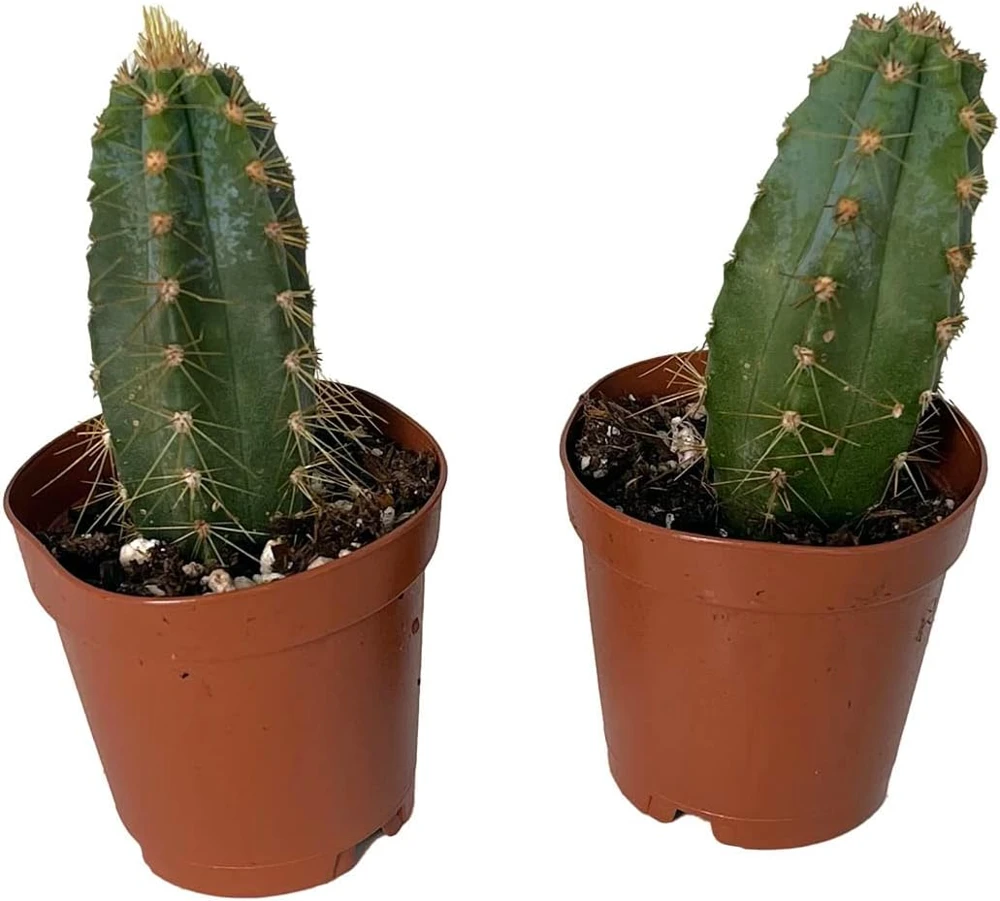
Blue Column Cactus Live Plant – Pilocereus Pachicladus – 2 Pack in 2″ Pots – Easy Houseplant
Uncategorized
Reviews
There are no reviews yet.