
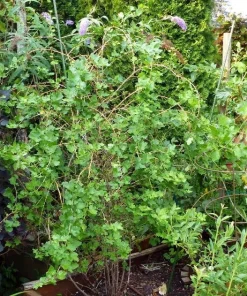
Black Velvet Gooseberry Live Plant – Worcesterberry Cross – Zones 4-7
Original price was: $62.99.$47.99Current price is: $47.99.
Cultivate a unique and productive black velvet gooseberry live plant. This Worcesterberry cross offers sweet, dark red fruits with a delightful blueberry-like flavor. Ideal for zones 4-7, it’s a self-pollinating shrub perfect for fresh eating, cooking, or juicing.
Estimated arrival
Sep 17
Sep 22 - Sep 24
Sep 27 - Oct 01
Shop With Confidence
30-Day Plant Health Guarantee
Arrives damaged? We’ll replace it free — see our return policy.
Responsive Support
Email us anytime, we reply within 1 business day.
Expert Packaging
Temperature-controlled shipping to protect your plants in transit.
Secure Checkout
Pay safely with Visa, Mastercard, PayPal.
Plant Specifications
-
USDA Hardiness Zone
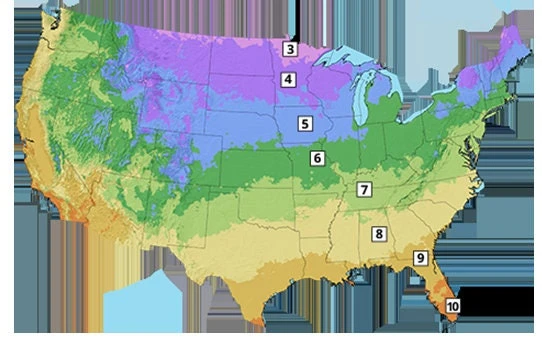
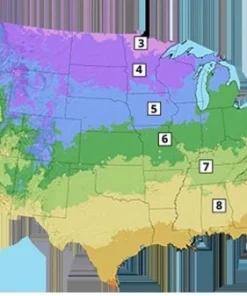
USDA zones 4-7 -
Soil Type
Well-draining, fertile soil -
Sunlight Exposure
Full sun to partial shade -
Expected Planting Period
Spring to early summer
Overview
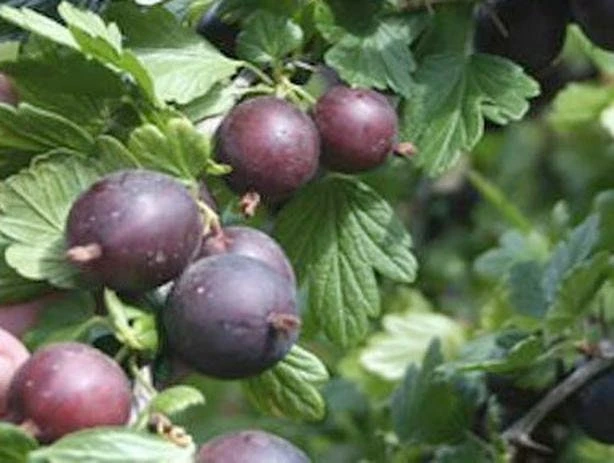
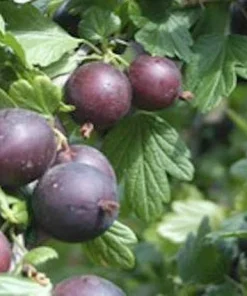
Bring the joy of fresh, homegrown fruit to your garden with the exceptional black velvet gooseberry live plant. This unique hybrid is a cross between a traditional gooseberry and a Worcesterberry, resulting in a robust and productive shrub. Known for its medium-sized, dark red berries, the Black Velvet Gooseberry offers a superb, almost blueberry-like flavor that is both sweet and high-quality. Perfect for gardeners in USDA zones 4-7, this self-pollinating plant is an excellent choice for those looking to add a delicious and easy-to-grow fruiting shrub to their landscape. It’s an ideal addition for anyone interested in growing black velvet gooseberry for fresh consumption, culinary creations, or juicing.
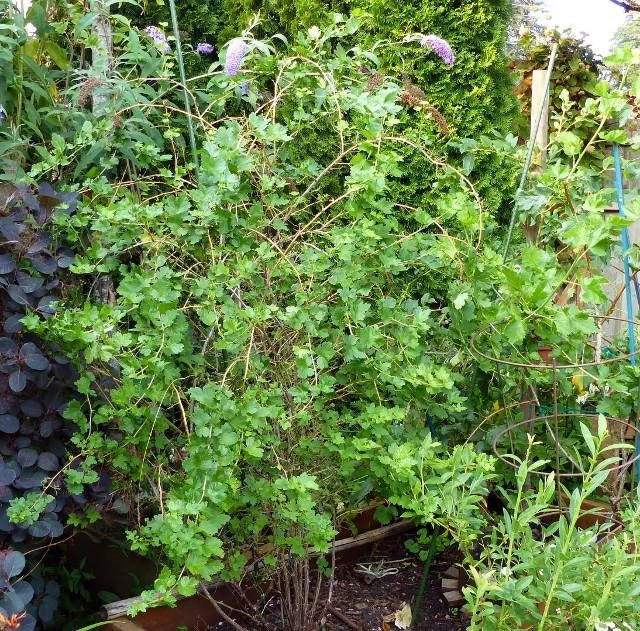
The black velvet gooseberry live plant is celebrated not only for its delectable fruit but also for its hardiness and adaptability. It matures into a shrub reaching 3-6 feet tall, providing a generous harvest of berries that are versatile for various uses. Whether you’re an experienced gardener or just starting, this plant offers a rewarding experience with minimal fuss. Embrace sustainable gardening practices with a plant that can thrive naturally and provide a bounty of sweet, flavorful fruit.
Key Benefits
The black velvet gooseberry live plant offers a multitude of advantages for any home gardener. Its unique characteristics make it a standout choice for both its productivity and its delicious fruit.
- Exceptional Flavor Profile: Enjoy sweet, dark red berries with a distinctive blueberry-like flavor. These dessert-ready fruits are perfect for fresh eating, baking, making jams, or crafting delicious beverages.
- Hardy and Adaptable: Thrives in a wide range of climates, specifically USDA zones 4-7, making it suitable for many regions. This resilience ensures a successful harvest even in challenging conditions.
- Self-Pollinating: This shrub is self-fertile, meaning you only need one plant to produce fruit. This simplifies the planting process and guarantees a yield without the need for companion plants.
- Versatile Culinary Uses: The ‘Black Velvet’ variety is universally suitable for eating fresh, cooking, making drinks, and juicing. Explore endless possibilities in your kitchen with these flavorful berries.
- Compact Growth Habit: Reaching a manageable height of 3-6 feet, this shrub fits well into various garden sizes, from small urban plots to larger rural landscapes. Its compact nature also makes harvesting easier.
- Pesticide-Free Cultivation: Our plants are grown naturally without chemicals or pesticides, ensuring you receive a healthy, clean plant ready for your organic garden. This is a key aspect of healthy gooseberry plant care.
- Early Fruiting Potential: With proper care, your plant is expected to begin fruiting as early as next year, providing a quick return on your gardening investment.
Plant Care & Growing Tips
Caring for your black velvet gooseberry live plant is straightforward, ensuring a bountiful harvest with the right attention. These hardy shrubs prefer a location with full sun to partial shade, ideally receiving at least 6 hours of direct sunlight daily for optimal fruit production. While they can tolerate some shade, more sun generally leads to sweeter and more abundant berries. Ensure your planting site has good air circulation to prevent fungal issues. This worcesterberry cross plant is quite resilient once established.
When it comes to soil, the Black Velvet Gooseberry thrives in well-draining, fertile soil with a slightly acidic to neutral pH (6.0-7.0). Amend heavy clay soils with organic matter like compost to improve drainage and nutrient content. Consistent moisture is crucial, especially during the fruiting period. Water deeply and regularly, aiming for about 1 inch of water per week, either from rainfall or irrigation. Avoid waterlogging, as this can lead to root rot. Mulching around the base of the plant can help retain soil moisture and suppress weeds. For healthy gooseberry plant care, proper watering and soil are paramount.
These plants are suitable for USDA hardiness zones 4-7, meaning they can withstand winter temperatures down to -30°F (-34°C). Fertilize in early spring with a balanced slow-release fertilizer or organic compost to support vigorous growth and fruit development. Pruning should be done in late winter or early spring while the plant is dormant. Remove any dead, damaged, or weak branches, and thin out older canes to encourage new growth and maintain an open structure. This helps improve air circulation and sunlight penetration, leading to better fruit quality. Keep an eye out for common pests like aphids or sawflies, addressing them with organic insecticidal soaps if necessary. Healthy plants are less susceptible to pests and diseases, making good cultural practices essential for the success of your black velvet gooseberry live plant.
Size & Details
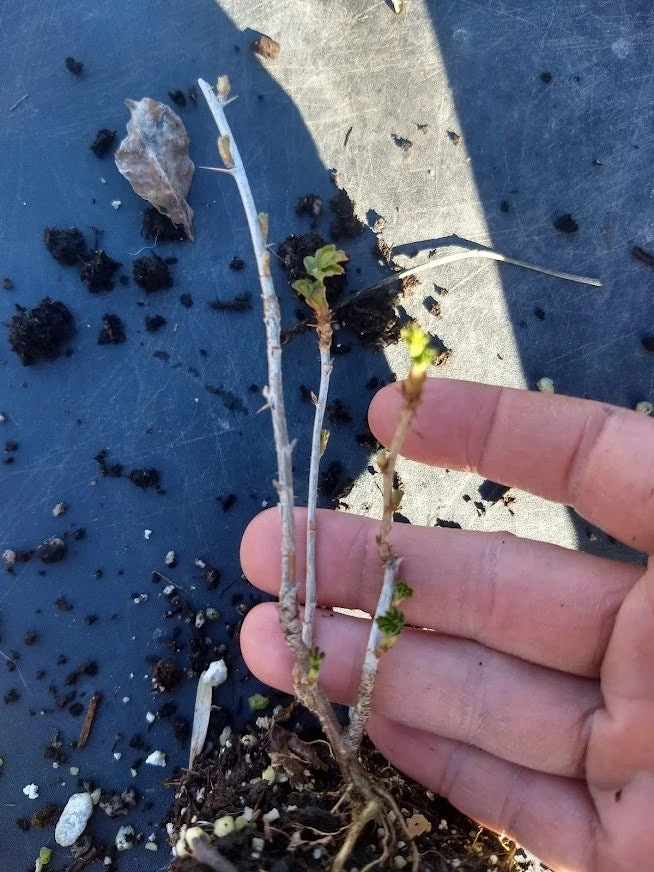
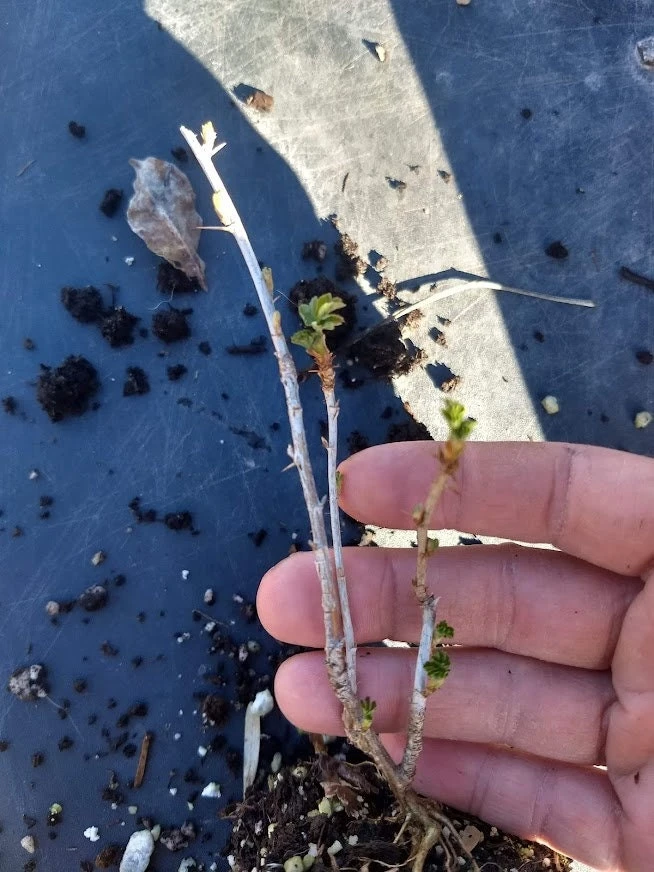
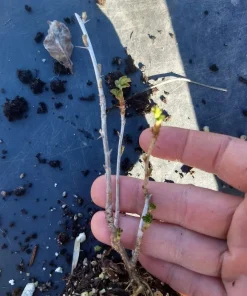
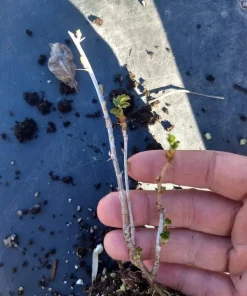
You will receive one healthy, rooted starter plant of the black velvet gooseberry live plant. These plants are typically shipped out of their growing pot to ensure safe transit and are carefully packaged in a box to protect them during shipping. Upon arrival, your plant will be ready for immediate planting in its permanent location or a larger container. The mature shrub is expected to reach a height of 3-6 feet, offering a moderate and manageable size for most gardens.
This particular worcesterberry cross plant is known for its relatively fast growth rate once established, with the potential to begin fruiting the year after planting. The fruits are medium-sized, dark red, and possess a sweet, high-quality flavor with a notable blueberry-like essence. The plant is naturally grown without chemicals or pesticides in cold Wisconsin, meaning its appearance will vary depending on the season, from dormant in early spring to actively growing, and then re-entering dormancy in late fall. This ensures you receive a plant adapted to natural cycles and ready to thrive.
Frequently Asked Questions
- Q: How big does this plant get? A: The black velvet gooseberry live plant typically grows into a shrub that reaches a mature height of 3-6 feet. Its relatively compact size makes it suitable for various garden settings.
- Q: What condition will it arrive in? A: You will receive one rooted starter plant. It is taken out of its growing pot for shipping and carefully packaged in a box to protect it during transit. Depending on the season, it may be dormant.
- Q: How much sunlight does it need? A: This gooseberry plant thrives in full sun to partial shade. For the best fruit production and sweetest berries, aim for at least 6 hours of direct sunlight per day.
- Q: Is this plant easy to care for? A: Yes, the black velvet gooseberry live plant is considered relatively easy to care for. It requires well-draining soil, consistent watering, and annual pruning to ensure a good harvest, making it suitable for beginners.
- Q: When is the best time to plant? A: The best time to plant your gooseberry is typically in early spring or fall when temperatures are moderate. However, if planting in warmer months, ensure consistent watering to help it establish.
- Q: Will it survive winter in my zone? A: This plant is hardy in USDA zones 4-7, meaning it is well-equipped to survive cold winters within this range. It will enter dormancy in colder months and leaf out again in spring.
- Q: Can I use the fruit for cooking? A: Absolutely! The ‘Black Velvet’ variety is excellent for universal use, including fresh eating, cooking, making jams, pies, and beverages. Its unique flavor profile makes it a versatile ingredient. This is one of the great black velvet gooseberry uses.
- Q: Is this a self-pollinating plant? A: Yes, the black velvet gooseberry live plant is self-pollinating, so you only need one plant to get fruit. You don’t need a second plant for cross-pollination.
- Q: What kind of soil does it prefer? A: It prefers well-draining, fertile soil with a slightly acidic to neutral pH. Amending with compost can improve soil structure and nutrient content.
- Q: How long until it fruits? A: With proper care, your plant is expected to begin producing fruit as early as the next year after planting.
Be the first to review “Black Velvet Gooseberry Live Plant – Worcesterberry Cross – Zones 4-7”
People Also Viewed
Vines
Star Jasmine Live Plant – 6 inch Potted Vine with Trellis – Fragrant Evergreen for Patio or Indoors
Reviews
There are no reviews yet.