
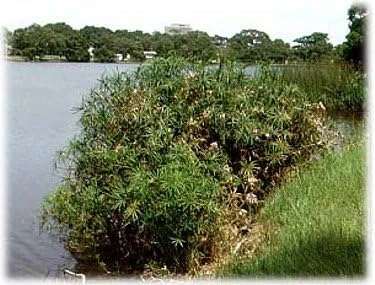
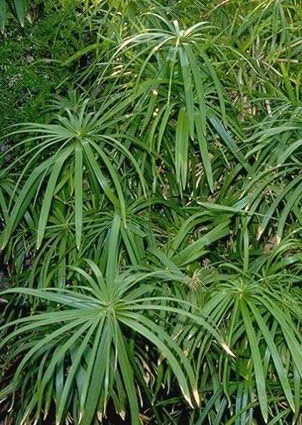
Umbrella Plant Seeds – Cyperus alternifolius Aquatic – 50 Seed Pack
Original price was: $23.99.$13.99Current price is: $13.99.
Cultivate the unique beauty of the umbrella plant seeds (Cyperus alternifolius) with this convenient 50-seed pack. Ideal for creating stunning water features or adding architectural interest to bog gardens. These versatile aquatic plant seeds thrive in moist conditions and are a perfect choice for gardeners in USDA Zones 9-11.
Estimated arrival
Sep 29
Oct 04 - Oct 06
Oct 09 - Oct 13
Shop With Confidence
30-Day Plant Health Guarantee
Arrives damaged? We’ll replace it free — see our return policy.
Responsive Support
Email us anytime, we reply within 1 business day.
Expert Packaging
Temperature-controlled shipping to protect your plants in transit.
Secure Checkout
Pay safely with Visa, Mastercard, PayPal.
Plant Specifications
-
USDA Hardiness Zone
USDA Zones 9-11 -
Soil Type
Rich, moisture-retaining soil -
Sunlight Exposure
Full sun to partial shade -
Expected Planting Period
Year-round indoors; spring to summer outdoors
Overview
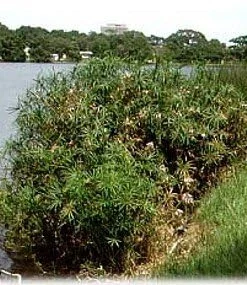
Embark on a rewarding gardening journey by growing the distinctive umbrella plant seeds (Cyperus alternifolius). This 50-seed pack offers an excellent opportunity to cultivate this elegant perennial, known for its unique umbrella-like foliage. A close relative of the historic papyrus plant, the umbrella plant brings a touch of tropical wetlands to your garden or water feature. Often referred to as umbrella sedge, Cyperus alternifolius is celebrated for its graceful appearance and adaptability. These Cyperus alternifolius seeds are perfect for those looking to add an exotic yet easy-to-care-for plant to their collection. Whether you’re designing a bog garden, enhancing a pond margin, or simply seeking an intriguing container plant, the umbrella plant is a fantastic choice that promises visual appeal and a calming presence.
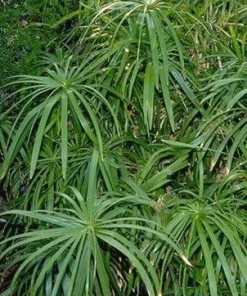
Originating from the moist boggy areas of Madagascar and the Philippines, the umbrella plant thrives in conditions that mimic its natural habitat but is surprisingly resilient in drier situations too. Its striking symmetrical leaves, arranged in a disk atop triangular stems, resemble the spokes of an umbrella, giving the plant its common name. The small greenish flowers eventually develop into golden-brown fruits, adding further interest. With this pack of umbrella plant seeds, you can easily propagate and enjoy multiple plants, transforming your landscape with their unique form and texture.
Key Benefits
Growing umbrella plant seeds offers a variety of benefits, from enhancing garden aesthetics to providing a unique habitat. These plants are not only visually appealing but also quite adaptable, making them a great addition to diverse garden settings.
- Unique Architectural Form: The distinctive umbrella-like foliage and triangular stems provide a strong architectural element, adding visual interest and a touch of the exotic to any garden or water feature.
- Versatile Water Plant: Thrives in wet, boggy conditions, making it ideal for pond edges, water gardens, or even growing directly in shallow water. It’s an excellent choice for aquatic plant seeds enthusiasts.
- Adaptable to Drier Conditions: While it loves moisture, the umbrella plant is surprisingly resilient and can adapt to drier garden soils, offering flexibility in placement. This makes it a versatile option for various landscaping designs.
- Easy Propagation: Once established, the umbrella plant is very easy to propagate by dividing clumps or by simply placing an ‘umbrella’ (leaf cluster) in wet sand, allowing for easy expansion of your plant collection.
- Low Maintenance: Generally a low-maintenance plant, requiring minimal care once established. It’s a great option for both novice and experienced gardeners seeking an attractive yet undemanding perennial.
- Attractive to Wildlife: While not a primary food source, the dense clumps can provide shelter for small aquatic creatures and insects, contributing to garden biodiversity.
- Container Friendly: Its clumping habit and moderate size make it well-suited for container gardening, allowing you to easily move and position it to best suit your landscape or patio. These Cyperus alternifolius seeds can lead to beautiful potted specimens.
Plant Care & Growing Tips
Cultivating the umbrella plant seeds is a straightforward process, and with proper care, your plants will flourish. These plants are known for their adaptability, but understanding their preferred conditions will help them reach their full potential. For successful germination of your umbrella plant seeds, sow them on the surface of consistently moist or wet soil, gently pressing them in without covering, as they often require light to germinate. Keep the planting medium consistently saturated, ideally by placing the pot in a tray of water.
Once established, the umbrella plant thrives in a wide range of light conditions, from full sun to partial shade. In brighter sun, the clumps tend to be more compact, with stems closely packed, while shadier conditions encourage taller growth with fewer, more graceful stems. The most critical aspect of care is moisture; while it can tolerate drier periods, the umbrella plant is happiest when its roots are consistently wet or even submerged in shallow water, making it perfect for bog gardens or pond margins. Use a rich, well-draining garden soil that retains moisture well. For hardiness, the umbrella plant is a tender perennial, hardy in USDA Zones 9-11. In colder zones, the foliage may die back with frost, but the plant will often recover if the root mass does not freeze. Fertilize sparingly with a balanced liquid fertilizer during the growing season. Common problems are few, mainly related to insufficient moisture, which can cause browning leaf tips. Ensure consistent watering for a healthy, vibrant plant. These umbrella sedge seeds will reward you with lush growth when given the right environment.
Size & Details
This product includes a pack of 50 Umbrella Plant Seeds (Cyperus alternifolius), ready for germination and growth. Under optimal conditions, mature umbrella plants can reach an impressive height of 5 to 6 feet, forming dense, attractive clumps. However, their size can be managed and will remain smaller in drier or less fertile soils, making them adaptable to various garden scales and container sizes. The distinctive leaves are typically 6 to 10 inches long, arranged symmetrically around the stem. These aquatic plant seeds will develop into plants that feature small greenish flowers at the center of the leaf disks, which mature into golden then dark brown fruits. The seeds provide an economical way to grow multiple plants, allowing you to create extensive displays or share with fellow gardeners. Expect germination within a few weeks under ideal moist conditions, leading to robust young plants ready for transplanting.
Frequently Asked Questions
- Q: How many umbrella plant seeds are included in this pack? A: This pack contains 50 Umbrella Plant Seeds (Cyperus alternifolius), providing ample opportunity to grow multiple plants for your garden or water feature.
- Q: How tall do umbrella plants typically grow? A: Under good growing conditions, the umbrella plant can reach a height of about 5 to 6 feet. Its mature size can vary based on soil fertility and moisture availability.
- Q: Is the umbrella plant suitable for water gardens or ponds? A: Yes, the umbrella plant is an excellent choice for water gardens, bog areas, and pond margins. It thrives in consistently wet soil and can even grow in shallow water, making these aquatic plant seeds ideal.
- Q: What are the sunlight requirements for growing umbrella plant seeds? A: Umbrella plants are quite versatile and can tolerate both full sun and partial shade. Full sun encourages more compact growth, while shade can result in taller, more graceful stems.
- Q: What USDA Hardiness Zones are suitable for the umbrella plant? A: The umbrella plant is a tender perennial hardy in USDA Zones 9-11. In colder zones, it can be grown as an annual or brought indoors for winter protection.
- Q: How do I propagate the umbrella plant after it’s established? A: An easy way to get more plants is by dividing existing clumps or by simply placing one of the ‘umbrellas’ (leaf clusters) in wet sand or water. New plants will typically sprout within a few weeks.
- Q: Can I grow umbrella plants in containers? A: Absolutely! Umbrella plants do very well in containers, especially if you keep the soil consistently moist. This allows for easy placement and mobility in your garden or patio.
- Q: What type of soil is best for umbrella plant seeds? A: For germinating umbrella plant seeds and growing the mature plant, a rich, moisture-retaining garden soil is ideal. Ensure the soil remains consistently wet, or even boggy, for best results.
- Q: How long does it take for umbrella plant seeds to germinate? A: Germination of Cyperus alternifolius seeds typically begins within a few weeks, provided they are kept consistently moist and exposed to light. Patience is key for successful sprouting.
- Q: Is the umbrella plant considered a low-maintenance plant? A: Yes, once established, the umbrella plant is relatively low-maintenance. Its primary requirement is consistent moisture, making it an easy-care option for wet areas of the garden.
Be the first to review “Umbrella Plant Seeds – Cyperus alternifolius Aquatic – 50 Seed Pack”
People Also Viewed
Reviews
There are no reviews yet.