
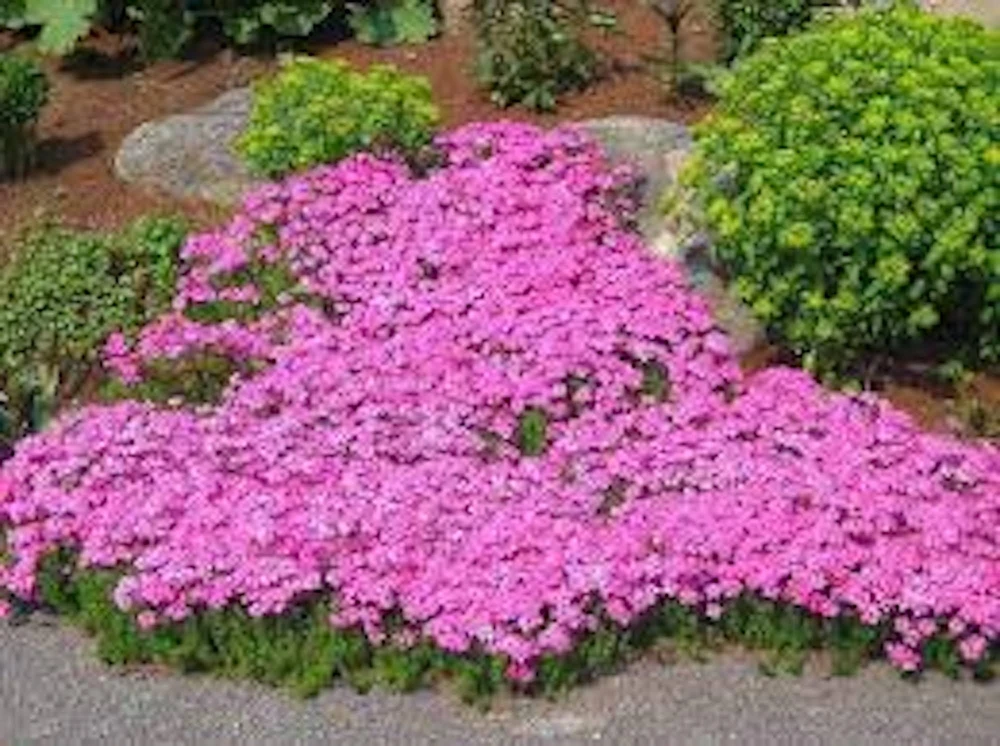
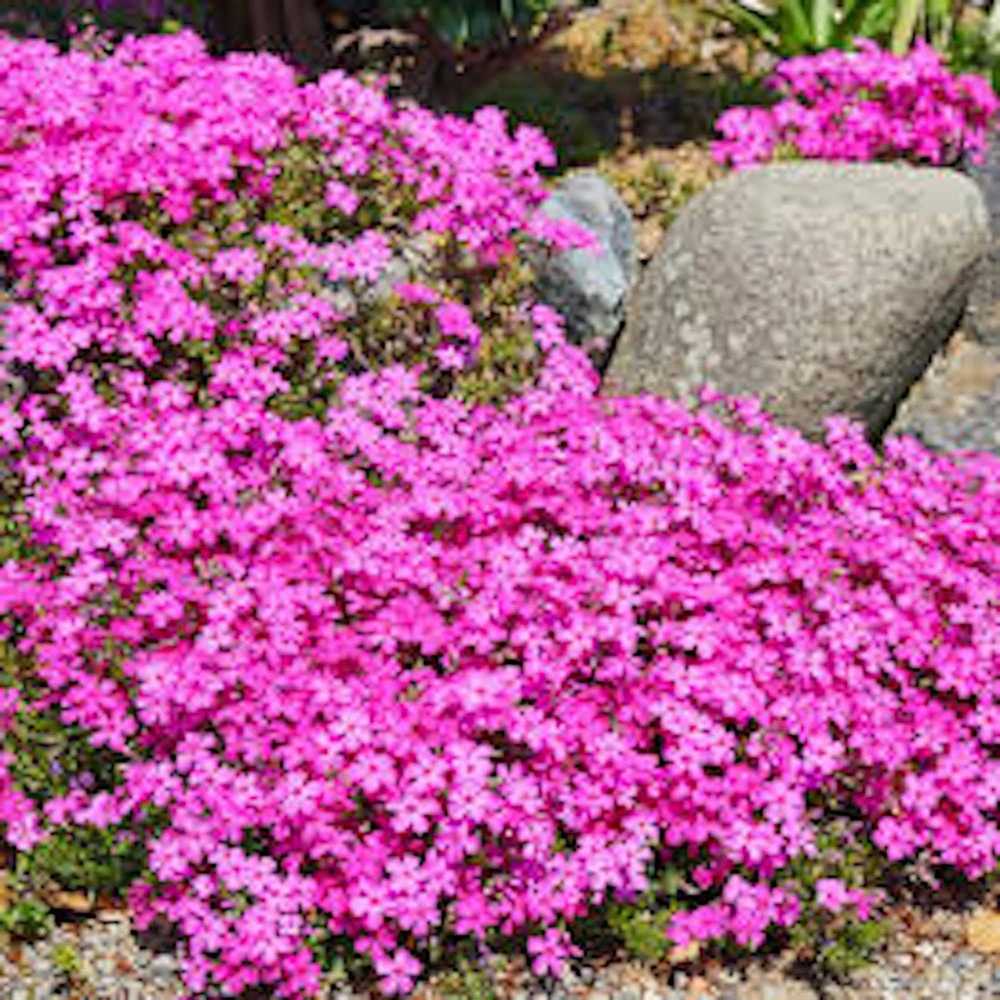
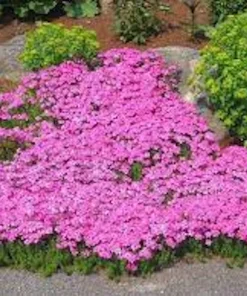
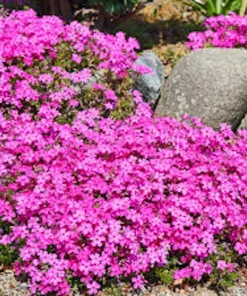
3 Creeping Phlox Pink Diamond Bare Root Starter Plugs – Outdoor Groundcover
Original price was: $69.99.$44.99Current price is: $44.99.
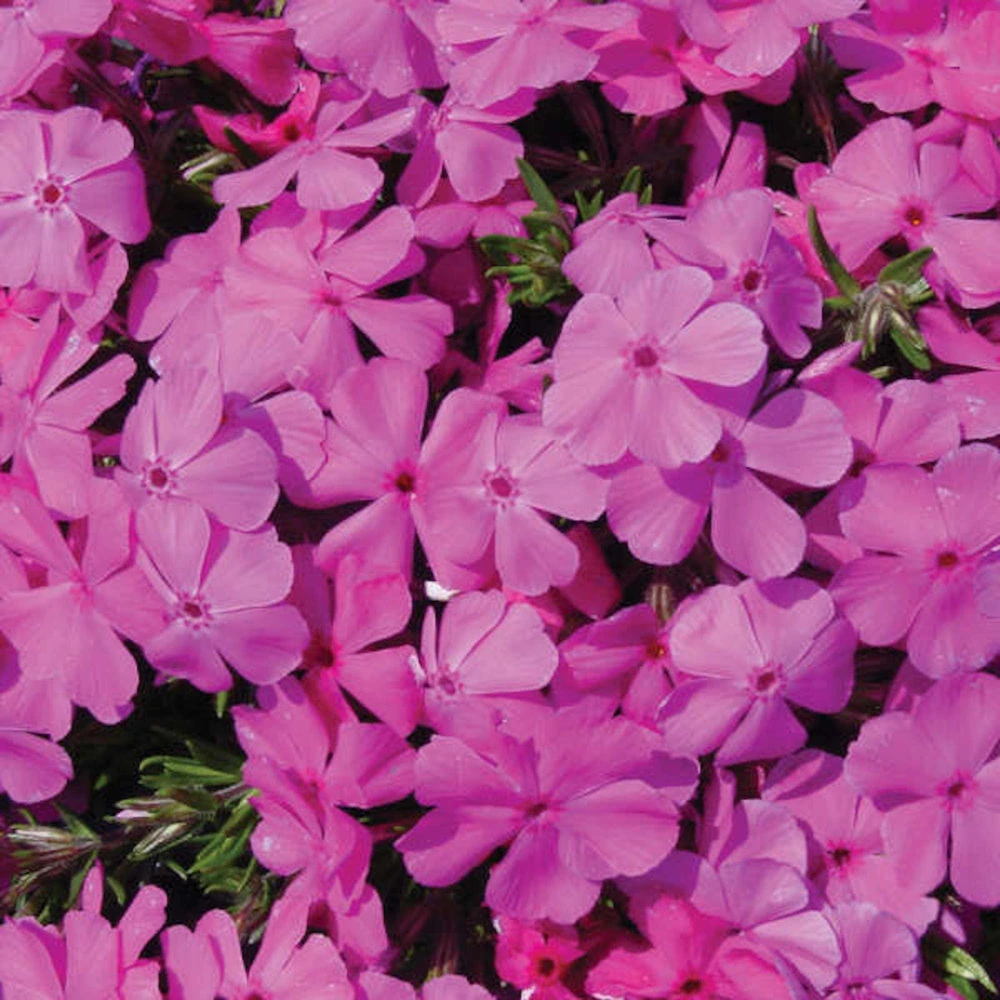
Add vibrant color to your landscape with 3 Creeping Phlox Pink Diamond bare root starter plugs. This resilient, low-growing perennial is perfect for rock gardens and borders, providing abundant soft pink flowers and mat-like foliage. Enjoy a beautiful, drought-tolerant groundcover that thrives in full sun.
Estimated arrival
Sep 29
Oct 04 - Oct 06
Oct 09 - Oct 13
Shop With Confidence
30-Day Plant Health Guarantee
Arrives damaged? We’ll replace it free — see our return policy.
Responsive Support
Email us anytime, we reply within 1 business day.
Expert Packaging
Temperature-controlled shipping to protect your plants in transit.
Secure Checkout
Pay safely with Visa, Mastercard, PayPal.
Plant Specifications
-
USDA Hardiness Zone
3-9 -
Soil Type
Well-drained, sandy, or rocky soil -
Sunlight Exposure
Full sun -
Expected Planting Period
Spring to early fall
Overview
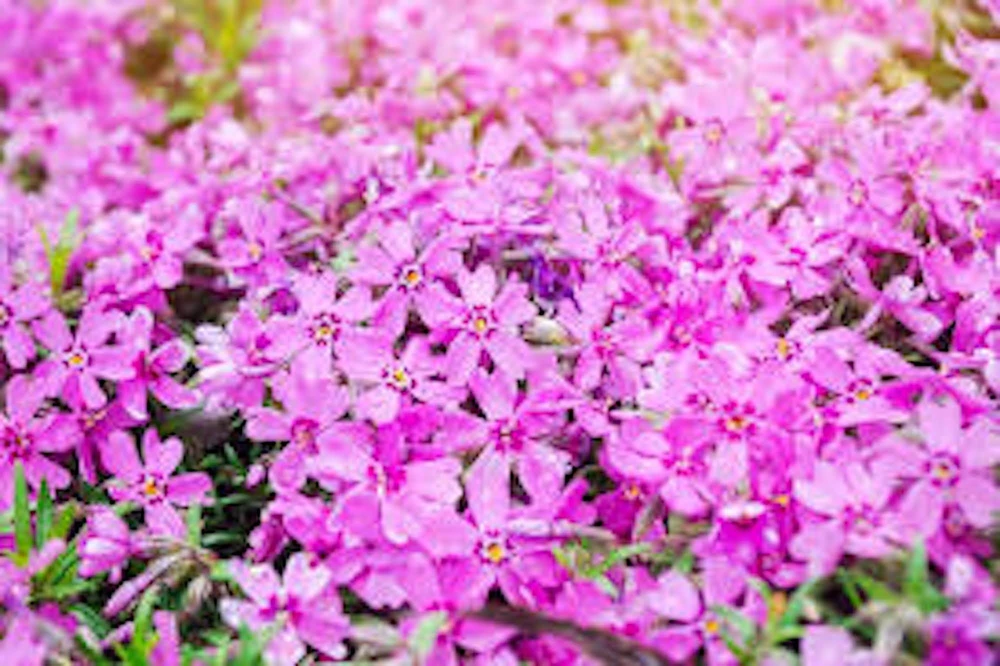
Transform your garden with the stunning beauty of creeping phlox pink diamond bare root starter plugs. This offer includes 3 Creeping Phlox Pink Diamond starter plugs, ready to establish quickly in your landscape. Known botanically as Phlox subulata ‘Pink Diamond’, this low-growing, evergreen groundcover is celebrated for its abundant soft pink flowers, often featuring a darker eye, that emerge in late spring and early summer. It forms a dense, mat-like foliage, making it an excellent choice for filling in spaces, cascading over edges in rock gardens, or defining borders. This hardy perennial is a fantastic addition for gardeners seeking both beauty and resilience, providing a carpet of color that returns year after year.
The creeping phlox pink diamond is a popular selection for its vibrant display and ease of care. It’s a true garden workhorse, providing lush greenery throughout the year and an explosion of blooms when spring arrives. These starter plugs offer a convenient way to introduce this charming plant into your outdoor spaces, allowing you to create a beautiful, naturalized look with minimal effort. Its ability to thrive in challenging conditions makes it a favorite among both novice and experienced gardeners looking for a reliable and attractive groundcover.
Key Benefits
Choosing creeping phlox pink diamond for your garden brings a multitude of advantages, enhancing both the aesthetic and ecological value of your outdoor space. This resilient plant offers continuous visual interest and requires minimal upkeep, making it an ideal choice for busy gardeners.
- Vibrant Spring Blooms: Enjoy a spectacular display of soft pink flowers with darker eyes in late spring to early summer, creating a colorful carpet that brightens any landscape. The sheer abundance of blooms is a sight to behold.
- Excellent Groundcover: Forms dense, mat-like evergreen foliage that effectively suppresses weeds and prevents soil erosion, especially on slopes or in rock gardens. This natural coverage reduces the need for constant weeding.
- Drought-Tolerant Once Established: Once its root system is developed, creeping phlox pink diamond requires minimal watering, making it a sustainable and water-wise choice for arid climates or areas with watering restrictions.
- Low Maintenance: This hardy perennial is incredibly easy to care for, requiring little more than occasional watering and pruning to maintain its shape and encourage fuller growth. Its resilience means less work for you.
- Versatile Landscape Use: Perfect for rock gardens, border edgings, slopes, and pathways where it can beautifully cascade. Its adaptability allows it to fit into various garden designs and styles.
- Attracts Pollinators: The cheerful pink flowers are a magnet for bees and butterflies, contributing to a healthy and biodiverse garden ecosystem.
- Hardy Perennial: Reliably returns year after year, providing consistent beauty without the need for annual replanting. This ensures a long-lasting and rewarding gardening experience.
Plant Care & Growing Tips
Caring for your creeping phlox pink diamond is straightforward, ensuring a beautiful display with minimal effort. This plant thrives when its basic needs are met, making it a rewarding choice for various garden settings. It’s known for its robust nature, making creeping phlox care relatively simple for gardeners of all skill levels.
For optimal growth, plant your creeping phlox pink diamond in a location that receives full sun, meaning at least 6 hours of direct sunlight per day. While it can tolerate some partial shade, too little sun may result in fewer blooms and leggy growth. The ideal soil for this plant is well-drained, sandy, or rocky. It’s crucial to avoid heavy, clay soils that retain too much moisture, as this can lead to root rot. If your soil is heavy, amend it with sand or grit to improve drainage. Once established, this plant is remarkably drought-tolerant, but consistent watering during prolonged dry spells, especially in its first year, will help it establish a strong root system. Fertilization is generally not heavily required; a light application of a balanced slow-release fertilizer in early spring can encourage more vigorous growth and blooming.
Creeping phlox pink diamond is hardy in USDA Zones 3-9, making it suitable for a wide range of climates. It tolerates cold winters and hot summers well. Pruning after the main flowering period can help maintain a neat appearance and encourage a second, albeit smaller, flush of blooms. Simply shear back the spent flowers and any leggy growth. Watch out for common garden pests, though creeping phlox is generally quite resistant. Ensuring good air circulation and proper drainage are key to preventing fungal issues. This low-growing phlox is truly a set-it-and-forget-it plant, offering maximum impact for minimal work.
Size & Details
This offering includes 3 Creeping Phlox Pink Diamond starter plugs, shipped bare root without a pot. These starter plugs are young, healthy plants ready for immediate transplanting into your garden. When mature, creeping phlox pink diamond typically grows to a height of 4-6 inches (10-15 cm) and spreads vigorously, forming a dense mat 18-24 inches (45-60 cm) wide. Its rapid spreading habit makes it an excellent choice for quickly covering large areas or filling in gaps between other plants.
The plant has a moderate to fast growth rate, establishing itself well within the first growing season. You can expect the first flush of characteristic soft pink phlox groundcover blooms in late spring to early summer, usually within its first year after planting. Being a hardy perennial, it will return reliably each year, increasing in size and bloom production over time. Its evergreen foliage provides year-round interest, maintaining a green carpet even through the winter in many zones, adding structure and color to the dormant garden.
Frequently Asked Questions
- Q: How big does this plant get? A: Creeping Phlox Pink Diamond typically grows to a height of 4-6 inches (10-15 cm) and spreads 18-24 inches (45-60 cm) wide, forming a dense, mat-like groundcover. Its low-growing habit makes it ideal for cascading over rocks or along borders.
- Q: What condition will the plants arrive in? A: Your order includes 3 Creeping Phlox Pink Diamond starter plugs, which will be shipped bare root. This means they will arrive without soil or a pot, ready for you to plant directly into your garden.
- Q: Is this an indoor or outdoor plant? A: Creeping Phlox Pink Diamond is an outdoor perennial plant. It thrives in full sun and is best suited for garden beds, rockeries, and slopes rather than indoor cultivation.
- Q: How much sunlight does it need? A: This plant requires full sun to perform its best, meaning at least 6 hours of direct sunlight per day. Adequate sunlight ensures abundant blooms and healthy, dense foliage for your pink phlox groundcover.
- Q: Is this plant easy to care for? A: Yes, creeping phlox care is considered very easy. It’s a low-maintenance, drought-tolerant perennial that thrives with minimal attention once established, making it suitable for beginners and experienced gardeners alike.
- Q: When is the best time to plant? A: The best time to plant creeping phlox pink diamond bare root starter plugs is in spring or early fall, allowing the plants to establish their root systems before extreme temperatures.
- Q: Will it survive winter in my zone? A: Yes, this plant is very hardy and suitable for USDA Zones 3-9, meaning it will reliably survive winter in a wide range of climates and return each spring. It’s a robust and resilient choice.
- Q: Is it drought-tolerant? A: Absolutely. Once established, creeping phlox pink diamond is highly drought-tolerant, making it an excellent choice for xeriscaping or gardens in drier climates. This makes it a great option among drought-tolerant perennials.
- Q: What kind of soil does it prefer? A: It prefers well-drained, sandy, or rocky soil. Good drainage is crucial, as it does not tolerate soggy conditions well. Amend heavy soils with grit or sand if necessary.
- Q: How often should I water it? A: Water regularly during the first growing season to help establish the plant. Once established, it is drought-tolerant and will only need watering during extended dry periods. Overwatering should be avoided.
Be the first to review “3 Creeping Phlox Pink Diamond Bare Root Starter Plugs – Outdoor Groundcover”
People Also Viewed
Houseplants
Spanish Moss Air Plant Live – Tillandsia Usneoides Giant Clump – Easy Care Indoor/Outdoor
Reviews
There are no reviews yet.