
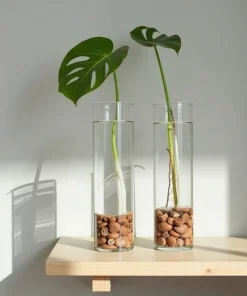
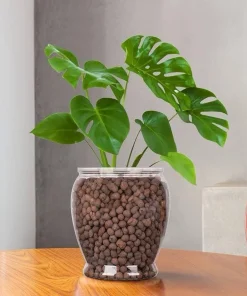
Monstera Deliciosa Live Plant – Swiss Cheese Houseplant for Indoor Decor
Original price was: $43.99.$35.99Current price is: $35.99.
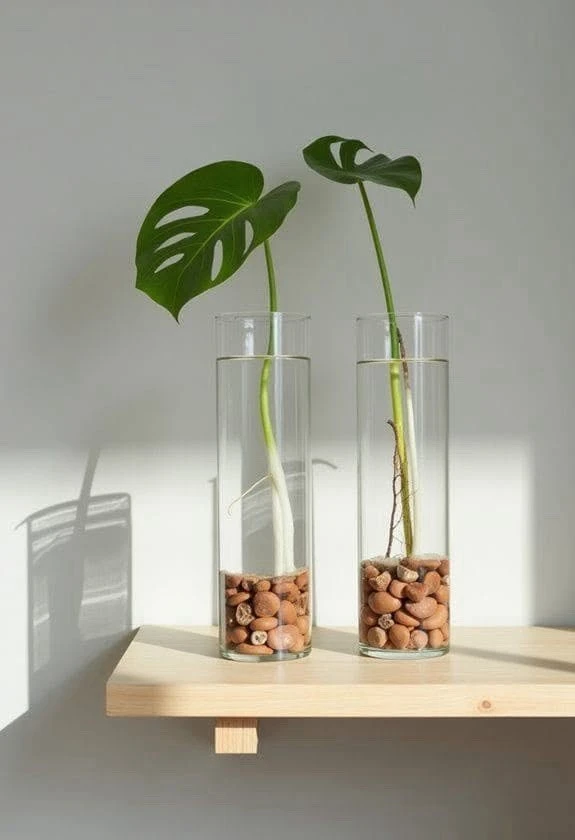
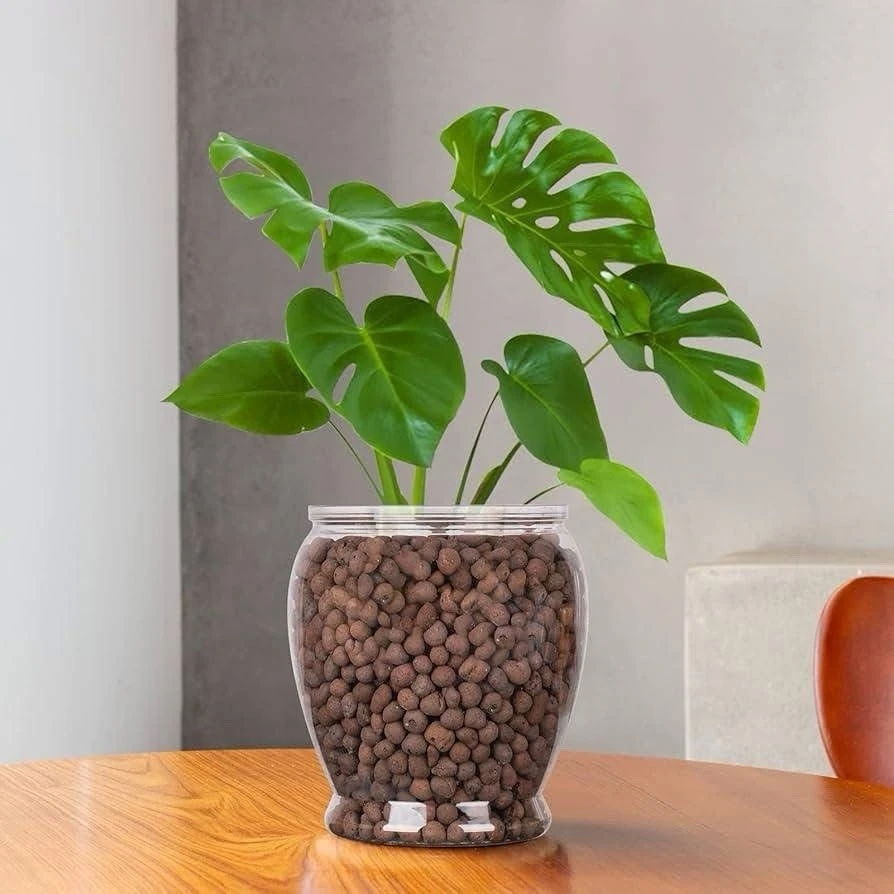
Bring tropical elegance into your home with a Monstera Deliciosa live plant. Also known as the Swiss Cheese Plant, this popular indoor tropical plant features iconic fenestrated leaves that add a dramatic touch to any decor. Easy to care for and stunningly beautiful.
Estimated arrival
Oct 27
Nov 01 - Nov 03
Nov 06 - Nov 10
Shop With Confidence
30-Day Plant Health Guarantee
Arrives damaged? We’ll replace it free — see our return policy.
Responsive Support
Email us anytime, we reply within 1 business day.
Expert Packaging
Temperature-controlled shipping to protect your plants in transit.
Secure Checkout
Pay safely with Visa, Mastercard, PayPal.
Plant Specifications
-
USDA Hardiness Zone
USDA zones 10-12 (outdoors), year-round indoors -
Soil Type
Well-draining potting mix -
Sunlight Exposure
Bright indirect light -
Expected Planting Period
Year-round indoors
Overview
Welcome to the world of lush, vibrant foliage with the Monstera Deliciosa live plant. Revered for its distinctive, deeply lobed and perforated leaves, often resembling Swiss cheese, this botanical marvel is a must-have for any plant enthusiast. Originating from the tropical rainforests of Southern Mexico and Panama, the Swiss Cheese Plant brings an exotic, jungly feel to any indoor setting. As a young plant, its leaves are typically heart-shaped and solid, gradually developing their characteristic splits and holes, known as fenestrations, as they mature. This rapid growth and unique aesthetic make the Monstera Deliciosa live plant a captivating focal point and a popular choice among large leaf houseplant lovers. It’s not just a plant; it’s a living piece of art that transforms your living space into a verdant sanctuary.
The Monstera Deliciosa is a member of the Araceae family and is sometimes colloquially referred to as the ‘Split-leaf Philodendron,’ though it is not a true Philodendron. Its striking appearance and relatively straightforward care requirements have cemented its status as one of the most sought-after indoor tropical plant varieties. Whether you’re a seasoned plant parent or just starting your green journey, the Monstera Deliciosa offers immense satisfaction as you watch its magnificent leaves unfurl and develop. Embrace the beauty and tranquility this remarkable plant brings to your home.
Key Benefits
The Monstera Deliciosa live plant offers a multitude of benefits beyond its stunning appearance, making it a fantastic addition to any indoor space. Its unique foliage and robust nature contribute to a healthier and more aesthetically pleasing environment.
- Dramatic Aesthetic Appeal: The iconic, deeply split, and hole-punched leaves of the Swiss Cheese Plant create an instant focal point, adding a sophisticated and tropical flair to any room. Its large, glossy green leaves can transform even the simplest decor into an exotic retreat.
- Air Purification Qualities: Like many houseplants, the Monstera Deliciosa live plant helps to improve indoor air quality by absorbing common household toxins and releasing fresh oxygen. This contributes to a healthier living or working environment.
- Relatively Easy Care: Despite its exotic appearance, the Monstera Deliciosa is surprisingly forgiving and adaptable, making it suitable for both beginner and experienced plant owners. With proper light and watering, it thrives beautifully.
- Impressive Growth Habit: This plant is a fast grower under optimal conditions, quickly developing into a large, impressive specimen. Watching new leaves emerge and unfurl is a truly rewarding experience for any plant parent.
- Versatile Decor Piece: Its architectural form and vibrant green color allow it to complement a wide range of interior design styles, from minimalist modern to bohemian and traditional. It’s a statement piece that enhances any aesthetic.
- Natural Humidity Boost: As a tropical plant, it releases moisture into the air through transpiration, which can slightly increase humidity levels around it. This is beneficial for both other plants and human comfort, especially in dry climates.
- Engaging and Rewarding: The journey of caring for a Monstera Deliciosa live plant, from its initial small form to a magnificent, mature specimen, is incredibly engaging and provides a profound sense of accomplishment.
Plant Care & Growing Tips
Caring for your Monstera Deliciosa live plant is a rewarding experience that will result in a thriving, beautiful specimen. Understanding its needs for light, water, and soil is crucial for healthy growth. For optimal growth, place your Swiss Cheese Plant in a location that receives bright, indirect light. Direct, harsh sunlight can scorch its leaves, leading to yellowing or browning. An east-facing window is often ideal, or a few feet away from a south or west-facing window. If your home lacks sufficient natural light, a grow light can supplement its needs. Rotate the plant periodically to ensure even growth and prevent it from leaning towards the light source.
Watering is key to successful Monstera plant care. Allow the top 2-3 inches of soil to dry out completely between waterings. Overwatering is a common killer of Monsteras, leading to root rot, so ensure excellent drainage. When you do water, do so thoroughly until water drains from the bottom of the pot. Reduce watering frequency in winter when the plant’s growth slows. The ideal soil for a Monstera is a well-draining, airy potting mix. A blend of peat moss, perlite, and pine bark works well to provide both moisture retention and aeration. These plants thrive in consistently warm temperatures between 65-80°F (18-27°C) and appreciate high humidity, making them perfect indoor tropical plant choices. You can boost humidity by misting, using a pebble tray, or placing a humidifier nearby. Fertilize every 2-4 weeks during the growing season (spring and summer) with a balanced liquid fertilizer, diluted to half strength. Common problems include yellowing leaves (overwatering or nutrient deficiency), brown leaf tips (low humidity), and pests like spider mites or mealybugs, which can be treated with insecticidal soap.
Size & Details
This Monstera Deliciosa live plant is an ideal starter plant, typically shipped in a nursery pot, ready for you to transplant into your preferred decorative container. While exact dimensions can vary, it is generally supplied as a young plant, with a typical height of 6-12 inches from the soil line, and a similar spread. The growth rate of the large leaf houseplant is considered moderate to fast under ideal conditions, meaning it will quickly begin to develop its characteristic fenestrated leaves. Expect your plant to mature and start showing more pronounced splits in its leaves within 6-12 months, depending on care and environment. It can eventually grow quite large, reaching several feet tall and wide indoors, making it a truly impressive specimen. The plant will arrive healthy and carefully packaged, ensuring a smooth transition to its new home.
Frequently Asked Questions
- Q: How big does this plant get? A: A Monstera Deliciosa live plant can grow quite large indoors, typically reaching 3-6 feet tall and wide, but it can be pruned to maintain a desired size. Its ultimate size will depend on its care, pot size, and growing conditions.
- Q: Is this an indoor or outdoor plant? A: While it is an indoor tropical plant in most climates, it can be grown outdoors in USDA Zones 10-12 where temperatures remain consistently warm and frost-free. For most US customers, it is best suited as a houseplant.
- Q: How much sunlight does it need? A: The Swiss Cheese Plant thrives in bright, indirect light. Avoid direct afternoon sun, which can scorch its leaves. A spot near an east-facing window or a few feet from a south or west-facing window is usually ideal.
- Q: Is this plant easy to care for? A: Yes, the Monstera Deliciosa is considered relatively easy to care for, making it a good choice for beginners. Its main requirements are bright, indirect light, consistent watering when the topsoil dries, and good drainage.
- Q: What condition will it arrive in? A: Your Monstera Deliciosa live plant will arrive healthy and carefully packaged to ensure its safety during transit. It will be shipped in a nursery pot with soil, ready for you to unpack and place in its new home.
- Q: Is it pet-safe? A: No, Monstera Deliciosa is toxic to pets if ingested due to calcium oxalates. It’s best to keep it out of reach of curious cats and dogs to ensure their safety.
- Q: How often should I water my Monstera? A: Water your Monstera when the top 2-3 inches of soil feel dry to the touch. This typically means watering once every 1-2 weeks, but adjust based on your home’s humidity, light, and the season.
- Q: When is the best time to repot my Monstera? A: Repot your large leaf houseplant when it becomes root-bound, usually every 1-2 years. Spring or early summer is the ideal time to repot, giving the plant ample time to adjust and grow.
- Q: Do the leaves always have holes? A: Young Monstera Deliciosa live plant leaves are typically solid and heart-shaped. The characteristic splits and holes (fenestrations) develop as the plant matures and receives adequate light and care.
- Q: What kind of soil is best for Monstera? A: A well-draining, airy potting mix is best. A blend containing peat moss, perlite, and bark chunks provides the ideal balance of moisture retention and aeration for healthy root development for your Monstera plant care.
Be the first to review “Monstera Deliciosa Live Plant – Swiss Cheese Houseplant for Indoor Decor”
People Also Viewed
Uncategorized
Flower Plants
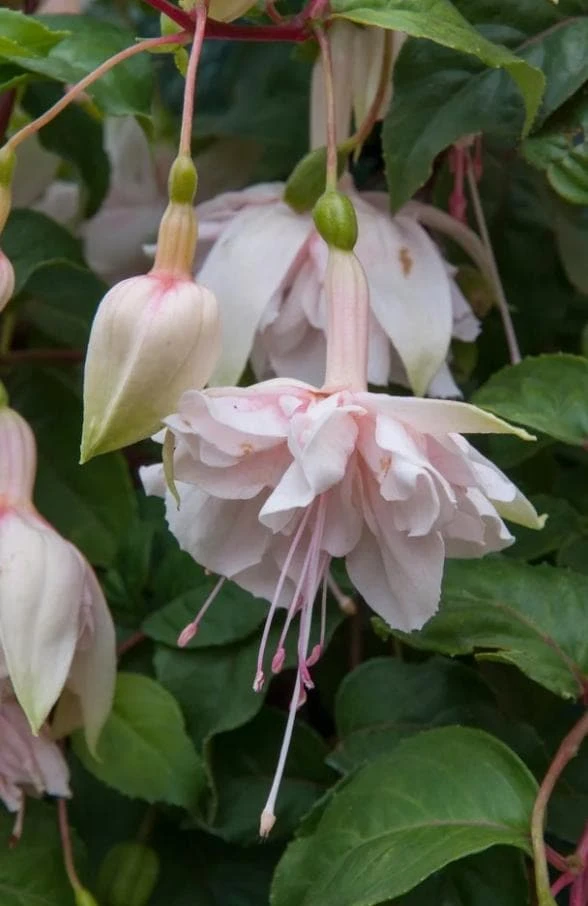
Pink Marshmallow Fuchsia Live Plant – 6″ Pot – Soft Pink Flowers – Shade-Loving Hanging Basket
Reviews
There are no reviews yet.