
10 Japanese Fatsia Seeds – Aralia Japonica Paperplant Shrub Flower
Original price was: $37.99.$17.99Current price is: $17.99.
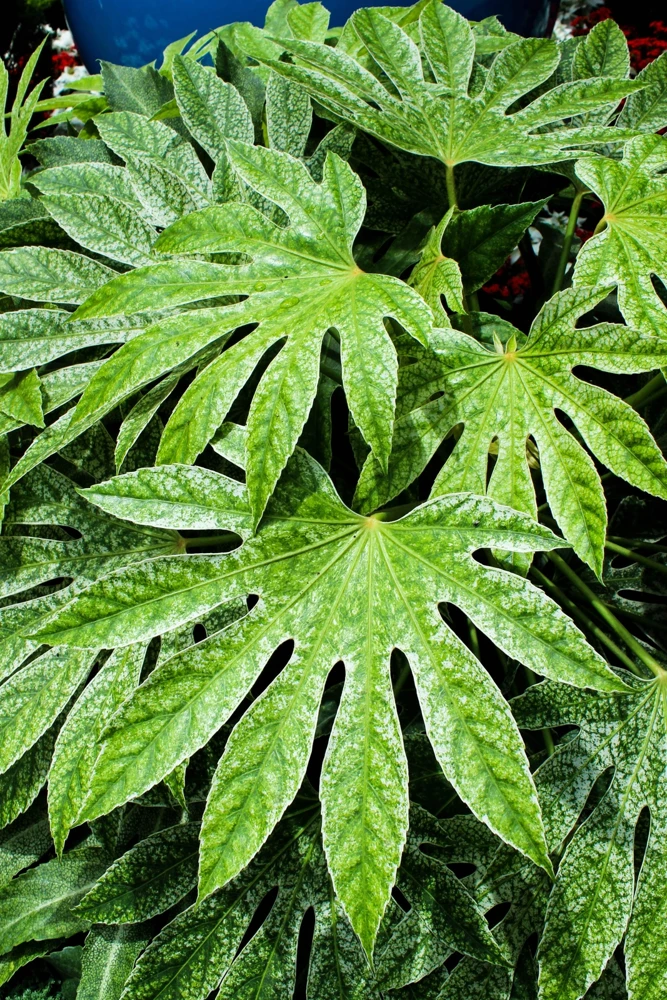
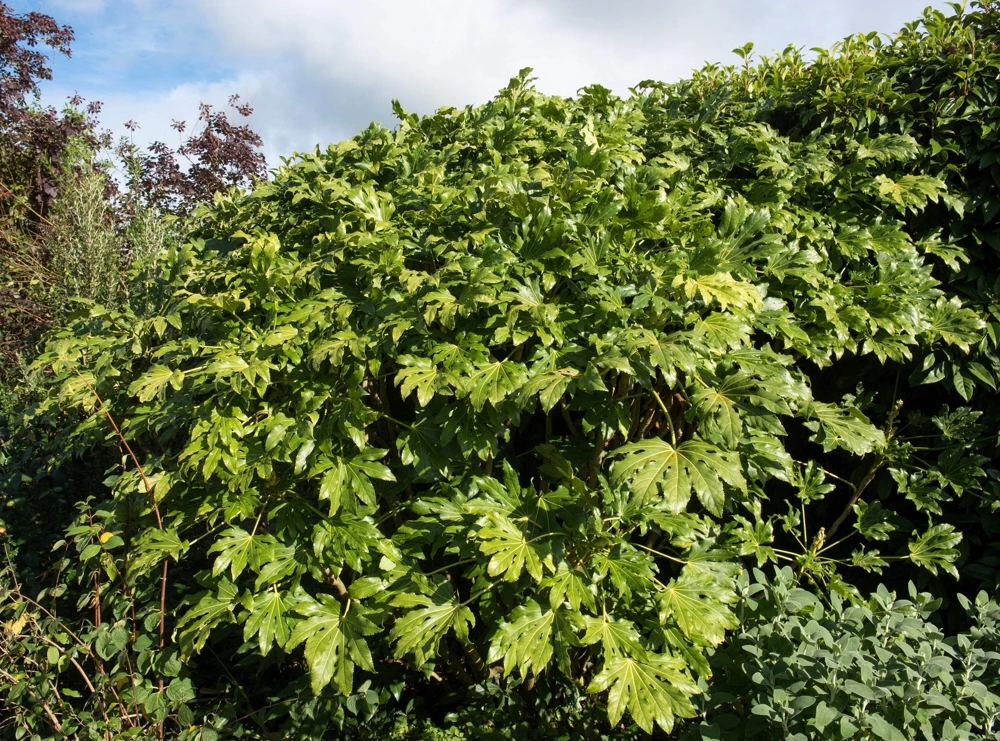
Cultivate the stunning Japanese Fatsia seeds to add a touch of tropical elegance to your garden. These Aralia Japonica seeds produce vigorous shrubs known for their large, deeply lobed, glossy leaves, ideal for creating a lush, exotic feel in shaded areas. Perfect for borders, containers, or as a striking focal point, this Paperplant seeds offer a unique texture and year-round interest.
Estimated arrival
Sep 17
Sep 22 - Sep 24
Sep 27 - Oct 01
Shop With Confidence
30-Day Plant Health Guarantee
Arrives damaged? We’ll replace it free — see our return policy.
Responsive Support
Email us anytime, we reply within 1 business day.
Expert Packaging
Temperature-controlled shipping to protect your plants in transit.
Secure Checkout
Pay safely with Visa, Mastercard, PayPal.
Plant Specifications
-
USDA Hardiness Zone
USDA zones 7-10 -
Soil Type
Rich, well-draining, consistently moist soil -
Sunlight Exposure
Partial to full shade -
Expected Planting Period
Late winter to early spring indoors
Overview
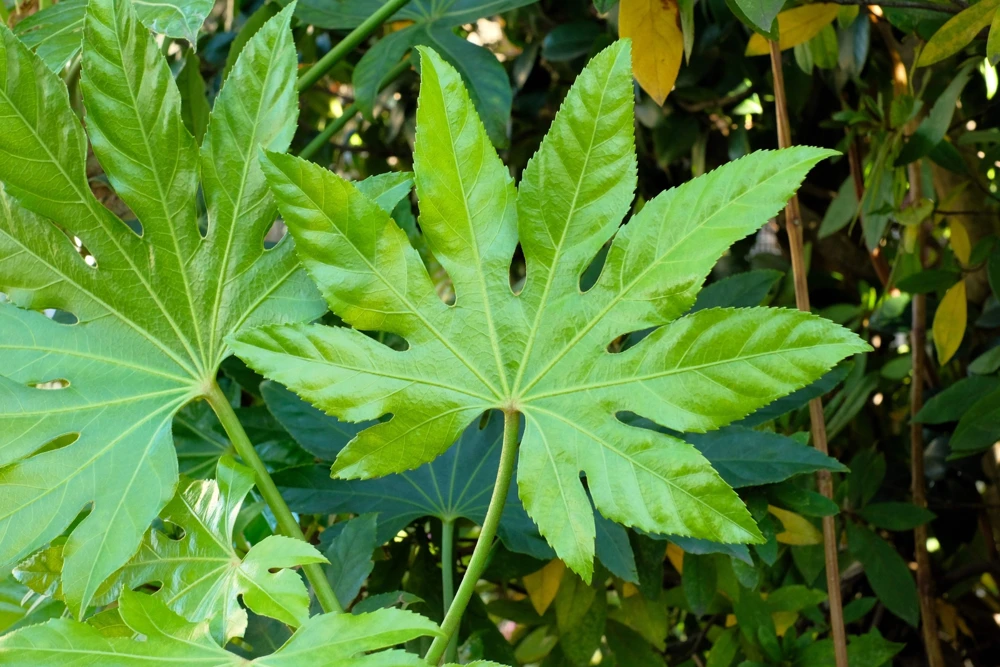
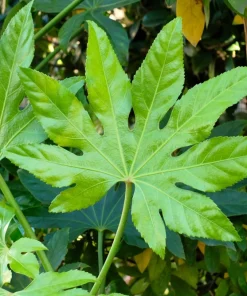
Embark on a rewarding gardening journey by cultivating your own Japanese Fatsia seeds. Also known by its botanical name Fatsia japonica or commonly as Paperplant and Aralia, this magnificent evergreen shrub is celebrated for its dramatic foliage and architectural form. Originating from the shaded forest floors of Japan, Korea, and Taiwan, the Japanese Fatsia brings an exotic, tropical vibe to any landscape or container garden. These seeds offer the opportunity to grow a robust, shade-loving plant that can reach impressive sizes, providing lush greenery and a striking visual impact. The large, deeply lobed, glossy green leaves are the star of the show, creating a bold statement that complements both traditional and contemporary garden designs. Growing Aralia Japonica seeds is a patient but ultimately fulfilling endeavor, resulting in a resilient and beautiful addition to your plant collection.
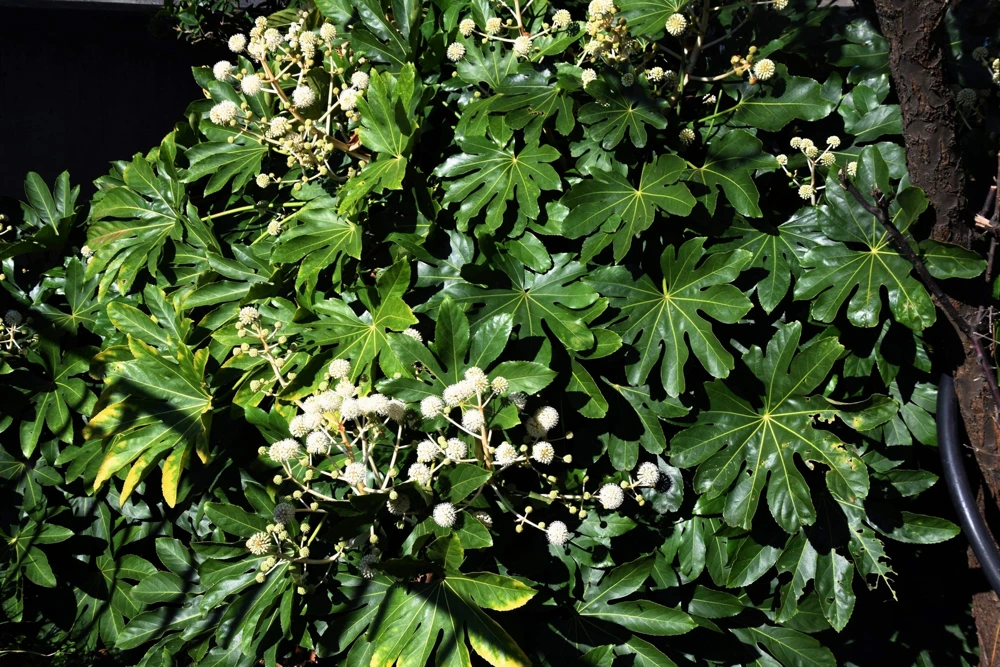
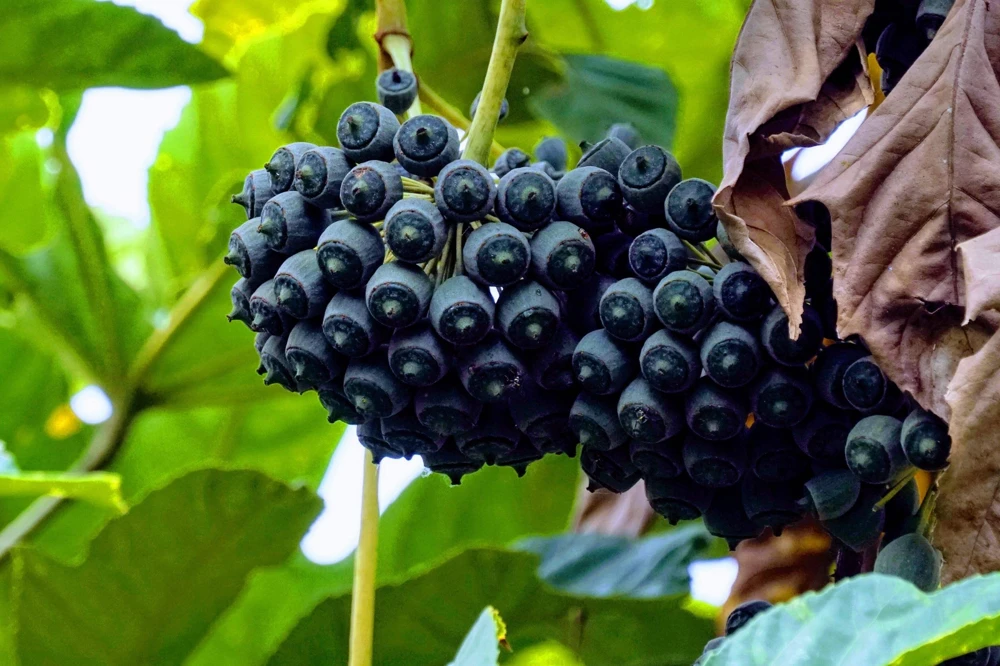
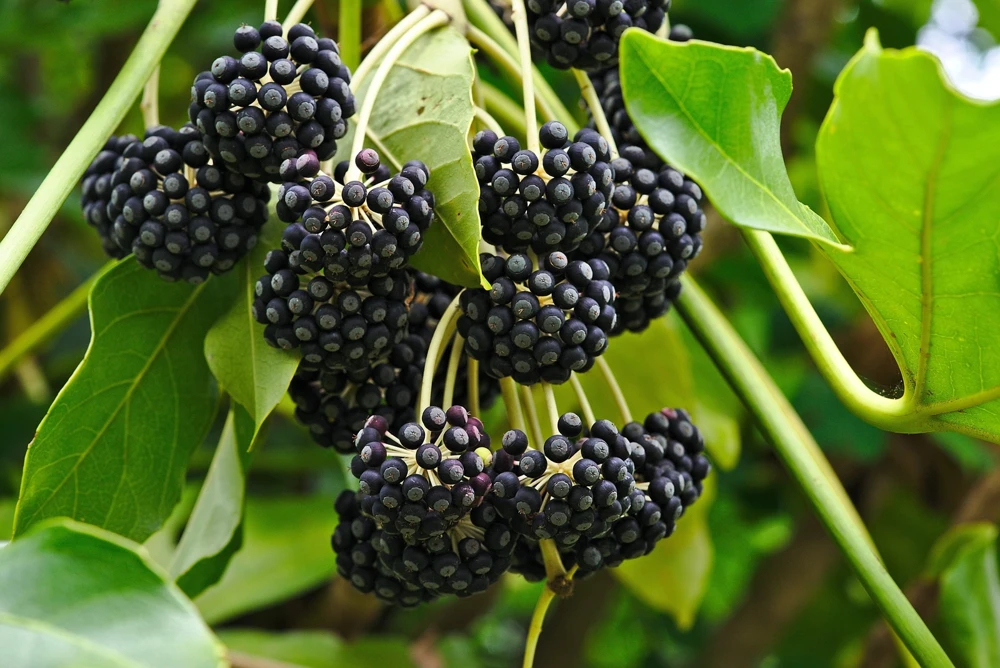
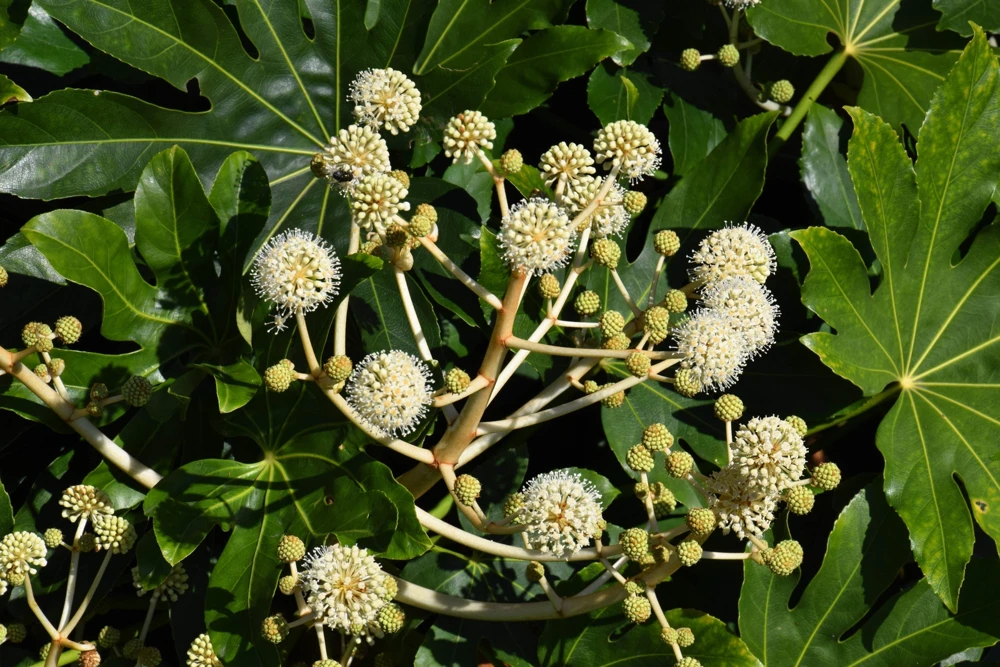
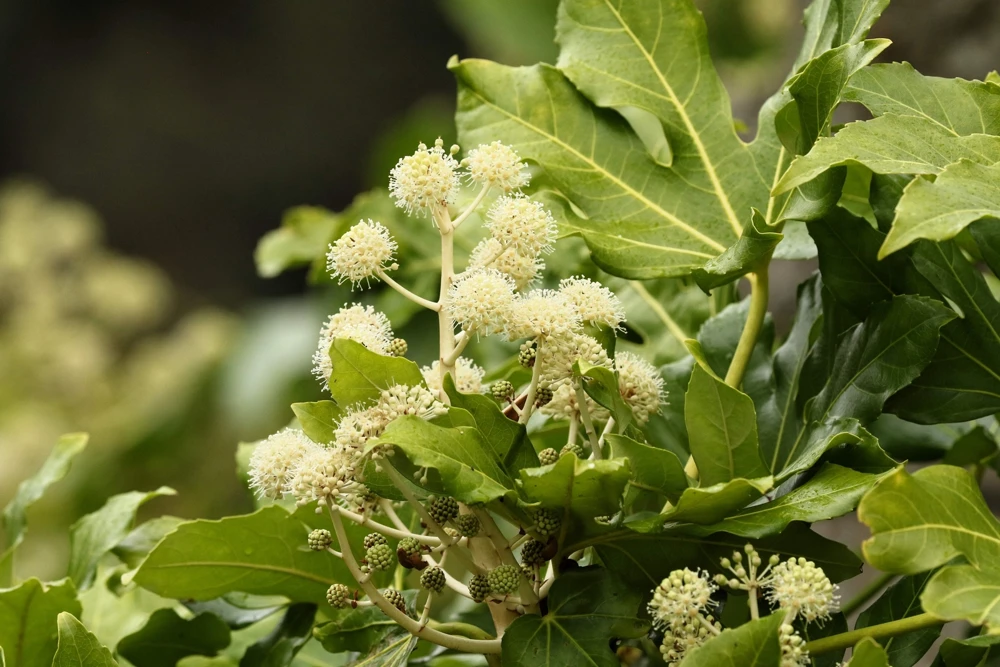
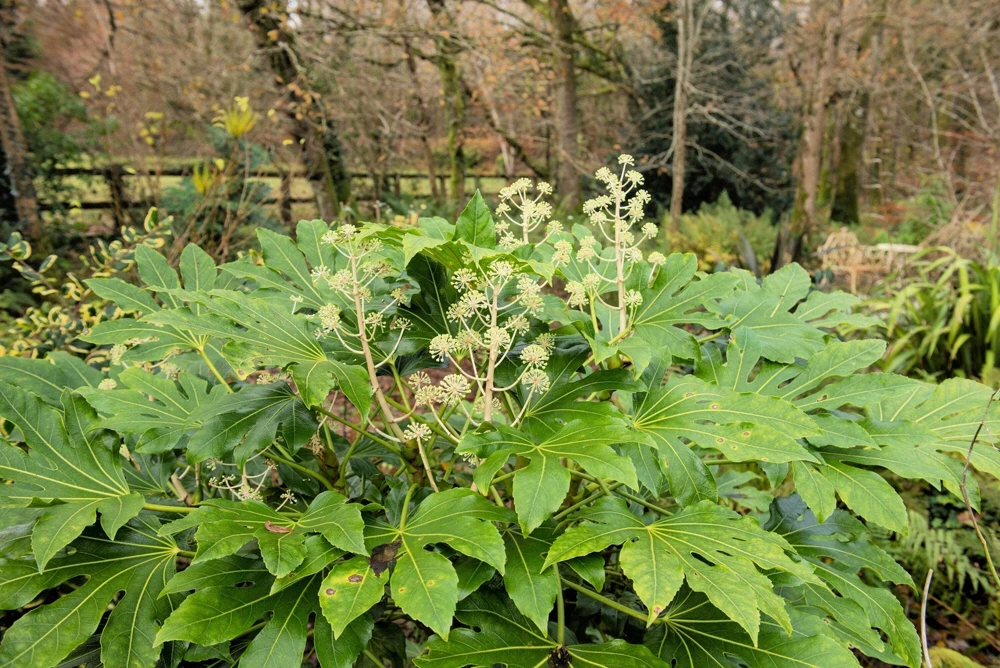
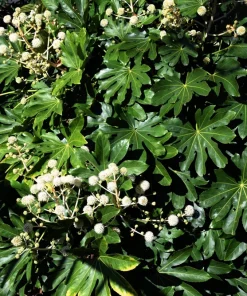
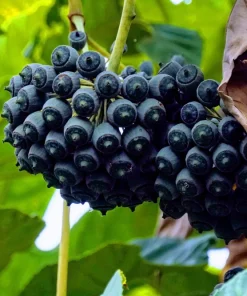
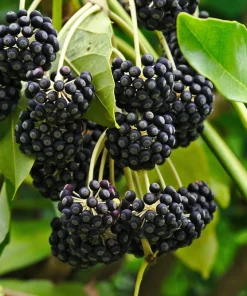
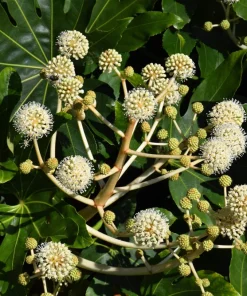
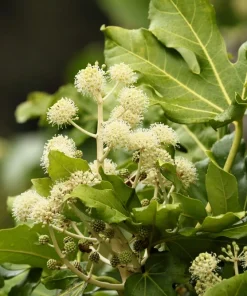
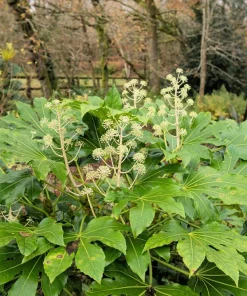
The allure of the Japanese Fatsia seeds lies not only in its striking appearance but also in its adaptability. While it thrives in partial to full shade, making it an excellent choice for challenging low-light areas, it can also tolerate some morning sun. Its ability to flourish in various conditions makes it a versatile plant for different garden settings. Whether you’re looking to create a dense, verdant understory, a privacy screen, or a captivating specimen plant, the Fatsia japonica delivers. The plant also produces clusters of small, creamy white flowers in autumn, followed by attractive black berries, adding seasonal interest. These Paperplant seeds provide an economical and engaging way to introduce this exceptional shrub into your garden.
Key Benefits
Growing Japanese Fatsia seeds offers numerous advantages for both novice and experienced gardeners, transforming your outdoor or indoor spaces with minimal effort:
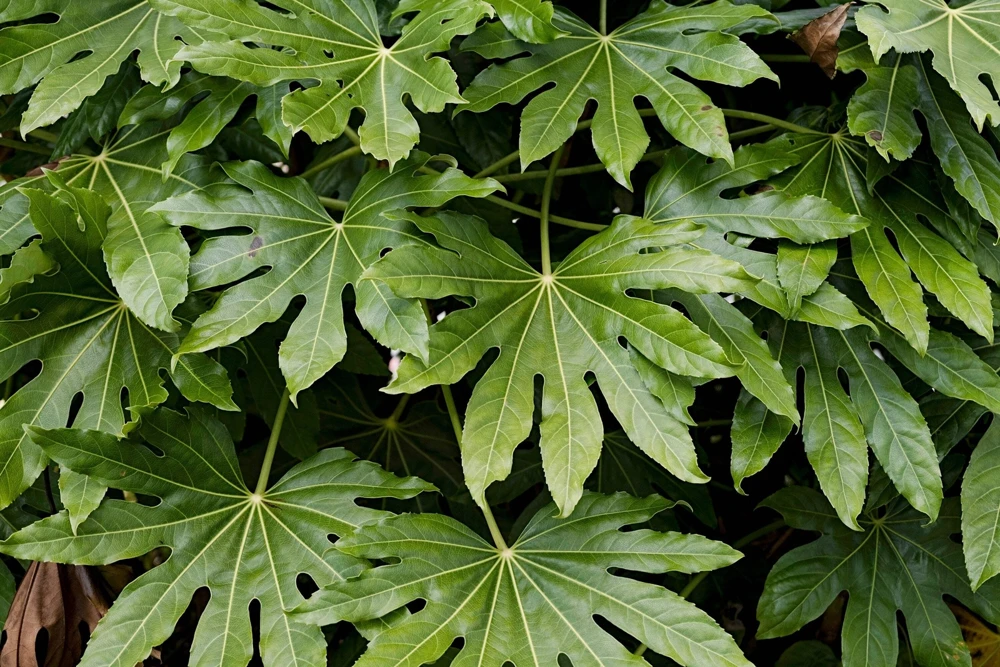
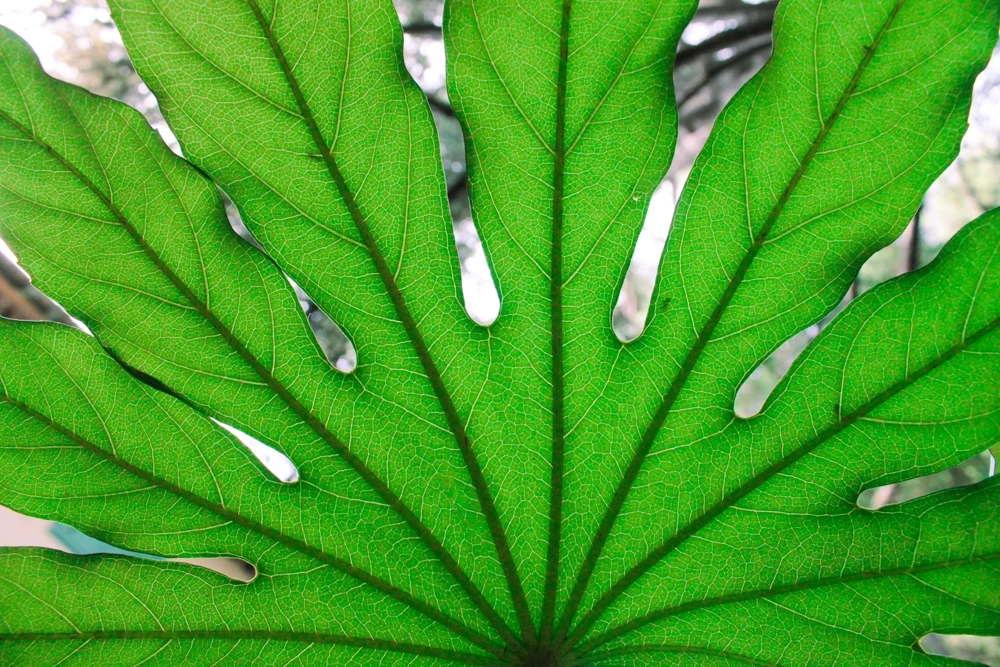
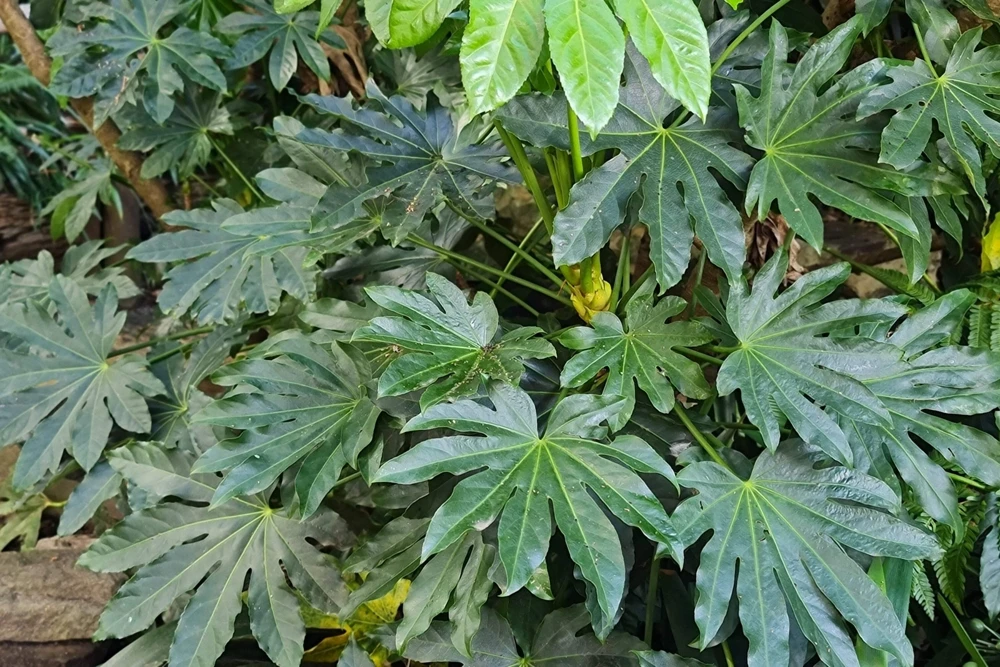
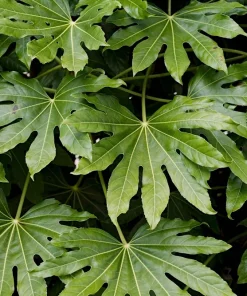
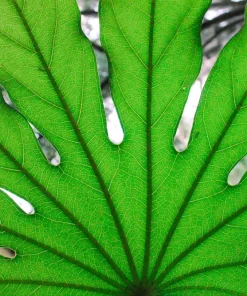
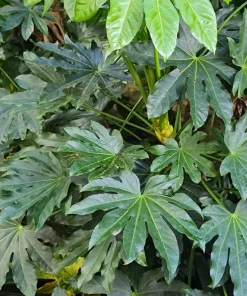
- Striking Foliage: The most prominent feature of the Japanese Fatsia is its large, glossy, dark green leaves, which can span up to 16 inches across. These deeply lobed leaves create a bold, tropical aesthetic, providing year-round visual interest and a lush backdrop for other plants.
- Shade Tolerance: Unlike many plants that require full sun, the Fatsia japonica thrives in partial to full shade, making it an ideal choice for illuminating dark corners of the garden, under trees, or on the north side of buildings. This makes it a perfect plant for creating a vibrant shade garden.
- Low Maintenance: Once established, the Japanese Fatsia is remarkably low-maintenance. It is relatively pest-resistant and disease-free, requiring only occasional pruning to maintain its shape and remove any dead or damaged leaves. This makes growing Aralia Japonica seeds a hassle-free experience.
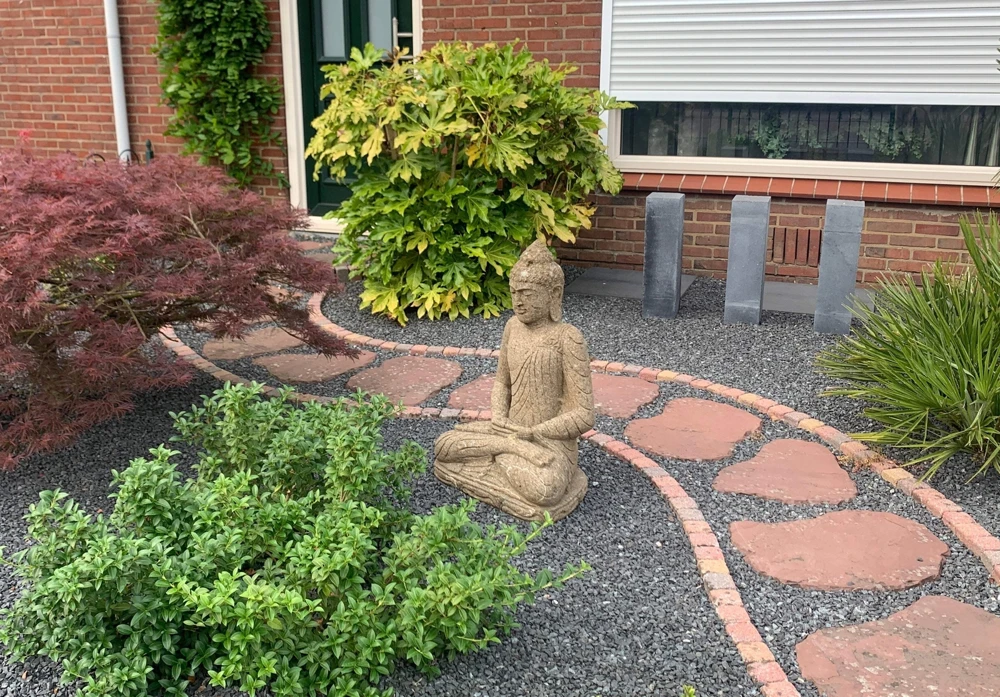
- Architectural Appeal: With its upright growth habit and dramatic leaves, the Fatsia japonica provides excellent architectural structure to the landscape. It can serve as a stunning focal point or a strong component in mixed borders and woodland gardens.
- Air Purification: Like many broad-leaved plants, the Japanese Fatsia contributes to improving air quality, making it a beneficial addition to both outdoor spaces and as a large indoor plant in suitable climates.
- Container Versatility: The Paperplant seeds can be grown in large containers, allowing you to enjoy its beauty on patios, decks, or even indoors in bright, indirect light, especially in regions with colder winters.
- Wildlife Attraction: The autumn flowers provide a late-season nectar source for pollinators, and the subsequent berries are a food source for birds, adding biodiversity to your garden.
Plant Care & Growing Tips
To successfully cultivate Japanese Fatsia seeds and ensure a thriving plant, understanding its specific care requirements is crucial. Begin by sowing the seeds in a well-draining seed-starting mix, lightly covering them with soil. Maintain consistent moisture and warmth, ideally around 65-75°F (18-24°C), and provide indirect light. Germination can be slow and erratic, sometimes taking several weeks or even months, so patience is key. Once seedlings are large enough to handle, transplant them into individual pots.
For established plants grown from Aralia Japonica seeds, choose a location with partial to full shade. While it can tolerate some morning sun, direct afternoon sun can scorch its large leaves. The ideal soil is rich, well-draining, and consistently moist. Amend heavy clay soils with organic matter to improve drainage and fertility. Water regularly, especially during dry periods, ensuring the soil remains damp but not waterlogged. Reduce watering in winter. The Japanese Fatsia is hardy in USDA zones 7-10, though some varieties can tolerate zone 6 with protection. In colder zones, it can be grown in containers and brought indoors for winter.
Fertilize your Fatsia japonica in spring with a balanced, slow-release granular fertilizer or a liquid feed diluted to half strength. Pruning is generally minimal, focusing on removing any dead, damaged, or crossing branches to maintain a tidy appearance and good air circulation. You can also prune to control its size or shape. Watch out for common pests like spider mites or scale insects, especially if grown indoors or in very dry conditions; address them with insecticidal soap if necessary. Proper care will help your Paperplant seeds mature into a magnificent, healthy shrub.
Size & Details
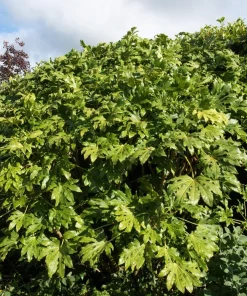
These Japanese Fatsia seeds are designed for growing into a substantial evergreen shrub. In optimal conditions, a mature Fatsia japonica can reach a height of 6 to 10 feet and spread equally wide, though it can be maintained smaller with pruning. The individual leaves are notably large, often growing 8 to 16 inches across, giving the plant its distinctive bold texture. The growth rate is moderate, meaning it will establish itself well within a few years, gradually forming a dense, lush specimen. When sowing the Aralia Japonica seeds, anticipate that it will take some time for the plant to reach its full majestic size, typically several years of consistent growth.
The seeds are intended to be sown directly into seed-starting trays or small pots. Once germinated and established, young plants can be transplanted into larger containers or directly into the garden. The plant will produce small, globular clusters of white flowers in late autumn, followed by small, inedible black berries that persist into winter, providing additional ornamental value. The ultimate size and vigor of the plant will depend on growing conditions, climate, and care. These Paperplant seeds offer the opportunity to nurture a plant from its very beginning, observing its transformation into a striking garden feature.
Frequently Asked Questions
- Q: How big does a Japanese Fatsia get from these seeds? A: A mature Japanese Fatsia typically grows 6 to 10 feet tall and wide. Its ultimate size depends on growing conditions and can be managed with pruning.
- Q: What are the sunlight requirements for growing Japanese Fatsia from seeds? A: Japanese Fatsia thrives in partial to full shade. While young seedlings need bright, indirect light, mature plants should be protected from direct afternoon sun to prevent leaf scorching.
- Q: Is this plant easy to care for, especially for beginners? A: Once established, Japanese Fatsia is relatively low-maintenance and can be a good choice for beginners, provided its basic needs for shade, moisture, and well-draining soil are met. Growing from Japanese Fatsia seeds requires patience for germination.
- Q: What condition will the seeds arrive in? A: The seeds will arrive as dry, viable seeds, ready for sowing. They should be stored in a cool, dry place until you are ready to plant them.
- Q: Can I grow Aralia Japonica indoors? A: Yes, Aralia Japonica seeds can be grown indoors in a large pot, provided it receives bright, indirect light and consistent humidity. It makes a striking houseplant.
- Q: When is the best time to plant Japanese Fatsia seeds? A: The best time to sow Paperplant seeds is typically in late winter or early spring indoors, giving them a head start before the warmer weather arrives.
- Q: What USDA hardiness zones are suitable for Japanese Fatsia? A: Japanese Fatsia is generally hardy in USDA zones 7-10. In colder zones, it can be grown in containers and protected indoors during winter.
- Q: What kind of soil does Japanese Fatsia prefer? A: It prefers rich, well-draining soil that retains moisture. Amending with organic matter is beneficial, especially for heavy soils.
- Q: How long does it take for Japanese Fatsia seeds to germinate? A: Germination can be slow and irregular, often taking several weeks to a few months. Patience and consistent moisture are important for success with Japanese Fatsia seeds.
- Q: Will the Japanese Fatsia attract pollinators or wildlife? A: Yes, the late autumn flowers provide nectar for pollinators, and the subsequent black berries are a food source for birds, adding ecological value to your garden.
Be the first to review “10 Japanese Fatsia Seeds – Aralia Japonica Paperplant Shrub Flower”
People Also Viewed
Flower Bulbs
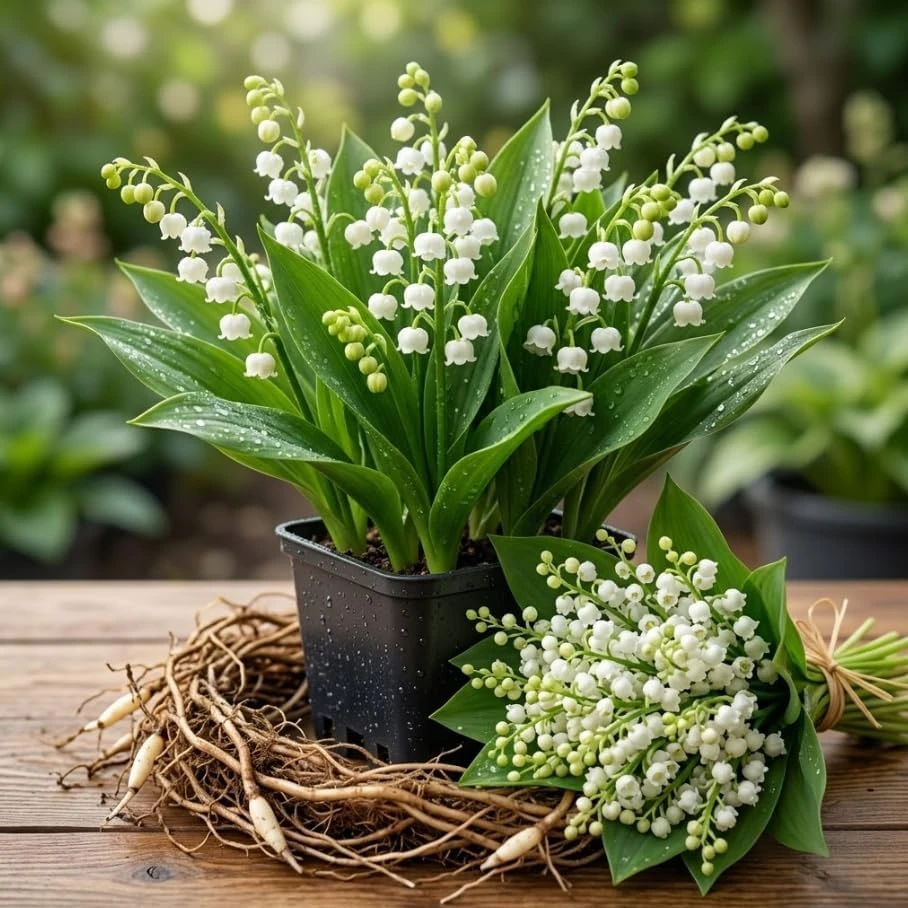
Lilly of the Valley Bare Root Plant – 5 Fresh Rhizomes, Fragrant White Flowers, 4-6 Inch, Outdoor


Reviews
There are no reviews yet.