
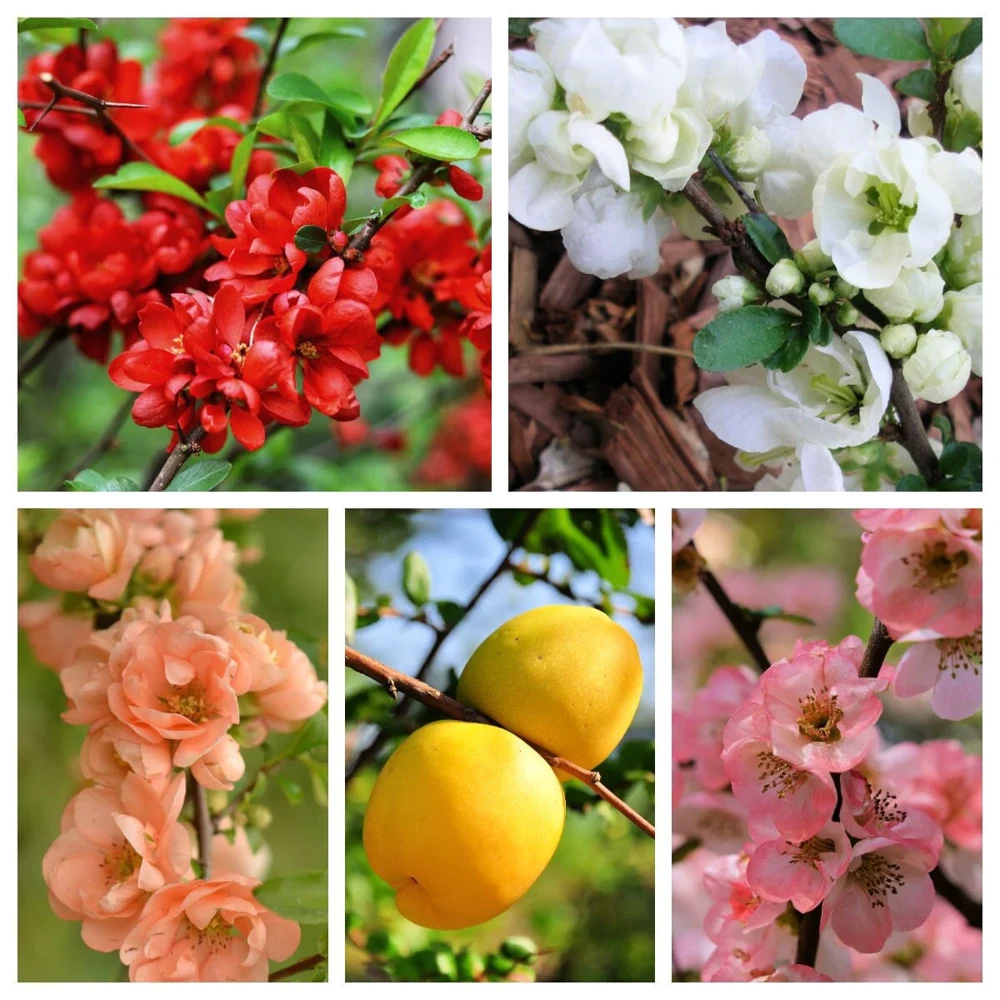
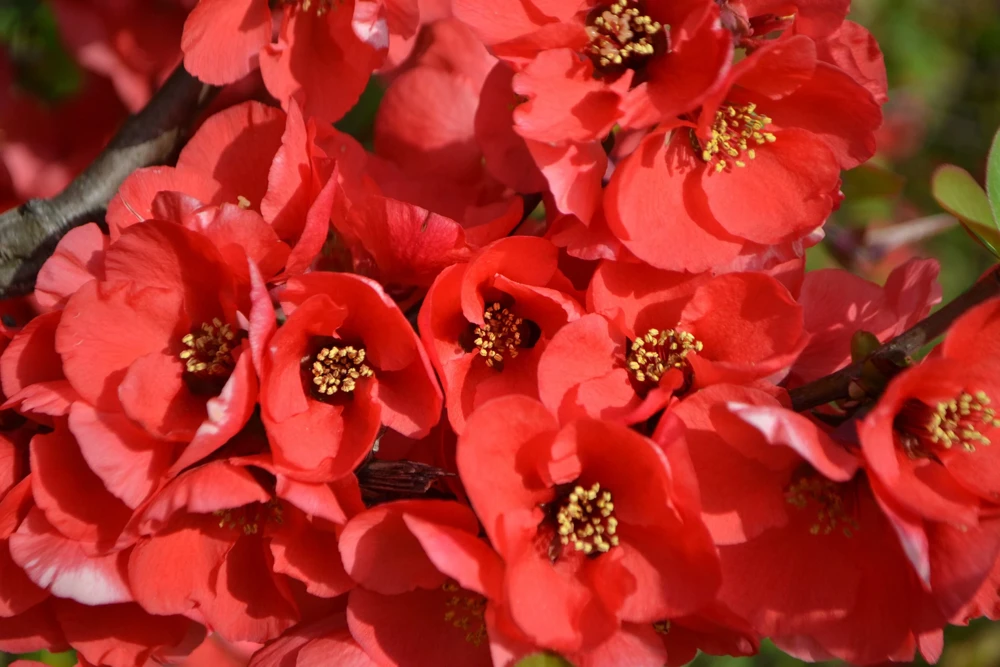
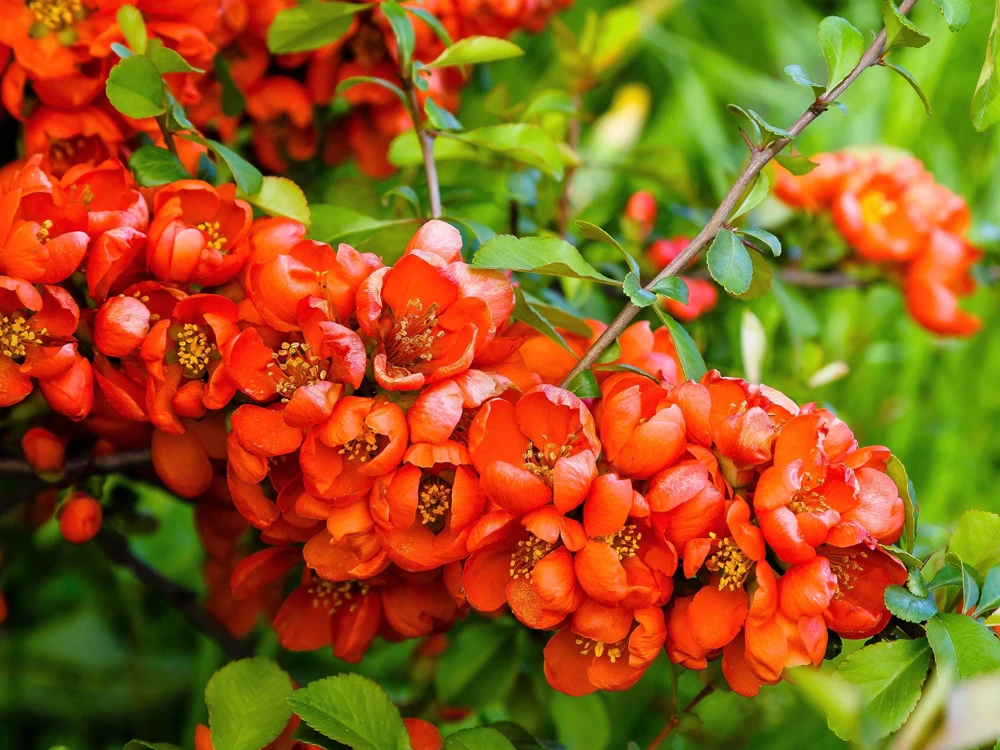
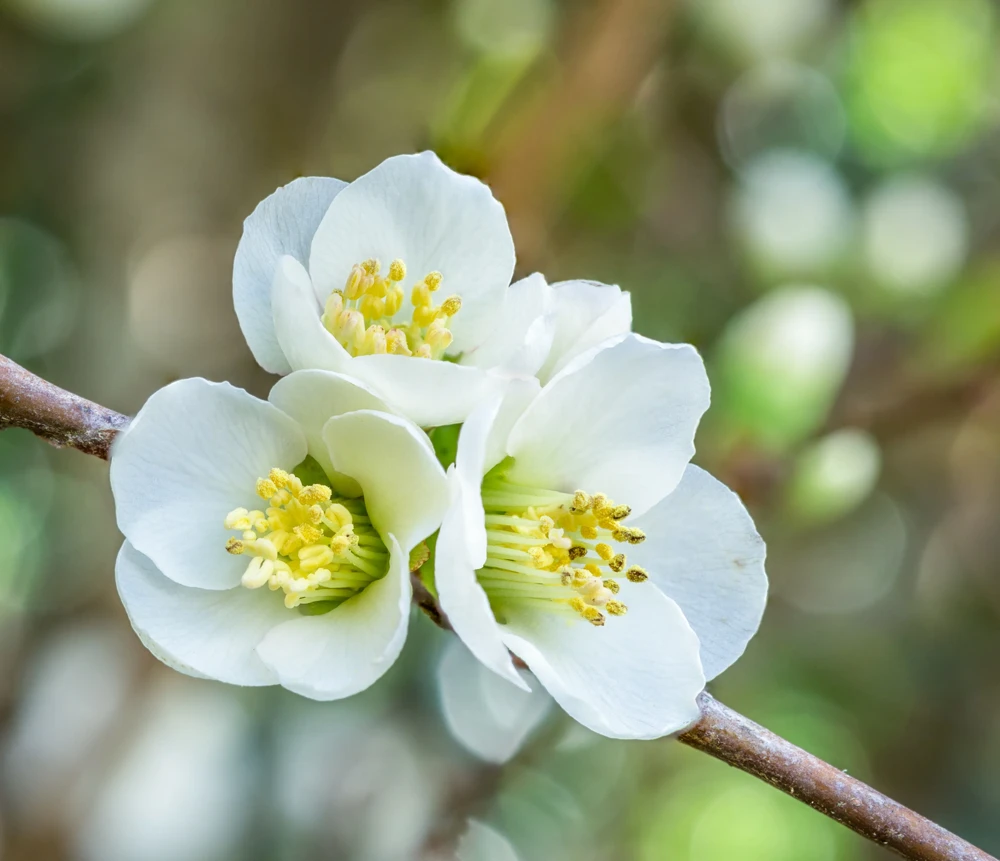
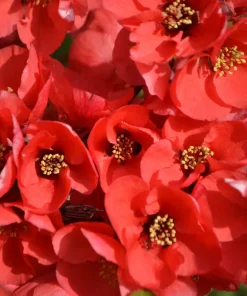
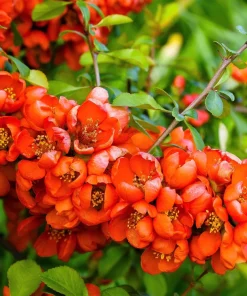
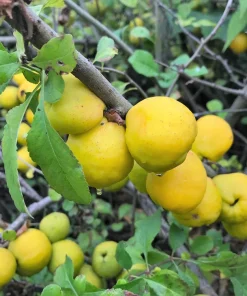
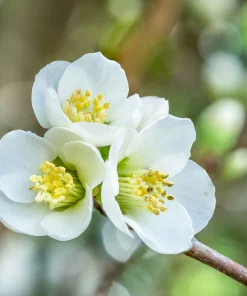
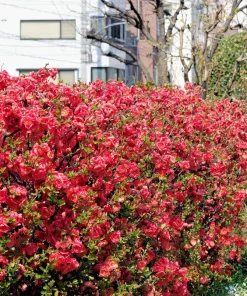
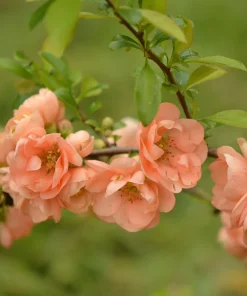
30 Flowering Quince Shrub Seeds – Pink, Red, White, Orange Chaenomeles Speciosa
Original price was: $37.99.$17.99Current price is: $17.99.
Discover the beauty of flowering quince seeds! This pack contains 30 seeds that will grow into resilient shrubs featuring stunning pink, red, white, or orange blooms. Ideal for garden enthusiasts seeking vibrant, low-maintenance ornamental plants.
Estimated arrival
Sep 17
Sep 22 - Sep 24
Sep 27 - Oct 01
Shop With Confidence
30-Day Plant Health Guarantee
Arrives damaged? We’ll replace it free — see our return policy.
Responsive Support
Email us anytime, we reply within 1 business day.
Expert Packaging
Temperature-controlled shipping to protect your plants in transit.
Secure Checkout
Pay safely with Visa, Mastercard, PayPal.
Plant Specifications
-
USDA Hardiness Zone
USDA Zones 4-9 -
Soil Type
Well-draining loam -
Sunlight Exposure
Full sun to partial shade -
Expected Planting Period
Early spring after stratification
Overview
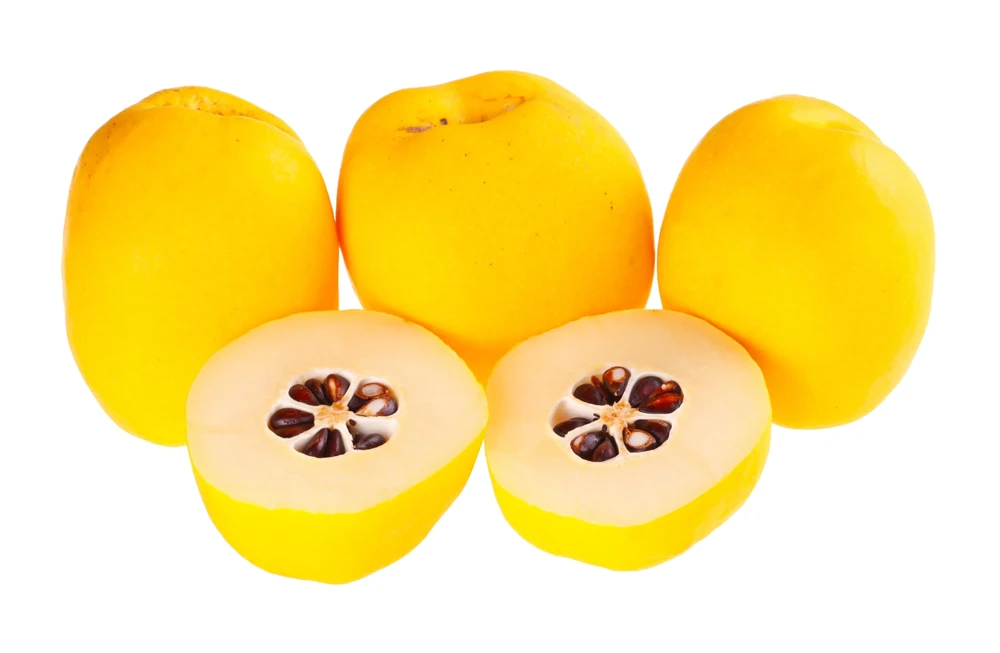
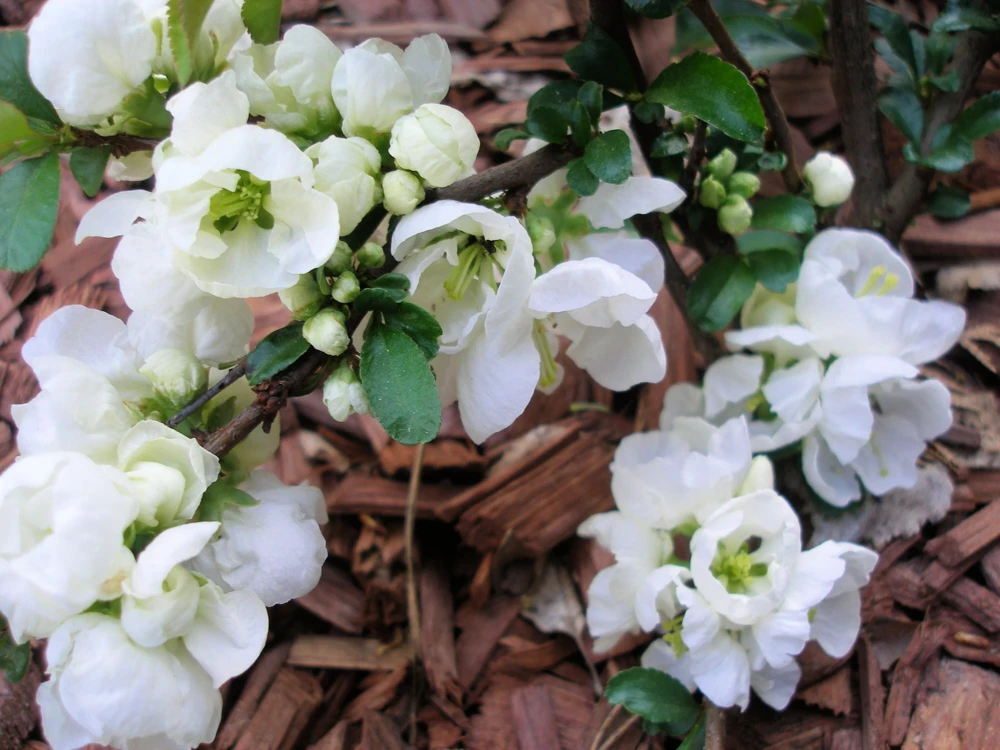
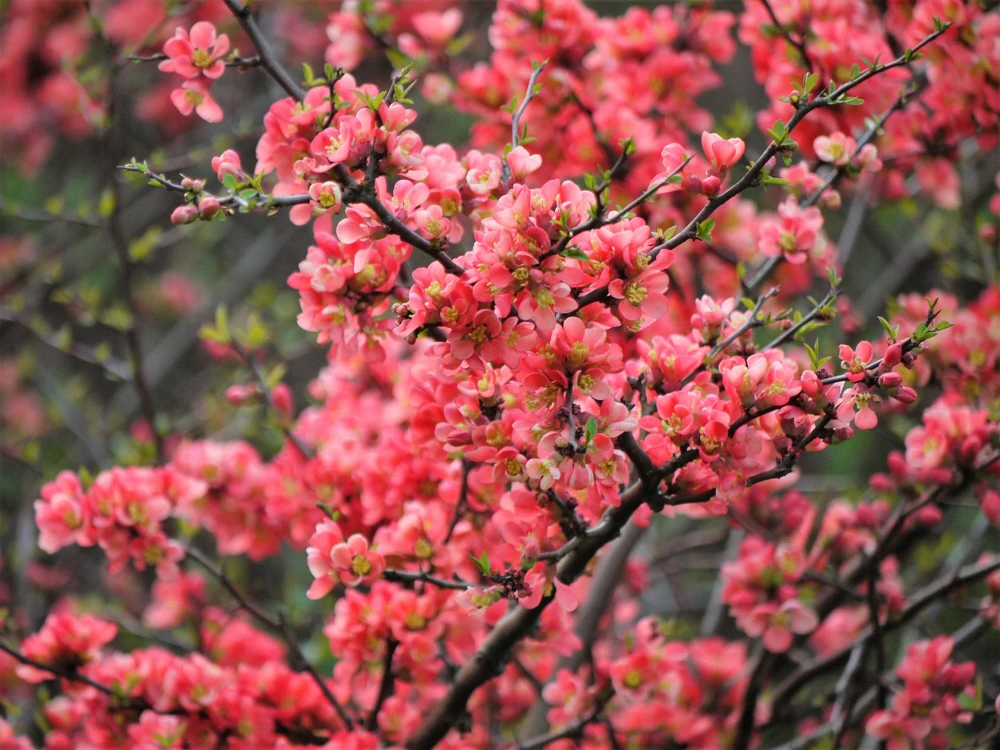
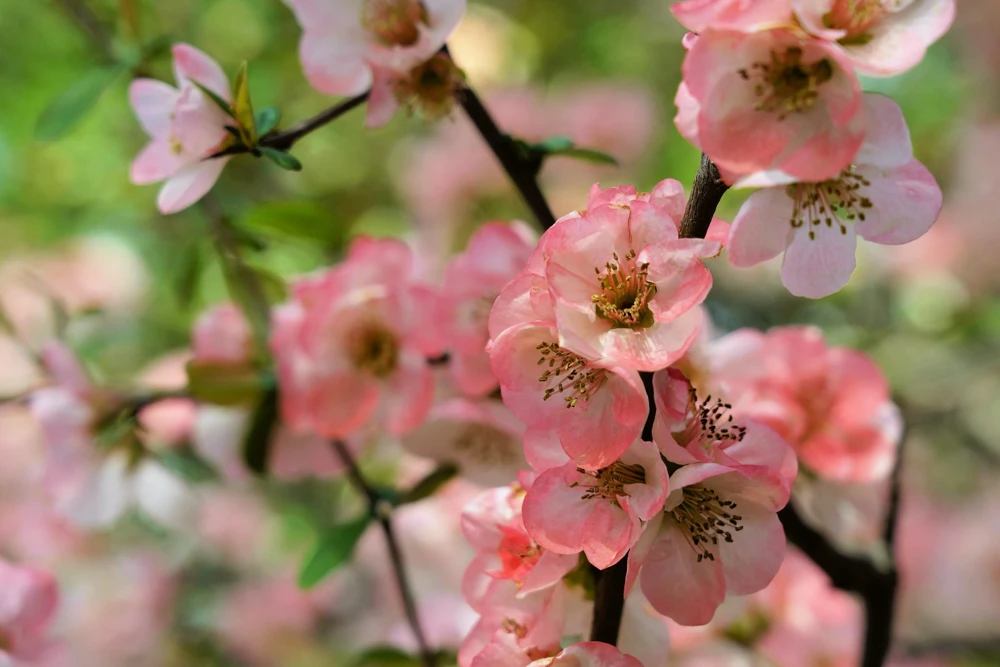
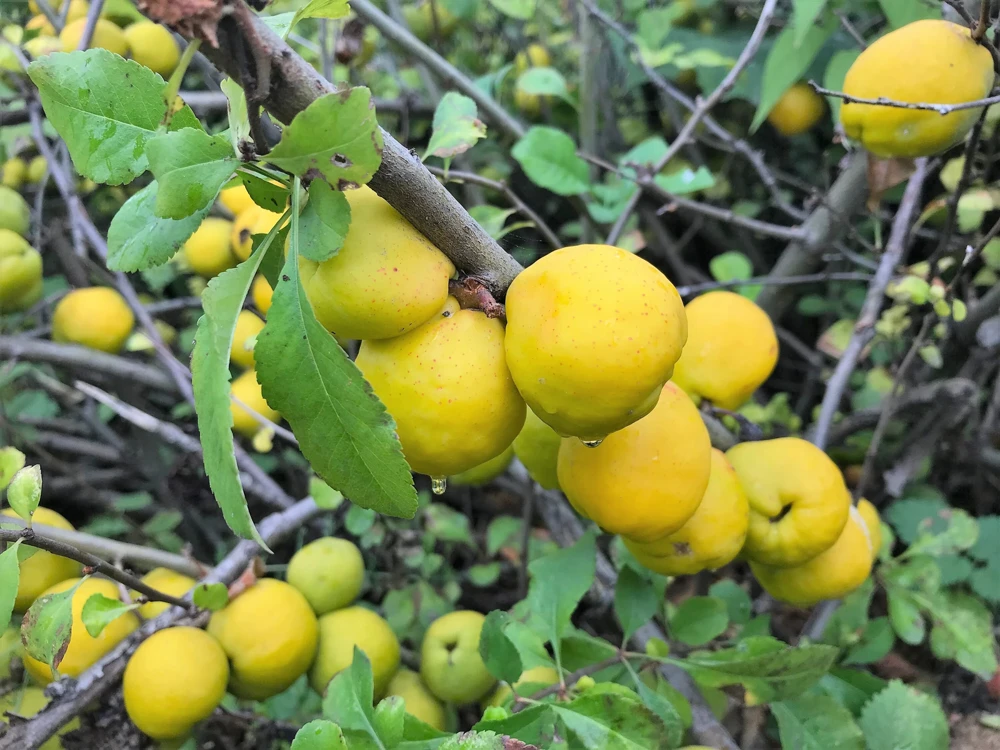
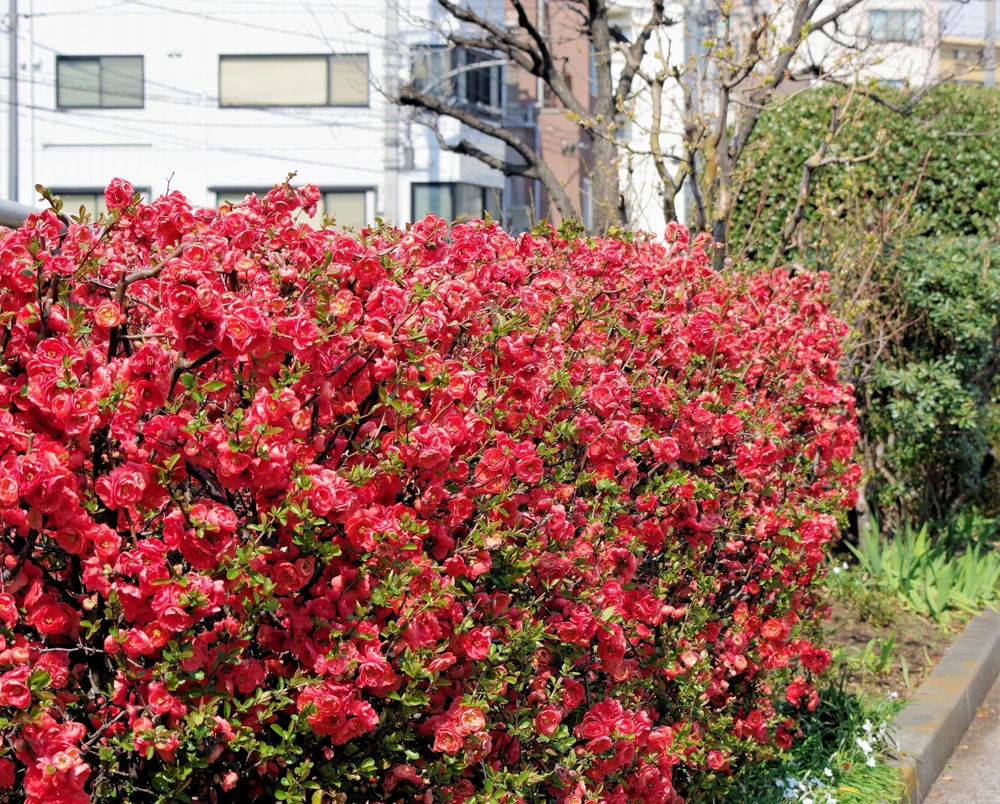
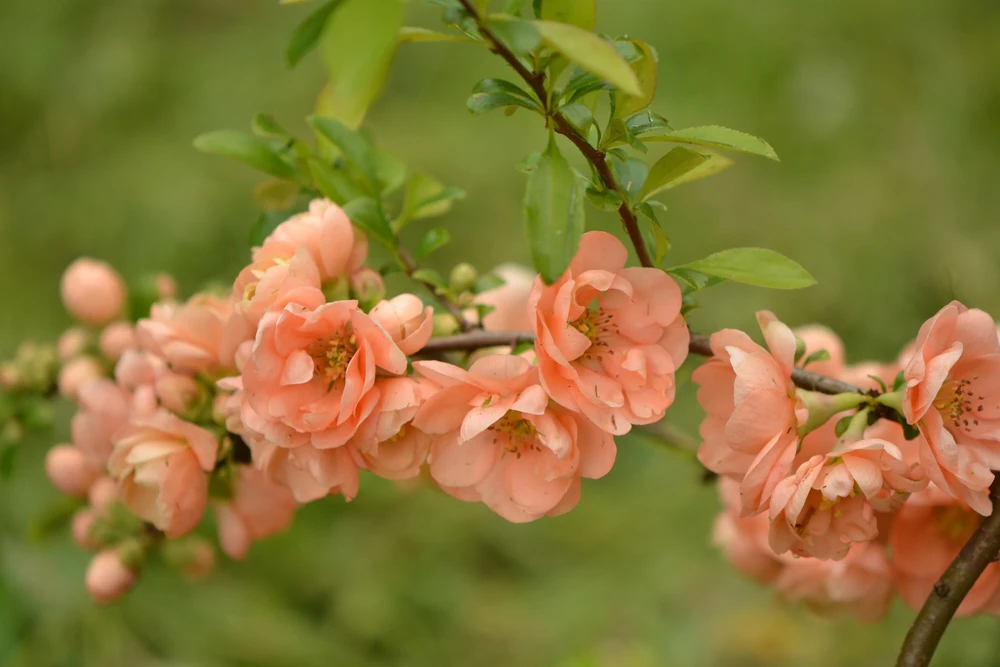
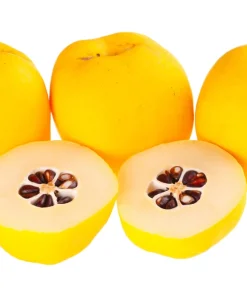
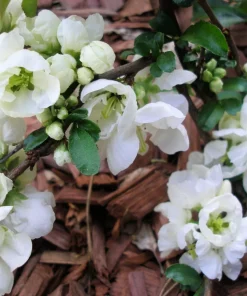
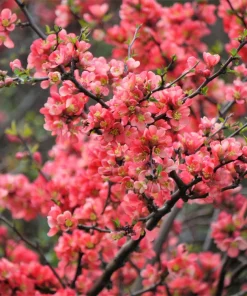
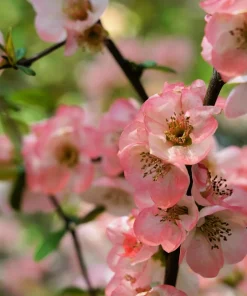
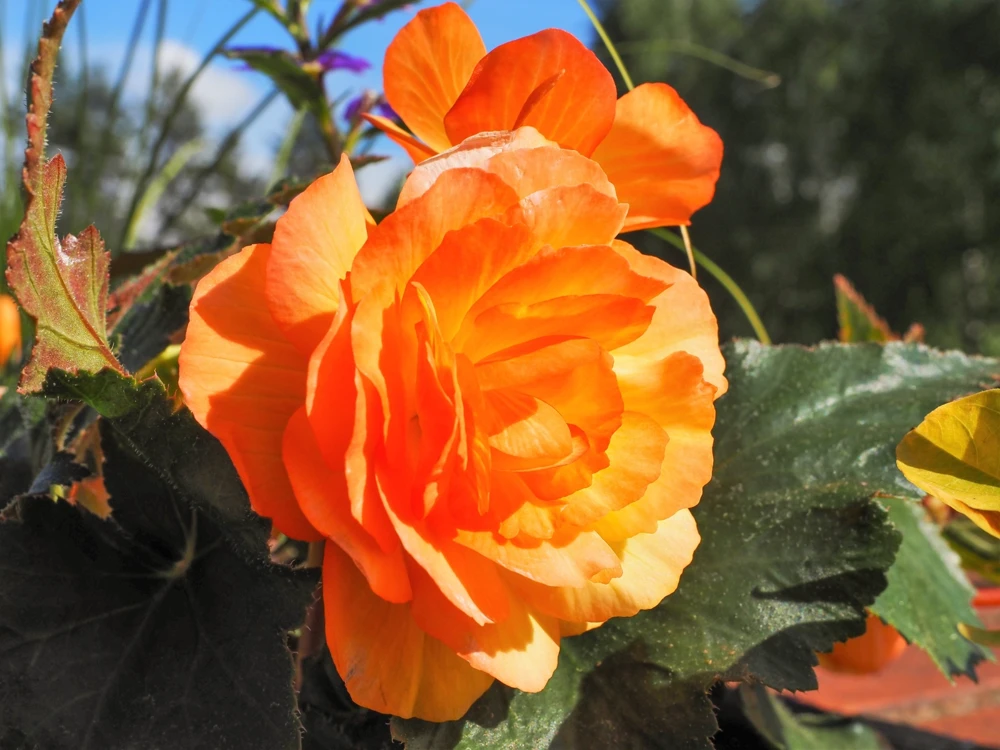
Cultivate a breathtaking display in your garden with these premium flowering quince seeds. This offering includes 30 high-quality seeds of Chaenomeles speciosa, commonly known as flowering quince or Japanese quince. These deciduous shrubs are celebrated for their early spring blossoms, which emerge in striking shades of pink, red, white, or orange, often before the leaves even appear. Beyond their ornamental appeal, these shrubs also produce small, tart, apple-like fruits that can be used in preserves and jellies. Growing flowering quince from seed is a rewarding experience, allowing you to witness the full life cycle of this robust and beautiful plant, adding both color and interest to your landscape.
The flowering quince seeds are an excellent choice for gardeners looking to introduce a hardy, drought-tolerant, and visually appealing plant into their outdoor spaces. Whether you’re aiming for a vibrant border, a decorative hedge, or a standalone specimen, these seeds provide the foundation for a resilient and attractive shrub. The Chaenomeles speciosa is known for its adaptability and ability to thrive in various conditions, making it a reliable addition to many garden styles.
Key Benefits
Adding flowering quince seeds to your garden offers a multitude of advantages, enhancing both aesthetic appeal and ecological value. These seeds will grow into shrubs that provide early season color and can become a focal point in your landscape.
- Stunning Early Spring Blooms: Enjoy a spectacular show of pink, red, white, or orange flowers in late winter to early spring, often among the first plants to bloom and signal the end of winter. These vibrant flowers provide crucial early nectar for pollinators.
- Hardy and Drought-Tolerant: Once established, flowering quince shrubs are incredibly resilient, tolerating a wide range of soil conditions and periods of drought, making them a low-maintenance choice for busy gardeners.
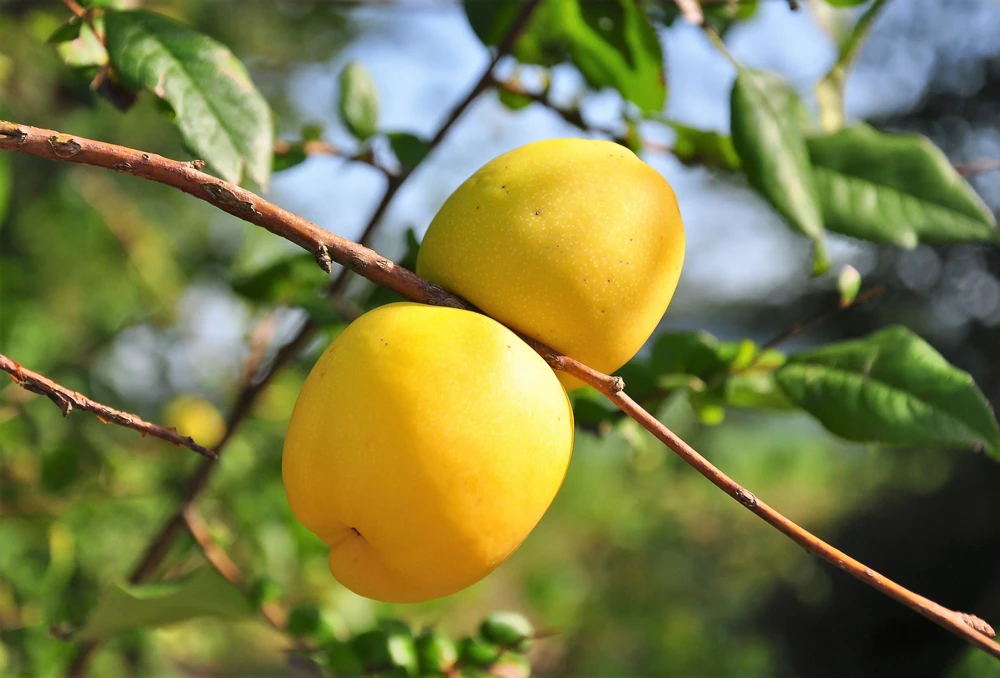
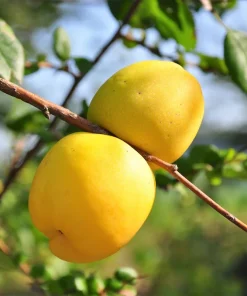
- Edible Fruit Production: While primarily ornamental, the shrubs produce small, tart fruits that can be harvested in autumn and used to make delicious jellies, preserves, or even baked goods, adding a practical element to their beauty.
- Versatile Landscaping Use: These shrubs are highly adaptable and can be used in various garden settings, including hedges, foundation plantings, mixed borders, or as standalone specimen plants, offering flexibility in garden design.
- Attracts Wildlife: The early blooms attract beneficial pollinators like bees, while the dense thorny branches provide excellent nesting sites and shelter for birds, contributing to local biodiversity.
- Deer Resistant:Flowering quince is generally not favored by deer, making it a good option for gardens in areas with deer populations, reducing the need for protective measures.
- Long-Lived Perennial: These shrubs are long-lived, providing years of beauty and enjoyment with minimal intervention once they are mature, representing a lasting investment in your garden’s appeal.
Plant Care & Growing Tips
Successfully growing flowering quince seeds requires attention to a few key details, starting with proper stratification. These seeds benefit from a period of cold stratification to break dormancy. Place the seeds in a moist medium (like sand or peat moss) in a sealed bag and refrigerate for 60-90 days before planting. Once stratified, sow the seeds about 1/4 inch deep in well-draining soil, either directly outdoors in early spring after the last frost or indoors in pots for later transplanting. Maintain consistent moisture in the soil until germination occurs, which can be somewhat erratic.
For established plants, flowering quince thrives in full sun to partial shade, meaning at least 6 hours of direct sunlight for best flowering, though it can tolerate some afternoon shade in hotter climates. It is adaptable to a variety of soil types, but prefers well-draining loam. Avoid heavy, waterlogged soils. Watering should be regular during the first growing season to help establish a strong root system; once mature, it is quite drought-tolerant and only requires supplemental watering during extended dry spells. Pruning is best done after flowering to shape the plant and remove any dead or crossing branches. Fertilize sparingly in early spring with a balanced slow-release fertilizer if soil nutrients are poor.
Flowering quince is generally hardy in USDA zones 4-9. It can withstand cold winters and hot summers. Pests and diseases are not a significant concern, though occasional issues like aphids or fungal spots might occur, which can typically be managed with organic sprays or proper cultural practices. With proper care, your plants grown from these chaenomeles speciosa seeds will provide years of beautiful blooms and potentially edible fruit.
Size & Details
This offering includes 30 high-quality fruit shrub seeds for flowering quince (Chaenomeles speciosa). When mature, flowering quince shrubs typically reach a height of 6 to 10 feet and a spread of 6 to 10 feet, though they can be kept smaller with regular pruning. The growth rate is moderate, and plants can begin flowering within 2-3 years from seed, reaching their full ornamental potential in 5-7 years. The seeds are intended for outdoor planting and will develop into robust, multi-stemmed deciduous shrubs. Expect vibrant blooms in shades of pink, red, white, or orange, depending on genetic variation within the species.
Frequently Asked Questions
- Q: How many seeds are included in this pack? A: This pack contains 30 high-quality flowering quince seeds, providing ample opportunity to grow several beautiful shrubs for your garden.
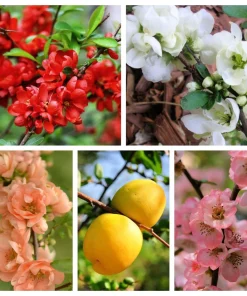
- Q: What colors of flowers can I expect from these seeds? A: The flowering quince seeds are for Chaenomeles speciosa, which typically produces flowers in shades of pink, red, white, or orange. The exact color variation will emerge as the plants mature.
- Q: Is cold stratification necessary for these seeds? A: Yes, flowering quince seeds benefit greatly from cold stratification for 60-90 days. This process mimics natural winter conditions and helps break seed dormancy for better germination rates.
- Q: How tall do these flowering quince shrubs get? A: Mature flowering quince shrubs typically grow to a height of 6 to 10 feet and can spread equally wide. Pruning can help manage their size and shape.
- Q: Are the fruits from flowering quince edible? A: Yes, the small, apple-like fruits produced by flowering quince are edible, though quite tart. They are commonly used to make jellies, preserves, and other cooked dishes.
- Q: When is the best time to plant these seeds? A: After cold stratification, you can sow the chaenomeles speciosa seeds directly outdoors in early spring after the last frost, or start them indoors a few weeks earlier for transplanting.
- Q: What kind of sunlight do flowering quince plants need? A: Flowering quince thrives in full sun to partial shade, ideally receiving at least 6 hours of direct sunlight daily for the most abundant blooms.
- Q: Are these plants suitable for beginners? A: Yes, growing flowering quince from seed is a rewarding project for beginners. Once established, the shrubs are relatively low-maintenance and very hardy.
- Q: What USDA hardiness zones are these shrubs suitable for? A: Flowering quince is very hardy and suitable for USDA Hardiness Zones 4 through 9, tolerating a wide range of climates.
- Q: Can I grow flowering quince in a container? A: While primarily a large shrub, young flowering quince can be grown in large containers for a few years, especially if pruned to maintain size. Eventually, they will benefit from being planted in the ground.
Be the first to review “30 Flowering Quince Shrub Seeds – Pink, Red, White, Orange Chaenomeles Speciosa”
People Also Viewed
Flower Seeds
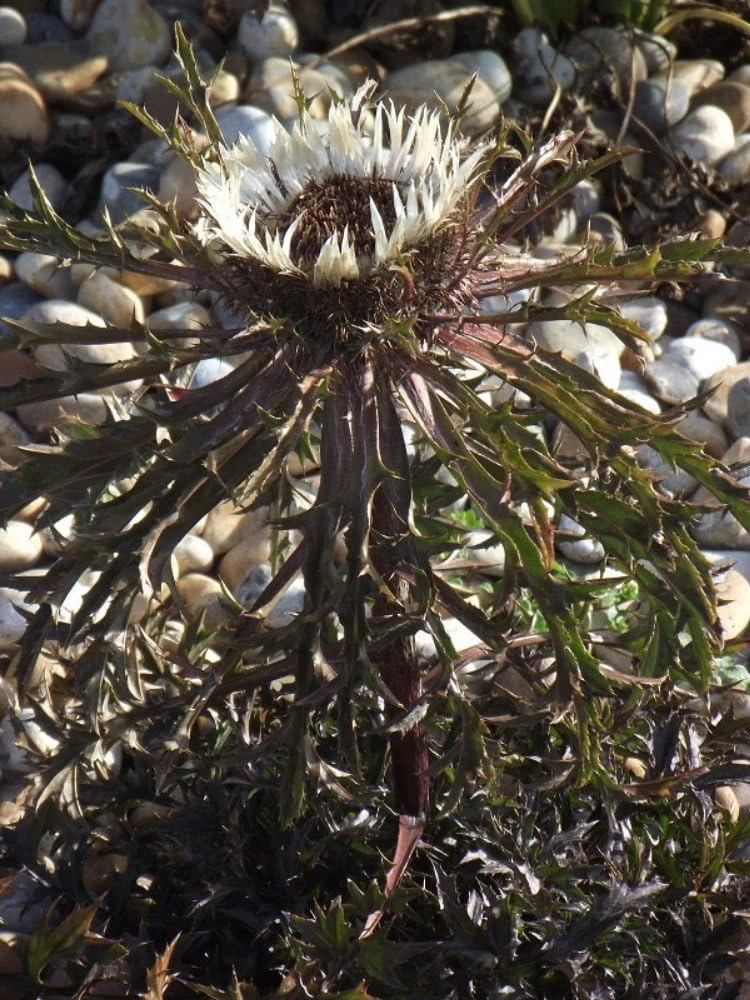
Bronze Weather Thistle Seeds – Carlina acaulis ‘Bronze’ Perennial Flower Seeds – 10 Count
Vegetables
Set of 2 Red Habanero Pepper Plants Live – Hot Chili Vegetable for Outdoor Garden 4-6 Inch Tall
Reviews
There are no reviews yet.