
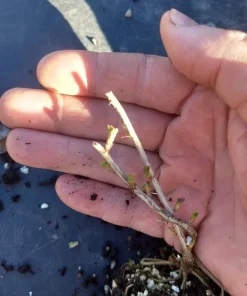
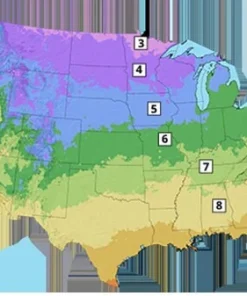
Captivator Gooseberry Live Plant – Fruiting Shrub 3-6 ft Tall, Zones 3-8
Original price was: $62.99.$47.99Current price is: $47.99.
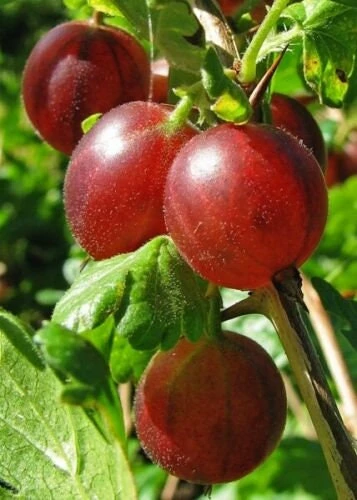
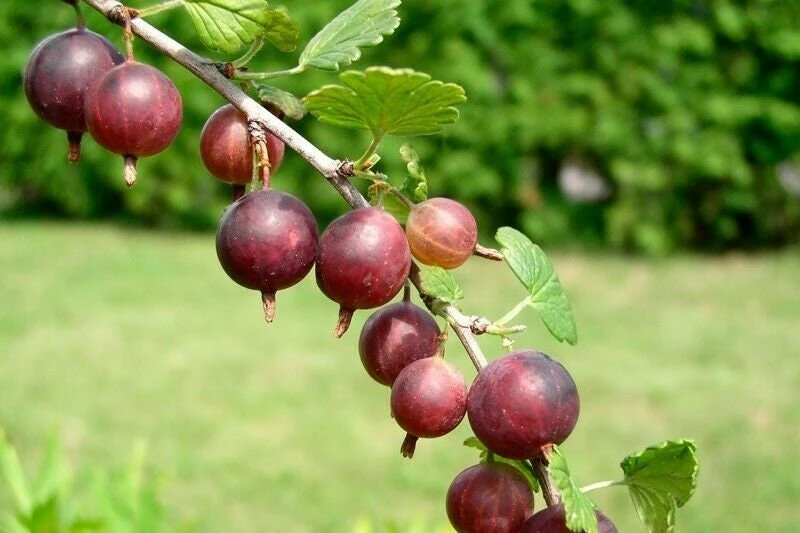
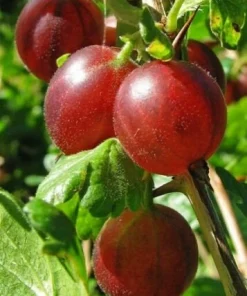
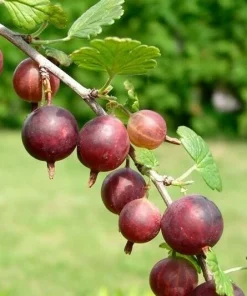
Bring home a Captivator Gooseberry live plant, a robust and self-pollinating gooseberry shrub perfect for zones 3-8. This productive plant yields large, delicious reddish-purple berries ideal for fresh eating, cooking, or juicing. Enjoy fresh fruit from your garden with this easy-to-grow variety.
Estimated arrival
Sep 17
Sep 22 - Sep 24
Sep 27 - Oct 01
Shop With Confidence
30-Day Plant Health Guarantee
Arrives damaged? We’ll replace it free — see our return policy.
Responsive Support
Email us anytime, we reply within 1 business day.
Expert Packaging
Temperature-controlled shipping to protect your plants in transit.
Secure Checkout
Pay safely with Visa, Mastercard, PayPal.
Plant Specifications
-
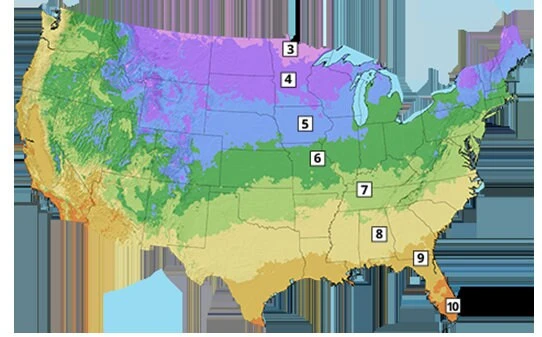
USDA Hardiness Zone
3-8 -
Soil Type
Well-draining, slightly acidic to neutral soil -
Sunlight Exposure
Full sun to partial shade -
Expected Planting Period
Spring to early summer
Overview
Discover the joy of growing your own fruit with the Captivator Gooseberry live plant. This exceptional fruiting shrub, a hybrid developed from European and American species, is renowned for its vigor and delicious berries. The ‘Captivator’ variety is a highly sought-after addition to any edible landscape, offering both ornamental appeal and a bountiful harvest. Perfect for gardeners in zones 3-8, this fruiting shrub zones 3-8 will establish itself and begin producing large, flavorful fruit, typically by the next growing season after planting. Its unique characteristics make it a standout choice for home orchards and garden enthusiasts alike.
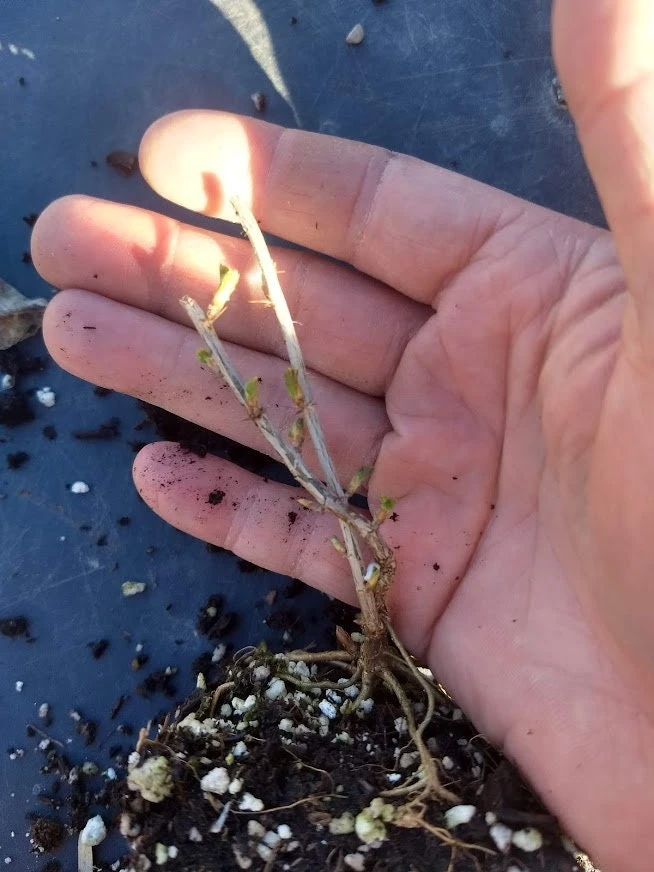
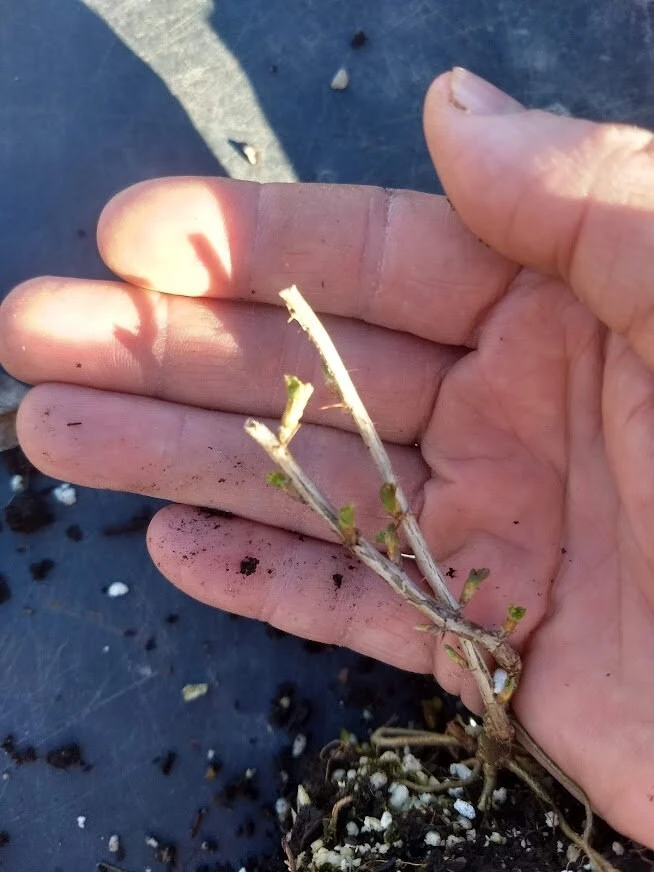
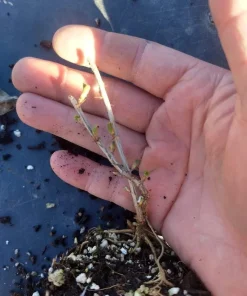
The Captivator Gooseberry live plant is shipped as a healthy, rooted starter plant, ready for successful transplantation into your garden. Known for its adaptability and hardiness, this gooseberry variety is an excellent choice for those looking to expand their perennial fruit collection. Its distinctive reddish-purple berries are not only visually appealing but also versatile for various culinary uses, from fresh snacking to jams, pies, and refreshing drinks. Embrace sustainable gardening by cultivating this productive and resilient fruit producer.
Key Benefits
The Captivator Gooseberry live plant offers numerous advantages for the home gardener, blending ease of care with a rewarding harvest. Its self-pollinating nature ensures fruit production even if only one plant is grown, making it a convenient choice for smaller gardens. The large, delicious berries are a highlight, providing a fresh, homegrown treat. Here are some key benefits:
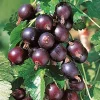
- Abundant Fruit Production: This gooseberry variety is known for producing a generous yield of large, flavorful berries that ripen in late July, transitioning from pink to a deep reddish-purple.
- Self-Pollinating: As a self-pollinating gooseberry, this plant does not require another gooseberry plant for fruit set, ensuring a harvest from a single specimen.
- Cold Hardy: Thriving in fruiting shrub zones 3-8, the ‘Captivator’ demonstrates excellent cold tolerance, making it suitable for a wide range of climates.
- Versatile Culinary Use: The berries are perfect for fresh eating, baking, making preserves, juicing, or even fermenting into wines, offering a wide array of culinary possibilities.
- Low Maintenance: Once established, the Captivator Gooseberry live plant is relatively easy to care for, requiring minimal intervention to thrive and produce fruit.
- Pesticide-Free Growth: Cultivating your own gooseberry means you can ensure the fruit is grown without the use of pesticides, offering a healthier, organic option for your family.
- Unique Foliage Cycle: This plant exhibits an interesting semi-dormant period in summer where it may lose leaves, only to regrow new ones in the fall, adding seasonal interest to your garden.
Plant Care & Growing Tips
Proper care is essential for a thriving Captivator Gooseberry live plant. This resilient shrub prefers a location with full sun to partial shade, meaning it needs at least 4-6 hours of direct sunlight daily for optimal fruit production. While it can tolerate some shade, more sun generally leads to a sweeter and more abundant harvest. Ensure the soil is well-draining, as gooseberries do not like wet feet. A slightly acidic to neutral soil pH (6.0-7.0) is ideal. Amend heavy clay soils with organic matter to improve drainage, and sandy soils with compost to enhance moisture retention. Regular watering is crucial, especially during dry spells and fruit development, aiming to keep the soil consistently moist but not waterlogged. Deep watering once or twice a week is usually sufficient, depending on your climate and soil type.
The gooseberry plant care routine also includes proper fertilization and pruning. Apply a balanced, slow-release fertilizer in early spring before new growth begins. For best results, consider a fertilizer formulated for fruit-bearing shrubs. Pruning should be done in late winter or early spring while the plant is dormant. Focus on removing any dead, diseased, or crossing branches, and thin out older wood to encourage new growth and better air circulation. Gooseberries fruit on wood that is one to three years old, so a rotational pruning strategy helps maintain productivity. This hybrid gooseberry is hardy in USDA zones 3-8, meaning it can withstand winter temperatures down to -40°F (-40°C). Protect young plants from extreme cold with mulch. Monitor for common pests and diseases, though ‘Captivator’ is generally quite resistant.
Size & Details
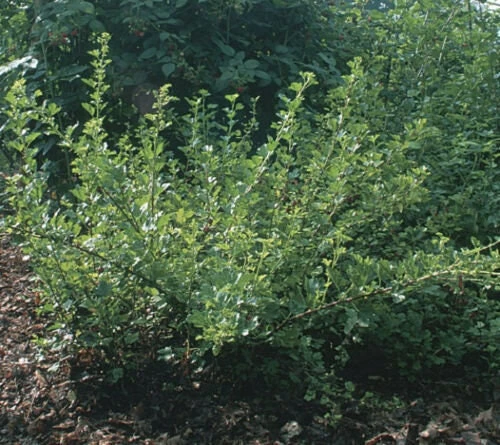
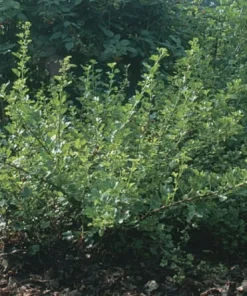
You will receive one healthy, rooted starter plant of the Captivator Gooseberry live plant, ready for planting. This shrub typically grows to a mature height of 3-6 feet tall with a similar spread, creating a substantial and productive bush in your garden. The plant is shipped with care, often taken out of its growing pot to protect the root system during transit, and packaged securely in a box to ensure its safe arrival. Expect this vigorous gooseberry to begin fruiting the year after planting, providing a delightful harvest of large berries in late July. The berries undergo a beautiful color transformation from pink to a deep reddish-purple as they ripen, indicating they are ready for picking. This fruiting shrub zones 3-8 is a robust grower, developing a strong root system quickly in suitable conditions. Its semi-dormant period in summer, where it may temporarily lose leaves before regrowing them in fall, is a natural characteristic of this unique hybrid.
Frequently Asked Questions
- Q: How big does this plant get? A: The Captivator Gooseberry live plant typically reaches a mature height of 3-6 feet tall with a similar spread, forming a dense, productive shrub. Its size makes it suitable for various garden spaces, from dedicated fruit patches to mixed borders.
- Q: Is this an indoor or outdoor plant? A: This is an outdoor fruiting shrub, highly adapted to temperate climates. It thrives best when planted directly in the ground or in a large container outdoors, within its recommended hardiness zones.
- Q: How much sunlight does it need? A: For optimal fruit production, the Captivator Gooseberry live plant requires full sun to partial shade, meaning at least 4-6 hours of direct sunlight per day. More sun generally leads to a better and sweeter berry harvest.
- Q: Is this plant easy to care for? A: Yes, the ‘Captivator’ gooseberry is considered relatively easy to care for, especially once established. Consistent watering, annual fertilization, and dormant pruning are the main aspects of gooseberry plant care.
- Q: What condition will it arrive in? A: Your Captivator Gooseberry live plant will arrive as a healthy, rooted starter plant. It is carefully packaged to protect the plant and its root system during shipping, ensuring it arrives ready for planting.
- Q: How long until it fruits? A: This gooseberry plant typically begins to fruit the year after it is planted. Once established, it will provide a consistent harvest of delicious berries annually in late July.
- Q: Will it survive winter in my zone? A: Yes, the ‘Captivator’ gooseberry is very cold hardy and is suitable for fruiting shrub zones 3-8, meaning it can tolerate winter temperatures down to -40°F (-40°C).
- Q: Can I use the berries for cooking? A: Absolutely! The large, reddish-purple berries from this hybrid gooseberry are highly versatile. They are excellent for fresh eating, baking, making jams, jellies, pies, and can also be juiced or used in beverages.
- Q: Is this gooseberry self-pollinating? A: Yes, the ‘Captivator’ is a self-pollinating gooseberry variety, meaning you only need one plant to get fruit. This is a significant advantage for gardeners with limited space.
- Q: What kind of soil does it prefer? A: This gooseberry prefers well-draining soil with a slightly acidic to neutral pH (6.0-7.0). Amending the soil with organic matter can improve both drainage and fertility.
Be the first to review “Captivator Gooseberry Live Plant – Fruiting Shrub 3-6 ft Tall, Zones 3-8”
People Also Viewed
Houseplants
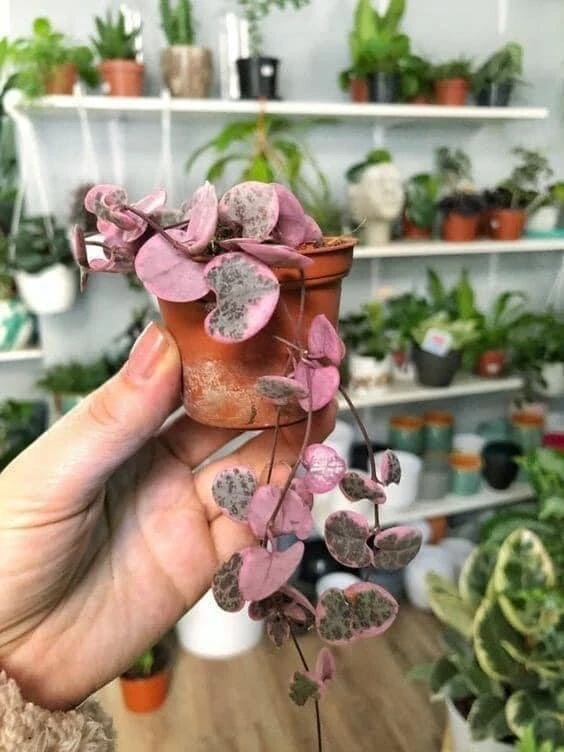
String of Hearts Plant – Peperomia prostrata Live Plant – 4″ Mini Hanging Basket – Indoor
Flower Bulbs
Wild Daffodil Bulbs – 50 Count Lent Lily (Narcissus Pseudonarcissus) for Outdoor Gardens

Reviews
There are no reviews yet.