
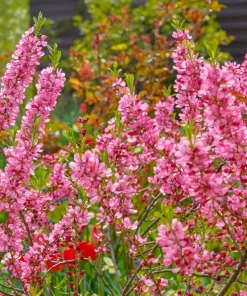
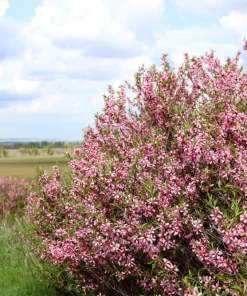
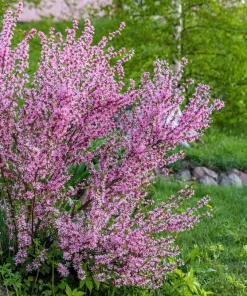
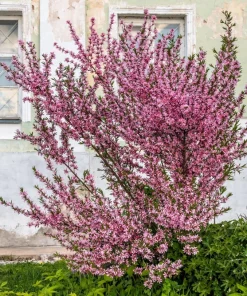
Dwarf Russian Almond Seeds – Prunus Tenella Rose Red Fragrant Shrub – 5 Seeds
Original price was: $43.29.$23.29Current price is: $23.29.
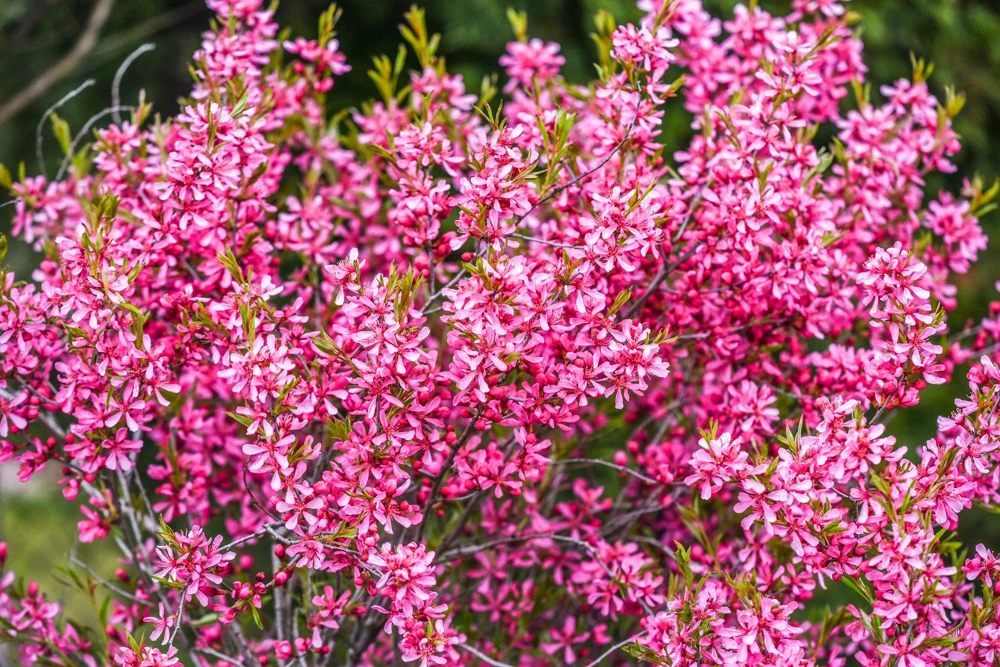
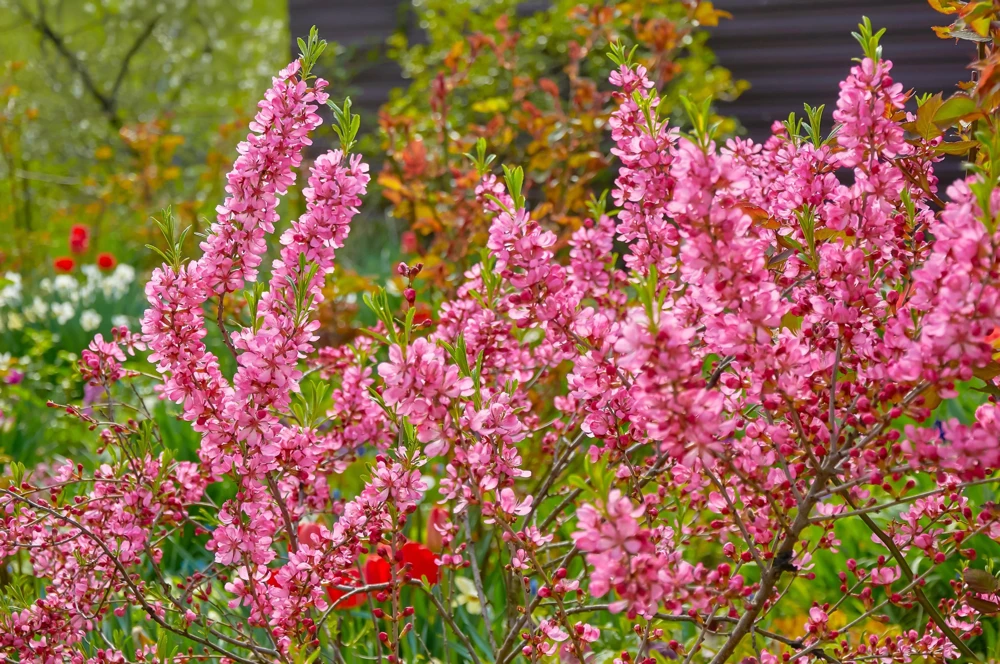
Cultivate stunning dwarf russian almond seeds (Prunus Tenella) to grow a resilient, cold-hardy shrub. Enjoy prolific rose-red, fragrant flowers in spring and vibrant fall foliage. Ideal for ornamental landscaping in USDA Zones 2-7. This pack contains 5 high-quality seeds.
Estimated arrival
Sep 14
Sep 19 - Sep 21
Sep 24 - Sep 28
Shop With Confidence
30-Day Plant Health Guarantee
Arrives damaged? We’ll replace it free — see our return policy.
Responsive Support
Email us anytime, we reply within 1 business day.
Expert Packaging
Temperature-controlled shipping to protect your plants in transit.
Secure Checkout
Pay safely with Visa, Mastercard, PayPal.
Plant Specifications
-
USDA Hardiness Zone
2 - 7 -
Soil Type
Average, well-draining soil (tolerant of sandy or heavy clays) -
Sunlight Exposure
Sun - Part Shade -
Expected Planting Period
Fall / Cold stratify for Spring
Overview
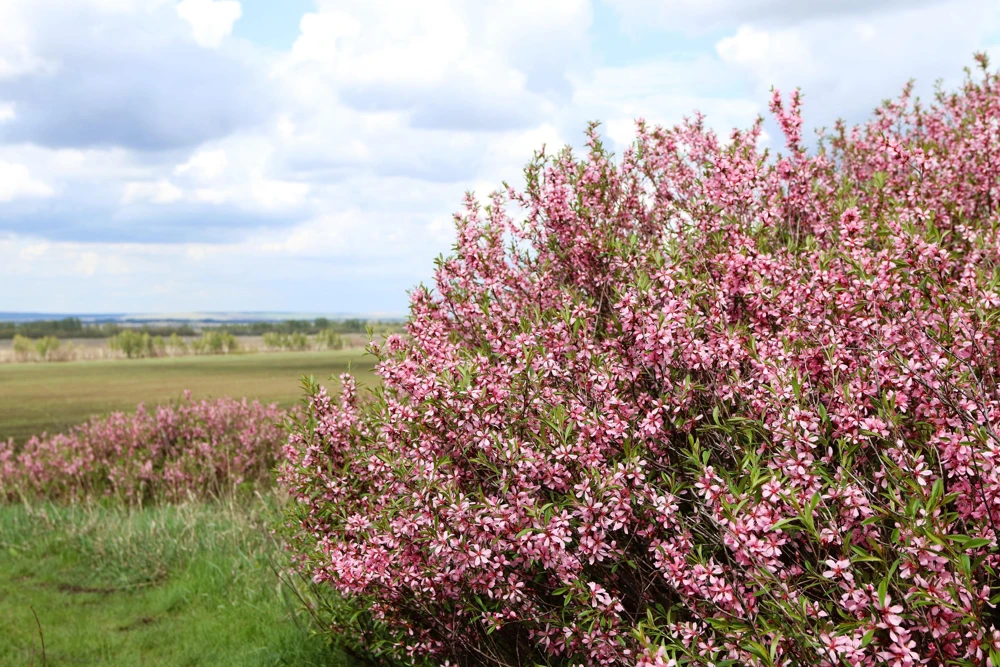
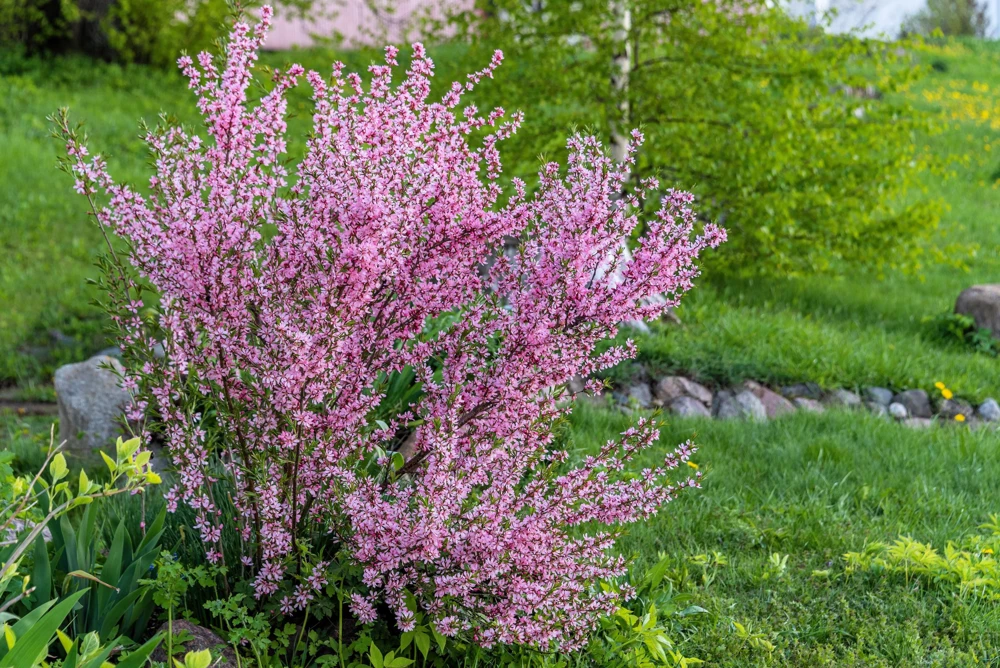
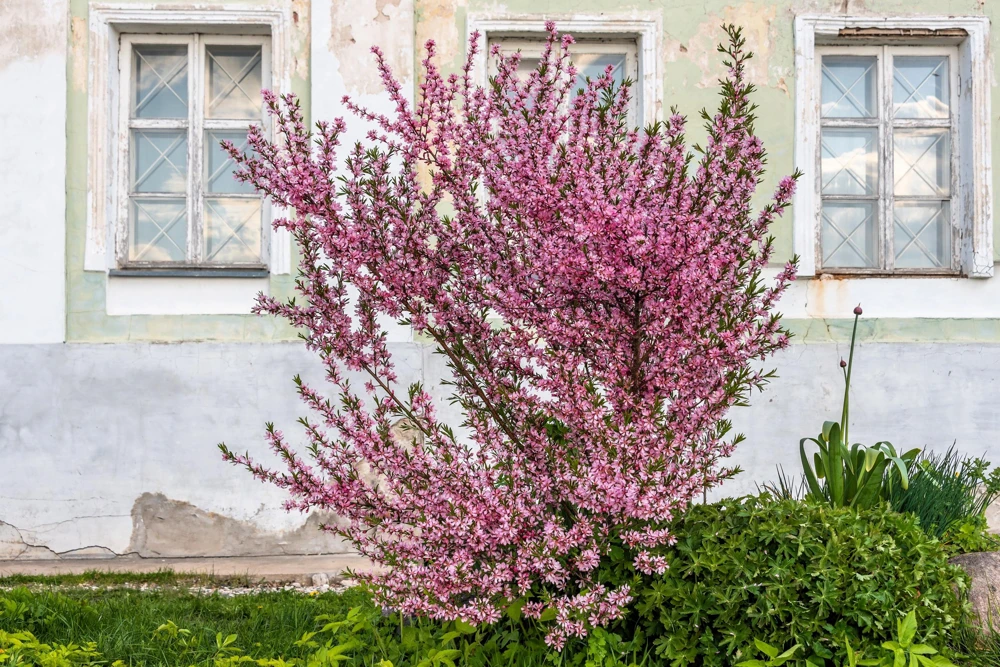
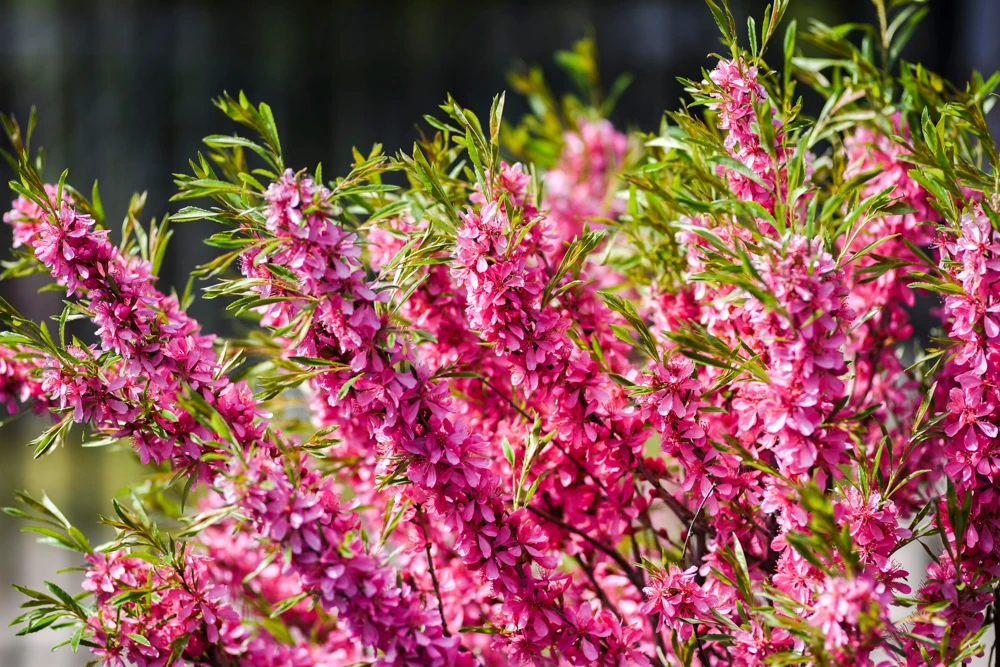
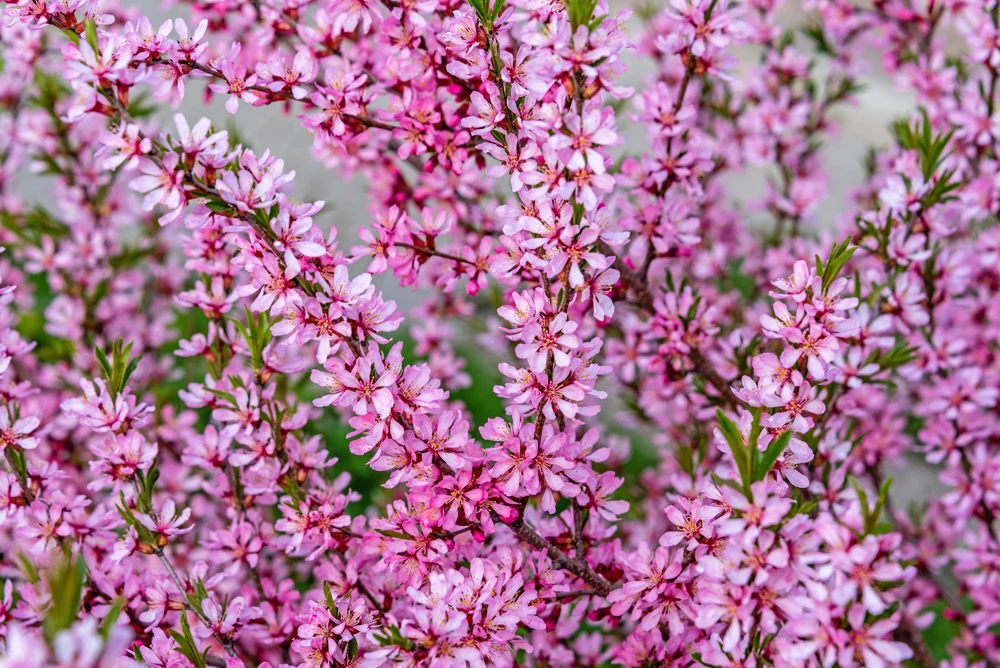
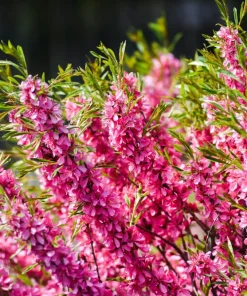
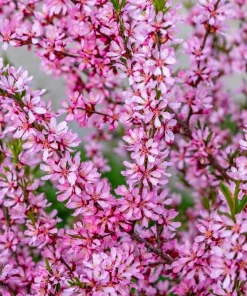
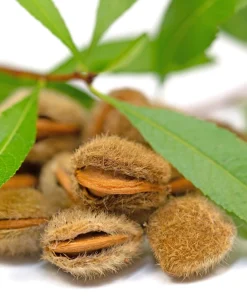
Transform your garden with dwarf russian almond seeds, scientifically known as Prunus Tenella. These remarkable seeds allow you to cultivate a stunning, cold-hardy ornamental shrub that brings vibrant color and fragrant blooms to nearly any landscape. Native to western Siberia, eastern Europe, and central Asia, the Dwarf Russian Almond is celebrated for its exceptional resilience, thriving even in colder climates where many other ornamental shrubs struggle. Its early spring display of masses of rosy red, ½-inch fragrant flowers, appearing before the leaves, creates an unforgettable spectacle. This shrub is a multi-season interest plant, offering not only beautiful flowers but also hairy red fruits in summer and striking yellow and orange foliage in the fall. Growing from these prunus tenella seeds is a rewarding experience, providing a robust and beautiful addition to your outdoor space.
The Dwarf Russian Almond, also commonly referred to as Russian Almond, is a versatile plant suitable for various garden applications. Whether you’re looking to plant it as a standalone specimen, in groups, or even as a dense groundcover, its adaptability is impressive. This shrub’s dense growth habit makes it an excellent choice for windbreaks, and its structure provides superb shelter for birds and small animals, which also enjoy its nutty fruit later in the season. These dwarf russian almond seeds are your first step towards creating a dynamic and resilient garden feature that provides both beauty and ecological benefits. It’s an easy-to-grow plant that quickly establishes itself, adding significant value to your garden.
Key Benefits
Growing the Dwarf Russian Almond from dwarf russian almond seeds offers a multitude of advantages for gardeners seeking both beauty and resilience:
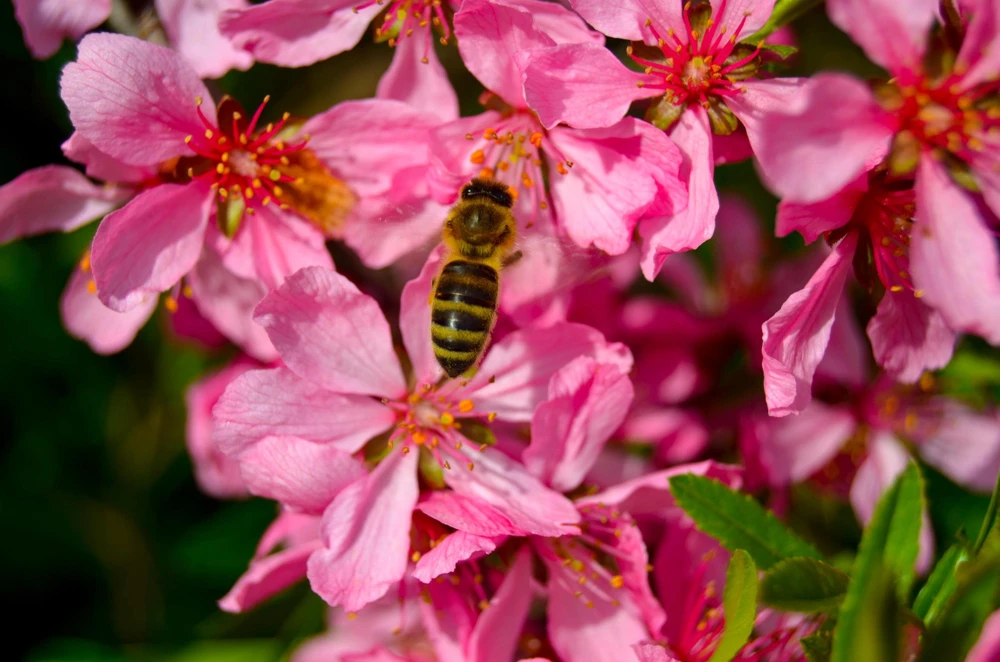
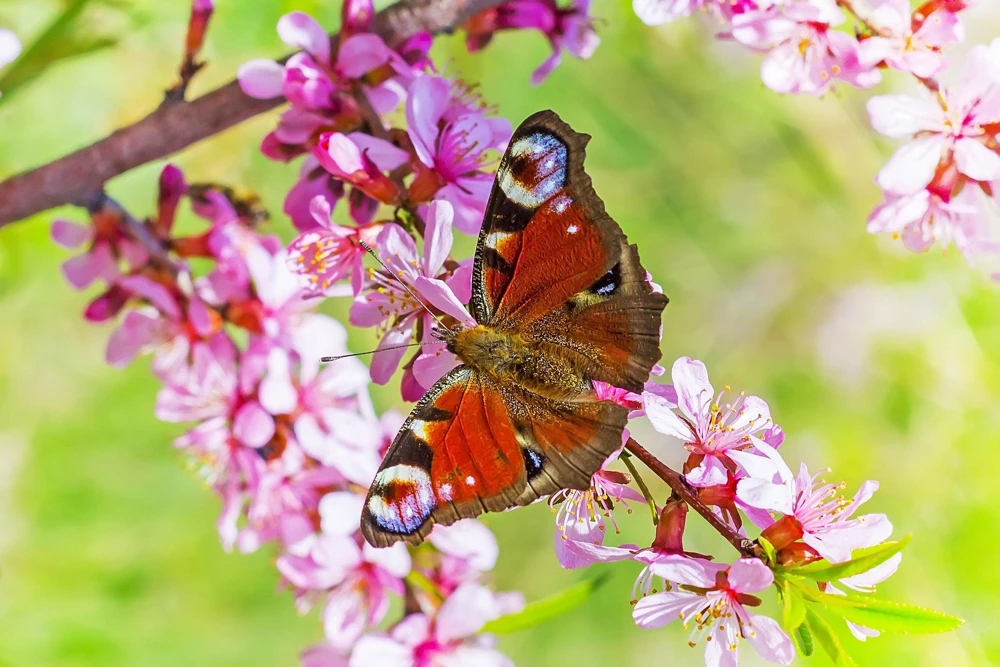
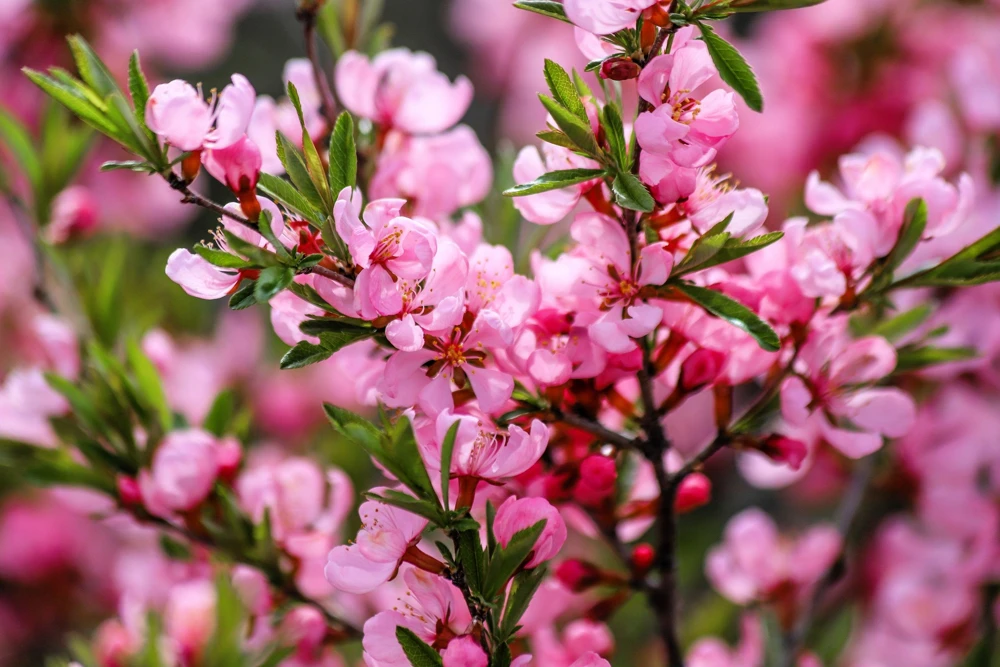
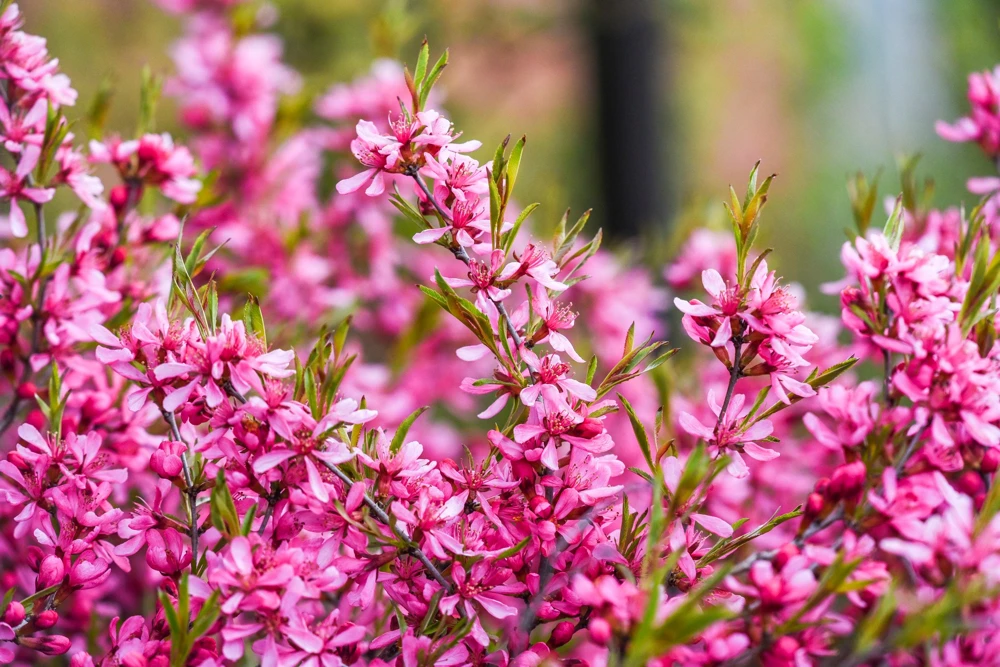
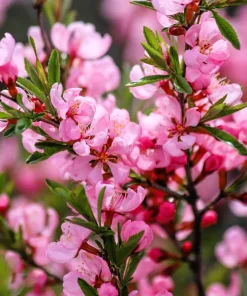
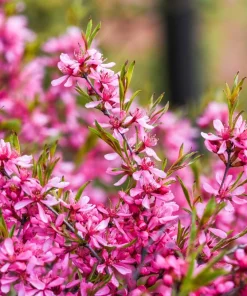
- Stunning Spring Blooms: Enjoy an early spring explosion of fragrant, rosy red flowers that cover the shrub before leaves emerge, making it a focal point in the early season landscape. These vibrant blooms provide a dramatic contrast against the dormant garden.
- Exceptional Cold Hardiness: This shrub thrives in USDA Hardiness Zones 2-7, making it an ideal choice for gardeners in cooler climates who need a resilient and beautiful plant. Its ability to withstand harsh winters is a significant advantage.
- Drought & Soil Tolerant: The Dwarf Russian Almond is highly adaptable to a wide range of conditions, including sandy soils, heavy clays, and periods of drought, ensuring its success in various garden settings. It’s a low-maintenance option for busy gardeners.
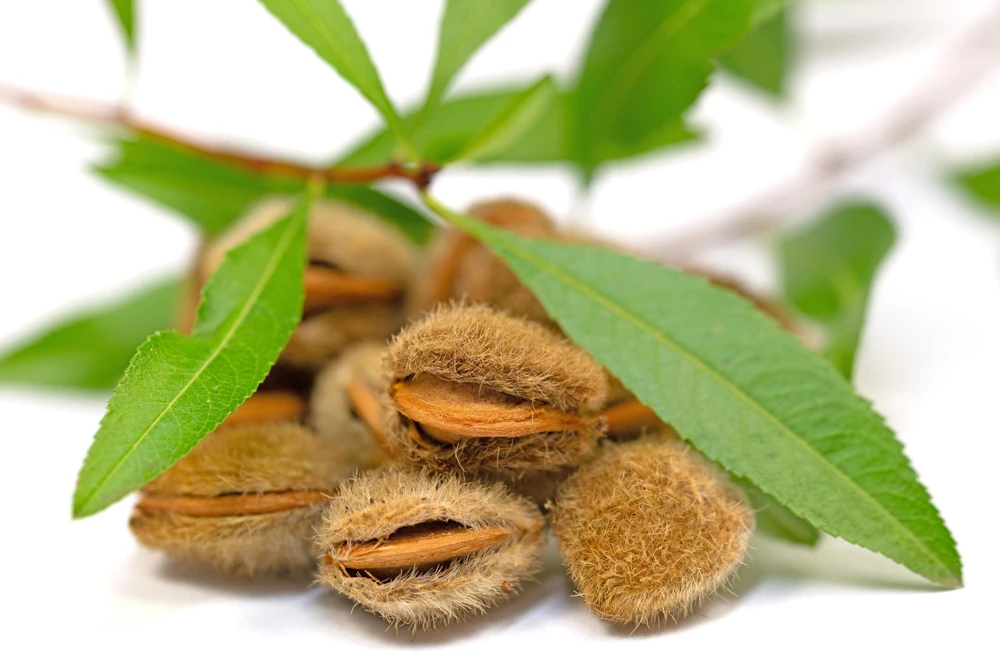
- Wildlife Attraction: The dense foliage provides excellent cover for birds and small critters, and its ¾-inch red fruits offer a food source later in the season, enhancing your garden’s biodiversity. It creates a welcoming habitat for local wildlife.
- Versatile Landscaping Use: Suitable for planting solo, in groups, as a dense windbreak, or even as a groundcover when closely spaced, offering flexibility in garden design. This adaptability makes it a valuable asset for any landscape.
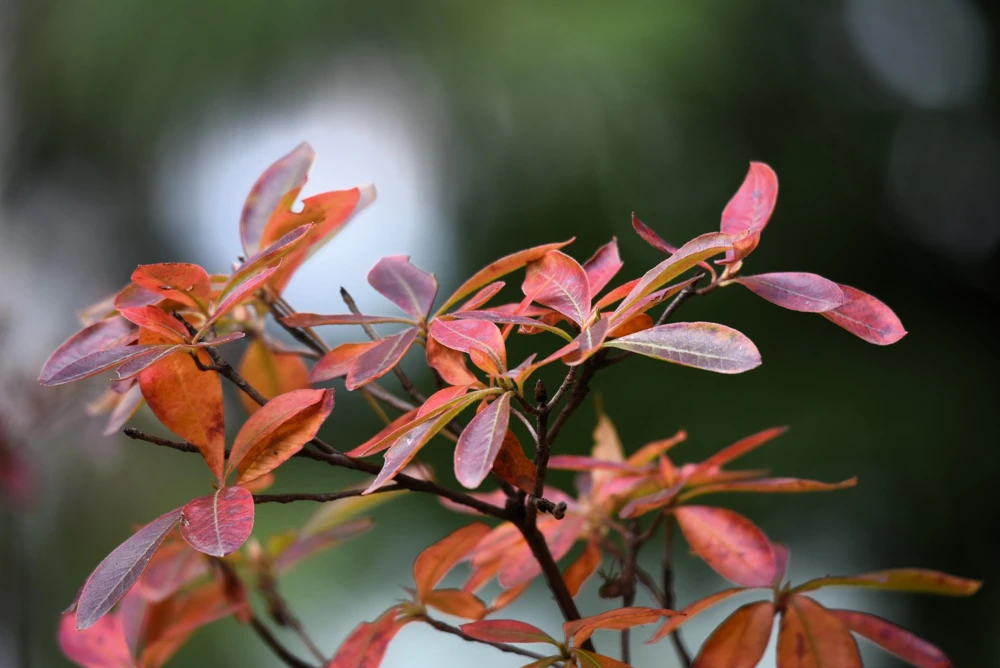
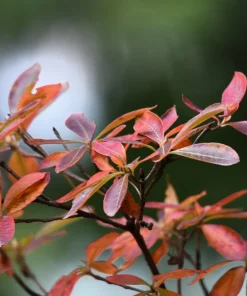
- Vibrant Fall Foliage: Beyond its spring flowers, the leaves transform into beautiful shades of yellow and orange in the fall, extending its ornamental appeal throughout multiple seasons. This ensures your garden remains attractive even as seasons change.
- Urban & Container Friendly: Its tolerance to pollution and small stature make it a great option for urban environments, ‘street tree’ applications, and even as a wonderful container plant. These fragrant shrub seeds can bring beauty to confined spaces.
Plant Care & Growing Tips
Cultivating prunus tenella seeds into thriving Dwarf Russian Almond shrubs is a straightforward process, thanks to their robust nature. For best results, consider planting in the fall or cold stratifying the seeds before indoor sowing. If starting indoors, plant several weeks before the last frost, then transplant outdoors once the danger of frost has passed. These shrubs prefer a location with full sun to part shade, meaning they need at least 4-6 hours of direct sunlight daily to produce the most abundant blooms. While tolerant of various soil types, including sandy and heavy clays, they thrive in average, well-draining soil. Ensure the soil is moist but not waterlogged, as standing water can be detrimental. Once established, the Dwarf Russian Almond is quite drought-tolerant, making it a low-maintenance option for many gardeners.
The dwarf russian almond seeds will grow into plants that are incredibly resilient. They are hardy in USDA Zones 2-7, capable of withstanding very cold temperatures. They typically reach a height of 4-6 feet and spread 4-6 feet, growing at a rapid rate of 1-2 feet per year. Fertilization is generally not heavily required, but a balanced, slow-release fertilizer in early spring can promote vigorous growth and flowering. Pruning can be done after flowering to maintain shape and encourage bushier growth. While generally pest and disease resistant, ensure good air circulation to prevent any potential fungal issues. Remember that Prunus Tenella is an ornamental variety and its almonds are not edible. These cold hardy shrub seeds offer a durable and beautiful landscape solution.
Size & Details
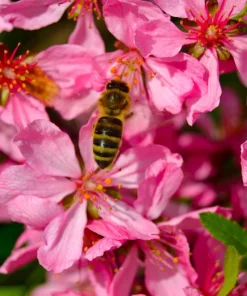
This package contains 5 dwarf russian almond seeds, offering an excellent opportunity to establish several beautiful shrubs in your garden. The mature Dwarf Russian Almond shrub typically reaches a height of 4 to 6 feet with a similar spread of 4 to 6 feet, creating a dense and attractive form. These plants exhibit a fast growth rate, often putting on 1 to 2 feet of new growth per year, allowing them to quickly establish themselves in your landscape. The fragrant, rosy-red flowers, approximately ½ inch in diameter, appear in April, while the hairy red fruits, about ¾ inch long, develop by mid to late summer. The leaves provide lovely yellow and orange hues in the fall, ensuring multi-season interest. Planting these rose red flower seeds will yield a robust, medium-sized shrub that is perfectly suited for a variety of garden applications, from specimen planting to creating natural hedges or windbreaks. The seeds are ready for planting in fall, or after appropriate cold stratification for spring sowing.
Frequently Asked Questions
- Q: How big does the Dwarf Russian Almond get? A: The Dwarf Russian Almond typically grows to a height of 4 to 6 feet and spreads 4 to 6 feet wide, forming a dense and attractive shrub. It’s considered a medium-sized ornamental, perfect for various garden applications.
- Q: Is this an indoor or outdoor plant? A: The Dwarf Russian Almond (Prunus Tenella) is primarily an outdoor ornamental shrub. It is extremely cold-hardy, thriving in USDA Zones 2-7, making it suitable for most temperate climates. While young plants could be started indoors, they are meant for outdoor landscaping.
- Q: How much sunlight does it need? A: This shrub prefers full sun to part shade. For optimal flowering and growth, aim for at least 4-6 hours of direct sunlight per day. Adequate light ensures a vibrant display of the rose red flower seeds.
- Q: Is this plant easy to care for? A: Yes, the Dwarf Russian Almond is considered easy to grow and maintain. It’s tolerant of various soil conditions, drought, high winds, and pollution, making it a resilient choice for beginners and experienced gardeners alike. Starting with dwarf russian almond seeds is a rewarding experience.
- Q: What condition will the seeds arrive in? A: You will receive 5 dwarf russian almond seeds, carefully packaged to ensure their viability. They are ready for fall planting or require cold stratification for spring or indoor sowing.
- Q: How long until it blooms? A: Dwarf Russian Almond shrubs typically begin blooming in early spring (around April) once they are established, usually within 2-3 years from seed, depending on growing conditions. The blooms appear before the leaves, creating a striking visual.
- Q: Will it survive winter in my zone? A: Absolutely! The Dwarf Russian Almond is known for its exceptional cold hardiness, thriving in USDA Zones 2 through 7. This means it can withstand very low winter temperatures, making it a reliable choice for cold climates. These cold hardy shrub seeds are perfect for such environments.
- Q: Can the fruits be eaten? A: No, the Prunus Tenella is an ornamental almond, and its fruits are not considered edible for human consumption. They are primarily for visual interest and as a food source for local wildlife.
- Q: What is cold stratification and why is it needed for these seeds? A: Cold stratification mimics natural winter conditions, breaking seed dormancy and preparing them for germination. For prunus tenella seeds, this period of cold exposure is crucial to encourage successful sprouting once planted.
- Q: Can I grow Dwarf Russian Almond in a container? A: Yes, due to its relatively small stature and adaptability, the Dwarf Russian Almond makes a wonderful container plant, especially in areas where garden space is limited or for urban settings. Ensure the container has good drainage.
Be the first to review “Dwarf Russian Almond Seeds – Prunus Tenella Rose Red Fragrant Shrub – 5 Seeds”
People Also Viewed
Vegetable Seeds
Jack O’ Lantern Pumpkin Seeds – 20 Seeds – Classic Halloween Carving Variety – Outdoor
Reviews
There are no reviews yet.