
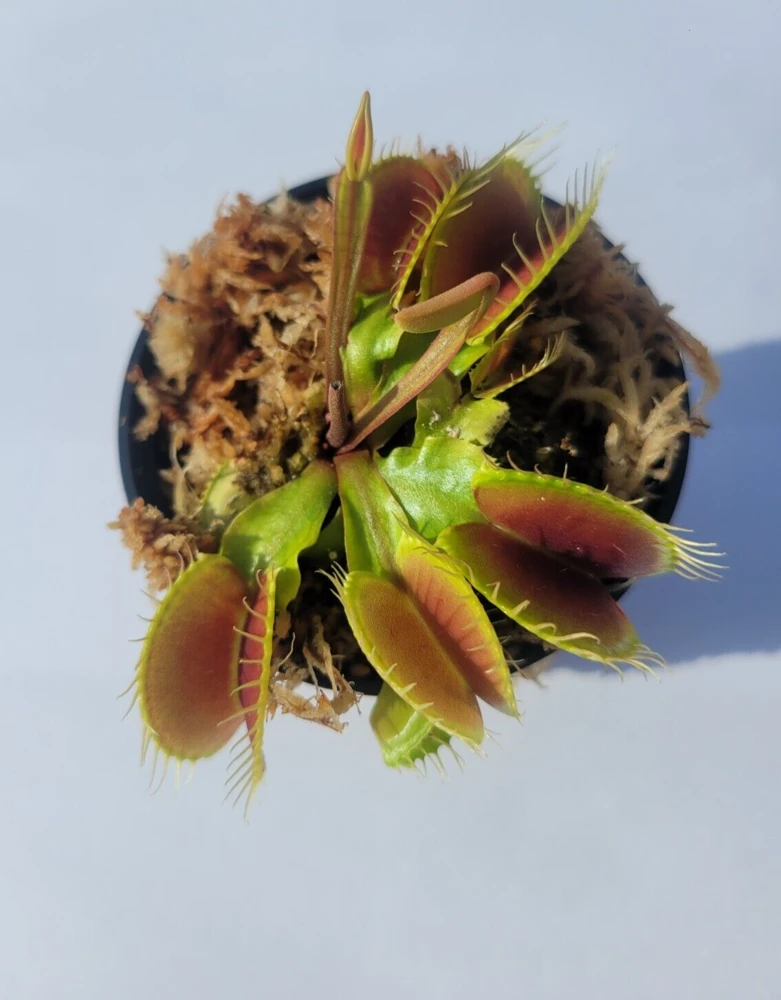
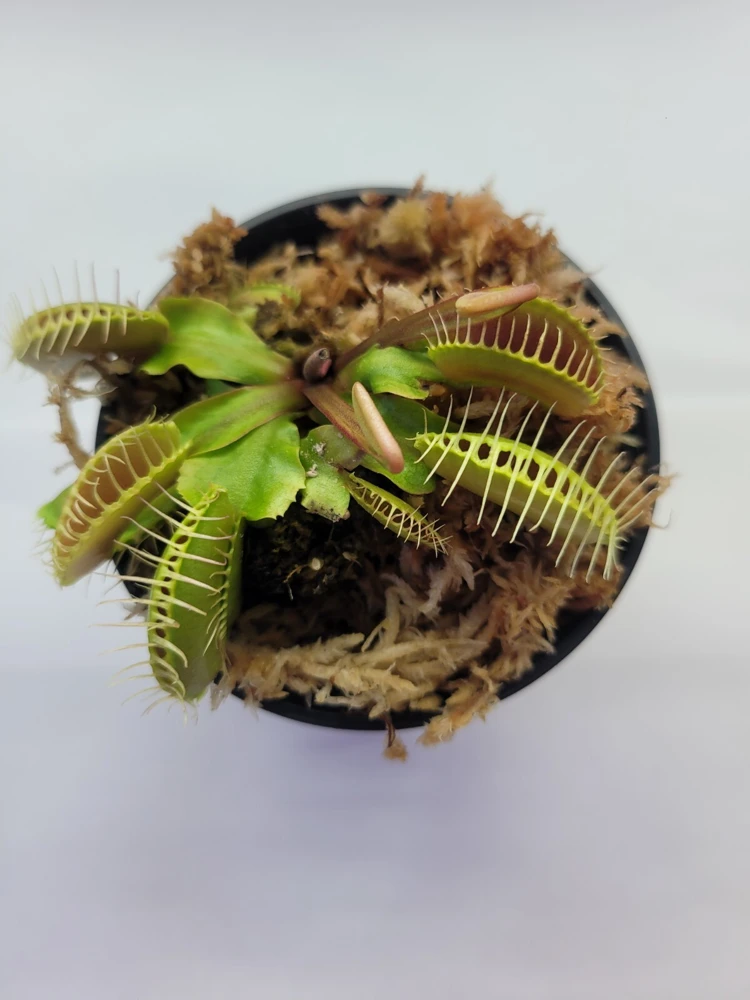
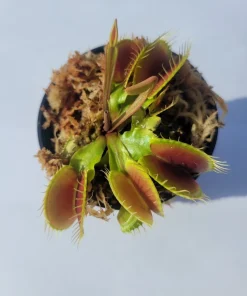
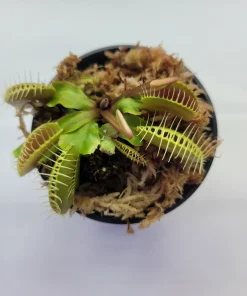
Large Venus Flytrap Live Plant – 3 inch pot – Indoor & Outdoor Carnivorous Plant
Original price was: $50.78.$36.99Current price is: $36.99.
Bring home a captivating venus flytrap live plant, perfect for both indoor and outdoor settings. This large, healthy 3-inch potted specimen of Dionaea Muscipula plant is an excellent natural insect control and a unique addition to any plant collection. Enjoy the intrigue of this impressive carnivorous plant care is surprisingly straightforward.
Estimated arrival
Oct 25
Oct 30 - Nov 01
Nov 04 - Nov 08
Shop With Confidence
30-Day Plant Health Guarantee
Arrives damaged? We’ll replace it free — see our return policy.
Responsive Support
Email us anytime, we reply within 1 business day.
Expert Packaging
Temperature-controlled shipping to protect your plants in transit.
Secure Checkout
Pay safely with Visa, Mastercard, PayPal.
Plant Specifications
-
USDA Hardiness Zone
9 (20 to 30 °F) -
Soil Type
Peat moss and perlite mix -
Sunlight Exposure
Full Sun -
Expected Planting Period
Year-round indoors, spring to early summer outdoors
Overview
Introduce an extraordinary botanical marvel into your home or garden with this impressive venus flytrap live plant. Known scientifically as Dionaea muscipula, this captivating carnivorous plant is celebrated for its unique, jaw-like traps that expertly ensnare insects. This particular specimen is a large, healthy plant, arriving in a convenient 3-inch pot, ready to thrive in its new environment. Perfect for enthusiasts and beginners alike, a venus flytrap live plant adds a dynamic and educational element to any space, showcasing nature’s incredible adaptability and predatory instincts. It’s not just a plant; it’s a living, breathing conversation starter that offers a glimpse into the fascinating world of carnivorous flora.
The ‘Big Mouth’ variety is especially sought after for its robust traps, which are larger and more pronounced than those of typical Venus Flytraps, making the insect-catching action even more dramatic and engaging to observe. This Dionaea Muscipula plant is a testament to nature’s ingenuity and will quickly become a focal point wherever it’s placed. Whether you’re looking to control small pests naturally or simply admire its unique beauty, this venus flytrap live plant offers both utility and aesthetic appeal.
Key Benefits
Beyond its striking appearance, the venus flytrap live plant offers several unique benefits for your home or garden:
- Natural Pest Control: Say goodbye to bothersome flies, gnats, and other small insects. Your venus flytrap live plant acts as an efficient, chemical-free pest deterrent, actively trapping and digesting insects that venture too close. This makes it an ideal choice for kitchens or sunrooms where pests can be an issue.
- Educational & Fascinating: Observing the traps of a Dionaea Muscipula plant in action is an incredible learning experience for all ages. It provides a real-life example of adaptation and survival in the plant kingdom, sparking curiosity and wonder about nature.
- Unique Decorative Element: With its vibrant green foliage and distinct red-tinged traps, the Venus Flytrap is an eye-catching addition to any plant collection. It stands out from traditional houseplants, offering an exotic and intriguing focal point.
- Low Maintenance for Carnivores: Despite its exotic nature, carnivorous plant care for a Venus Flytrap is surprisingly straightforward once you understand its specific needs, primarily consistent moisture and appropriate light.
- Indoor & Outdoor Versatility: This plant thrives both indoors on a sunny windowsill and outdoors in bog gardens or on patios, making it a flexible choice for various environments. Understanding growing venus flytrap requirements allows for successful cultivation in diverse settings.
Plant Care & Growing Tips
Proper carnivorous plant care is essential for the health and longevity of your venus flytrap live plant. These plants have specific needs that differ from typical houseplants. For sunlight, your Venus Flytrap requires at least 6 hours of full sun daily. If kept indoors, place it in your brightest south-facing window, or consider using a grow light. Outdoors, a sunny spot with some afternoon shade in extremely hot climates is ideal. Insufficient light can lead to weak, pale traps and poor growth, hindering its ability to perform its natural pest control function.
When it comes to watering, consistency is key. Venus Flytraps need constantly moist soil, but never standing in water for prolonged periods. Use only distilled water, rainwater, or reverse osmosis water, as tap water often contains minerals and chemicals that can harm the plant over time. Water from the bottom by placing the pot in a tray of about an inch of water, allowing the plant to absorb what it needs. The soil type is crucial; a mix of sphagnum peat moss and perlite (around 1:1 ratio) is recommended. Avoid standard potting soil, which is too rich in nutrients and can be detrimental. The soil should be acidic, with a pH between 3.5 and 5.0.
The USDA Hardiness Zone for Venus Flytraps is typically 9 (20 to 30 °F), meaning they can tolerate mild winters outdoors in these zones. In colder climates, they should be brought indoors for dormancy. During dormancy (late fall to early spring), the plant will appear to die back, but this is a natural process. Reduce watering and keep it in a cool, bright location. Fertilization is generally not needed; the plant gets its nutrients from the insects it catches. If your plant is not catching enough insects, you can occasionally feed it small, live insects. Understanding these nuances of growing venus flytrap ensures a thriving and active specimen. For those looking to buy venus flytrap online, rest assured that proper care instructions will allow you to successfully cultivate this unique species.
Size & Details
This venus flytrap live plant arrives as a robust, established specimen, comfortably nestled in a 3-inch nursery pot. The plant’s overall size will vary slightly but typically features several active traps, ranging from 0.5 to 1.5 inches in length. The ‘Big Mouth’ variety is known for producing larger traps compared to standard Venus Flytraps, enhancing its visual appeal and insect-catching capabilities. Expect the plant to reach a mature height of approximately 4 to 6 inches tall with a similar spread, forming a compact and intriguing display. It is shipped as a live, potted plant, ensuring minimal transplant shock and immediate enjoyment upon arrival. With proper carnivorous plant care, this plant will continue to grow and produce more traps, becoming an even more impressive example of the Dionaea Muscipula plant.
Frequently Asked Questions
- Q: How big does this plant get? A: This large venus flytrap live plant typically grows to about 4-6 inches tall and wide at maturity. The traps themselves can reach up to 1.5 inches in length, especially with the ‘Big Mouth’ variety.
- Q: What size pot does it come in? A: Your venus flytrap live plant will arrive in a standard 3-inch nursery pot, which is a great size for initial growth and display. You can repot it into a slightly larger pot as it grows.
- Q: Is this an indoor or outdoor plant? A: This Venus Flytrap is versatile and can thrive both indoors on a sunny windowsill or outdoors in bog gardens and on patios, provided it receives adequate sunlight. It’s an excellent choice for growing venus flytrap in various environments.
- Q: How much sunlight does it need? A: For optimal health and vigorous trap development, your Venus Flytrap requires at least 6 hours of direct sunlight each day. If indoors, place it in the sunniest window possible.
- Q: Is this plant easy to care for? A: Once you understand its specific requirements, carnivorous plant care for a Venus Flytrap is relatively easy. The main considerations are using distilled water and providing ample sunlight.
- Q: What condition will it arrive in? A: We ship healthy, live Dionaea Muscipula plant specimens, carefully packaged to ensure they arrive in excellent condition, ready to be enjoyed.
- Q: Is it pet-safe? A: Yes, the Venus Flytrap is generally considered non-toxic to pets and children, making it a safe choice for most homes.
- Q: How long until it blooms? A: Mature Venus Flytraps may produce a flower stalk in spring. However, many growers prefer to snip the stalk to conserve energy for trap development.
- Q: Will it survive winter in my zone? A: Venus Flytraps are hardy in USDA Zones 9 and up. In colder zones, the plant will need to be brought indoors for a cool, dormant period during winter.
- Q: What’s the best way to water it? A: Always use distilled water, rainwater, or reverse osmosis water. The tray method (keeping the pot in a tray with an inch of water) is highly recommended to keep the soil consistently moist. This is a key aspect of successful carnivorous plant care.
Be the first to review “Large Venus Flytrap Live Plant – 3 inch pot – Indoor & Outdoor Carnivorous Plant”
People Also Viewed
Reviews
There are no reviews yet.