

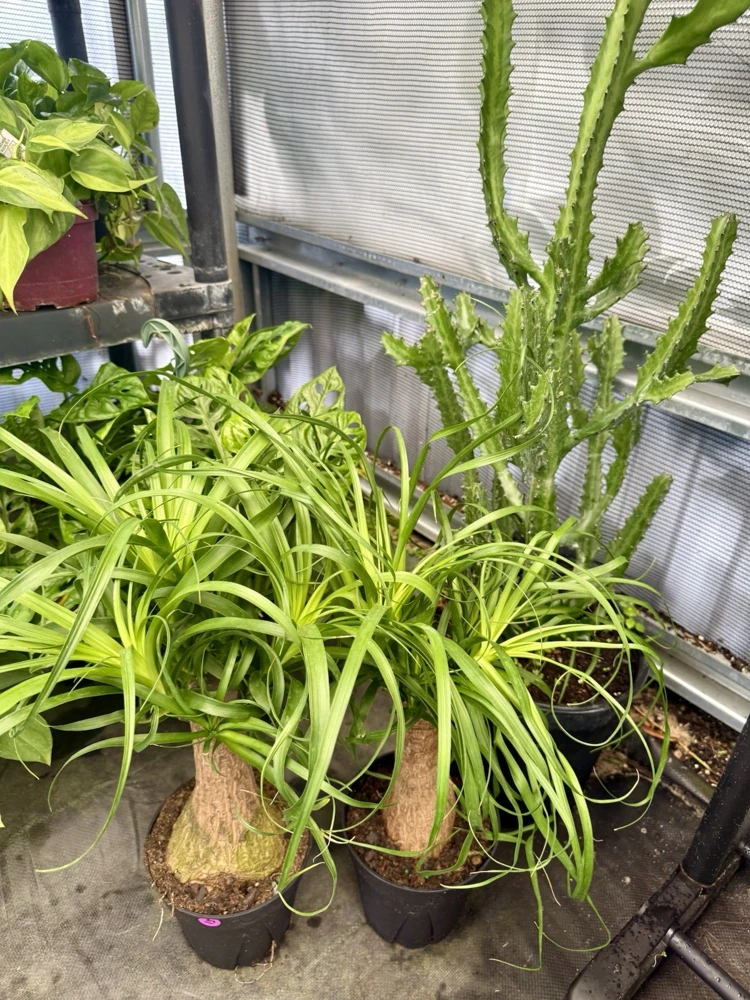
Ponytail Palm Bonsai Live Plant – Beaucarnea recurvata – Easy Care Indoor Tree
Original price was: $72.99.$59.99Current price is: $59.99.
Bring a touch of unique greenery into your home with this beautiful ponytail palm bonsai live plant. Known for its distinctive swollen trunk and cascades of thin, arching leaves, the Beaucarnea recurvata care is surprisingly easy, making it an ideal choice for both novice and experienced plant parents. This resilient indoor bonsai tree thrives with minimal attention, adding a sculptural element to any room.
Estimated arrival
Oct 27
Nov 01 - Nov 03
Nov 06 - Nov 10
Shop With Confidence
30-Day Plant Health Guarantee
Arrives damaged? We’ll replace it free — see our return policy.
Responsive Support
Email us anytime, we reply within 1 business day.
Expert Packaging
Temperature-controlled shipping to protect your plants in transit.
Secure Checkout
Pay safely with Visa, Mastercard, PayPal.
Plant Specifications
-
USDA Hardiness Zone
USDA zones 9-11 (outdoors); year-round indoors -
Soil Type
Well-draining cactus or succulent potting mix -
Sunlight Exposure
Bright direct to indirect light -
Expected Planting Period
Year-round indoors
Overview
Introduce a captivating piece of living art to your home with the ponytail palm bonsai live plant. This distinctive plant, scientifically known as Beaucarnea recurvata, is not a true palm but a succulent from the Agave family, renowned for its striking appearance and resilience. Its common names, elephant’s foot plant and Ponytail Palm, refer to its unique swollen base, which stores water, and its long, slender, arching leaves that resemble a flowing ponytail. This makes it an exceptional choice for an indoor bonsai tree, offering a unique aesthetic that complements modern and traditional decor alike. Our ponytail palm bonsai live plant is carefully cultivated to bring its unique charm and easy-going nature directly to your living space. It’s an excellent conversation starter and a testament to nature’s artistry.
The ponytail palm bonsai live plant is a slow-growing, long-lived specimen that can provide decades of enjoyment. Its low-maintenance requirements make it perfect for busy individuals or those new to plant care. Unlike many houseplants, it tolerates some neglect, making Beaucarnea recurvata care a breeze. Its architectural form and graceful foliage create a serene and stylish atmosphere, enhancing any indoor environment. Whether placed on a desk, shelf, or as a centerpiece, this plant will undoubtedly draw admiration.
Key Benefits
The ponytail palm bonsai live plant offers a multitude of benefits beyond its stunning looks, making it a highly desirable addition to any indoor plant collection. Its unique characteristics contribute to both aesthetic appeal and ease of care:
- Exceptional Drought Tolerance: Thanks to its bulbous trunk, which stores water, the ponytail palm bonsai live plant can go for extended periods without watering, making it incredibly forgiving for those who occasionally forget. This is a key aspect of its easy care.
- Low Maintenance: This plant requires minimal attention, thriving on neglect rather than constant fuss. Its undemanding nature makes it a perfect easy care houseplant, ideal for beginners or busy individuals.
- Unique Architectural Form: The swollen caudex and flowing leaves provide a sculptural and artistic element to any room, adding visual interest and a touch of exotic elegance. It truly stands out as an indoor bonsai tree.
- Air Purifying Qualities: Like many houseplants, the Beaucarnea recurvata helps to improve indoor air quality by filtering out common toxins, contributing to a healthier living environment.
- Long Lifespan: With proper care, a ponytail palm bonsai live plant can live for many decades, becoming a cherished part of your home and potentially growing into a magnificent specimen.
- Pet-Friendly: Generally considered non-toxic to pets, the ponytail palm is a safer choice for households with cats and dogs, offering peace of mind.
- Adaptable to Various Light Conditions: While it prefers bright light, it can tolerate lower light conditions, making it versatile for different spots in your home.
Plant Care & Growing Tips
Caring for your ponytail palm bonsai live plant is straightforward, making it an excellent choice for both experienced gardeners and those new to houseplants. The key to successful Beaucarnea recurvata care lies in understanding its succulent nature and providing conditions that mimic its native arid environment. This resilient plant is an easy care houseplant that truly thrives on minimal intervention.
Sunlight Requirements: Ponytail Palms love bright light. Place your plant in a location where it can receive at least 4-5 hours of direct sunlight per day, such as near a south-facing or west-facing window. While it can tolerate lower light conditions, growth will be slower, and the plant may become leggy. If moving outdoors for the summer, gradually acclimate it to direct sun to prevent leaf scorch. This bright light helps maintain its compact, bushy form as an indoor bonsai tree.
Watering Schedule and Soil Moisture: The most crucial aspect of ponytail palm bonsai live plant care is proper watering. Due to its water-storing trunk, it is highly drought-tolerant. Allow the soil to dry out completely between waterings, typically every 2-4 weeks, depending on the season and humidity. In winter, reduce watering significantly. Overwatering is the biggest killer of Ponytail Palms, leading to root rot. When you do water, soak the soil thoroughly until water drains from the bottom, then discard any excess water in the saucer.
Soil Type and Drainage Requirements: Use a well-draining potting mix. A cactus or succulent mix is ideal, or you can create your own by mixing regular potting soil with perlite or coarse sand to improve drainage. Good drainage is essential to prevent waterlogging and protect the roots of your elephant’s foot plant. Ensure the pot has drainage holes.
Temperature Range and USDA Hardiness Zone: Ponytail Palms prefer warm temperatures, ideally between 60-80°F (15-27°C). Protect them from cold drafts and temperatures below 50°F (10°C), as they are not frost-tolerant. If grown outdoors, they are typically hardy in USDA zones 9-11. For indoor growing, consistent room temperature is best.
Fertilization Schedule and Type: Fertilize sparingly. During the growing season (spring and summer), feed your ponytail palm bonsai live plant once every 2-4 months with a balanced liquid fertilizer diluted to half strength. Avoid fertilizing in fall and winter when the plant is dormant. Over-fertilization can harm the plant.
Common Problems and Solutions: Yellowing leaves often indicate overwatering, while brown, crispy tips can be a sign of underwatering or low humidity. Pests like spider mites or mealybugs are rare but can occur; treat with insecticidal soap. The Beaucarnea recurvata care routine is forgiving, so minor issues are usually easily corrected.
Size & Details
This ponytail palm bonsai live plant is cultivated for its compact, desk-friendly size, making it perfect for indoor display. While its exact dimensions can vary, it typically stands between 6-12 inches tall from the base of the pot, with its characteristic swollen caudex base measuring a few inches in diameter. The long, slender leaves can arch gracefully, adding to its overall width. As a slow-growing species, it maintains its charming bonsai-like appearance for many years without requiring frequent repotting. It is shipped as a rooted plant, often in a nursery pot, ready for you to enjoy immediately.
The elephant’s foot plant has a moderate growth rate, gradually increasing in size and developing a more pronounced caudex over time. It typically does not bloom indoors when kept as a smaller specimen, but its unique foliage provides constant visual appeal. This easy care houseplant is designed to be a long-lasting, low-maintenance ornamental addition to your home or office. The provided pot size will be suitable for its current stage of growth, allowing for comfortable establishment in your home.
Frequently Asked Questions
- Q: How big does this ponytail palm bonsai live plant get? A: When kept as an indoor bonsai tree, it typically reaches a height of 6-12 inches, with the caudex (swollen base) expanding gradually over time. Its slow growth rate allows it to remain a manageable size for many years.
- Q: Is this an indoor or outdoor plant? A: The ponytail palm bonsai live plant is primarily grown indoors in most climates. It can be moved outdoors to a protected, sunny spot during warm summer months, but it must be brought inside before temperatures drop below 50°F (10°C).
- Q: How much sunlight does it need? A: Your Beaucarnea recurvata care requires bright, indirect to direct sunlight. Place it near a south or west-facing window where it can receive several hours of bright light daily for optimal growth and health.
- Q: Is this plant easy to care for? A: Yes, the Ponytail Palm is renowned for being an incredibly easy care houseplant. Its drought tolerance and minimal needs make it perfect for beginners or anyone looking for a low-maintenance plant.
- Q: What condition will it arrive in? A: Your ponytail palm bonsai live plant will arrive as a healthy, rooted plant, carefully packaged to ensure its safety during transit. It will be ready to be placed in your chosen spot or repotted if desired.
- Q: How often should I water my elephant’s foot plant? A: Water sparingly. Allow the soil to dry out completely between waterings, typically every 2-4 weeks. Reduce watering in winter. Overwatering is the most common cause of problems for this plant.
- Q: Is the ponytail palm pet-safe? A: Yes, the Ponytail Palm (Beaucarnea recurvata) is generally considered non-toxic to cats and dogs, making it a safer option for households with pets.
- Q: What kind of soil is best for my indoor bonsai tree? A: A well-draining soil mix is crucial. Use a cactus or succulent potting mix, or create your own by amending regular potting soil with perlite or coarse sand to ensure excellent drainage.
- Q: Does this plant need high humidity? A: No, the ponytail palm bonsai live plant is accustomed to arid conditions and does not require high humidity. Average household humidity levels are perfectly suitable for its growth.
- Q: How often should I fertilize my ponytail palm? A: Fertilize your Beaucarnea recurvata care during the spring and summer growing seasons, about once every 2-4 months, using a diluted liquid fertilizer. Avoid fertilizing during the dormant fall and winter months.
Be the first to review “Ponytail Palm Bonsai Live Plant – Beaucarnea recurvata – Easy Care Indoor Tree”
People Also Viewed
Reviews
There are no reviews yet.