
Jostaberry Live Plant – Gooseberry Currant Cross, Edible Berries, Zones 3-8
Original price was: $62.99.$47.99Current price is: $47.99.
Cultivate your own delicious, vitamin C-rich berries with this jostaberry live plant. A unique gooseberry and currant cross, this thornless shrub is ideal for zones 3-8, offering easy care and abundant fruit for jams, juices, and fresh eating.
Estimated arrival
Sep 17
Sep 22 - Sep 24
Sep 27 - Oct 01
Shop With Confidence
30-Day Plant Health Guarantee
Arrives damaged? We’ll replace it free — see our return policy.
Responsive Support
Email us anytime, we reply within 1 business day.
Expert Packaging
Temperature-controlled shipping to protect your plants in transit.
Secure Checkout
Pay safely with Visa, Mastercard, PayPal.
Plant Specifications
-
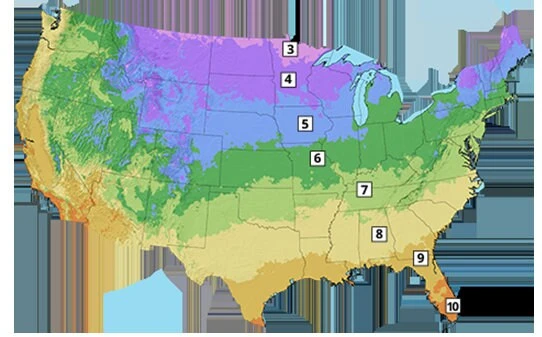
USDA Hardiness Zone
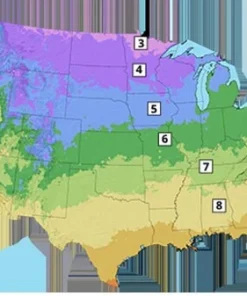
USDA Zones 3-8 -
Soil Type
Well-draining, rich in organic matter -
Sunlight Exposure
Full sun to partial shade -
Expected Planting Period
Spring to early summer
Overview
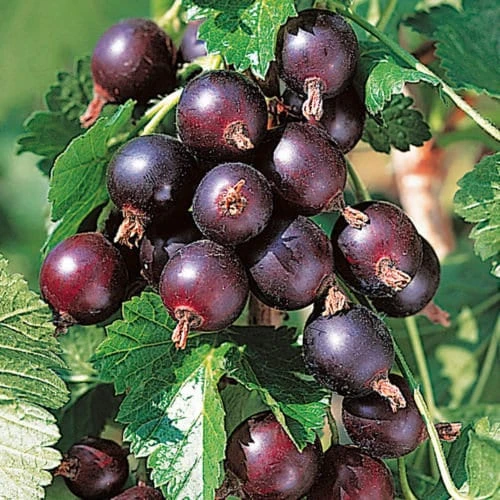
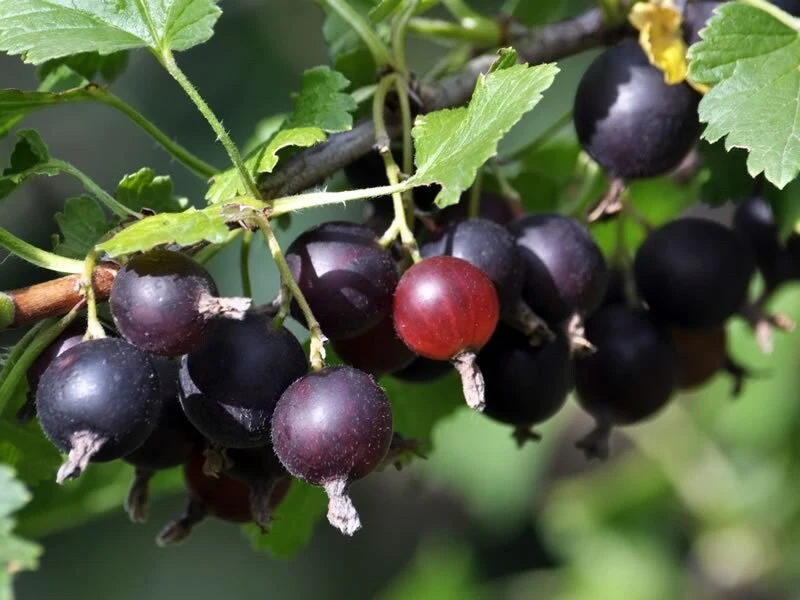
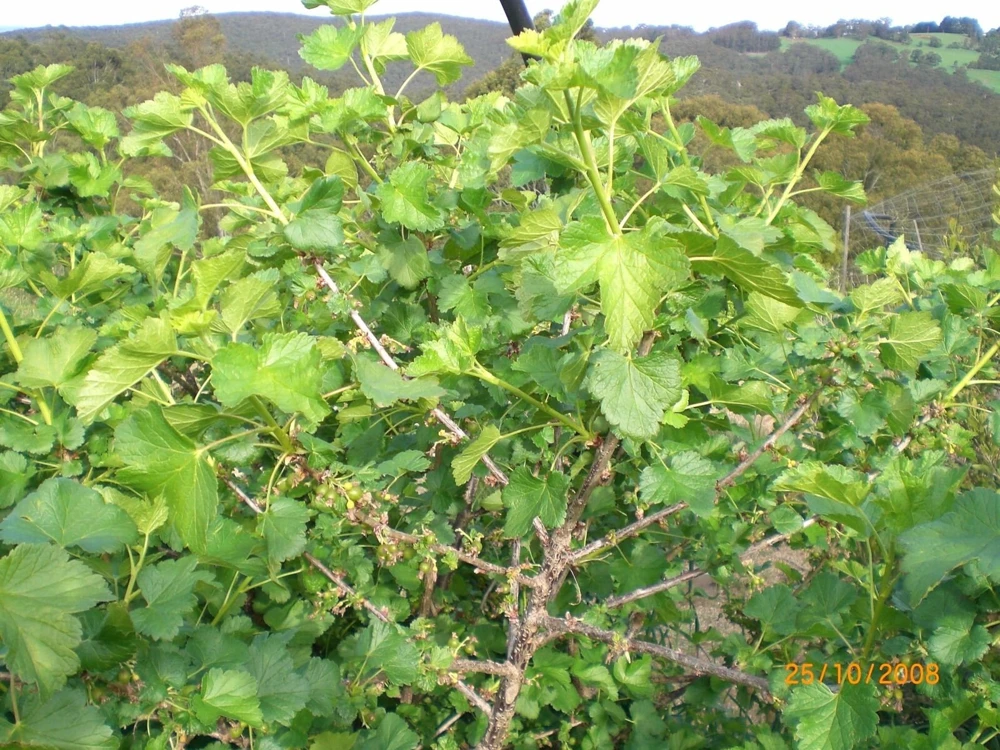
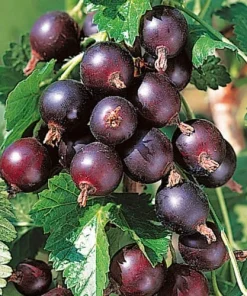
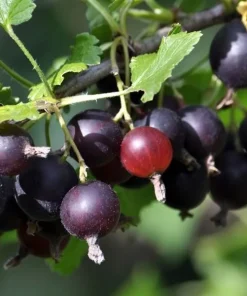
Introduce a unique and highly productive fruit to your garden with the jostaberry live plant. This remarkable shrub is a hybrid cross between a gooseberry and a black currant, offering the best characteristics of both. Known for its thornless branches, the jostaberry simplifies harvesting, making it a joy for any gardener. The deep-red, almost black berries are not only visually appealing but also packed with vitamin C, making them a healthy addition to your diet. This resilient plant is suitable for a wide range of climates, thriving in USDA Zones 3-8, and is a perfect choice for those looking for an easy-to-grow, self-pollinating fruit producer. Whether you’re an experienced horticulturist or a budding gardener, the jostaberry promises a rewarding yield of flavorful fruit.
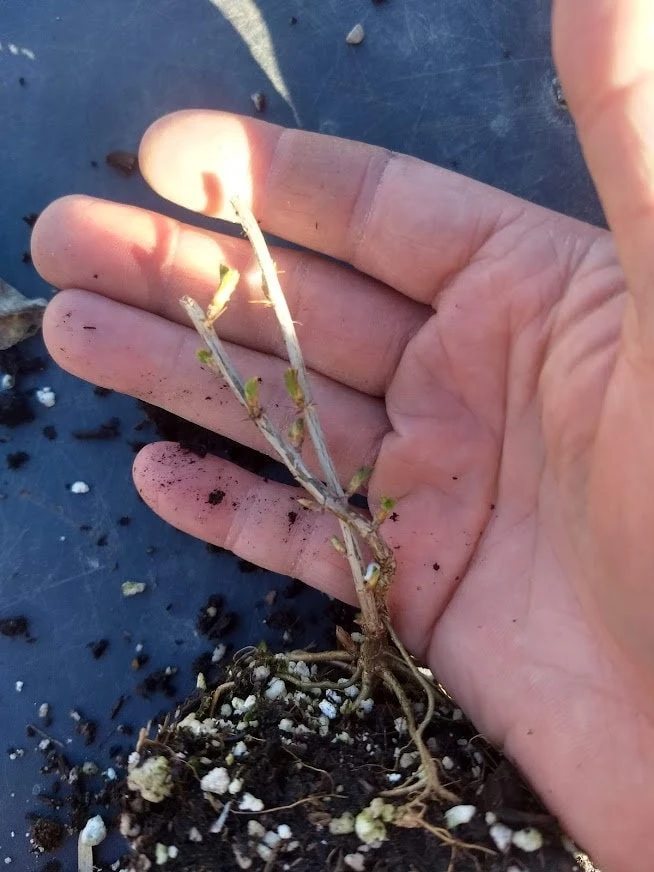
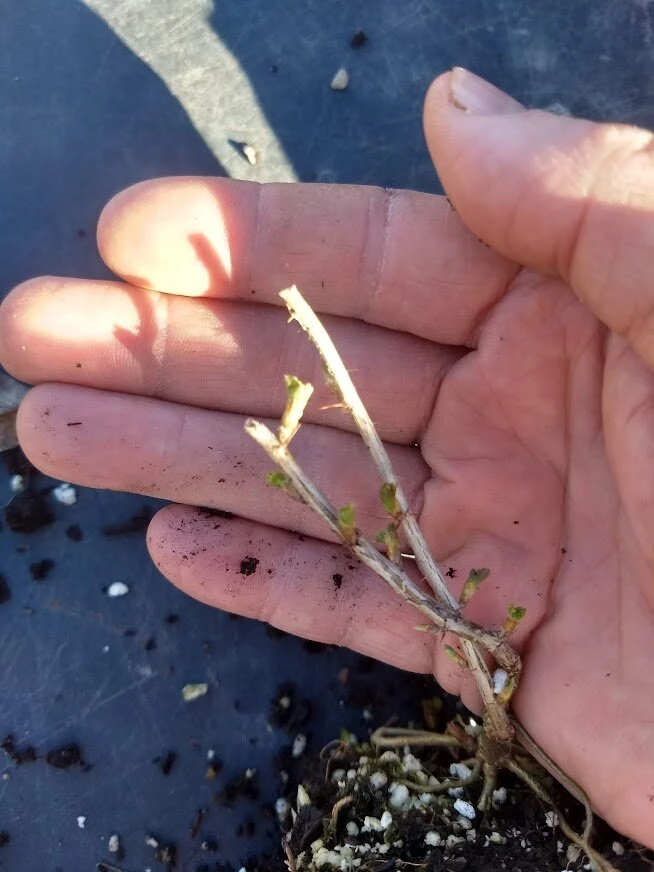
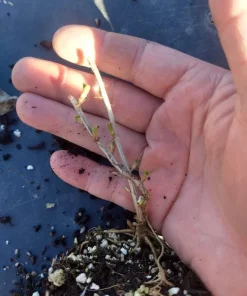
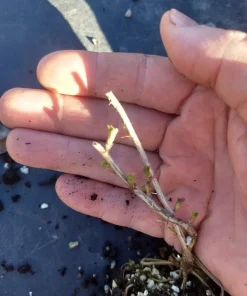
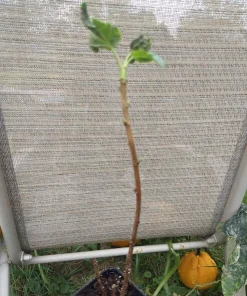
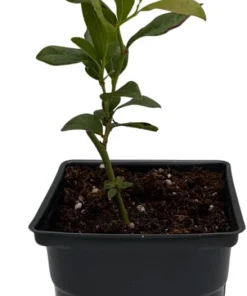
Each jostaberry live plant arrives as a rooted starter plant, ready for transplanting into your garden or a larger pot. With proper care, it will quickly establish itself and begin producing fruit, often within the next growing season. This hardy plant is celebrated for its vigorous growth and adaptability, making it a reliable choice for diverse garden settings. Enjoy the rich, complex flavor that combines the sweetness of a gooseberry with a subtle hint of black currant, perfect for a variety of culinary uses.
Key Benefits
The jostaberry live plant offers a multitude of advantages for the home gardener, blending ease of care with bountiful harvests of delicious and nutritious fruit. Its unique characteristics make it a standout choice for edible landscaping.
- Thornless Branches: Unlike traditional gooseberries, the jostaberry is completely thornless, making harvesting a much more pleasant and injury-free experience. This feature is particularly beneficial for families with children or those who prefer hassle-free gardening.
- Delicious & Versatile Fruit: The deep-red to almost-black berries boast a rich flavor profile, reminiscent of gooseberry with a distinct black currant essence. They are excellent for fresh eating, but also shine in jams, jellies, juices, pies, and other desserts. The versatility of the fruit makes it a valuable addition to any kitchen.
- High in Vitamin C: These berries are a nutritional powerhouse, exceptionally high in Vitamin C, providing a healthy boost to your diet. Incorporating them into your daily routine can contribute to overall wellness.
- Cold Hardy & Adaptable: Thriving in USDA Zones 3-8, the jostaberry live plant is incredibly cold hardy and adaptable to various soil types and climates. This resilience ensures a successful harvest even in challenging conditions.
- Self-Pollinating: You only need one jostaberry plant to produce fruit, as it is self-pollinating. This eliminates the need for multiple plants or specific cross-pollination partners, simplifying your garden planning.
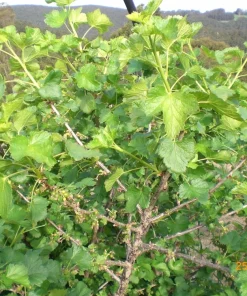
- Vigorous Growth & Abundant Yield: Once established, the jostaberry grows vigorously, reaching heights of 6-8 feet. It produces large clusters of berries, ensuring a generous yield that can be enjoyed by you, your friends, and family for many years.
- Low Maintenance: This plant is generally low-maintenance, requiring basic watering and sunlight to thrive. It’s an ideal option for gardeners seeking a productive fruit bush without extensive upkeep, making it an excellent edible berry plant.
Plant Care & Growing Tips
Caring for your jostaberry live plant is straightforward, ensuring a healthy and productive shrub. These hardy plants are quite forgiving, but providing optimal conditions will lead to the best fruit production. They prefer a location with full sun to partial shade, meaning at least 6 hours of direct sunlight per day is ideal for maximum berry development. While they can tolerate some shade, fruit production may be reduced. Ensure the planting site has good air circulation to prevent fungal issues.
When it comes to watering, consistent moisture is key, especially during dry spells and while the plant is establishing. However, avoid waterlogging, as this can lead to root rot. The jostaberry thrives in well-draining soil that is rich in organic matter. A slightly acidic to neutral pH (6.0-7.0) is preferred. Amend heavy clay soils with compost or other organic material to improve drainage and aeration. Fertilize in early spring with a balanced, slow-release fertilizer or a layer of compost around the base of the plant. Pruning is best done in late winter or early spring while the plant is dormant. Remove any dead, damaged, or crossing branches, and thin out older canes to encourage new growth and better fruit production. This practice helps maintain the plant’s shape and vigor, ensuring a robust gooseberry currant cross.
The jostaberry live plant is remarkably cold hardy, thriving in USDA Zones 3-8. It can withstand significant winter temperatures, though young plants may benefit from a layer of mulch around the base in extremely cold climates to protect the roots. During periods of summer dormancy, it’s normal for the plant to lose some leaves, which will regrow in the fall. Monitor for common pests and diseases, though jostaberries are generally resistant. Organic pest control methods are often sufficient if issues arise. With these simple care guidelines, your thornless jostaberry will flourish and provide years of delicious fruit.
Size & Details
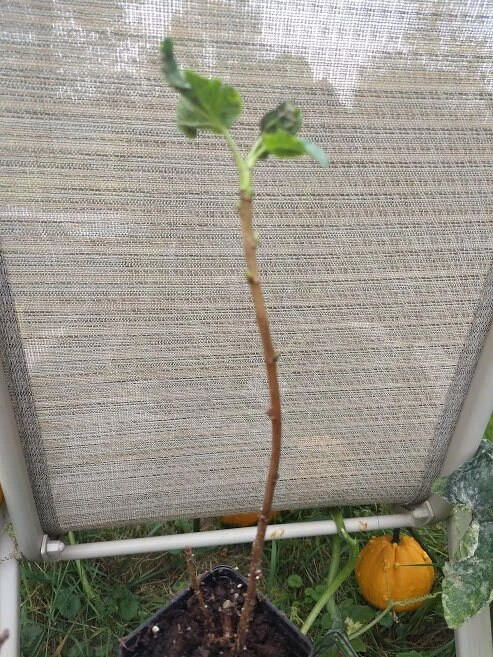
Each purchase includes one rooted starter jostaberry live plant, carefully prepared for shipping. These starter plants are robust and ready to establish quickly in your garden. Upon maturity, the jostaberry shrub can reach an impressive height of 6-8 feet, with a similar spread, creating a substantial and productive bush. The plant is shipped without its growing pot to minimize shipping stress and waste, but its roots are well-protected to ensure a smooth transition to your home. Expect your plant to begin fruiting as early as the next growing season, with increasing yields in subsequent years. This edible berry plant is a long-term investment, providing continuous harvests for decades.
The plant’s growth rate is quite vigorous, especially when provided with adequate sun and water. While the initial size of the starter plant may vary slightly depending on the season and age, all plants are healthy and ready to thrive. The thornless nature of this gooseberry currant cross makes it easy to integrate into any garden design, from dedicated fruit patches to ornamental borders. Its deep-red berries are not only delicious but also add visual interest to the landscape. It’s an excellent option for gardeners seeking a productive and aesthetically pleasing addition to their outdoor space.
Frequently Asked Questions
- Q: How big does this plant get? A: The jostaberry live plant is a vigorous grower and can reach a mature height of 6-8 feet tall with a similar spread, forming a dense, productive shrub.
- Q: What condition will it arrive in? A: Your jostaberry live plant will arrive as a rooted starter plant, carefully packaged in a box to protect it during transit. It will be taken out of its growing pot for shipping, but its root system will be intact and healthy.
- Q: Is this an indoor or outdoor plant? A: The jostaberry is an outdoor plant, specifically a cold-hardy shrub thriving in USDA Zones 3-8. It requires outdoor conditions to grow and produce fruit.
- Q: How much sunlight does it need? A: For optimal fruit production, the thornless jostaberry prefers full sun (at least 6 hours of direct sunlight daily), though it can tolerate partial shade.
- Q: Is this plant easy to care for? A: Yes, the jostaberry is generally considered a low-maintenance and easy-to-grow fruit shrub, making it suitable for both beginner and experienced gardeners.
- Q: Can I use jostaberries in cooking? A: Absolutely! The rich, deep-red berries are perfect for fresh eating, making jams, jellies, juices, pies, and other culinary creations. They are a versatile edible berry plant.
- Q: How long until it blooms and fruits? A: Your jostaberry live plant typically begins to fruit the year after planting, with more significant yields as the plant matures.
- Q: Will it survive winter in my zone? A: Yes, this cold hardy berry plant is suitable for USDA Zones 3-8, meaning it is well-adapted to survive cold winters in those regions.
- Q: What type of soil does it prefer? A: Jostaberries prefer well-draining soil that is rich in organic matter, with a slightly acidic to neutral pH.
- Q: Is the plant self-pollinating? A: Yes, the jostaberry live plant is self-pollinating, so you only need one plant to get fruit.
Be the first to review “Jostaberry Live Plant – Gooseberry Currant Cross, Edible Berries, Zones 3-8”
People Also Viewed
Reviews
There are no reviews yet.