
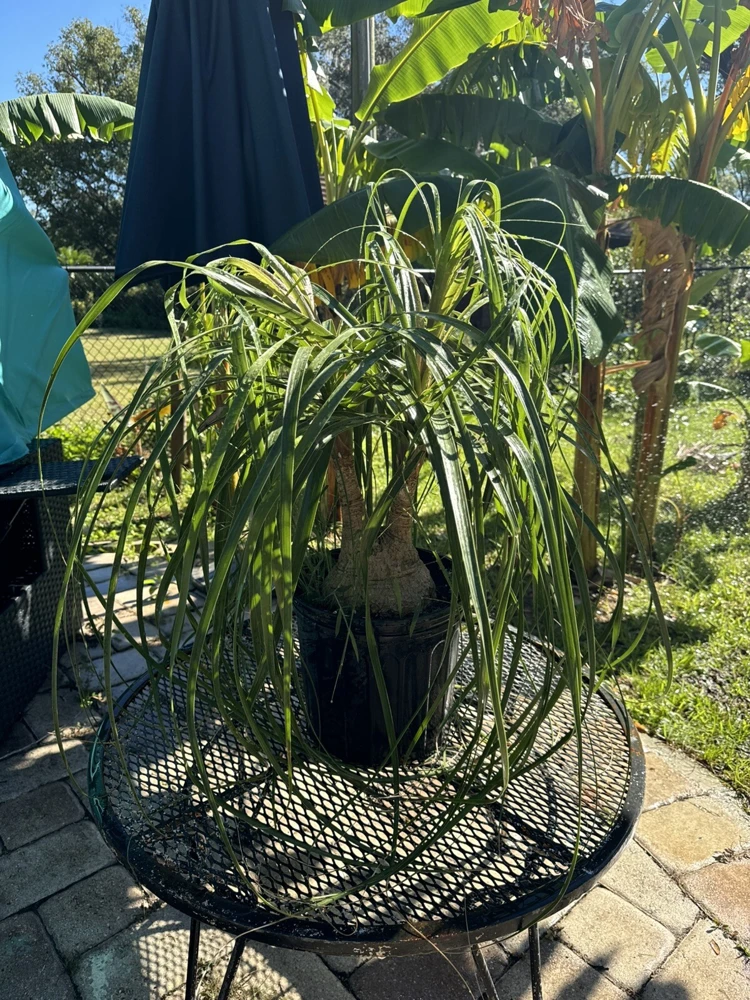
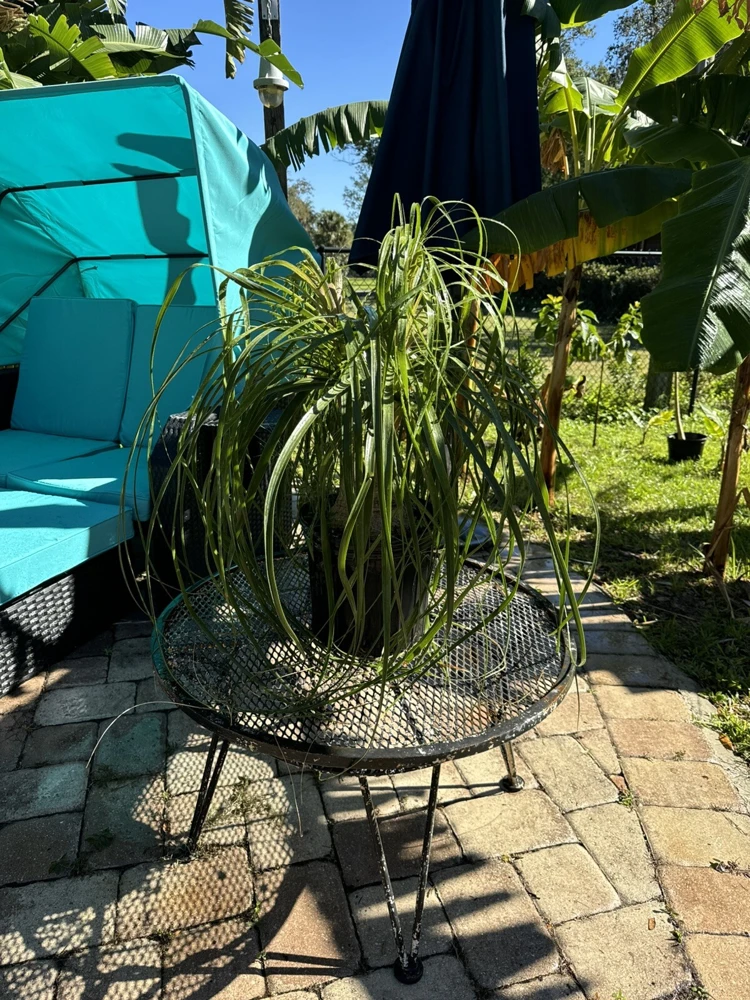
Ponytail Palm Live Plant – Beaucarnea recurvata Indoor Tree Easy Care
Original price was: $96.99.$79.99Current price is: $79.99.
Enhance your home decor with a stunning ponytail palm live plant. This Beaucarnea recurvata care is known for its distinctive trunk and flowing leaves, making it an ideal easy care indoor tree. Perfect for bright, sunny spots.
Estimated arrival
Oct 27
Nov 01 - Nov 03
Nov 06 - Nov 10
Shop With Confidence
30-Day Plant Health Guarantee
Arrives damaged? We’ll replace it free — see our return policy.
Responsive Support
Email us anytime, we reply within 1 business day.
Expert Packaging
Temperature-controlled shipping to protect your plants in transit.
Secure Checkout
Pay safely with Visa, Mastercard, PayPal.
Plant Specifications
-
USDA Hardiness Zone
USDA zones 9-11 (outdoors); adaptable indoors -
Soil Type
Well-draining potting mix (cactus/succulent blend) -
Sunlight Exposure
Bright direct to bright indirect light -
Expected Planting Period
Year-round indoors
Overview
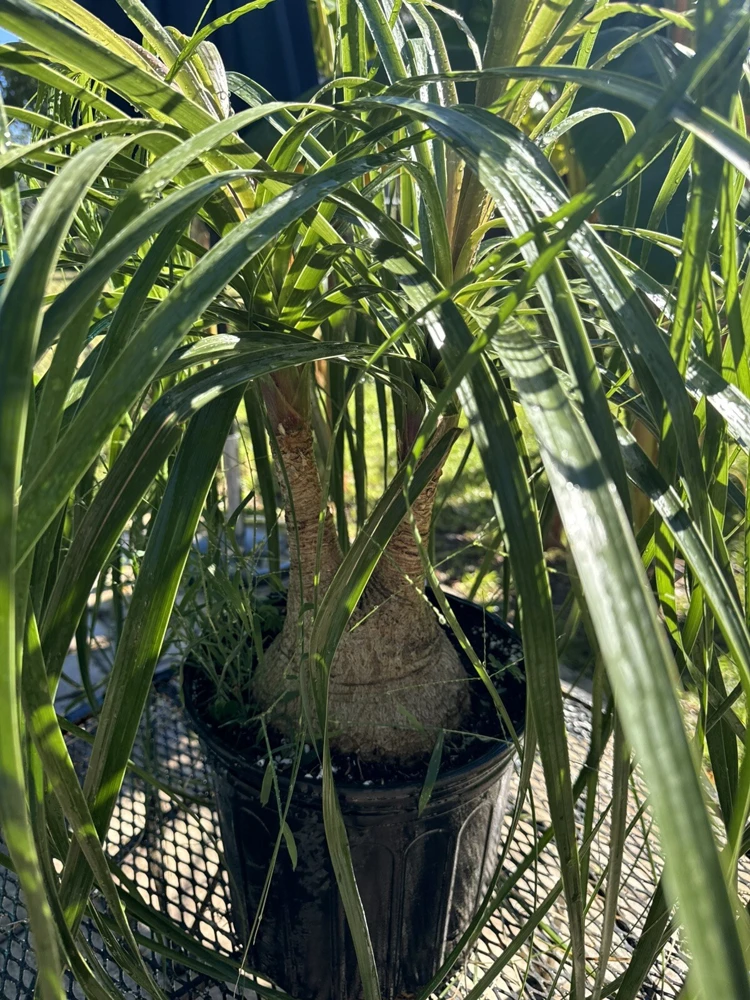
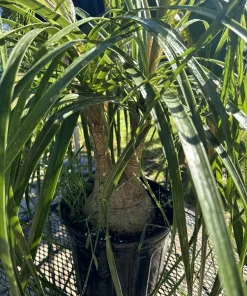
Introduce a touch of exotic elegance to your living space with this beautiful ponytail palm live plant. Scientifically known as Beaucarnea recurvata, this unique succulent-like tree is celebrated for its distinctive swollen base, which stores water, and its long, cascading, strap-like leaves that resemble a ponytail. Often referred to as an indoor ponytail palm, it makes a striking statement as a focal point in any room. Its robust nature and minimal requirements position it as an easy care indoor tree, perfect for both novice and experienced plant enthusiasts. Originating from arid regions, the ponytail palm tree is wonderfully adapted to dry conditions, requiring infrequent watering and thriving on neglect, making it a hassle-free addition to your home or office environment.
Key Benefits
The ponytail palm live plant offers a multitude of benefits beyond its aesthetic appeal, making it a highly desirable choice for indoor gardening. Its unique form and resilience contribute to a healthier and more inviting living space.
- Low Maintenance & Drought Tolerant: This plant is incredibly forgiving, thriving even if you occasionally forget to water it. Its bulbous trunk stores water, allowing it to endure dry spells, making beaucarnea recurvata care simple and stress-free for busy individuals.
- Air Purifying Qualities: Like many houseplants, the ponytail palm live plant contributes to improved indoor air quality by filtering out common toxins, creating a fresher and healthier atmosphere in your home or office.
- Unique Ornamental Value: With its sculptural trunk and graceful foliage, the indoor ponytail palm serves as a living piece of art. It adds architectural interest and a touch of tropical sophistication to any interior design scheme.
- Pet-Friendly: Unlike some common houseplants, the ponytail palm tree is generally considered non-toxic to pets, offering peace of mind for pet owners who want to safely beautify their homes with greenery.
- Adaptable to Various Light Conditions: While it prefers bright light, this resilient plant can adapt to slightly lower light conditions, making it versatile for placement in different areas of your home.
- Long Lifespan: With proper beaucarnea recurvata care, a ponytail palm can live for many decades, even centuries, becoming a long-term companion and a testament to enduring beauty in your home.
- Compact Growth for Indoor Spaces: Though it can grow large outdoors, as an easy care indoor tree, it maintains a manageable size, making it suitable for tabletops, desks, or as a floor plant in smaller spaces.
Plant Care & Growing Tips
Caring for your ponytail palm live plant is straightforward, reflecting its natural resilience. These plants thrive on a bit of neglect, making them perfect for those seeking an easy care indoor tree. The primary focus for successful beaucarnea recurvata care is providing adequate light and being mindful of watering.
Sunlight requirements: The ponytail palm live plant loves bright light. Place it in a location where it can receive at least 6-8 hours of direct or very bright indirect sunlight daily. A south-facing window is ideal, but an east or west-facing window can also work if it receives ample light. Insufficient light can lead to stunted growth and less vibrant foliage. For an indoor ponytail palm, rotating it periodically will ensure even growth.
Watering schedule and soil moisture preferences: The most common mistake in ponytail palm tree care is overwatering. Allow the soil to dry out completely between waterings. The bulbous base stores water, so it’s much better to underwater than overwater. Water thoroughly until water drains from the bottom, then wait until the soil is bone dry again, which might be every 2-4 weeks, depending on light, temperature, and humidity. Reduce watering significantly in winter when the plant is dormant.
Soil type and drainage requirements: Use a well-draining potting mix. A cactus or succulent mix is ideal, or you can amend regular potting soil with perlite or coarse sand to improve drainage. The pot must have drainage holes to prevent waterlogging, which can lead to root rot. Good drainage is crucial for effective beaucarnea recurvata care.
Temperature range and USDA hardiness zone: Ponytail palms prefer temperatures between 60-80°F (15-27°C). They are not frost-tolerant and should be protected from temperatures below 50°F (10°C). If grown outdoors, they are typically hardy in USDA zones 9-11. As an easy care indoor tree, it should be kept away from cold drafts or sudden temperature fluctuations.
Fertilization schedule and type: Fertilize sparingly. During the growing season (spring and summer), feed your ponytail palm live plant with a balanced liquid fertilizer diluted to half strength once every 2-4 months. Avoid fertilizing in fall and winter. Over-fertilization can harm the plant.
Common problems and solutions: Yellowing leaves often indicate overwatering or poor drainage. Ensure the soil dries out and check for root rot. Brown leaf tips can be a sign of low humidity or too much direct, harsh sunlight. Pests like spider mites can occasionally be an issue; treat with insecticidal soap if observed. Providing proper beaucarnea recurvata care will prevent most common issues.
Size & Details
This ponytail palm live plant typically arrives as a young specimen, ready to establish itself in your home. While specific dimensions may vary, it is generally presented in a nursery pot, ensuring its roots are protected during transit. As an easy care indoor tree, its growth rate is relatively slow, allowing it to maintain a manageable size for many years. Indoors, it can eventually reach heights of 6-10 feet, but this takes considerable time. The distinctive swollen base, which gives the ponytail palm tree its unique character, will gradually enlarge over time, enhancing its sculptural appeal. The plant is shipped as a potted plant, ensuring minimal stress upon arrival and a smoother transition to its new environment. With consistent beaucarnea recurvata care, this plant will thrive and continue to grow, offering long-lasting beauty.
Frequently Asked Questions
- Q: How big does this plant get? A: As an indoor ponytail palm, it typically grows slowly and can reach 6-10 feet tall over many years, though its size is often constrained by its pot. Outdoors, it can become much larger.
- Q: What size pot does it come in? A: The ponytail palm live plant is typically shipped in a standard nursery pot, with the size being suitable for its current stage of growth. You may wish to repot it into a slightly larger decorative pot upon arrival.
- Q: Is this an indoor or outdoor plant? A: The ponytail palm live plant is versatile. It can be grown indoors as an easy care indoor tree in most climates, or outdoors in USDA zones 9-11 where temperatures do not drop below freezing.
- Q: How much sunlight does it need? A: This beaucarnea recurvata care plant prefers bright, direct sunlight for at least 6-8 hours daily. It can tolerate bright indirect light but may grow slower and have less vibrant foliage.
- Q: Is this plant easy to care for? A: Yes, the ponytail palm tree is renowned for being very easy to care for, making it an excellent choice for beginners. Its drought tolerance means it forgives infrequent watering.
- Q: What condition will it arrive in? A: Your ponytail palm live plant will arrive carefully packaged in a padded box, ensuring it is protected during transit. It will be a healthy, established plant ready for its new home.
- Q: Is it shipped in soil? A: Yes, the ponytail palm live plant is shipped in its nursery pot with soil, minimizing transplant shock and ensuring it remains hydrated during its journey to you.
- Q: Is it pet-safe? A: Yes, the indoor ponytail palm is generally considered non-toxic to cats and dogs, making it a safer option for households with pets compared to many other common houseplants.
- Q: How often should I water my ponytail palm? A: Water your ponytail palm live plant only when the soil has completely dried out. This could be every 2-4 weeks, depending on the environment. Always err on the side of underwatering.
- Q: What kind of soil is best for a ponytail palm? A: A well-draining soil mix, such as a cactus or succulent potting mix, is ideal for optimal beaucarnea recurvata care. This prevents water from sitting around the roots.
Be the first to review “Ponytail Palm Live Plant – Beaucarnea recurvata Indoor Tree Easy Care”
People Also Viewed

Reviews
There are no reviews yet.