
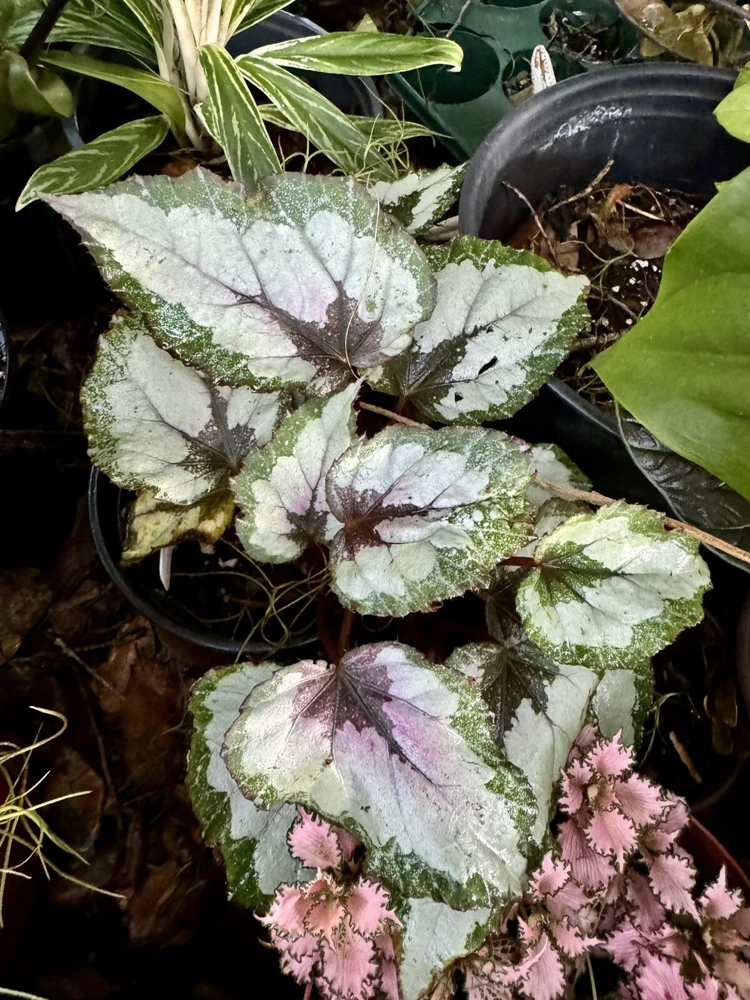
Rex Begonia Live Plant – Colorful Painted Leaf Foliage Houseplant
Original price was: $36.99.$29.99Current price is: $29.99.
Introduce a burst of color to your indoor space with the beautiful rex begonia live plant. This vibrant colorful foliage houseplant features intricately patterned, painted leaves, making it a stunning decorative accent. Ideal for adding visual interest to any room, it’s a popular choice for plant enthusiasts.
Estimated arrival
Oct 27
Nov 01 - Nov 03
Nov 06 - Nov 10
Shop With Confidence
30-Day Plant Health Guarantee
Arrives damaged? We’ll replace it free — see our return policy.
Responsive Support
Email us anytime, we reply within 1 business day.
Expert Packaging
Temperature-controlled shipping to protect your plants in transit.
Secure Checkout
Pay safely with Visa, Mastercard, PayPal.
Plant Specifications
-
USDA Hardiness Zone
year-round indoors -
Soil Type
well-draining potting mix -
Sunlight Exposure
bright indirect light -
Expected Planting Period
year-round indoors
Overview
Welcome to the captivating world of the rex begonia live plant, a true jewel among houseplants. Known for its breathtakingly vibrant and intricately patterned leaves, the Rex Begonia offers an unparalleled display of natural artistry. Unlike many other plants cultivated for their blooms, the Rex Begonia is celebrated purely for its spectacular foliage, which comes in an astonishing array of colors, textures, and shapes. Each leaf is a unique masterpiece, often featuring shades of silver, pink, red, green, and purple, adorned with metallic sheens and dramatic veining. These plants are native to tropical and subtropical regions, thriving in humid environments, making them perfect candidates for indoor cultivation. Whether you’re a seasoned plant collector or just starting your green journey, a rex begonia live plant will undoubtedly become a focal point in your home, bringing a touch of exotic elegance and continuous visual delight.
The genus Begonia is vast and diverse, but Rex Begonias, also known as Painted Leaf Begonias, stand out due to their rhizomatous growth habit and striking ornamental leaves. They are relatively compact plants, making them suitable for tabletops, shelves, and terrariums. Their beauty is constant, as they do not rely on seasonal blooms to impress. Instead, their year-round display of vibrant, patterned leaves ensures your indoor space remains lively and colorful. Exploring different indoor begonia varieties can be a rewarding hobby, as each cultivar offers a unique aesthetic. The visual impact of a well-grown Rex Begonia is simply unmatched, transforming any dull corner into a vibrant sanctuary.
Key Benefits
The rex begonia live plant offers numerous benefits, making it a highly desirable addition to any indoor plant collection. Its primary allure lies in its stunning visual appeal, but it also contributes to a healthier and more aesthetically pleasing environment.
- Exceptional Decorative Value: The most significant benefit is the Rex Begonia’s incredibly diverse and vibrant foliage. Each leaf is a work of art, displaying intricate patterns, textures, and a spectrum of colors including silver, pink, red, green, and purple. This makes it a perfect statement piece for any room, adding immediate visual interest and sophistication.
- Year-Round Beauty: Unlike flowering plants that have seasonal blooms, the Rex Begonia’s beauty is constant. Its richly colored leaves provide continuous aesthetic pleasure throughout the year, ensuring your home always has a touch of living art.
- Compact Size: Most rex begonia live plant varieties remain relatively compact, making them ideal for smaller spaces such as desks, windowsills, shelves, or terrariums. They won’t outgrow their space quickly, offering long-term enjoyment without constant repotting.
- Boosts Indoor Air Quality: Like many houseplants, Rex Begonias contribute to a healthier indoor environment by aiding in the filtration of common airborne toxins, helping to purify the air you breathe.
- Humidity Indicator: Rex Begonias thrive in high humidity. Their appearance can often serve as a natural indicator of the room’s humidity levels, prompting you to mist or humidify if their leaves start to show signs of stress.
- Relatively Low Maintenance: While they appreciate specific conditions, once their basic needs for light and humidity are met, Rex Begonias are not overly demanding. They are often considered easier to care for than some flowering plants, especially for those who prefer foliage over flowers.
- Variety and Collectibility: With countless indoor begonia varieties available, Rex Begonias offer endless opportunities for collecting and creating diverse displays. Each new variety brings a fresh pattern and color palette, encouraging a fulfilling hobby.
Plant Care & Growing Tips
Caring for a rex begonia live plant involves understanding its specific needs, primarily focusing on light, humidity, and watering. These plants thrive in conditions that mimic their native tropical habitats. For optimal growth and to maintain their vibrant foliage, consistent care is key. The right environment will ensure your painted leaf begonia flourishes and continues to showcase its stunning patterns.
Sunlight requirements: Rex Begonias prefer bright, indirect light. An east-facing window is often ideal, providing gentle morning sun without the harsh intensity of direct afternoon rays, which can scorch their delicate leaves. If direct sun is unavoidable, use a sheer curtain to diffuse the light. Too little light will result in duller leaf colors and leggy growth, so finding the right balance is crucial for a vibrant colorful foliage houseplant. Rotate the plant periodically to ensure even growth and light exposure on all sides.
Watering schedule and soil moisture preferences: Water your Rex Begonia when the top inch of soil feels dry to the touch. It’s better to slightly underwater than to overwater, as they are susceptible to root rot. Ensure the pot has excellent drainage to prevent waterlogging. During winter, when growth slows, reduce watering frequency. Misting the leaves can help increase humidity, which these plants adore, but avoid leaving water droplets on the leaves for extended periods, as this can lead to fungal issues. Aim for consistently moist, but not soggy, soil.
Soil type and drainage requirements: A well-draining potting mix is essential. A blend suitable for African violets or a general-purpose potting mix amended with perlite or orchid bark for extra drainage works well. The soil should be light and airy, allowing roots to breathe. Begonia care tips often emphasize good drainage to prevent the common issue of root rot.
Temperature range and USDA hardiness zone: Rex Begonias prefer consistent temperatures between 60-75°F (15-24°C). They are not frost-tolerant and should be kept away from cold drafts or sudden temperature fluctuations. As indoor plants, they essentially have no USDA hardiness zone, but if grown outdoors in very warm climates, they would be suited to zones 10-11. Avoid placing them near air conditioning vents or heating units. High humidity, ideally above 50%, is crucial for their health and vibrant leaf coloration. Use a pebble tray or a humidifier to boost ambient moisture.
Fertilization schedule and type: Feed your Rex Begonia with a balanced liquid fertilizer diluted to half strength every 2-4 weeks during its active growing season (spring and summer). Reduce or cease fertilization during fall and winter when the plant’s growth naturally slows down. Over-fertilization can lead to leaf burn, so always err on the side of caution. For specific begonia care tips regarding feeding, observe your plant’s response.
Common problems and solutions: Common issues include powdery mildew (due to poor air circulation or high humidity with stagnant air), brown leaf edges (low humidity), and limp, yellowing leaves (overwatering or underwatering). Address powdery mildew with fungicides and improved air circulation. Increase humidity for brown edges. Adjust watering practices for limp leaves. Pests like spider mites and mealybugs can be managed with insecticidal soap.
Size & Details
This rex begonia live plant is typically shipped in a nursery pot, ready to be acclimated to its new home. The plant generally reaches a mature height of 6-12 inches (15-30 cm) with a similar spread, making it a perfectly manageable size for most indoor settings. Its growth rate is moderate, allowing you to enjoy its development without it quickly outgrowing its space. The exact dimensions can vary slightly depending on the specific cultivar and growing conditions, but most painted leaf begonia varieties maintain a compact, bushy form. You can expect your plant to arrive with several well-developed, vibrantly colored leaves, showcasing the unique patterns characteristic of this stunning colorful foliage houseplant. With proper care, it will continue to produce new leaves, adding to its lush appearance. While it doesn’t bloom showy flowers, its foliage provides year-round visual interest and appeal.
Frequently Asked Questions
- Q: How big does this plant get? A: The rex begonia live plant typically grows to a height and spread of about 6-12 inches, making it a compact and manageable houseplant suitable for various indoor spaces like desks or shelves.
- Q: Is this an indoor or outdoor plant? A: While Rex Begonias can be grown outdoors in very warm, humid climates (USDA Zones 10-11), they are primarily cultivated as a colorful foliage houseplant due to their preference for consistent temperatures and high humidity, making them perfect for indoor environments.
- Q: How much sunlight does it need? A: This painted leaf begonia thrives in bright, indirect light. Avoid direct harsh sunlight, which can scorch its delicate leaves. An east-facing window or a spot with filtered light is ideal for optimal growth and vibrant leaf coloration.
- Q: Is this plant easy to care for? A: Rex Begonias are considered moderately easy to care for. They require consistent attention to humidity and watering, but once their specific needs are met, they are relatively low maintenance. Following key begonia care tips will ensure success.
- Q: What condition will it arrive in? A: Your rex begonia live plant will arrive carefully packaged in a nursery pot, typically with established roots and healthy foliage, ready for you to acclimate it to its new indoor environment.
- Q: Is it pet-safe? A: Unfortunately, Rex Begonias are considered toxic to pets if ingested. It’s best to keep them out of reach of curious cats, dogs, and other household animals.
- Q: What kind of soil does it prefer? A: Rex Begonias prefer a well-draining, airy potting mix. A blend suitable for African violets or a general potting mix amended with perlite works well to prevent waterlogging and root rot.
- Q: How often should I water my Rex Begonia? A: Water when the top inch of soil feels dry to the touch. It’s crucial to avoid overwatering, which can lead to root rot. Ensure excess water can drain freely from the bottom of the pot.
- Q: Can I propagate my Rex Begonia? A: Yes, Rex Begonias are relatively easy to propagate from leaf cuttings. You can place a leaf cutting in moist soil or water, and it will often root and produce new plantlets. This is a great way to expand your collection of indoor begonia varieties.
- Q: Why are the leaves on my Rex Begonia losing their color? A: Loss of vibrant leaf color can often be attributed to insufficient light. Ensure your colorful foliage houseplant is receiving enough bright, indirect light to maintain its stunning patterns and hues.
Be the first to review “Rex Begonia Live Plant – Colorful Painted Leaf Foliage Houseplant”
People Also Viewed

Uncategorized


Reviews
There are no reviews yet.