

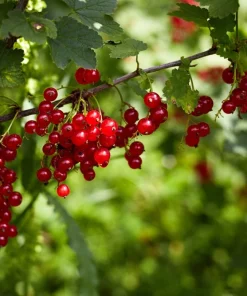
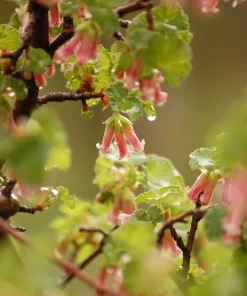
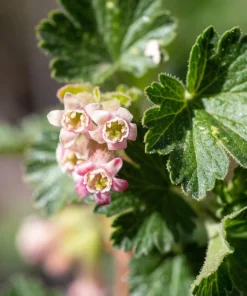
20 Red Wax Currant Seeds – Edible Fruit Berries, Pink Flowers, Shrub
Original price was: $37.99.$17.99Current price is: $17.99.
Cultivate a beautiful and productive garden with these red wax currant seeds. This resilient shrub offers charming pink flowers and delicious edible berries, perfect for attracting wildlife and enjoying fresh fruit. Ideal for various garden settings.
Estimated arrival
Sep 17
Sep 22 - Sep 24
Sep 27 - Oct 01
Shop With Confidence
30-Day Plant Health Guarantee
Arrives damaged? We’ll replace it free — see our return policy.
Responsive Support
Email us anytime, we reply within 1 business day.
Expert Packaging
Temperature-controlled shipping to protect your plants in transit.
Secure Checkout
Pay safely with Visa, Mastercard, PayPal.
Plant Specifications
-
USDA Hardiness Zone
USDA zones 3-8 -
Soil Type
Well-draining, neutral to slightly acidic soil -
Sunlight Exposure
Full sun to partial shade -
Expected Planting Period
Early spring or fall (outdoors), 6-8 weeks before last frost (indoors)
Overview
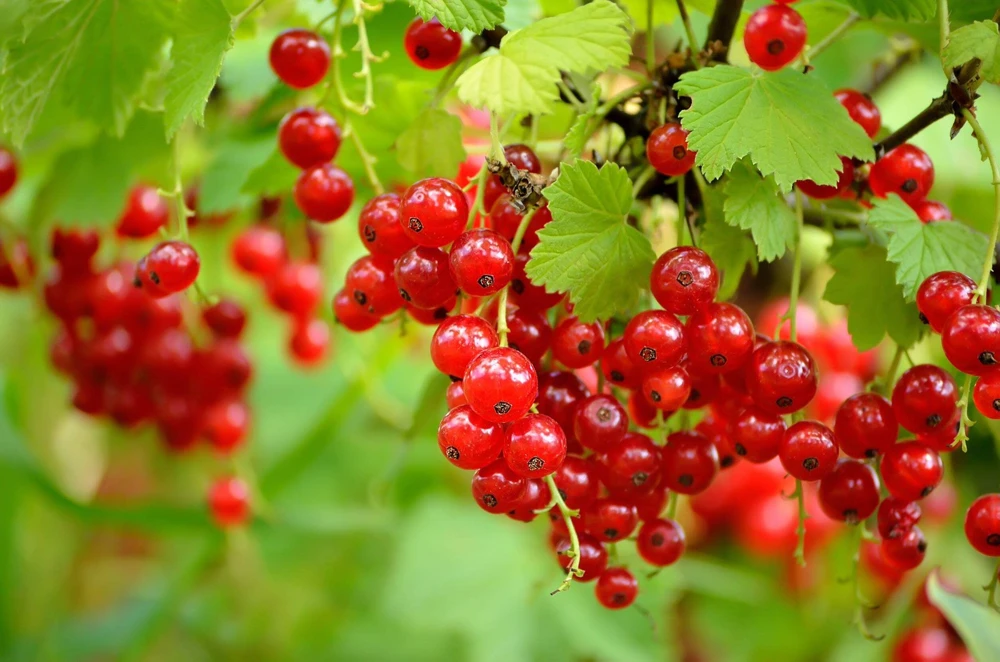
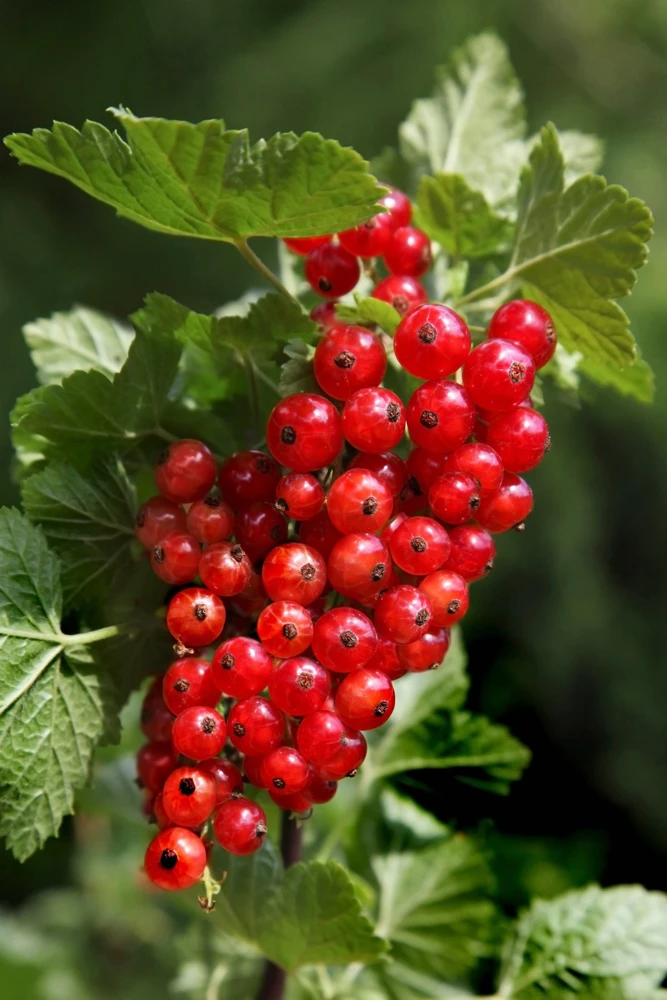
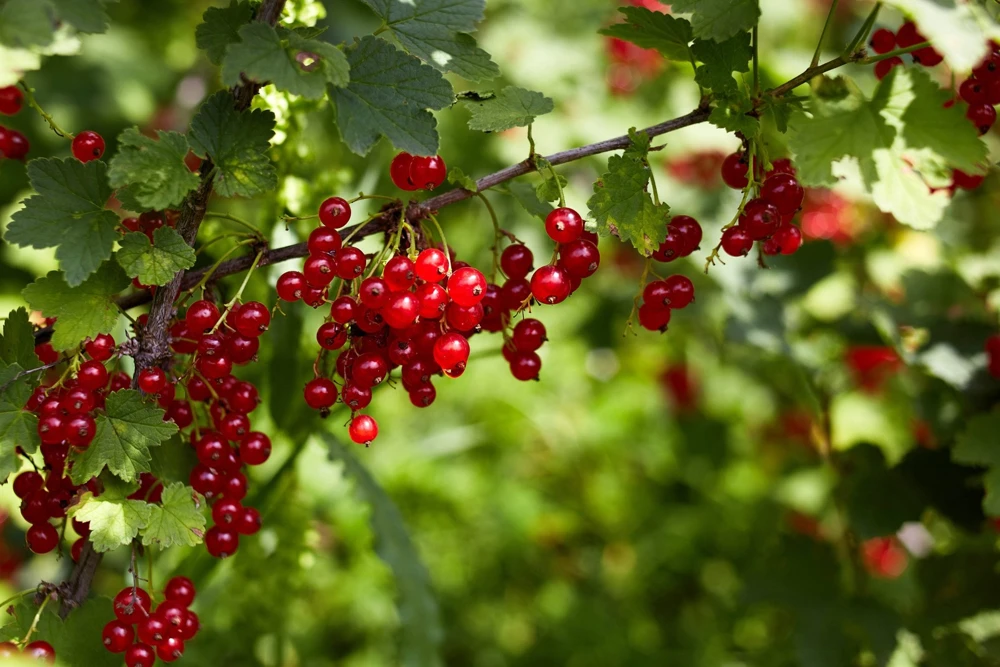
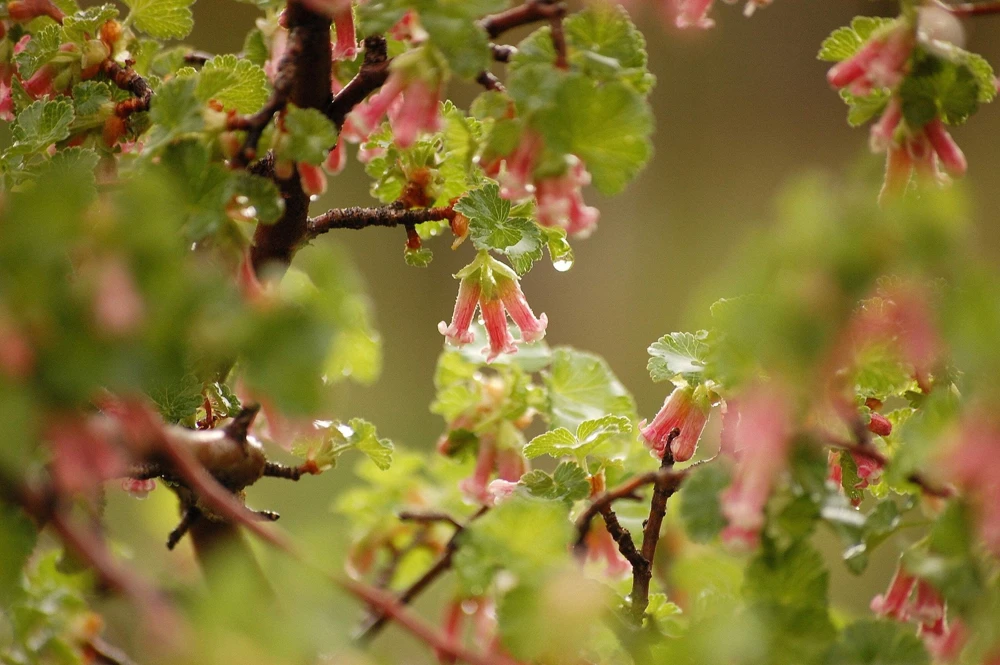
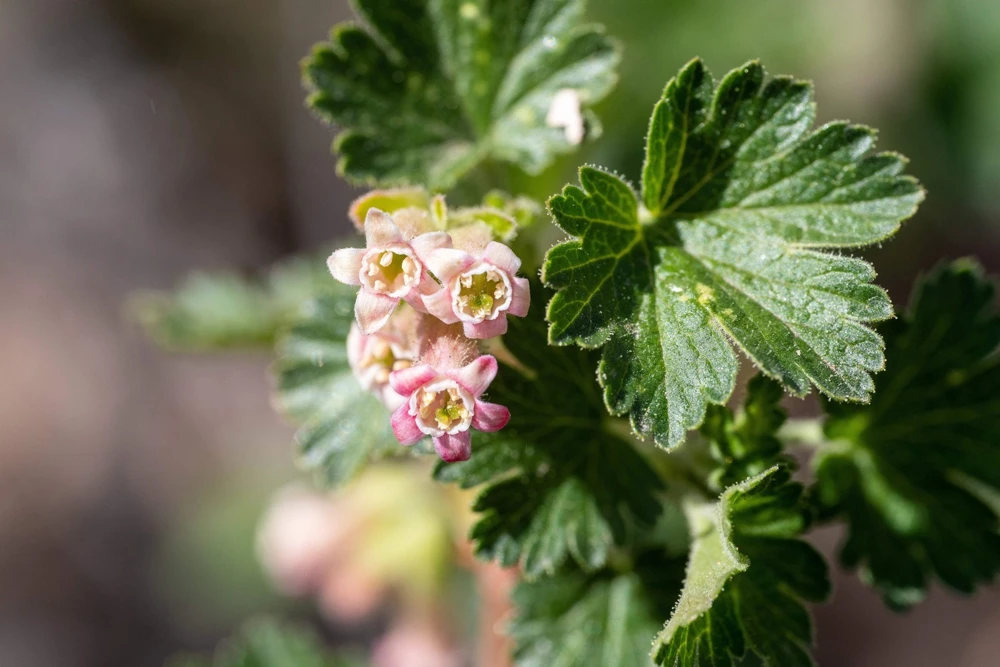
Embark on a rewarding gardening journey with our premium red wax currant seeds. These seeds promise to grow into a delightful Ribes cereum shrub, known for its dual appeal: beautiful pink flowers that herald spring and an abundance of edible fruit berries in late summer. The wax currant, also known as Ribes cereum, is a versatile and hardy plant that can thrive in a variety of landscapes, providing both ornamental beauty and a source of delicious, tart fruits. Whether you’re an experienced gardener or just starting out, growing your own wax currants from seed is a fulfilling project that yields both visual pleasure and tasty rewards. This resilient shrub is an excellent choice for adding biodiversity and a touch of natural charm to your garden space.
The red wax currant seeds are carefully selected to ensure high germination rates, giving you the best possible start for your new plants. Ribes cereum is a North American native shrub, celebrated for its adaptability and low maintenance requirements. Its attractive foliage, delicate pink flowers, and bright red berries make it a standout addition to any garden, from formal landscapes to more naturalized settings. These shrubs are also known to attract pollinators, enhancing the ecological health of your outdoor environment. Prepare to enjoy the vibrant life and delicious bounty that these seeds will bring to your home.
Key Benefits
Growing red wax currant seeds offers a multitude of benefits for both your garden and your lifestyle. This plant is a fantastic addition for those seeking both aesthetic appeal and practical yield.
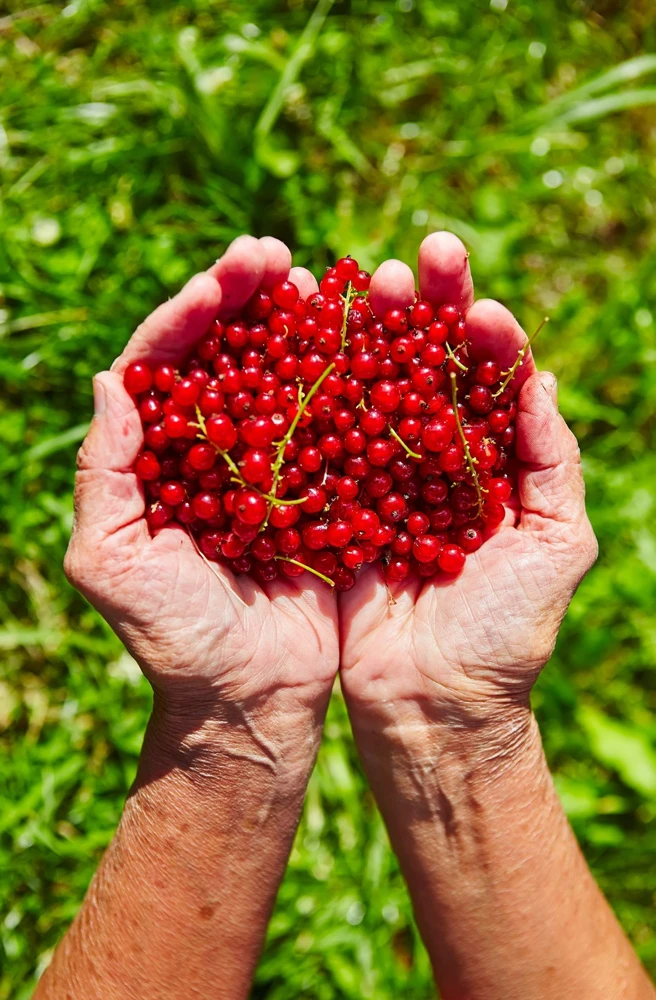
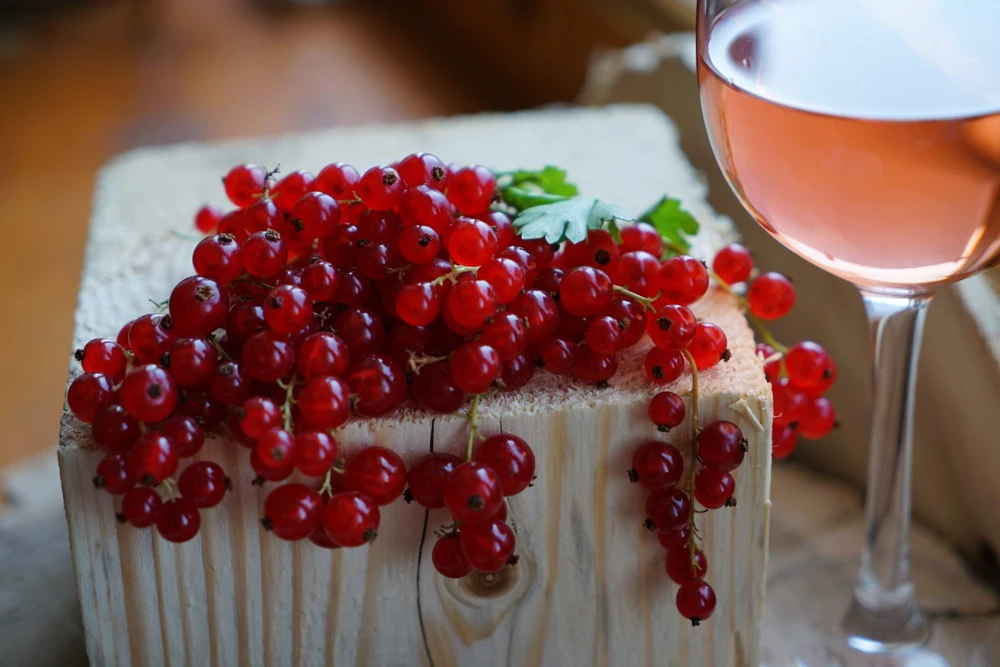
- Dual Ornamental and Edible Value: Enjoy the delicate beauty of pink flowers in spring, followed by a harvest of tart, edible red berries. These berries are perfect for jams, jellies, pies, or eating fresh, adding a unique flavor to your culinary creations. The shrub itself provides year-round visual interest.
- Attracts Pollinators and Wildlife: The charming pink flowers are a magnet for bees and other beneficial pollinators, contributing to a healthy garden ecosystem. The berries also provide a food source for birds, enhancing local wildlife diversity.
- Hardy and Low Maintenance: Wax currants are known for their resilience and ability to thrive in various conditions. Once established, they require minimal care, making them an excellent choice for busy gardeners or those new to growing fruit-bearing shrubs. Learning how to grow wax currant is straightforward and rewarding.
- Versatile Landscape Use: This shrub can be used in a variety of garden designs, including hedges, borders, edible landscapes, or as a standalone specimen. Its adaptable nature allows it to fit seamlessly into diverse garden themes.
- Drought Tolerant: Once established, Ribes cereum exhibits good drought tolerance, reducing the need for frequent watering, especially in drier climates. This makes it a sustainable choice for water-conscious gardeners.
- Disease and Pest Resistant: Generally, wax currants are quite resistant to common plant diseases and pests, ensuring a healthier plant with less intervention required. This contributes to the ease of care and overall success of your planting efforts.
- Supports Biodiversity: By integrating native plants like the wax currant, you support local ecosystems and provide essential resources for native insects and animals. This helps create a balanced and thriving garden environment.
Plant Care & Growing Tips
Successful cultivation of your red wax currant seeds begins with proper planting and consistent care. These shrubs are generally easy to grow, but understanding their specific needs will ensure a robust and productive plant. Start seeds indoors 6-8 weeks before the last frost, or sow directly outdoors in early spring or fall. Ensure the soil is consistently moist during germination. Once seedlings are established, transplant them to their permanent location.
For optimal growth, wax currants prefer full sun to partial shade. In hotter climates, some afternoon shade can prevent stress. They thrive in well-draining soil with a neutral to slightly acidic pH. Amend heavy clay soils with organic matter to improve drainage and aeration. Regular watering is crucial during the plant’s establishment phase, typically the first year after planting. Once mature, they become more drought-tolerant, but supplemental watering during prolonged dry spells will benefit fruit production. A layer of mulch around the base of the plant can help retain soil moisture and suppress weeds. Pruning can be done in late winter to remove dead or weak branches and to maintain shape and encourage new growth. Understanding how to grow wax currant effectively involves providing these basic conditions.
Fertilize lightly in early spring with a balanced slow-release fertilizer if your soil is poor, but generally, wax currants are not heavy feeders. Watch for common pests like aphids, though they are usually not a major issue for this resilient plant. The Ribes cereum shrub is hardy in USDA zones 3-8, making it suitable for a wide range of climates. Protection from harsh winter winds may be beneficial in the colder end of its hardiness range. With these care tips, your pink flowering shrub will flourish, providing years of beauty and delicious edible currant berries.
Size & Details
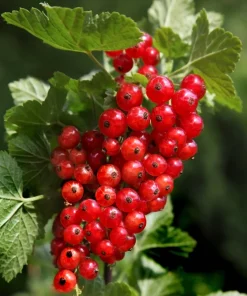
This offering includes 20 premium red wax currant seeds, ready for planting. Each seed has the potential to grow into a resilient and attractive shrub, typically reaching a height of 3 to 6 feet (0.9 to 1.8 meters) and a similar spread. The growth rate is moderate, allowing the plant to establish itself well within a few seasons. Wax currants are deciduous shrubs, losing their leaves in winter and leafing out again in spring with vibrant green foliage. The berries are small, bright red, and ripen in late summer, usually from July to August, depending on your climate. Expect the first significant fruit production within 2-3 years after planting from seed. These seeds are ideal for anyone looking to cultivate a productive and beautiful pink flowering shrub in their garden.
Frequently Asked Questions
- Q: How big does this plant get? A: The red wax currant seeds will grow into shrubs that typically reach a mature height and spread of 3 to 6 feet (0.9 to 1.8 meters). Its moderate growth rate allows it to fill out gracefully over a few seasons.
- Q: Is this an indoor or outdoor plant? A: The wax currant is primarily an outdoor shrub, thriving in garden settings. It is well-suited for various outdoor landscapes and is hardy in USDA zones 3-8.
- Q: How much sunlight does it need? A: This shrub prefers full sun to partial shade. In areas with intense summer heat, some afternoon shade can be beneficial to prevent leaf scorch and stress.
- Q: Is this plant easy to care for? A: Yes, the wax currant is known for being a relatively low-maintenance and resilient plant. Once established, it is quite hardy and tolerant of various conditions, making it an excellent choice for beginners and experienced gardeners alike.
- Q: What condition will it arrive in? A: You will receive 20 viable Ribes cereum seeds, carefully packaged to ensure their integrity during transit, ready for planting.
- Q: How long until it blooms and fruits? A: The shrub typically begins to produce its charming pink flowers and edible currant berries within 2-3 years after planting the seeds. Full maturity and abundant fruiting will increase with age.
- Q: What is the best time to plant these seeds? A: You can sow the red wax currant seeds directly outdoors in early spring after the last frost, or in the fall for natural stratification. For an earlier start, you can begin them indoors 6-8 weeks before the last expected frost.
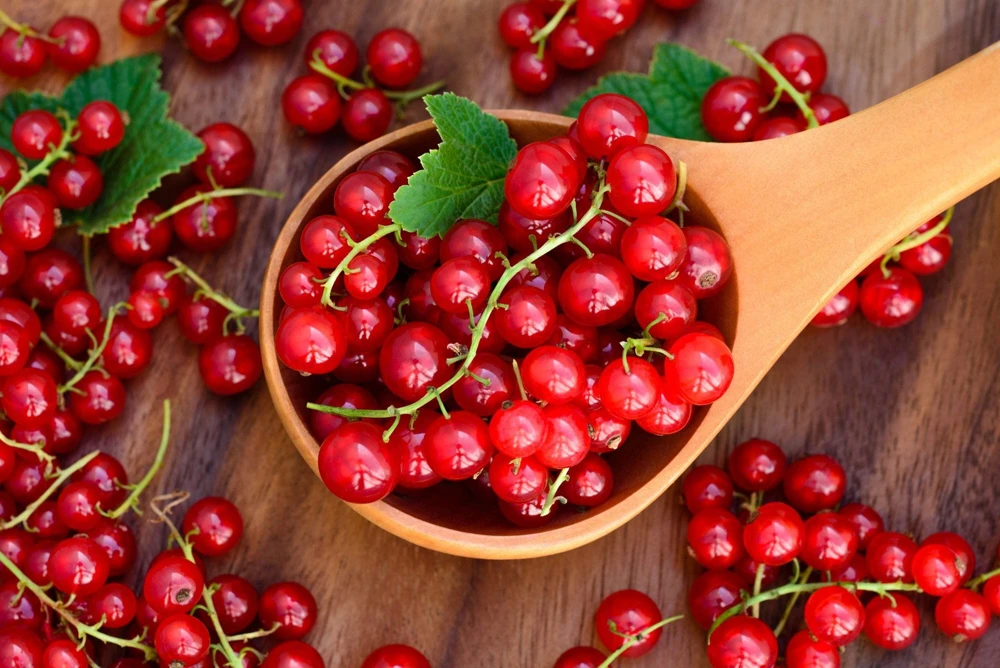
- Q: Can I use the berries for culinary purposes? A: Absolutely! The berries from this pink flowering shrub are edible and have a tart flavor, making them excellent for jams, jellies, sauces, pies, and even fresh consumption.
- Q: What kind of soil does it prefer? A: Wax currants thrive in well-draining soil that is neutral to slightly acidic. If your soil is heavy clay, amending it with organic matter will improve drainage and overall plant health.
- Q: Will it attract wildlife to my garden? A: Yes, the pink flowers are very attractive to pollinators like bees, and the ripe edible currant berries are a favorite food source for various bird species, enhancing your garden’s biodiversity.
Be the first to review “20 Red Wax Currant Seeds – Edible Fruit Berries, Pink Flowers, Shrub”
People Also Viewed

Vegetable Seeds
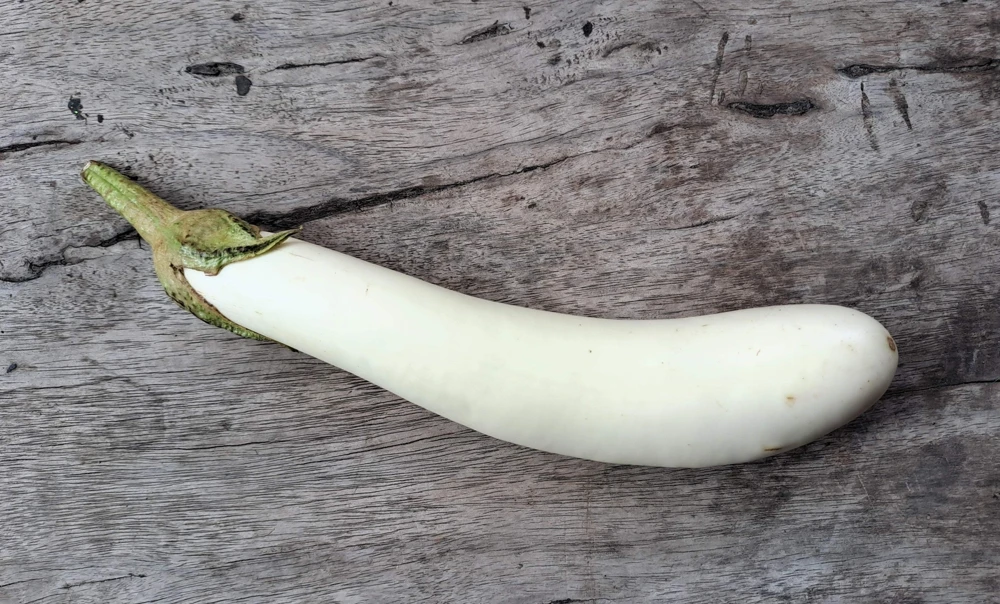
40 White Star Finger Fruit Eggplant Seeds – Solanum Melongena Aubergine Vegetable Seeds
Fruits
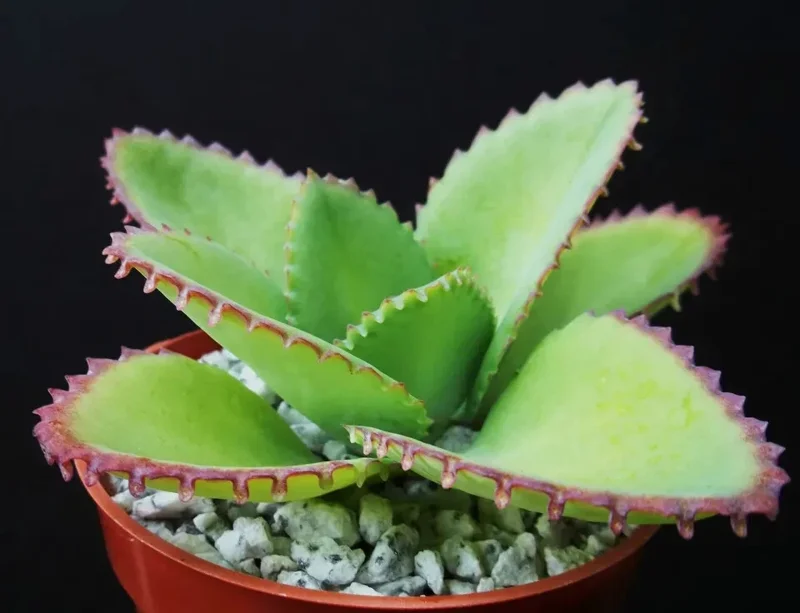
3 Olympian Fig Tree Live Plant Starter Plugs – Cold Hardy Ficus Carica Fruit Tree, Zones 6-11

Reviews
There are no reviews yet.