

Common Sneezeweed Live Plant Plugs – 10-Pack Native Perennials
Original price was: $86.99.$61.99Current price is: $61.99.
Enhance your garden with a common sneezeweed live plant 10-pack of starter plugs. These native perennials (Helenium autumnale plugs) offer vibrant, late-season blooms, perfect for attracting pollinators and adding natural beauty to your landscape. Easy to grow and a fantastic addition to any pollinator or perennial garden.
Estimated arrival
Sep 17
Sep 22 - Sep 24
Sep 27 - Oct 01
Shop With Confidence
30-Day Plant Health Guarantee
Arrives damaged? We’ll replace it free — see our return policy.
Responsive Support
Email us anytime, we reply within 1 business day.
Expert Packaging
Temperature-controlled shipping to protect your plants in transit.
Secure Checkout
Pay safely with Visa, Mastercard, PayPal.
Plant Specifications
-
USDA Hardiness Zone
USDA Zones 3-8 -
Soil Type
Moist, well-draining soil -
Sunlight Exposure
Full sun -
Expected Planting Period
Spring to early summer
Overview
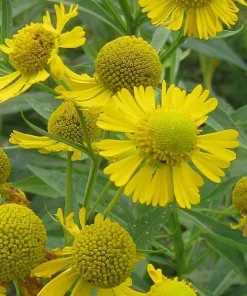
Introduce vibrant, late-season color and ecological value to your garden with our common sneezeweed live plant starter plugs. This offering includes a convenient 10-pack of young, healthy plants, ready to be transplanted into your garden or larger pots. Known botanically as Helenium autumnale, common sneezeweed is a stunning native perennial admired for its cheerful, daisy-like flowers that bloom profusely from late summer into fall. These vigorous plants are an essential component of any pollinator-friendly landscape, providing crucial nectar and pollen resources when many other plants have finished their display. Our Helenium autumnale plugs are an excellent way to establish a robust stand of this beautiful and beneficial plant, ensuring a spectacular show year after year.
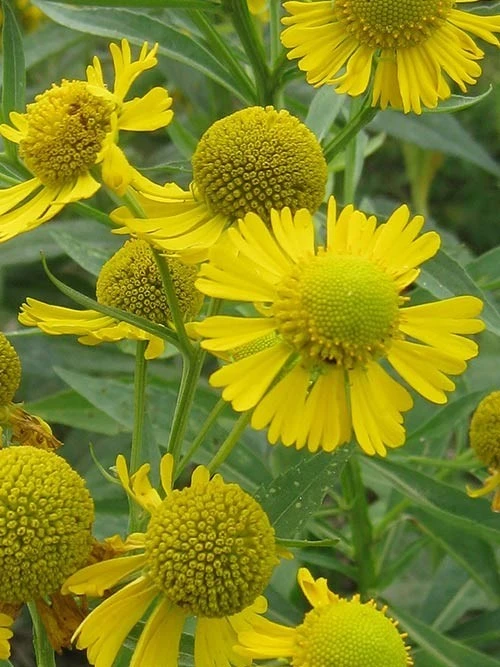
Common sneezeweed live plant is a resilient and adaptable species, thriving in a variety of conditions and requiring minimal maintenance once established. Its bright yellow, orange, or reddish-brown flowers create a striking visual impact, making it a favorite for borders, naturalized areas, and cottage gardens. Beyond its aesthetic appeal, this plant plays a vital role in supporting local ecosystems by attracting bees, butterflies, and other beneficial insects. Choosing these native perennial plants means investing in both the beauty of your garden and the health of your local environment.
Key Benefits
Adding common sneezeweed live plant to your garden provides numerous advantages, from ecological support to aesthetic enhancement. These robust plants are an excellent choice for both novice and experienced gardeners looking for impactful and easy-care additions.
- Pollinator Magnet:Common sneezeweed live plant is a powerhouse for attracting a wide array of pollinators, including various bee species and butterflies, especially during the late summer and fall when other food sources may be scarce. Its abundant blooms provide a vital nectar and pollen supply, supporting local insect populations.
- Vibrant Late-Season Color: Enjoy a spectacular display of yellow, orange, or reddish-brown flowers from late summer through fall. These cheerful blooms extend the gardening season, adding much-needed color when many other plants are fading. The Helenium autumnale plugs ensure a strong start for a vivid autumn landscape.
- Low Maintenance: Once established, native perennial plants like common sneezeweed are remarkably easy to care for. They are drought-tolerant and generally resistant to pests and diseases, making them a hassle-free addition to any garden.
- Deer Resistant: Common sneezeweed is often overlooked by deer, making it a good choice for gardens in areas where deer browsing is a concern. This allows you to enjoy its beauty without constant worry.
- Versatile Garden Use: Perfect for perennial borders, naturalized areas, meadows, rain gardens, and mass plantings. Its upright habit and vibrant flowers make it a standout specimen or a wonderful companion plant.
- Supports Biodiversity: By planting pollinator garden plants like sneezeweed, you contribute directly to supporting local biodiversity and creating a healthier ecosystem in your own backyard.
- Erosion Control: With its fibrous root system, common sneezeweed can help stabilize soil, making it a good option for slopes or areas prone to erosion.
Plant Care & Growing Tips
Caring for your common sneezeweed live plant is straightforward, ensuring a bountiful display of flowers with minimal effort. These resilient native perennial plants are quite adaptable, but providing optimal conditions will lead to the best performance and most vibrant blooms. When you receive your Helenium autumnale plugs, plant them as soon as possible to allow them to establish quickly.
Sunlight Requirements: Common sneezeweed thrives in full sun, meaning at least 6-8 hours of direct sunlight per day. While it can tolerate partial shade, too little sun may result in leggy growth and fewer flowers. For the most robust plants and abundant blooms, choose a sunny location in your garden. Watering Schedule & Soil Moisture Preferences: These plants prefer consistently moist to wet soil, especially during their active growing season. They are particularly well-suited for areas with naturally damp soil, such as near ponds or in rain gardens. However, they are also quite tolerant of average garden conditions once established. Water deeply and regularly, especially during dry spells, to keep the soil from drying out completely. Good drainage is still important to prevent root rot, even though they like moisture.
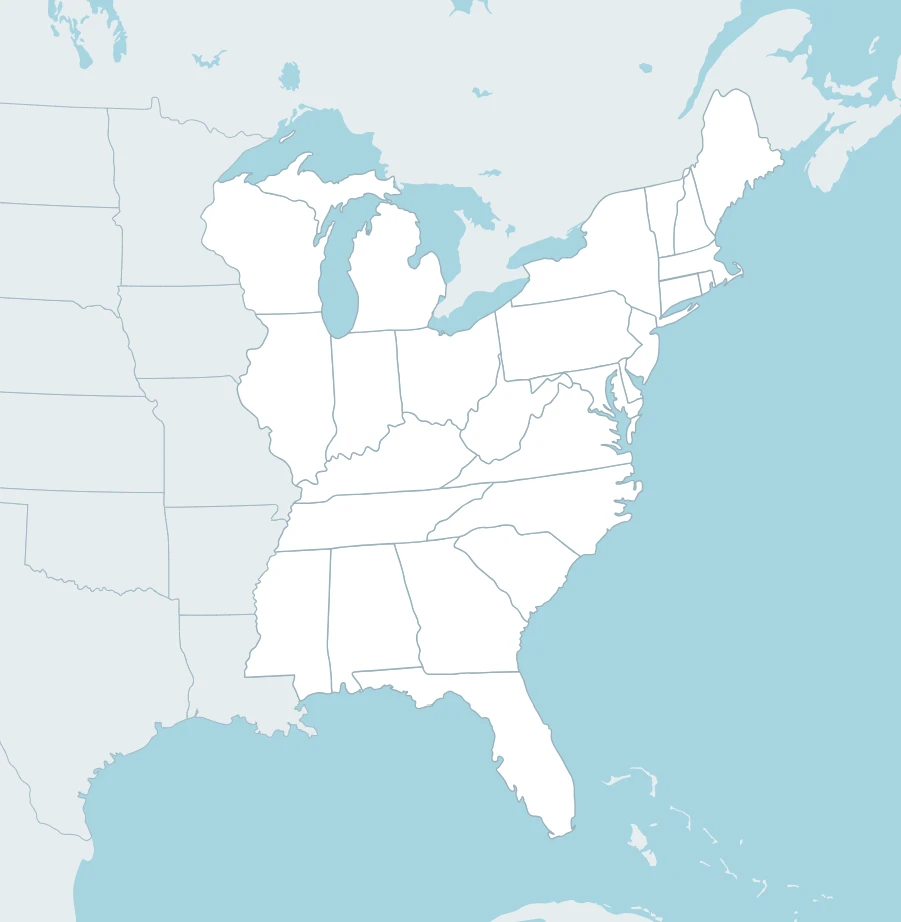
Soil Type & Drainage Requirements: Common sneezeweed is not particular about soil type but prefers rich, fertile, well-draining soil. It can adapt to clay, loam, or sandy soils, as long as moisture is consistent. Amending the soil with compost or other organic matter can improve fertility and moisture retention. Temperature Range & USDA Hardiness Zone: This plant is remarkably cold-hardy, thriving in USDA Zones 3-8. It can withstand a wide range of temperatures, from cold winters to hot summers, making it a reliable choice for many regions. Fertilization Schedule & Type: In average garden soil, common sneezeweed generally doesn’t require much fertilization. If your soil is poor, a balanced, slow-release granular fertilizer in early spring can promote vigorous growth. Avoid excessive nitrogen, which can lead to lush foliage at the expense of flowers. Common Problems & Solutions: Generally pest and disease resistant. Occasionally, aphids or powdery mildew may appear. Good air circulation and proper spacing can help prevent mildew. Aphids can be controlled with a strong spray of water or insecticidal soap. Staking taller varieties may be necessary in windy locations to prevent flopping. Deadheading spent flowers will encourage more blooms and can prevent self-seeding, which is part of effective sneezeweed care guide practices.
Size & Details
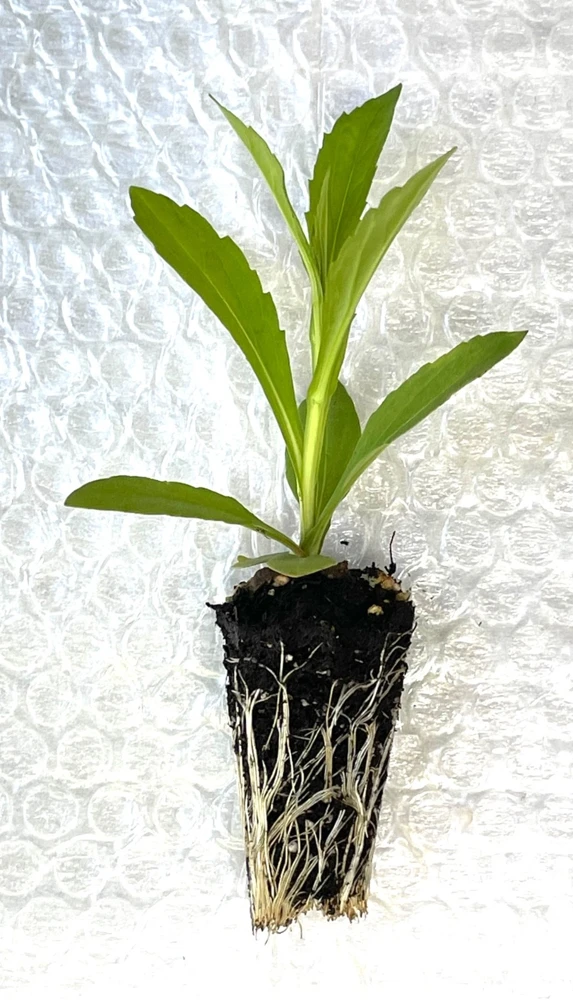
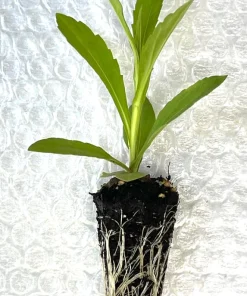
Our common sneezeweed live plant offering consists of 10 individual starter plugs, each a young, actively growing plant ready for transplanting. These plugs provide a healthy root system, ensuring a strong start in your garden. Once mature, Helenium autumnale typically grows to a height of 3 to 5 feet (90-150 cm) and spreads about 2 to 3 feet (60-90 cm) wide, forming an upright, bushy clump. The specific size can vary based on growing conditions and cultivar, but expect a substantial presence in your late-season garden.
These Helenium autumnale plugs will establish quickly once planted, with flowering usually beginning in their first or second year. The blooms, which can be yellow, orange, or red, appear from late summer through fall, providing continuous color for several weeks. The plants are shipped in their starter plug form, ensuring minimal root disturbance upon arrival. With proper care, these native perennial plants will develop into robust, flowering specimens, contributing significantly to your landscape’s beauty and ecological function as pollinator garden plants.
Frequently Asked Questions
- Q: How big does this plant get? A: A mature common sneezeweed live plant typically grows to be 3 to 5 feet tall and about 2 to 3 feet wide, forming an upright clump. Its size can vary slightly depending on growing conditions and specific variety.
- Q: Is this an indoor or outdoor plant? A: Common sneezeweed is an outdoor plant, a hardy perennial that thrives in garden settings. It is not suitable for long-term indoor cultivation.
- Q: How much sunlight does it need? A: For the best growth and most abundant blooms, common sneezeweed live plant requires full sun, meaning at least 6-8 hours of direct sunlight per day. It can tolerate some partial shade but may become leggy and produce fewer flowers.
- Q: Is this plant easy to care for? A: Yes, once established, common sneezeweed is considered a low-maintenance plant. It’s quite resilient and generally resistant to pests and diseases, making it a good choice for gardeners of all experience levels. Following a good sneezeweed care guide will ensure success.
- Q: What condition will it arrive in? A: Your order will arrive as 10 healthy Helenium autumnale plugs, which are young starter plants with established root systems, carefully packaged to ensure safe transit. They are ready for immediate planting upon arrival.
- Q: How long until it blooms? A: These native perennial plants typically begin to bloom in their first or second year after planting, providing a beautiful display of flowers from late summer into fall. The exact timing can depend on planting time and growing conditions.
- Q: Will it survive winter in my zone? A: Common sneezeweed is very cold-hardy, surviving winters in USDA Hardiness Zones 3 through 8. It is a reliable perennial that will return year after year in these zones.
- Q: Is common sneezeweed considered a good choice for a pollinator garden? A: Absolutely! Common sneezeweed live plant is one of the best pollinator garden plants, providing a rich source of nectar and pollen for bees, butterflies, and other beneficial insects during the late season when other food sources are scarce.
- Q: What kind of soil does it prefer? A: It prefers consistently moist to wet, rich, well-draining soil. It is adaptable to various soil types, including clay, loam, or sand, as long as it receives adequate moisture.
- Q: Do I need to deadhead common sneezeweed? A: While not strictly necessary for the plant’s health, deadheading spent flowers can encourage more blooms and prevent the plant from self-seeding too aggressively. It’s a useful tip from any comprehensive sneezeweed care guide.
Be the first to review “Common Sneezeweed Live Plant Plugs – 10-Pack Native Perennials”
People Also Viewed
Fruits
Nagami Kumquat Tree Live Plant – 2-5 Inch Tall Potted Seedling – Indoor/Outdoor Orange Fruit Citrus
Flower Seeds
Reviews
There are no reviews yet.