
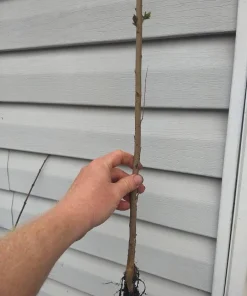

Cherry Myrobalan Plum Tree Live Plant – Self-Pollinating Edible Fruit, Zones 4-8
Original price was: $74.99.$59.99Current price is: $59.99.
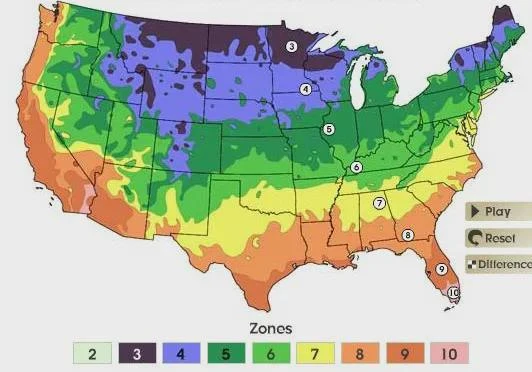
Cultivate your own fruitful harvest with this Cherry Myrobalan plum tree. This self-pollinating fruit tree produces abundant yellow-red plums with a delightful sweet and sour taste, perfect for fresh eating, jams, and juices. Hardy in USDA Zones 4-8, it’s a versatile and resilient addition to any garden.
Estimated arrival
Sep 17
Sep 22 - Sep 24
Sep 27 - Oct 01
Shop With Confidence
30-Day Plant Health Guarantee
Arrives damaged? We’ll replace it free — see our return policy.
Responsive Support
Email us anytime, we reply within 1 business day.
Expert Packaging
Temperature-controlled shipping to protect your plants in transit.
Secure Checkout
Pay safely with Visa, Mastercard, PayPal.
Plant Specifications
-
USDA Hardiness Zone
USDA Zones 4-8 -
Soil Type
Well-draining, loamy soil -
Sunlight Exposure
Full sun (6-8 hours direct light) -
Expected Planting Period
Spring to early summer
Overview
Discover the joy of growing your own delicious fruit with the versatile Cherry Myrobalan plum tree. This robust and beautiful live plant, also known by its botanical name Prunus cerasifera, is a fantastic choice for home gardeners seeking a low-maintenance yet highly rewarding fruit-bearing specimen. Originating from Western Asia and Southeastern Europe, the Myrobalan plum is celebrated for its early spring blossoms and its abundant yield of small to medium-sized, flavorful plums. Unlike many fruit trees, this particular variety is a self-pollinating fruit tree, meaning you only need one plant to ensure a bountiful harvest, simplifying your gardening efforts. It thrives across a wide range of climates, specifically hardy in USDA Zones 4-8, making it an excellent choice for many regions across the United States. The fruit itself is a culinary delight, offering a unique sweet and sour profile, reminiscent of a traditional plum but with its own distinct character. Whether you’re an experienced gardener or just starting, the Cherry Myrobalan plum tree offers an accessible path to fresh, homegrown produce.
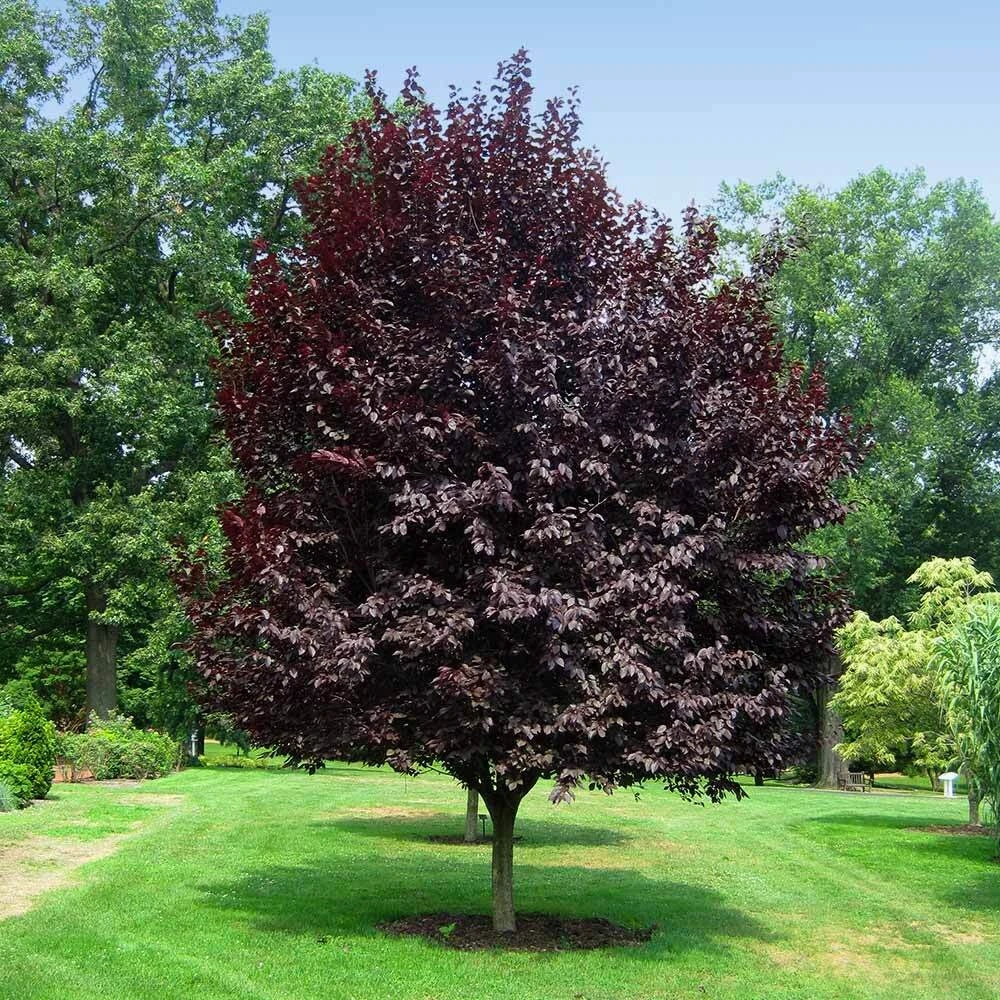
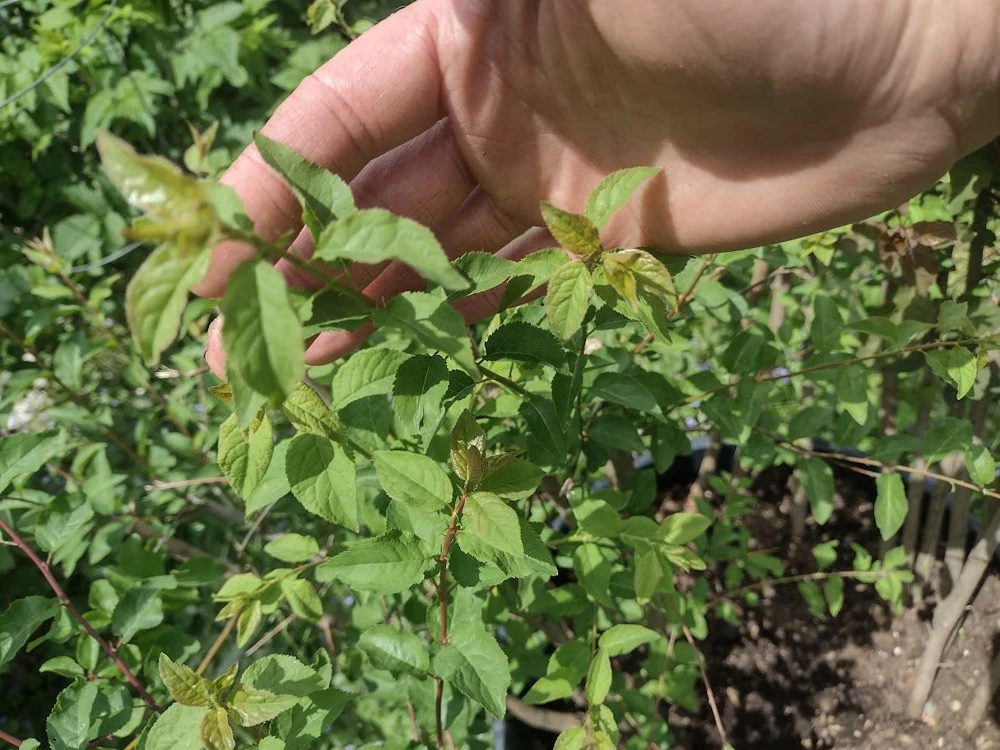
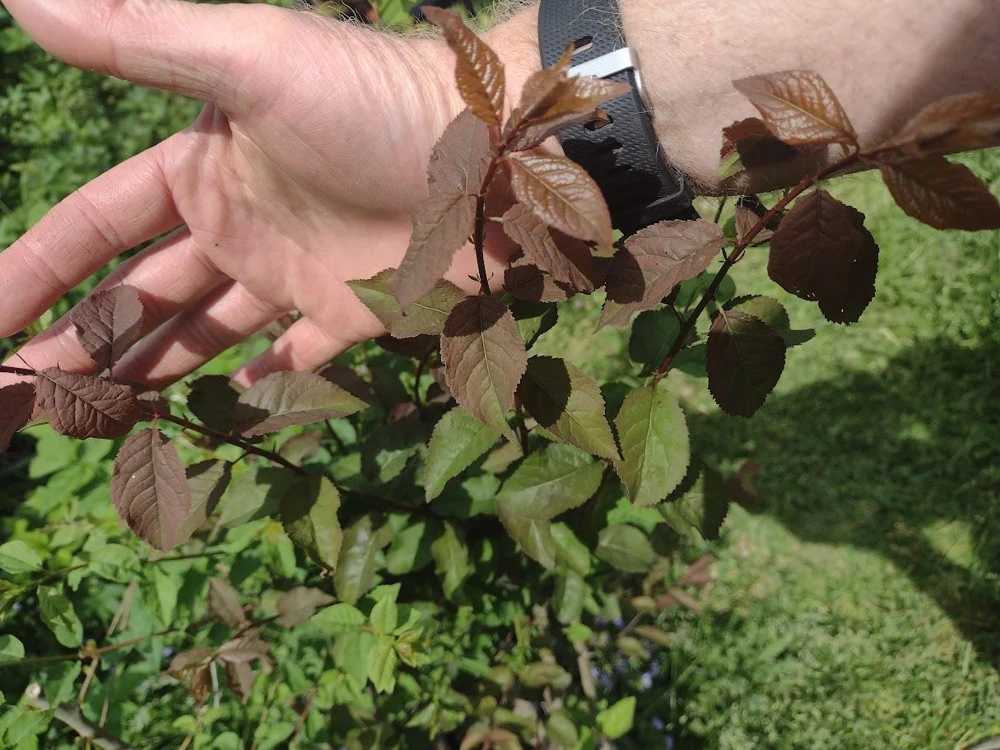
This adaptable tree or large shrub not only provides delicious fruit but also adds significant ornamental value to your landscape with its attractive foliage and charming springtime flowers. It can reach impressive heights, providing shade and a natural focal point in your yard. The Myrobalan plum is a truly universal fruit, suitable for a myriad of uses from fresh eating to extensive culinary preparations. Its resilience and self-sufficiency make it a standout choice for sustainable gardening practices, requiring minimal intervention once established. Embrace the satisfaction of harvesting your own sweet and tangy plums right from your backyard with this exceptional plant.
Key Benefits
The Cherry Myrobalan plum tree offers a multitude of advantages for the home gardener, blending aesthetic appeal with practical utility. Its numerous benefits make it a highly desirable addition to any garden or orchard:
- Self-Pollinating Convenience: One of the most significant benefits is its self-pollinating nature. You do not need a second tree for cross-pollination, simplifying planting and ensuring fruit production even if you only have space for one edible plum tree.
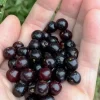
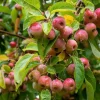
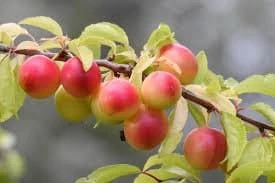
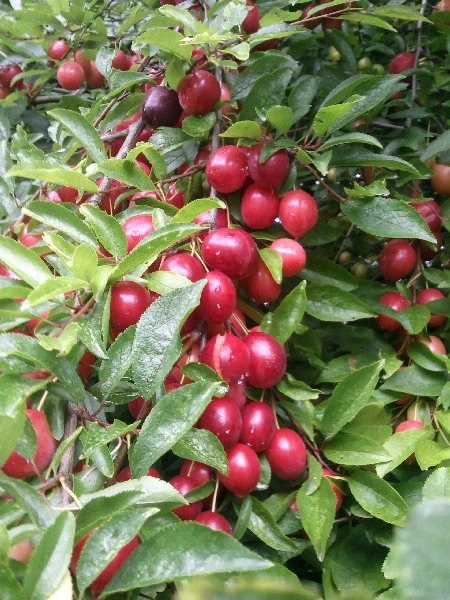
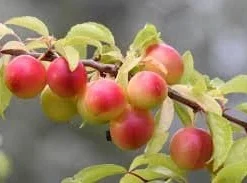
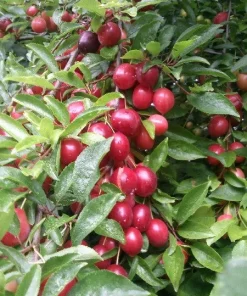
- Abundant & Versatile Fruit: This tree produces a generous yield of small to medium-sized plums. The fruit ranges in color from yellow to speckled red and dark purple, offering a delightful sweet and sour taste. These plums are perfect for fresh eating, making jams, jellies, juices, canning, and even freezing.
- Cold Hardy & Resilient: Thriving in USDA Zones 4-8, the Cherry Myrobalan plum tree is remarkably cold hardy and adaptable to various environmental conditions, making it a reliable choice for many different climates.
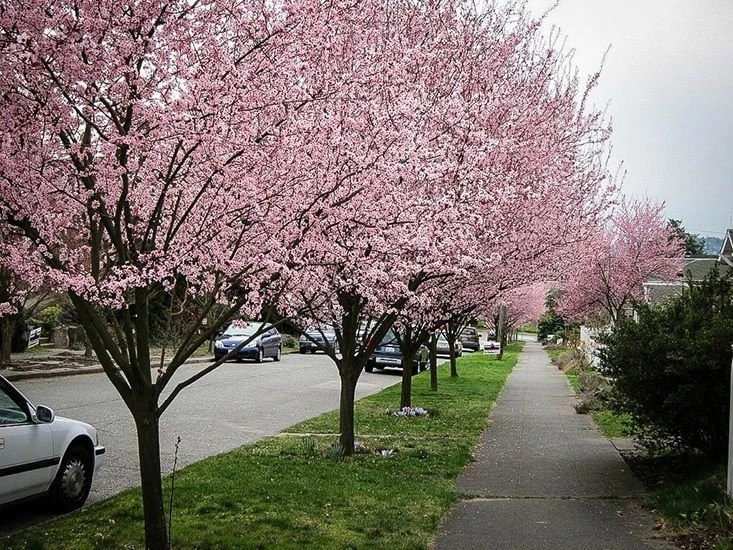
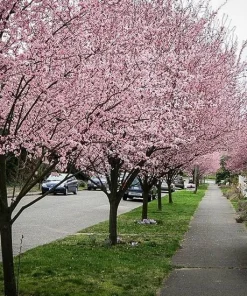
- Ornamental Value: Beyond its fruit, the tree provides significant aesthetic appeal with its beautiful flowering in early spring, adding a splash of color to your landscape before other trees begin to leaf out. It can grow into an attractive shrub or a substantial tree.
- Low Maintenance: Once established, this Myrobalan plum care is relatively straightforward. It is known for its hardiness and does not typically require intensive care, making it suitable for gardeners of all skill levels.
- Pesticide-Free Growing: For those concerned about chemical use, this plant is an excellent choice for growing without pesticides, allowing you to enjoy truly organic fruit.
Plant Care & Growing Tips
Proper Myrobalan plum care ensures a healthy, productive tree that will provide years of delicious fruit. This hardy plant is relatively forgiving, but understanding its basic needs will help it thrive. The Cherry Myrobalan plum tree prefers a location that receives full sun, meaning at least 6-8 hours of direct sunlight per day. Adequate sunlight is crucial for fruit development and overall plant vigor. It can tolerate some partial shade, especially in hotter climates, but consistent full sun will lead to the best yields. When it comes to soil, well-draining soil is paramount. While adaptable to various soil types, it performs best in loamy, fertile soil with a neutral pH. Avoid heavy, waterlogged soils, as these can lead to root rot. If your soil is clay-heavy, amend it with organic matter like compost to improve drainage and aeration.
Watering is critical, especially during the first few years after planting. Young trees need consistent moisture to establish a strong root system. Water deeply once or twice a week, or more frequently during dry spells, ensuring the soil remains evenly moist but not saturated. Once established, the tree becomes more drought-tolerant, but regular watering during dry periods, particularly when fruit is developing, will improve fruit size and quality. Fertilize in early spring with a balanced slow-release fertilizer formulated for fruit trees. Follow the product instructions carefully to avoid over-fertilization. Pruning should be done in late winter or early spring while the tree is dormant. Focus on removing dead, diseased, or crossing branches, and thin out overcrowded areas to improve air circulation and sunlight penetration, which helps prevent disease and promotes better fruit production. Monitoring for common pests and diseases is part of good edible plum tree maintenance, though Myrobalan plums are generally quite resilient. Good air circulation and proper watering can prevent many fungal issues.
Size & Details
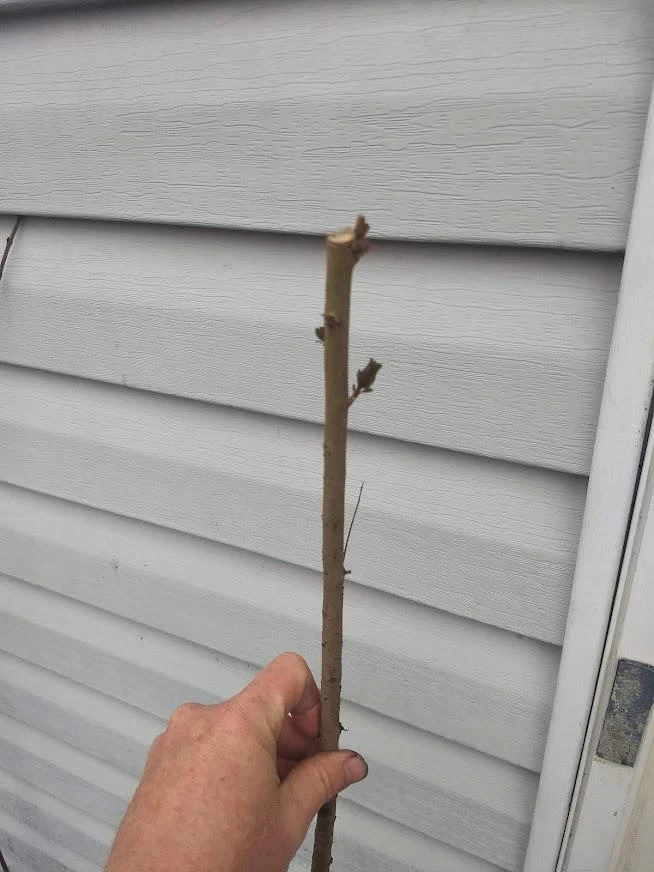
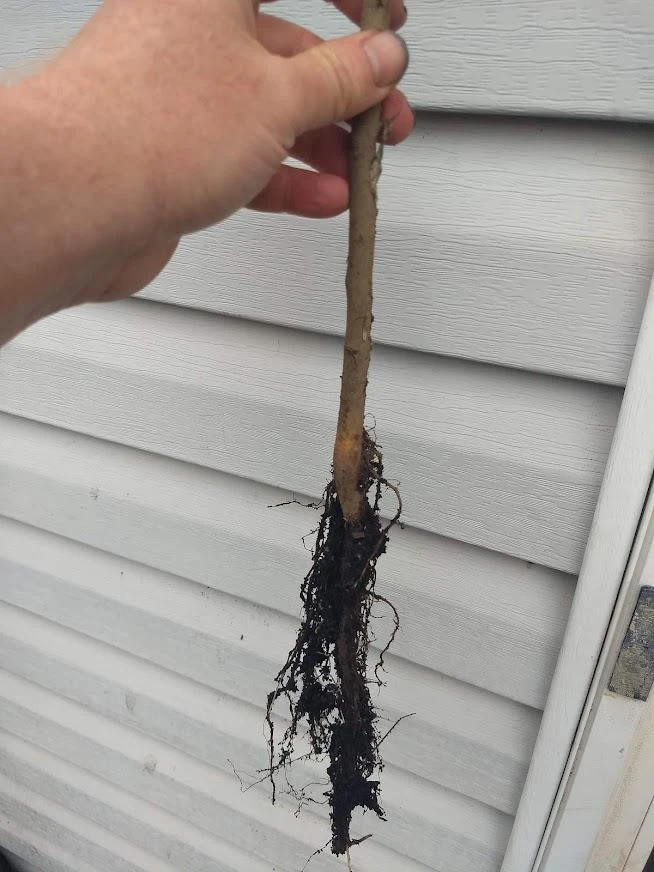
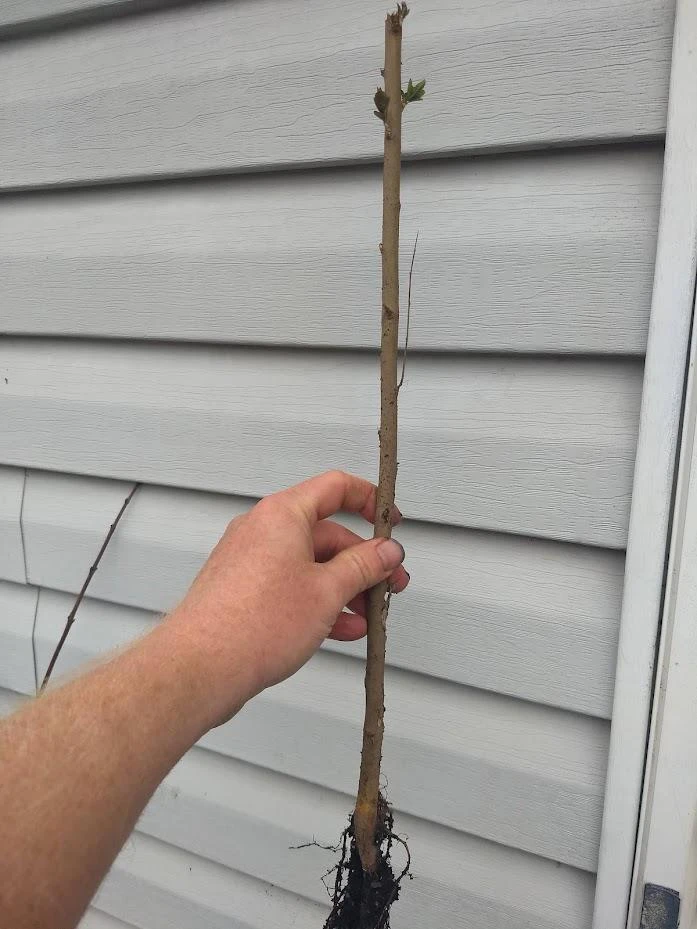
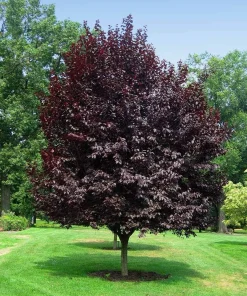
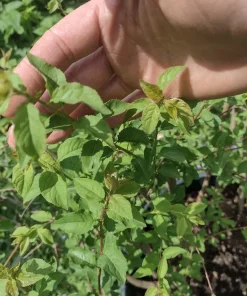
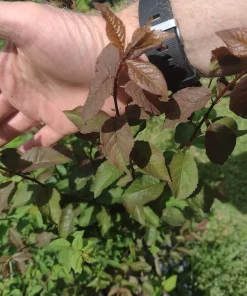
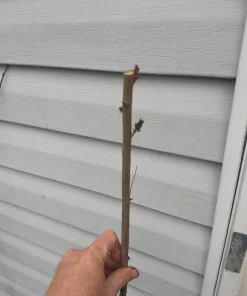
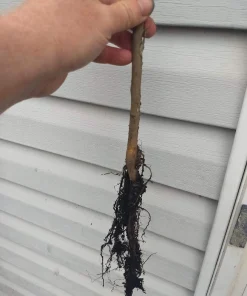
This offering is for one rooted plant of the Cherry Myrobalan plum tree, propagated from a healthy fruiting mother plant, ensuring genetic fidelity and productive potential. Upon arrival, you will receive a robust young plant, carefully packaged to protect it during transit. This particular variety has the potential to grow into a substantial shrub or a medium-sized tree, typically reaching heights of 20+ feet tall at maturity, with a comparable spread, creating a beautiful and productive specimen in your landscape. The growth rate is moderate, allowing you to enjoy its development over time. The fruit produced by this tree is small to medium in size, with colors ranging from vibrant yellow to speckled red, and deepening to a dark, plummy purple as it ripens. The taste is a delightful balance of sweet and sour, making it highly versatile for various culinary applications. As a cold hardy plum tree, it is well-suited for USDA Zones 4-8, capable of withstanding significant winter temperatures. Expect fruit production to begin within a few years after planting, with yields increasing as the tree matures.
Frequently Asked Questions
- Q: How big does this Cherry Myrobalan plum tree get? A: This tree can grow quite large, reaching heights of 20+ feet tall at maturity, developing into either a substantial shrub or a medium-sized tree, depending on pruning and growing conditions.
- Q: Is this an indoor or outdoor plant? A: The Cherry Myrobalan plum tree is an outdoor plant, best suited for planting in the ground in USDA Zones 4-8 where it can receive ample sunlight and space to grow.
- Q: How much sunlight does it need? A: For optimal fruit production and health, this edible plum tree requires full sun, meaning at least 6-8 hours of direct sunlight per day. It can tolerate some partial shade but will yield less fruit.
- Q: Is this plant easy to care for? Is it good for beginners? A: Yes, the Cherry Myrobalan plum tree is known for its hardiness and self-pollinating nature, making it a relatively low-maintenance option and a good choice for beginner gardeners interested in growing fruit.
- Q: What condition will it arrive in? A: You will receive one rooted plant, carefully packaged in a box to protect it during shipping and ensure it arrives in good condition, ready for planting.
- Q: How long until it blooms and produces fruit? A: While specific timing can vary, a young Cherry Myrobalan plum tree typically begins to bloom and produce fruit within 2-4 years after planting, with yields increasing as the tree matures.
- Q: Will it survive winter in my zone? What’s the minimum temperature? A: This is a cold hardy plum tree, suitable for USDA Zones 4-8. It can generally tolerate winter temperatures down to -20 to -30 degrees Fahrenheit, depending on the specific microclimate and health of the tree.
- Q: Can the fruit be used for canning and jams? A: Absolutely! The small to medium-sized fruit of the Cherry Myrobalan plum tree is ideal for various culinary uses, including fresh eating, making jams, jellies, juices, canning, and even freezing for later use.
- Q: Does this tree require another tree for pollination? A: No, this is a self-pollinating fruit tree, meaning you only need one plant to produce fruit. You do not need to plant a second tree for cross-pollination.
- Q: What kind of soil does this plum tree prefer? A: The Myrobalan plum care guide suggests well-draining soil. It thrives in loamy, fertile soil with a neutral pH, but can adapt to various soil types as long as drainage is good.
Be the first to review “Cherry Myrobalan Plum Tree Live Plant – Self-Pollinating Edible Fruit, Zones 4-8”
People Also Viewed
Reviews
There are no reviews yet.