
30 Chinese Sumac Tree Seeds – Rhus Chinensis Seeds, Nutgall White Flowers Red Berries
Original price was: $37.99.$17.99Current price is: $17.99.
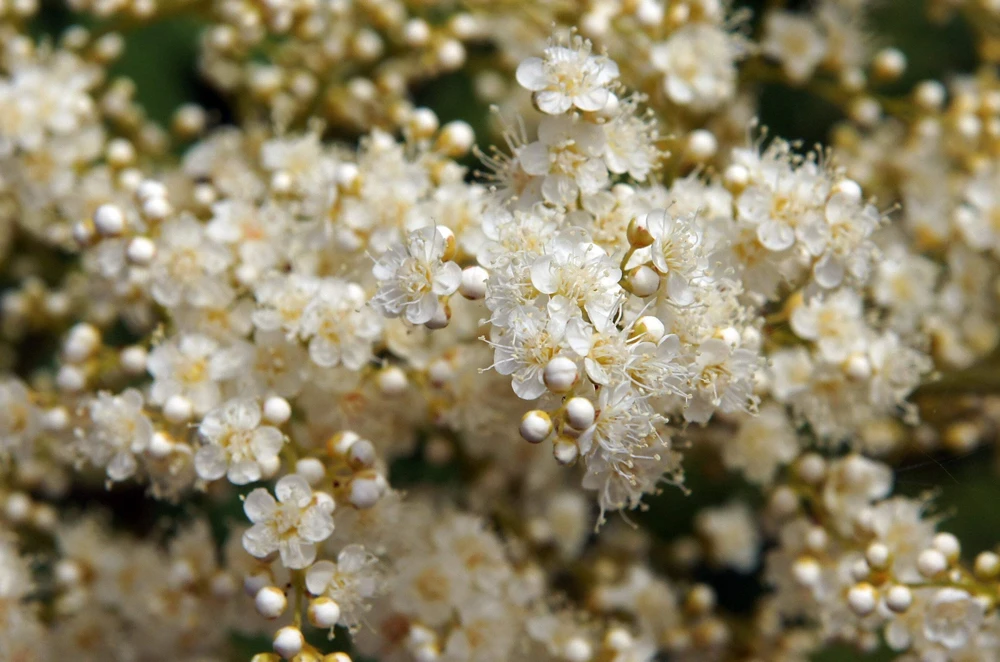
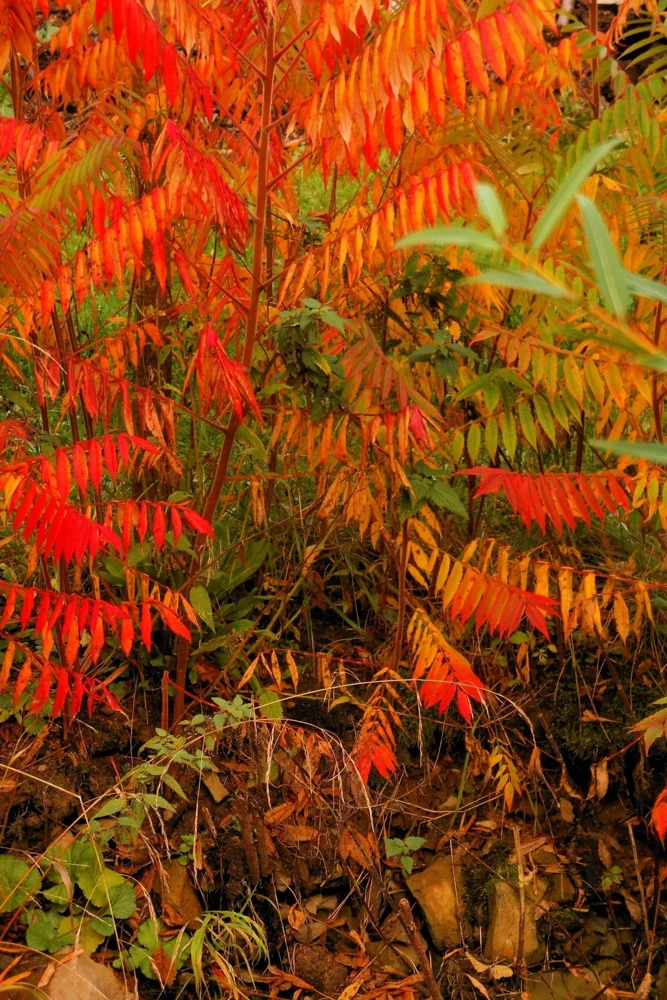
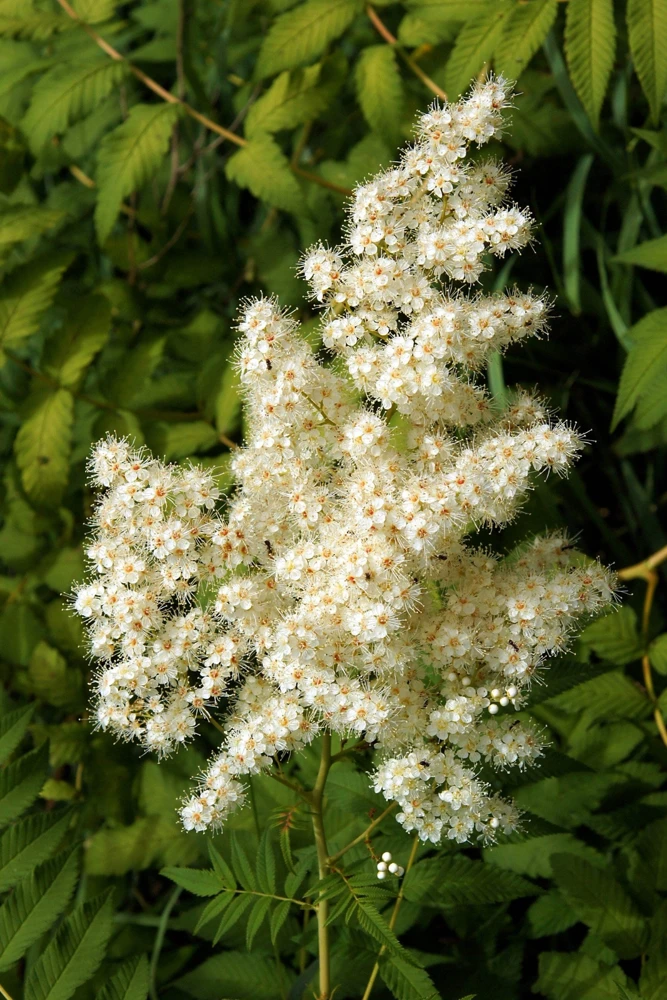
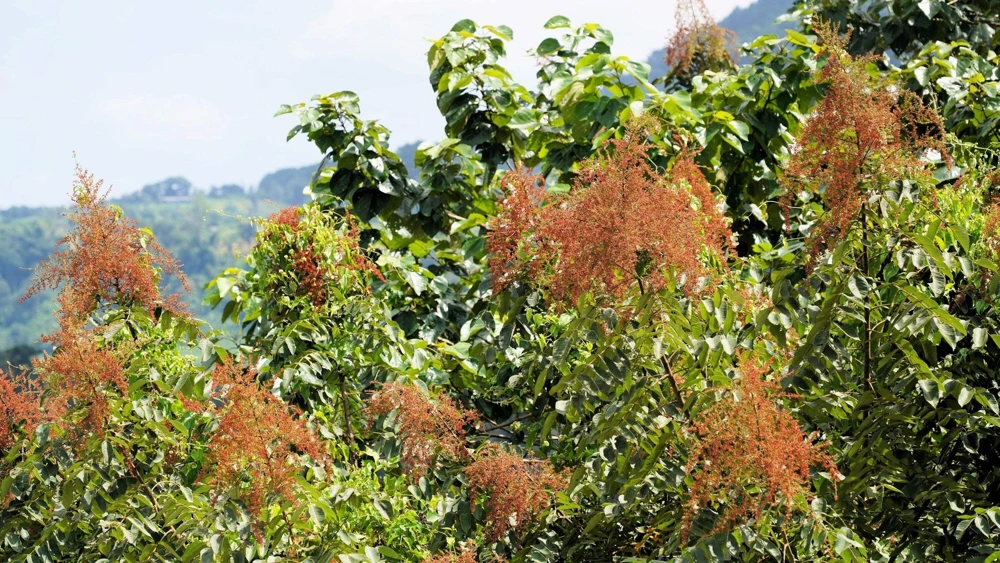
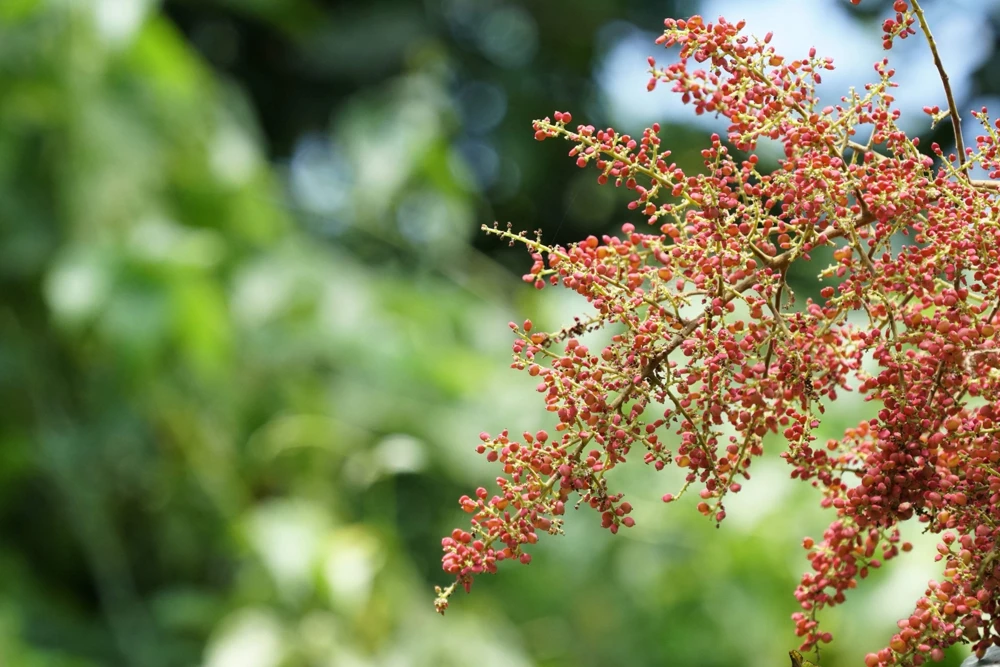
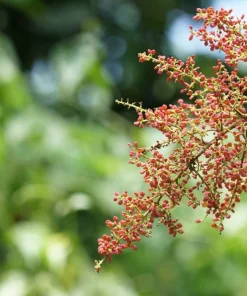
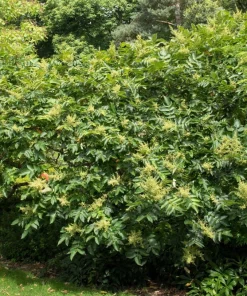
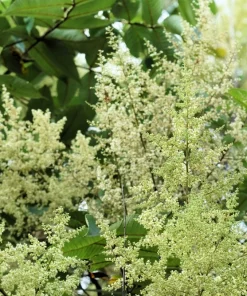
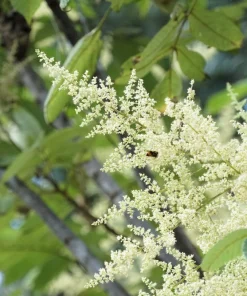
Cultivate stunning Chinese Sumac Tree seeds (Rhus chinensis) to add unique ornamental value to your landscape. These seeds grow into beautiful trees known for their attractive white flowers, vibrant red berries, and striking autumn foliage. Perfect for adding seasonal interest and biodiversity to your garden.
Estimated arrival
Sep 20
Sep 25 - Sep 27
Sep 30 - Oct 04
Shop With Confidence
30-Day Plant Health Guarantee
Arrives damaged? We’ll replace it free — see our return policy.
Responsive Support
Email us anytime, we reply within 1 business day.
Expert Packaging
Temperature-controlled shipping to protect your plants in transit.
Secure Checkout
Pay safely with Visa, Mastercard, PayPal.
Plant Specifications
-
USDA Hardiness Zone
USDA Zones 5-9 -
Soil Type
Well-draining, adaptable to various types -
Sunlight Exposure
Full sun to partial shade -
Expected Planting Period
Early spring after stratification
Overview
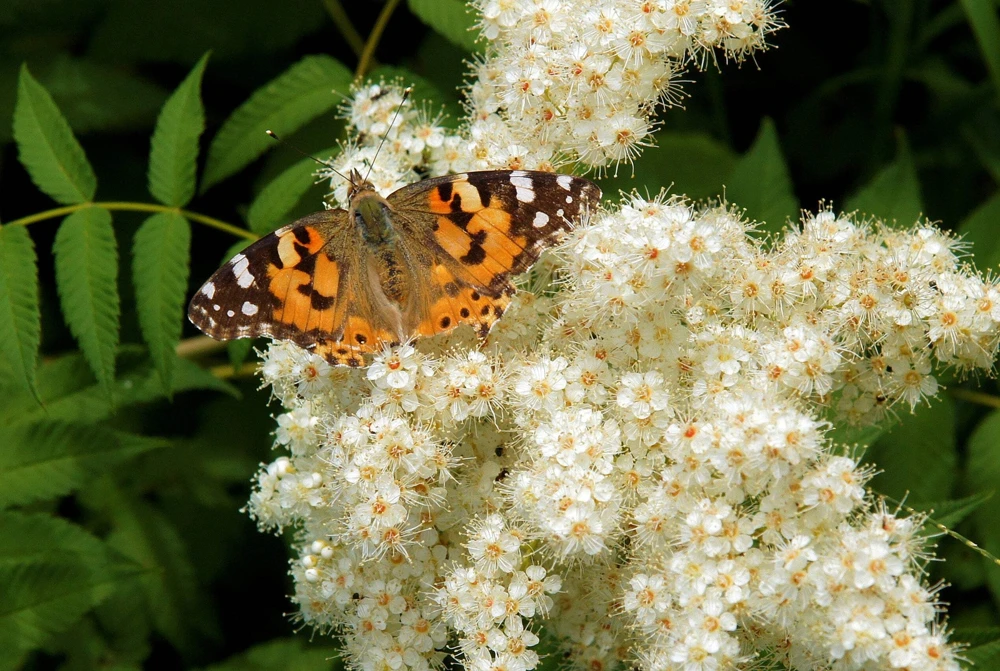
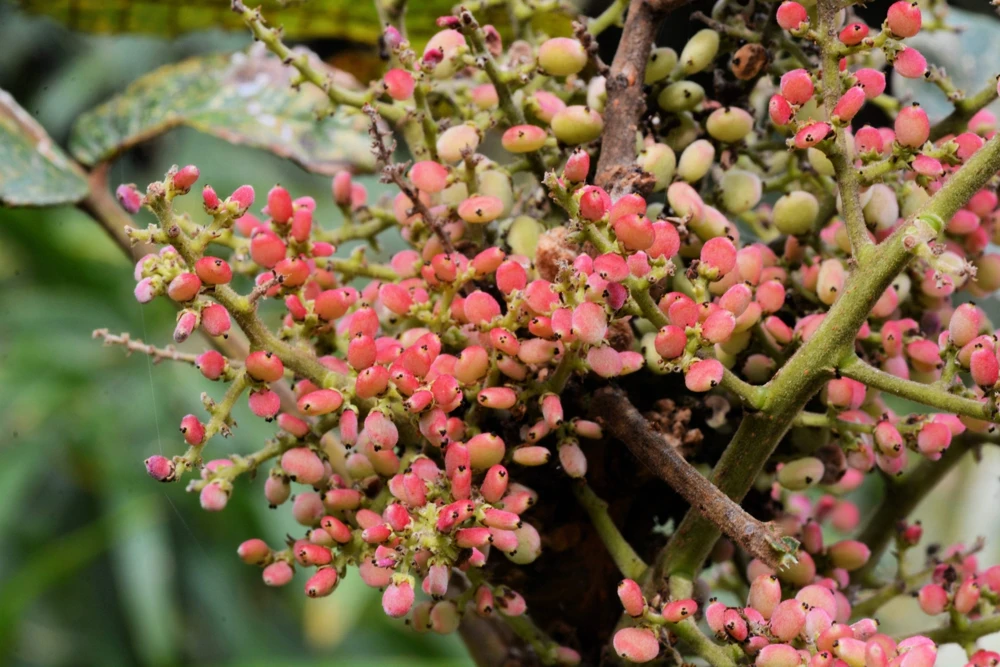
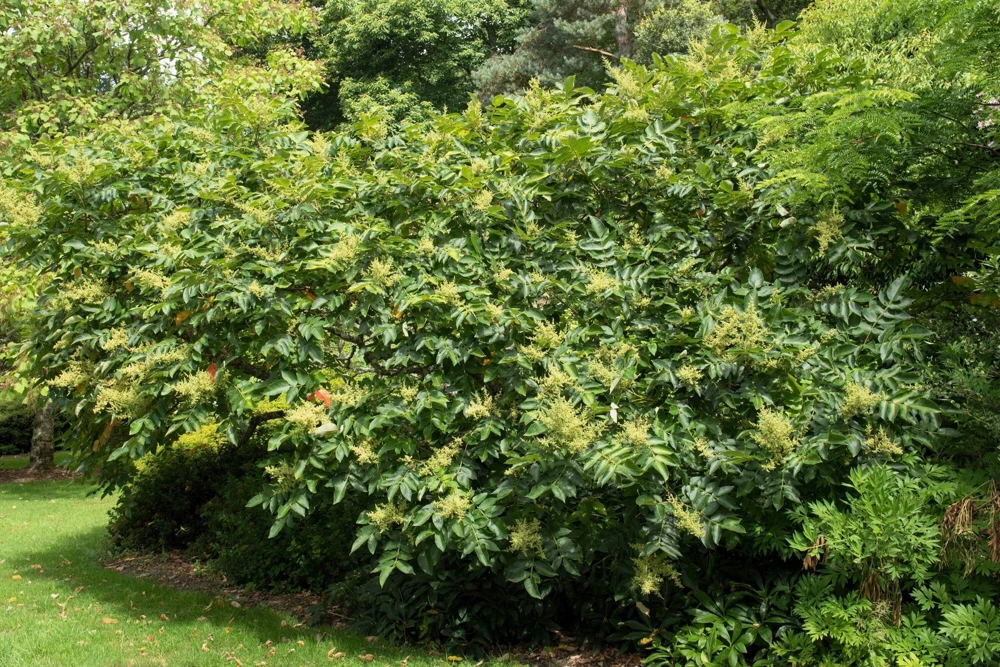
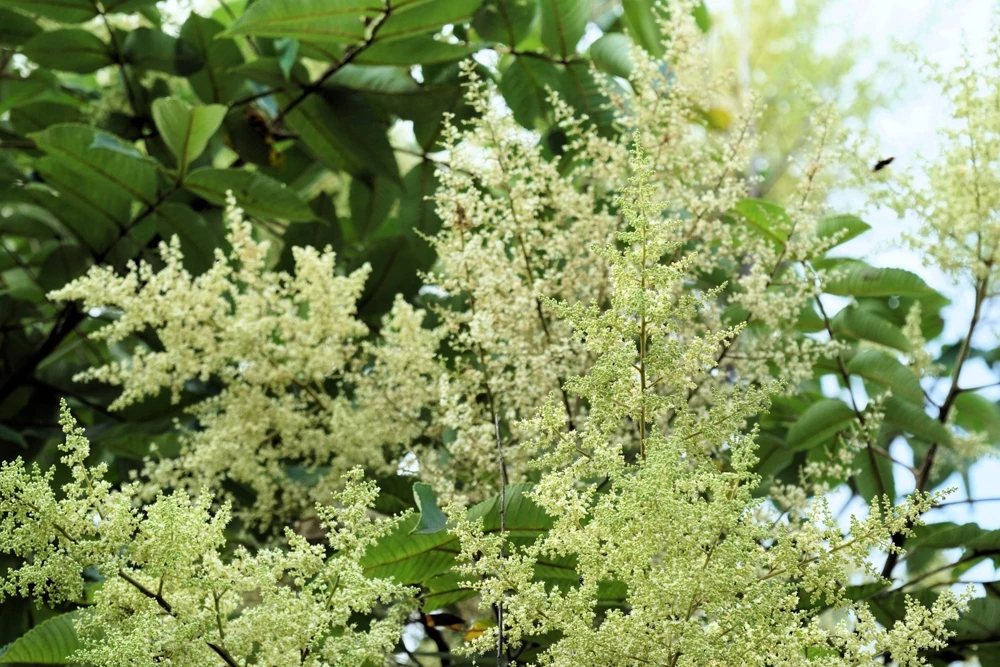
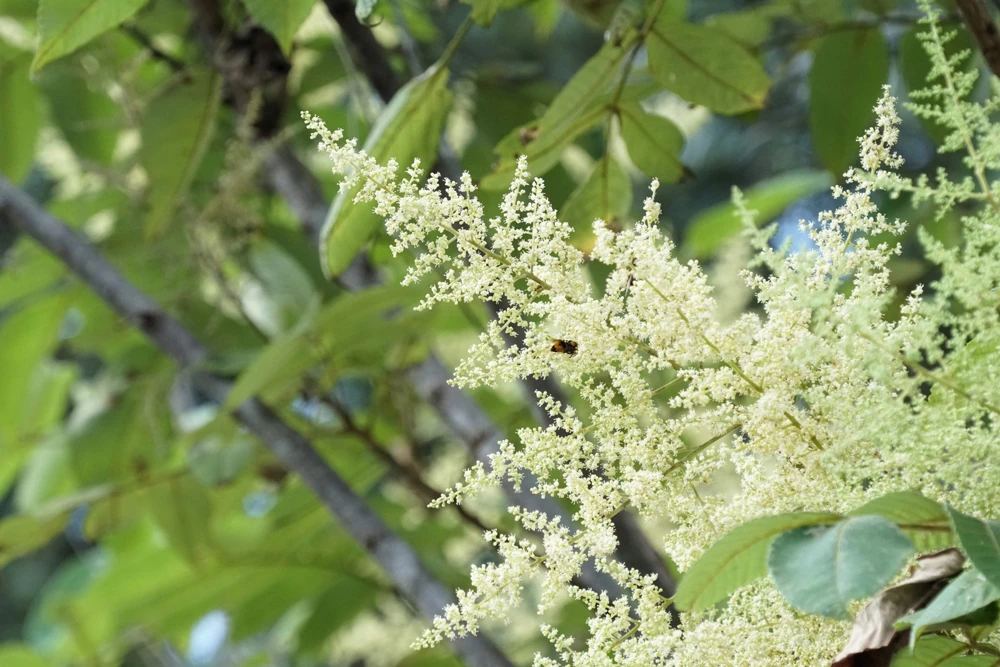
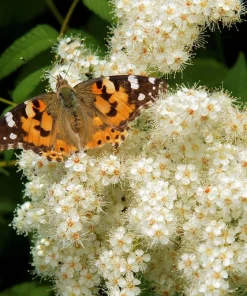
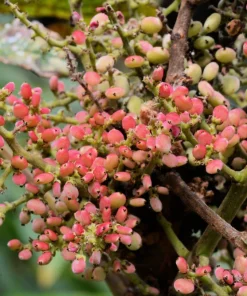
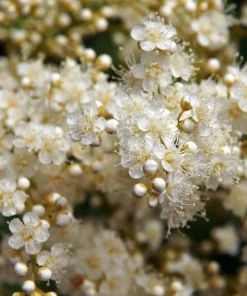
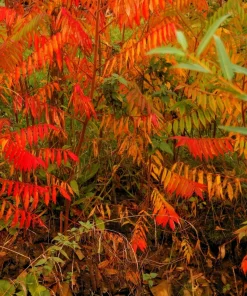
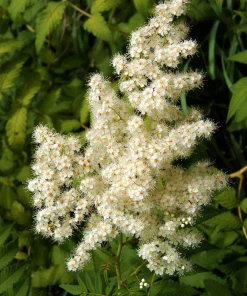
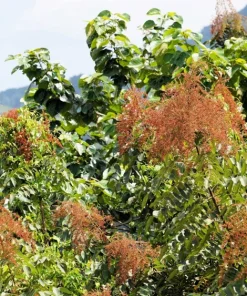
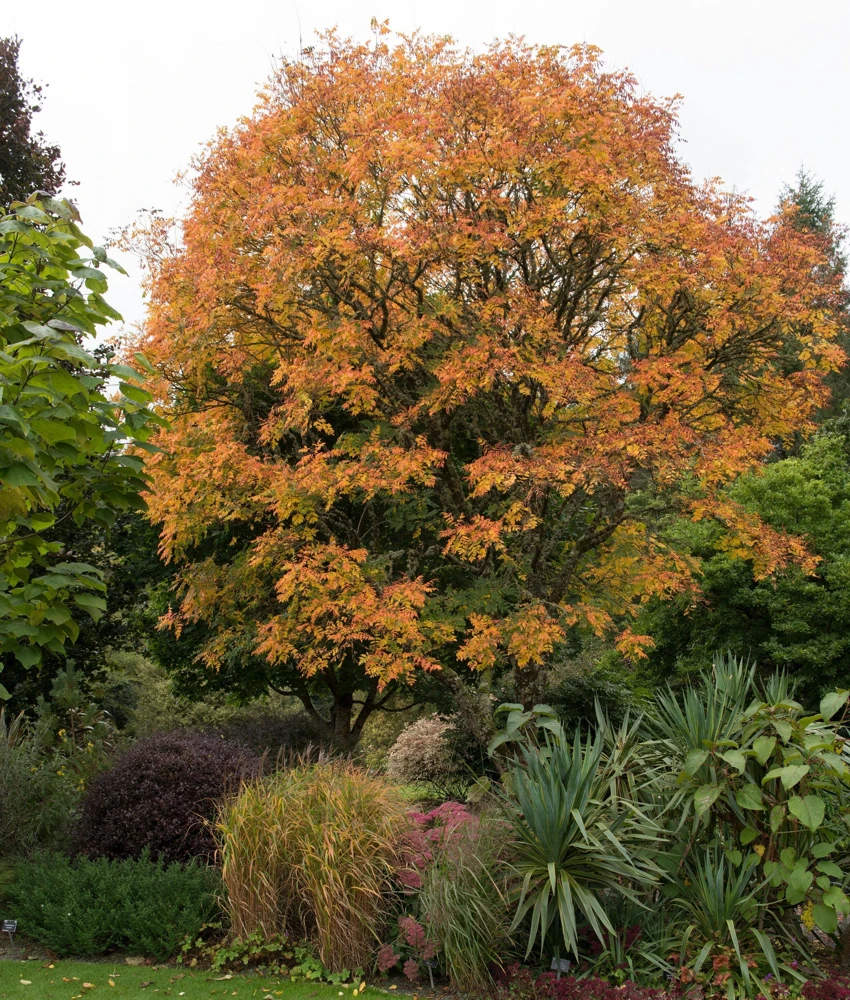
Embark on a rewarding gardening journey with these high-quality Chinese Sumac Tree seeds. Scientifically known as Rhus chinensis, this deciduous tree is a true spectacle, offering year-round interest in your garden. Originating from East Asia, the Chinese Sumac is celebrated for its dynamic seasonal changes. In late summer, it produces large, showy panicles of creamy white flowers that attract pollinators. As autumn approaches, these flowers transition into clusters of vibrant red berries, providing a crucial food source for local wildlife and adding a splash of color against the backdrop of its equally impressive foliage. The leaves themselves undergo a dramatic transformation, shifting from lush green to brilliant shades of orange, red, and purple, making the Rhus Chinensis seeds an excellent choice for stunning fall displays. Growing this tree from seed allows you to witness its full life cycle and enjoy its natural beauty as it matures into a magnificent specimen in your landscape.
Key Benefits
Cultivating Chinese Sumac Tree seeds offers a multitude of benefits for both the gardener and the environment. This versatile tree is a fantastic addition to various garden styles, providing visual appeal and ecological advantages.
- Stunning Ornamental Value: The Chinese Sumac boasts beautiful creamy white flowers in summer, followed by brilliant red berries in autumn, and exceptionally colorful fall foliage. It’s a focal point in any garden, offering continuous visual interest throughout the growing seasons. These ornamental tree seeds promise a landscape rich in color and texture.
- Wildlife Attraction: The vibrant red berries produced by the tree serve as an important food source for birds and other wildlife, especially during the colder months. Planting these seeds contributes to local biodiversity and supports your garden’s ecosystem.
- Adaptability and Hardiness: Rhus chinensis is known for its robust nature and ability to adapt to a range of soil conditions and climates. It’s a resilient choice that can thrive in various garden settings, making it a reliable option for many gardeners.
- Erosion Control: Due to its extensive root system, the Chinese Sumac can be an excellent choice for planting on slopes or areas prone to erosion, helping to stabilize the soil and prevent runoff.
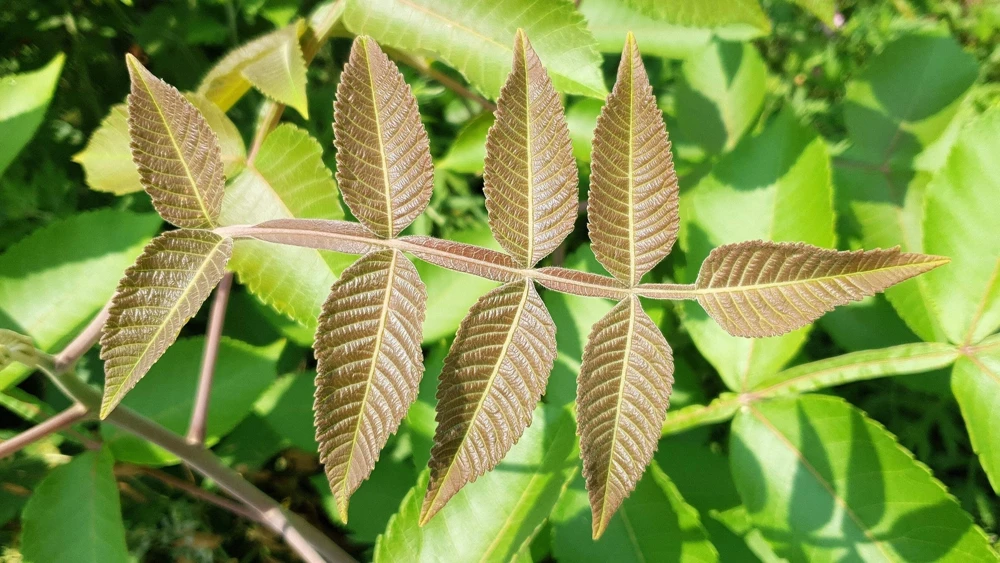
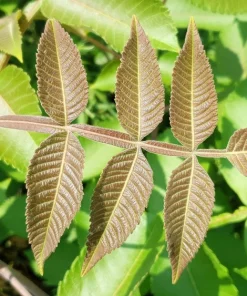
- Unique Texture and Form: The tree’s overall form, combined with its distinctive compound leaves, adds an interesting texture and architectural element to the garden. It creates visual depth and contrast with other plantings.
- Low Maintenance: Once established, the Chinese Sumac Tree seeds grow into a relatively low-maintenance tree. It requires minimal pruning and care, making it suitable for gardeners seeking beauty without constant upkeep.
- Seasonal Interest: From its summer blooms to its autumn berries and fiery fall leaves, the Chinese Sumac provides captivating seasonal interest, ensuring your garden remains vibrant and engaging throughout the year.
Plant Care & Growing Tips
Growing Chinese Sumac Tree seeds successfully requires attention to a few key environmental factors. This hardy tree is relatively easy to care for once established, making it a great option for both novice and experienced gardeners. To ensure optimal growth, start by selecting a site that receives adequate sunlight. Chinese Sumac thrives in full sun to partial shade, meaning it needs at least 6 hours of direct sunlight per day for the best flowering and fall color. While it can tolerate some shade, too little light may result in fewer flowers and less vibrant foliage.
When it comes to watering, young Rhus Chinensis seeds and seedlings will require consistent moisture to establish a strong root system. Once mature, the tree is quite drought-tolerant, but regular watering during prolonged dry spells will promote healthier growth and more abundant berries. The ideal soil for Chinese Sumac is well-draining, as it does not tolerate soggy conditions. It can adapt to various soil types, including sandy, loamy, and clay soils, but prefers a slightly acidic to neutral pH. Incorporating organic matter into the planting hole can improve soil structure and fertility.
Fertilization is generally not essential for established Chinese Sumac trees, especially if planted in fertile soil. However, a balanced, slow-release fertilizer can be applied in early spring to young trees or those in poorer soils to encourage vigorous growth. Pruning should be done in late winter or early spring to remove any dead, damaged, or crossing branches and to maintain the tree’s desired shape. Watch out for common pests like aphids or scale insects, which can be managed with horticultural oil or insecticidal soap if they become problematic. The autumn foliage tree seeds you plant will develop into a resilient tree that can withstand various conditions with proper care.
Size & Details
These Chinese Sumac Tree seeds are supplied as a count of 30 viable seeds, ready for stratification and planting. Once germinated and established, the Chinese Sumac (Rhus chinensis) typically grows into a medium-sized deciduous tree, reaching an average height of 15 to 25 feet (4.5 to 7.6 meters) with a spread of 10 to 20 feet (3 to 6 meters). Its growth rate is considered moderate to fast, allowing it to establish a significant presence in your landscape within a few years. The tree produces its distinctive white flowers in late summer, usually from July to August, with the striking red berries developing shortly after and persisting into the fall and winter months. These red berry tree seeds will yield a tree that offers a long season of interest. The seeds are best started indoors or in a protected environment, with germination typically occurring after a period of cold stratification, mimicking natural winter conditions.
Frequently Asked Questions
- Q: How many Chinese Sumac Tree seeds are included in this pack? A: This pack contains 30 high-quality Chinese Sumac Tree seeds, providing ample opportunity to grow multiple trees for your garden or landscape projects.
- Q: What is the best way to germinate these Rhus Chinensis seeds? A: For optimal germination, these seeds generally require a period of cold stratification. This involves placing the seeds in a moist medium (like sand or peat moss) in a refrigerator for several weeks before planting. Detailed instructions for stratification are usually included.
- Q: How tall do Chinese Sumac Tree seeds grow once they mature? A: Once mature, the Chinese Sumac tree typically reaches a height of 15 to 25 feet (4.5 to 7.6 meters) with a similar spread, creating a significant and beautiful presence in your garden.
- Q: Is the Chinese Sumac tree an indoor or outdoor plant? A: The Chinese Sumac is primarily an outdoor tree, best suited for gardens, landscapes, and naturalized areas where it has room to grow to its full size. It is not typically grown as an indoor plant.
- Q: How much sunlight does the Chinese Sumac tree need? A: This tree thrives in full sun to partial shade, ideally receiving at least 6 hours of direct sunlight per day to encourage the best flowering, fruiting, and vibrant fall foliage.
- Q: When is the best time to plant these ornamental tree seeds? A: After cold stratification, the best time to plant the seeds is in early spring, once the danger of hard frost has passed. This allows the young seedlings to establish themselves during the warmer growing season.
- Q: Are the red berries produced by the Chinese Sumac edible? A: While the berries are a valuable food source for birds and wildlife, they are not typically consumed by humans. The tree is primarily grown for its ornamental value.
- Q: What USDA hardiness zones are suitable for the Chinese Sumac? A: The Chinese Sumac is generally hardy in USDA Zones 5-9, making it suitable for a wide range of climates across the United States.
- Q: Is the Chinese Sumac considered a fast-growing tree? A: Yes, the Chinese Sumac has a moderate to fast growth rate, meaning it can establish and reach a substantial size relatively quickly compared to many other tree species.
- Q: What kind of soil does the Chinese Sumac prefer? A: It prefers well-draining soil and can adapt to various soil types, including sandy, loamy, or clay soils, as long as they are not waterlogged. A slightly acidic to neutral pH is ideal.
Be the first to review “30 Chinese Sumac Tree Seeds – Rhus Chinensis Seeds, Nutgall White Flowers Red Berries”
People Also Viewed
Reviews
There are no reviews yet.