
Ginkgo Biloba Tree Live Plant – Maidenhair Tree – 1 Quart Pot – 6-12″ Tall
Original price was: $56.99.$36.99Current price is: $36.99.
Bring home a piece of living history with this ginkgo biloba tree. Known for its distinctive fan-shaped leaves and incredible longevity, this maidenhair tree live plant arrives in a 1 qt. pot, ready to thrive in your landscape. It’s an excellent choice for a shade tree or street tree, offering remarkable resilience and deer tolerance.
Estimated arrival
Sep 20
Sep 25 - Sep 27
Sep 30 - Oct 04
Shop With Confidence
30-Day Plant Health Guarantee
Arrives damaged? We’ll replace it free — see our return policy.
Responsive Support
Email us anytime, we reply within 1 business day.
Expert Packaging
Temperature-controlled shipping to protect your plants in transit.
Secure Checkout
Pay safely with Visa, Mastercard, PayPal.
Plant Specifications
-
USDA Hardiness Zone
3-8 -
Soil Type
Moist, sandy, well-draining soil -
Sunlight Exposure
Full sun -
Expected Planting Period
Spring to early fall
Overview
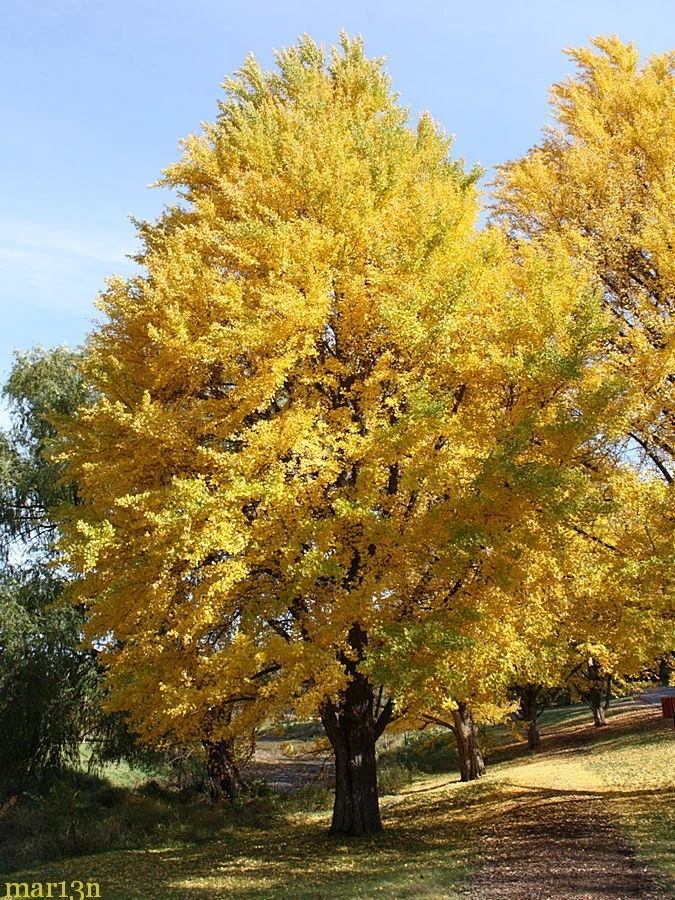
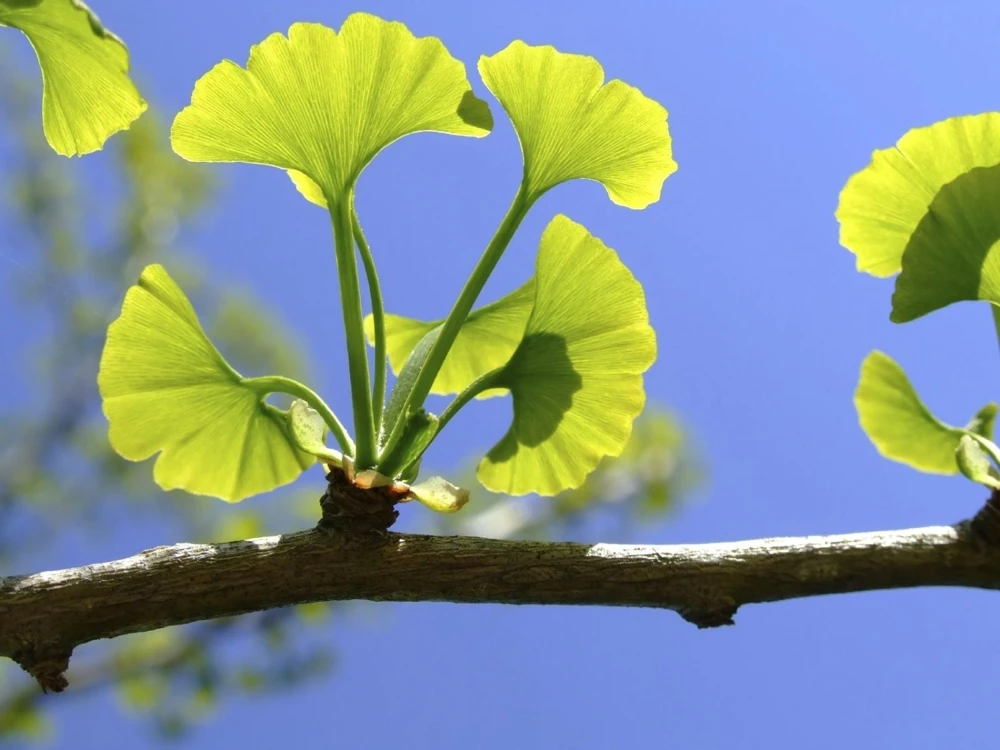
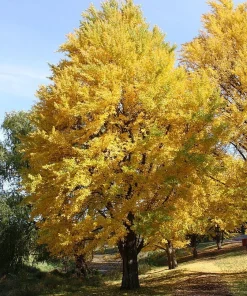
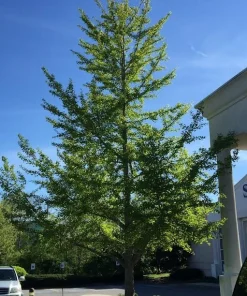
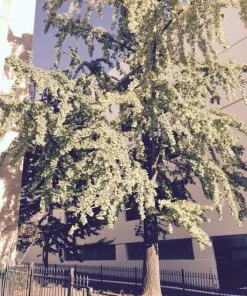
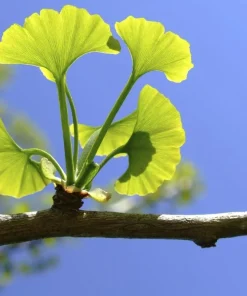
Embrace the timeless elegance and robust nature of the ginkgo biloba tree, a true botanical marvel often referred to as the maidenhair tree. This prehistoric survivor, Ginkgo biloba, is the only remaining species in its ancient plant phylum, making it a unique addition to any garden or landscape. Originating from China, this particular specimen is a healthy, young ginkgo biloba tree, measuring 6-12 inches in height and comfortably nestled in a 1 quart pot, ready for planting. Its distinctive duck-foot or fan-shaped leaves turn a brilliant golden-yellow in the fall, providing a spectacular display. Known for its incredible longevity, with some specimens living for thousands of years, this tree offers both historical significance and enduring beauty. It’s a remarkably adaptable plant, thriving in various conditions and proving to be a resilient choice for urban and suburban environments alike.
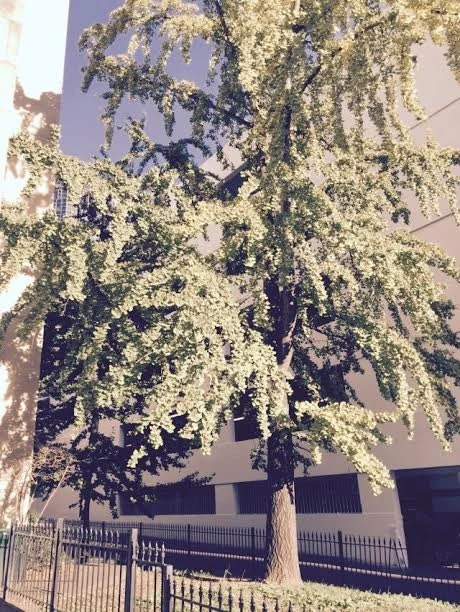
The maidenhair tree live plant is not just a beautiful ornamental; it’s also a testament to nature’s resilience. Its ability to withstand pollution and a wide range of soil types makes it an ideal ‘street tree’ for city planning, though it performs equally well in a home garden. As a deciduous tree, it provides welcome shade in summer and allows sunlight through in winter. With its minimal care requirements and strong resistance to pests and diseases, the ginkgo is an excellent choice for both novice and experienced gardeners looking for a low-maintenance yet high-impact tree.
Key Benefits
Adding a ginkgo biloba tree to your property offers a multitude of advantages, from aesthetic appeal to ecological benefits. This iconic tree is celebrated for its unique characteristics and hardiness, making it a valuable investment for your landscape.
- Unique Aesthetic Appeal: The most striking feature of the ginkgo biloba tree is its distinctive fan-shaped, bilobed leaves, which are unlike almost any other tree. These vibrant green leaves transform into a stunning golden-yellow in autumn, creating a breathtaking focal point in any garden.
- Exceptional Longevity: Known as a ‘living fossil,’ Ginkgo biloba trees are famous for their incredibly long lifespans, often living for hundreds or even thousands of years. Planting one is a legacy for future generations.
- Drought and Pollution Tolerance: This resilient tree is highly tolerant of urban pollution, compacted soils, and even saline conditions, making it an excellent choice for city landscapes and areas with challenging growing conditions.
- Low Maintenance: Once established, the maidenhair tree live plant requires minimal care. It’s generally pest and disease-free, reducing the need for chemical treatments and constant vigilance.
- Deer Tolerant: For gardeners in areas with deer, the ginkgo biloba is a fantastic option as it is highly deer tolerant, meaning your tree is less likely to be damaged by browsing. This makes it a stress-free choice for many homeowners.
- Shade and Street Tree Potential: Growing to an impressive height and spread, this tree provides excellent shade, making it perfect for lawns or public spaces. Its hardiness also makes it a popular choice for lining streets.
Plant Care & Growing Tips
Caring for your ginkgo biloba tree is relatively straightforward, thanks to its robust nature and adaptability. To ensure your maidenhair tree live plant thrives and reaches its full potential, follow these essential care guidelines.
Sunlight Requirements: Ginkgo trees prefer full sun exposure, meaning at least six hours of direct sunlight per day. While they can tolerate some partial shade, optimal growth and the best fall color will occur in a sunny location. When choosing a planting site, consider its mature size and ensure it won’t be overshadowed by buildings or other large trees.
Watering and Soil: These trees are adaptable to a wide range of soil conditions but prefer moist, sandy, well-drained soil. They are remarkably tolerant of both alkaline and acidic soils, as well as compacted soils. During its establishment phase (the first 1-2 years), water regularly to keep the soil consistently moist but not waterlogged. Once established, the ginkgo biloba tree becomes quite drought-tolerant, though supplemental watering during prolonged dry spells will benefit its health and growth. Good drainage is crucial to prevent root rot.
Temperature and Hardiness: The ginkgo biloba tree is remarkably cold-hardy, thriving in USDA Zones 3-8. It can withstand a broad range of temperatures, from cold winters to hot summers, and adapts well to most urban environments. This wide hardiness range makes it suitable for a significant portion of the United States. No special winter protection is typically needed once the tree is established in its appropriate zone.
Fertilization: Generally, ginkgo trees do not require heavy fertilization. If your soil is poor, a balanced, slow-release granular fertilizer applied in early spring can be beneficial. Follow the product instructions for application rates. Avoid over-fertilizing, as this can lead to excessive leafy growth at the expense of root development.
Pest and Disease Resistance: One of the many advantages of the ancient ginkgo tree is its strong resistance to most serious insect pests and diseases. This makes it a very low-maintenance choice, reducing the need for chemical interventions. Occasional monitoring for common garden pests is always a good practice, but significant problems are rare.
Size & Details
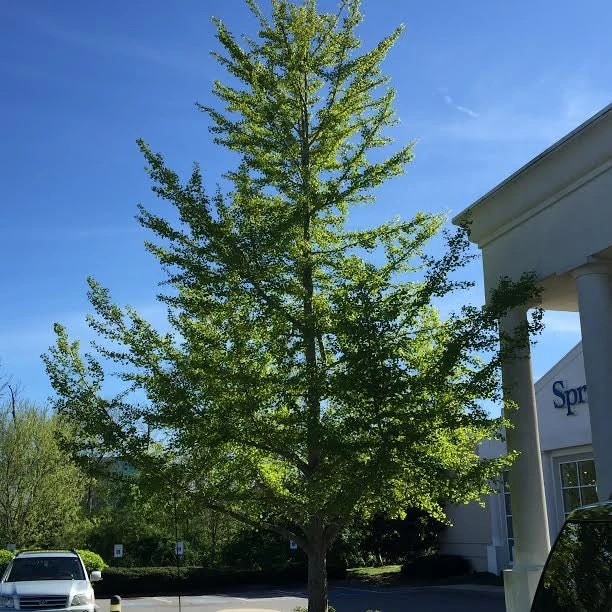
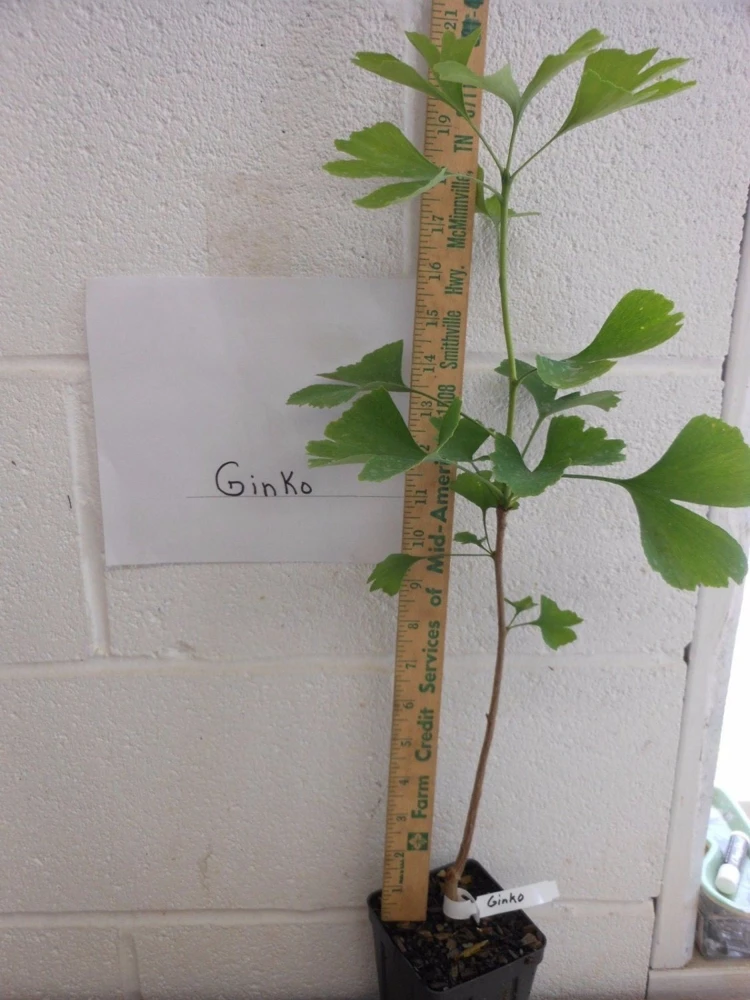
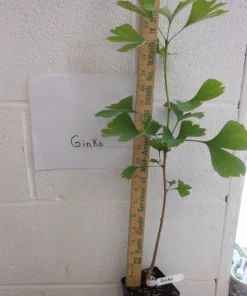
This offering is for one young ginkgo biloba tree, approximately 6-12 inches in height, supplied in a 1 quart (qt.) nursery pot. This size is ideal for planting and establishing in your garden or a larger container. Ginkgo trees are known for their moderate growth rate, typically adding 6-12 inches of height per year. With proper care and ideal conditions, this tree will mature into an impressive specimen, reaching heights of 50 to 80 feet with a spread of 30-40 feet. Its upright, somewhat pyramidal growth habit makes it suitable for various landscape designs. The tree will be shipped in its nursery pot with soil, ensuring minimal transplant shock and a healthy start in your garden. Expect to enjoy the unique foliage and robust nature of this tree for many decades to come.
Frequently Asked Questions
- Q: How big does this ginkgo biloba tree get? A: This young tree measures 6-12 inches tall in a 1 qt. pot. At maturity, a ginkgo biloba tree can reach impressive heights of 50 to 80 feet with a spread of 30-40 feet, making it an excellent shade tree.
- Q: Is this an indoor or outdoor plant? A: The ginkgo biloba tree is primarily an outdoor tree, well-suited for landscaping in temperate climates. It requires significant space to grow and is not typically grown as a long-term indoor houseplant.
- Q: How much sunlight does a maidenhair tree live plant need? A: Ginkgo trees thrive in full sun, requiring at least 6 hours of direct sunlight daily for optimal growth and vibrant fall color. They can tolerate partial shade but may not grow as vigorously.
- Q: What condition will the ancient ginkgo tree arrive in? A: Your ginkgo tree will arrive carefully packaged in its 1 quart nursery pot, with soil, to ensure it is healthy and ready for planting. We take great care in preparing our plants for shipment.
- Q: Is this tree good for beginners? A: Yes, the ginkgo biloba tree is an excellent choice for beginners. It is remarkably resilient, deer tolerant, and has few serious pest or disease problems, making it a low-maintenance option.
- Q: What is the best time to plant a ginkgo biloba tree? A: The best time to plant ginkgo trees is generally in the spring or early fall, allowing the roots to establish before extreme weather conditions. Ensure the ground is not frozen when planting.
- Q: Will this deer tolerant trees survive winter in my zone? A: The ginkgo biloba tree is very cold hardy and thrives in USDA Zones 3-8, making it suitable for a wide range of climates across the United States. It is known for its ability to withstand harsh winter conditions.
- Q: What type of soil does the ginkgo biloba tree prefer? A: While adaptable to many soil types, the ginkgo prefers moist, sandy, well-drained soil. It tolerates both alkaline and acidic conditions, as well as compacted soils, showcasing its resilience.
- Q: Does the maidenhair tree live plant have any serious pests or diseases? A: Fortunately, ginkgo trees are highly resistant to most common insect pests and diseases, making them a very healthy and easy-to-care-for tree in the landscape.
- Q: Can I grow the ginkgo biloba tree in a container? A: While young ginkgo trees can be grown in large containers for a period, they will eventually outgrow them due to their mature size. For long-term health, planting in the ground is recommended.
Be the first to review “Ginkgo Biloba Tree Live Plant – Maidenhair Tree – 1 Quart Pot – 6-12″ Tall”
People Also Viewed
Uncategorized
Reviews
There are no reviews yet.