
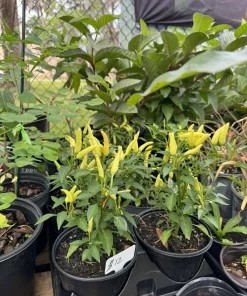
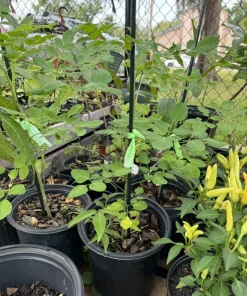
Organic Banana Pepper Live Plant – Sweet Vegetable for Home Garden
Original price was: $43.99.$23.99Current price is: $23.99.
Cultivate delicious, mild-flavored organic banana pepper plant in your home garden. This live banana pepper plant is perfect for adding a sweet crunch to meals or for pickling. Enjoy fresh, healthy vegetables straight from your backyard.
Estimated arrival
Oct 27
Nov 01 - Nov 03
Nov 06 - Nov 10
Shop With Confidence
30-Day Plant Health Guarantee
Arrives damaged? We’ll replace it free — see our return policy.
Responsive Support
Email us anytime, we reply within 1 business day.
Expert Packaging
Temperature-controlled shipping to protect your plants in transit.
Secure Checkout
Pay safely with Visa, Mastercard, PayPal.
Plant Specifications
-
USDA Hardiness Zone
USDA zones 9-11 (as perennial, otherwise annual) -
Soil Type
Well-draining, fertile soil -
Sunlight Exposure
Full sun (6-8 hours daily) -
Expected Planting Period
Spring to early summer (after last frost)
Overview
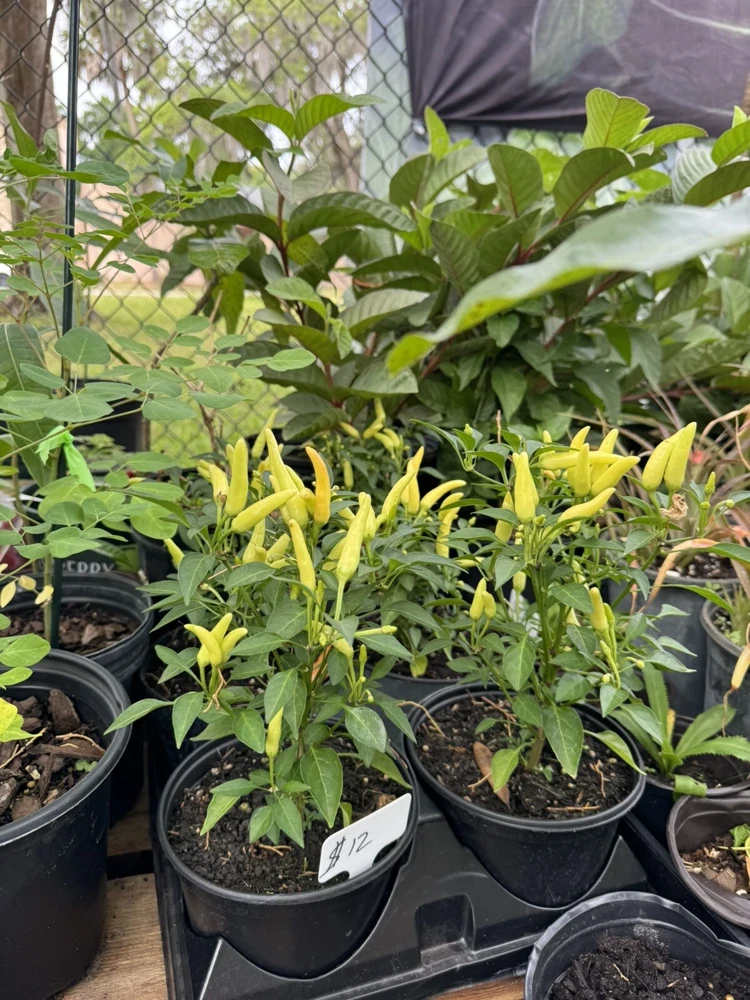
Bring the joy of home-grown produce to your garden with this vibrant organic banana pepper plant. Known for its mild, sweet flavor and attractive yellow-to-red fruit, the banana pepper (Capsicum annuum) is a versatile addition to any culinary adventurer’s repertoire. This live plant offers an excellent opportunity for both novice and experienced gardeners to cultivate their own healthy, organic vegetables. Enjoy the satisfaction of harvesting fresh peppers, free from synthetic pesticides and chemicals, right from your backyard or patio. This variety is celebrated for its abundant yields and relatively easy care, making it a rewarding choice for personal consumption or sharing with friends and family.
Our live banana pepper plant arrives ready to thrive in your garden. Banana peppers are named for their distinctive curved shape and light yellow color when immature, ripening to orange and then red. They are much milder than many other pepper varieties, typically ranging from 0-500 Scoville Heat Units, making them a family-friendly option. Whether you plan to slice them into salads, stuff them, grill them, or pickle them, this organic plant will provide a continuous supply of fresh, flavorful peppers throughout the growing season.
Key Benefits
Choosing to grow an organic banana pepper plant comes with a multitude of advantages, enhancing both your garden and your diet. These plants are not only productive but also contribute to a healthier lifestyle and a more sustainable environment. Here are some of the key benefits:
- Fresh, Organic Produce: Enjoy peppers that are free from harmful pesticides and chemicals. Growing your own ensures you know exactly what goes into your food, providing peace of mind and superior taste.
- Versatile Culinary Use:Sweet banana pepper plants yield fruit perfect for a wide range of dishes. They can be eaten raw in salads, cooked into stir-fries, pickled, stuffed, or even grilled, adding a delightful crunch and mild flavor.
- Abundant Harvests: Banana pepper plants are known for their prolific production, providing a generous yield of peppers throughout the summer. This means plenty for fresh eating, preserving, and sharing.
- Easy to Grow: These plants are relatively low-maintenance and forgiving, making them an excellent choice for gardeners of all experience levels. With basic care, they will reward you with a bountiful crop.
- Nutrient-Rich: Banana peppers are packed with vitamins A and C, as well as antioxidants, contributing to a healthy diet. Harvesting them fresh maximizes their nutritional value.
- Garden Aesthetics: The vibrant yellow, orange, and red peppers add a beautiful splash of color to your garden or patio containers, making them an attractive ornamental as well as a food source.
- Sustainable Gardening: By growing your own organic vegetable plant, you reduce your carbon footprint associated with transportation and packaging, promoting a more sustainable approach to food.
Plant Care & Growing Tips
Caring for your organic banana pepper plant is straightforward and rewarding. To ensure a healthy and productive plant, follow these essential guidelines for optimal growth. Banana peppers thrive in warm conditions and require consistent attention to watering and sunlight.
Sunlight Requirements: Banana pepper plants are sun-lovers and require at least 6-8 hours of direct sunlight per day. Choose a location in your garden that receives full sun throughout the day. If growing in containers, place them on a sunny patio or balcony. Insufficient sunlight can lead to stunted growth and reduced fruit production. Morning sun is particularly beneficial, helping to dry dew from leaves and reduce fungal issues.
Watering Schedule and Soil Moisture: Consistent watering is crucial for banana peppers, especially during flowering and fruiting. Aim to keep the soil consistently moist but not waterlogged. Water deeply when the top inch of soil feels dry to the touch. In hot, dry weather, you may need to water daily. Overwatering can lead to root rot, while underwatering can cause blossom end rot and wilting. Mulching around the base of the plant can help retain soil moisture and regulate soil temperature.
Soil Type and Drainage Requirements: Banana pepper plants prefer well-draining, fertile soil with a pH between 6.0 and 6.8. Amend heavy clay soils with organic matter like compost to improve drainage and aeration. For container growing, use a high-quality potting mix formulated for vegetables. Good drainage is paramount to prevent waterlogging and ensure healthy root development for your live banana pepper plant.
Temperature Range and USDA Hardiness Zone: Banana peppers are warm-season vegetables and are sensitive to frost. They thrive in temperatures between 65°F and 80°F (18°C and 27°C). They are typically grown as annuals in most regions. For perennial growth, they are suitable for USDA Hardiness Zones 9-11. Protect plants from temperatures below 50°F (10°C) and above 90°F (32°C). Starting seeds indoors or purchasing a starter plant after the last frost date is recommended for cooler climates.
Fertilization Schedule and Type: Fertilize your organic banana pepper plant regularly to support its vigorous growth and fruit production. Begin with a balanced organic fertilizer when planting. Once flowers and fruits start to appear, switch to a fertilizer higher in phosphorus and potassium to encourage fruit development. Follow the product instructions for application rates. Organic options like compost tea or aged manure can also provide essential nutrients. Avoid excessive nitrogen, which can lead to lush foliage but fewer peppers.
Common Problems and Solutions: Watch out for common pests like aphids, spider mites, and flea beetles. Organic pest control methods such as neem oil or insecticidal soap can be effective. Diseases like powdery mildew or blight can occur in humid conditions; ensure good air circulation and avoid overhead watering. Blossom end rot, characterized by a dark, sunken spot on the bottom of the fruit, is often due to inconsistent watering or calcium deficiency. Maintaining consistent moisture and ensuring adequate calcium in the soil can prevent this issue. Learning how to grow banana peppers successfully involves vigilance and timely intervention.
Size & Details
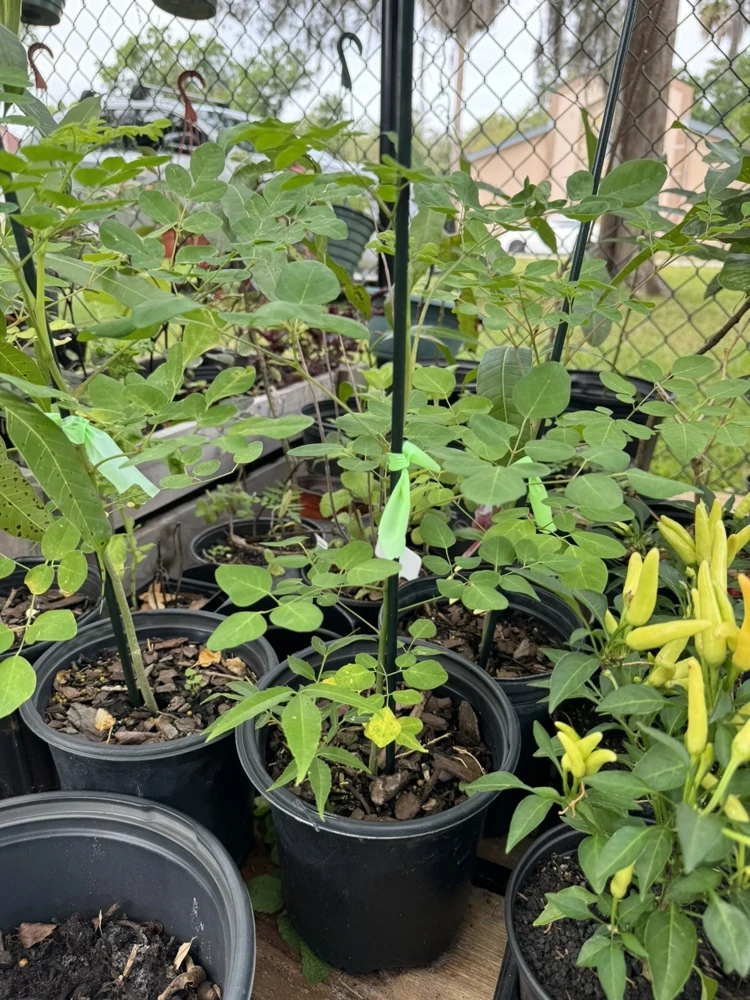
This organic banana pepper plant is shipped as a healthy, live starter plant, typically measuring 4-8 inches tall from the base of the soil. It arrives in a nursery pot, ready for transplanting into your garden bed or a larger container. Banana pepper plants can grow to a mature height of 18-30 inches tall and spread about 12-24 inches wide, forming a sturdy, bushy structure. The growth rate is moderate, with peppers typically ready for harvest within 60-75 days after transplanting.
When mature, each plant can produce dozens of elongated, curved peppers throughout the growing season. For optimal yields, consider staking taller plants to support the weight of the fruit. This organic vegetable plant is an excellent choice for both in-ground gardening and container gardening, requiring a minimum of a 3-5 gallon pot for sufficient root development and fruit production.
Frequently Asked Questions
- Q: How big does this organic banana pepper plant get? A: This plant typically grows to a height of 18-30 inches tall and spreads about 12-24 inches wide. Its mature size makes it suitable for both garden beds and larger containers.
- Q: What size pot does it come in? A: The plant will arrive in a standard nursery pot, usually around 2-4 inches in diameter, ready for you to transplant it into a larger container or directly into your garden.
- Q: Is this an indoor or outdoor plant? A: Banana pepper plants are primarily outdoor plants, thriving in full sun. However, they can be grown indoors in a very sunny spot or under grow lights, especially in regions with short growing seasons or during winter.
- Q: How much sunlight does it need? A: To produce abundant fruit, your live banana pepper plant needs at least 6-8 hours of direct sunlight per day. Choose the sunniest spot in your garden or on your patio.
- Q: Is this plant easy to care for? A: Yes, banana pepper plants are considered relatively easy to care for, making them suitable for beginners. Consistent watering, adequate sunlight, and proper fertilization are key to their success.
- Q: What condition will it arrive in? A: Your plant will arrive healthy and carefully packaged to ensure it withstands transit. It will be a live starter plant, ready for immediate planting.
- Q: Is it shipped in soil? A: Yes, the plant will be shipped securely in its nursery pot with soil to protect the roots and ensure its health upon arrival.
- Q: Can I use sweet banana pepper in cooking? A: Absolutely! Sweet banana pepper is incredibly versatile. It’s delicious raw in salads, sautéed, grilled, stuffed, or pickled. Its mild flavor makes it a favorite for many culinary applications.
- Q: When is the best time to plant this organic vegetable plant? A: The best time to plant is after all danger of frost has passed in your area, typically in late spring or early summer, when soil temperatures have warmed up.
- Q: Will it survive winter in my zone? A: Banana pepper plants are tender annuals in most climates and will not survive frost. In USDA Zones 9-11, they can be grown as perennials or overwintered if protected from cold.
Be the first to review “Organic Banana Pepper Live Plant – Sweet Vegetable for Home Garden”
People Also Viewed
Flower Plants
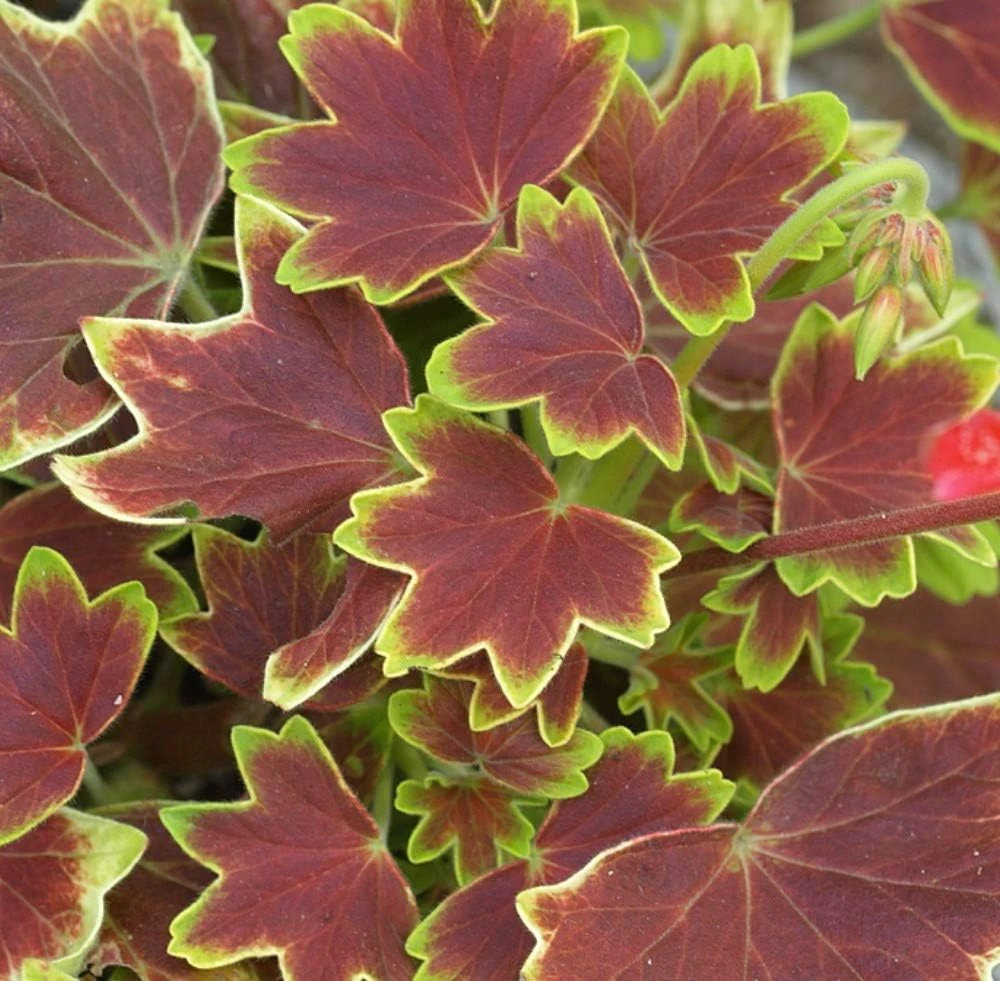
Vancouver Centennial Geranium Live Plant – 3.75″ Pot – Indoor/Outdoor – Bronze & Gold Leaves
Shrubs
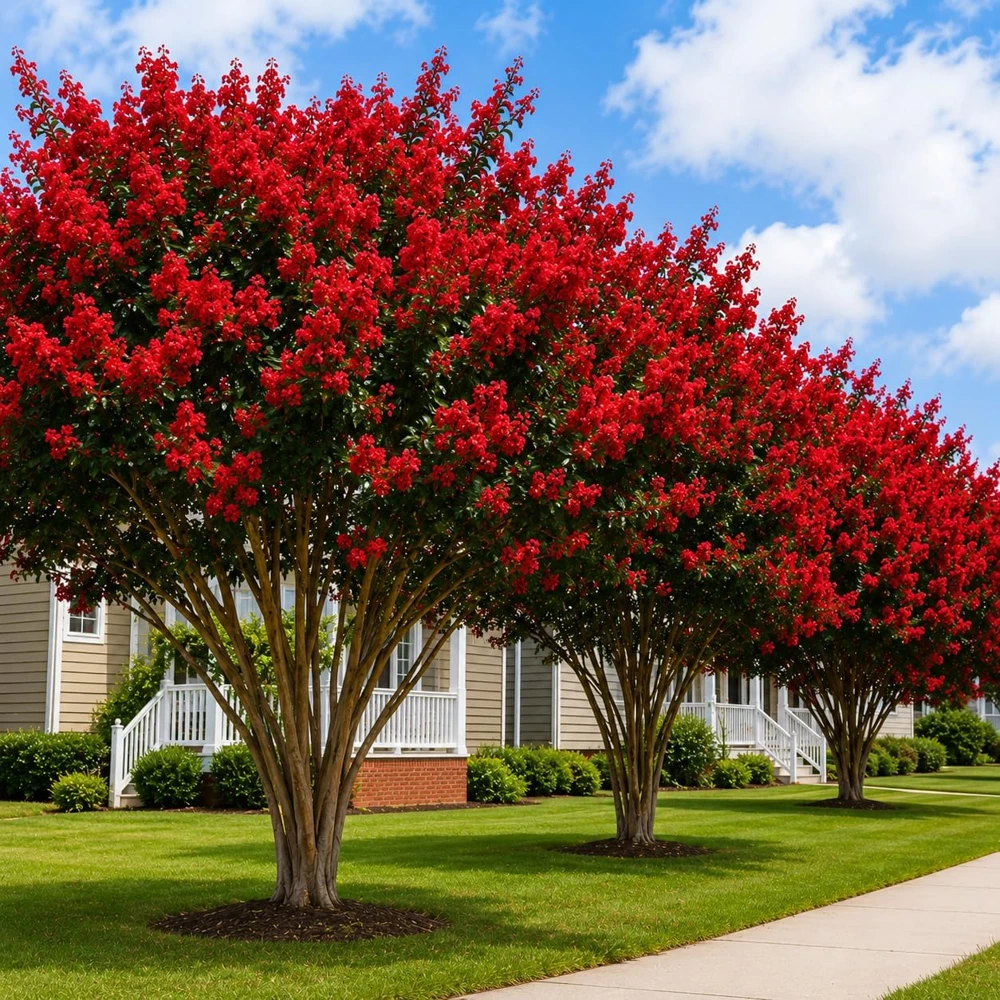
Scarlet Red Crape Myrtle Live Plant – 14-20″ Tall, Gallon Pot, Fast Growing Flowering Shrub, Outdoor
Reviews
There are no reviews yet.