

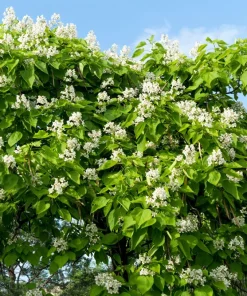
50 Northern Catalpa Tree Seeds – Fast Growing Shade Tree, Large White Flowers
Original price was: $37.99.$17.99Current price is: $17.99.
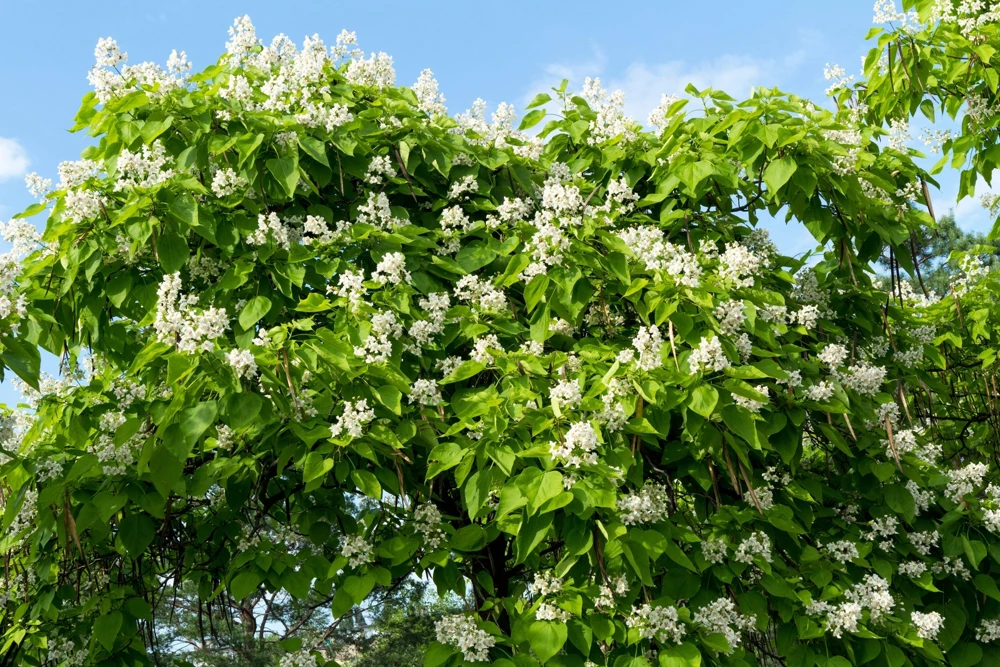
Cultivate a magnificent landscape with these northern catalpa tree seeds. Each pack contains 50 Northern Catalpa Tree Seeds, perfect for growing a stately, fast-growing shade tree known for its impressive white, trumpet-shaped flowers and attractive heart-shaped leaves.
Estimated arrival
Sep 17
Sep 22 - Sep 24
Sep 27 - Oct 01
Shop With Confidence
30-Day Plant Health Guarantee
Arrives damaged? We’ll replace it free — see our return policy.
Responsive Support
Email us anytime, we reply within 1 business day.
Expert Packaging
Temperature-controlled shipping to protect your plants in transit.
Secure Checkout
Pay safely with Visa, Mastercard, PayPal.
Plant Specifications
-
USDA Hardiness Zone
USDA Zones 4-8 -
Soil Type
Well-draining, fertile soil -
Sunlight Exposure
Full sun to partial shade -
Expected Planting Period
Early spring after stratification
Overview
Embark on a rewarding gardening journey with our premium selection of northern catalpa tree seeds. The Northern Catalpa, scientifically known as Catalpa speciosa, is a remarkable deciduous tree cherished for its rapid growth and spectacular display of large, showy white flowers. Often referred to as the Western Catalpa or Catawba Indian Cigar Tree due to its long, bean-like seed pods, this tree is a fantastic choice for creating significant shade and adding ornamental value to any landscape. These catalpa speciosa seeds provide an excellent opportunity to grow these majestic trees from scratch, allowing you to witness their full lifecycle and enjoy their beauty for years to come. Ideal for large gardens, parks, or as a street tree, the Northern Catalpa offers a unique blend of aesthetic appeal and environmental benefits.
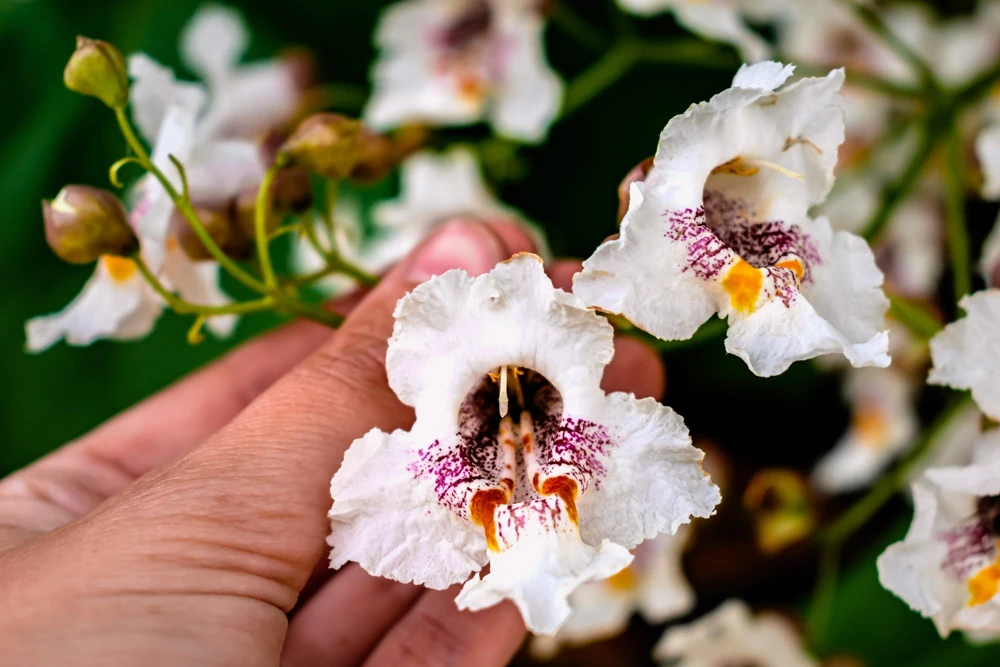
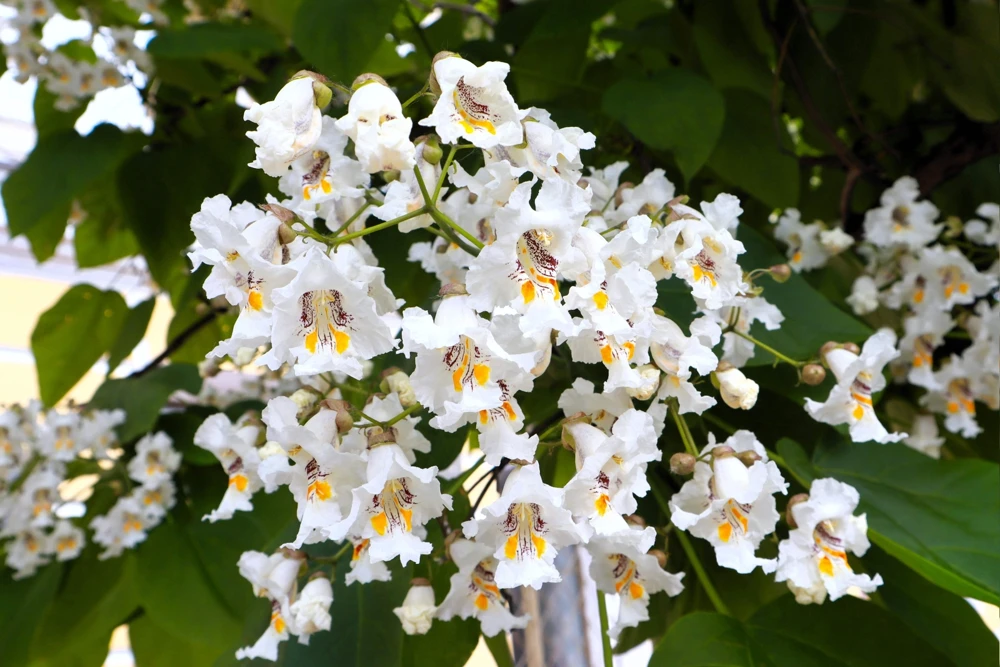
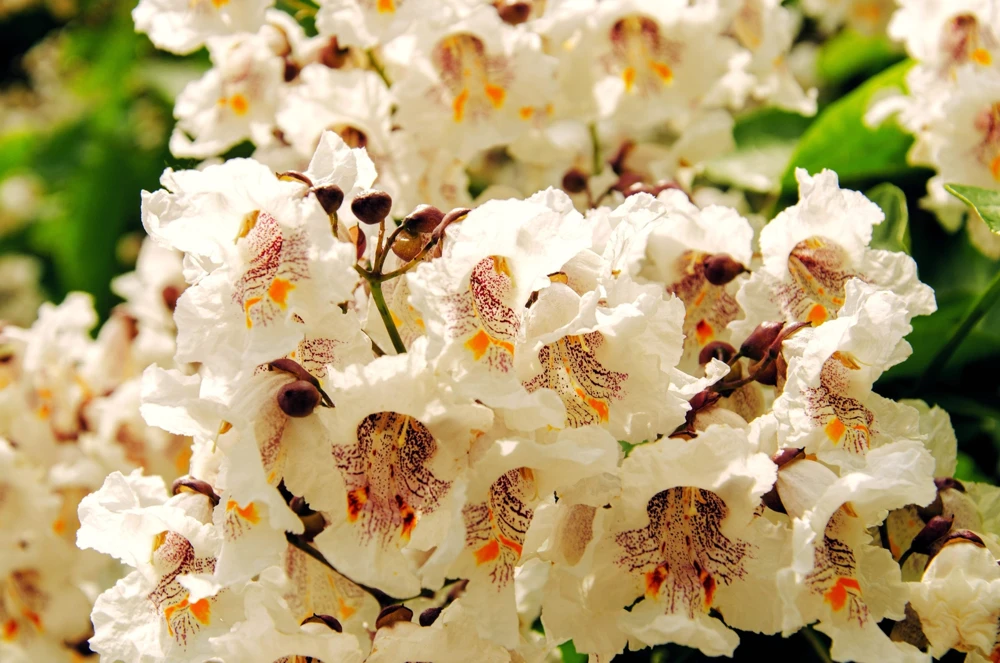
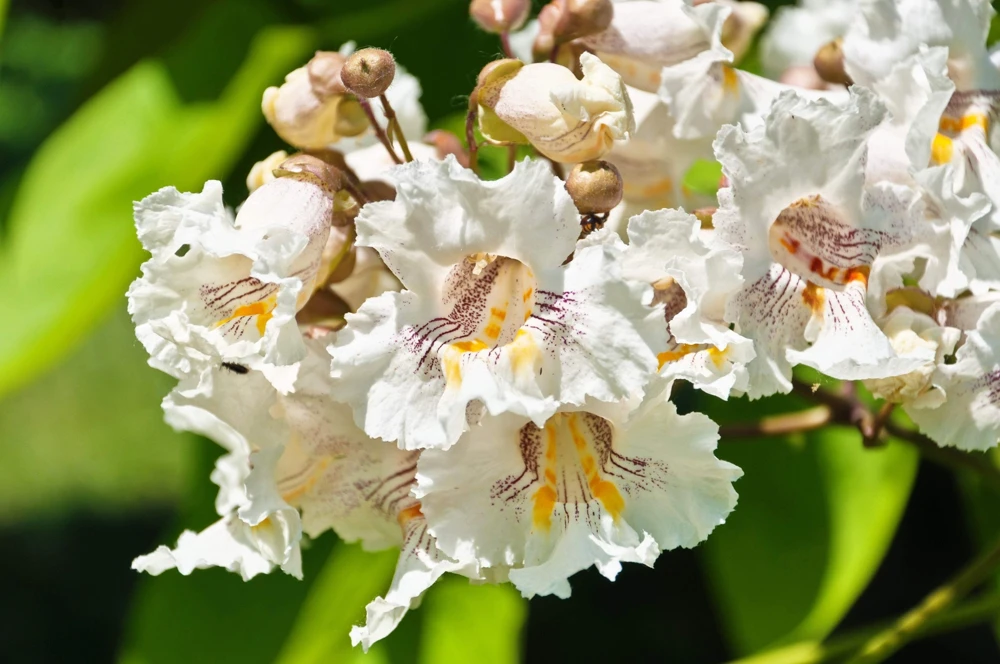
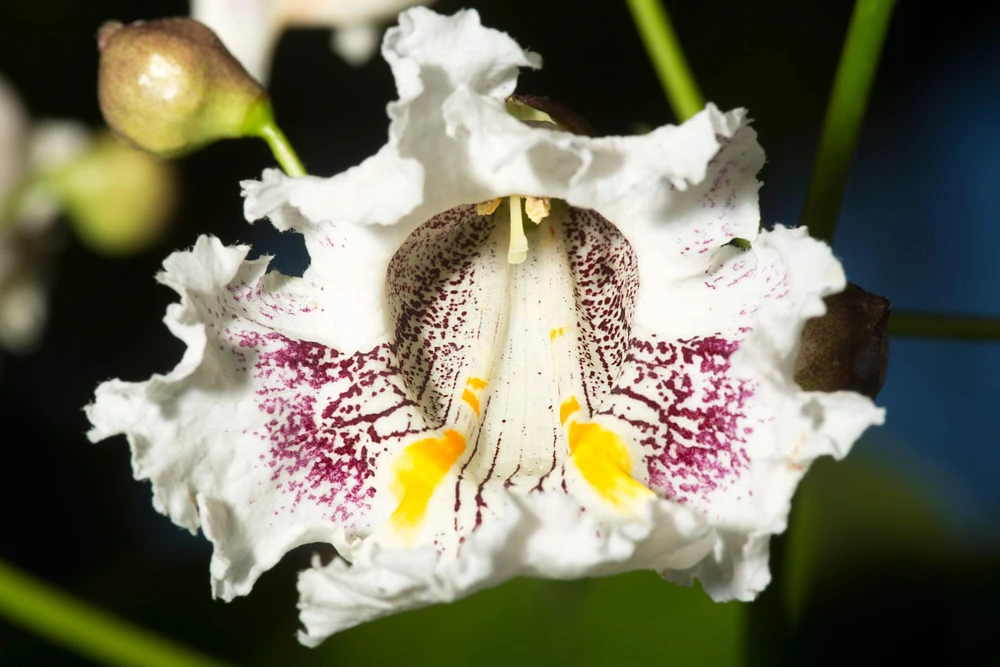
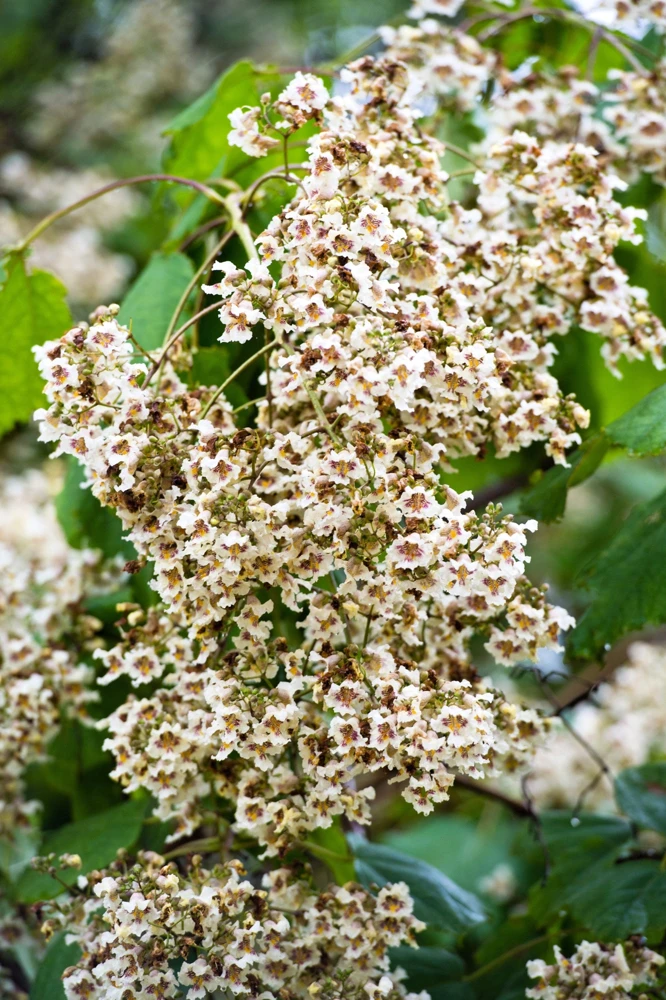
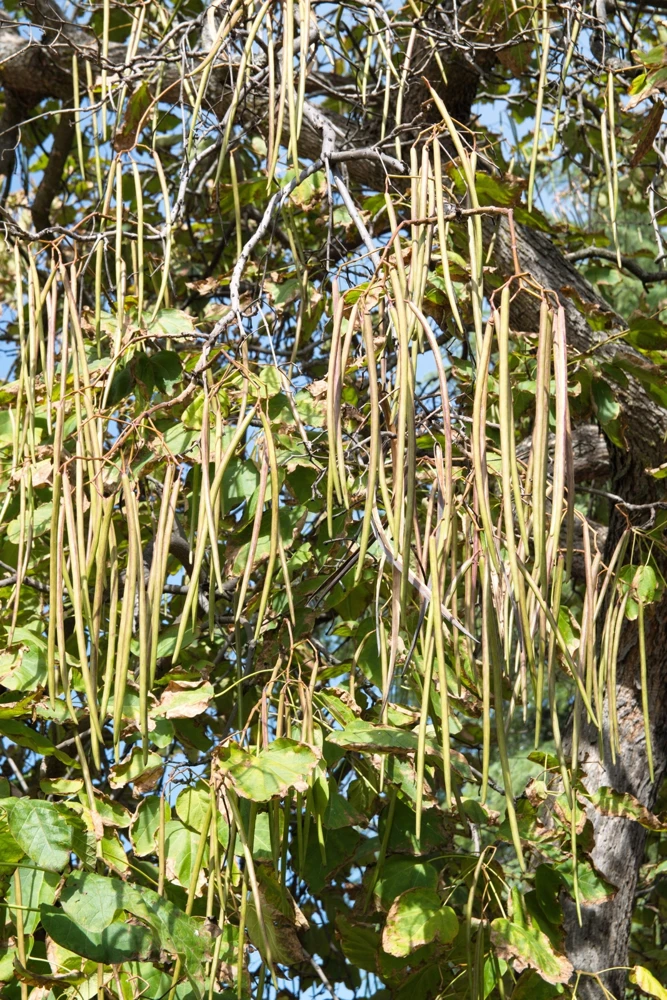
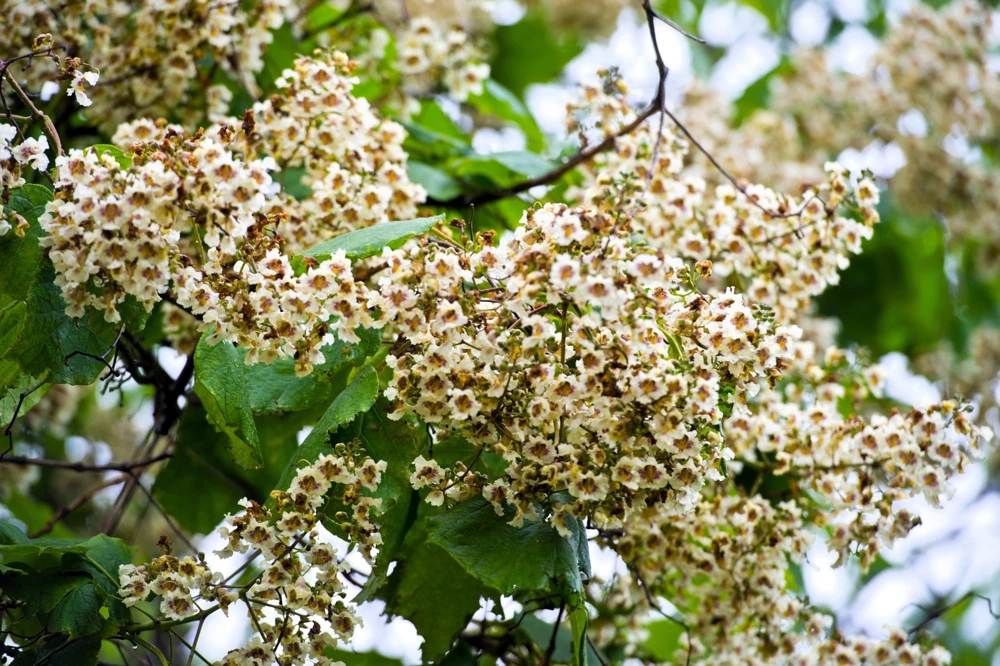
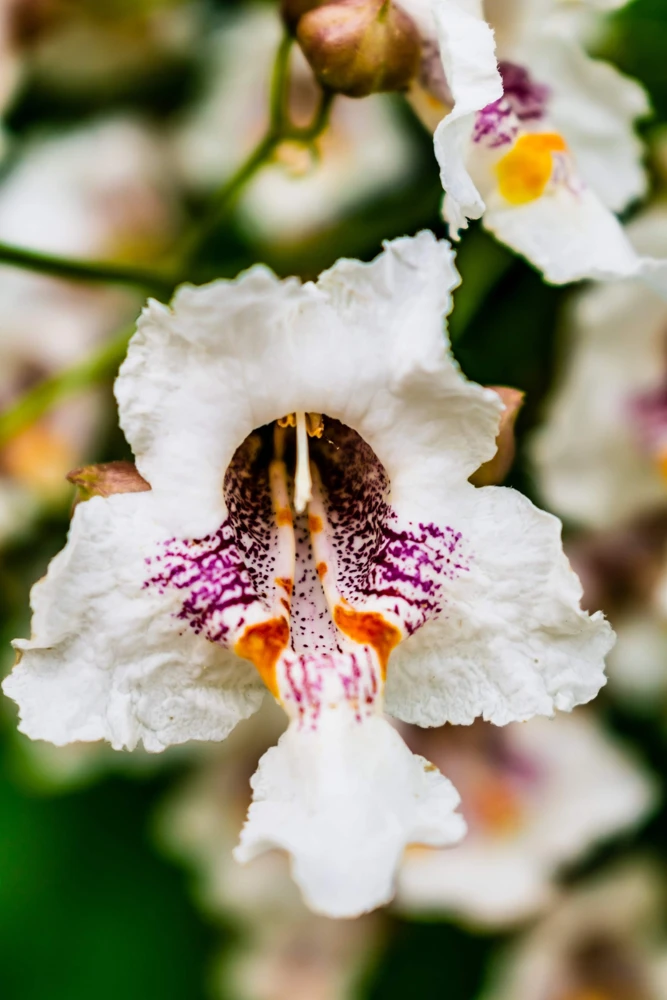
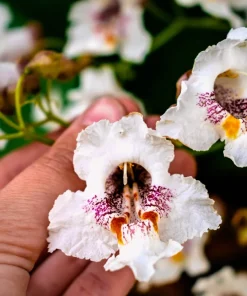
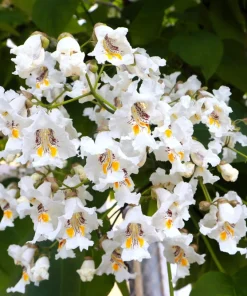
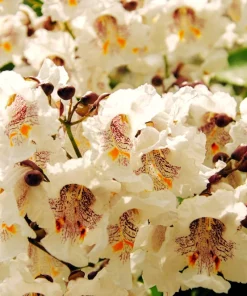
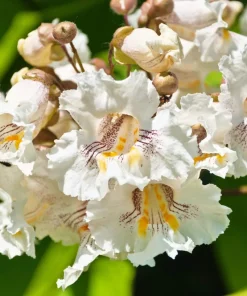
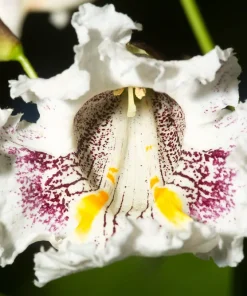
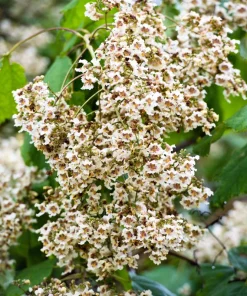
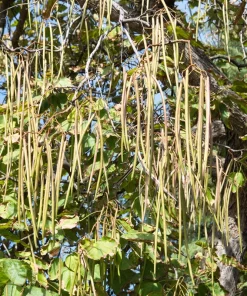
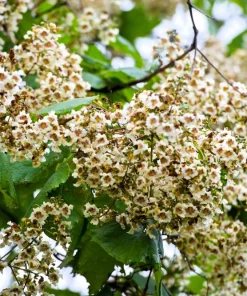
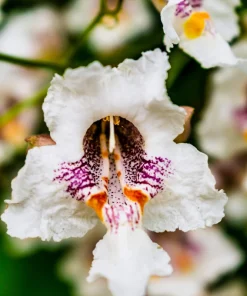
The Northern Catalpa stands out with its distinctive appearance. In spring, it bursts into bloom with clusters of creamy white, trumpet-shaped flowers, often featuring delicate yellow and purple markings inside. These blooms are not only visually stunning but also attract pollinators like bees and hummingbirds. Following the flowering period, the tree produces long, slender seed pods that resemble cigars, persisting through winter and adding interesting architectural structure to the dormant landscape. Growing a fast growing shade tree like the Northern Catalpa from seed is an economical and deeply satisfying way to enhance your outdoor space.
Key Benefits
Choosing to plant northern catalpa tree seeds offers a multitude of advantages for your garden and the environment. These trees are not just beautiful; they are also robust and beneficial.
- Spectacular Floral Display: Enjoy an abundance of large, fragrant white flowers in late spring to early summer, creating a breathtaking visual spectacle and attracting beneficial pollinators to your garden. These blooms are a hallmark of a healthy northern catalpa tree.
- Rapid Growth and Shade: The Northern Catalpa is renowned for its quick growth rate, quickly establishing itself to provide substantial shade, reducing cooling costs, and creating comfortable outdoor living spaces. It’s an excellent choice if you’re looking for a fast growing shade tree.
- Unique Seed Pods: After flowering, the tree develops long, slender seed pods, often called ‘catawba Indian cigar’ pods, which add winter interest and a distinctive architectural element to the landscape.
- Adaptability and Hardiness: This tree is incredibly adaptable to a wide range of soil conditions and climates, making it a resilient choice for many different regions and an easy tree to establish from catalpa speciosa seeds.
- Wildlife Attraction: The flowers attract hummingbirds and bees, while the foliage can host various insect species, providing a food source for birds, contributing to local biodiversity.
- Low Maintenance: Once established, the Northern Catalpa requires minimal care, making it an ideal choice for gardeners seeking a beautiful yet undemanding tree.
- Erosion Control: Its extensive root system can help stabilize soil, making it useful for erosion control on slopes or along waterways.
Plant Care & Growing Tips
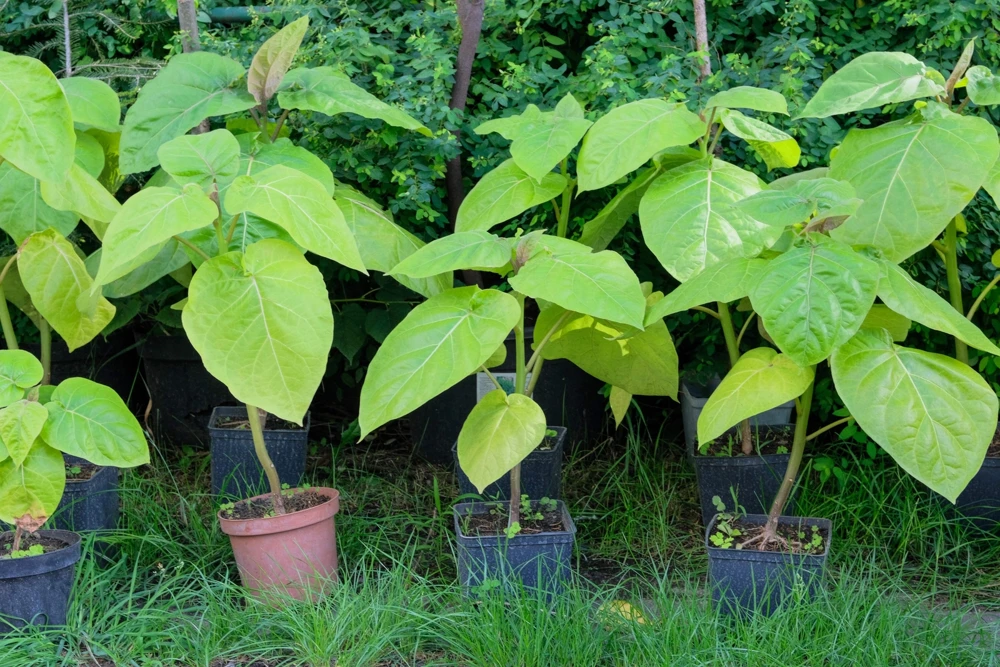
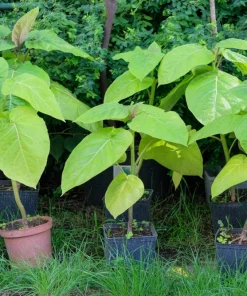
Growing a magnificent northern catalpa tree from seed is a rewarding experience that requires a few key steps to ensure success. Start by preparing your seeds; stratification is often recommended to improve germination rates. This can be done by storing the seeds in a moist medium (like sand or peat moss) in the refrigerator for 30-60 days before planting. Once stratified, sow the catalpa speciosa seeds about 1/4 inch deep in a well-draining seed starting mix. Keep the soil consistently moist but not waterlogged, and provide a warm environment (around 70-75°F) for optimal germination.
For sunlight, young seedlings will thrive in a location that receives full sun to partial shade. As the tree matures, it prefers full sun exposure, meaning at least six hours of direct sunlight per day. The Northern Catalpa is quite tolerant of various soil types, but it performs best in well-draining, fertile soil. Regular watering is crucial during the first few years of growth to establish a strong root system. Once established, the tree is relatively drought-tolerant. It is generally hardy in USDA zones 4-8. Fertilization is not usually necessary unless your soil is particularly poor; a balanced, slow-release fertilizer can be applied in spring if needed. Pruning should be done in late winter or early spring to remove dead or crossing branches and to shape the tree. Watch out for catalpa sphinx caterpillars, which can defoliate the tree, though they are usually not a long-term threat to mature trees. With proper care, your large flowering tree seeds will grow into a stunning specimen.
Size & Details
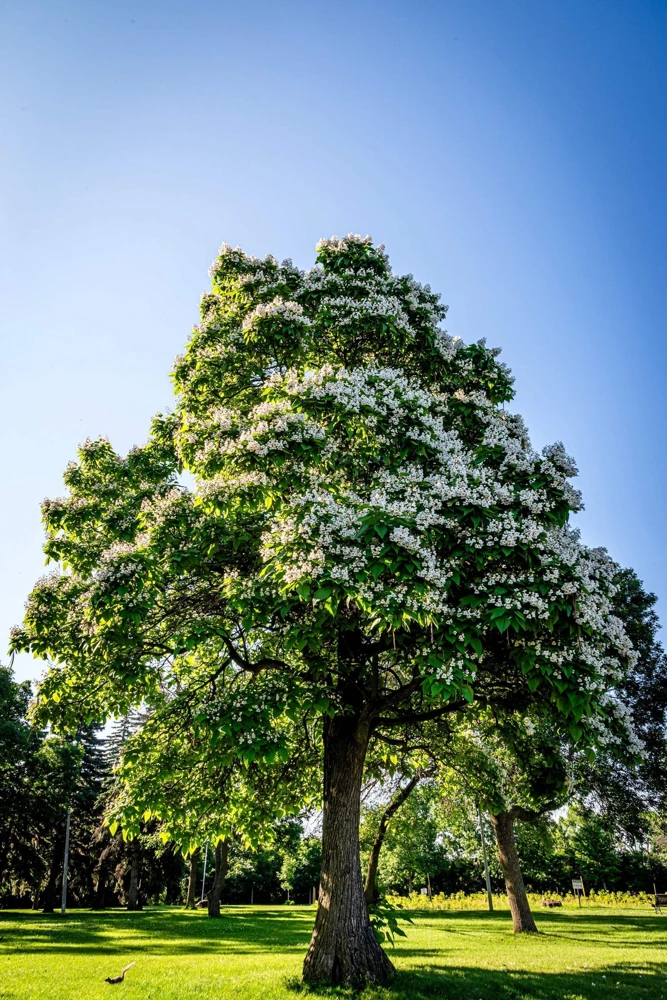
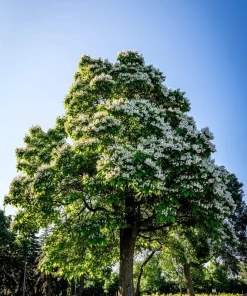
This package contains 50 Northern Catalpa Tree Seeds, providing ample opportunity to grow multiple trees or ensure successful germination for your desired number of plants. The Northern Catalpa is known for its impressive size, typically reaching heights of 40-70 feet with a spread of 20-50 feet at maturity. Its growth rate is considered fast, often adding 1-2 feet per year once established. The tree develops a broad, rounded crown, making it an ideal candidate for a fast growing shade tree. The seeds are ready to be planted and nurtured to grow into these majestic trees. Expect the first significant blooms to appear within 5-7 years of planting, though some younger trees may flower sooner. The long, slender seed pods, characteristic of the catawba indian cigar tree, typically develop in late summer and persist through winter, adding seasonal interest.
Frequently Asked Questions
- Q: How big does a Northern Catalpa tree get? A: A mature northern catalpa tree typically reaches a height of 40-70 feet with a spread of 20-50 feet. It is known for its rapid growth, quickly becoming a substantial shade tree.
- Q: Is this an indoor or outdoor plant? A: The Northern Catalpa is an outdoor tree. While seedlings can be started indoors, they will need to be transplanted outdoors to grow to their full size and develop properly as a large flowering tree.
- Q: How much sunlight do Northern Catalpa trees need? A: Northern Catalpa trees thrive in full sun, requiring at least six hours of direct sunlight per day for optimal growth and flowering. Young seedlings can tolerate partial shade.
- Q: Is this tree easy to care for? A: Yes, once established, the Northern Catalpa is considered a low-maintenance tree. It is adaptable to various soil conditions and is relatively drought-tolerant, making it a good choice for beginners.
- Q: When is the best time to plant northern catalpa tree seeds? A: After stratification, the best time to plant these seeds is in early spring, once the danger of hard frost has passed. This allows the seedlings ample time to establish before winter.
- Q: What condition will the seeds arrive in? A: The catalpa speciosa seeds will arrive in a dried, dormant state, ready for stratification and planting. They are carefully packaged to ensure their viability.
- Q: Will the Northern Catalpa survive winter in my zone? A: The Northern Catalpa is quite hardy and thrives in USDA Zones 4-8, making it suitable for a wide range of climates with cold winters.
- Q: Do these seeds grow into a catawba indian cigar tree? A: Yes, the Northern Catalpa is commonly known as the Catawba Indian Cigar Tree due to its distinctive long, slender seed pods that resemble cigars.
- Q: How long until the trees grown from these seeds flower? A: Trees grown from northern catalpa tree seeds typically begin to flower within 5-7 years, though some may produce blooms earlier depending on growing conditions.
- Q: Can I use these trees for erosion control? A: Yes, the Northern Catalpa has a robust root system that can help stabilize soil, making it a suitable choice for erosion control in appropriate areas.
Be the first to review “50 Northern Catalpa Tree Seeds – Fast Growing Shade Tree, Large White Flowers”
People Also Viewed
Reviews
There are no reviews yet.