

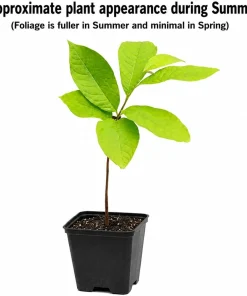
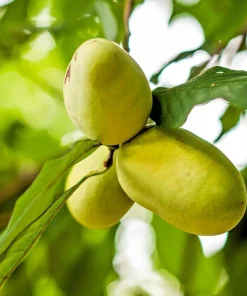
Paw Paw Tree Live Plant – 3 Seedlings – 6-12″ Tall – Quart Pots – Hardy Edible Fruit Tree
Original price was: $79.98.$59.99Current price is: $59.99.
Cultivate your own delicious, custard-like fruit with this set of three paw paw tree live plant seedlings. These 6-12 inch tall plants, shipped in quart pots, are ideal for creating a thriving fruit garden. Enjoy the tropical flavors of banana, mango, and melon from your own backyard.
- Includes 3 healthy asimina triloba seedlings
- Produces unique, custard-like fruit
- Hardy for USDA Zones 4-9
- Attracts beneficial pollinators like the zebra swallowtail butterfly
Estimated arrival
Sep 20
Sep 25 - Sep 27
Sep 30 - Oct 04
Shop With Confidence
30-Day Plant Health Guarantee
Arrives damaged? We’ll replace it free — see our return policy.
Responsive Support
Email us anytime, we reply within 1 business day.
Expert Packaging
Temperature-controlled shipping to protect your plants in transit.
Secure Checkout
Pay safely with Visa, Mastercard, PayPal.
Plant Specifications
-
USDA Hardiness Zone
4-9 -
Soil Type
Well-draining, fertile, slightly acidic soil -
Sunlight Exposure
Full sun to partial shade -
Expected Planting Period
Spring to early summer
Overview
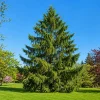
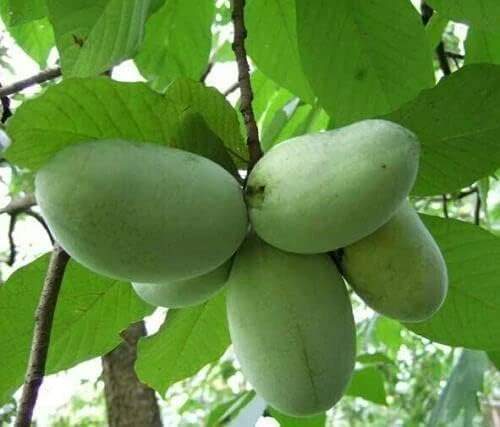
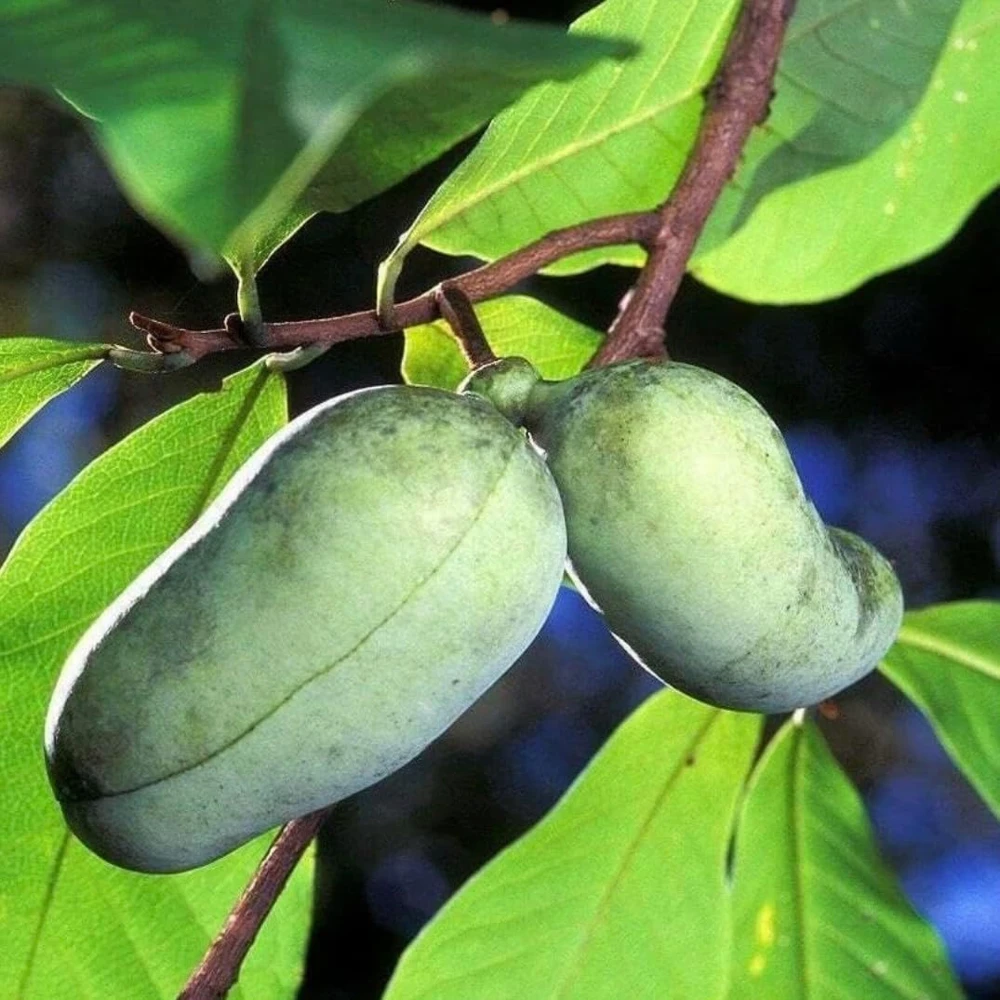
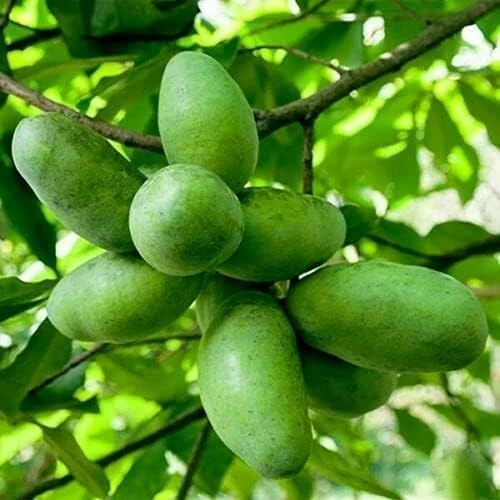
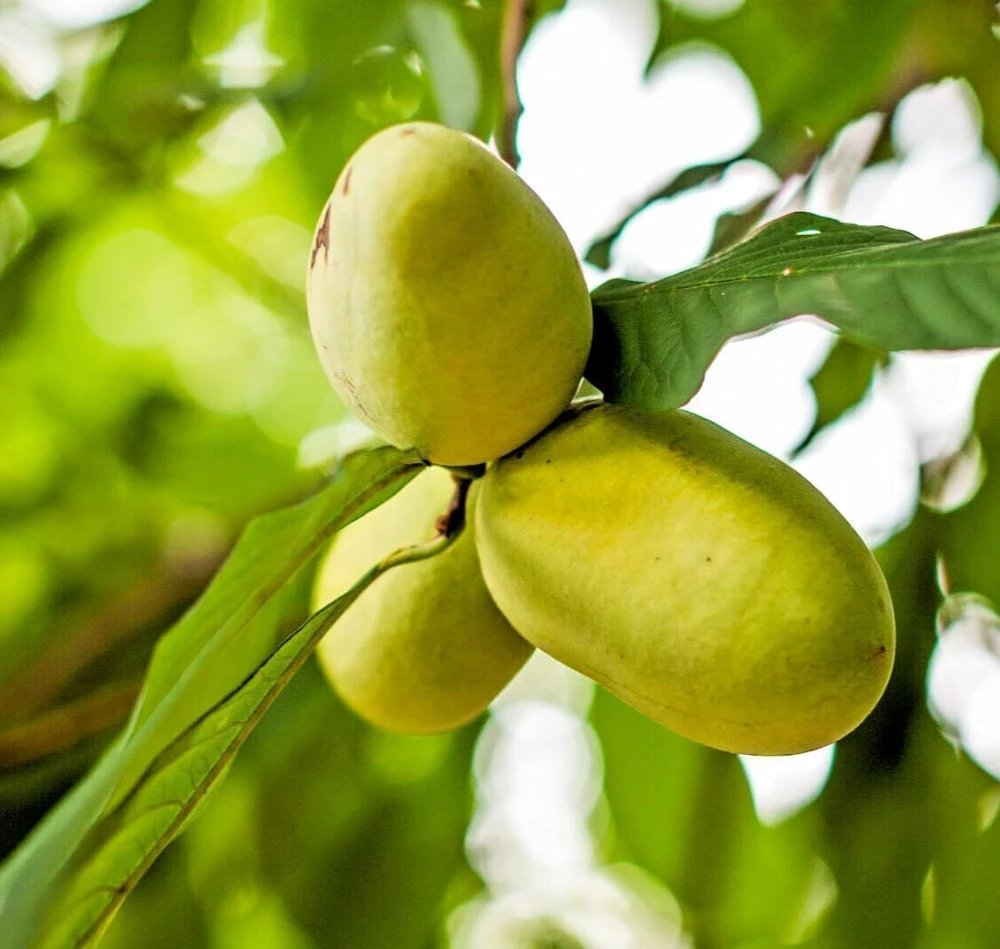
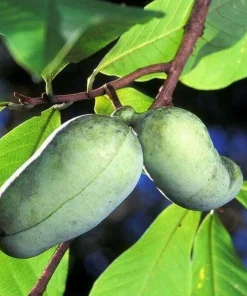
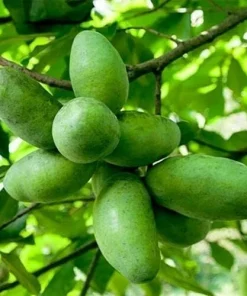
Embark on a unique gardening adventure with our paw paw tree live plant seedlings. This offering includes three robust paw paw tree live plant seedlings, each standing approximately 6-12 inches tall and delivered in quart pots, ready for planting. The Paw Paw tree, scientifically known as Asimina triloba, is a fascinating native North American deciduous tree celebrated for its distinctive, tropical-flavored fruit. Imagine harvesting your own greenish-yellow fruit, known for its creamy texture and delightful hints of banana, mango, and melon. Beyond its culinary appeal, the Paw Paw tree adds significant ornamental value to any landscape with its slender, oblong leaves and naturally conical shape. These trees are not just a source of delicious fruit; they are also an ecological gem, acting as a host plant for the beautiful zebra swallowtail butterfly. Planting a paw paw tree live plant is an investment in both your garden’s beauty and biodiversity.
Known for its cold-hardy resilience, the Paw Paw tree thrives in a wide range of climates, making it an excellent choice for many home gardeners. While often overlooked, the Paw Paw is gaining popularity as a sustainable and rewarding fruit tree. Our carefully selected asimina triloba seedlings provide a fantastic starting point for establishing your very own Paw Paw orchard, ensuring you have the necessary plants for successful pollination and abundant fruit production. Prepare to enjoy a taste of the tropics right from your own backyard.
Key Benefits
Adding a paw paw tree live plant to your garden offers a multitude of benefits, combining aesthetic appeal with practical yields. These trees are a truly unique addition that will enrich your outdoor space in several ways:
- Unique Edible Fruit: Enjoy the exceptional flavor of Paw Paw fruit, often described as a blend of banana, mango, and melon. Its creamy, custard-like texture makes it a delightful treat directly from the tree. Growing your own ensures the freshest taste.
- Ecological Contribution: The Paw Paw tree is a vital host plant for the zebra swallowtail butterfly, supporting local wildlife and enhancing your garden’s ecosystem. This makes it an excellent choice for gardeners interested in biodiversity.
- Cold Hardy Resilience: Unlike many tropical-fruit bearing trees, the Paw Paw is remarkably cold hardy, thriving in USDA Zones 4-9. This resilience means it can withstand colder temperatures, expanding its growing range significantly.
- Ornamental Appeal: With its large, oblong leaves and attractive conical shape, the Paw Paw tree provides significant visual interest throughout the growing season, turning a beautiful yellow in autumn. It’s a striking feature in any landscape design.
- Low Maintenance: Once established, paw paw tree care is relatively straightforward. These trees are naturally resistant to many pests and diseases, reducing the need for extensive intervention and making them a rewarding choice for both novice and experienced gardeners.
- Supports Pollination: By planting a group of three hardy fruit tree seedlings, you increase the chances of successful cross-pollination, which is essential for fruit production. This ensures a more bountiful harvest for years to come.
- Sustainable Food Source: Cultivating your own Paw Paw trees provides a sustainable and delicious food source, connecting you more closely with nature and offering a unique alternative to common store-bought fruits.
Plant Care & Growing Tips
Successful paw paw tree care begins with proper planting and understanding its environmental needs. These asimina triloba seedlings prefer a location with full sun to partial shade. While they can tolerate some shade, particularly when young, more sunlight generally leads to better fruit production. Aim for at least 6-8 hours of direct sun once established. The soil should be well-draining, fertile, and slightly acidic (pH 5.5-7.0). Before planting, amend heavy clay soils with organic matter to improve drainage and aeration. Ensure the planting site is large enough to accommodate the mature tree’s root system.
Watering is crucial, especially during the first few years after planting. Keep the soil consistently moist but not waterlogged. Deep watering once or twice a week during dry periods is more effective than frequent shallow watering. Once established, the paw paw tree live plant is more drought-tolerant but will still benefit from irrigation during extended dry spells. Fertilize young trees sparingly with a balanced, slow-release fertilizer in early spring. As they mature, a fertilizer higher in phosphorus and potassium can encourage fruit development. Protect young trees from strong winds and intense afternoon sun during their first year to help them establish.
The Paw Paw tree is hardy in USDA Zones 4-9, making it a versatile choice for many climates. It’s important to note that Paw Paws require cross-pollination from a different genetic variety to produce fruit. While some varieties are self-fertile, having at least two (and ideally three, as provided in this set) genetically distinct trees significantly increases your chances of a successful fruit set. This is a key aspect of effective paw paw tree care for fruit production. Pruning is generally minimal, focusing on removing dead, damaged, or crossing branches to maintain a strong structure and good air circulation. Look out for any signs of common pests or diseases, though Paw Paws are generally quite robust.
Size & Details
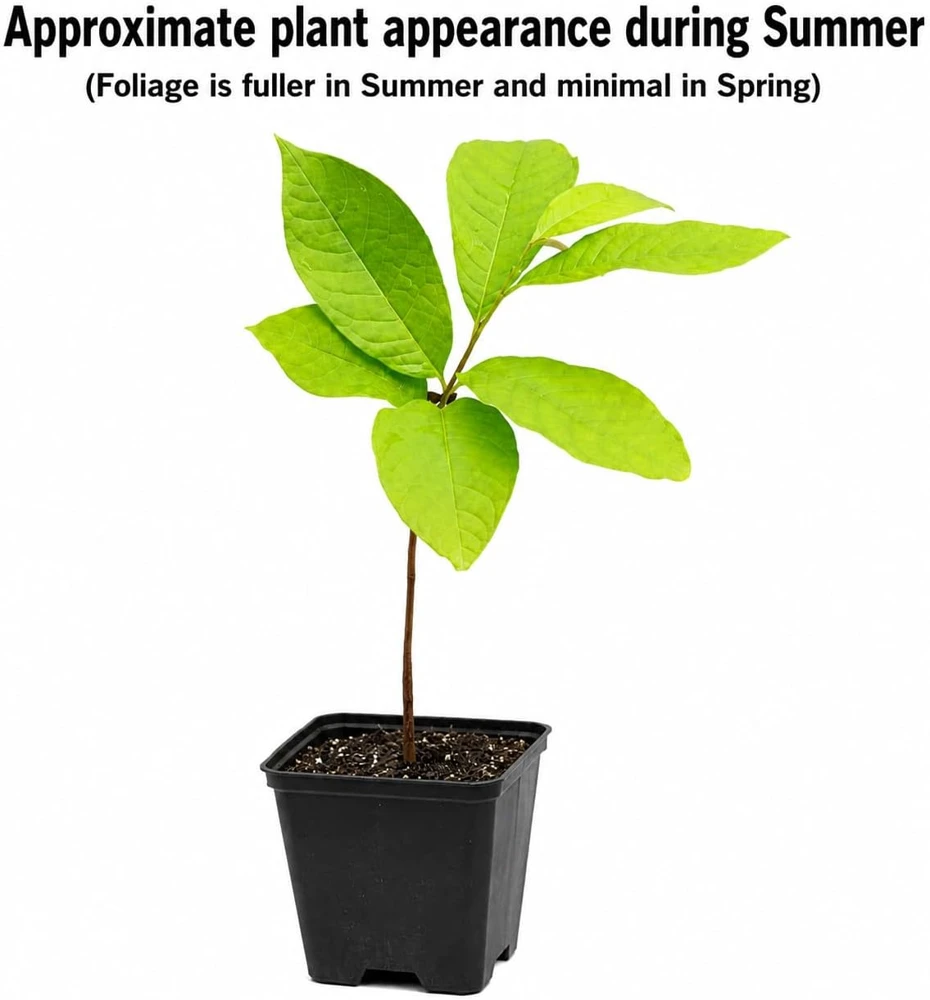
This offering includes three healthy paw paw tree live plant seedlings. Each seedling measures approximately 6-12 inches in height from the top of the soil line and is shipped securely in its own quart-sized nursery pot. These young plants are at an ideal stage for transplanting and establishing in your garden. The Paw Paw tree (Asimina triloba) is a moderate-growing deciduous tree that can reach a mature height of 15-20 feet with a spread of 10-15 feet, though some specimens may grow larger. Its growth rate is generally medium, adding about 1-2 feet per year in optimal conditions.
These asimina triloba seedlings are shipped with their roots intact within the quart pots, providing a strong start for continued growth. While they are young, they possess the genetic potential to develop into full-sized, fruit-bearing trees. Expect fruit production to begin typically within 3-5 years after planting, given proper pollination and growing conditions. The fruit, which ripens in late summer to early autumn, is an exciting reward for your patience and good hardy fruit tree care.
Frequently Asked Questions
- Q: How big will these Paw Paw trees get? A: These paw paw tree live plant seedlings are 6-12 inches tall when shipped. Mature Paw Paw trees typically reach a height of 15-20 feet with a spread of 10-15 feet, though size can vary based on growing conditions.
- Q: Is this an indoor or outdoor plant? A: The Paw Paw tree is an outdoor plant. It is a deciduous tree native to North America and requires outdoor conditions to thrive and produce fruit.
- Q: How much sunlight does a Paw Paw tree need? A: While young asimina triloba seedlings can tolerate some partial shade, mature Paw Paw trees prefer full sun (at least 6-8 hours of direct sunlight daily) for optimal fruit production.
- Q: Is this plant easy to care for? A: Once established, Paw Paw trees are relatively low-maintenance. Initial paw paw tree care involves consistent watering and protection from harsh elements. They are generally resistant to many pests and diseases.
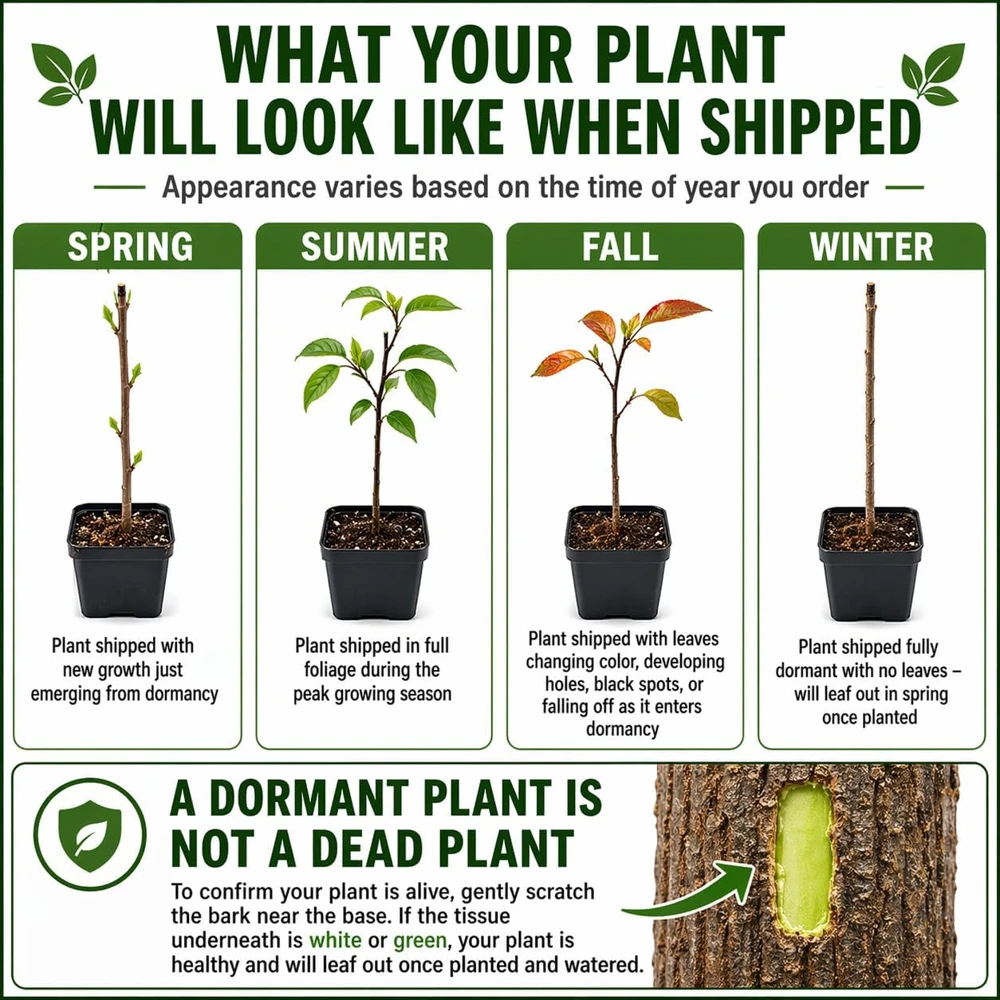
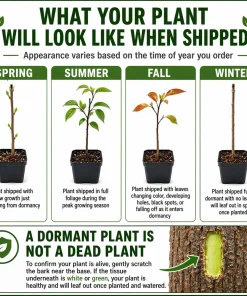
- Q: What condition will the trees arrive in? A: Your order will include three healthy paw paw tree live plant seedlings, approximately 6-12 inches tall, shipped in quart pots with their root systems intact and soil. They are carefully packaged to ensure safe arrival.
- Q: How long until these trees produce fruit? A: Paw Paw trees typically begin producing fruit 3-5 years after planting, provided they are properly pollinated by another genetically distinct Paw Paw tree. Having three trees significantly increases your chances of a good harvest.
- Q: What USDA Hardiness Zones are suitable for Paw Paw trees? A: Paw Paw trees are remarkably cold hardy and thrive in USDA Hardiness Zones 4-9, making them suitable for a wide range of climates across the United States.
- Q: Do I need more than one Paw Paw tree for fruit? A: Yes, for successful fruit production, Paw Paw trees generally require cross-pollination from at least two genetically distinct trees. This set of three hardy fruit tree seedlings is ideal for ensuring good pollination.
- Q: What kind of soil is best for Paw Paw trees? A: Paw Paw trees prefer well-draining, fertile soil with a slightly acidic pH (5.5-7.0). Amending heavy soils with organic matter is beneficial.
- Q: When is the best time to plant Paw Paw trees? A: The best time to plant Paw Paw trees is in the spring or fall when temperatures are moderate. This allows the trees to establish their root systems before extreme heat or cold.
Be the first to review “Paw Paw Tree Live Plant – 3 Seedlings – 6-12″ Tall – Quart Pots – Hardy Edible Fruit Tree”
People Also Viewed
Reviews
There are no reviews yet.