
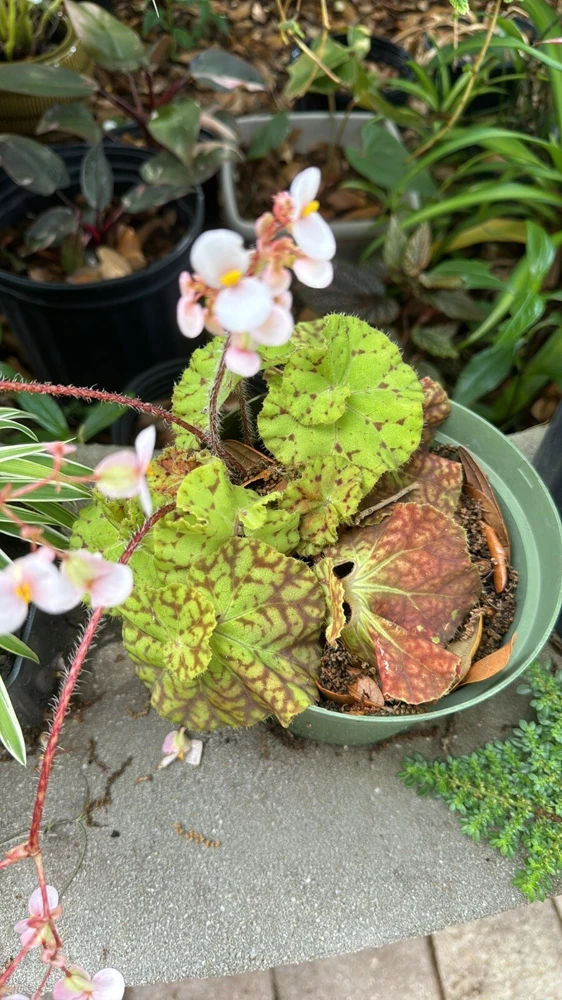
Begonia Live Plant – Vibrant Indoor Houseplant – Unbranded
Original price was: $49.99.$29.99Current price is: $29.99.
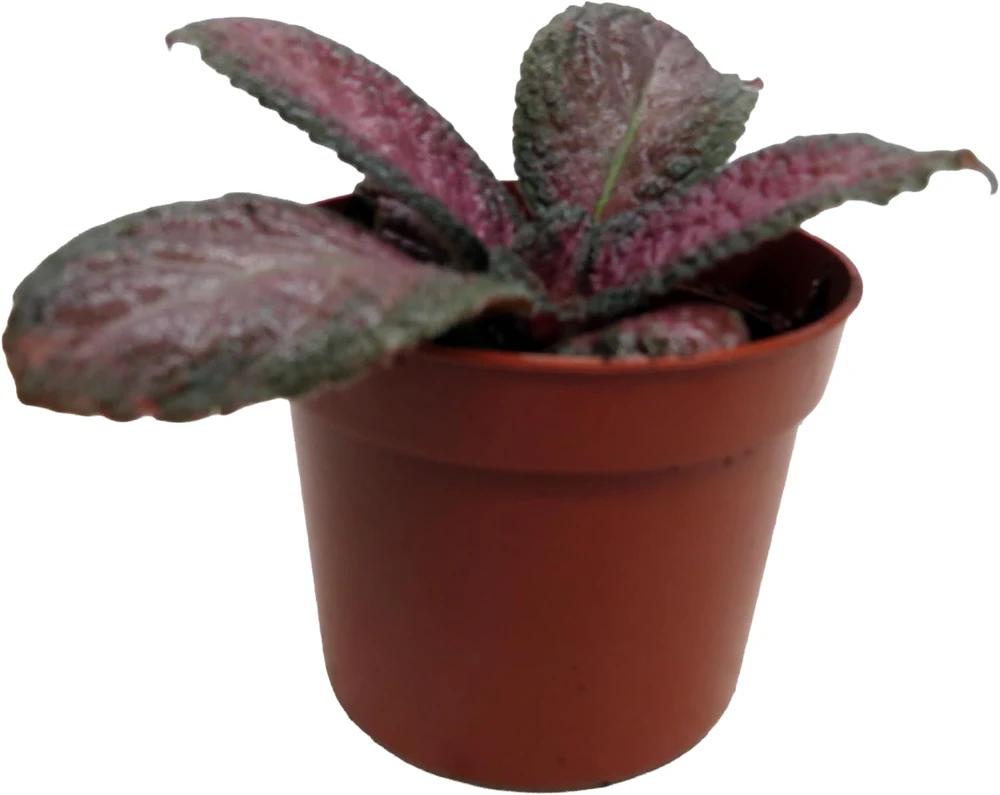
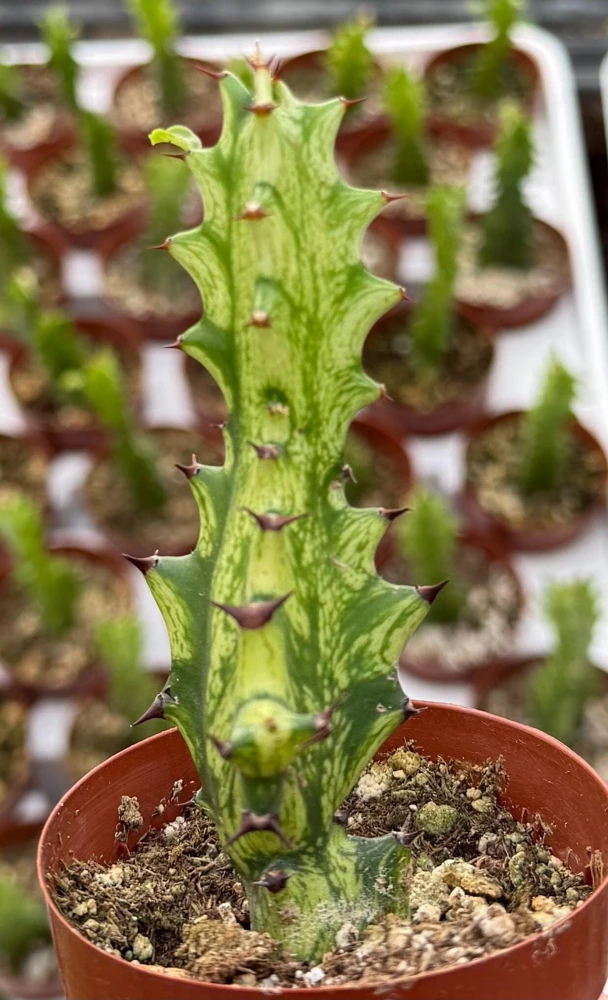
Bring vibrant color and lush foliage into your home with this stunning begonia live plant. Perfect for brightening up any indoor space, this houseplant is known for its beautiful leaves and relatively easy care. Ideal for beginners and experienced plant enthusiasts alike.
Estimated arrival
Oct 27
Nov 01 - Nov 03
Nov 06 - Nov 10
Shop With Confidence
30-Day Plant Health Guarantee
Arrives damaged? We’ll replace it free — see our return policy.
Responsive Support
Email us anytime, we reply within 1 business day.
Expert Packaging
Temperature-controlled shipping to protect your plants in transit.
Secure Checkout
Pay safely with Visa, Mastercard, PayPal.
Plant Specifications
-
USDA Hardiness Zone
unknown (typically grown indoors) -
Soil Type
well-draining potting mix -
Sunlight Exposure
bright indirect light -
Expected Planting Period
year-round indoors
Overview
Welcome a touch of natural elegance into your home with our exquisite begonia live plant. Begonias are celebrated for their diverse and often strikingly patterned foliage, as well as their charming blooms, making them a popular choice among plant lovers. This particular variety, a beautiful indoor begonia, promises to be a focal point in any room, offering continuous visual interest with its rich textures and hues. Whether you’re a seasoned gardener or just starting your plant journey, a begonia is a rewarding addition, known for its adaptability and relatively straightforward care requirements. These plants originate from tropical and subtropical regions, thriving in conditions that mimic their natural humid environments, making them perfectly suited as a vibrant houseplant.
The genus Begonia is vast, encompassing over 2,000 species, each with unique characteristics. Our offering focuses on providing a healthy, thriving specimen ready to flourish in your indoor setting. This begonia live plant is not just a decorative item; it’s a living piece of art that contributes to a more serene and natural indoor atmosphere. Its captivating appearance makes it an excellent gift or a splendid treat for yourself, ensuring a constant source of beauty and freshness within your living space. Explore the joy of nurturing this magnificent plant and watch it transform your home with its undeniable charm.
Key Benefits
Adding a begonia live plant to your home offers numerous advantages beyond its aesthetic appeal. These plants are fantastic choices for enhancing your indoor environment and bringing a sense of tranquility.
- Vibrant Foliage & Blooms: Begonias are renowned for their spectacular leaves, which can feature intricate patterns, varied textures, and a stunning array of colors. Many varieties also produce delicate, beautiful flowers that add an extra layer of charm, ensuring your plant is always a captivating display.
- Air Purification: Like many houseplants, begonias contribute to improved indoor air quality by absorbing common airborne toxins and releasing oxygen. This natural process helps create a healthier and more refreshing living space for you and your family.
- Versatile Decor: The compact size and diverse appearances of begonias make them incredibly versatile for home decor. They can be placed on windowsills, shelves, desks, or as part of a larger plant arrangement, seamlessly blending with various interior design styles.
- Relatively Low Maintenance: While begonias do have specific care needs, they are generally considered manageable for most plant enthusiasts. Understanding basic begonia plant care ensures they thrive without demanding excessive time or effort, making them suitable for beginners.
- Stress Reduction: Scientific studies suggest that interacting with houseplants can reduce stress levels and improve mood. The presence of a beautiful indoor begonia can create a calming atmosphere, promoting well-being and relaxation in your home.
- Educational Opportunity: For families, caring for a begonia can be a wonderful educational experience, teaching responsibility and fostering an appreciation for nature’s beauty and the life cycle of plants.
- Long-Lasting Beauty: With proper care, a begonia can offer long-lasting beauty, providing continuous enjoyment through its evolving foliage and recurring blooms, adding consistent vibrancy to your home environment.
Plant Care & Growing Tips
Proper begonia plant care is essential to ensure your plant thrives and continues to display its beautiful foliage and flowers. Begonias generally prefer conditions that mimic their native tropical habitats, which means consistent moisture, indirect light, and moderate humidity. For sunlight, place your begonia live plant in a location that receives bright, indirect light. Direct, harsh sunlight, especially during the hottest parts of the day, can scorch their delicate leaves. An east-facing window is often ideal, providing gentle morning sun, or a few feet away from a south or west-facing window. If light is insufficient, the plant may become leggy and produce fewer blooms, so finding the right balance is key for a healthy indoor begonia.
When it comes to watering, consistency is crucial. Begonias prefer their soil to be consistently moist but never waterlogged. Allow the top inch or two of the soil to dry out before watering again. Overwatering can lead to root rot, which is a common issue for these plants. Use a well-draining potting mix that retains some moisture but allows excess water to escape freely. A potting mix specifically formulated for houseplants or a mixture of peat moss, perlite, and bark works well. Humidity is another important factor; begonias appreciate high humidity. You can increase humidity by placing the pot on a pebble tray filled with water, using a room humidifier, or grouping it with other plants. Avoid misting the leaves directly, as this can encourage fungal diseases, especially on varieties with fuzzy foliage. Fertilize your begonia for beginners every 2-4 weeks during the growing season (spring and summer) with a balanced liquid fertilizer diluted to half strength. Reduce or stop fertilizing during the dormant winter months. Regularly inspect your plant for common pests like spider mites or mealybugs and address any infestations promptly with appropriate horticultural treatments.
Understanding the specific types of begonia can also help tailor care, as some varieties might have slightly different needs regarding light or humidity. However, these general guidelines will provide a strong foundation for a thriving plant. Pruning can be done to maintain shape and encourage bushier growth, simply by pinching back leggy stems. Ensure good air circulation around the plant to prevent fungal issues. With these careful considerations, your begonia will reward you with stunning beauty for a long time.
Size & Details
This begonia live plant is typically shipped as a well-rooted, actively growing specimen, ready to be immediately placed in your preferred decorative pot. While exact dimensions can vary based on the specific begonia variety, most indoor begonias are compact, usually reaching a height of 6 to 12 inches and a similar spread, making them an ideal size for tabletops, shelves, or windowsills. They are generally provided in a nursery pot, ready for transplanting into a slightly larger container. The plant’s growth rate is moderate, allowing for noticeable development over a season without becoming unruly. Expect vibrant foliage and, depending on the variety, charming blooms to emerge throughout the growing season, especially with consistent care and optimal conditions. This unbranded plant is a healthy, robust specimen, cultivated to ensure a successful transition to your home environment.
Frequently Asked Questions
- Q: How big does this plant get? A: Most indoor begonia varieties typically grow to about 6 to 12 inches in height and spread. With optimal care, they can become quite full and lush, creating a beautiful display.
- Q: Is this an indoor or outdoor plant? A: While some begonias can be grown outdoors in suitable climates, this particular offering is best suited as an indoor begonia. It thrives in controlled indoor environments where temperatures and humidity can be managed.
- Q: How much sunlight does it need? A: This begonia live plant prefers bright, indirect light. Avoid direct, harsh sunlight, which can scorch its leaves. An east-facing window or a spot a few feet away from a brighter window is usually ideal.
- Q: Is this plant easy to care for? A: Yes, begonias are generally considered relatively easy to care for, making them a good choice for beginners. Consistent watering, indirect light, and moderate humidity are the keys to successful begonia plant care.
- Q: What condition will it arrive in? A: Your begonia live plant will arrive as a healthy, well-established plant in a nursery pot, carefully packaged to minimize stress during transit. It will be ready for immediate placement or repotting upon arrival.
- Q: When is the best time to plant or repot an indoor begonia? A: The best time to plant or repot your begonia is during the spring or early summer, which is its active growing season. This allows the plant to establish itself quickly in its new environment.
- Q: What are the main differences between different types of begonias? A: There are many types of begonia, often categorized by their root structure (fibrous, tuberous, rhizomatous) or their foliage and flower characteristics. Each type can have unique aesthetic qualities and slightly varied care requirements.
- Q: What kind of soil is best for my begonia? A: A well-draining potting mix that retains some moisture is ideal. A mix containing peat moss, perlite, and bark is often recommended for good drainage and aeration, crucial for healthy root development in your begonia for beginners.
- Q: How often should I water my begonia? A: Water your begonia when the top inch or two of the soil feels dry to the touch. It’s better to slightly underwater than to overwater, as begonias are susceptible to root rot in waterlogged conditions.
- Q: Is this begonia pet-safe? A: Begonias are generally considered toxic to pets if ingested. It’s always best to keep them out of reach of curious pets to prevent any potential issues.
Be the first to review “Begonia Live Plant – Vibrant Indoor Houseplant – Unbranded”
People Also Viewed

Reviews
There are no reviews yet.