
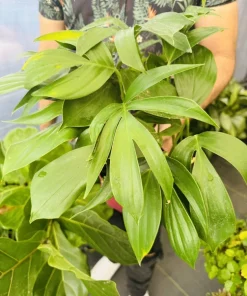
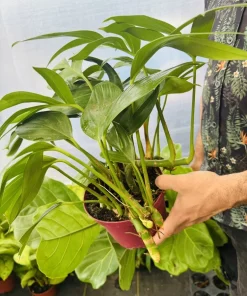
Rhaphidophora Decursiva Live Plant – Trailing Indoor Houseplant
Original price was: $64.99.$44.99Current price is: $44.99.
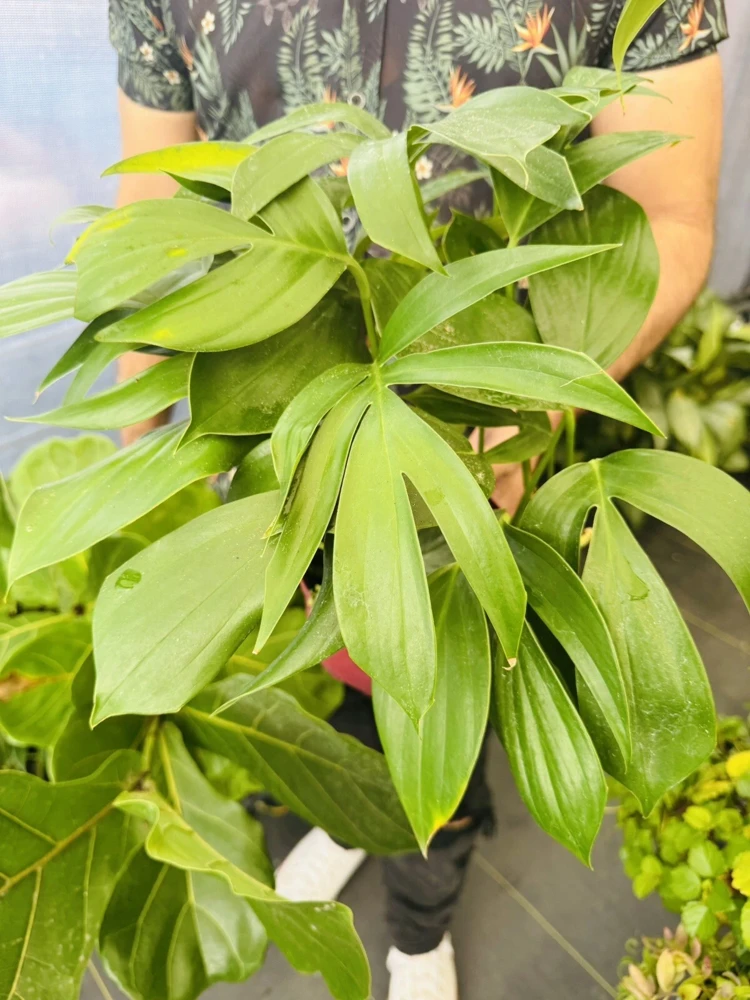
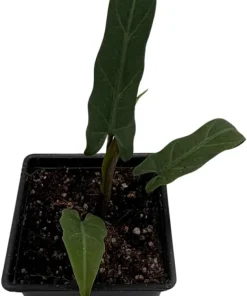
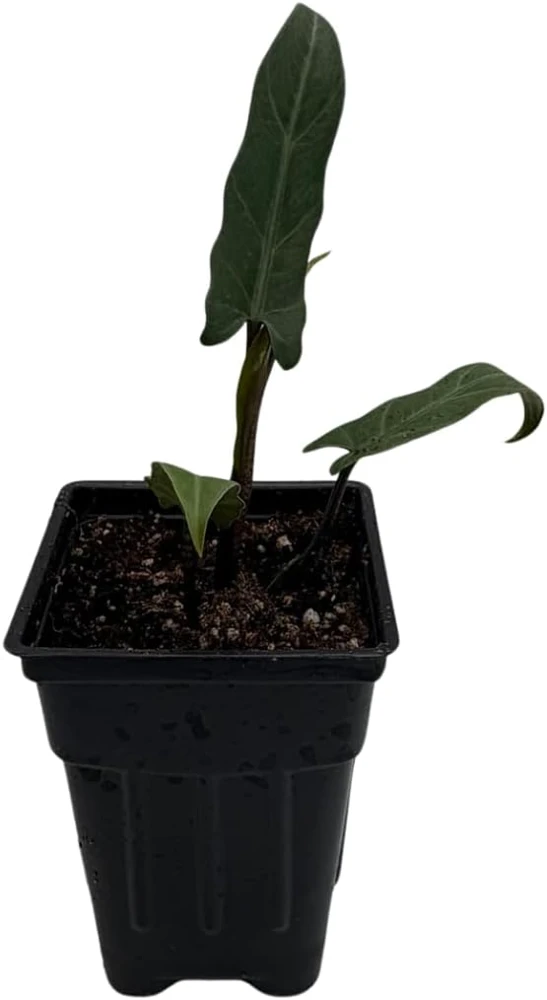
Introduce the captivating Rhaphidophora decursiva live plant to your home. This unique aroid features beautiful, deeply lobed foliage as it matures, making it a striking addition to any indoor plant collection. Known for its climbing habit and relatively easy care, it thrives in typical household conditions, bringing a touch of the tropics to your living space. Perfect for plant enthusiasts seeking a statement piece.
Estimated arrival
Oct 27
Nov 01 - Nov 03
Nov 06 - Nov 10
Shop With Confidence
30-Day Plant Health Guarantee
Arrives damaged? We’ll replace it free — see our return policy.
Responsive Support
Email us anytime, we reply within 1 business day.
Expert Packaging
Temperature-controlled shipping to protect your plants in transit.
Secure Checkout
Pay safely with Visa, Mastercard, PayPal.
Plant Specifications
-
USDA Hardiness Zone
USDA zones 10-11 (outdoors); suitable for indoor cultivation in all zones -
Soil Type
Well-draining, airy potting mix (e.g., peat moss, perlite, orchid bark) -
Sunlight Exposure
Bright indirect light -
Expected Planting Period
Year-round indoors
Overview
Bring home the enchanting Rhaphidophora decursiva live plant, a magnificent tropical aroid renowned for its dramatic foliage and vining growth habit. Often referred to as the ‘Dragon’s Tail Plant’ due to its unique leaf shape, this species is a fantastic choice for both novice and experienced plant parents. As it matures, the leaves of the Rhaphidophora decursiva live plant develop deep fenestrations, creating an intricate and visually stunning display. Originating from Southeast Asia, this climbing aroid plant is a true showstopper, adding an exotic and vibrant touch to any indoor environment. We provide a healthy, well-rooted live plant, ready to thrive in your home and begin its journey of spectacular growth and transformation.
The Rhaphidophora decursiva live plant is a testament to nature’s artistry, evolving from simple, oval leaves in its juvenile stage to deeply lobed and split masterpieces as it climbs. This dynamic change in foliage is one of its most captivating features, ensuring that your plant will continue to surprise and delight you over time. It’s an ideal choice for those looking to cultivate a lush, green sanctuary indoors, offering not just beauty but also a sense of connection to the natural world. Its robust nature makes it an excellent candidate for anyone interested in growing a truly unique and rewarding tropical indoor plant.
Key Benefits
The Rhaphidophora decursiva live plant offers a multitude of benefits, making it a highly sought-after addition to any home. Its aesthetic appeal is undeniable, but it also contributes positively to your living environment in several ways. This climbing aroid plant is more than just a pretty face; it’s a living piece of art that actively enhances your space.
- Dramatic Foliage: The distinctive, deeply lobed leaves of the Rhaphidophora decursiva live plant provide an unparalleled visual interest, becoming more intricate as the plant matures. It’s a natural focal point that elevates any room’s decor.
- Air Purification: Like many houseplants, this plant contributes to cleaner indoor air by absorbing common toxins and releasing fresh oxygen, promoting a healthier living environment.
- Easy Care Houseplant: Despite its exotic appearance, the Rhaphidophora decursiva live plant is surprisingly low-maintenance, making it an excellent choice for busy individuals or those new to plant care.
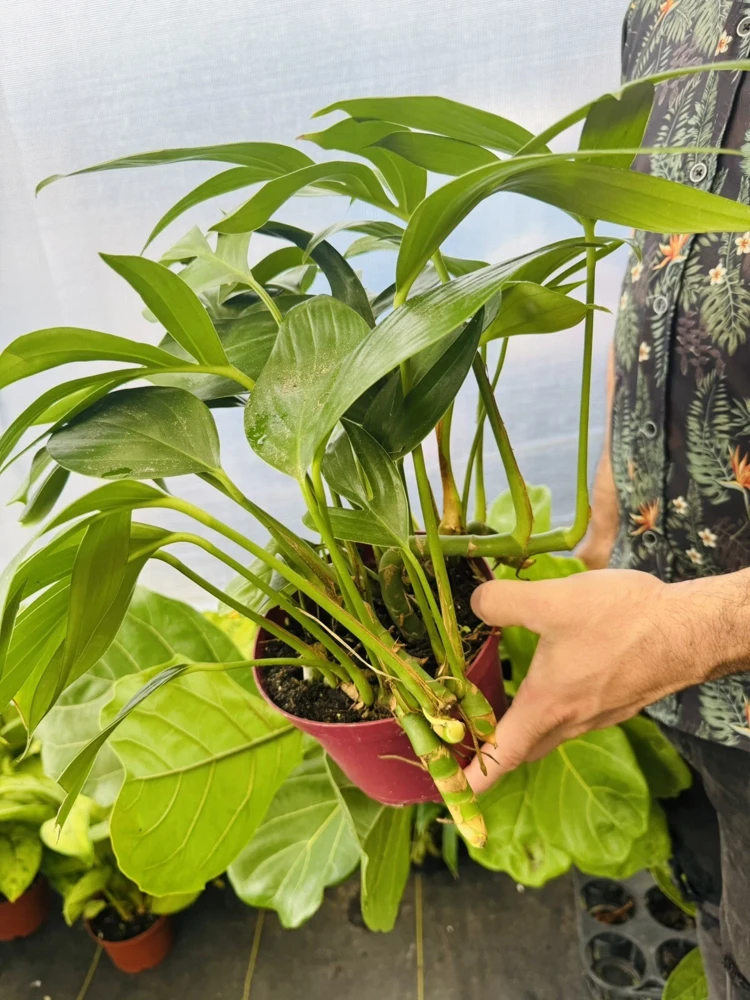
- Vining Growth Habit: Its natural tendency to climb makes it perfect for training on a moss pole or trellis, allowing you to create stunning vertical displays and maximize your green space.
- Versatile Decor: Whether placed on a shelf, in a hanging basket, or as a floor plant with support, its adaptable growth habit allows it to fit various interior design styles. It’s a truly unique tropical indoor plant.
- Stress Reduction: The presence of lush greenery in the home has been shown to reduce stress and improve overall well-being, creating a more calming and inviting atmosphere.
- Unique Specimen: Stand out from typical houseplants with this distinctive aroid, a conversation starter that showcases your sophisticated taste in botanical wonders.
Plant Care & Growing Tips
Caring for your Rhaphidophora decursiva live plant is a rewarding experience, as it responds well to consistent care and appropriate conditions. This easy care houseplant thrives when its basic needs are met, rewarding you with vigorous growth and stunning foliage. Understanding its preferences will ensure your plant remains healthy and vibrant for years to come.
For sunlight, the Rhaphidophora decursiva live plant prefers bright, indirect light. Avoid direct, harsh sunlight, which can scorch its leaves. An east or north-facing window is often ideal, or a few feet away from a south or west-facing window. A slightly shadier spot will still allow it to grow, but the leaves may not fenestrate as readily. This climbing aroid plant appreciates consistent moisture but hates soggy feet. Water thoroughly when the top 1-2 inches of soil feel dry to the touch. Ensure good drainage to prevent root rot. During winter, reduce watering frequency as the plant’s growth slows.
A well-draining potting mix is crucial for the health of your Rhaphidophora decursiva live plant. A blend of peat moss, perlite, and orchid bark provides the aeration and drainage it needs. Maintain average room temperatures between 65-80°F (18-27°C) and higher humidity levels, ideally above 60%. You can increase humidity by misting regularly, using a pebble tray, or placing it near a humidifier. Fertilize every 2-4 weeks during the growing season (spring and summer) with a balanced liquid fertilizer diluted to half strength. Reduce or stop fertilizing in fall and winter. Keep an eye out for common pests like spider mites or mealybugs, and treat any infestations promptly with insecticidal soap or neem oil. Providing a moss pole or trellis will encourage larger leaves and more pronounced fenestrations, as this plant is a natural climber.
Size & Details
Our Rhaphidophora decursiva live plant is typically shipped in a nursery pot, ensuring it arrives healthy and ready for its new home. The plant’s size will vary, but it generally features several established leaves and a robust root system, ready to begin its impressive growth journey as a tropical indoor plant. In optimal conditions, this plant can grow quite large, with mature leaves reaching impressive dimensions, especially when provided with a support structure to climb. Expect a moderate to fast growth rate, allowing you to enjoy its transformation over time.
When mature, a split leaf philodendron like this can grow vines several feet long, with individual leaves eventually developing deep splits and lobes that are characteristic of the species. It is a striking ornamental plant that will continue to develop its unique aesthetic as it ages. We take great care in packaging to ensure your plant arrives safely and in excellent condition, ready to be integrated into your indoor garden. This plant is often sought after by collectors and enthusiasts for its unique foliage and relatively straightforward care, making it an ideal choice for creating a lush, green environment.
Frequently Asked Questions
- Q: How big does this plant get? A: The Rhaphidophora decursiva live plant can become quite large, with vines reaching several feet in length. Its mature leaves can also grow significantly, especially when given a support structure like a moss pole to climb.
- Q: Is this an indoor or outdoor plant? A: While it can thrive outdoors in very warm, humid climates (USDA zones 10-11), it is primarily cultivated as a tropical indoor plant in most regions due to its sensitivity to cold temperatures.
- Q: How much sunlight does it need? A: This plant prefers bright, indirect light. Direct sunlight can scorch its leaves, so a location near an east or north-facing window, or several feet from a south or west-facing window, is ideal.
- Q: Is this plant easy to care for? A: Yes, the Rhaphidophora decursiva live plant is considered an easy care houseplant. It’s relatively forgiving and suitable for beginners who can provide consistent bright, indirect light and proper watering.
- Q: What condition will it arrive in? A: Your plant will arrive healthy and carefully packaged in a nursery pot, ready for acclimation to your home. We ensure protective packing to minimize stress during transit.
- Q: How often should I water my Rhaphidophora decursiva? A: Water when the top 1-2 inches of soil feel dry to the touch. Ensure the pot has good drainage to prevent waterlogging, which can lead to root rot.
- Q: Will the leaves split as it grows? A: Yes, a key characteristic of this climbing aroid plant is the development of fenestrations (splits) in its leaves as it matures, especially when given adequate light and a support to climb.
- Q: Is this plant pet-safe? A: No, like many aroids, Rhaphidophora decursiva live plant contains calcium oxalates, which can be irritating if ingested. It’s best to keep it out of reach of pets and small children.
- Q: What kind of soil is best for this plant? A: A well-draining, airy potting mix is best, typically a blend containing peat moss, perlite, and orchid bark to ensure good aeration and prevent compaction.
- Q: Can I propagate this plant? A: Yes, it can be propagated from stem cuttings, ideally with at least one node. Place the cutting in water or a moist, well-draining substrate to encourage rooting.
Be the first to review “Rhaphidophora Decursiva Live Plant – Trailing Indoor Houseplant”
People Also Viewed
Reviews
There are no reviews yet.