
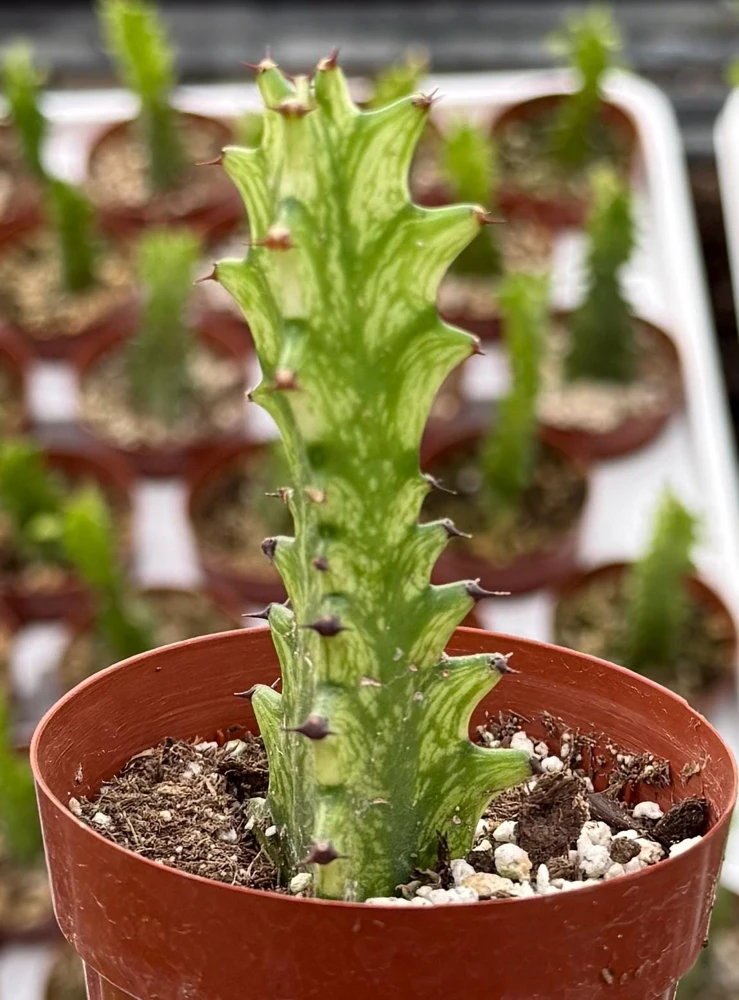
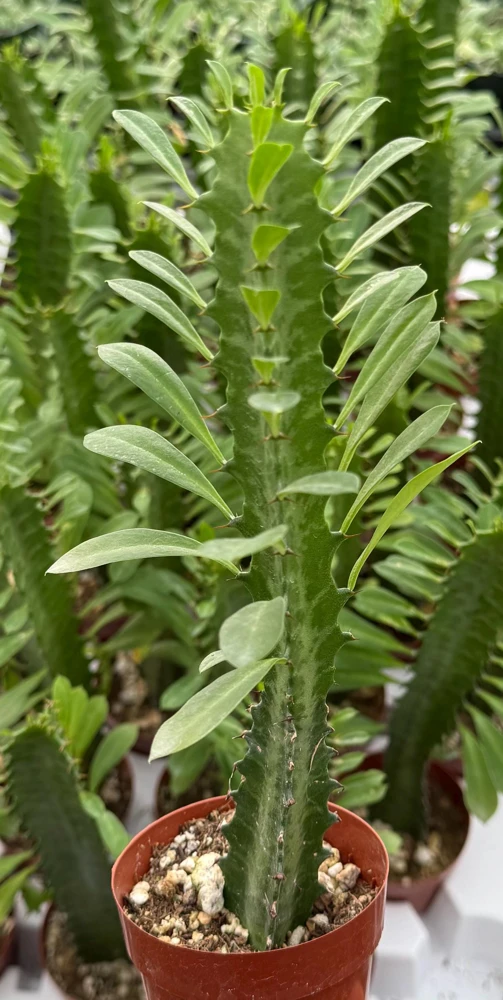
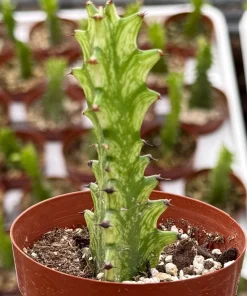
Variegated African Milk Tree Live Plant – Euphorbia Trigona – 3 Inch Pot
Original price was: $45.90.$25.90Current price is: $25.90.
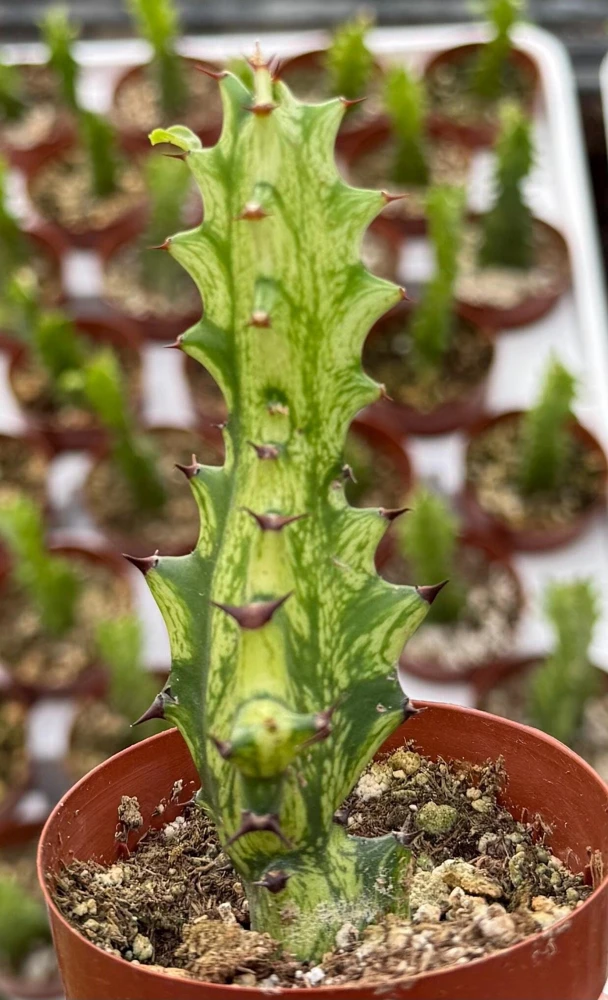
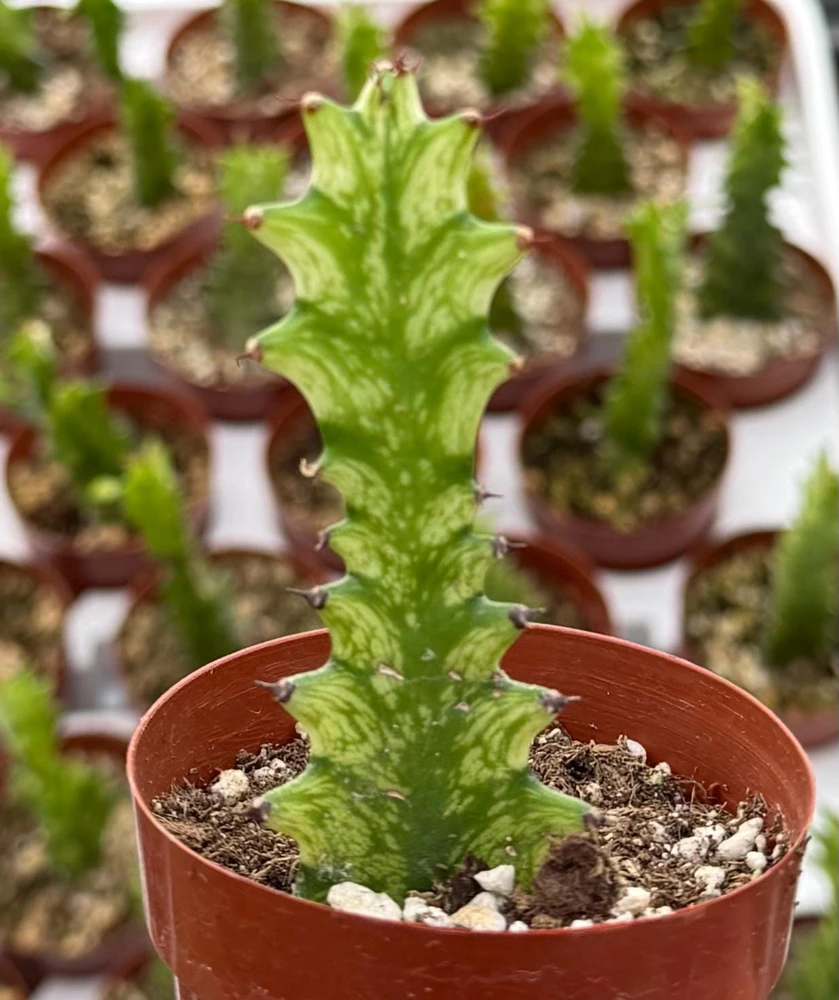
Add a touch of unique beauty to your home with the variegated African milk tree. This striking succulent, also known as Euphorbia trigona variegated, features distinctive green stems with creamy white or pinkish patterns. It’s an ideal low-maintenance houseplant for beginners and experienced plant enthusiasts alike, thriving indoors with minimal care.
Estimated arrival
Oct 23
Oct 28 - Oct 30
Nov 02 - Nov 06
Shop With Confidence
30-Day Plant Health Guarantee
Arrives damaged? We’ll replace it free — see our return policy.
Responsive Support
Email us anytime, we reply within 1 business day.
Expert Packaging
Temperature-controlled shipping to protect your plants in transit.
Secure Checkout
Pay safely with Visa, Mastercard, PayPal.
Plant Specifications
-
USDA Hardiness Zone
USDA zones 9–11 (primarily indoor) -
Soil Type
Well-draining succulent or cactus mix -
Sunlight Exposure
Bright indirect light to full sun -
Expected Planting Period
Year-round indoors
Overview
The variegated African milk tree is a truly captivating succulent that brings a unique architectural element to any indoor space. Known scientifically as Euphorbia trigona, this particular cultivar stands out with its vibrant, irregular creamy white, pale yellow, or pinkish patterns adorning its green, triangular stems. Despite its common name and cactus-like appearance, it is a succulent, not a true cactus, belonging to the diverse Euphorbia family. Originating from Central Africa, this live plant is celebrated for its striking visual appeal and remarkable ease of care, making it a favorite among plant lovers seeking an impressive yet manageable addition to their collection. Its upright growth habit allows it to add significant vertical interest, transforming ordinary corners into lush, living displays.
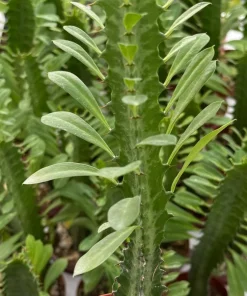
This ornamental succulent is perfect for those who appreciate unique foliage and sculptural forms. Each stem of the variegated African milk tree is triangular in cross-section, featuring spiny ridges that occasionally sprout small, tear-shaped variegated leaves. The distinct coloration ensures that no two plants are exactly alike, offering a personalized touch to your plant collection. Whether you are a seasoned collector or just starting your journey with houseplants, the resilience and beauty of this plant make it an excellent choice. It thrives with minimal intervention, making it an ideal low-maintenance houseplant that rewards you with continuous growth and stunning aesthetics.
Key Benefits
Choosing the variegated African milk tree for your home offers a multitude of benefits, combining aesthetic appeal with practical advantages. This plant is not just a decorative item but a living piece of art that enhances your environment.
- Unique Ornamental Appeal: The distinctive variegated stems with their green, creamy white, and pinkish hues provide a striking visual contrast, making it a focal point in any room. Its sculptural form and upright growth add modern elegance.
- Low Maintenance: Ideal for busy individuals or novice plant parents, this succulent requires minimal watering and attention. Its drought-tolerant nature means it forgives occasional neglect, making African milk tree care straightforward.
- Air Purification: Like many houseplants, the variegated African milk tree contributes to a healthier indoor environment by helping to filter airborne toxins and improve air quality.
- Vertical Interest: Its tall, upright growth habit allows it to reach several feet indoors, making it perfect for adding height and dimension to your plant arrangements or filling empty vertical spaces.
- Drought Tolerance: As a succulent, it stores water in its stems, enabling it to endure dry periods. This makes it an incredibly resilient and sustainable choice for various climates and lifestyles.
- Pest Resistant: Generally, the Euphorbia trigona variegated is quite resistant to common houseplant pests, further simplifying its care routine and ensuring a healthy plant.
- Beginner-Friendly: Its robust nature and simple care requirements make it an excellent choice for those new to gardening or looking for an easy-to-grow indoor succulent plant.
Plant Care & Growing Tips
Caring for your variegated African milk tree is relatively simple, making it an excellent choice for both beginners and experienced plant enthusiasts. This resilient succulent thrives with attention to a few key environmental factors. For optimal growth and to maintain its vibrant variegation, understanding its specific needs is crucial. Proper African milk tree care ensures your plant remains healthy and continues to be a stunning feature in your home.
Sunlight: The variegated African milk tree prefers bright, indirect light or full sun. Place it near a south or west-facing window where it can receive at least 4-6 hours of bright light daily. While it can tolerate some direct sun, too much intense, unfiltered sunlight, especially during the hottest parts of the day, can scorch its variegated sections. Conversely, insufficient light may lead to leggy growth and duller coloration. Rotating the plant every few weeks will ensure even growth and variegation on all sides.
Watering: As a succulent, it is highly drought-tolerant and extremely sensitive to overwatering, which is the most common cause of issues. Allow the soil to dry out completely between waterings. During the growing season (spring and summer), water thoroughly until water drains from the bottom, then wait until the soil is bone dry before watering again. In fall and winter, significantly reduce watering frequency, often to once a month or even less, as the plant enters a period of slower growth. Always err on the side of underwatering rather than overwatering to prevent root rot.
Soil and Drainage: A well-draining potting mix is essential for the health of your variegated African milk tree. Use a succulent or cactus-specific soil mix, or create your own by mixing regular potting soil with perlite, pumice, or coarse sand in a 1:1 ratio. The pot must have drainage holes to prevent water from pooling at the roots. Good drainage is paramount for this indoor succulent plant.
Temperature and Humidity: This plant thrives in warm temperatures, ideally between 65-80°F (18-27°C). It can tolerate temperatures down to 50°F (10°C) but should be protected from frost. It does not require high humidity and is well-suited to average household humidity levels. Avoid placing it in drafty areas or near air conditioning vents. For USDA zones, it is typically hardy outdoors in zones 9-11, but primarily grown as an indoor succulent plant in most regions.
Fertilization: Fertilize sparingly during the growing season (spring and summer) with a balanced, diluted liquid fertilizer formulated for succulents or cacti. Apply once every 2-4 weeks, diluting to half or quarter strength. Avoid fertilizing during fall and winter when the plant is dormant. Over-fertilization can lead to nutrient burn.
Pruning: Pruning is generally not required unless you wish to control its size or shape. Use clean, sharp shears to remove any dead, damaged, or unwanted stems. Be aware that the plant produces a milky white sap (latex) which can be irritating to skin and eyes; wear gloves and protective eyewear when pruning.
Size & Details
This variegated African milk tree is offered as a live plant, ready to thrive in your home. It typically ships in a 3-inch nursery pot, providing a healthy root system and a sturdy base for continued growth. At this stage, the plant usually stands between 6-10 inches tall, offering a compact yet impactful presence that is perfect for windowsills, desks, or as part of a larger plant display. Its distinctive stems, adorned with green and creamy patterns, will immediately add character to any space.
With proper African milk tree care, this plant has a moderate to fast growth rate and can reach impressive heights of several feet (up to 6 feet or more) indoors over many years, developing into a magnificent, tree-like specimen. Its width will generally be proportional to its height, creating a striking vertical silhouette. It will arrive carefully packaged to ensure its safety and vitality during transit, ready for you to enjoy its unique beauty as an indoor succulent plant.
Frequently Asked Questions
- Q: How big does this variegated African milk tree get? A: With proper care, a variegated African milk tree can grow several feet tall indoors, often reaching 3-6 feet over many years. Its upright growth habit makes it an excellent choice for adding vertical interest to your space.
- Q: What size pot does it come in? A: This variegated African milk tree live plant is shipped in a 3-inch nursery pot, providing a healthy start for your new succulent. You can repot it into a slightly larger pot as it grows.
- Q: Is this an indoor or outdoor plant? A: While it can be grown outdoors in warm climates (USDA zones 9-11), the variegated African milk tree is primarily cultivated as an indoor succulent plant in most regions due to its sensitivity to cold temperatures and frost.
- Q: How much sunlight does it need? A: This plant thrives in bright, indirect light to full sun. Place it near a sunny window where it can receive at least 4-6 hours of bright light daily. Too little light can lead to leggy growth, while excessive direct sun can scorch its variegated patterns.
- Q: Is this plant easy to care for? A: Yes, the variegated African milk tree is considered a very easy-to-care-for and low-maintenance houseplant, making it ideal for beginners. Its primary needs are bright light and infrequent watering.
- Q: What condition will it arrive in? A: Your Euphorbia trigona variegated will arrive carefully packaged to protect it during transit, ensuring it reaches you in healthy, vibrant condition, ready to be placed in its new home.
- Q: How often should I water my African milk tree? A: Water sparingly. Allow the soil to dry out completely between waterings. During winter, significantly reduce watering frequency. Overwatering is the most common issue for this indoor succulent plant.
- Q: Is the African milk tree pet-safe? A: No, the milky white sap (latex) produced by the variegated African milk tree can be irritating if ingested or if it comes into contact with skin or eyes. It’s best to keep it out of reach of pets and children.
- Q: What type of soil is best for this plant? A: A well-draining succulent or cactus potting mix is essential for the variegated African milk tree. This prevents waterlogging and promotes healthy root development, crucial for African milk tree care.
- Q: Can I propagate the variegated African milk tree? A: Yes, it can be propagated from stem cuttings. Allow the cut end to callus for a few days before planting in well-draining soil. Remember to wear gloves due to the irritating sap.
| Variety | Green, Variegated |
|---|
Be the first to review “Variegated African Milk Tree Live Plant – Euphorbia Trigona – 3 Inch Pot”
People Also Viewed


Shrubs
Mini Gold Mound Spirea Live Plant – Dwarf Shrub, Golden Foliage, Pink Flowers, 5-8″ Tall in Qt Pot

Flower Seeds
Rose of Sharon Hibiscus Moscheutos Seeds – Pink Flower Seed Pack for Indoor & Outdoor Planting




Vegetable Seeds
25 Sweet Black Jet Soybean Edamame Seeds – Glycine Max Vegetable

Reviews
There are no reviews yet.