
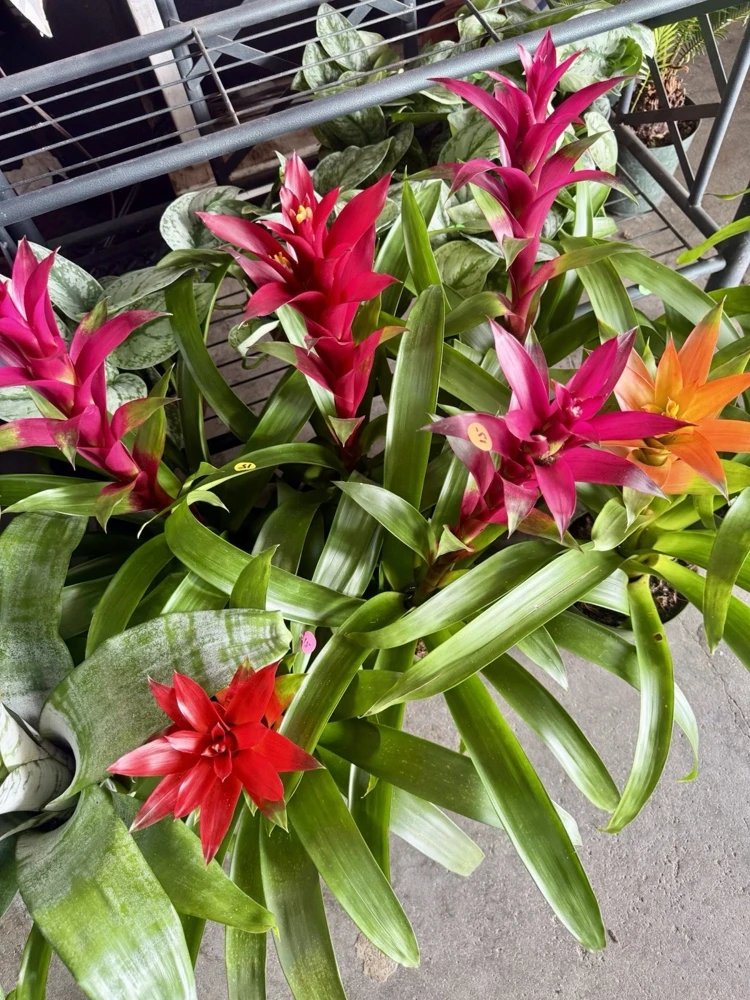
Guzmania Bromeliad Live Plant – Tropical Indoor Houseplant for Vibrant Color
Original price was: $43.99.$35.99Current price is: $35.99.
Brighten your home or office with a beautiful Guzmania bromeliad live plant. This stunning flowering houseplant offers exotic appeal and vibrant, long-lasting color, making it an ideal tropical indoor plant for any decor. Easy to care for and perfect for beginners.
Estimated arrival
Oct 27
Nov 01 - Nov 03
Nov 06 - Nov 10
Shop With Confidence
30-Day Plant Health Guarantee
Arrives damaged? We’ll replace it free — see our return policy.
Responsive Support
Email us anytime, we reply within 1 business day.
Expert Packaging
Temperature-controlled shipping to protect your plants in transit.
Secure Checkout
Pay safely with Visa, Mastercard, PayPal.
Plant Specifications
-
USDA Hardiness Zone
year-round indoors -
Soil Type
well-draining potting mix -
Sunlight Exposure
bright indirect light -
Expected Planting Period
year-round indoors
Overview
Transform your living space into a tropical oasis with the vibrant and exotic Guzmania bromeliad live plant. Known for its striking, colorful bracts that can last for months, this tropical indoor plant is a true showstopper. Guzmania bromeliads are epiphytic plants, meaning they naturally grow on other plants in their native rainforest habitats, absorbing nutrients and moisture from the air and rain. Our healthy live plants are carefully cultivated to thrive in your home, bringing a touch of the tropics and a burst of long-lasting color to any room. This particular bromeliad, often simply called a Guzmania, is celebrated for its ease of care and stunning visual impact, making it an excellent choice for both seasoned plant enthusiasts and those new to gardening. Discover the joy of owning a beautiful, low-maintenance flowering houseplant that continuously brightens your environment.
The Guzmania bromeliad is a member of the Bromeliaceae family, which includes over 3,000 species. While often mistaken for the flower, the brilliant colors you see are actually modified leaves called bracts, which surround a small, inconspicuous flower. These bracts come in a dazzling array of reds, oranges, yellows, and pinks, providing a prolonged display of color unlike many traditional houseplants. When you purchase a Guzmania plant for sale, you’re investing in enduring beauty and a unique botanical specimen that requires minimal fuss. It’s an ideal choice for adding architectural interest and a focal point to your interior design, creating a warm and inviting atmosphere.
Key Benefits
The Guzmania bromeliad live plant offers a multitude of benefits beyond its stunning appearance, making it a highly desirable addition to any indoor plant collection:
- Long-Lasting Color: Unlike many flowering plants, the vibrant bracts of the Guzmania bromeliad can maintain their brilliant hues for several months, providing continuous visual appeal and a constant splash of color in your home or office. This extended bloom period ensures your space remains lively and inviting.
- Low Maintenance: This tropical indoor plant is remarkably easy to care for, requiring minimal attention once its basic needs are met. It’s forgiving for those who might occasionally forget to water, making it perfect for busy individuals or beginner plant parents. Enjoy lush greenery without constant fuss.
- Air Purification: Like many houseplants, Guzmania bromeliads contribute to a healthier indoor environment by helping to filter airborne toxins and improve air quality. They release oxygen during the day, making your living spaces fresher and more pleasant.
- Exotic Appeal: With its unique form and tropical colors, the Guzmania bromeliad instantly adds an exotic and sophisticated touch to any decor. It serves as a natural conversation starter and a beautiful focal point, enhancing the aesthetic of any room.
- Adaptable to Indoor Conditions: Guzmania bromeliads are well-suited to typical indoor temperatures and lighting conditions, making them a versatile choice for various rooms in your home. They thrive in consistent environments, adapting well to average household settings.
- Pet-Friendly: While it’s always best to keep plants out of reach of curious pets, Guzmania bromeliads are generally considered non-toxic to cats and dogs, offering peace of mind for pet owners who want to enjoy a beautiful flowering houseplant.
- Unique Growth Habit: The distinctive rosette formation and vibrant central inflorescence make the Guzmania a truly unique plant. Its ability to thrive as an epiphyte adds an interesting botanical dimension to your home, showcasing nature’s diversity.
Plant Care & Growing Tips
Caring for your Guzmania bromeliad live plant is straightforward, ensuring it remains a vibrant and healthy addition to your indoor garden. The key to successful bromeliad care lies in understanding its tropical origins and mimicking those conditions. For light, Guzmania bromeliads prefer bright, indirect light. Avoid direct, harsh sunlight, especially in the afternoon, which can scorch their leaves and fade the vibrant color of their bracts. An east or north-facing window is often ideal, or a few feet away from a south or west-facing window. Insufficient light can lead to duller colors and slower growth, while too much direct sun can cause irreversible damage. Rotate your plant occasionally to ensure even light exposure and symmetrical growth.
Watering a Guzmania is slightly different from typical potted plants due to its epiphytic nature. The central ‘cup’ or ‘tank’ formed by the overlapping leaves should be kept filled with clean water. Use distilled water, rainwater, or filtered tap water to prevent mineral buildup. Flush the cup regularly (every 1-2 weeks) by pouring out the old water and refilling it to prevent stagnation and bacterial growth. The potting mix itself should be kept lightly moist, but never soggy. Allow the top inch or two of soil to dry out between waterings. Ensure the pot has excellent drainage to prevent root rot, which is a common issue for bromeliads if overwatered. You’ll find that proper bromeliad care revolves around consistent, but not excessive, moisture.
Guzmania bromeliads thrive in warm, humid environments, ideally between 65-80°F (18-27°C). Protect them from cold drafts and sudden temperature fluctuations. Average household humidity is often sufficient, but they will appreciate higher humidity, especially during dry winter months or in arid climates. You can increase humidity by misting the foliage regularly, placing the pot on a pebble tray filled with water (ensuring the pot doesn’t sit directly in the water), or using a room humidifier. Fertilize sparingly, if at all. If you choose to fertilize, use a very diluted liquid fertilizer (1/4 to 1/8 strength) once every 1-2 months during the growing season (spring and summer). Apply the fertilizer to the potting mix, not directly into the central cup, to avoid burning the plant. After the colorful bracts fade, the mother plant will slowly decline, but it will produce ‘pups’ or offsets at its base, which can be separated and grown into new plants, ensuring you always have a beautiful Guzmania plant for sale in your home.
Size & Details
Our Guzmania bromeliad live plant typically ships as a healthy, established specimen, ready to bring immediate color to your home. While specific dimensions can vary slightly, you can expect a plant that is generally between 12 to 18 inches tall from the base of the pot to the tip of the colorful bracts. The width of the plant, including its foliage, usually ranges from 10 to 14 inches, creating a substantial and impactful presence without being overly large. It typically comes planted in a standard nursery pot, approximately 4 to 6 inches in diameter, providing a stable base for its journey to your home. This size is perfect for placement on desks, shelves, windowsills, or as part of a larger plant arrangement.
Guzmania bromeliads are known for their relatively slow to moderate growth rate. The vibrant bracts can last for several months, sometimes up to six months or more, depending on environmental conditions. After the bracts fade and the mother plant begins to decline, it will produce offsets (pups) at its base. These pups can be separated and repotted when they are about one-third the size of the mother plant, allowing you to propagate new flowering houseplant specimens. This natural cycle ensures you can enjoy Guzmania’s beauty for years to come, either by enjoying the initial plant or nurturing its offspring.
Frequently Asked Questions
- Q: How big does this Guzmania bromeliad live plant get? A: Our Guzmania bromeliad typically reaches a height of 12 to 18 inches and a width of 10 to 14 inches, making it a perfect medium-sized indoor plant. Its compact nature allows it to fit well in various spaces, from tabletops to floor stands.
- Q: Is this an indoor or outdoor plant? A: This Guzmania bromeliad is primarily an tropical indoor plant. While it can be placed outdoors in warm, humid, shaded conditions during summer in suitable climates (USDA Zones 10-11), it thrives best indoors where temperatures are consistent.
- Q: How much sunlight does my Guzmania bromeliad need? A: Guzmania bromeliads prefer bright, indirect light. Avoid direct afternoon sun, which can scorch the leaves and fade the color of the bracts. A spot near an east or north-facing window is usually ideal for optimal bromeliad care.
- Q: Is this plant easy to care for? A: Yes, the Guzmania bromeliad is considered an easy-care flowering houseplant, making it suitable for beginners. Its main requirements are consistent water in its central cup, bright indirect light, and moderate humidity.
- Q: What condition will it arrive in? A: Your Guzmania plant for sale will arrive carefully packaged, healthy, and vibrant, ready to display. We take great care to ensure the plant is protected during transit, so it reaches you in excellent condition.
- Q: How long will the colorful ‘flower’ last? A: The vibrant bracts of the Guzmania bromeliad can last for several months, typically from 3 to 6 months, and sometimes even longer, providing a prolonged period of color in your home. This makes it a very rewarding plant to own.
- Q: What kind of soil does a Guzmania need? A: Guzmania bromeliads prefer a well-draining, airy potting mix. A mix designed for orchids or bromeliads, or a blend of peat moss, perlite, and pine bark, works well. The goal is good drainage and aeration for the roots.
- Q: Is the Guzmania bromeliad safe for pets? A: Guzmania bromeliads are generally considered non-toxic to cats and dogs. However, it’s always a good practice to keep plants out of reach of pets to prevent any accidental ingestion or damage to the plant.
- Q: How do I water my Guzmania? A: Keep the central cup (the ‘tank’ formed by the overlapping leaves) filled with clean water. Flush and refill it every 1-2 weeks. The potting mix should be kept lightly moist, allowing the top layer to dry between waterings.
- Q: When is the best time to repot my Guzmania bromeliad live plant? A: Guzmania bromeliads do not typically need frequent repotting. You would generally repot the ‘pups’ (offsets) that grow from the base of the mother plant once they are about one-third its size, to start new plants.
Be the first to review “Guzmania Bromeliad Live Plant – Tropical Indoor Houseplant for Vibrant Color”
People Also Viewed
Uncategorized
Reviews
There are no reviews yet.