
Leopard Plant Live – Farfugium japonicum – Shade Garden Foliage Plant
Original price was: $43.99.$35.99Current price is: $35.99.
Enhance your shaded areas with a beautiful leopard plant live, also known as Farfugium japonicum care. This striking foliage plant offers unique, glossy leaves, perfect for adding texture and visual interest to any garden or indoor space.
Estimated arrival
Oct 27
Nov 01 - Nov 03
Nov 06 - Nov 10
Shop With Confidence
30-Day Plant Health Guarantee
Arrives damaged? We’ll replace it free — see our return policy.
Responsive Support
Email us anytime, we reply within 1 business day.
Expert Packaging
Temperature-controlled shipping to protect your plants in transit.
Secure Checkout
Pay safely with Visa, Mastercard, PayPal.
Plant Specifications
-
USDA Hardiness Zone
USDA zones 7-10 -
Soil Type
Rich, well-draining soil -
Sunlight Exposure
Partial to full shade -
Expected Planting Period
Spring to early fall
Overview
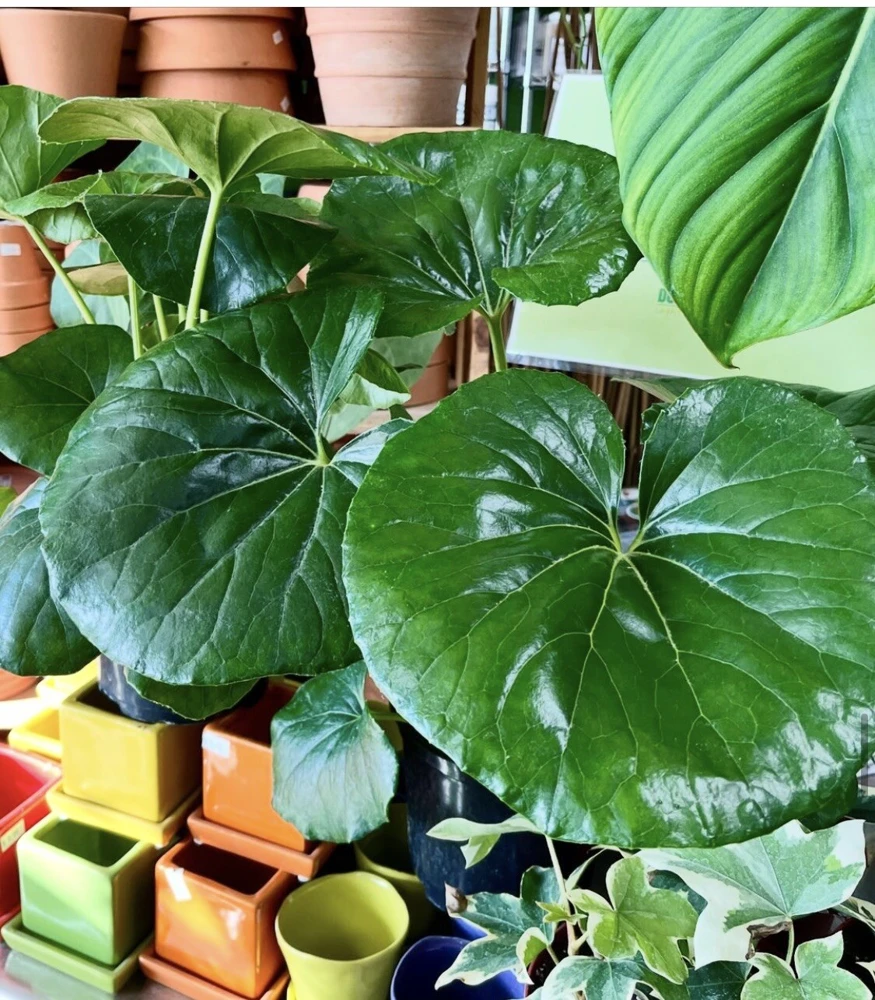
Bring exotic flair to your garden with the captivating leopard plant live. Also known by its botanical name, Farfugium japonicum, this stunning perennial is celebrated for its large, glossy, kidney-shaped leaves that often feature intriguing patterns or spots, reminiscent of a leopard’s coat. It is primarily grown for its exceptional foliage, which remains vibrant throughout the growing season, providing year-round interest in milder climates. The leopard plant outdoor is an ideal choice for those looking to add a touch of drama and lushness to their shaded landscapes, creating a tropical or woodland feel. While it can produce cheerful, daisy-like yellow flowers in late fall, its primary appeal lies in its decorative leaves, making it a favorite among foliage enthusiasts.
This robust and relatively low-maintenance plant thrives in conditions that might challenge other ornamentals, making it a valuable addition to difficult shady spots. Whether you are designing a tranquil woodland garden or seeking a distinctive container plant for a sheltered patio, Farfugium japonicum offers unparalleled beauty and resilience. Its bold texture and striking appearance make it a focal point in any plant collection.
Key Benefits
The leopard plant live offers a wealth of benefits, making it an excellent choice for a variety of garden styles and indoor settings. Its unique characteristics contribute significantly to both aesthetic appeal and ease of care.
- Stunning Foliage: The primary draw of the leopard plant is its large, glossy, kidney-shaped leaves, which can be solid green or variegated with yellow spots, providing year-round visual interest and a dramatic texture to any garden or indoor space.
- Shade Tolerance: This plant thrives in partial to full shade, making it perfect for brightening up dimly lit areas where other plants may struggle. It’s an excellent solution for under trees or on north-facing patios.
- Low Maintenance: Once established, Farfugium japonicum care is relatively straightforward. It requires consistent moisture but is otherwise quite resilient and forgiving, ideal for busy gardeners.
- Architectural Interest: With its bold leaves and often substantial size, the leopard plant adds significant architectural structure and tropical ambiance to garden beds, borders, and containers.
- Deer Resistant: Generally, deer tend to leave Farfugium japonicum alone, which is a significant advantage for gardens in areas prone to wildlife browsing.
- Autumn Blooms: While primarily grown for its foliage, the plant produces cheerful, yellow, daisy-like flowers in late fall, adding a surprising splash of color when most other plants are fading.
- Versatile Use: Suitable for ground cover, mass plantings, specimen plants, or even as a distinctive houseplant in bright, indirect light, showcasing its adaptability.
Plant Care & Growing Tips
Proper Farfugium japonicum care ensures a healthy and thriving plant that will provide years of enjoyment. This plant is known for its preference for shaded environments, making it a perfect fit for woodland gardens or north-facing exposures. Aim for a location that receives partial to full shade, especially protection from harsh afternoon sun, which can scorch its beautiful leaves. While it can tolerate some morning sun, consistent shade is ideal for maintaining its lush appearance and vibrant foliage. If grown indoors, place it near a window that receives bright, indirect light, avoiding direct sun exposure.
Watering is crucial for the leopard plant live, as it prefers consistently moist soil. Do not allow the soil to dry out completely, especially during warmer months. However, ensure good drainage to prevent root rot. A rich, well-draining soil mix high in organic matter is ideal. Incorporating compost or peat moss can improve soil structure and moisture retention. For outdoor plants, a layer of mulch around the base will help retain soil moisture and regulate temperature. Fertilize sparingly; a balanced, slow-release granular fertilizer in spring or a liquid feed every 4-6 weeks during the growing season is sufficient. This plant is generally hardy in USDA Zones 7-10, though some varieties may extend to Zone 6 with adequate winter protection. Protect from freezing temperatures, especially young plants, by applying a thick layer of mulch or bringing container plants indoors.
Common problems include slug and snail damage to the leaves, which can be managed with organic baits or barriers. Fungal issues are rare but can occur in overly wet, poorly ventilated conditions. Regular inspection for pests and diseases will help maintain the health of your leopard plant outdoor. With attentive care, your leopard plant will become a stunning feature in your garden or home.
Size & Details
Our leopard plant live specimens are carefully cultivated to ensure robust growth and vibrant foliage upon arrival. Typically, these plants can reach a mature height of 1 to 2 feet and spread equally wide, forming attractive clumps over time. The exact size and spread can vary depending on growing conditions, climate, and specific variety. Each plant is shipped in a healthy, established state, ready to be transplanted into its new home. It will arrive as a potted plant, ensuring minimal shock during transit and easy establishment.
The large, kidney-shaped leaves can measure up to 10 inches across, providing a bold visual statement. While the plant’s primary appeal is its striking foliage, it will produce charming yellow, daisy-like flowers in late autumn, adding an unexpected splash of color to the cooler season. With proper Farfugium japonicum care, you can expect steady growth and increasing density year after year, transforming your shaded areas into lush, tropical retreats. This plant offers a substantial presence in the garden, making it an excellent choice for a specimen plant or mass planting.
Frequently Asked Questions
- Q: How big does this plant get? A: The leopard plant live typically grows to a height of 1 to 2 feet and can spread equally wide, forming attractive, dense clumps. Its large leaves contribute to its substantial appearance.
- Q: Is this an indoor or outdoor plant? A: While it is often grown as an outdoor plant in shaded gardens, especially in warmer climates (USDA Zones 7-10), it can also thrive as a distinctive houseplant in bright, indirect light, making it quite versatile.
- Q: How much sunlight does it need? A: The leopard plant prefers partial to full shade. It is crucial to protect it from harsh afternoon sun, which can scorch its leaves. Morning sun is generally tolerated.
- Q: Is this plant easy to care for? A: Yes, once established, Farfugium japonicum care is relatively low-maintenance. It primarily requires consistent moisture and protection from direct sun.
- Q: What condition will it arrive in? A: Your leopard plant live will arrive as a healthy, established potted plant, carefully packaged to ensure it reaches you in excellent condition and ready for planting.
- Q: When is the best time to plant a leopard plant? A: Spring or early fall are generally the best times to plant a leopard plant, allowing it to establish itself before extreme summer heat or winter cold.
- Q: Will it survive winter in my zone? A: The leopard plant is generally hardy in USDA Zones 7-10. In colder zones, it can be grown as an annual or brought indoors for winter protection.
- Q: What kind of soil does the leopard plant prefer? A: It thrives in rich, well-draining soil that is consistently moist. Amending the soil with organic matter like compost will benefit its growth.
- Q: Is the leopard plant outdoor tolerant of pests? A: While generally robust, it can occasionally be susceptible to slugs and snails, which can chew on its leaves. Regular inspection and appropriate organic controls can manage this.
- Q: Does the leopard plant produce flowers? A: Yes, while primarily grown for its foliage, the leopard plant produces cheerful, yellow, daisy-like flowers in late autumn, adding a lovely touch to the cooler season.
Be the first to review “Leopard Plant Live – Farfugium japonicum – Shade Garden Foliage Plant”
People Also Viewed
Vegetable Seeds
Hot Portugal Pepper Seeds – 20 Seeds – Very Hot, Early Maturing
Reviews
There are no reviews yet.