

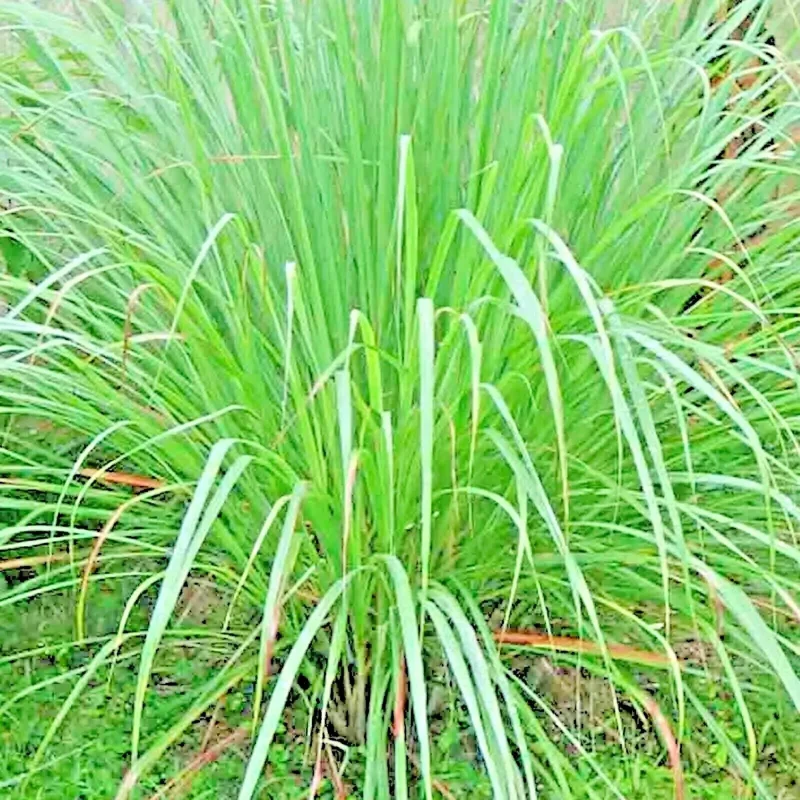
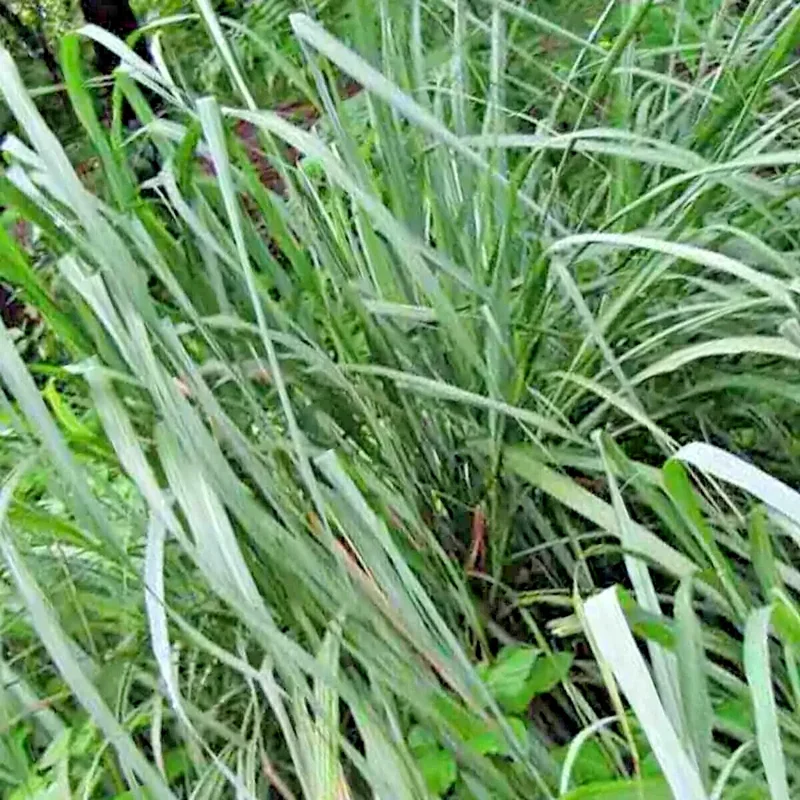
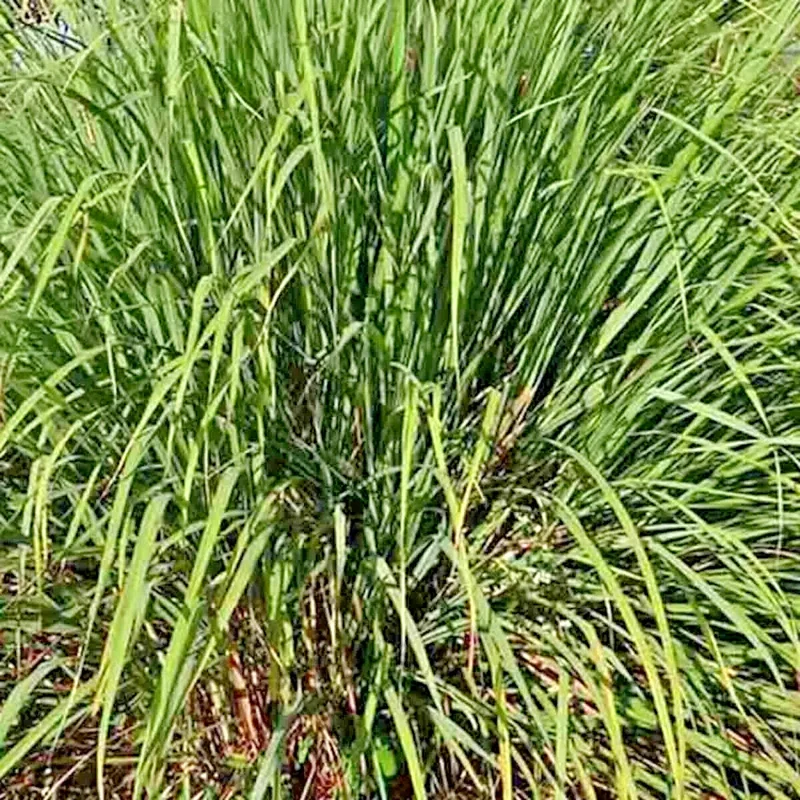

Lemongrass Seeds – 200+ Fresh Non-GMO Cymbopogon Flexuosus Herb Seeds
Original price was: $37.99.$12.99Current price is: $12.99.
Discover the versatility of lemongrass seeds, offering over 200 fresh, non-GMO seeds for your garden. These Cymbopogon Flexuosus seeds are ideal for growing aromatic herbs perfect for culinary creations, refreshing teas, and as a natural mosquito deterrent.
Estimated arrival
Oct 15
Oct 20 - Oct 22
Oct 25 - Oct 29
Shop With Confidence
30-Day Plant Health Guarantee
Arrives damaged? We’ll replace it free — see our return policy.
Responsive Support
Email us anytime, we reply within 1 business day.
Expert Packaging
Temperature-controlled shipping to protect your plants in transit.
Secure Checkout
Pay safely with Visa, Mastercard, PayPal.
Plant Specifications
-
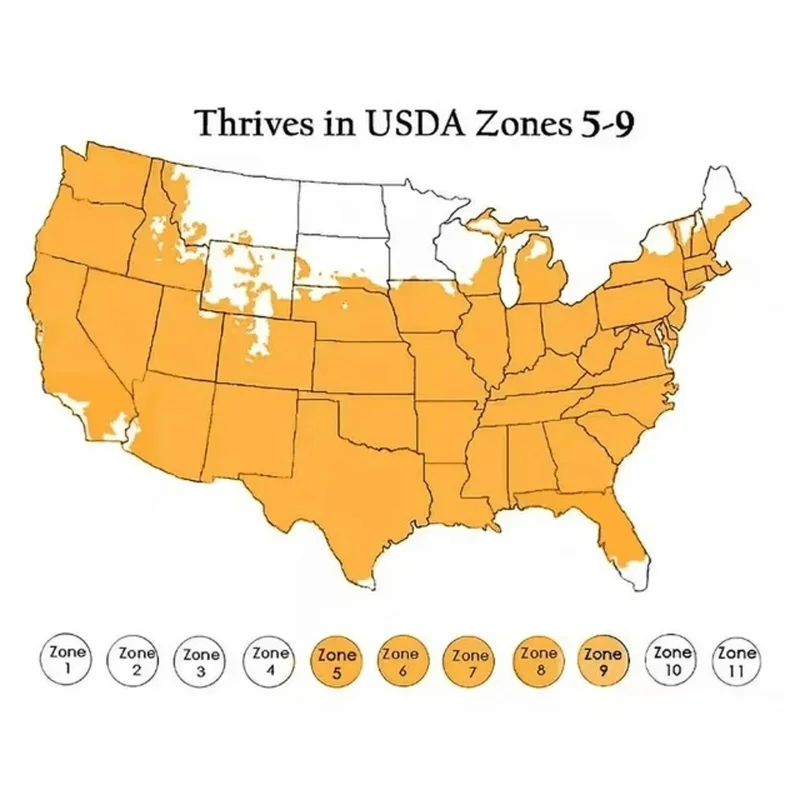
USDA Hardiness Zone
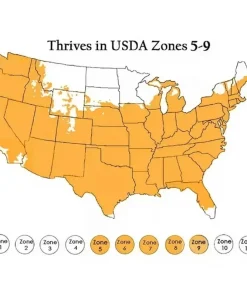
USDA zones 9-11 -
Soil Type
Rich, well-draining soil -
Sunlight Exposure
Full sun -
Expected Planting Period
Spring to early summer (after last frost)
Overview
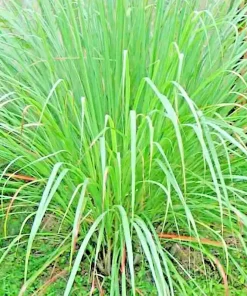
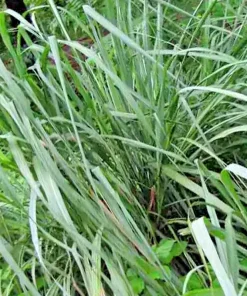
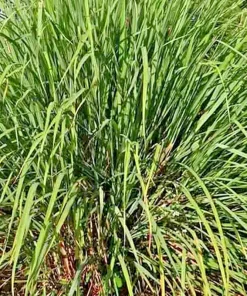
Cultivate your own vibrant herb garden with these high-quality lemongrass seeds. Each packet contains over 200 fresh, non-GMO seeds of Cymbopogon Flexuosus, also widely known as Lemon Grass. This perennial grass is celebrated for its distinct citrusy aroma and flavor, making it a staple in various cuisines, especially Southeast Asian dishes. Growing your own lemongrass from seed is a rewarding experience, providing you with a continuous supply of this versatile herb. These seeds are carefully selected to ensure freshness and viability, giving you the best start for a successful harvest. Whether you’re a seasoned gardener or just beginning, these lemongrass seeds are an excellent choice for adding an exotic and functional plant to your outdoor or indoor space.
The Cymbopogon Flexuosus species is known for its robust growth and adaptability, allowing it to thrive in a range of climates. Beyond its culinary appeal, many gardeners appreciate lemongrass for its natural pest-repelling properties, particularly against mosquitoes. This makes it a fantastic addition to patios, decks, or garden borders where you want to enjoy outdoor living without unwanted guests. With proper care, these seeds will germinate into strong, clumping grasses that can reach impressive heights, offering both aesthetic beauty and practical benefits. Embrace the joy of growing your own fresh herbs with these exceptional lemongrass seeds.
Key Benefits
Growing your own lemongrass from these premium seeds offers a multitude of advantages for both your garden and your lifestyle. Here are some of the key benefits:
- Culinary Versatility: Fresh lemongrass is an indispensable ingredient in Asian cooking, adding a bright, citrusy, and slightly spicy flavor to soups, curries, stir-fries, and teas. Having it readily available in your garden means you can elevate your dishes with authentic flavors anytime.
- Natural Mosquito Repellent: Lemongrass contains citronella, a natural compound known for its ability to deter mosquitoes. Planting it around your outdoor living areas can help create a more comfortable environment, reducing the need for chemical repellents. This is a great way to incorporate a mosquito repellent plant into your landscape.
- Aromatic & Decorative: The tall, graceful blades of lemongrass add an attractive, exotic touch to any garden or container. Its fresh, lemony scent is also a delightful addition to your outdoor space, creating a pleasant atmosphere.
- Non-GMO & Fresh: These non-GMO lemongrass seeds ensure you are growing a pure, natural product free from genetic modification, providing peace of mind about what you are consuming and growing.
- Easy to Grow: Lemongrass is known for being relatively easy to cultivate, making it suitable for gardeners of all experience levels. With basic care, these seeds will develop into healthy, productive plants.
- Medicinal Properties: Beyond its culinary uses, lemongrass is also valued in traditional medicine for its potential anti-inflammatory, antioxidant, and digestive benefits.
- Air Purifying Qualities: Like many grasses, lemongrass contributes to improving air quality, making your garden or indoor environment healthier.
Plant Care & Growing Tips
Successfully growing lemongrass seeds into thriving plants requires attention to a few key environmental factors. Lemongrass (Cymbopogon Flexuosus) is a tropical perennial, meaning it loves warmth and sunshine. For germination, start seeds indoors 5-8 weeks before the last frost date in cooler climates. Sow seeds shallowly, about 1/4 inch deep, in well-draining seed starting mix. Keep the soil consistently moist and maintain a temperature of 70-80°F (21-27°C). Germination typically occurs within 10-20 days. Once seedlings have developed a few sets of true leaves and all danger of frost has passed, they can be transplanted outdoors.
When transplanting, choose a location that receives full sun (at least 6-8 hours of direct sunlight daily). Lemongrass thrives in rich, well-draining soil. Amend heavy clay soils with compost or sand to improve drainage. While it tolerates a variety of soil types, a slightly acidic to neutral pH (6.0-7.0) is ideal. Water regularly to keep the soil consistently moist, especially during dry spells, but avoid waterlogging, which can lead to root rot. Feed your lemongrass plants with a balanced liquid fertilizer every 2-4 weeks during the growing season to encourage vigorous growth. In cooler zones, lemongrass can be grown in containers and brought indoors before the first frost, or treated as an annual. This allows you to continue enjoying your grow lemongrass efforts year-round.
Lemongrass is generally resistant to most pests and diseases, partly due to its natural repellent qualities. However, keep an eye out for common garden pests like aphids or spider mites, especially if grown indoors. Pruning can encourage bushier growth and prevent the plant from becoming leggy. Harvest the stalks by cutting them at the base, or by pulling up individual stalks. The plant will continue to produce new growth. This hardy herb is a delight to grow lemongrass and utilize in many ways.
Size & Details
This offering includes over 200+ lemongrass seeds (Cymbopogon Flexuosus), providing ample opportunity to establish a robust patch of this aromatic herb. When mature, individual lemongrass plants can typically reach a height of 3 to 6 feet and spread 1 to 2 feet wide, forming attractive, dense clumps. The seeds are fresh and non-GMO, ensuring high viability for germination. These seeds ship as a packet, ready for you to sow directly into your garden or starter trays. Given optimal growing conditions, you can expect to begin harvesting tender stalks within 3-4 months of planting. This perennial grass, often grown as an annual in colder climates, offers a fast growth rate and a bountiful yield, making it an excellent investment for any herb enthusiast looking to grow lemongrass for culinary or ornamental purposes.
Frequently Asked Questions
- Q: How big does this plant get? A: Mature lemongrass plants typically grow 3 to 6 feet tall and 1 to 2 feet wide, forming dense, clumping foliage. Its upright growth habit makes it suitable for various garden settings or large containers.
- Q: Is this an indoor or outdoor plant? A: Lemongrass can be grown both indoors and outdoors. In tropical and subtropical climates (USDA zones 9-11), it thrives outdoors year-round. In colder regions, it’s best grown as an annual or brought indoors during winter.
- Q: How much sunlight does it need? A: Lemongrass requires full sun, meaning at least 6-8 hours of direct sunlight per day, to achieve its best growth and flavor. It can tolerate partial shade but will not be as vigorous.
- Q: Is this plant easy to care for? A: Yes, lemongrass is considered relatively easy to care for, making it suitable for beginner gardeners. It primarily needs plenty of sun, consistent moisture, and well-draining soil.
- Q: Can I use lemongrass in cooking? A: Absolutely! These lemongrass seeds will produce plants perfect for culinary use. The lower part of the stalks adds a fresh, citrusy, and slightly ginger-like flavor to Asian dishes, teas, and beverages.
- Q: When is the best time to plant lemongrass seeds? A: For best results, start lemongrass seeds indoors 5-8 weeks before your last expected frost date. Transplant outdoors after all danger of frost has passed and soil temperatures have warmed.
- Q: Will it survive winter in my zone? A: Lemongrass is perennial in USDA Zones 9-11. In zones colder than 9, it is typically grown as an annual or overwintered indoors in pots. It is not tolerant of freezing temperatures.
- Q: Are these seeds heirloom? A: While not explicitly stated as heirloom, these are fresh, non-GMO seeds of the Cymbopogon Flexuosus species, ensuring natural and traditional growth.
- Q: What is the ideal soil type for growing lemongrass? A: Lemongrass prefers rich, well-draining soil with a slightly acidic to neutral pH (6.0-7.0). Amending with compost can greatly improve soil structure and fertility.
- Q: Is lemongrass a good mosquito repellent plant? A: Yes, lemongrass naturally contains citronella, which is known for its mosquito-repelling properties. Planting it near outdoor seating areas can help deter these pests.
Be the first to review “Lemongrass Seeds – 200+ Fresh Non-GMO Cymbopogon Flexuosus Herb Seeds”
People Also Viewed
Vegetable Seeds
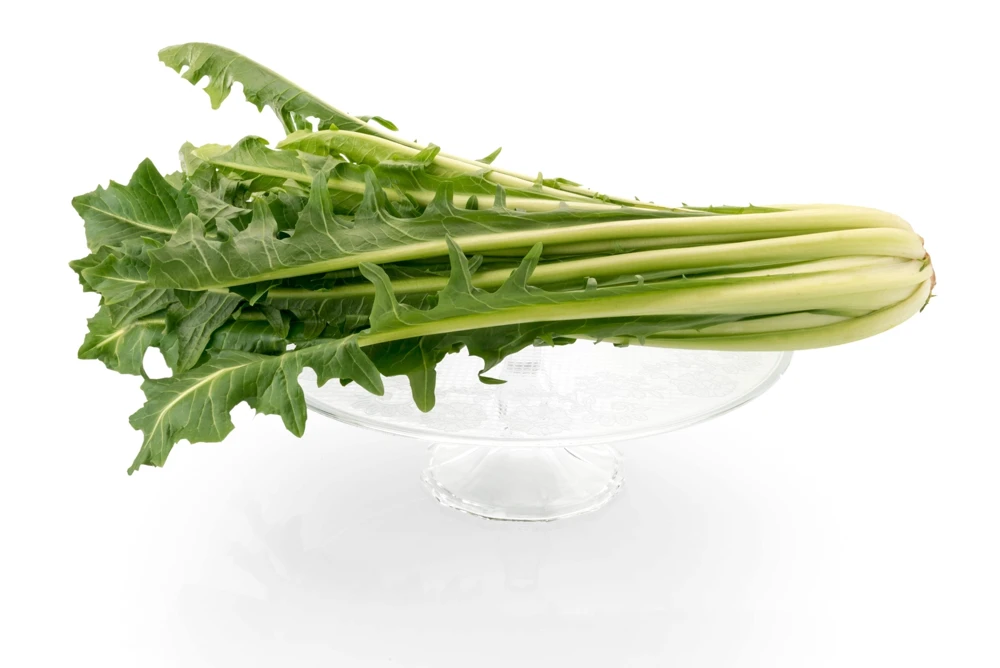
250 Chicory Puntarelle Seeds – Cicoria Catalogna Vegetable Seeds
Reviews
There are no reviews yet.