
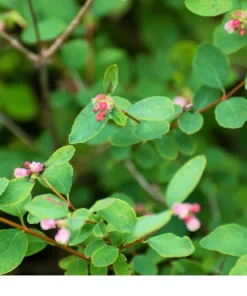
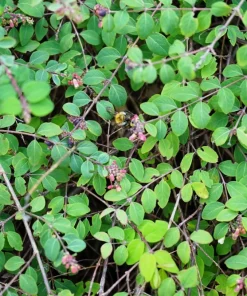
10 Dwarf Creeping Snowberry Shrub Seeds – White Pink Flowers
Original price was: $37.99.$17.99Current price is: $17.99.
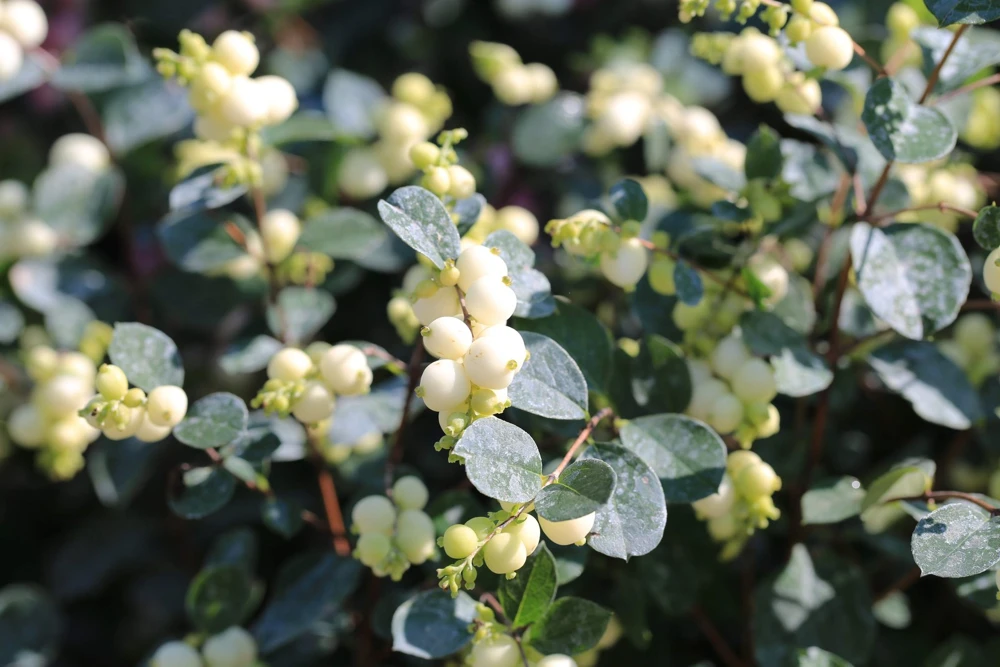
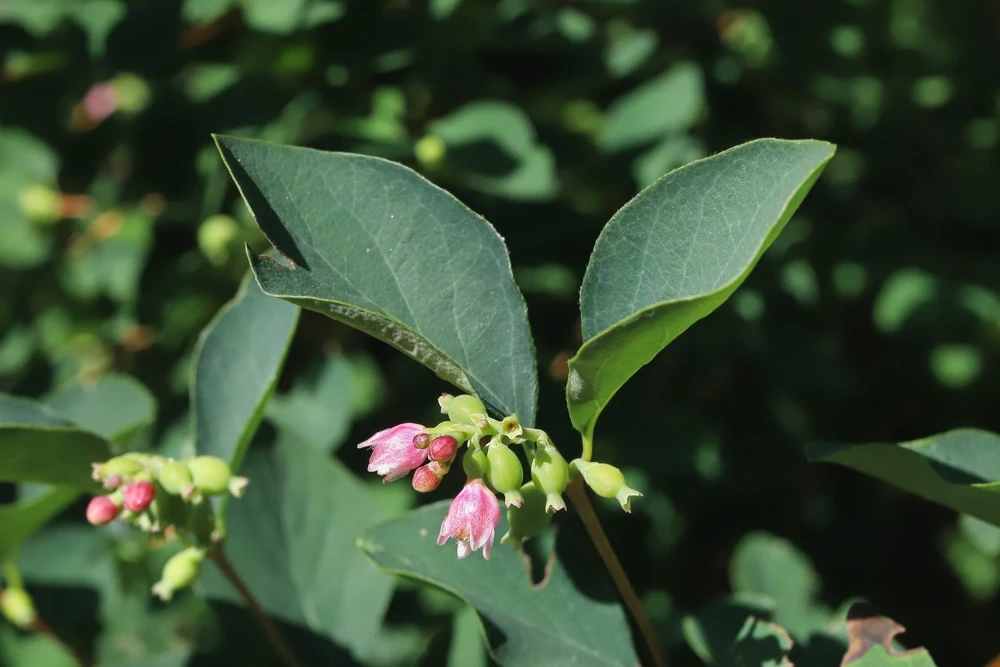
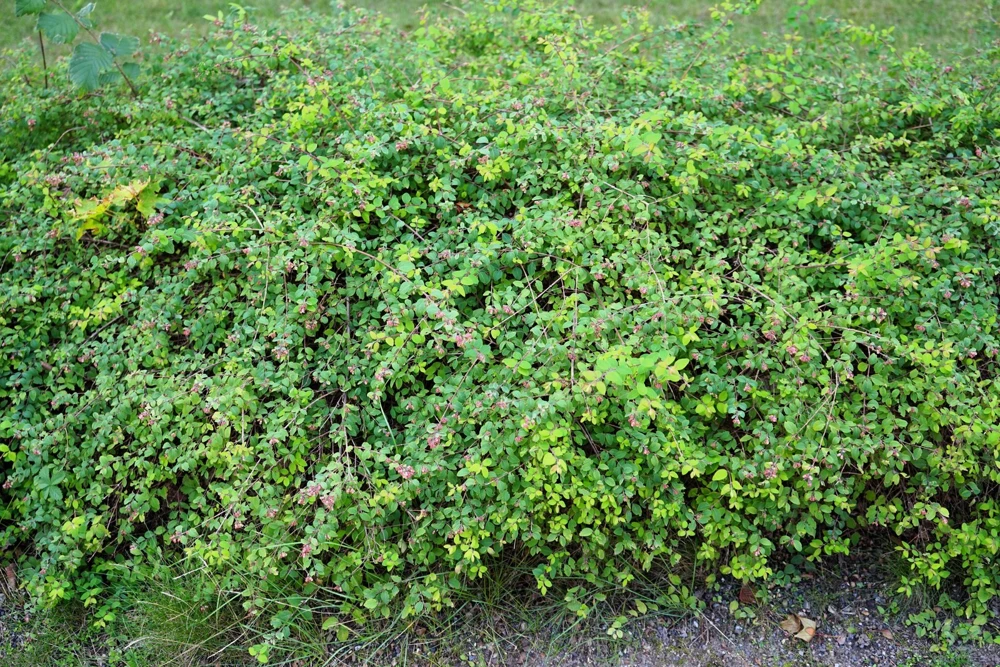
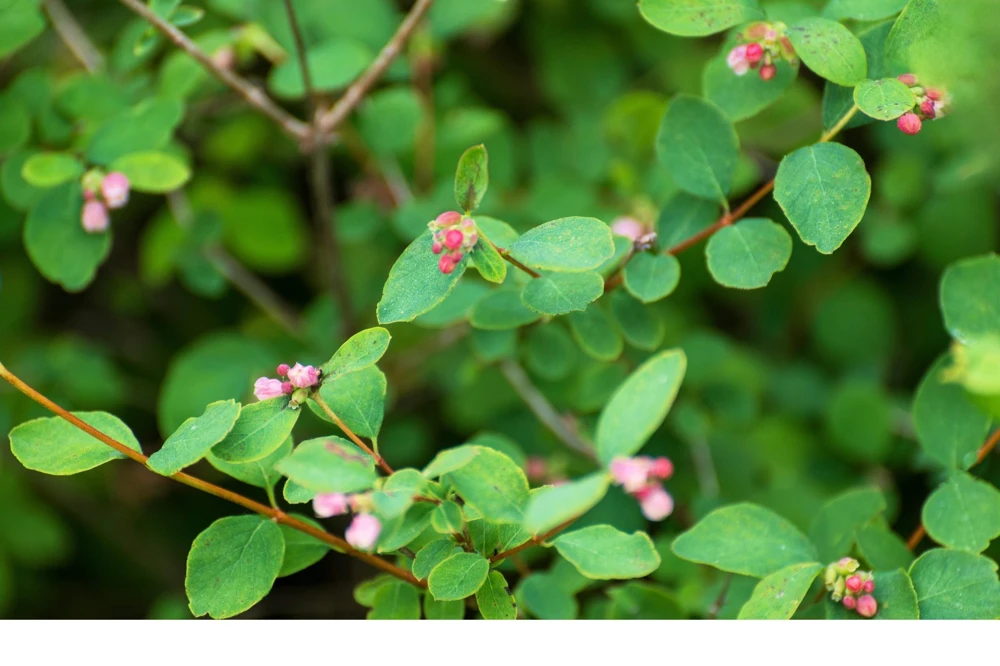
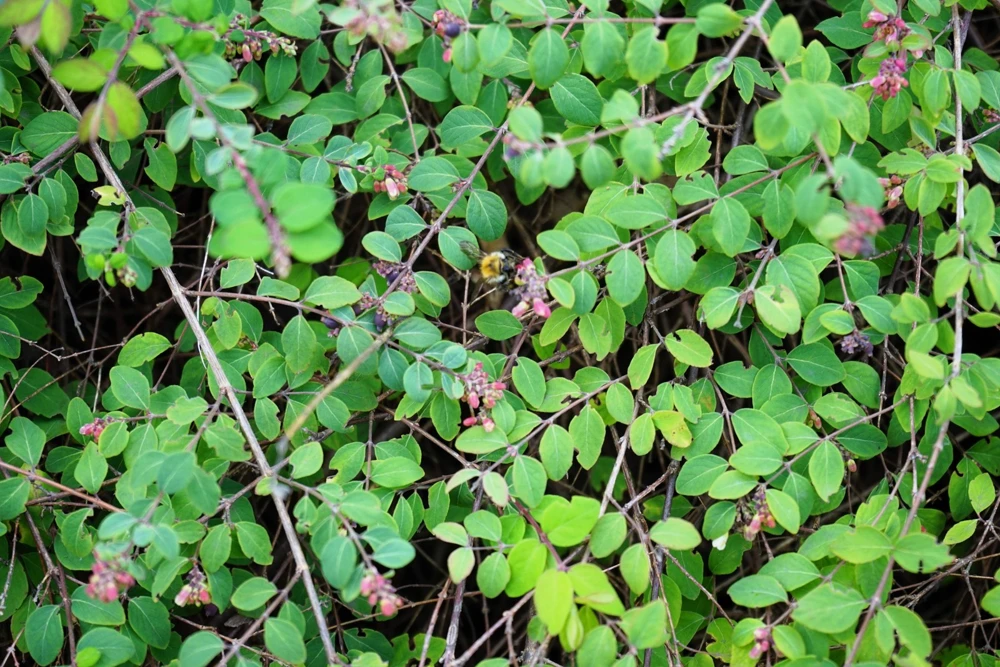
Discover the beauty of creeping snowberry shrub seeds, perfect for creating charming ground cover or attractive borders. These seeds will grow into dwarf shrubs adorned with delicate white and pink flowers, adding a touch of natural elegance to your outdoor space. Ideal for various garden designs and relatively easy to cultivate, they are a wonderful choice for gardeners looking to enhance their landscape with unique flowering plants.
Estimated arrival
Sep 17
Sep 22 - Sep 24
Sep 27 - Oct 01
Shop With Confidence
30-Day Plant Health Guarantee
Arrives damaged? We’ll replace it free — see our return policy.
Responsive Support
Email us anytime, we reply within 1 business day.
Expert Packaging
Temperature-controlled shipping to protect your plants in transit.
Secure Checkout
Pay safely with Visa, Mastercard, PayPal.
Plant Specifications
-
USDA Hardiness Zone
USDA zones 3-7 -
Soil Type
Well-draining, loamy soil -
Sunlight Exposure
Partial shade to full sun -
Expected Planting Period
Early spring or fall
Overview
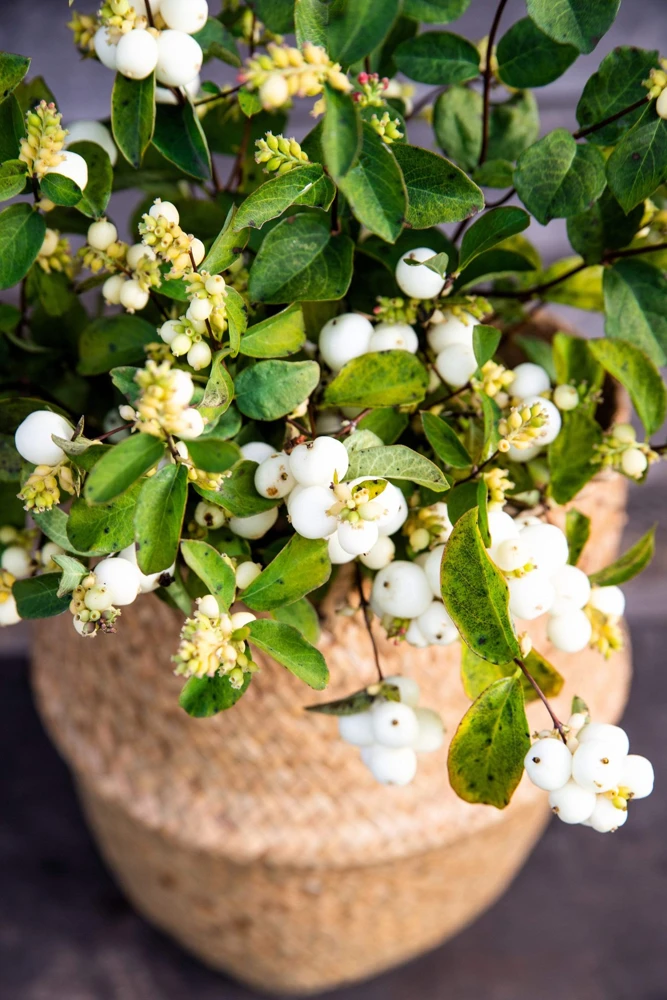
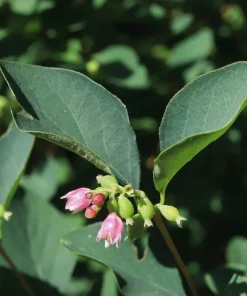
Introduce a touch of natural elegance to your garden with these creeping snowberry shrub seeds. This offering includes 10 seeds of the charming dwarf snowberry seeds, scientifically known as Symphoricarpos mollis. Creeping Snowberry is a delightful, low-growing deciduous shrub celebrated for its delicate white and pink flowers, which bloom in late spring to early summer. Following the blooms, it produces small, attractive white berries that persist into the fall, providing visual interest and a food source for local wildlife. These seeds offer an excellent opportunity to cultivate a unique ground cover or border plant that thrives in various conditions and adds subtle beauty to any landscape. Growing your own symphoricarpos mollis seeds from scratch allows you to experience the full life cycle of this resilient and attractive plant, making it a rewarding project for both novice and experienced gardeners.
The creeping snowberry shrub seeds are an ideal choice for those looking to establish a low-maintenance, yet highly ornamental plant. Its spreading habit makes it perfect for filling in garden beds, stabilizing slopes, or creating a naturalized look. The subtle charm of its blooms and berries ensures it complements a wide range of garden styles, from woodland settings to more formal designs. With these white pink flower seeds, you can easily propagate a plant that will bring consistent beauty and ecological benefits to your outdoor space for years to come.
Key Benefits
Cultivating creeping snowberry shrub seeds offers a multitude of advantages for your garden and local ecosystem. These seeds grow into robust plants that provide lasting beauty and functionality. Here are some of the key benefits:
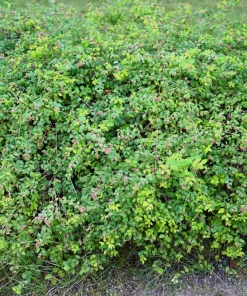
- Attractive Ground Cover: The creeping habit of this snowberry makes it an excellent choice for ground cover, helping to suppress weeds and reduce soil erosion. It creates a lush, green carpet that adds texture and interest to the landscape, especially in areas where traditional grass struggles.
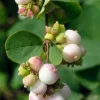
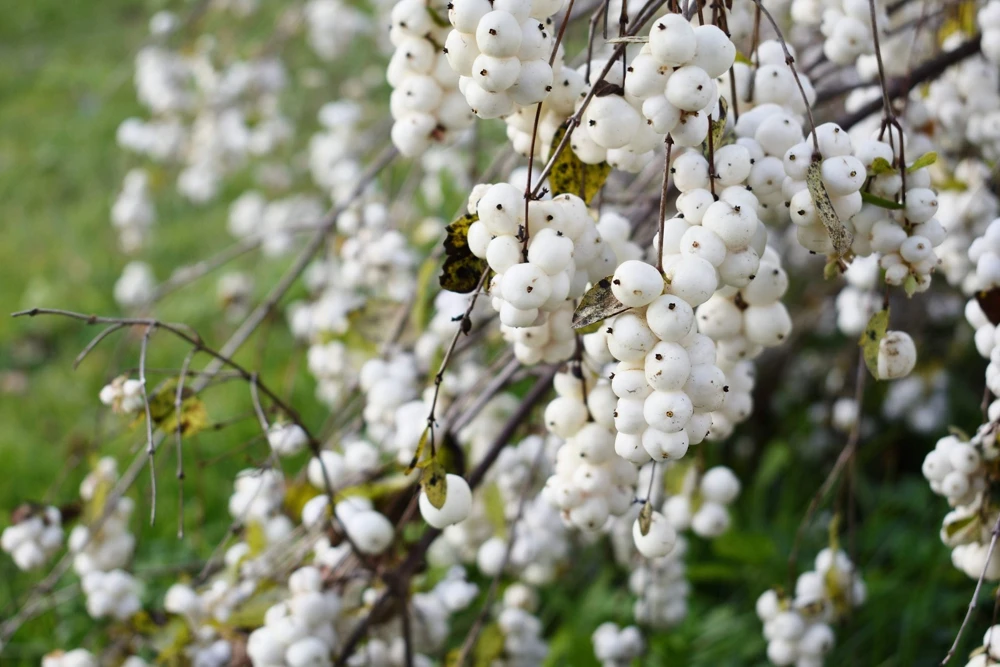
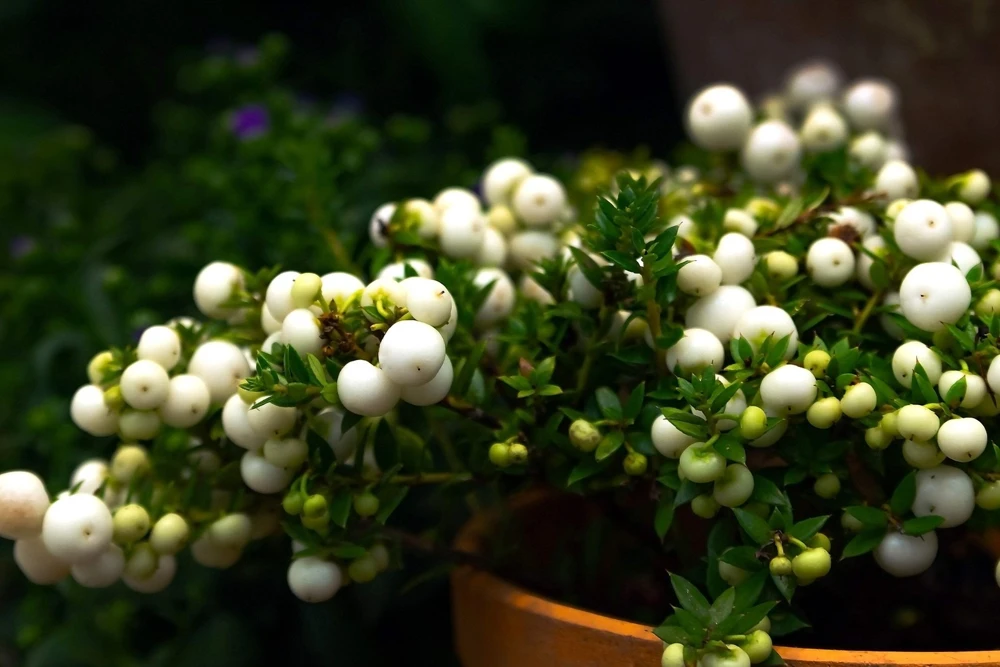
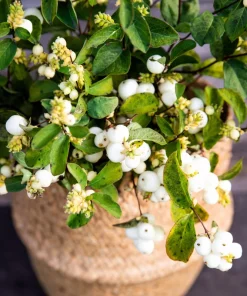
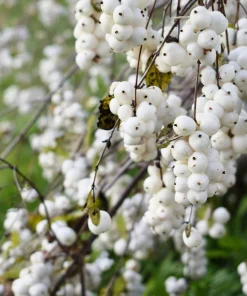
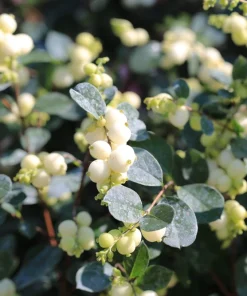
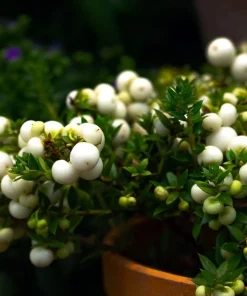
- Delicate Blooms and Berries: Enjoy the subtle beauty of its small, bell-shaped white and pink flowers in spring, followed by persistent, pearly white berries in fall and winter. These berries not only add visual appeal but also serve as a valuable food source for birds, enhancing local biodiversity. The white pink flower seeds will produce stunning plants.
- Low Maintenance: Once established, Creeping Snowberry is remarkably low-maintenance. It tolerates a range of soil conditions and requires minimal watering, making it an ideal plant for busy gardeners or those seeking an easy-care solution. This makes growing dwarf snowberry seeds a hassle-free experience.
- Wildlife Attractor: The flowers attract pollinators like bees, while the berries provide sustenance for birds during colder months, contributing to a healthy garden ecosystem. This plant is a fantastic addition for anyone wanting to support local wildlife.
- Versatile Landscaping Use: Perfect for borders, rock gardens, woodland gardens, or naturalized areas. Its adaptability allows it to fit seamlessly into various garden designs and landscape functions.
- Cold Hardiness: The plant grown from creeping snowberry shrub seeds is known for its excellent cold hardiness, making it suitable for a wide range of climates and ensuring its survival through harsh winters.
- Erosion Control: Its spreading root system helps to stabilize soil, making it an effective choice for sloped areas prone to erosion. This not only protects your landscape but also maintains its aesthetic integrity.
Plant Care & Growing Tips
Growing creeping snowberry shrub seeds into thriving plants is a rewarding experience with proper care. These seeds are generally easy to germinate and establish. Start by sowing the symphoricarpos mollis seeds indoors 8-10 weeks before the last expected frost or directly outdoors in early spring or fall. For indoor sowing, use a well-draining seed starting mix in trays. Lightly cover the seeds with a thin layer of soil, about 1/8 inch deep, as they require light for germination. Keep the soil consistently moist but not waterlogged. A temperature range of 60-70°F (15-21°C) is ideal for germination, which can take anywhere from 2-4 weeks.
Once seedlings have developed a few sets of true leaves, they can be transplanted into individual pots. Acclimate them gradually to outdoor conditions before planting them in their permanent location after the danger of frost has passed. Creeping Snowberry prefers a location with partial shade to full sun, though it can tolerate more shade in hotter climates. Aim for at least 4-6 hours of direct sunlight for optimal flowering and berry production. The plant is adaptable to various soil types but thrives best in well-draining, loamy soil with a slightly acidic to neutral pH. Ensure good air circulation to prevent fungal issues. Water regularly during the first growing season to help establish a strong root system. Once established, this plant is quite drought-tolerant, but occasional watering during prolonged dry spells will benefit its overall health. Fertilization is generally not necessary, especially in rich soils. If growth appears sluggish, a light application of balanced slow-release fertilizer in spring can be beneficial. Pruning is minimal, mainly to remove dead or damaged branches and to maintain its desired shape and spread. This helps maintain the vigor and appearance of your creeping snowberry shrub seeds plants.
Monitoring for common pests and diseases is important, though Creeping Snowberry is relatively resistant. Aphids or powdery mildew can occasionally occur. Address these issues with appropriate organic or chemical treatments if necessary. Ensure good garden hygiene by removing fallen leaves and debris to minimize disease risk. The hardiness of this plant makes it a resilient choice for many gardeners, providing a beautiful and low-effort addition to the landscape. Following these tips will ensure your dwarf snowberry seeds grow into healthy and beautiful shrubs.
Size & Details
These creeping snowberry shrub seeds are designed to grow into a compact, spreading deciduous shrub. Typically, the mature plant reaches a height of 1-2 feet (30-60 cm) and can spread 3-5 feet (90-150 cm) wide, forming an attractive ground cover or low border. The growth rate is moderate, establishing well within the first few years and gradually expanding its footprint. Each packet contains 10 high-quality seeds, providing a good starting point for cultivating several plants. These plants are known for their resilience and ability to thrive in a range of conditions, making them a versatile choice for various garden applications. The delicate white pink flower seeds will produce blooms that are small, bell-shaped, and appear in clusters during late spring to early summer, followed by distinctive white berries that mature in late summer and persist through fall and into early winter, offering extended seasonal interest. When planting, allow adequate space for the plant to spread to achieve its full potential as a ground cover. The seeds are shipped in a protective packet, ensuring their viability upon arrival, ready for your planting efforts. Expect the first blooms and berries within 1-2 years of planting, with the plant reaching its full mature size and spread over 3-5 years.
Frequently Asked Questions
- Q: How big does this plant get? A: The creeping snowberry shrub seeds typically grow into a dwarf shrub reaching 1-2 feet tall and spreading 3-5 feet wide, making it excellent for ground cover.
- Q: Is this an indoor or outdoor plant? A: Creeping Snowberry is an outdoor plant, best suited for garden beds, borders, and naturalized areas. It is highly cold-hardy.
- Q: How much sunlight does it need? A: This plant thrives in partial shade to full sun, requiring at least 4-6 hours of direct sunlight for optimal flowering and berry production.
- Q: Is this plant easy to care for? A: Yes, once established, Creeping Snowberry is considered low-maintenance, tolerant of various soil types, and relatively drought-resistant. Growing dwarf snowberry seeds is a good choice for beginners.
- Q: What condition will the seeds arrive in? A: The symphoricarpos mollis seeds will arrive in a protective packet, ensuring their viability and readiness for planting upon delivery.
- Q: How long until it blooms? A: You can typically expect the first blooms and berries within 1-2 years after planting the creeping snowberry shrub seeds, with the plant reaching full maturity in 3-5 years.
- Q: What’s the best time to plant these seeds? A: You can sow the white pink flower seeds indoors 8-10 weeks before the last frost, or directly outdoors in early spring or fall for best results.
- Q: Will it survive winter in my zone? A: Creeping Snowberry is known for its excellent cold hardiness, making it suitable for a wide range of USDA zones, typically down to zone 3.
- Q: Can these seeds be used for erosion control? A: Absolutely, the spreading habit and strong root system of the plant grown from creeping snowberry shrub seeds make it an effective choice for stabilizing soil and preventing erosion on slopes.
- Q: Do these plants attract wildlife? A: Yes, the flowers attract pollinators, and the white berries provide a valuable food source for birds, especially during the fall and winter months.
Be the first to review “10 Dwarf Creeping Snowberry Shrub Seeds – White Pink Flowers”
People Also Viewed





Reviews
There are no reviews yet.