


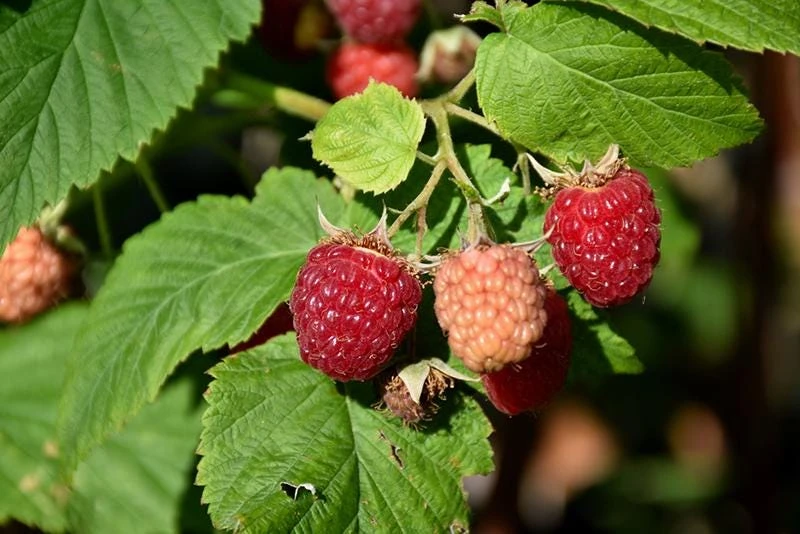
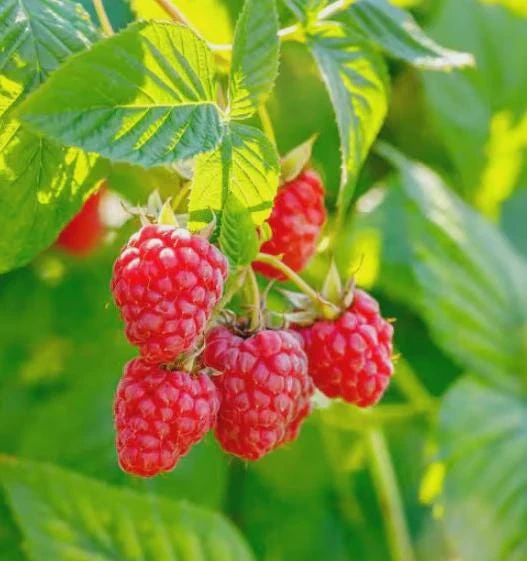
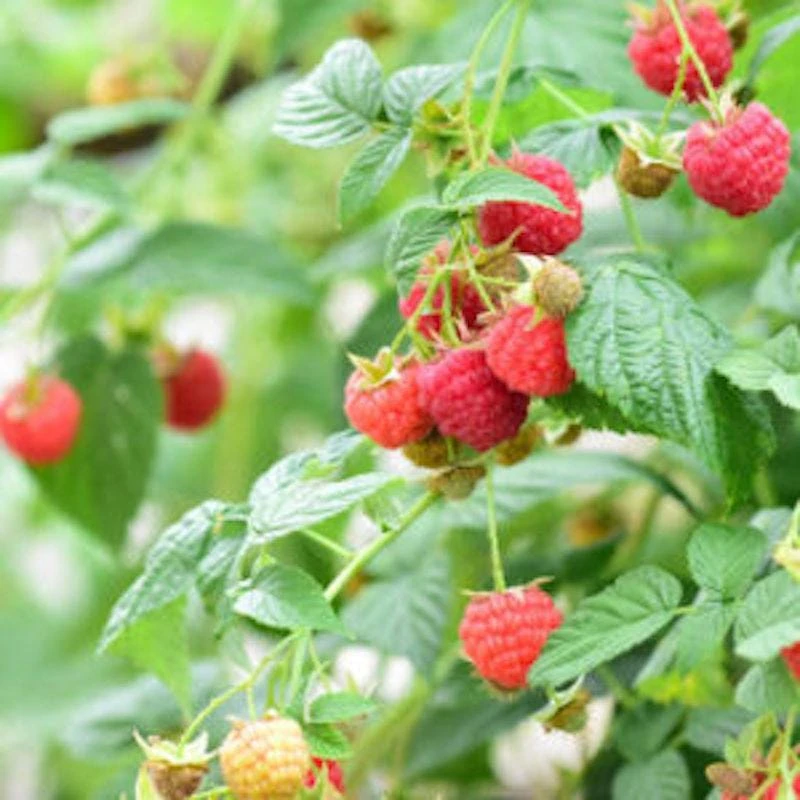
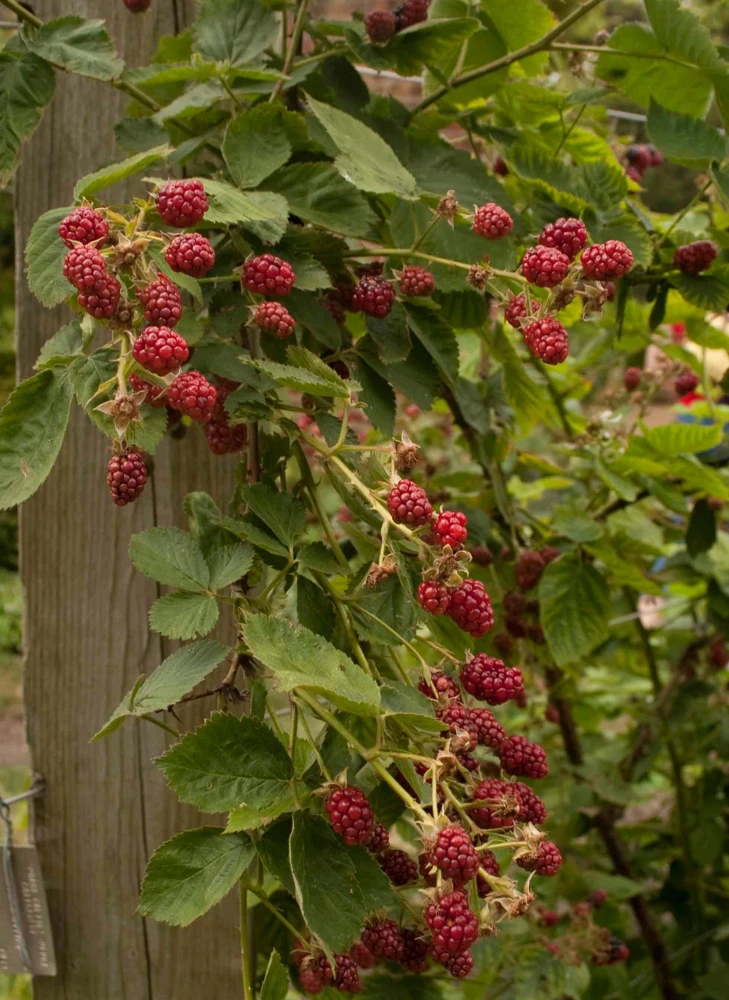
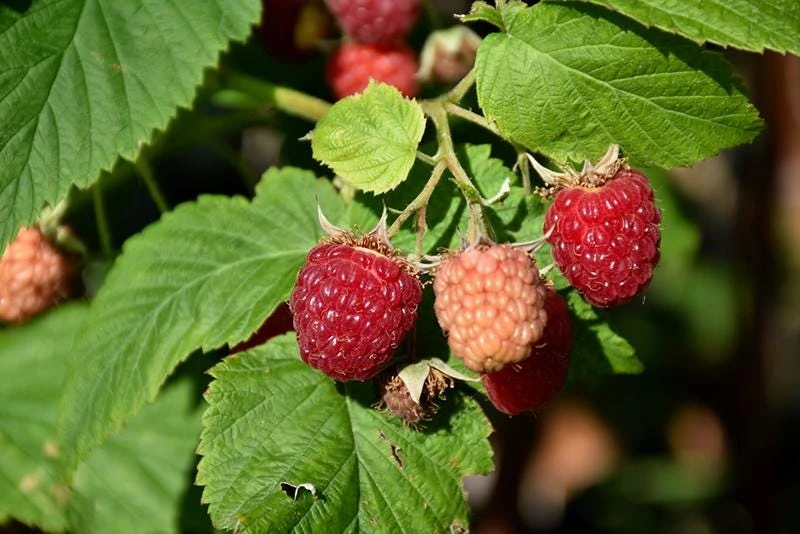
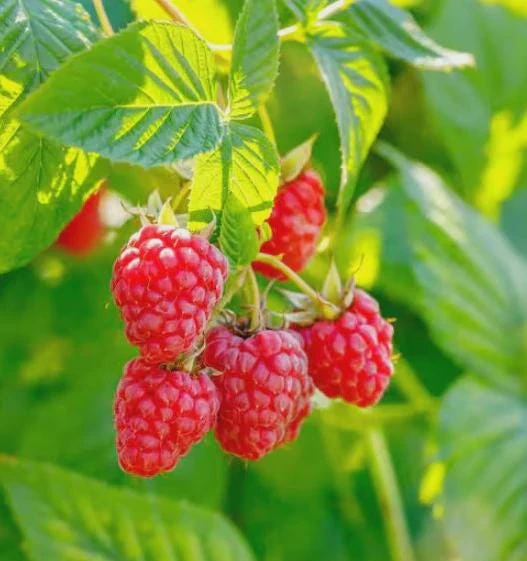
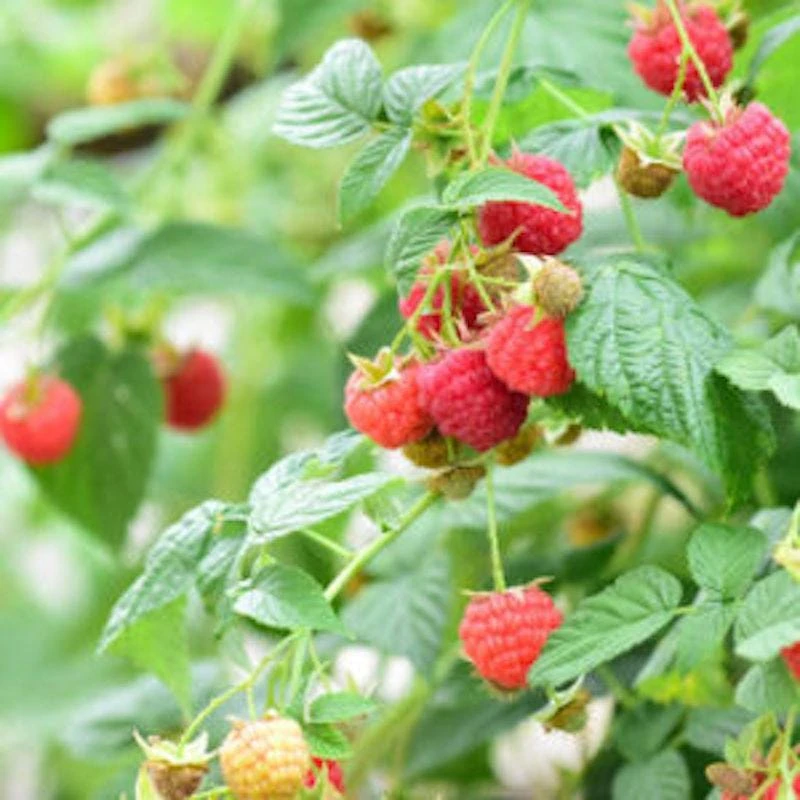
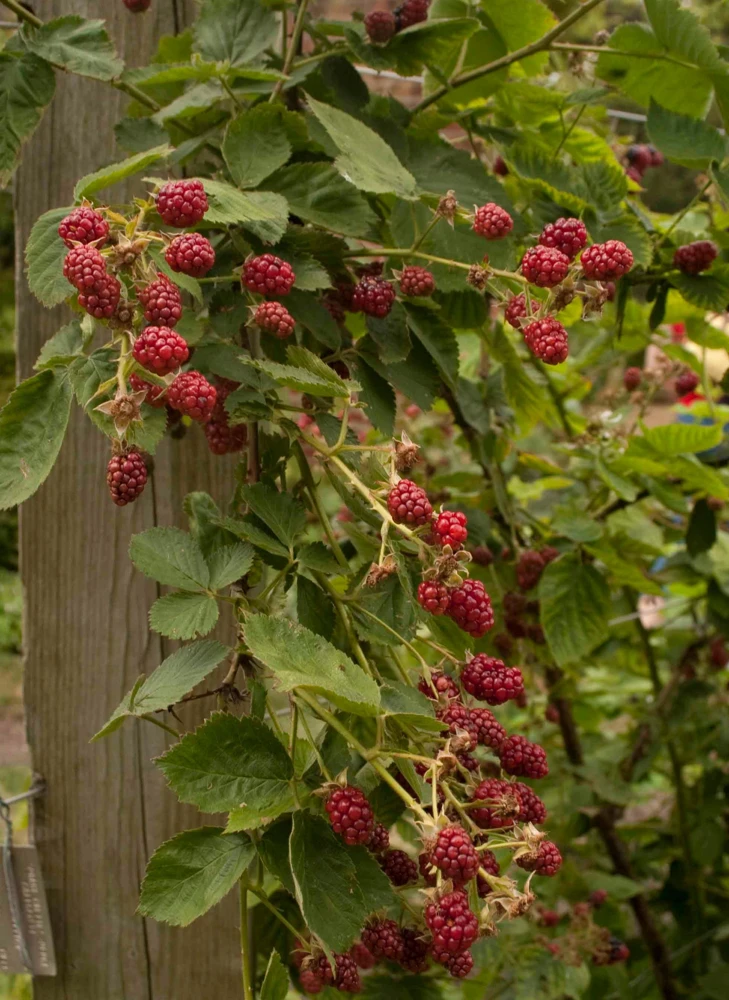
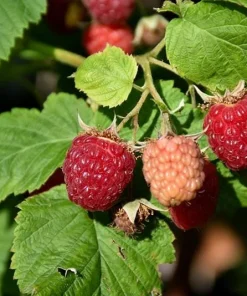
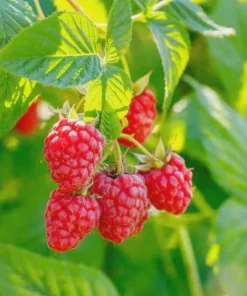
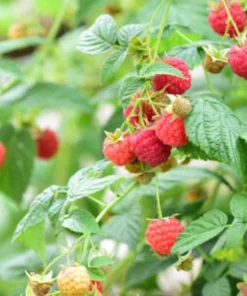
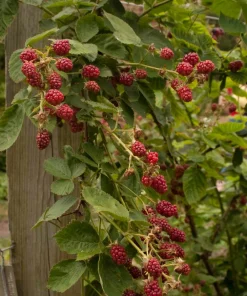
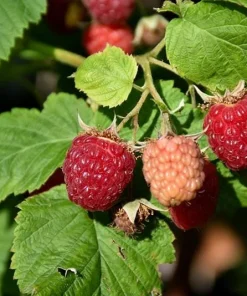
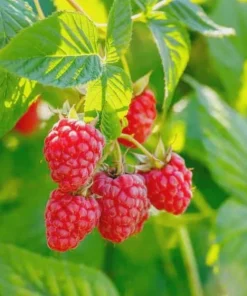
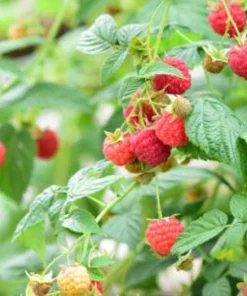
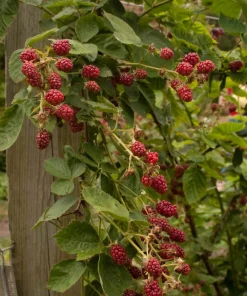
3 Latham Red Raspberry Starter Plug – Rubus idaeus – Cold Hardy Fruit Live Plant
Original price was: $93.99.$68.99Current price is: $68.99.
Cultivate your own flavorful latham red raspberry plant with this convenient 3-pack of starter plugs. Known for its exceptional cold hardiness and vigorous growth, this self-pollinating variety yields abundant, sweet summer berries. Perfect for home gardens across various climates.
Estimated arrival
Sep 29
Oct 04 - Oct 06
Oct 09 - Oct 13
Shop With Confidence
30-Day Plant Health Guarantee
Arrives damaged? We’ll replace it free — see our return policy.
Responsive Support
Email us anytime, we reply within 1 business day.
Expert Packaging
Temperature-controlled shipping to protect your plants in transit.
Secure Checkout
Pay safely with Visa, Mastercard, PayPal.
Plant Specifications
-
USDA Hardiness Zone
USDA Zones 3-8 -
Soil Type
Well-draining, rich in organic matter, slightly acidic (pH 6.0-6.8) -
Sunlight Exposure
Full sun (6-8+ hours direct sunlight) -
Expected Planting Period
Early spring or fall
Overview
Experience the joy of harvesting your own sweet, firm berries with the latham red raspberry plant. This offering includes 3 healthy starter plugs of the renowned ‘Latham’ variety (Rubus idaeus), a historic and exceptionally cold-hardy summer-bearing raspberry. Originating from the University of Minnesota, ‘Latham’ has been a favorite among gardeners for generations due to its reliability and delicious fruit. These starter plugs provide a fantastic foundation for establishing a thriving raspberry patch, allowing you to enjoy fresh raspberries straight from your garden. The latham red raspberry plant is a vigorous grower, making it an excellent choice for both new and experienced gardeners looking for a productive and resilient fruit producer.
The ‘Latham’ raspberry is celebrated for its ability to withstand harsh winter conditions, thriving in a wide range of climates. It’s a self-pollinating variety, meaning you only need one plant to produce fruit, though planting multiple will increase your yield. These starter plugs are ideal for getting a head start on your raspberry cultivation, ensuring strong root development for robust growth. Prepare to be delighted by the abundant harvests of juicy, flavorful berries that the latham red raspberry plant consistently provides each summer.
Key Benefits
The ‘Latham’ red raspberry offers numerous advantages for the home gardener, making it a highly desirable addition to any edible landscape. Its robust nature and delicious fruit contribute to a rewarding growing experience.
- Exceptional Cold Hardiness: The ‘Latham’ variety is renowned for its superior ability to withstand freezing temperatures, making it a reliable choice for gardeners in colder climates. This attribute ensures consistent performance year after year, even after harsh winters.
- Abundant Summer Harvests: Enjoy a prolific bounty of large, firm, and incredibly sweet red raspberries during the summer months. These berries are perfect for fresh eating, baking, jams, jellies, or freezing for later enjoyment.
- Self-Pollinating & Vigorous Growth: As a self-pollinating plant, you don’t need multiple varieties for fruit production. The latham red raspberry plant is also a vigorous grower with an upright habit, simplifying trellising and management.
- Widely Adaptable: Thriving in USDA Hardiness Zones 3-8 (and sometimes even 2-9), this raspberry variety adapts well to various soil types and growing conditions, ensuring success in diverse garden settings.
- Disease Resistance: ‘Latham’ raspberries are known for their good resistance to common raspberry diseases, reducing the need for intensive pest and disease management and contributing to easier latham raspberry care.
- Nutrient-Rich Fruit: Raspberries are packed with vitamins, antioxidants, and fiber, offering a healthy and delicious addition to your diet. Growing your own ensures the freshest, most nutritious berries.
- Easy to Establish: These starter plugs are designed for easy planting and quick establishment, giving your raspberry patch a strong start and accelerating your journey to fresh fruit.
Plant Care & Growing Tips
Proper latham raspberry care ensures a healthy, productive patch for years to come. These plants are relatively low-maintenance once established but benefit from consistent attention to their needs. They prefer a location with full sun, meaning at least 6-8 hours of direct sunlight per day, which is crucial for maximizing fruit production and sweetness. The soil should be well-draining, rich in organic matter, and have a slightly acidic pH between 6.0 and 6.8. Before planting, amend heavy clay soils with compost or peat moss to improve drainage and aeration. For sandy soils, adding organic matter will help retain moisture and nutrients. When planting your latham red raspberry plant plugs, ensure they are spaced approximately 2-3 feet apart within the row, with rows 6-8 feet apart to allow for good air circulation and easy harvesting.
Watering is critical, especially during dry spells and when the plants are fruiting. Aim for about 1 inch of water per week, either from rainfall or irrigation. Consistent moisture is key for plump, juicy berries. Avoid overhead watering if possible, as this can encourage fungal diseases; drip irrigation or soaker hoses are preferred. Fertilize in early spring with a balanced granular fertilizer or compost. Pruning is essential for maintaining plant health and maximizing yields. As a summer-bearing (floricane-fruiting) variety, ‘Latham’ produces fruit on canes that grew the previous year. After harvest, cut back the canes that have fruited to the ground. In late winter or early spring, thin out weaker canes, leaving 6-8 strong, healthy canes per foot of row. While the plant does have thorns, careful pruning and appropriate attire can make growing latham raspberries a pleasant experience. These practices contribute to robust growth and abundant fruiting.
Size & Details
This offer includes 3 latham red raspberry plant starter plugs, ready for planting and establishment in your garden. Each plug is a young, actively growing plant with a well-developed root system, providing a strong foundation for future growth. The ‘Latham’ variety is a vigorous grower, typically reaching a mature height of 4 to 6 feet with an upright growth habit, which makes it easier to manage and less prone to sprawling. These plants are shipped bare root with no pot, carefully packaged to ensure they arrive in excellent condition, ready to be transplanted directly into your prepared garden bed.
Expect your latham red raspberry plant to begin producing fruit within one to two seasons after planting, with full production typically achieved by the third year. The canes are known for their sturdy nature, though trellising may be beneficial to support the heavy fruit load and maintain an organized patch. The exceptional cold hardiness of this variety means it can reliably produce fruit even after harsh winters, making it a favorite for gardeners in diverse climates. You’ll be delighted by the consistent yields of large, sweet berries that are perfect for a variety of culinary uses.
Frequently Asked Questions
- Q: How big will the latham red raspberry plant get? A: The ‘Latham’ red raspberry is a vigorous grower that typically reaches a mature height of 4 to 6 feet. Its upright growth habit makes it relatively easy to manage in the garden, though some support might be beneficial for heavy fruit loads.
- Q: Is this an indoor or outdoor plant? A: The latham red raspberry plant is an outdoor plant, specifically bred for garden cultivation. It requires full sun exposure and is well-suited for planting directly in the ground in appropriate USDA Hardiness Zones.
- Q: How much sunlight does the latham red raspberry plant need? A: For optimal fruit production and plant health, the ‘Latham’ red raspberry requires at least 6-8 hours of direct sunlight per day. Planting in a full sun location is crucial for sweet, abundant berries.
- Q: Is this plant easy to care for? A: Yes, ‘Latham’ raspberries are considered relatively easy to care for, especially due to their cold hardiness and disease resistance. Consistent watering, annual pruning, and proper fertilization are key to successful latham raspberry care.
- Q: What condition will the starter plugs arrive in? A: The 3 latham red raspberry plant starter plugs are shipped bare root, meaning they will arrive without soil or a pot. They are carefully packaged to ensure their roots remain moist and healthy during transit, ready for immediate planting.
- Q: How long until it produces fruit? A: You can expect your ‘Latham’ red raspberry plants to begin producing fruit within one to two seasons after planting, with a more substantial harvest in the third year. Patience and good growing latham raspberries practices will be rewarded.
- Q: Will it survive winter in my zone? A: The ‘Latham’ red raspberry is exceptionally cold-hardy, thriving in USDA Hardiness Zones 3-8 (and some sources indicate 2-9). This makes it an excellent choice for gardeners in regions with cold winters, ensuring the plant overwinters successfully.
- Q: What’s the best time for growing latham raspberries? A: The best time for growing latham raspberries is typically in early spring after the last frost, or in the fall before the ground freezes. This allows the plants to establish their root systems before extreme temperatures.
- Q: Is the rubus idaeus latham self-pollinating? A: Yes, the rubus idaeus latham variety is self-pollinating, meaning you only need one plant to produce fruit. However, planting multiple plants can lead to a larger and more consistent yield.
- Q: Do these plants have thorns? A: Yes, the ‘Latham’ red raspberry variety does have thorns. It’s advisable to wear gloves and long sleeves when handling and pruning the plants to protect your hands and arms.
Be the first to review “3 Latham Red Raspberry Starter Plug – Rubus idaeus – Cold Hardy Fruit Live Plant”
People Also Viewed









Reviews
There are no reviews yet.