



3 Canby Thornless Red Raspberry Starter Plug – Rubus idaeus – Bare Root Plant
Original price was: $93.99.$68.99Current price is: $68.99.
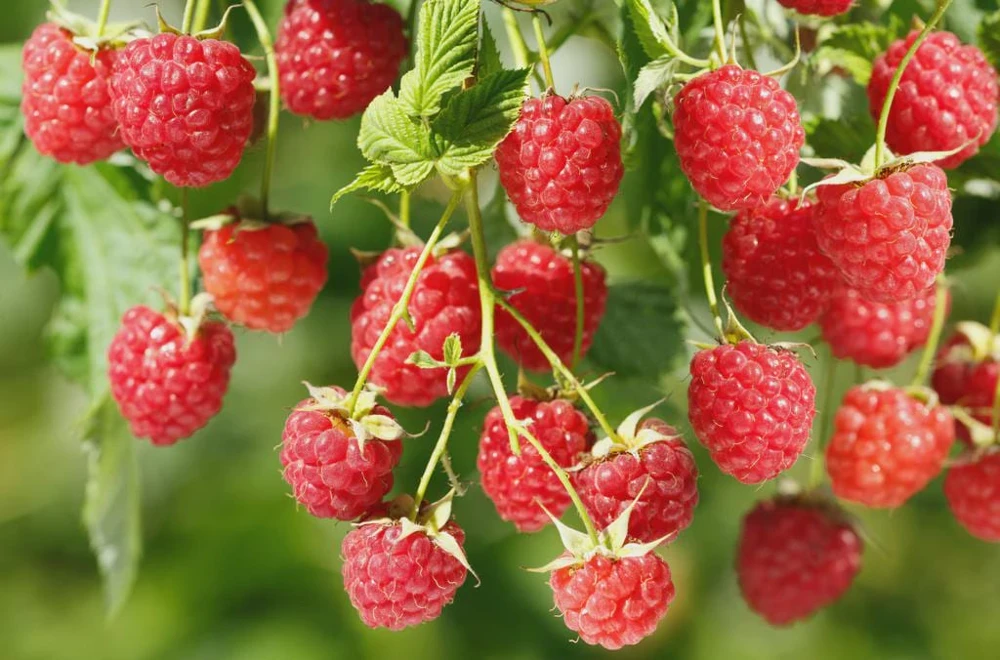
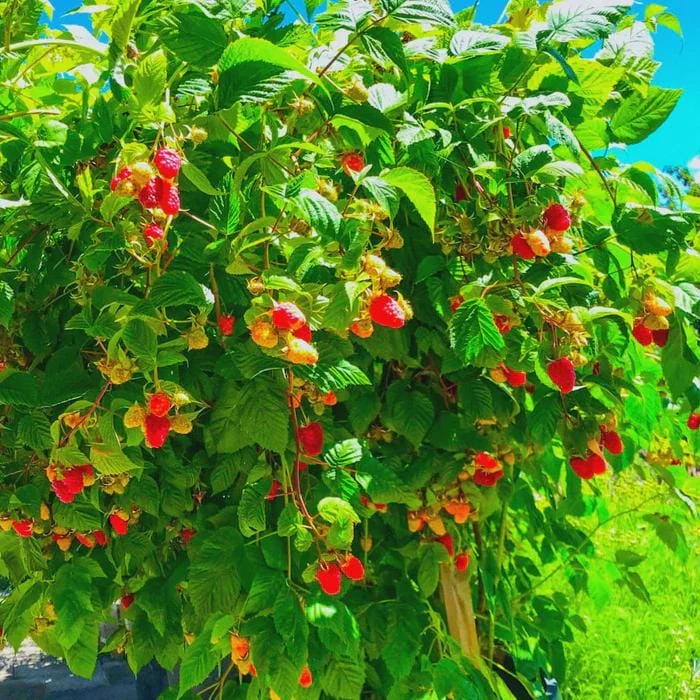
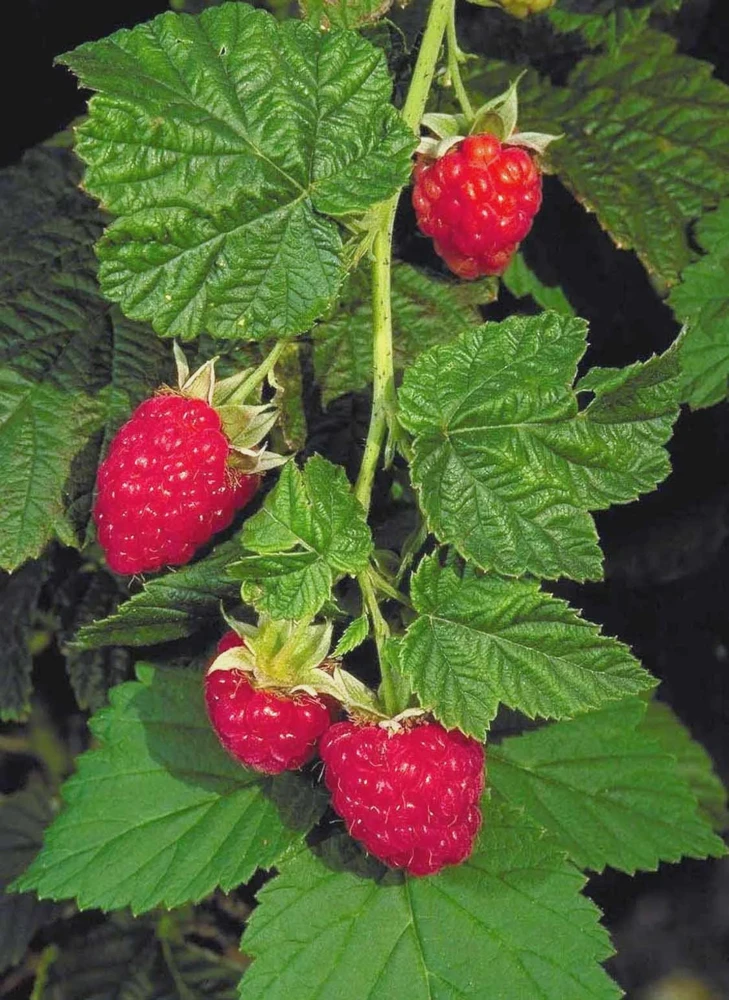
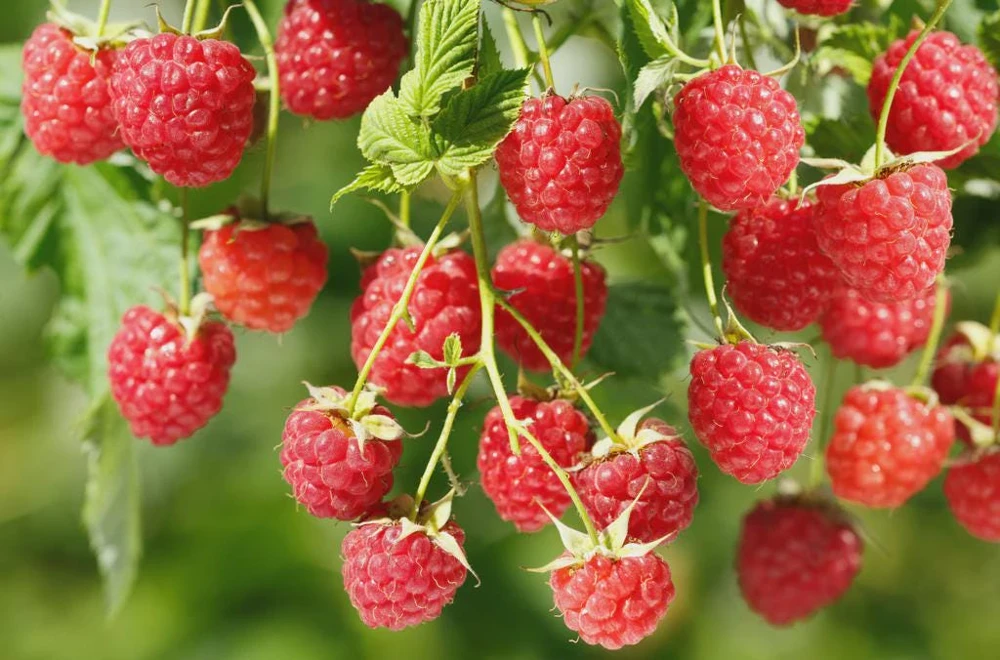
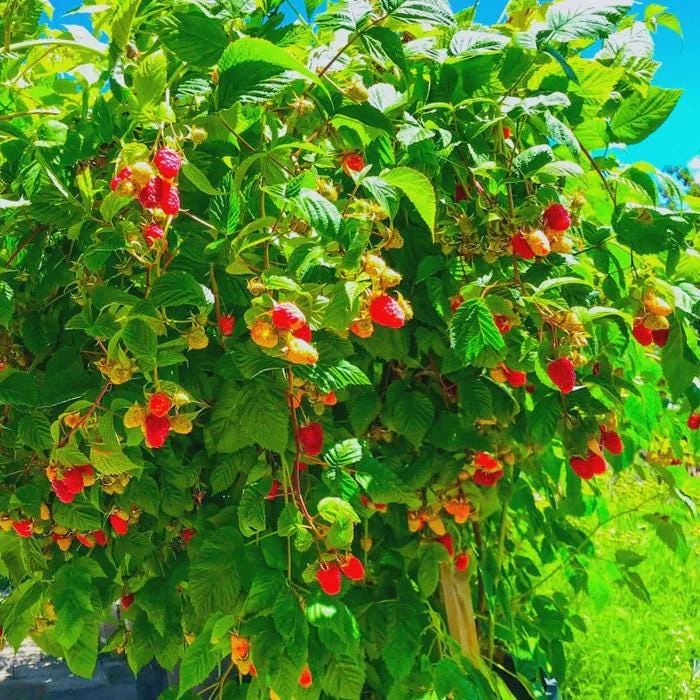
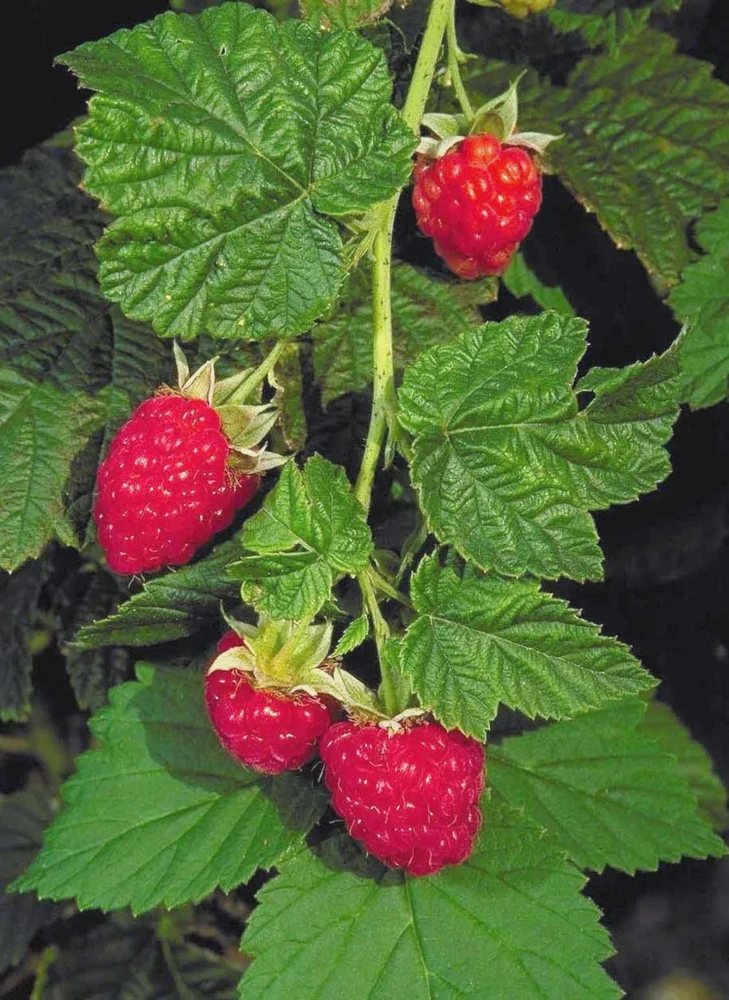
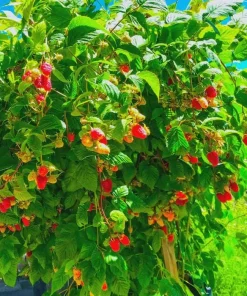
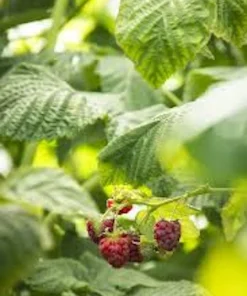
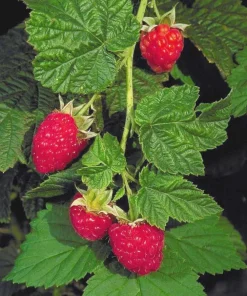
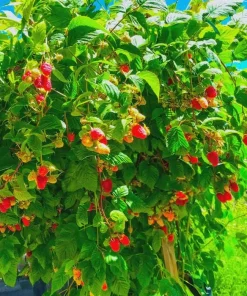
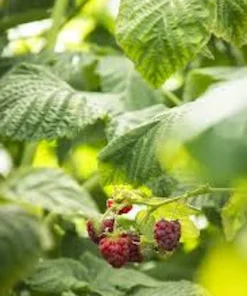
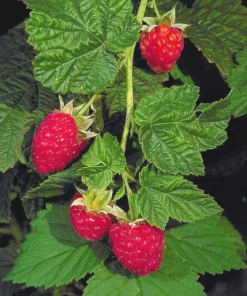
Cultivate your own sweet, bright red raspberries with this canby thornless raspberry plant. The ‘Canby’ variety (Rubus idaeus ‘Canby’) is a popular June-bearing, self-pollinating choice known for its nearly thornless canes and abundant, delicious fruit, making harvesting a breeze. Ideal for USDA zones 3-8, this vigorous plant reaches 4-6 feet tall.
Estimated arrival
Sep 29
Oct 04 - Oct 06
Oct 09 - Oct 13
Shop With Confidence
30-Day Plant Health Guarantee
Arrives damaged? We’ll replace it free — see our return policy.
Responsive Support
Email us anytime, we reply within 1 business day.
Expert Packaging
Temperature-controlled shipping to protect your plants in transit.
Secure Checkout
Pay safely with Visa, Mastercard, PayPal.
Plant Specifications
-
USDA Hardiness Zone
3-8 -
Soil Type
Well-draining, slightly acidic soil (pH 6.0-6.8) -
Sunlight Exposure
Full sun (6-8 hours daily) -
Expected Planting Period
Early spring
Overview
Embark on a rewarding gardening journey with the canby thornless raspberry plant. This exceptional variety, scientifically known as Rubus idaeus ‘Canby’, is celebrated for its ease of cultivation and generous yields of succulent fruit. As a popular June-bearing, self-pollinating raspberry, it consistently produces large, sweet, and vibrantly red berries, perfect for fresh eating, jams, or desserts. The ‘Canby’ raspberry stands out due to its nearly thornless canes, which significantly simplifies the harvesting process, allowing gardeners to gather their bounty without the usual prickles. This makes it an excellent choice for both novice and experienced gardeners looking for a hassle-free and productive fruit plant. Plant these bare-root starts to establish a thriving raspberry patch that will provide delicious fruit for years to come.
Known for its robust nature, the ‘Canby’ raspberry is a vigorous and cold-hardy plant, making it suitable for a wide range of climates. It thrives particularly well in cooler summer regions, demonstrating excellent resilience. Beyond its fruit production, this plant also offers good resistance to certain common raspberry viruses and aphids, contributing to its low-maintenance appeal. Its upright growth habit and impressive height potential ensure a bountiful harvest and a beautiful addition to any garden landscape.
Key Benefits
The canby thornless raspberry plant offers numerous advantages for the home gardener, combining ease of care with abundant, high-quality fruit production. Its unique characteristics make it a standout choice for adding fresh, organic produce to your diet.
- Effortless Harvesting: The ‘Canby’ variety features nearly thornless canes, which dramatically reduces the risk of scratches and makes picking your delicious raspberries a much more enjoyable and quicker experience for everyone.
- Abundant & Sweet Fruit: Expect a prolific harvest of large, bright red, and exceptionally sweet berries. These raspberries are perfect for fresh consumption, baking, making preserves, or freezing for later enjoyment.
- Cold Hardy & Vigorous Growth: This robust plant is highly cold-hardy, thriving in USDA zones 3 to 8, and exhibits vigorous upright growth, establishing quickly and providing a strong foundation for future harvests.
- Disease & Pest Resistance: The ‘Canby’ raspberry boasts good natural resistance to some common raspberry viruses and aphids, contributing to a healthier plant and reducing the need for chemical interventions.
- Self-Pollinating: As a self-pollinating variety, you only need one plant to produce fruit, simplifying your planting strategy and ensuring a reliable yield even in smaller garden spaces.
- Versatile Use: Beyond its fruit, the upright growth of this rubus idaeus canby plant can also add an attractive structural element to your garden, and it can be trained on a trellis for neat cultivation.
- June-Bearing Production: Enjoy a concentrated harvest of fresh raspberries early in the summer, providing a burst of flavor just when you crave it most.
Plant Care & Growing Tips
Proper care is essential for a thriving canby thornless raspberry plant. These vigorous plants are relatively easy to maintain once established, but providing the right conditions will ensure a bountiful harvest. For optimal growth and fruit production, ‘Canby’ raspberries require full sun, meaning at least 6-8 hours of direct sunlight per day. Choose a location in your garden that receives ample morning sun, which helps dry dew from the leaves and reduces fungal issues. While they are cold-hardy and thrive in cooler summer climates, consistent sunlight is key to developing sweet, flavorful berries.
When it comes to watering, consistent moisture is crucial, especially during fruit development. Aim for about 1 inch of water per week, either from rainfall or irrigation. The soil should be kept consistently moist but not waterlogged. Good drainage is paramount; raspberries do not tolerate soggy feet. Plant your June-bearing raspberry in well-draining, slightly acidic soil with a pH between 6.0 and 6.8. Amending heavy clay soils with organic matter like compost can significantly improve drainage and fertility. These plants are suitable for USDA zones 3 to 8, demonstrating excellent cold hardiness. Mulching around the base of the plant can help retain soil moisture, suppress weeds, and regulate soil temperature.
Fertilize your ‘Canby’ raspberries in early spring before new growth begins, using a balanced granular fertilizer or a fertilizer formulated for berries. Avoid over-fertilizing with nitrogen, which can lead to excessive foliage growth at the expense of fruit production. Pruning is vital for maintaining plant health and maximizing yields. As a June-bearing variety, ‘Canby’ produces fruit on floricanes (second-year canes). After harvest, prune out these old, fruited canes at ground level. Leave the new primocanes (first-year canes) to overwinter, as they will bear fruit the following year. Trellising can be beneficial for supporting the upright growth of this thornless raspberry care, especially as it matures and bears heavy fruit loads. Monitor for any signs of pests or diseases, though the ‘Canby’ is known for good resistance to certain viruses and aphids.
Size & Details
The canby thornless raspberry plant is shipped as a bare-root starter plug, ready for planting to establish a robust and productive raspberry patch. These vigorous plants typically reach a mature height of 4–6 feet, with a similar spread if not managed. They exhibit an upright growth habit, which can be further supported by trellising as the canes mature and become laden with fruit. As a June-bearing variety, you can expect a concentrated harvest of delicious red raspberries early in the summer season once the plant reaches maturity, usually within one to two years after planting. The nearly thornless canes make for easy handling and harvesting, a significant advantage for home gardeners. These plants are cold-hardy and well-suited for USDA zones 3 to 8, ensuring they can thrive in a variety of temperate climates.
Frequently Asked Questions
- Q: How big will the canby thornless raspberry plant get? A: This vigorous plant typically grows to an upright height of 4–6 feet. Providing some trellis support can help manage its growth and support the canes when they are heavy with fruit.
- Q: Is this an indoor or outdoor plant? A: The ‘Canby’ raspberry is an outdoor plant, specifically bred for garden cultivation. It requires full sun exposure and is cold-hardy for USDA zones 3 to 8.
- Q: How much sunlight does the rubus idaeus canby need? A: For optimal fruit production and plant health, the ‘Canby’ raspberry requires full sun, meaning at least 6-8 hours of direct sunlight per day.
- Q: Is this plant easy to care for? A: Yes, the ‘Canby’ raspberry is considered relatively easy to care for, especially due to its thornless canes and good resistance to some common pests and diseases. Consistent watering and proper pruning are key to success.
- Q: What condition will the plant arrive in? A: The plants are shipped as bare-root starter plugs, meaning they will arrive without soil or a pot. This is a common and effective way to ship dormant plants for transplanting.
- Q: When is the best time to plant this June-bearing raspberry? A: The best time to plant bare-root raspberries is in early spring, as soon as the soil can be worked. This allows the plant to establish its root system before the heat of summer.
- Q: Will it survive winter in my zone? A: The ‘Canby’ raspberry is a cold-hardy variety suitable for USDA zones 3 to 8, meaning it can withstand significant winter temperatures in these regions.
- Q: How long until it produces fruit? A: Typically, ‘Canby’ raspberries will begin producing fruit in their second year after planting. As a June-bearing variety, the harvest will occur early in the summer.
- Q: What kind of soil does this cold hardy raspberry prefer? A: It thrives in well-draining, slightly acidic soil with a pH between 6.0 and 6.8. Amending with organic matter will improve soil structure and fertility.
- Q: Do I need more than one plant for fruit production? A: No, the ‘Canby’ raspberry is a self-pollinating variety, so a single plant is sufficient to produce fruit. However, planting multiple plants can increase your overall yield.
Be the first to review “3 Canby Thornless Red Raspberry Starter Plug – Rubus idaeus – Bare Root Plant”
People Also Viewed
Flower Seeds
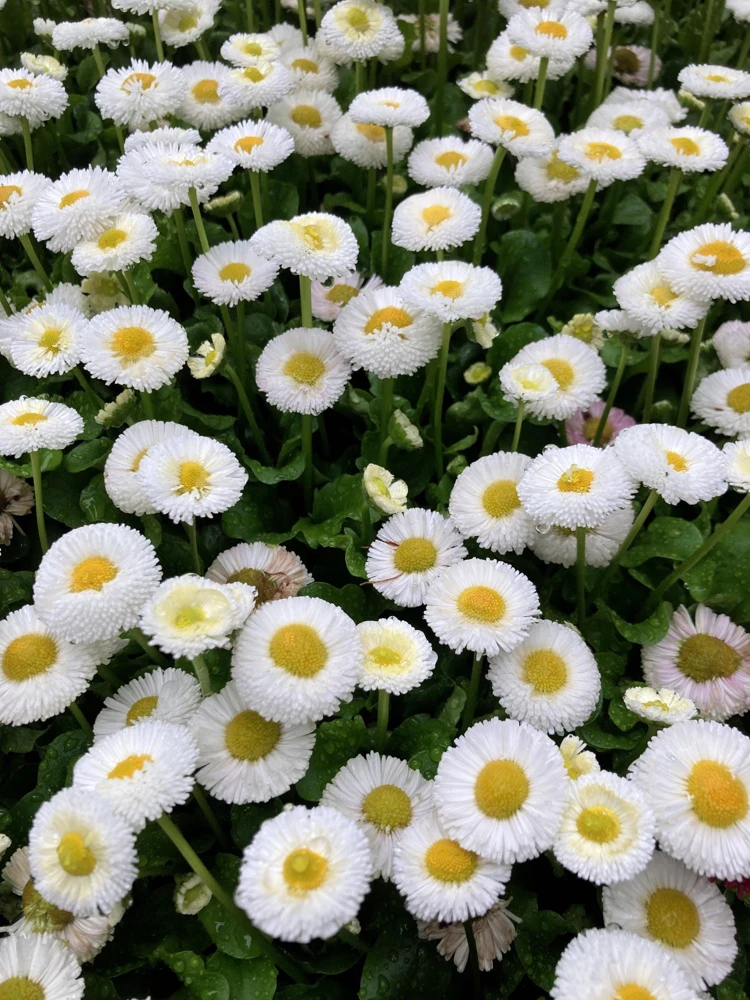
Dwarf White English Daisy Seeds – Bellis Perennis Flower Seeds – 500 Count – Hardy Perennial

Reviews
There are no reviews yet.