
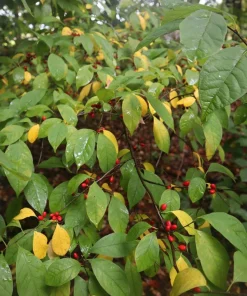
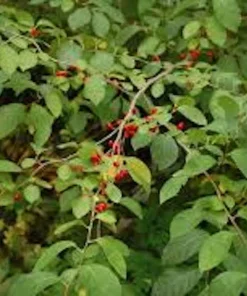
Spice Bush Live Plant – Lindera benzoin Shrub, 6-12 inches, Quart Pot
Original price was: $123.99.$98.99Current price is: $98.99.
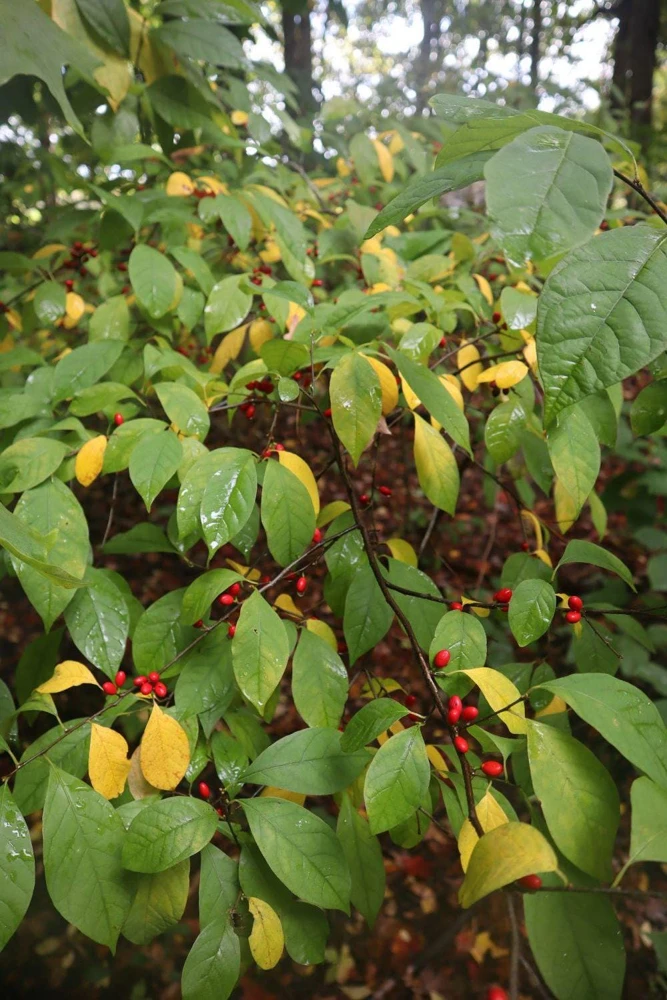
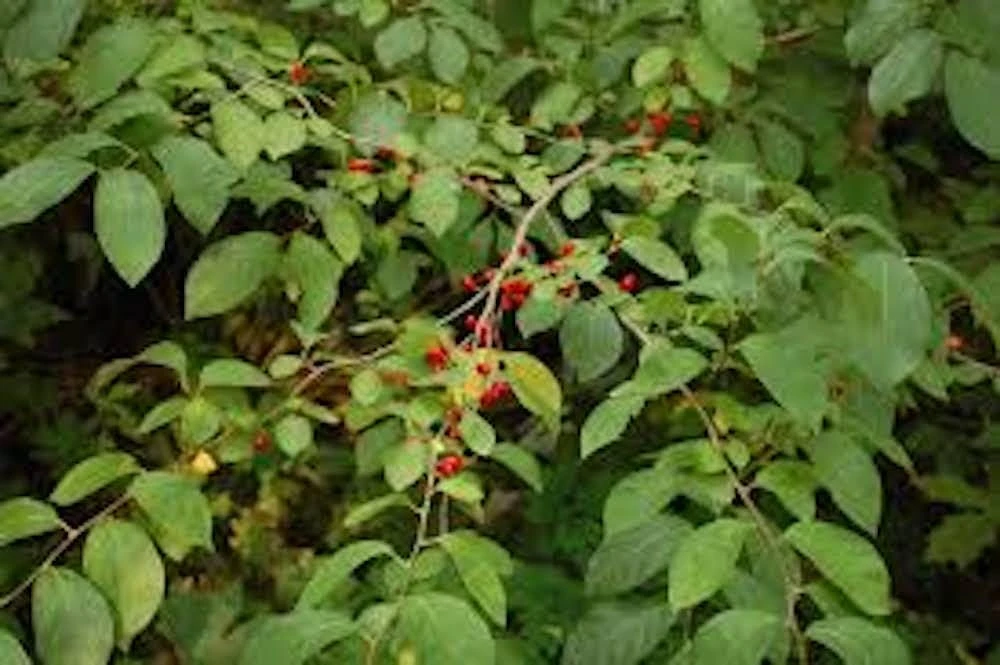
Bring home a beautiful spice bush live plant, also known as northern spicebush shrub (Lindera benzoin). This aromatic, deciduous shrub is native to North America, offering fragrant leaves and berries. It’s a pollinator friendly plant, thriving in moist, well-drained soils and partial shade, making it an excellent addition to any garden.
Estimated arrival
Sep 29
Oct 04 - Oct 06
Oct 09 - Oct 13
Shop With Confidence
30-Day Plant Health Guarantee
Arrives damaged? We’ll replace it free — see our return policy.
Responsive Support
Email us anytime, we reply within 1 business day.
Expert Packaging
Temperature-controlled shipping to protect your plants in transit.
Secure Checkout
Pay safely with Visa, Mastercard, PayPal.
Plant Specifications
-
USDA Hardiness Zone
USDA Zones 4-9 -
Soil Type
Moist, well-draining, loamy soil -
Sunlight Exposure
Partial shade to full sun -
Expected Planting Period
Spring to Fall
Overview
Welcome the delightful spice bush live plant (Lindera benzoin) into your garden, a truly captivating addition for both its aesthetic appeal and ecological benefits. Also known as northern spicebush shrub, this aromatic deciduous plant is a cherished native to eastern and central North America. Known for its pleasant fragrance, the spice bush live plant adds a unique sensory dimension to any landscape, with its leaves and twigs releasing a spicy aroma when crushed. This easy-to-grow shrub is a testament to natural beauty and resilience, making it suitable for a variety of garden styles, from woodland settings to more formal arrangements. Its vibrant fall foliage and bright red berries provide year-round interest, ensuring your garden remains dynamic and inviting through the seasons. This particular offering provides a healthy starter plant, ready to establish itself and flourish in your outdoor space.
The lindera benzoin plant is highly valued for its role in supporting local ecosystems. As a pollinator friendly plant, it attracts a host of beneficial insects, including various bee species and swallowtail butterflies, particularly the Spicebush Swallowtail whose larvae feed exclusively on its leaves. Beyond its ecological contributions, the spice bush live plant is renowned for its low maintenance requirements and adaptability. It thrives in conditions that might challenge other plants, demonstrating a robust nature that makes it an ideal choice for both novice and experienced gardeners looking for an attractive and beneficial native species. Its natural elegance and ecological importance make it a wise and wonderful investment for your garden.
Key Benefits
Integrating a spice bush live plant into your landscape offers a multitude of advantages, enhancing both the beauty and biodiversity of your outdoor space. This native shrub provides significant ecological value and requires minimal effort to maintain.
- Ecological Support: The northern spicebush shrub is a vital host plant for the Spicebush Swallowtail butterfly larvae and a significant nectar source for adult butterflies, bees, and other pollinators. Its berries are also a crucial food source for many bird species in the fall and winter, contributing to a healthy local ecosystem.
- Aromatic Foliage: Enjoy the unique, spicy fragrance released from the leaves and twigs when bruised or brushed against. This natural aroma adds an immersive sensory experience to your garden, making it a truly delightful place to spend time.
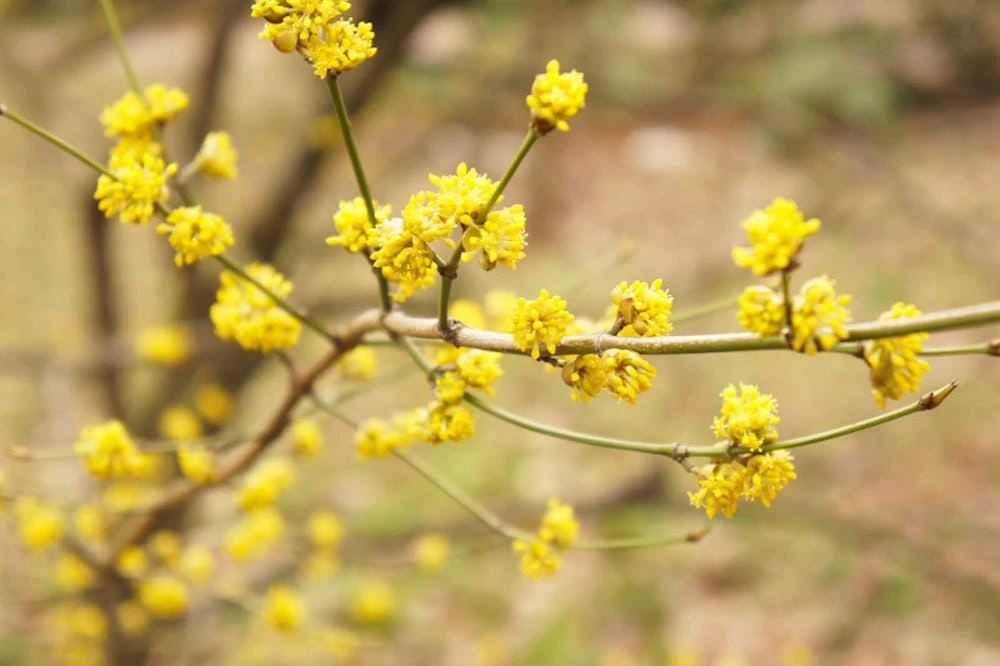
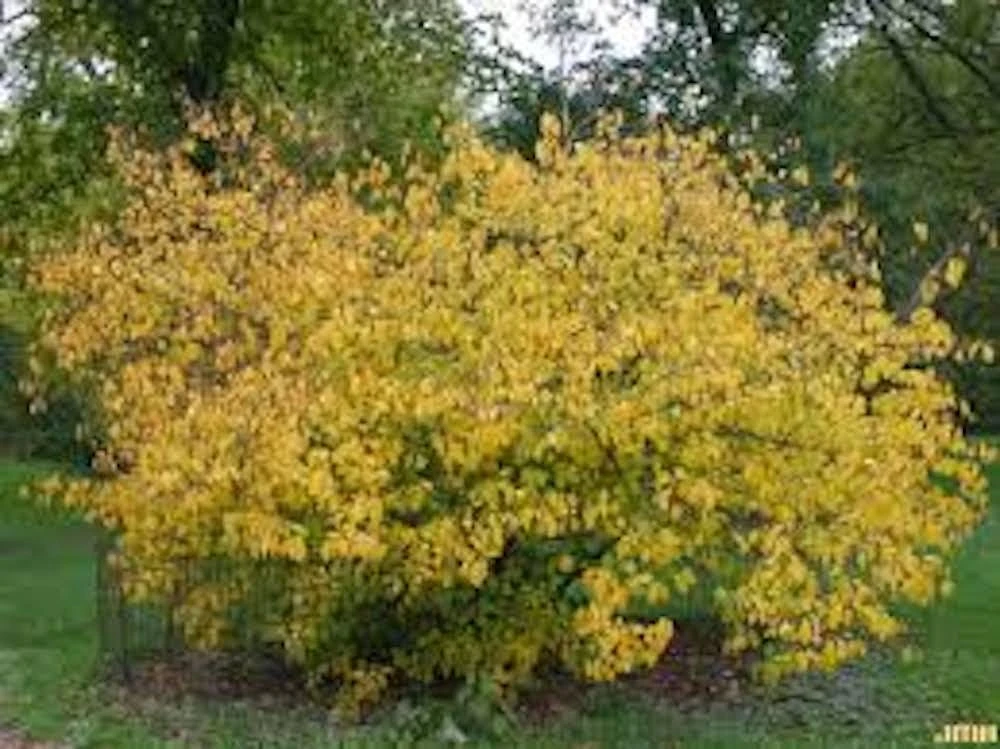
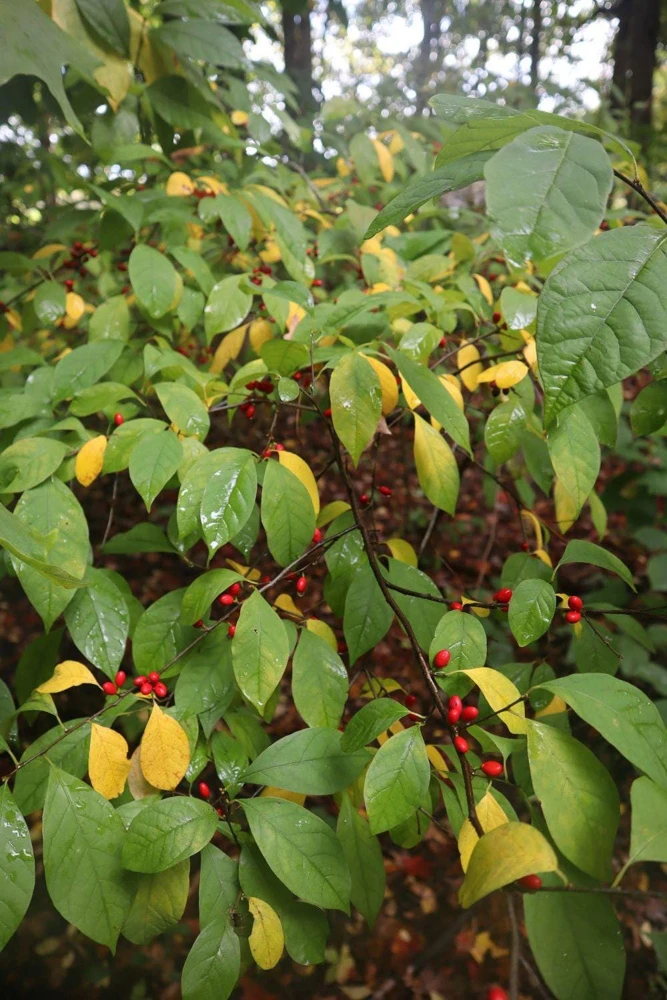
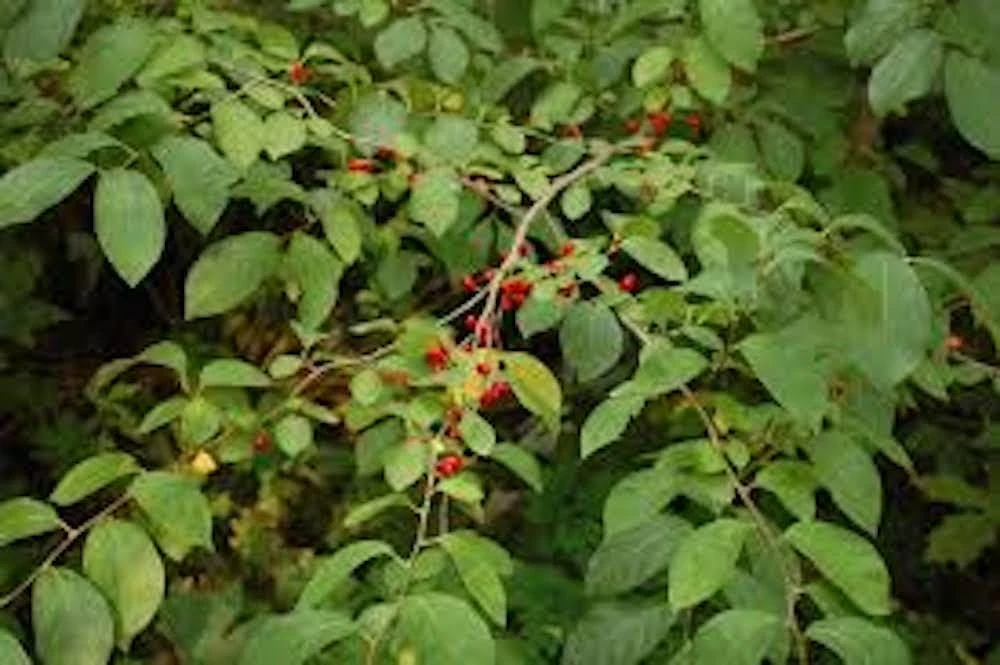
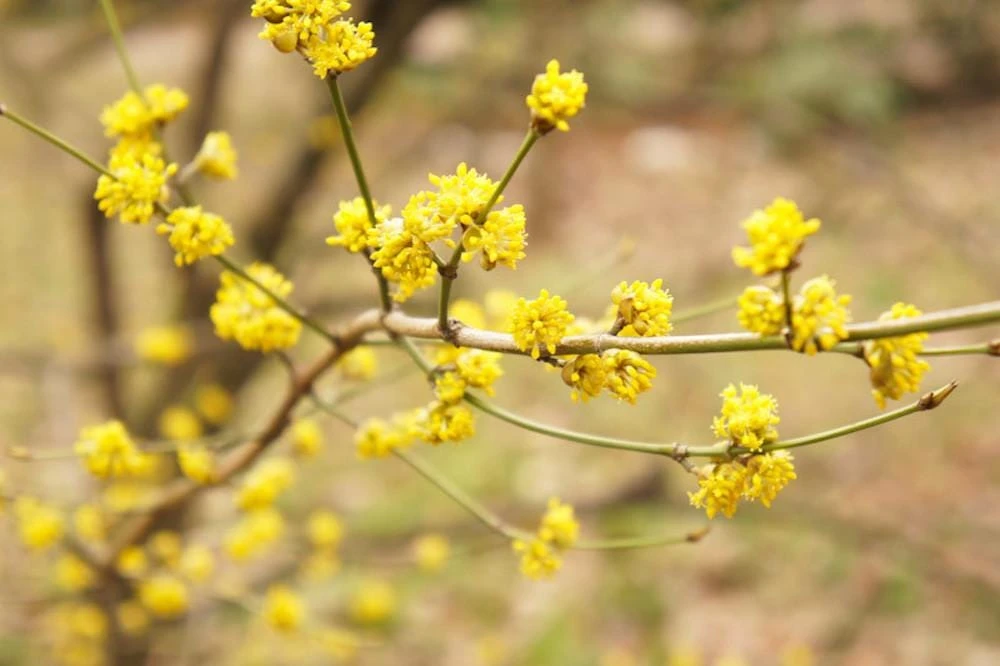
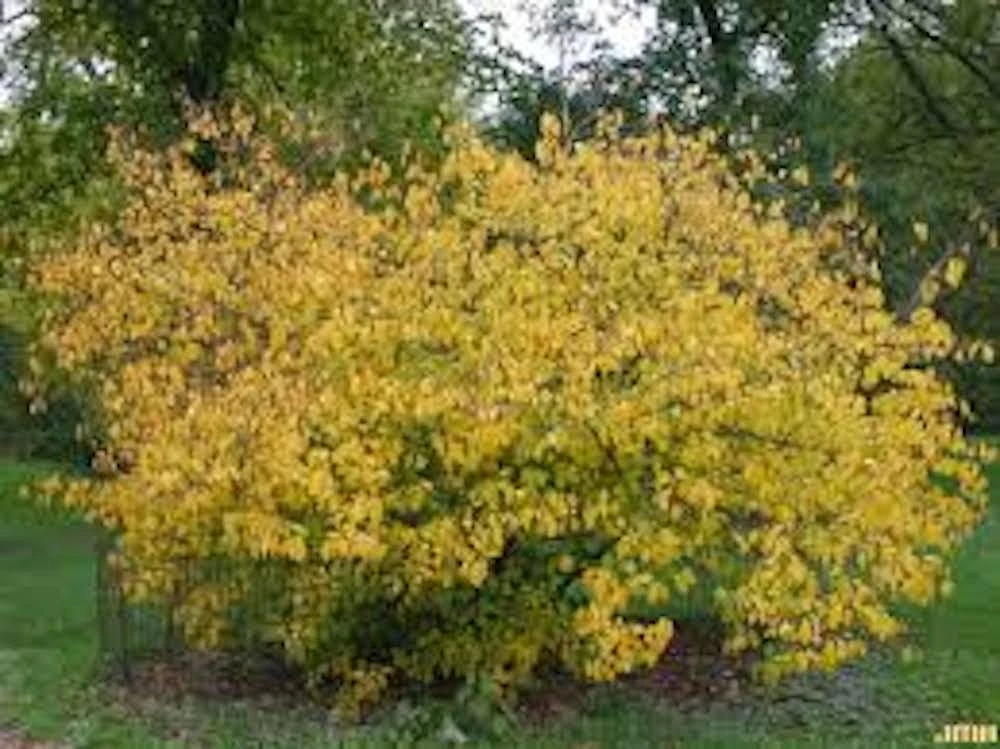
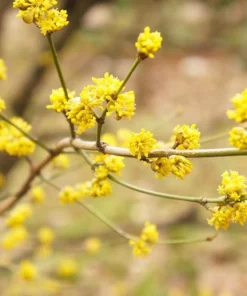
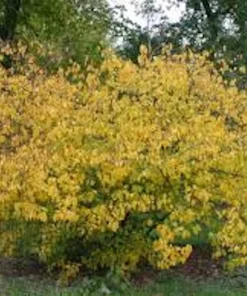
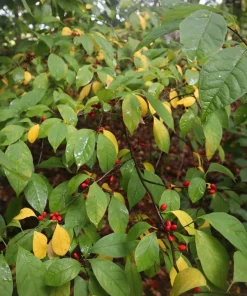
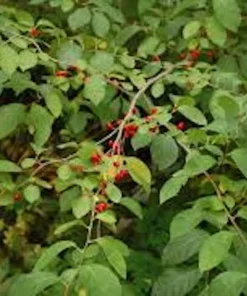
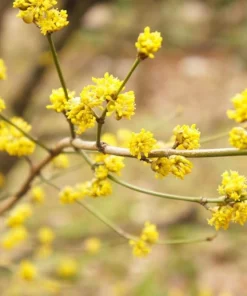
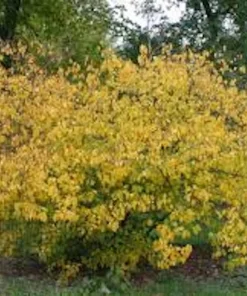
- Vibrant Seasonal Interest: From bright green spring foliage and subtle yellow flowers to brilliant golden-yellow fall leaves and glossy red berries, the lindera benzoin plant offers continuous visual appeal throughout the year, ensuring your garden remains captivating.
- Easy to Grow & Low Maintenance: This robust shrub is remarkably easy to care for, adapting well to various conditions. It requires minimal pruning and is generally resistant to pests and diseases, making it a perfect choice for gardeners seeking a hassle-free yet rewarding plant.
- Native Resilience: Being native to North America, the spice bush live plant is well-adapted to local climates and soil conditions, contributing to a more sustainable and resilient garden environment. Its inherent hardiness means it can withstand typical regional challenges with ease.
- Versatile Landscaping: Whether used as a specimen plant, in a naturalized area, a shrub border, or even in a rain garden, the aromatic deciduous shrub fits seamlessly into diverse landscape designs. Its moderate size makes it suitable for various garden scales.
- Medicinal & Culinary History: Historically, various parts of the spice bush have been used for medicinal purposes by Native Americans, and its berries were once used as a substitute for allspice.
Plant Care & Growing Tips
Caring for your spice bush live plant is straightforward, thanks to its adaptability and resilience. To ensure optimal growth and health, understanding its preferred growing conditions is key. This northern spicebush shrub thrives in a range of environments but particularly excels when its specific needs are met, leading to a more vigorous and beautiful plant that will grace your garden for years to come. Proper care will ensure your lindera benzoin plant produces abundant foliage, flowers, and berries, enhancing its value as both an ornamental and ecological asset.
For sunlight, the spice bush live plant prefers partial shade to full sun. While it can tolerate full sun, especially in cooler climates, it generally performs best with some protection from intense afternoon sun, particularly in warmer regions. Aim for at least 4-6 hours of morning sun with afternoon shade for ideal conditions. When it comes to watering, consistent moisture is crucial, especially during its establishment period. The plant thrives in moist, well-drained soils, so regular watering is important, but avoid waterlogging. Once established, it can tolerate some drought, but consistent moisture will lead to healthier growth and better berry production. The ideal soil type for this aromatic deciduous shrub is a rich, loamy soil with a slightly acidic to neutral pH. Good drainage is essential to prevent root rot. Incorporating organic matter, such as compost, into the planting hole can greatly benefit its growth and help retain moisture while improving drainage. The pollinator friendly plant is hardy in USDA zones 4-9, tolerating a wide range of temperatures. Fertilization is generally not heavily required; a light application of a balanced, slow-release granular fertilizer in early spring can be beneficial, especially in poorer soils. Common problems are few, but watch for leaf spots in overly wet conditions or spider mites in very dry, hot weather; good air circulation and proper watering usually mitigate these issues.
Size & Details
This offering is for a spice bush live plant, typically measuring 6-12 inches in height from the soil line, provided in a quart-sized nursery pot. These starter plants are well-rooted and ready for transplanting into your garden or a larger container. The moderate size makes them easy to handle and establish, providing a good foundation for future growth. The northern spicebush shrub is known for its moderate growth rate, typically adding 12-24 inches of height per year under ideal conditions. It will eventually mature into a multi-stemmed shrub, reaching an average height and spread of 6-12 feet, though it can sometimes grow larger in optimal environments. The plant ships as a healthy, actively growing specimen, carefully packaged to ensure its safe arrival. Expect it to begin vigorous growth once settled into its new home, gradually developing its characteristic form and seasonal features. The quart pot provides enough room for the initial root development, and transplanting to its permanent location will allow for unhindered growth.
Frequently Asked Questions
- Q: How big does this spice bush live plant get? A: This starter plant is 6-12 inches tall and will mature into a shrub typically 6-12 feet tall and wide, though it can sometimes reach up to 15 feet in ideal conditions.
- Q: Is this an indoor or outdoor plant? A: The spice bush live plant is an outdoor deciduous shrub, native to North America. It is not suitable for indoor cultivation and requires outdoor conditions to thrive and complete its natural life cycle.
- Q: How much sunlight does the northern spicebush shrub need? A: This shrub prefers partial shade to full sun. It generally performs best with at least 4-6 hours of morning sun and protection from intense afternoon sun, especially in warmer climates.
- Q: Is this plant easy to care for? A: Yes, the lindera benzoin plant is considered very easy to care for. It’s a low-maintenance native shrub that is adaptable to various soil types and generally resistant to pests and diseases, making it great for beginners.
- Q: What condition will the aromatic deciduous shrub arrive in? A: Your plant will arrive as a healthy, actively growing starter plant in a quart-sized pot, carefully packaged to ensure it reaches you in excellent condition, ready for planting.
- Q: When is the best time to plant a spice bush live plant? A: The best time to plant is in spring or fall when temperatures are moderate. This allows the plant to establish its root system before the stress of extreme summer heat or winter cold.
- Q: Will the pollinator friendly plant survive winter in my zone? A: The spice bush is hardy in USDA Zones 4-9, meaning it can tolerate winter temperatures down to -30°F (-34°C). If you are within these zones, it should survive winter without issue.
Be the first to review “Spice Bush Live Plant – Lindera benzoin Shrub, 6-12 inches, Quart Pot”
People Also Viewed
Flower Bulbs
Set of 6 Lily of the Valley Bulbs for Planting – Fragrant White Perennial Flowers, Shade Loving
Reviews
There are no reviews yet.