
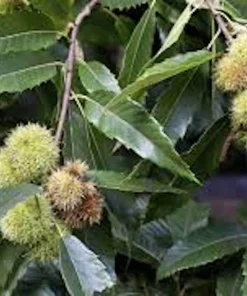
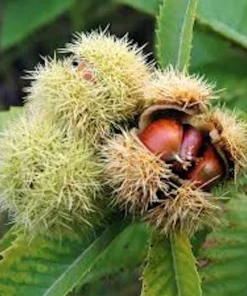
Dunstan Chestnut Tree Live Plant – 12-24in Tall Hybrid Bare Root – USDA Zones 5-8
Original price was: $74.99.$49.99Current price is: $49.99.
Cultivate your own delicious chestnuts with the Dunstan Chestnut Tree. This blight resistant chestnut hybrid offers exceptional nut production and ornamental beauty. Ships as a 12-24in tall hybrid bare root plant, ideal for planting in USDA Zones 5-8.
Estimated arrival
Sep 29
Oct 04 - Oct 06
Oct 09 - Oct 13
Shop With Confidence
30-Day Plant Health Guarantee
Arrives damaged? We’ll replace it free — see our return policy.
Responsive Support
Email us anytime, we reply within 1 business day.
Expert Packaging
Temperature-controlled shipping to protect your plants in transit.
Secure Checkout
Pay safely with Visa, Mastercard, PayPal.
Plant Specifications
-
USDA Hardiness Zone
USDA zones 5-8 -
Soil Type
Well-draining, slightly acidic to neutral soil -
Sunlight Exposure
Full sun -
Expected Planting Period
Late fall to early spring
Overview
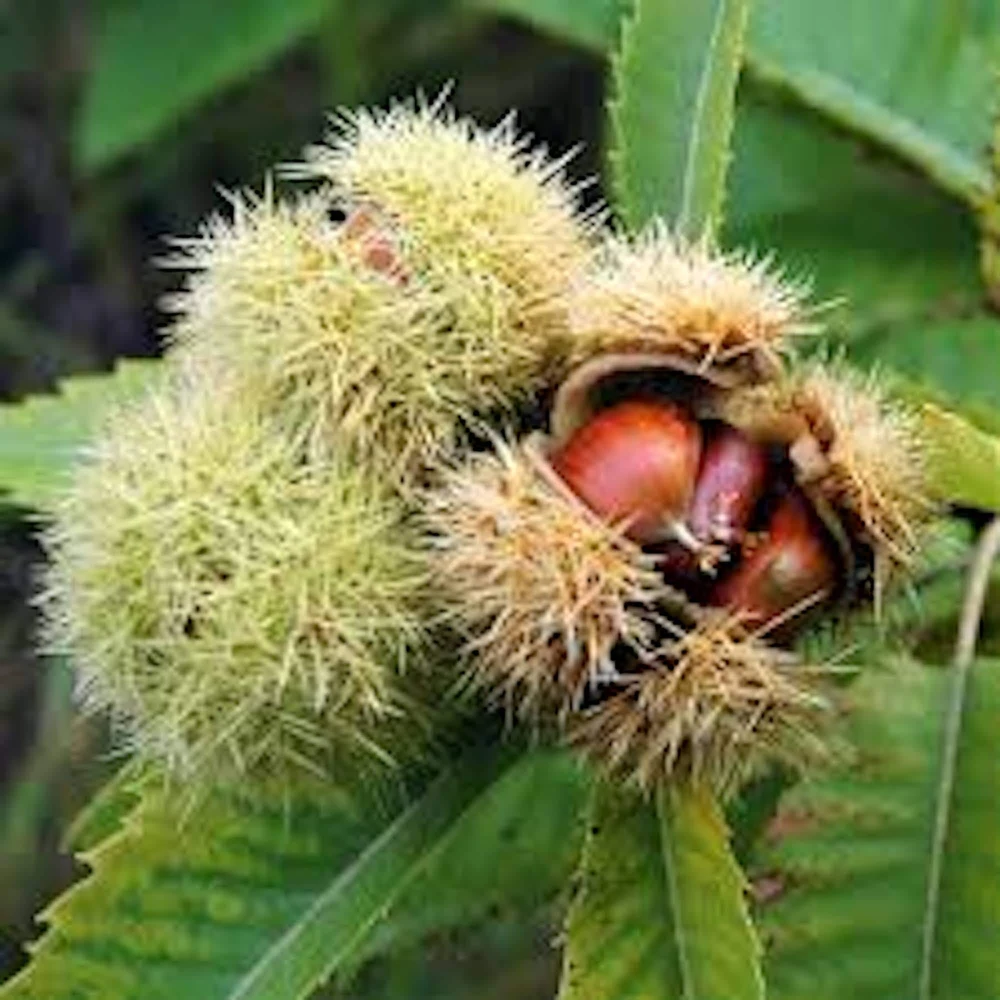
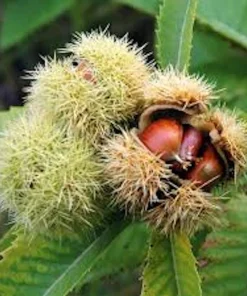
Discover the remarkable Dunstan Chestnut Tree, a highly sought-after hybrid known for its exceptional nut production and strong resistance to the devastating chestnut blight. This live plant is a cross between the American chestnut (Castanea dentata) and the Chinese chestnut (Castanea mollissima), combining the best characteristics of both species. Unlike its American chestnut parent, the Dunstan Chestnut Tree was specifically developed to thrive despite the blight, making it a reliable choice for gardeners and farmers looking to reintroduce chestnuts to their landscape. It offers both delicious, large nuts and significant ornamental value, making it a versatile addition to any property.
The Dunstan Chestnut Tree represents a triumph in horticultural breeding, providing a practical solution for those who cherish the American chestnut but need a blight-resistant alternative. Whether you’re planning a home orchard, creating a wildlife food plot, or simply seeking a beautiful and productive shade tree, this hybrid delivers. Its vigorous growth and robust nature ensure a bountiful harvest of sweet, flavorful nuts that are excellent for roasting, baking, or enjoying fresh. This tree is truly an investment in both your landscape and your palate.
Key Benefits
The Dunstan Chestnut Tree offers a multitude of advantages that make it a superior choice for various applications, blending resilience with productivity and aesthetic appeal. Choosing this hybrid means investing in a future of abundant harvests and a healthy, thriving landscape.
- Blight Resistance: The primary advantage of the Dunstan Chestnut Tree is its strong genetic resistance to chestnut blight, a fungal disease that decimated native American chestnuts. This resilience ensures the tree’s longevity and consistent nut production, a crucial factor for sustainable cultivation.
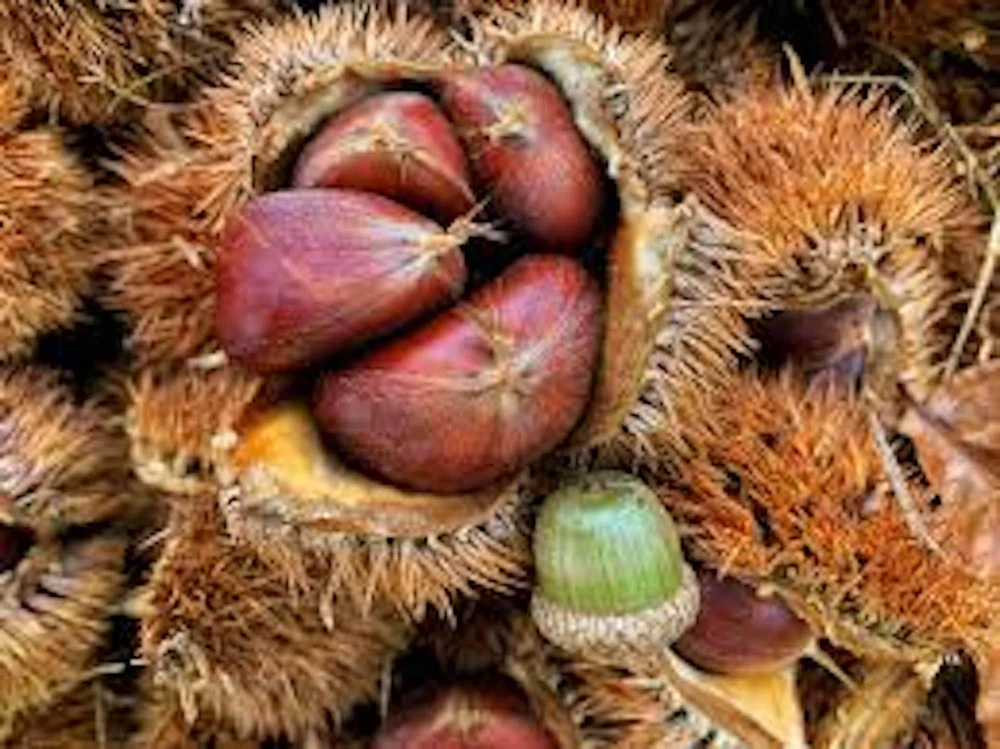
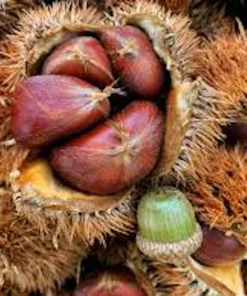
- Exceptional Nut Production: Known for producing large quantities of sweet, easy-to-peel nuts, this hybrid offers a significant harvest. These nuts are highly prized for their flavor and versatility in various culinary applications, from roasting to use in desserts.
- Vigorous Growth & Adaptability: This hybrid chestnut exhibits robust growth, quickly establishing itself and maturing into a productive tree. It is also highly adaptable, thriving in a variety of soil types and conditions, making it suitable for a wide range of planting locations.
- Wildlife Attraction: The abundant nuts produced by the Dunstan Chestnut Tree serve as an excellent food source for wildlife, including deer, turkeys, and squirrels. Planting these trees can significantly enhance biodiversity and support local ecosystems.
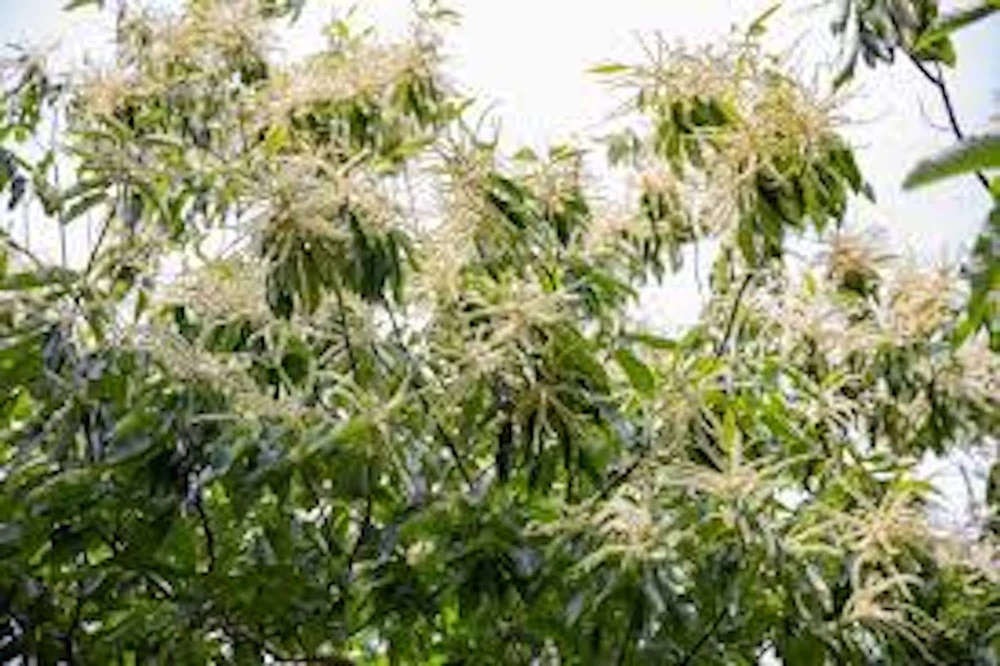
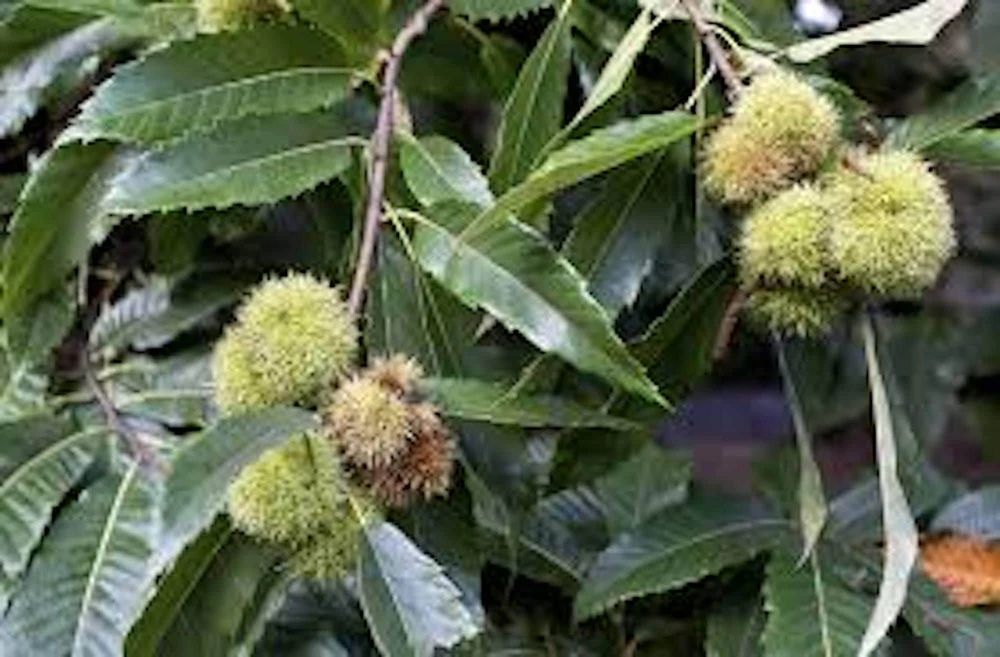
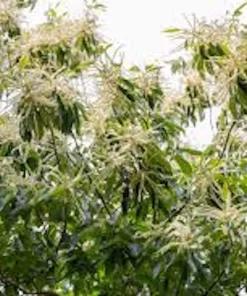
- Ornamental Value: Beyond its practical benefits, the Dunstan Chestnut Tree is an attractive deciduous tree with a stately form and lush foliage. It makes a beautiful addition to any landscape, providing shade and visual interest throughout the seasons, particularly when its large leaves turn golden in the fall.
- Hardy in Diverse Climates: This tree is hardy in USDA zones 5-8, demonstrating its ability to withstand a broad range of temperatures and climatic conditions. This wide hardiness range makes it accessible to many growers across the United States, simplifying the process of growing chestnut trees successfully.
- Economic & Sustainable Choice: For commercial growers or homesteaders, the reliable yield and blight resistance of this hybrid make it an economically sound choice. It contributes to sustainable agriculture by providing a long-term food source with minimal intervention.
Plant Care & Growing Tips
Caring for your Dunstan Chestnut Tree is straightforward, especially given its robust nature and blight resistance. To ensure optimal growth and nut production, proper planting and ongoing care are essential. Start by selecting a site with full sun exposure, meaning at least 6-8 hours of direct sunlight per day. While adaptable, the Dunstan Chestnut Tree prefers well-draining, slightly acidic to neutral soil (pH 5.5-7.0). Avoid heavy clay soils that retain too much moisture, as this can lead to root rot. If your soil is poor, amend it with organic matter like compost to improve drainage and fertility before planting.
When planting your hybrid chestnut tree, dig a hole twice as wide as the root ball and just as deep. Carefully spread the bare roots before backfilling with soil, ensuring the graft union (if present) is above the soil line. Water thoroughly after planting to settle the soil and eliminate air pockets. During the first few years, consistent watering is crucial, especially during dry spells. Aim for about 1 inch of water per week, either from rainfall or irrigation. Once established, the tree becomes more drought-tolerant. Fertilize annually in early spring with a balanced slow-release fertilizer, following product instructions to avoid over-fertilization. Pruning should focus on removing dead, damaged, or crossing branches to maintain good air circulation and tree structure. Protect young trees from deer and other wildlife with tree guards, as they are often attracted to the tender foliage.
Understanding how to plant and maintain your Dunstan Chestnut Tree will lead to a healthy, productive specimen. While resistant to blight, monitoring for other common tree pests and diseases is still good practice. With proper care, your chestnut tree for sale will flourish and provide many years of delicious nuts. Regular inspection allows for early detection and treatment of any potential issues, ensuring the continued vitality of your investment in growing chestnut trees.
Size & Details
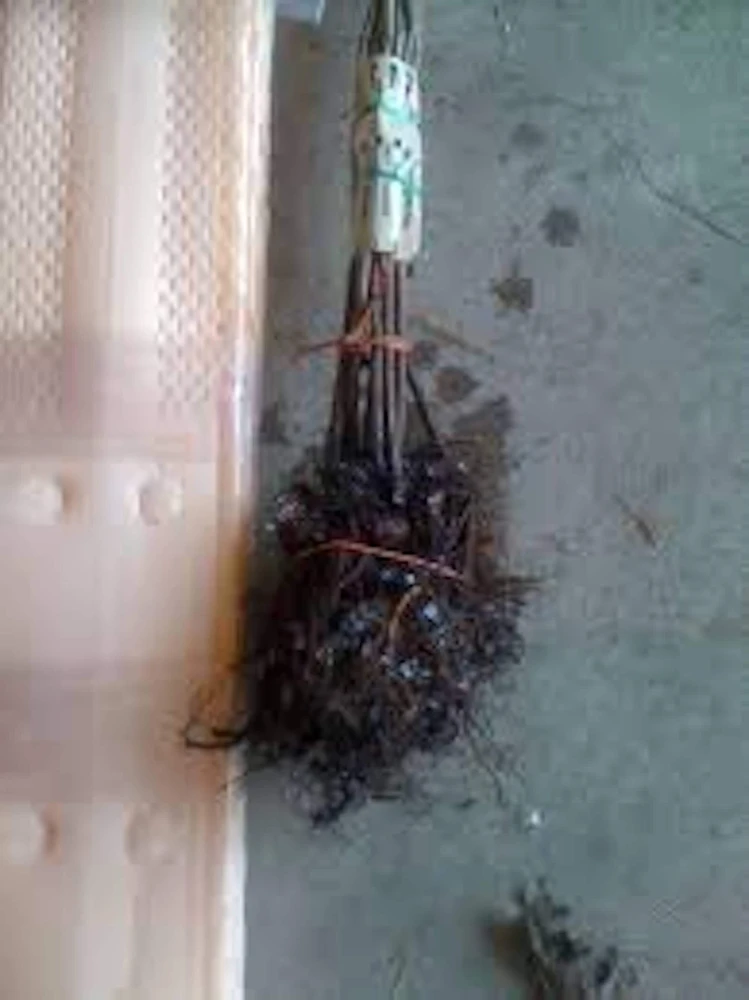
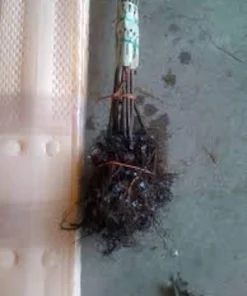
The Dunstan Chestnut Tree is provided as a bare root tree, typically measuring 12-24 inches tall upon arrival. This size is ideal for establishing a strong root system quickly once planted. Bare root trees are shipped without soil around their roots during their dormant season (typically late fall to early spring), making them lightweight and easy to transport. During the growing season, they may ship in a quarter-gallon pot, ensuring the roots remain moist and protected. These trees are known for their moderate to fast growth rate, eventually reaching heights of 30-50 feet with a similar spread, forming a broad, rounded canopy. They begin bearing nuts within 3-5 years after planting, with increasing yields as the tree matures.
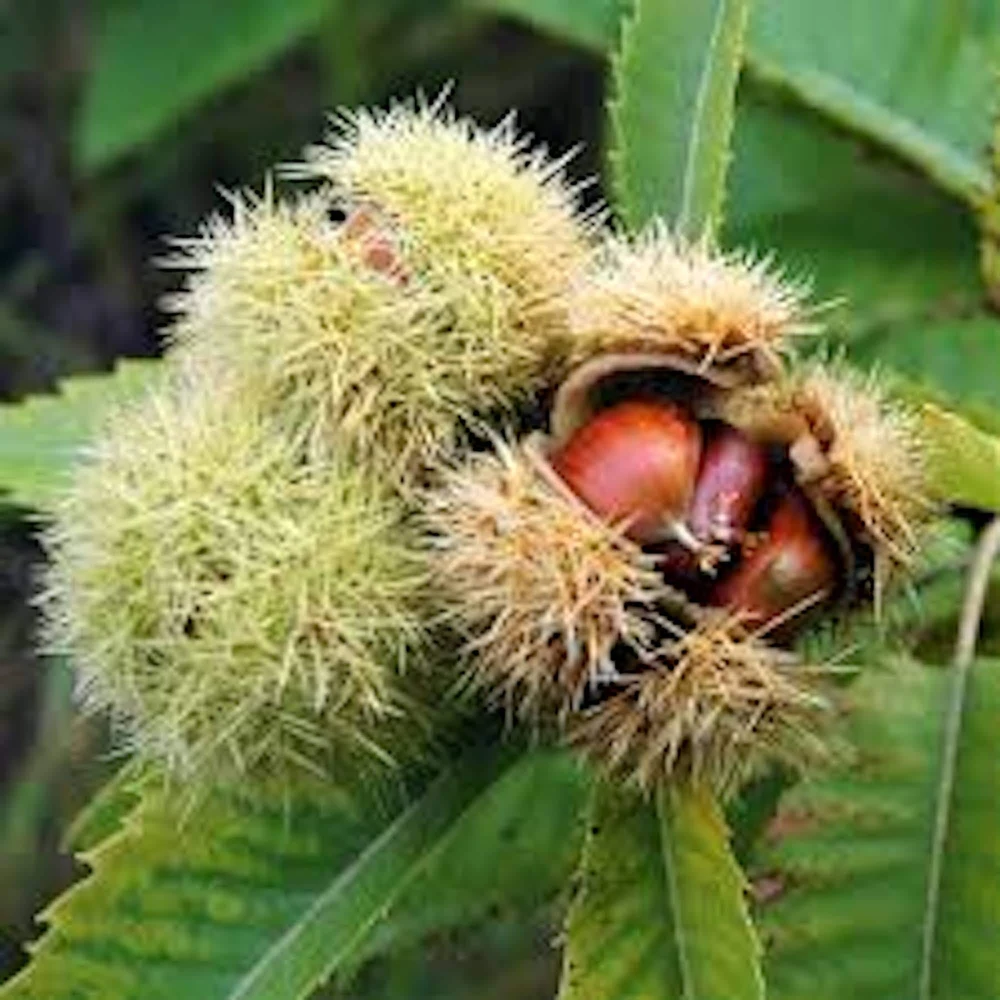
This hybrid chestnut tree is hardy in USDA Zones 5-8, making it suitable for a wide range of climates across the United States. Its adaptability to various soil types, provided they are well-draining, further enhances its appeal. The tree is a deciduous variety, shedding its leaves in the fall after a beautiful display of golden foliage. For best results in nut production, it is recommended to plant at least two trees for cross-pollination, although some self-pollination may occur. The nuts typically ripen in early fall, ready for harvest when they drop from the burrs.
Frequently Asked Questions
- Q: How big does a Dunstan Chestnut Tree get? A: A mature Dunstan Chestnut Tree typically reaches a height of 30-50 feet with a similar spread, forming a large, rounded canopy. Its size makes it suitable for larger yards or orchard settings.
- Q: What size is the tree when it arrives? A: This Dunstan Chestnut Tree is shipped as a 12-24in tall hybrid bare root plant when dormant. During the growing season, it may be shipped in a quarter-gallon pot to protect the roots.
- Q: Is this an indoor or outdoor plant? A: The Dunstan Chestnut Tree is an outdoor tree, designed to thrive in garden and orchard settings. It requires ample space and direct sunlight to grow properly and produce nuts.
- Q: How much sunlight does a Dunstan Chestnut Tree need? A: For optimal growth and nut production, this tree requires full sun exposure, meaning at least 6-8 hours of direct sunlight daily. This ensures strong development and a bountiful harvest.
- Q: Is this tree easy to care for? A: The Dunstan Chestnut Tree is considered relatively easy to care for once established. It requires consistent watering during its initial years and benefits from annual fertilization and occasional pruning. Its blight resistance reduces a major care concern.
- Q: What condition will it arrive in? A: Your Dunstan Chestnut Tree will arrive in healthy condition, either as a dormant bare root plant or in a small pot, depending on the season. We take great care in packaging to ensure safe transit.
- Q: How long until it produces nuts? A: You can expect your Dunstan Chestnut Tree to begin producing nuts within 3-5 years after planting. Yields will increase significantly as the tree matures, offering a rewarding long-term harvest.
- Q: When is the best time to plant a Dunstan Chestnut Tree? A: The best time to plant a Dunstan Chestnut Tree is during its dormant season, typically in late fall or early spring, before new growth begins. This allows the roots to establish before the stress of summer heat.
- Q: Will it survive winter in my zone? A: Yes, the Dunstan Chestnut Tree is hardy in USDA Zones 5-8, meaning it can tolerate winter temperatures in these regions. Ensure proper planting and care for best winter survival.
- Q: Is this a blight resistant chestnut? A: Absolutely. The Dunstan Chestnut Tree is specifically bred for its strong resistance to chestnut blight, making it a reliable choice for successful chestnut cultivation where native American chestnuts struggle.
Be the first to review “Dunstan Chestnut Tree Live Plant – 12-24in Tall Hybrid Bare Root – USDA Zones 5-8”
People Also Viewed
Flower Seeds
Reviews
There are no reviews yet.