
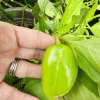
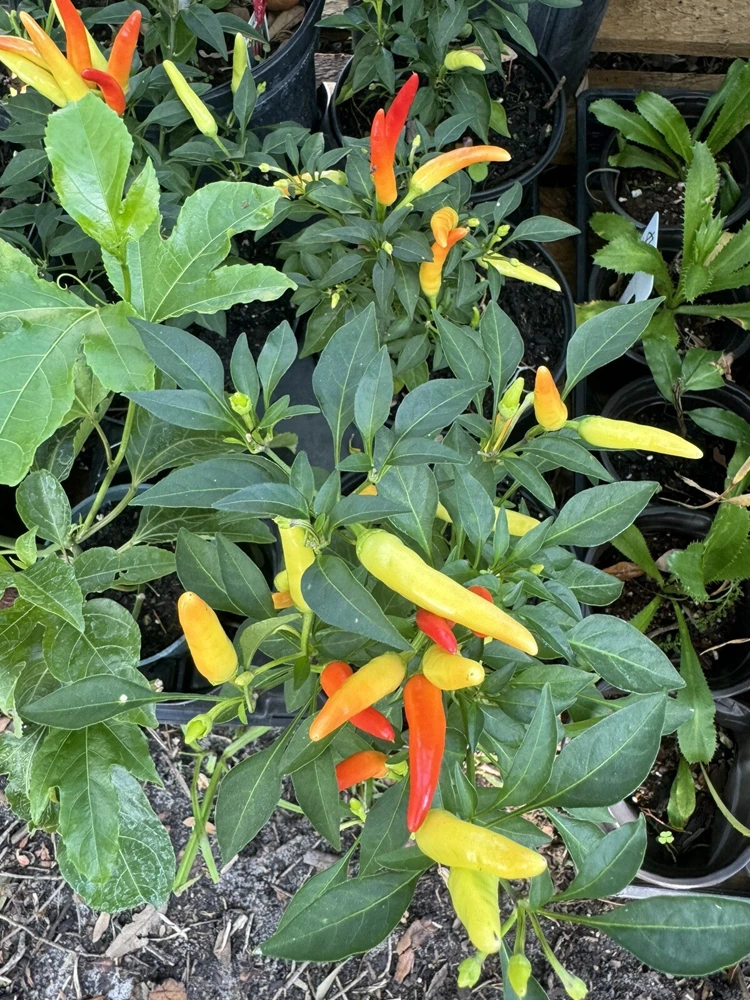
Banana Peppers Live Plant – Sweet Pepper Starter Plant
Original price was: $43.99.$23.99Current price is: $23.99.
Cultivate your own harvest of delicious, mild-flavored peppers with a banana peppers live plant. Ideal for home gardens and container growing, this starter plant produces abundant, vibrant yellow fruits that are perfect for salads, pickling, or cooking. Enjoy fresh, homegrown produce with ease.
Estimated arrival
Oct 27
Nov 01 - Nov 03
Nov 06 - Nov 10
Shop With Confidence
30-Day Plant Health Guarantee
Arrives damaged? We’ll replace it free — see our return policy.
Responsive Support
Email us anytime, we reply within 1 business day.
Expert Packaging
Temperature-controlled shipping to protect your plants in transit.
Secure Checkout
Pay safely with Visa, Mastercard, PayPal.
Plant Specifications
-
USDA Hardiness Zone
USDA zones 9-11 (as perennial), annual elsewhere -
Soil Type
Well-draining, rich in organic matter (pH 6.0-6.8) -
Sunlight Exposure
Full sun (6-8+ hours direct sunlight) -
Expected Planting Period
Spring to early summer
Overview
Embark on a rewarding gardening journey with this vibrant banana peppers live plant. Known for their distinctive elongated shape and bright yellow color, banana peppers are a favorite among home gardeners and culinary enthusiasts alike. This live starter plant provides a head start to cultivating your own bountiful harvest of these versatile and delicious peppers. Whether you’re a seasoned gardener or just beginning, growing your own sweet banana pepper plant is an enjoyable and productive endeavor. These peppers are typically mild, offering a subtly sweet flavor that enhances a wide array of dishes without overwhelming heat. Perfect for fresh eating, pickling, or adding to your favorite recipes, a healthy banana pepper plant promises a continuous supply of homegrown goodness. Get ready to enjoy the satisfaction of harvesting your own fresh produce right from your garden or patio.
Our healthy banana peppers live plant is carefully nurtured to ensure it arrives ready to thrive in your garden. Banana peppers, scientifically known as Capsicum annuum, are members of the nightshade family and are celebrated for their ease of growth and prolific yield. They are an excellent choice for adding a splash of color and flavor to your vegetable patch or even in decorative containers. With proper care, this plant will reward you with numerous sweet, crunchy peppers throughout the growing season.
Key Benefits
Adding a banana peppers live plant to your garden offers a multitude of advantages, from culinary delight to gardening satisfaction. These plants are not only productive but also relatively easy to maintain, making them a great option for various skill levels.
- Abundant Harvest: Enjoy a continuous supply of fresh banana peppers throughout the growing season. A single sweet banana pepper plant can produce dozens of peppers, providing ample yield for your culinary needs.
- Versatile Culinary Use: Banana peppers are incredibly versatile. They can be enjoyed raw in salads, stuffed and baked, grilled, sautéed, or pickled for long-term enjoyment. Their mild flavor makes them a family-friendly vegetable.
- Easy to Grow: These plants are known for their resilience and straightforward cultivation requirements. They adapt well to various growing conditions, making them suitable for both in-ground gardens and container planting.
- Nutrient-Rich Produce: Homegrown banana peppers are packed with vitamins, especially Vitamin C, and antioxidants. Growing your own ensures you have access to fresh, healthy produce free from unwanted chemicals.
- Garden Aesthetics: The bright yellow and eventually red peppers, combined with lush green foliage, add a beautiful, vibrant touch to any garden space or patio container.
- Sustainable Gardening: Cultivating your own food reduces your carbon footprint and provides a direct connection to where your food comes from. Knowing how to grow banana peppers contributes to a more sustainable lifestyle.
- Rewarding Experience: There’s immense satisfaction in watching your plants grow from a small starter to a prolific producer, culminating in the harvest of your own delicious peppers.
Plant Care & Growing Tips
To ensure your banana peppers live plant thrives and produces a generous harvest, follow these essential care and growing tips. Banana peppers prefer a warm climate and require consistent attention to watering and sunlight. For optimal growth, choose a location that receives at least 6-8 hours of direct sunlight per day. If planting in containers, select a pot that is at least 5 gallons in size to allow for adequate root development. Good drainage is crucial, so ensure your chosen container has drainage holes.
When it comes to watering, keep the soil consistently moist but not waterlogged. Overwatering can lead to root rot, while underwatering can stress the plant and reduce fruit production. Check the soil moisture regularly by sticking your finger about an inch or two deep; if it feels dry, it’s time to water. As your yellow pepper plant grows and begins to set fruit, its water needs will increase. Fertilize every 2-4 weeks with a balanced fertilizer or one specifically formulated for tomatoes and peppers, following the product’s instructions. Support your plants with stakes or cages as they grow taller and heavier with fruit to prevent stems from breaking. Understanding how to grow banana peppers effectively will lead to a successful and delicious yield.
The ideal soil for a banana peppers live plant is well-draining, rich in organic matter, and has a pH between 6.0 and 6.8. Amending your garden soil with compost or well-rotted manure before planting will provide essential nutrients and improve soil structure. Protect young plants from sudden cold snaps or strong winds. If temperatures are expected to drop below 50°F (10°C), cover your plants or bring container-grown plants indoors. Common pests like aphids or hornworms can be managed with organic pest control methods or by hand-picking. Regular inspection of your mild pepper plant will help catch issues early. Harvesting peppers when they reach their full size and desired color will encourage the plant to produce more fruit.
Size & Details
This banana peppers live plant is provided as a healthy, established starter plant, typically measuring between 6-12 inches in height upon arrival, ready for transplanting into your garden or a larger container. These plants are known for their vigorous growth and can reach a mature height of 2-3 feet tall and 1.5-2 feet wide, depending on growing conditions and variety. The peppers themselves typically grow 4-7 inches long and are conical in shape, maturing from a pale yellow to a vibrant red if left on the plant. Expect your plant to begin flowering within a few weeks of transplanting, with peppers developing shortly after. The first harvest can usually be expected within 60-75 days after transplanting.
Each sweet banana pepper plant is shipped in a nursery pot, ensuring the root ball remains intact and healthy during transit. With proper care, these plants are known to be prolific producers throughout the warm growing season, often continuing to bear fruit until the first hard frost. The robust nature of this yellow pepper plant makes it a fantastic addition for both novice and experienced gardeners looking to expand their edible landscape.
Frequently Asked Questions
- Q: How big does this banana peppers live plant get? A: A mature banana peppers live plant typically grows to about 2-3 feet tall and 1.5-2 feet wide. The size can vary based on growing conditions, soil quality, and care.
- Q: Is this an indoor or outdoor plant? A: While primarily an outdoor plant, especially in warmer climates, the sweet banana pepper plant can be grown indoors in a sunny window or under grow lights, provided it has adequate space and light.
- Q: How much sunlight does a banana pepper plant need? A: Banana pepper plants thrive on at least 6-8 hours of direct sunlight per day. Full sun exposure is crucial for optimal fruit production and healthy growth.
- Q: Is this plant easy to care for? A: Yes, the yellow pepper plant is considered relatively easy to care for, making it suitable for gardeners of all experience levels. Consistent watering and adequate sunlight are key.
- Q: What condition will the banana peppers live plant arrive in? A: The plant will arrive healthy and well-rooted in a nursery pot, ready for transplanting. We take great care in packaging to ensure a safe journey.
- Q: Can I use banana peppers in cooking? A: Absolutely! Banana peppers are incredibly versatile. They are delicious fresh in salads, perfect for pickling, and can be stuffed, grilled, or sautéed in various dishes.
- Q: How long until it produces peppers? A: You can typically expect your mild pepper plant to start producing fruit within 60-75 days after transplanting, with continuous harvesting throughout the warm season.
- Q: Will it survive winter in my zone? A: Banana pepper plants are annuals in most climates. In USDA zones 9-11, they may survive mild winters as perennials, but in colder zones, they are typically grown for one season.
- Q: What’s the minimum temperature for growing banana peppers? A: Banana pepper plants prefer temperatures above 60°F (15°C). They can be damaged by temperatures below 50°F (10°C) and will not tolerate frost.
- Q: Is the banana peppers live plant pet-safe? A: While the peppers themselves are generally not harmful to pets in small quantities, it’s always best to prevent pets from consuming large amounts of any plant material, as some parts may cause mild digestive upset.
Be the first to review “Banana Peppers Live Plant – Sweet Pepper Starter Plant”
People Also Viewed
Flower Seeds
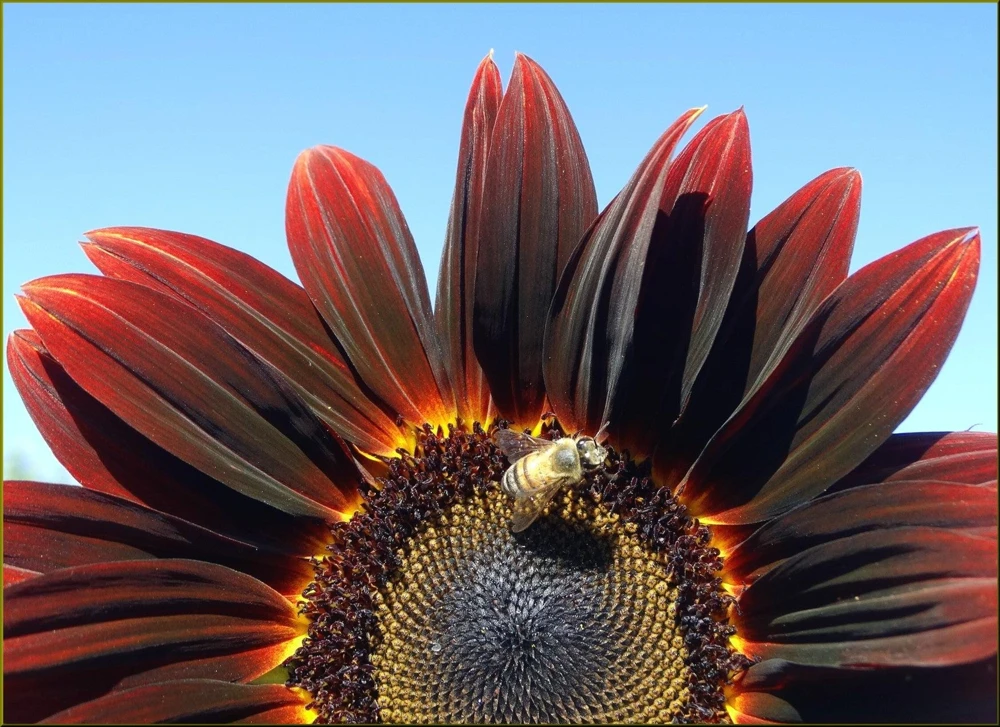
Chocolate Cherry Sunflower Seeds – 25 Helianthus Annuus Seeds, Red & Brown, 6-7′ Tall, Pollen-Free
Reviews
There are no reviews yet.