
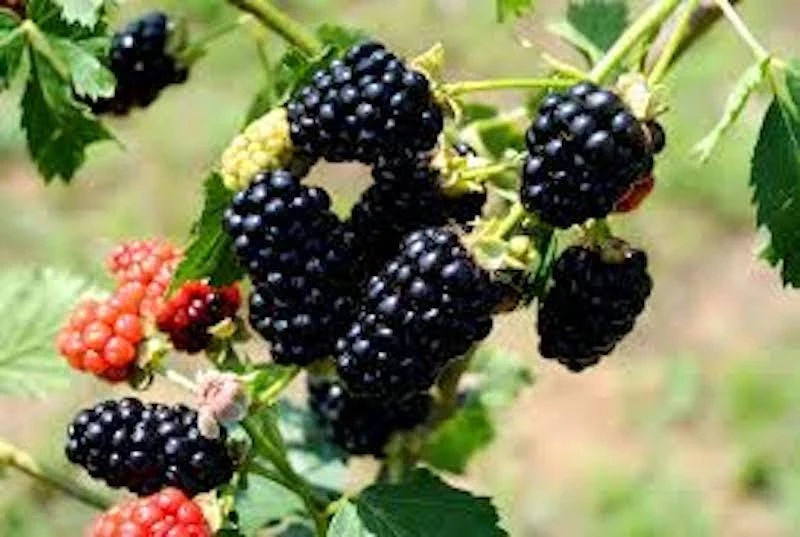
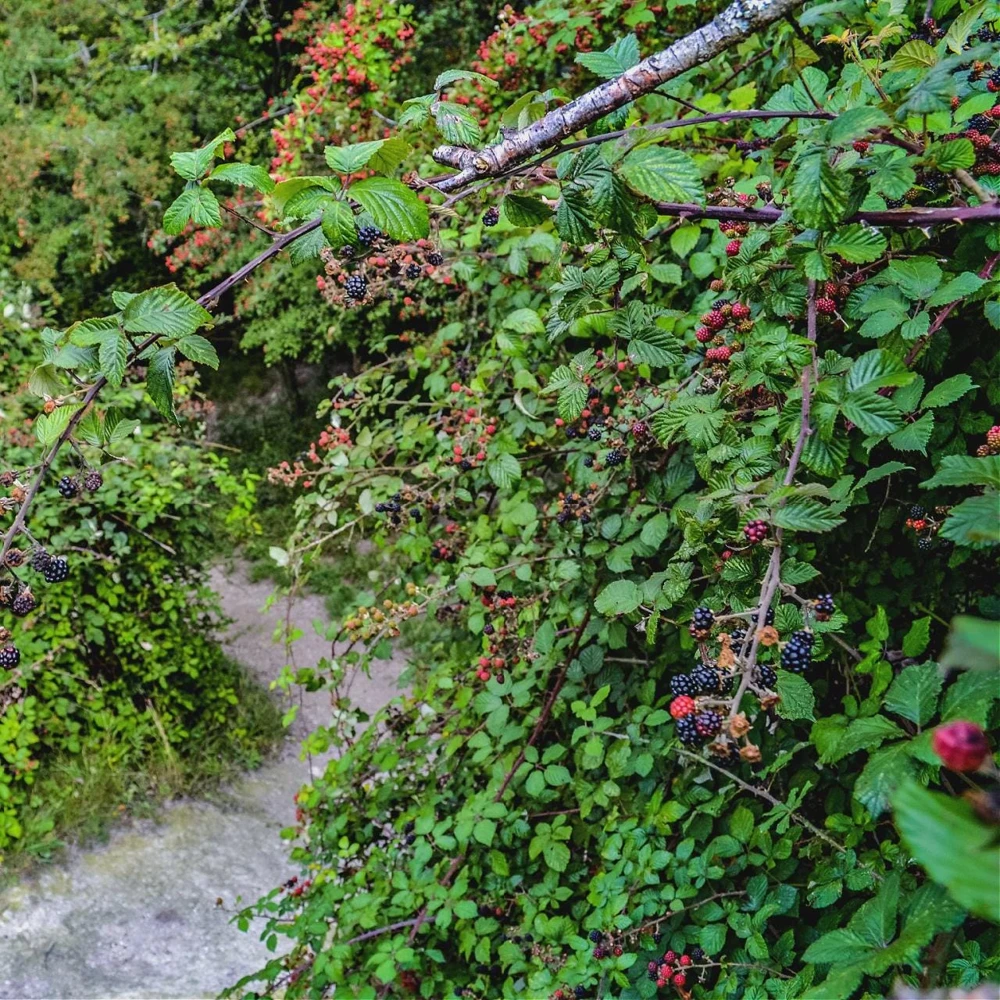
Chickasaw Blackberry Live Plant – Rubus fruticosus Starter Plug for Zones 5-9
Original price was: $69.99.$44.99Current price is: $44.99.
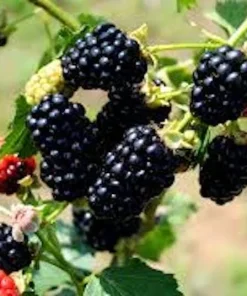
Cultivate your own delicious fruit with a Chickasaw Blackberry live plant. This vigorous, high-yielding variety (Rubus fruticosus) produces large, flavorful berries and is ideal for home gardens in USDA Zones 5-9. Get started with a healthy starter plug.
Estimated arrival
Sep 29
Oct 04 - Oct 06
Oct 09 - Oct 13
Shop With Confidence
30-Day Plant Health Guarantee
Arrives damaged? We’ll replace it free — see our return policy.
Responsive Support
Email us anytime, we reply within 1 business day.
Expert Packaging
Temperature-controlled shipping to protect your plants in transit.
Secure Checkout
Pay safely with Visa, Mastercard, PayPal.
Plant Specifications
-
USDA Hardiness Zone
5-9 -
Soil Type
Well-draining, slightly acidic to neutral soil (pH 5.5-7.0) -
Sunlight Exposure
Full sun (6-8+ hours daily) -
Expected Planting Period
Early spring or fall
Overview
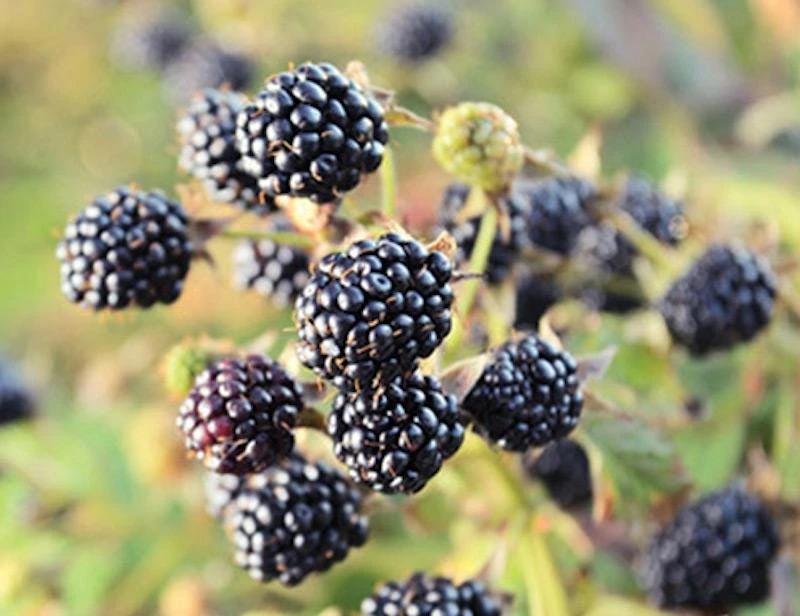
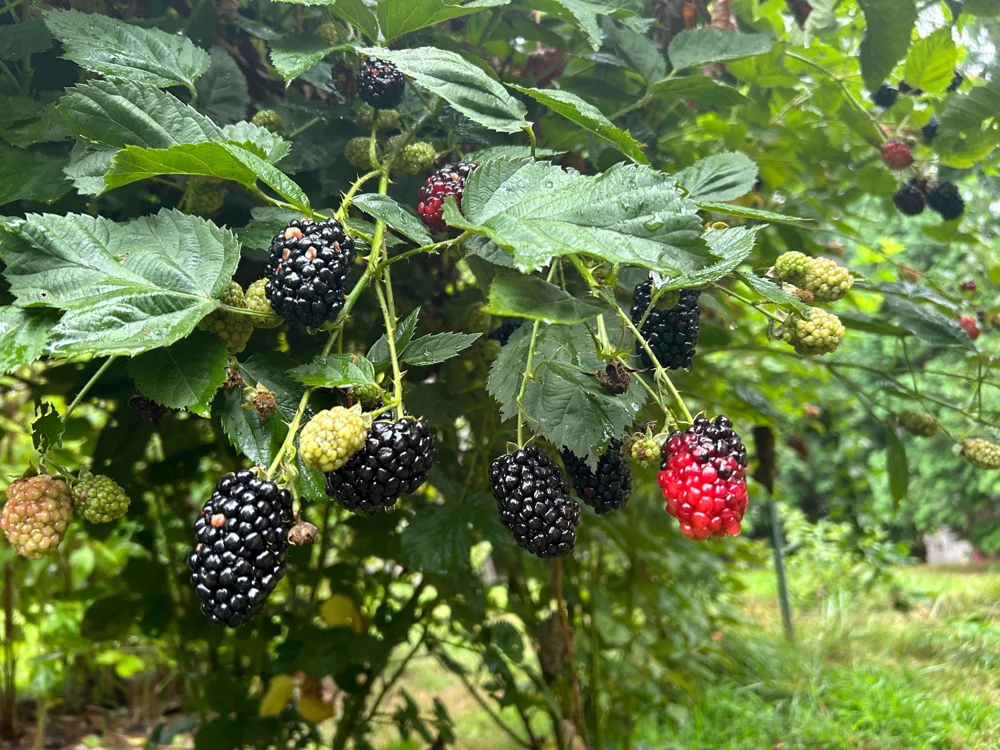
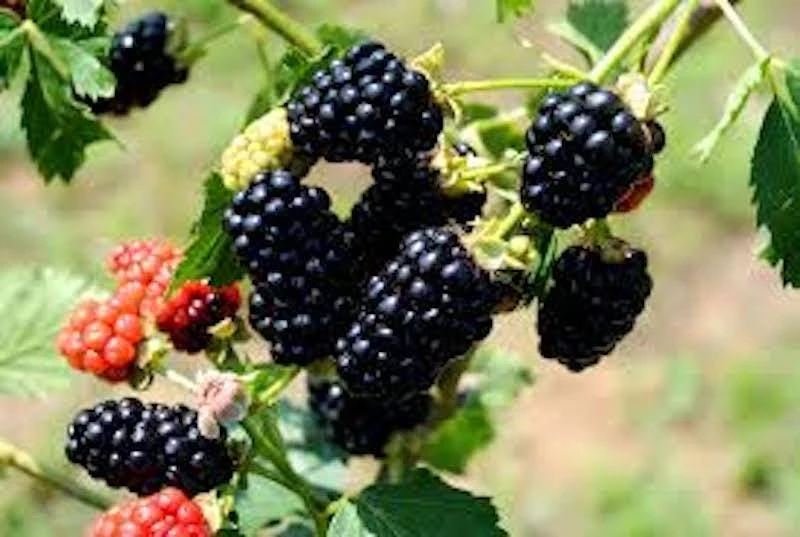
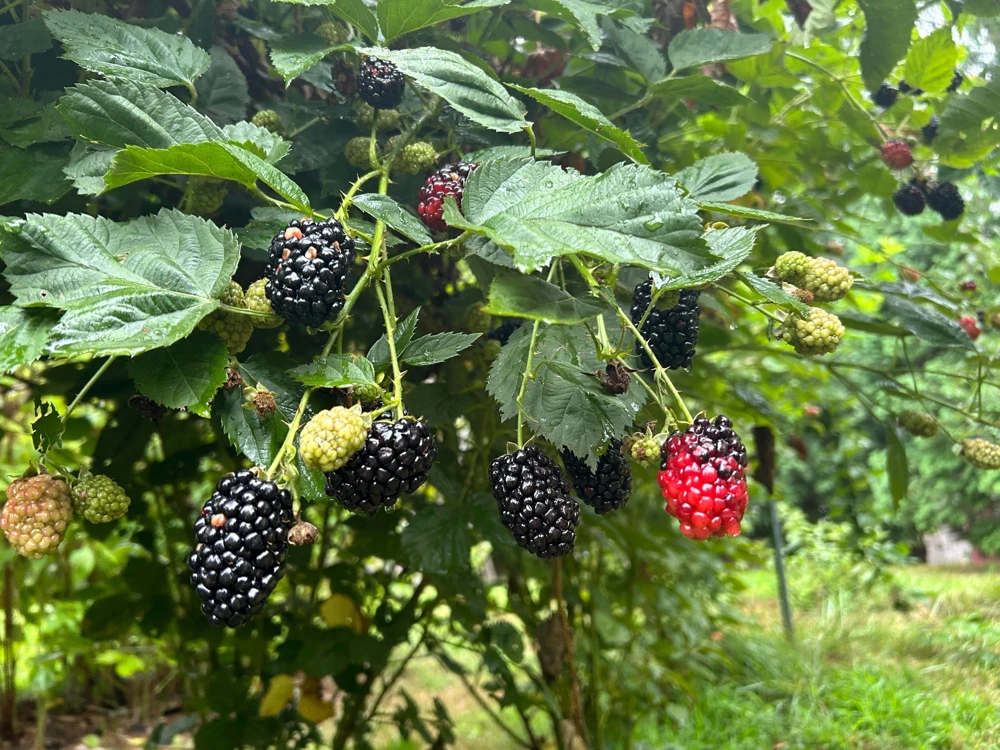
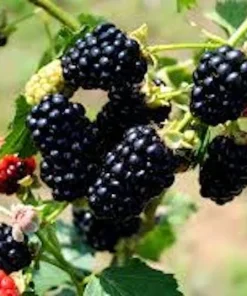
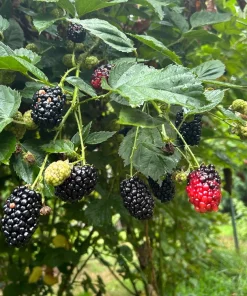
Bring the joy of fresh, homegrown fruit to your garden with a Chickasaw Blackberry live plant. This robust and popular blackberry variety, scientifically known as Rubus fruticosus ‘Chickasaw’, is celebrated for its exceptional yield and delectable fruit. Developed by the University of Arkansas, the ‘Chickasaw’ blackberry is an erect, thorny cultivar that produces an abundance of large, glossy black berries with an excellent flavor profile. It’s a resilient choice for gardeners looking for a reliable fruit producer, thriving in USDA hardiness zones 5 through 9. Our healthy starter plug provides an excellent foundation for establishing a productive blackberry patch, ensuring you can enjoy its sweet harvest for years to come. This particular Rubus fruticosus plant is known for its vigor and adaptability, making it a favorite among both novice and experienced gardeners.
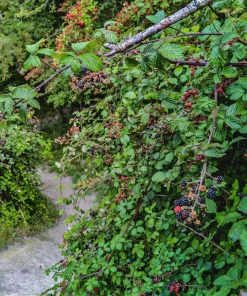
The ‘Chickasaw’ blackberry is not just about its impressive fruit; it also offers an attractive addition to the landscape with its lush green foliage. As a high-yielding blackberry, it’s an ideal choice for those who wish to maximize their harvest from a single plant. Its upright growth habit makes it easier to manage compared to some trailing varieties, and while it is a thorny blackberry plant, the rewards of its delicious fruit far outweigh this characteristic. This variety is also noted for its good post-harvest characteristics, meaning the berries hold up well after picking, making them perfect for fresh eating, jams, jellies, and pies.
Key Benefits
The Chickasaw Blackberry live plant offers numerous advantages for the home gardener, combining productivity with ease of care and delicious results. This variety is a stellar choice for anyone passionate about growing their own food.
- Abundant Harvest: Known as a high-yielding blackberry, the ‘Chickasaw’ consistently produces a prolific crop of berries, ensuring a bountiful supply for fresh eating, baking, and preserving throughout the season.
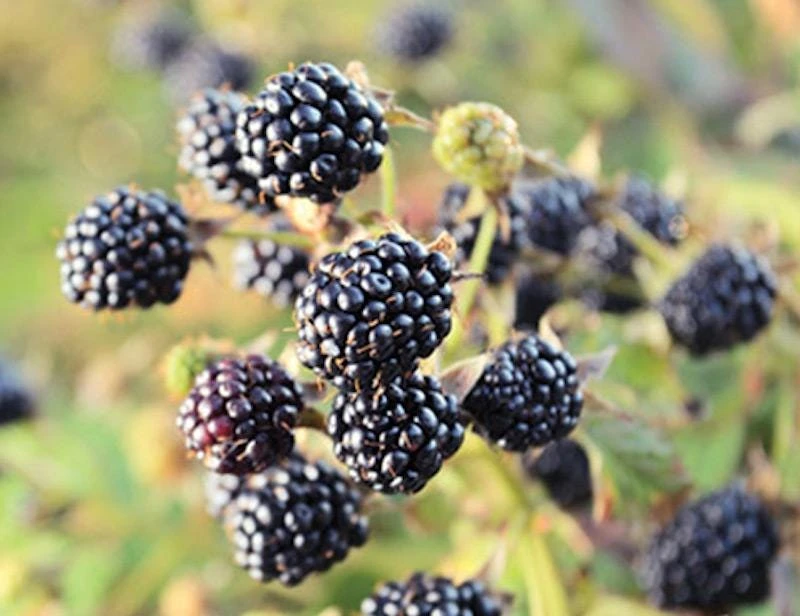
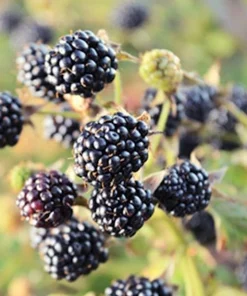
- Exceptional Flavor: The large, glossy black fruits boast an excellent, sweet-tart flavor that is highly sought after, making them a delicious addition to any culinary creation.
- Vigorous Growth: This Rubus fruticosus plant exhibits strong, erect growth, which makes it easier to manage and prune compared to more sprawling blackberry varieties, simplifying maintenance.
- Cold Hardiness: Suitable for USDA Zones 5-9, the ‘Chickasaw’ blackberry is a resilient plant that can withstand a range of temperatures, providing reliable performance in many climates.
- Good Post-Harvest Quality: The berries maintain their quality well after picking, allowing for extended enjoyment and storage, perfect for those who like to preserve their harvest.
- Garden Beauty: Beyond its fruit, the vibrant green foliage adds an attractive, natural element to your garden or edible landscape.
- Self-Pollinating: This variety is self-fertile, meaning you only need one plant to produce fruit, simplifying planting plans for smaller gardens.
Plant Care & Growing Tips
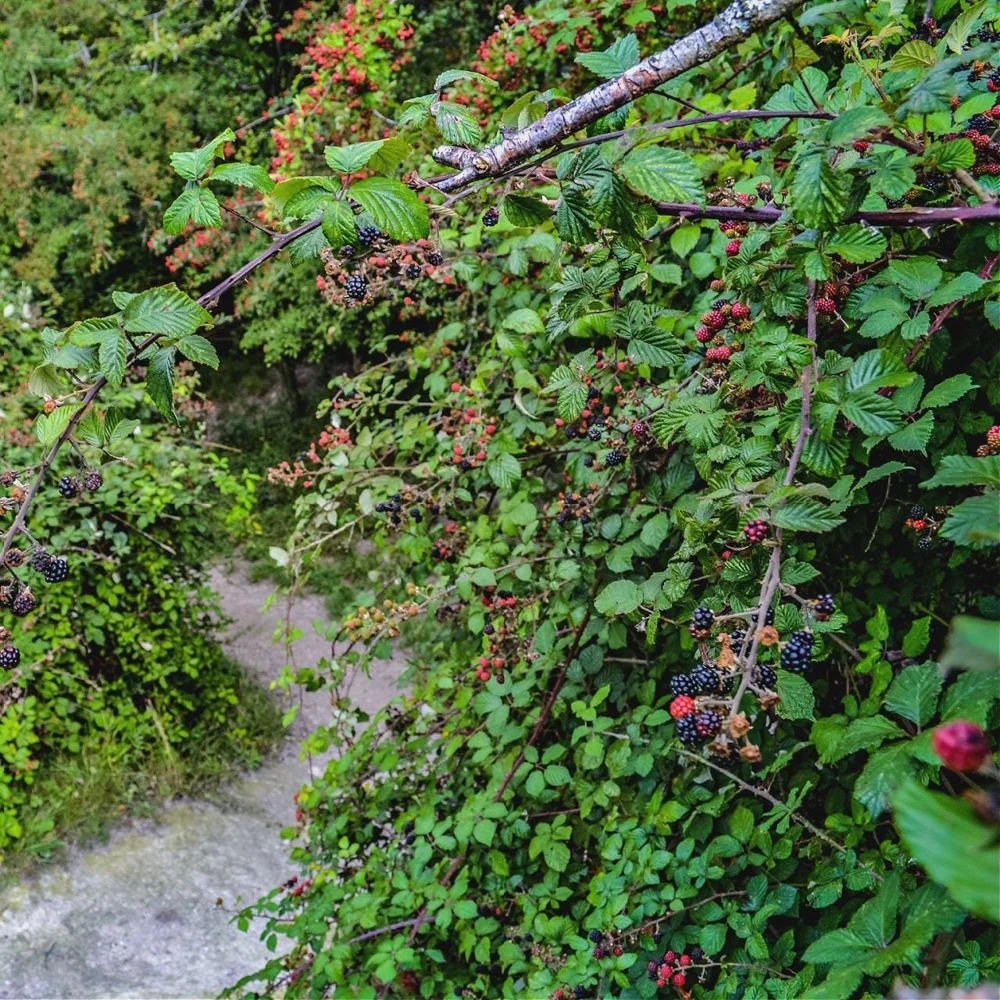
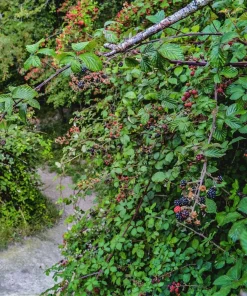
Proper care is essential for ensuring your Chickasaw Blackberry live plant thrives and produces an abundant harvest. These plants are relatively low-maintenance once established, but a good start makes all the difference. Choose a location that receives full sun, meaning at least 6-8 hours of direct sunlight per day. Adequate sunlight is crucial for fruit production and flavor development. While this is a thorny blackberry plant, its care is straightforward. Ensure good air circulation to prevent fungal diseases, and consider planting away from wild brambles to minimize pest and disease transfer.
Blackberries prefer well-draining soil with a slightly acidic to neutral pH (5.5-7.0). Amend heavy clay soils with organic matter like compost to improve drainage and fertility. Consistent moisture is vital, especially during flowering and fruiting periods. Water deeply once or twice a week, or more frequently during dry spells, ensuring the soil remains consistently moist but not waterlogged. Avoid overhead watering if possible to reduce the risk of leaf diseases. Mulching around the base of the plant with wood chips or straw can help retain soil moisture, suppress weeds, and regulate soil temperature, benefiting your growing Chickasaw blackberry.
Fertilize your blackberry plant in early spring before new growth begins, using a balanced granular fertilizer or one formulated for fruit-bearing plants. Follow package instructions carefully to avoid over-fertilization. Pruning is key for productivity; ‘Chickasaw’ blackberries produce fruit on second-year canes (floricanes). After harvesting, cut back the canes that have fruited to the ground. In late winter or early spring, thin out weaker new canes (primocanes), leaving 4-6 of the strongest per plant. This practice encourages new growth and maximizes your yield from this high-yielding blackberry. Monitor for common pests like aphids or spider mites and treat with organic insecticidal soaps if necessary. The ‘Chickasaw’ is a robust variety, but preventative care helps maintain plant health.
Size & Details
This offering is for one healthy Chickasaw Blackberry live plant provided as a starter plug, ready for transplanting into your garden or a larger container. These plugs are carefully nurtured to ensure a strong root system, providing the best possible start for your future blackberry bush. When mature, ‘Chickasaw’ blackberry plants typically grow to an erect height of 4-6 feet and can spread 3-4 feet wide, forming a productive bush. The starter plug will quickly establish itself and begin to grow vigorously, developing into a mature plant within a couple of seasons.
Expect your Rubus fruticosus plant to begin fruiting on second-year canes, usually in early to mid-summer, depending on your climate zone. The rapid growth rate means you can anticipate a harvest relatively quickly after planting. The plant ships in a form that protects its delicate root system, ensuring it arrives in optimal condition, ready for planting. With proper care, this growing Chickasaw blackberry will become a reliable source of fresh, delicious fruit for many years.
Frequently Asked Questions
- Q: How big will the Chickasaw Blackberry plant get when mature? A: A: When mature, the Chickasaw Blackberry live plant typically reaches an erect height of 4-6 feet and spreads about 3-4 feet wide, forming a productive bush. Its upright growth makes it relatively easy to manage in the garden.
- Q: Is this an indoor or outdoor plant? A: The ‘Chickasaw’ blackberry is an outdoor plant, best suited for garden cultivation. It requires full sun exposure and is hardy in USDA Zones 5-9, making it ideal for temperate climates.
- Q: How much sunlight does the Chickasaw Blackberry need? A: This high-yielding blackberry variety thrives in full sun, requiring at least 6-8 hours of direct sunlight per day for optimal growth and fruit production. More sun generally leads to sweeter berries.
- Q: Is this plant easy to care for, especially for beginners? A: Yes, the ‘Chickasaw’ blackberry is considered relatively easy to care for, even for beginners. Its vigorous nature and resilience make growing Chickasaw blackberry a rewarding experience, provided basic care guidelines for sun, water, and pruning are followed.
- Q: What condition will the starter plug arrive in? A: Your Rubus fruticosus plant starter plug will arrive healthy and carefully packaged to protect its root system during transit, ensuring it is ready for immediate planting upon arrival.
- Q: How long until the Chickasaw Blackberry plant produces fruit? A: ‘Chickasaw’ blackberries typically produce fruit on second-year canes. You can generally expect your first significant harvest in the second year after planting the starter plug.
- Q: What’s the best time to plant a Chickasaw Blackberry starter plug? A: The best time to plant a Chickasaw Blackberry live plant starter plug is in early spring after the last frost, or in the fall before the first hard freeze, allowing the plant to establish its root system.
- Q: Is the ‘Chickasaw’ a thorny variety? A: Yes, the ‘Chickasaw’ is known as a thorny blackberry plant. While it has thorns, its erect growth habit and delicious, high-yielding fruit make it a popular choice despite this characteristic.
- Q: Can I grow this blackberry in a container? A: While primarily suited for in-ground planting, you can grow ‘Chickasaw’ blackberries in very large containers (e.g., 20-gallon or larger) with good drainage, especially if you have limited garden space.
- Q: Will this blackberry variety survive winter in my USDA Zone 5 garden? A: Yes, the ‘Chickasaw’ blackberry is hardy in USDA Zones 5-9, meaning it is well-suited to survive winters in Zone 5 with appropriate winter protection, such as mulching around the base.
Be the first to review “Chickasaw Blackberry Live Plant – Rubus fruticosus Starter Plug for Zones 5-9”
People Also Viewed


Reviews
There are no reviews yet.